Self-guided audio tour in Paphos
Start Free on iPhone
Start free on iPhone to unlock this self-guided walking tour in Paphos. Hear all the stories that make it amazing, walk at your own pace, and begin whenever you want.
Your Private Tour Guide
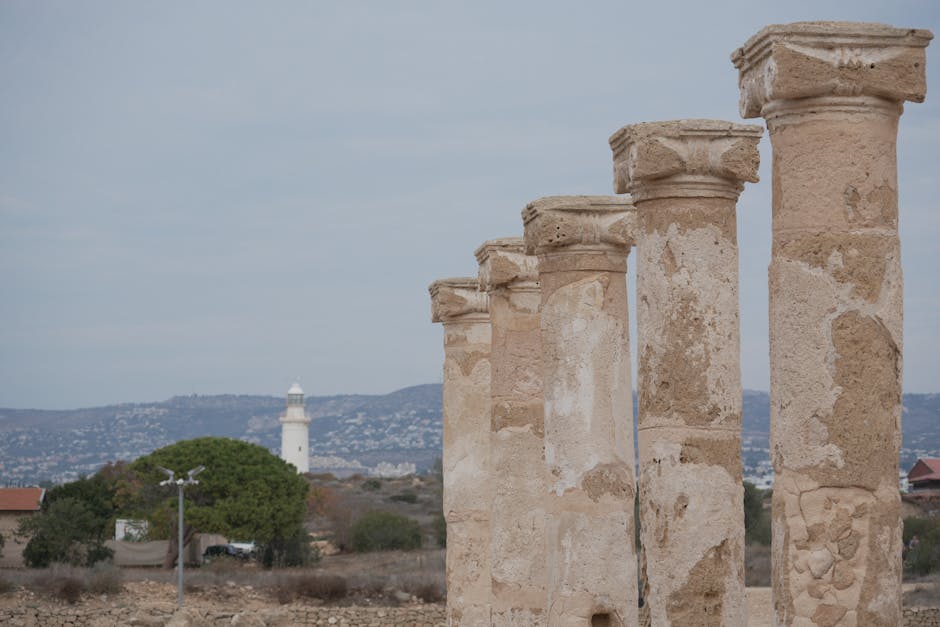
Step into a world where ancient legends and Roman luxury collide. This self-guided walking route through the Kato Paphos Archaeological Park invites you to explore one of the most significant archaeological sites in the Mediterranean at your own pace. Located in the heart of Paphos, a city designated as a UNESCO World Heritage site, this area is a treasure trove of Greco-Roman history, offering a window into the lives of the elite who once called this coastal city home. As you begin your audio walk, you will encounter the dramatic remnants of a civilization that flourished thousands of years ago. The park is world-renowned for its incredibly well-preserved mosaic floors, which were rediscovered by accident in 1962. These intricate artworks, crafted from tiny natural pebbles and stones, depict scenes from Greek mythology, including the triumphs of Dionysos and the heroics of Theseus. Exploring these villas independently allows you to linger over the details of the craftsmanship and the stories they tell. Beyond the mosaics, this walking tour Paphos experience takes you to the Paphos Odeon, a majestic 2nd-century limestone theater, and the sprawling ruins of the Agora, the ancient marketplace. You will also discover the Saranta Kolones Castle, a Byzantine fortress that once guarded the harbor with its Forty Columns. This walking route is designed for those who appreciate history and architecture without the rush of a traditional group setting. The experience is a highlight for anyone visiting Cyprus. Whether you are a photography enthusiast looking for the perfect shot of the Mediterranean backdrop or a history buff eager to decode ancient symbolism, this self-guided adventure provides the flexibility you need. By using this audio walk, you can skip the rigid schedules and immerse yourself in the myths of Kato Paphos. It is the ideal walking tour Paphos for travelers who want to connect with the past on their own terms.
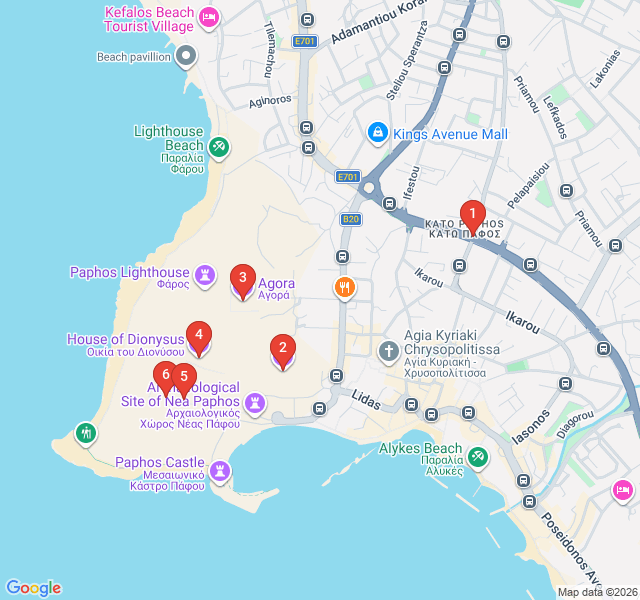
Numbers indicate the order of stops on the tour.
Welcome to the Paphos Odeon, a classic example of 2nd-century Roman architecture. Built entirely of well-hewn limestone blocks, this semi-circular theater once echoed with the sounds of musical performances and poetic recitals. Although much of what you see today was restored in the 1970s, it remains a powerful testament to the cultural life of Nea Paphos. Notice the proximity to the city walls and the lighthouse; this was the heart of the city's civic pride. Imagine the citizens of the Roman Empire gathered here, overlooking the Mediterranean, enjoying the latest artistic displays. Today, it still hosts occasional summer concerts, bridging two millennia of performance history.
Moving toward the harbor, we find the ruins of Saranta Kolones, or the 'Forty Columns' Castle. This name comes from the numerous granite columns found on the site, which likely belonged to the ancient Agora before being repurposed for this Byzantine fortress. Built in the 7th century to protect the port from Arab raids, and later remodeled by the Lusignans, its life was cut short by a massive earthquake in 1222. As you wander through the ruins, look for the remnants of the corner towers and the dungeon. It is a stark architectural contrast to the Roman villas nearby, showing the shift from domestic luxury to military necessity.
The Agora was the beating heart of ancient Paphos. This large courtyard, once surrounded by shaded porticos and bustling shops, served as the central marketplace and social gathering point. In its prime, it was the place to hear the latest political news, trade goods from across the Roman Empire, and socialize with fellow citizens. Today, the scattered foundations and column bases allow you to trace the footprint of this massive square. This site connects the residential 'Houses' of the elite with the public life of the theater and the harbor, illustrating how the city was expertly planned as a hub of Mediterranean commerce.
The House of Dionysos is the jewel of the park's mosaic collection. This 2,000-square-meter villa belonged to a wealthy Roman citizen and is named after the many mosaics depicting Dionysos, the god of wine. The craftsmanship here is unparalleled; look for the 'Triumph of Dionysos' where the god is depicted in a chariot drawn by panthers. The scenes aren't just religious; they show hunting expeditions and scenes from daily life, rendered with a depth and color that has survived nearly two thousand years. This house was destroyed by earthquakes in the 4th century, which ironically helped preserve the floors by burying them safely under rubble until their discovery in 1962.
Though only a small part of this villa has been excavated, the House of Aion contains some of the most complex and artistically significant mosaics in the world. The central mosaic is divided into five panels, each depicting a different mythological scene, such as the beauty contest between Cassiopeia and the Nereids. The house is named after Aion, the god of eternal time, who appears as a judge in the mosaics. Historians believe these works represent a philosophical response to the rising tide of Christianity in the 4th century, as the pagan elite doubled down on their traditional myths through high art.
Our final stop is the House of Theseus, the largest villa in the park and the likely residence of the Roman Proconsul, or Governor of Cyprus. With over 100 rooms, its scale is immense. The highlight is the circular mosaic depicting Theseus slaying the Minotaur within the Labyrinth. Notice the geometric patterns surrounding the central scene—they represent the winding paths of the maze itself. This villa was occupied for centuries, and you can see various layers of architectural changes. Standing here, you are at the former seat of power for the entire island, surrounded by art that reflected the status and education of the Roman ruling class.
Start Free on iPhone
Explore “Mosaics and Myths: Kato Paphos Archaeological Park” with your very own Private Tour Guide with Zigway. Start free on iPhone, skip the large group and the fixed routes, and hear the city come alive as you go.
Your Private Tour Guide
Don't miss the good stuff
Explore Freely
 Easy
EasyPaphos, Cyprus
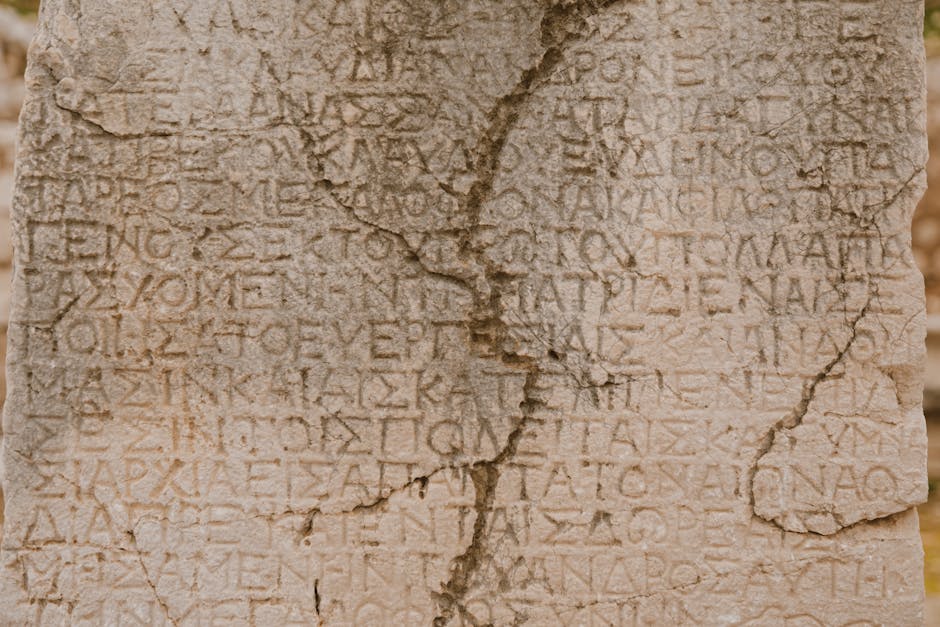
Explore Paphos' maritime history on this self-guided walk from ancient tombs and Roman mosaics to the iconic harbor fort and a coastal shipwreck.
 Easy
EasyPaphos, Cyprus
Experience the vibrant pulse of Paphos after dark, from the neon lights of Bar Street to sophisticated harbor-side cocktails on this self-guided walk.
 Easy
EasyPaphos, Cyprus
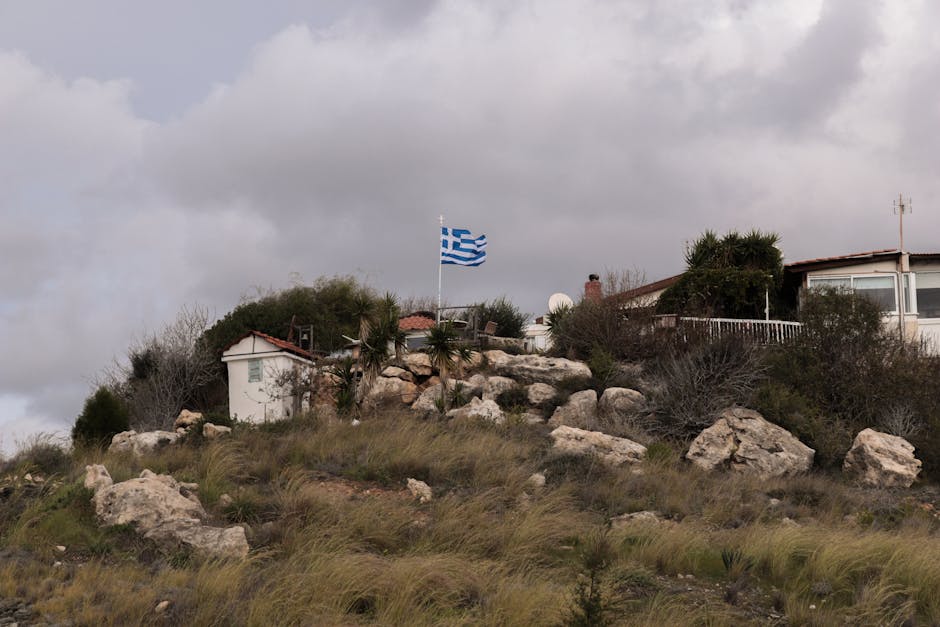
Experience the stunning Mediterranean coastline, historic lighthouse, and medieval castle on this scenic self-guided audio walk in Kato Paphos.
 Easy
EasyPaphos, Cyprus
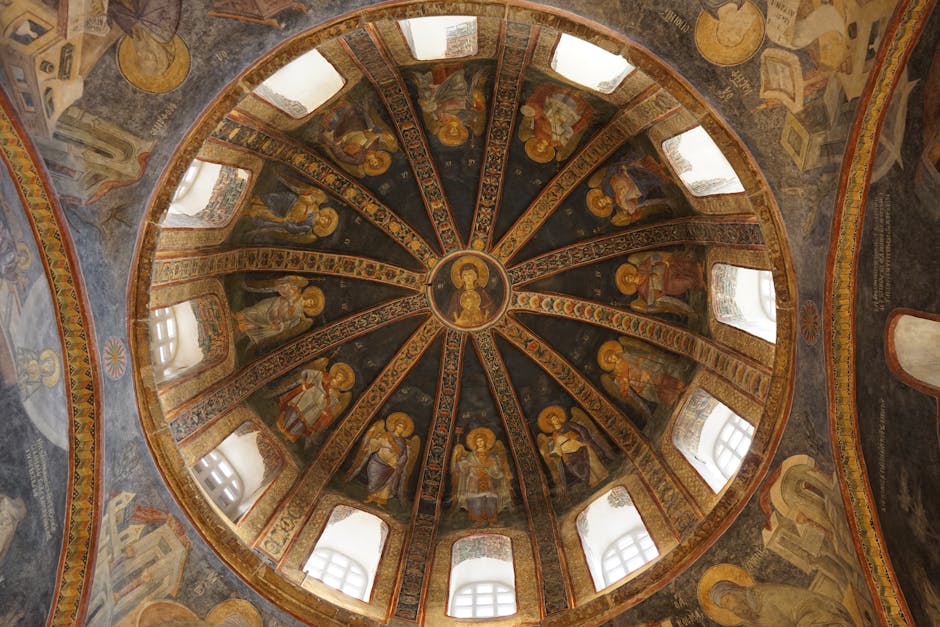
Discover UNESCO-listed ruins, Byzantine churches, and Roman mosaics on this self-guided audio walk through the historic heart of Paphos.
 Easy
EasyNairobi, Kenya
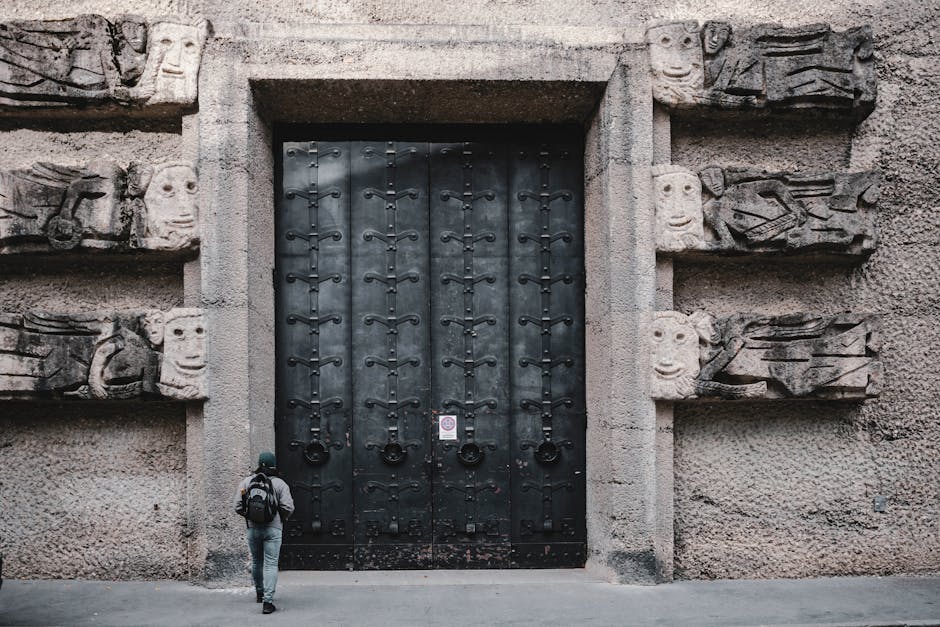
Explore Nairobi's architectural evolution from colonial-era landmarks to iconic Brutalist skyscrapers on this historic self-guided walking route.
 Easy
EasyNairobi, Kenya
Discover Nairobi's iconic skyline on this self-guided architecture walk through the CBD’s most famous modernist and Brutalist landmarks.
 Easy
EasySalzburg, Austria
Discover the 'Rome of the North' on this self-guided walk through the Baroque squares and monumental legacy of Salzburg’s Prince-Archbishops.
 Moderate
Gdansk, Poland
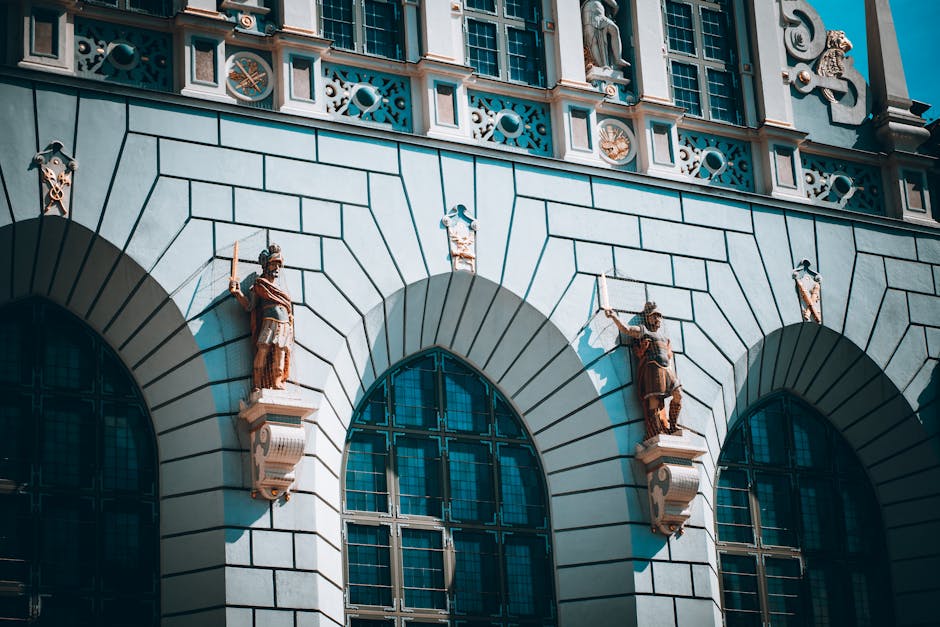
Discover the origins of WWII in Gdansk on this self-guided walk through heroic last stands, massive museums, and strategic hilltop fortifications.
 Easy
EasyNicosia, Cyprus
Explore Nicosia's culinary heart! A self-guided stroll from historic coffee roasters to modern meze spots across the city's unique divided center.
 Easy
EasyNicosia, Cyprus
Capture the soul of the world's last divided capital on this self-guided walk through Nicosia's historic streets, street art, and panoramic views.
 Easy
EasyNicosia, Cyprus
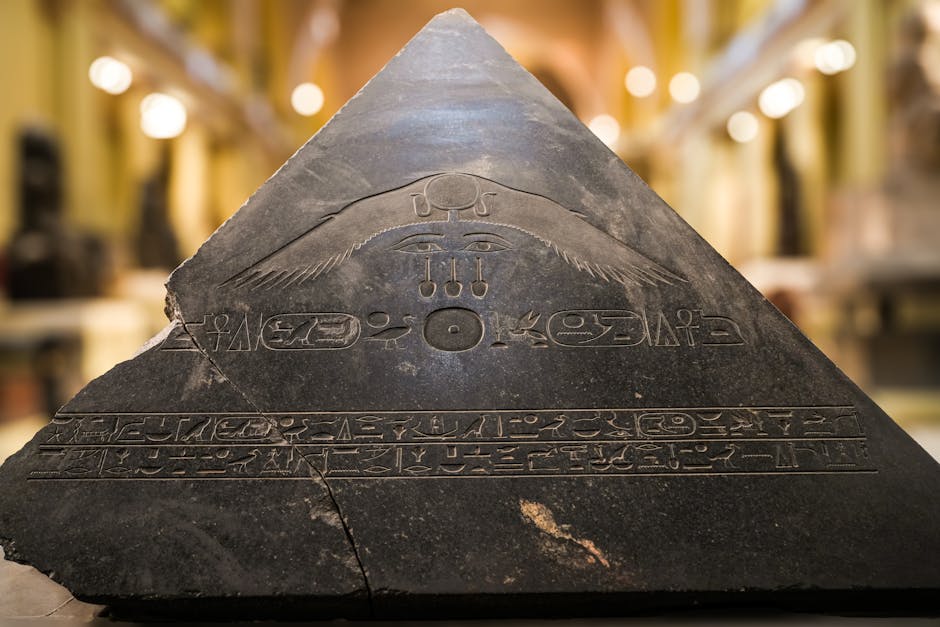
Explore Nicosia's rich heritage on this self-guided walk through premier museums, Ottoman mansions, and world-class archaeological collections.
 Easy
EasyNicosia, Cyprus
Explore Nicosia’s modern side, from Zaha Hadid’s fluid architecture to vibrant street art and Jean Nouvel's iconic bioclimatic 'White Walls.'