Self-guided audio tour in Paphos
Start Free on iPhone
Start free on iPhone to unlock this self-guided walking tour in Paphos. Hear all the stories that make it amazing, walk at your own pace, and begin whenever you want.
Your Private Tour Guide
Stroll through the layered history of Cyprus with this self-guided architectural exploration of Paphos. While many visitors head straight for the coast, the true character of the city is found in the 'Ktima' or Upper Town, where British colonial ambition met a blossoming Greek Neoclassical identity. This walking route highlights the fascinating transition from an imperial outpost to an independent Mediterranean hub, showcasing how public buildings like the Town Hall and District Court were used to project power and cultural pride. Starting in the civic heart of Ktima, you will encounter the grand Neoclassical structures of the early 20th century. These buildings, with their Doric columns and symmetrical facades, were more than just administrative centers; they were symbols of the 'Enosis' movement and a desire to reconnect with Hellenic roots during the British administration. As the route descends from the plateau toward the sea, the architectural narrative shifts. You will see how the British authorities integrated modern infrastructure, like the iconic Paphos Lighthouse and the systematic Post Office, into a landscape dominated by ancient ruins. The journey continues into Kato Paphos, where the architecture of the distant past—Roman villas, Byzantine castles, and early Christian catacombs—was rediscovered and preserved during the colonial era. By the time you reach the harbor, you will have traced a path from the 19th-century schoolhouses of the upper town to the medieval fortifications that guard the sea. This walking tour Paphos offers is a masterclass in urban evolution, perfect for those who want to see beyond the beach resorts. Whether you are an architecture enthusiast or a history buff, this self-guided walk provides the freedom to linger at the sites that interest you most, from the intricate mosaics of the House of Dionysus to the stark, functional lines of the colonial-era courts.
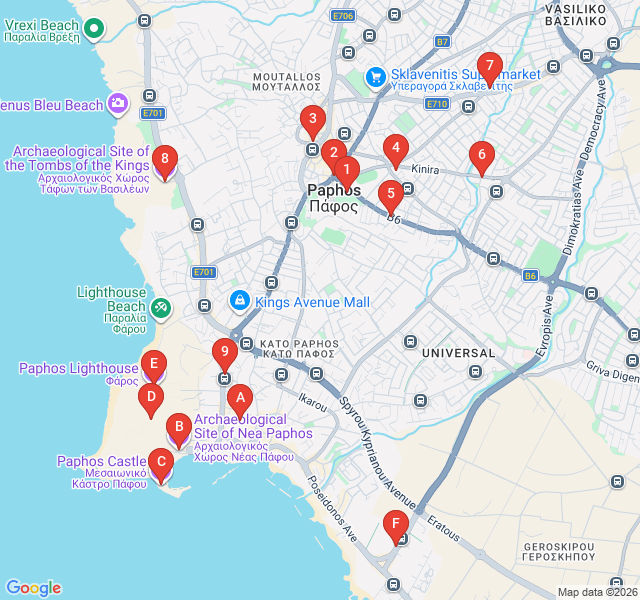
Numbers indicate the order of stops on the tour.
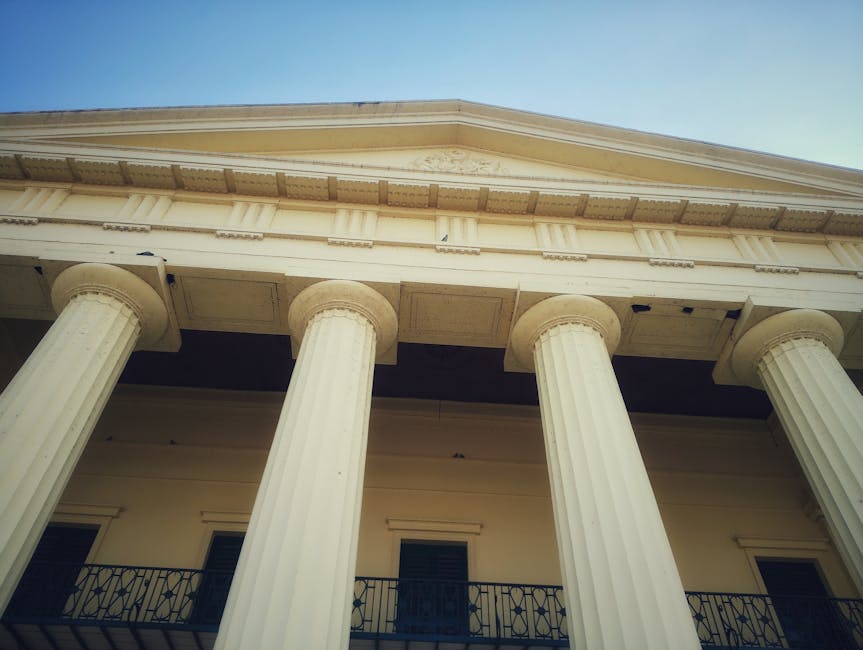
Begin your exploration at the Paphos Town Hall, a stunning example of Neoclassical architecture completed in the mid-20th century. Notice the heavy influence of Ancient Greek design, specifically the Doric columns that support the portico. This style was intentionally chosen by the local community during the British colonial period to emphasize their Hellenic identity. The building sits within a cluster of similar structures, including the public library, creating a 'Neoclassical circle' that serves as the civic heart of the Upper Town. It reflects a time when Paphos was beginning to assert its cultural independence through stone and mortar.
Located just a short walk from the Town Hall, the Dimitrios Primary School is another architectural gem of the Ktima district. Built in the late 1920s, it mirrors the Neoclassical style of the surrounding civic buildings. Education was a primary tool for cultural preservation during the British era, and schools like this were designed to be 'temples of learning.' Look for the symmetrical wings and the pediment over the main entrance. The school remains a functioning part of the community, standing as a testament to the long-standing value placed on education and heritage in Paphos.
The Paphos Post Office offers a contrast to the grand Neoclassical style of the Town Hall. This building represents the functional side of British colonial rule. During the early 20th century, the British established a robust postal and telegraph network across Cyprus. The architecture here is more utilitarian but still possesses a certain colonial charm, designed for efficiency and to withstand the Mediterranean climate. It serves as a reminder of how the British administration modernized the island's infrastructure, connecting this once-remote coastal town to the rest of the Empire and the world.
The Paphos District Court is perhaps the most imposing reminder of the British legal legacy in Cyprus. Established to replace the Ottoman judicial system, these courts were the physical manifestation of British law and order. The building's design is solid and authoritative, intended to project the permanence of the colonial administration. Architectural historians often note the blend of local stone with British institutional layouts. Today, it still functions as a courthouse, maintaining its role as the center of justice for the region, just as it did over a century ago.
As you walk along Griva Digeni Avenue, you are traversing one of the city's most historic arteries. Named after the leader of the EOKA movement which fought for independence from British rule in the 1950s, this street is lined with a mix of colonial-era villas and mid-century modern shops. Observe the balconies and shutters on the older residences, designed to catch the breeze while providing shade. This avenue connects the administrative center of Ktima to the residential neighborhoods, illustrating the urban sprawl that occurred as Paphos grew from a small village into a bustling regional capital.
The presence of the Cyprus University of Technology in the heart of Paphos is a brilliant example of urban regeneration. The university has repurposed several historic buildings, blending old-world masonry with modern glass and steel interiors. This adaptive reuse ensures that the city's architectural heritage remains relevant and lived-in rather than becoming a static museum. It brings a youthful energy to the old district of Ktima, proving that historic architecture can be the foundation for a modern, knowledge-based economy. Take a moment to see how the new structures respect the scale and materials of their older neighbors.
The Nikolaideio Gymnasium is an institution of immense pride for Paphos. Founded in the late 19th century, it was the first secondary school in the district and played a pivotal role in the intellectual and political life of the city. Architecturally, it follows the Hellenic revival style common in educational buildings of that era. During the struggle for independence, students and teachers from this gymnasium were often at the forefront of the movement. It stands as a symbol of the intellectual resistance against colonial rule and the enduring link between Paphos and the wider Greek-speaking world.
Moving toward the coast, we encounter the Tombs of the Kings. Although these are ancient rock-cut tombs dating back to the 4th century BC, their 'architecture' is remarkably sophisticated. They were carved into the solid rock to imitate the houses of the living, complete with peristyle courtyards and Doric columns. During the British period, these sites began to receive systematic archaeological attention, as the colonial administration took a keen interest in the island's classical past. The grandeur of these tombs, despite being built for high-ranking officials rather than actual kings, showcases the wealth and Hellenistic influence of ancient Paphos.
The Agia Solomoni Catacomb is a fascinating site where architecture meets religious devotion. Originally a Hellenistic tomb complex, it was later used by early Christians as a chapel and burial site. The underground chambers and rock-cut altars reflect a subterranean architectural tradition born out of necessity and persecution. Above the entrance stands a large terebinth tree, draped in bits of cloth left by the faithful seeking healing—a tradition that has persisted through centuries of changing rulers, from the Byzantines and Crusaders to the British and the present day.
This site is a centerpiece of Paphos's religious history. According to tradition, the Apostle Paul was tied to this pillar and scourged before converting the Roman proconsul to Christianity. The surrounding ruins of the Panagia Chrysopolitissa basilica show the evolution of ecclesiastical architecture, from a massive 4th-century church to a smaller medieval structure. The British authorities were instrumental in protecting these ruins, recognizing their significance to global Christian heritage. The wooden walkways allow you to see the intricate floor mosaics without disturbing the sensitive archaeological layers beneath.
Nea Paphos was the capital of Cyprus during the Hellenistic and Roman periods. This sprawling site contains some of the most impressive domestic architecture of the ancient world. The city was laid out on a grid system, a hallmark of Greco-Roman urban planning. As you explore, look for the foundations of the public buildings and the sophisticated drainage systems. The colonial-era archaeologists who first began excavating here were amazed by the scale of the city, which remained the island's administrative heart for over 600 years before being destroyed by earthquakes.
Guarding the harbor, Paphos Castle is a lesson in defensive architecture. Originally a Byzantine fort built to protect the harbor, it was dismantled by the Venetians and later rebuilt by the Ottomans in 1592. The British used the castle as a salt warehouse during their administration, a practical repurposing of a military structure that had become obsolete in the age of modern naval warfare. Its massive stone walls, small windows, and central courtyard are designed for survival. Today, it serves as a dramatic backdrop for cultural festivals, symbolizing the city's resilience against sea-borne invaders.
Inside the Nea Paphos site, the House of Dionysus represents the pinnacle of Roman villa architecture in Cyprus. Named after the god of wine who appears in many of its mosaics, the villa covers 2,000 square meters. The layout follows the classic Roman 'atrium' house, where rooms are arranged around a central courtyard. The architecture was designed to showcase the owner's status and provide a cool, private retreat from the Mediterranean sun. The British-led excavations in the 1960s brought these world-class mosaics to light, leading to the site's inclusion on the UNESCO World Heritage list.
The Paphos Lighthouse is a classic piece of British maritime architecture, built in 1888 shortly after the British took control of Cyprus. Its purpose was to safeguard the shipping lanes between the Suez Canal and the United Kingdom. Standing 20 meters tall, it was constructed using local stone but followed a standard imperial design. It represents the era when Paphos was a vital link in the British Empire's 'lifeline' to India. Even today, its white silhouette against the blue sea remains one of the most photographed landmarks in the city, bridging the gap between the ancient ruins and the modern harbor.
Your walk concludes at Neapolis University, representing the modern architectural chapter of Paphos. This private university is part of a larger trend of contemporary development that seeks to position Paphos as a modern European city. The campus design incorporates modern educational requirements with Mediterranean aesthetics, emphasizing open spaces and light. It stands near the newer tourist districts, showing how the city has expanded eastward from its historic Ktima core. From here, you can reflect on how Paphos has evolved from an ancient capital to a colonial outpost, and finally into a vibrant modern center of learning.
Start Free on iPhone
Explore “Empire and Independence: Paphos Colonial Architecture” with your very own Private Tour Guide with Zigway. Start free on iPhone, skip the large group and the fixed routes, and hear the city come alive as you go.
Your Private Tour Guide
Don't miss the good stuff
Explore Freely
 Easy
EasyPaphos, Cyprus
Explore Paphos' maritime history on this self-guided walk from ancient tombs and Roman mosaics to the iconic harbor fort and a coastal shipwreck.
 Easy
EasyPaphos, Cyprus
Experience the vibrant pulse of Paphos after dark, from the neon lights of Bar Street to sophisticated harbor-side cocktails on this self-guided walk.
 Easy
EasyPaphos, Cyprus
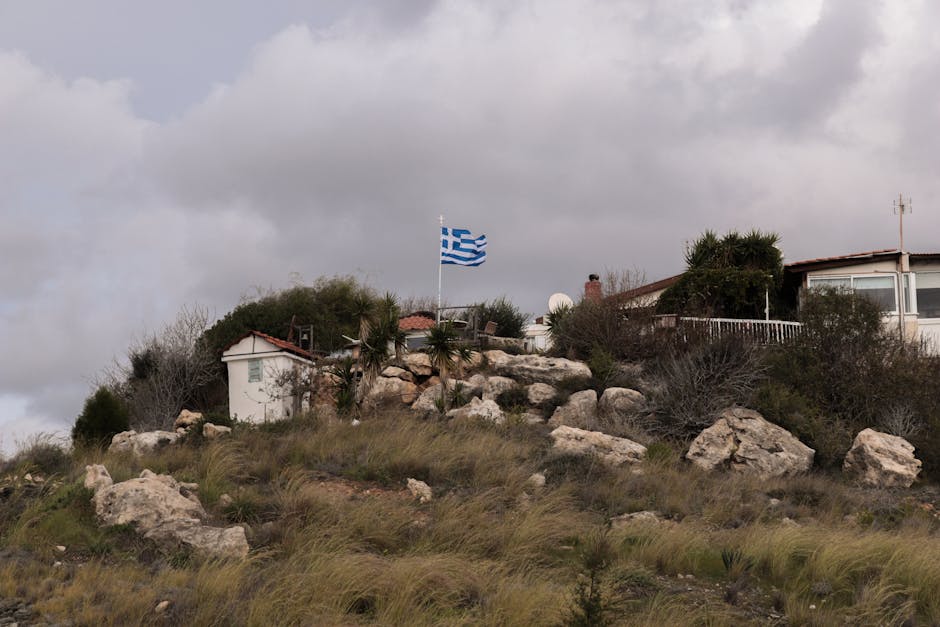
Experience the stunning Mediterranean coastline, historic lighthouse, and medieval castle on this scenic self-guided audio walk in Kato Paphos.
 Easy
EasyPaphos, Cyprus
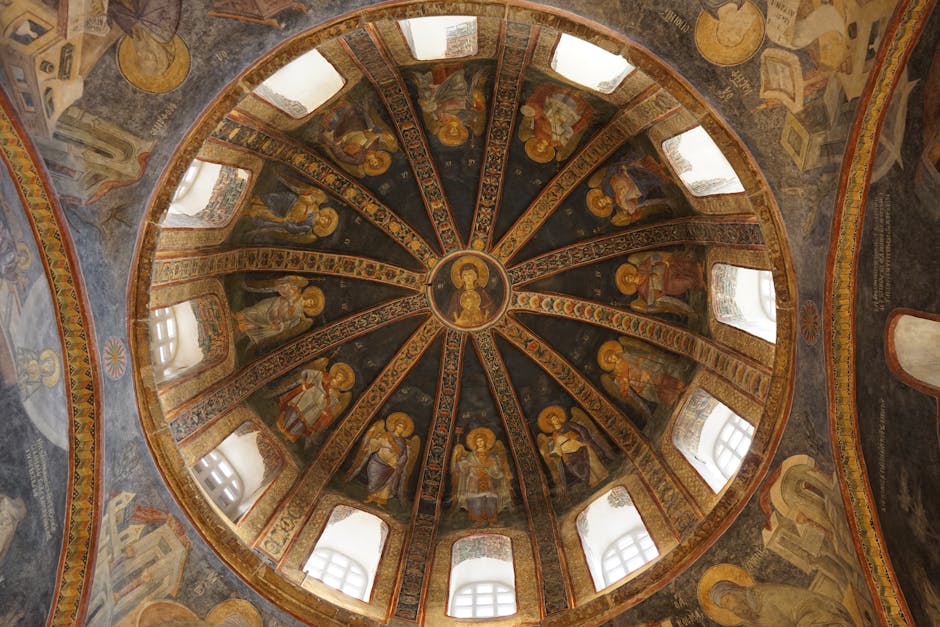
Discover UNESCO-listed ruins, Byzantine churches, and Roman mosaics on this self-guided audio walk through the historic heart of Paphos.
 Easy
EasyNairobi, Kenya
Explore Nairobi's architectural evolution from colonial-era landmarks to iconic Brutalist skyscrapers on this historic self-guided walking route.
 Easy
EasyNairobi, Kenya
Discover Nairobi's iconic skyline on this self-guided architecture walk through the CBD’s most famous modernist and Brutalist landmarks.
 Easy
EasySalzburg, Austria
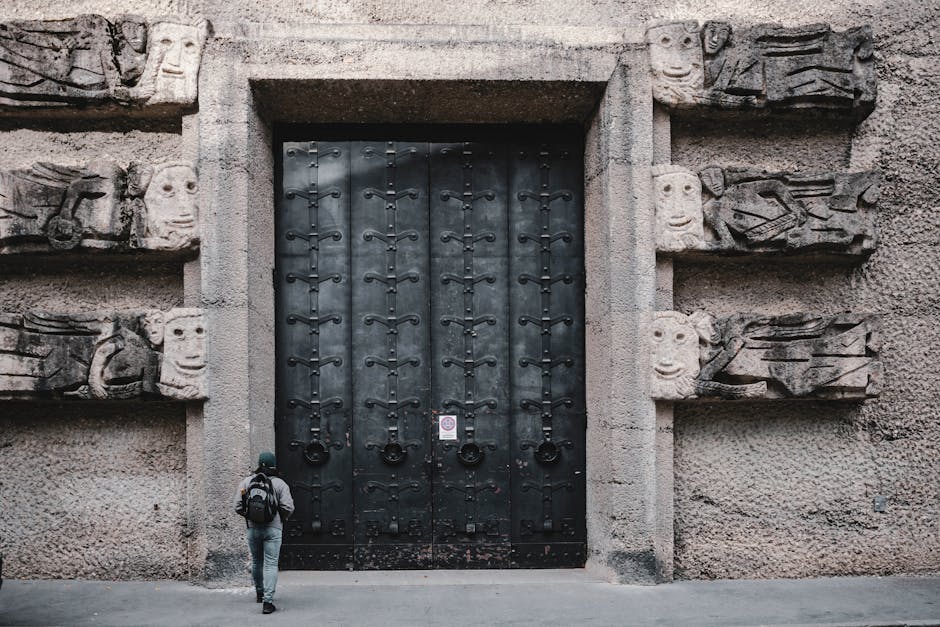
Discover the 'Rome of the North' on this self-guided walk through the Baroque squares and monumental legacy of Salzburg’s Prince-Archbishops.
 Easy
EasyGothenburg, Sweden
Discover Gothenburg’s 17th-century Dutch foundations, historic canals, and military fortifications on this self-guided architectural walk.
 Easy
EasyNicosia, Cyprus
Explore Nicosia's culinary heart! A self-guided stroll from historic coffee roasters to modern meze spots across the city's unique divided center.
 Easy
EasyNicosia, Cyprus
Capture the soul of the world's last divided capital on this self-guided walk through Nicosia's historic streets, street art, and panoramic views.
 Easy
EasyNicosia, Cyprus
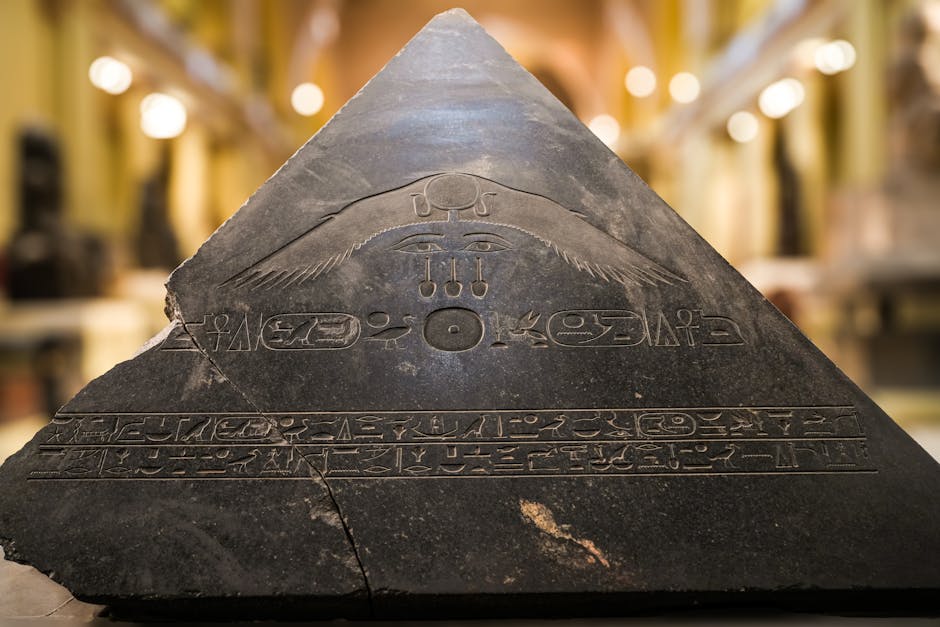
Explore Nicosia's rich heritage on this self-guided walk through premier museums, Ottoman mansions, and world-class archaeological collections.
 Easy
EasyNicosia, Cyprus
Explore Nicosia’s modern side, from Zaha Hadid’s fluid architecture to vibrant street art and Jean Nouvel's iconic bioclimatic 'White Walls.'