Self-guided audio tour in Limassol
Start Free on iPhone
Start free on iPhone to unlock this self-guided walking tour in Limassol. Hear all the stories that make it amazing, walk at your own pace, and begin whenever you want.
Your Private Tour Guide
Limassol is a city of layers, where the glitzy modern marina sits atop a foundation of heavy industry and maritime grit. This self-guided walk takes you into the heart of the Carob Mill District, an area that once pulsed with the energy of 'Black Gold.' As you explore this neighborhood stroll, you will see how the 19th and early 20th-century warehouses have been reimagined into cultural hubs, restaurants, and museums. The route captures the essence of Limassol's industrial soul, moving through the stone-built factories that once processed the island's most famous exports: wine and carobs. Your walking route begins by acknowledging the deep roots of the local wine industry before heading toward the massive stone facade of the KEO Brewery. This brewery isn't just a factory; it's a landmark of Limassol’s commercial identity. From there, you’ll wander through the Carob Mill District, where the Trakasol and Lanitis mills stand as monuments to an era when Cyprus was a global leader in carob production. These buildings, with their thick limestone walls and high ceilings, are masterpieces of industrial architecture that have found new life in the 21st century. As you continue this walking tour Limassol, the path leads to the Old Port Warehouses, where the scent of the sea mixes with the history of trade. The journey concludes at the Limassol Water Tower, a striking piece of British colonial engineering that changed the way the city functioned. This audio walk is perfect for those who appreciate the beauty of repurposed spaces and the stories of the laborers and merchants who built the city's wealth. Whether you are interested in the evolution of stone masonry or the history of Mediterranean trade, this self-guided adventure offers a unique perspective on a side of Limassol often overlooked by beach-bound travelers. Discover the architectural heritage and the hardworking spirit that still lingers in the stones of the Old Port area.
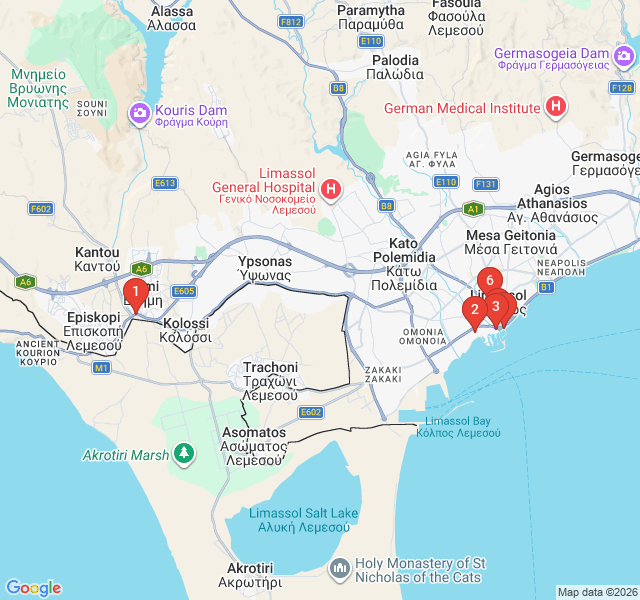
Numbers indicate the order of stops on the tour.
Welcome to the starting point of your exploration. While the main Cyprus Wine Museum is located in the nearby village of Erimi, the spirit of the vine is deeply woven into the fabric of this urban district. For centuries, Limassol served as the primary export hub for Commandaria, the world’s oldest named wine still in production. The buildings surrounding you once served as the storage vats and administrative offices for the great wine families of Cyprus. As you look around, notice the sturdy limestone construction—a necessity for keeping the wine cool in the Mediterranean heat. This industry laid the financial foundation for the industrial expansion you will see as we move further into the Carob Mill District.
Standing before the KEO Brewery, you are looking at an institution. Founded in 1927, KEO is more than just a beer brand; it is a symbol of Cypriot industrial independence. The brewery's massive stone walls and industrial chimneys dominate this part of the city. During the mid-20th century, this site was a hive of activity, employing hundreds of locals and utilizing the most modern machinery of the time. While the brewery has modernized, the exterior remains a classic example of early 20th-century industrial design. It represents the transition of Limassol from a small trading post to a significant industrial center in the Eastern Mediterranean.
The Trakasol Factory is a prime example of successful urban regeneration. Originally used as a warehouse for carobs and later for salt, this long, arched building has been meticulously restored. Today, it serves as a cultural center and a graduation hall, but its architectural bones are purely industrial. Notice the rhythmic placement of the doors and the thickness of the walls, designed to protect valuable goods from the humidity of the nearby sea. The Trakasol building bridges the gap between the historic port and the modern marina, proving that Limassol's industrial past can coexist beautifully with its luxury-driven future.
You are now at the heart of the district: the Lanitis Carob Mill. In the early 1900s, carobs were known as the 'Black Gold of Cyprus' because they were the island's most lucrative export. This mill was where the carob pods were crushed to separate the seeds from the pulp. The seeds were used for everything from film stock to cosmetics, while the pulp fed livestock across Europe. Inside the museum area, you can still see the original British-made machinery, including the massive steam engines and conveyor belts. The sheer scale of this operation highlights how vital the carob industry was to the survival and growth of Limassol’s working class.
These stone warehouses once held the treasures of Cyprus—citrus, raisins, wine, and carobs—waiting to be loaded onto steamships. The Old Port was the lifeblood of the city before the New Port was constructed in the 1970s. As you walk past these arches, imagine the chaos of donkey carts, stevedores, and merchants shouting in a dozen different languages. The architecture here is functional but elegant, with high-vaulted ceilings designed to circulate air and prevent spoilage. Today, these spaces house cafes and shops, but the heavy iron rings occasionally found in the stone walls remind us of the days when ships were moored just a few feet away.
Our final stop is the Limassol Water Tower, a landmark that can be seen from across the city. Built in 1930 during the British colonial period, it was a marvel of modern engineering for its time. Before this tower was erected, Limassol residents relied on wells and water carriers. The tower allowed for a pressurized water system, drastically improving public health and supporting the growing industrial needs of the factories we just visited. Its steel-frame construction stands in stark contrast to the limestone mills, signaling the arrival of modern architectural techniques in Cyprus. It remains a beloved icon of the city's skyline and a fitting end to our industrial journey.
Start Free on iPhone
Explore “Industrial Soul: The Carob Mill District” with your very own Private Tour Guide with Zigway. Start free on iPhone, skip the large group and the fixed routes, and hear the city come alive as you go.
Your Private Tour Guide
Don't miss the good stuff
Explore Freely
 Easy
EasyLimassol, Cyprus
Explore Limassol's spiritual heart on this self-guided walk through medieval castles, Orthodox cathedrals, and historic mosques.
 Easy
EasyLimassol, Cyprus
Discover tranquility on this self-guided walk through Limassol's coastal forest, featuring eucalyptus groves, sea breezes, and scenic viewpoints.
 Easy
EasyLimassol, Cyprus
Explore Limassol’s medieval castle, historic carob mills, and the atmospheric Old Port on this self-guided walking route through the Old Town.
 Easy
EasyLimassol, Cyprus
Explore the heart of Limassol! Discover colonial architecture, vibrant university life, and the city's best shopping on this self-guided walk.
 Easy
EasyGothenburg, Sweden
Discover Gothenburg’s 17th-century Dutch foundations, historic canals, and military fortifications on this self-guided architectural walk.
 Easy
EasyGothenburg, Sweden
Explore Gothenburg's maritime soul on this self-guided walk from historic shipyards to sleek modern piers and iconic industrial landmarks.
 Easy
EasyKrakow, Poland
Explore the prestigious Jagiellonian University district, featuring Neo-Gothic architecture, Baroque churches, and Krakow's hidden scholarly gems.
 Easy
EasyHelsinki, Finland
Discover Helsinki's oldest neighborhood on this self-guided audio walk through Kruununhaka’s historic streets, hidden courtyards, and scenic shores.
 Easy
EasyNicosia, Cyprus
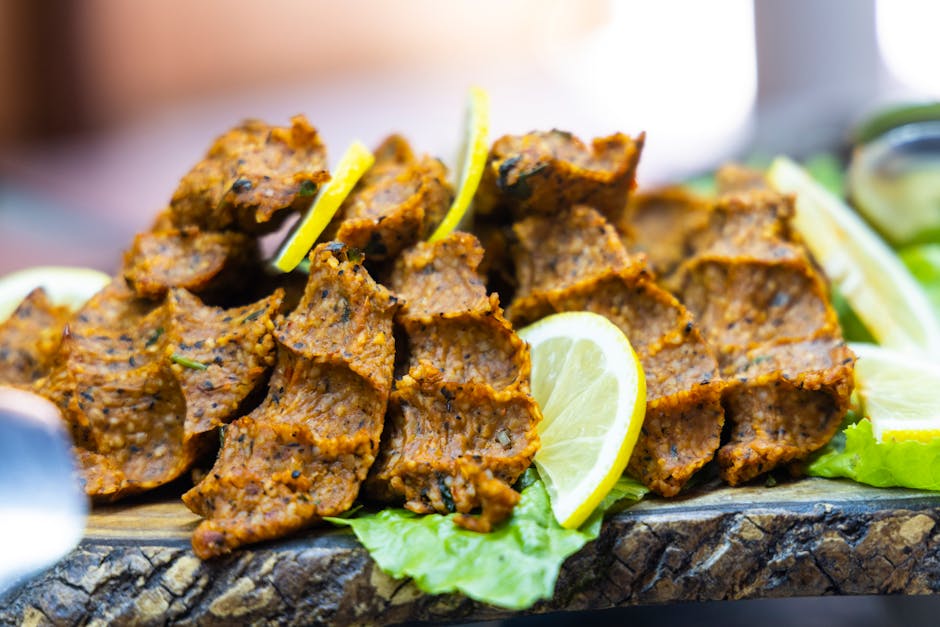
Explore Nicosia's culinary heart! A self-guided stroll from historic coffee roasters to modern meze spots across the city's unique divided center.
 Easy
EasyNicosia, Cyprus
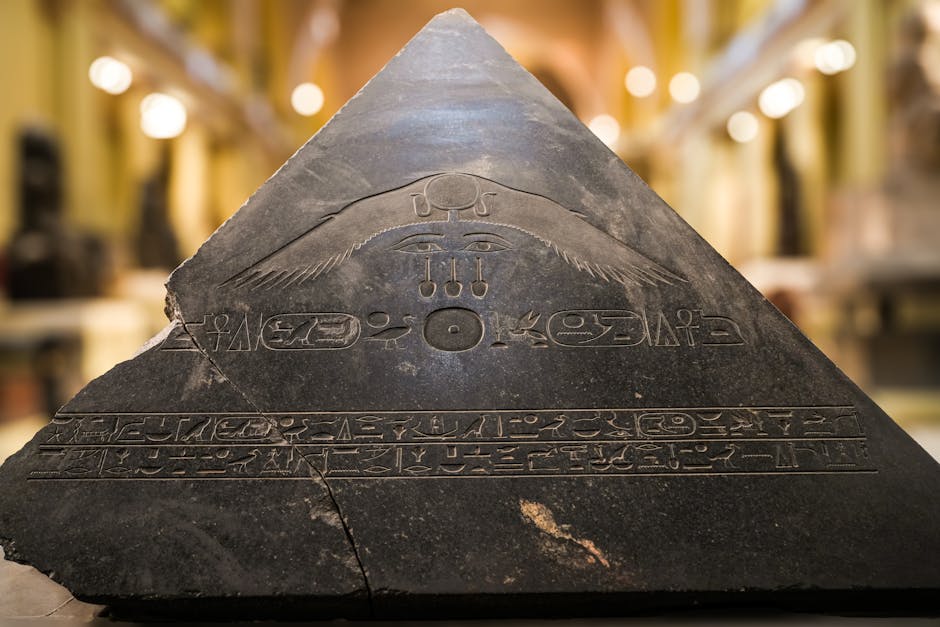
Capture the soul of the world's last divided capital on this self-guided walk through Nicosia's historic streets, street art, and panoramic views.
 Easy
EasyNicosia, Cyprus
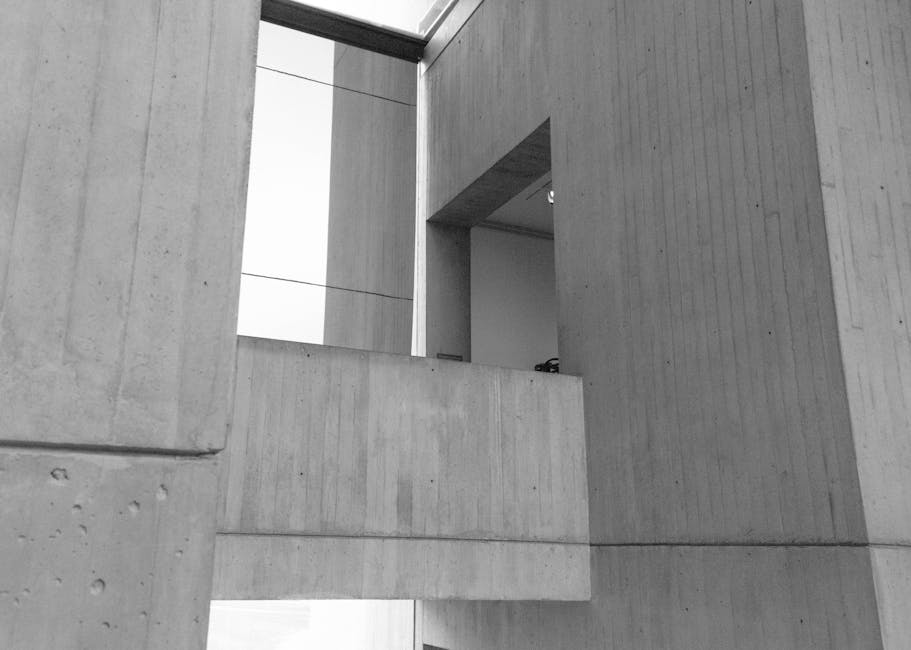
Explore Nicosia's rich heritage on this self-guided walk through premier museums, Ottoman mansions, and world-class archaeological collections.
 Easy
EasyNicosia, Cyprus
Explore Nicosia’s modern side, from Zaha Hadid’s fluid architecture to vibrant street art and Jean Nouvel's iconic bioclimatic 'White Walls.'