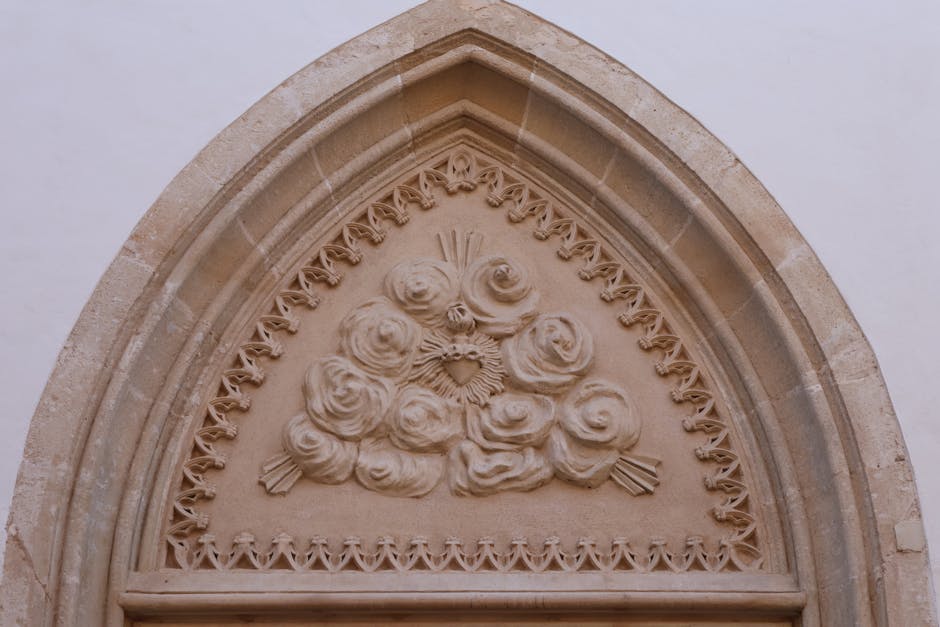
Self-guided audio tour in Limassol
Start Free on iPhone
Start free on iPhone to unlock this self-guided walking tour in Limassol. Hear all the stories that make it amazing, walk at your own pace, and begin whenever you want.
Your Private Tour Guide
Limassol is a city where layers of history are stacked as neatly as the stones of its medieval fortress. This self-guided walk invites you to peel back those layers, exploring a spiritual landscape where Gothic arches, Byzantine domes, and Ottoman minarets share the same skyline. Starting at the formidable Limassol Castle, where legend says Richard the Lionheart wed Berengaria of Navarre, you will begin a journey through the heart of the Old Town. This walking route is designed for those who want to understand the soul of Cyprus beyond its beaches. As you navigate the narrow alleys, you will encounter the Agia Napa Cathedral, a masterpiece of ecclesiastical architecture that stands as a testament to the island's Orthodox faith. Nearby, the Djami Kebir, or Great Mosque, serves as a poignant reminder of the city's Ottoman past and the enduring coexistence of different cultures. Between these sacred sites, the route introduces you to the industrial and social fabric of Limassol. You will explore the Carob Museum, housed in a former mill, to learn about the 'black gold' that once fueled the local economy, and the Limassol AGORA, where the city's culinary and social life continues to thrive. The walk extends beyond the immediate Old Town to include significant cultural institutions like the Archaeological Museum, which houses treasures from the ancient kingdoms of Kourion and Amathus. For those who enjoy a deeper dive into local identity, the route also covers specialized museums dedicated to theatre, water management, and even vintage motors. This self-guided Limassol experience allows you to set the pace, whether you want to linger over the intricate icons in a quiet chapel or snap photos of the vibrant street life in the market district. It is a comprehensive exploration of a city that has been a crossroads of the Mediterranean for millennia.
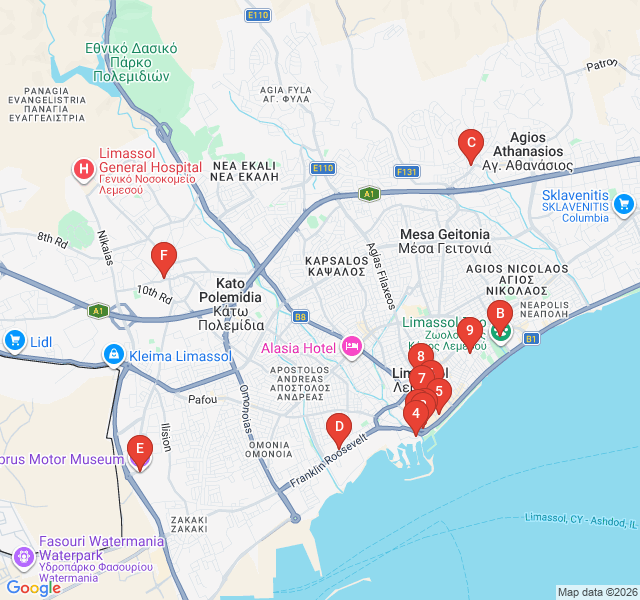
Numbers indicate the order of stops on the tour.
Your journey begins at the Limassol Castle, a structure that has witnessed the rise and fall of empires. While the current walls date largely to the Ottoman period, the foundations reach back to the Byzantine era. This site is famously linked to the Third Crusade; it is believed that in 1191, Richard the Lionheart married Berengaria of Navarre here, making her the Queen of England. Inside, the Cyprus Medieval Museum houses a fascinating collection of weaponry, pottery, and tombstones that tell the story of the island from the 4th to the 18th century. Take a moment to admire the thick limestone walls designed to withstand sieges.
A short walk brings you to this modest yet charming church dedicated to Ayia Thekla. In Cyprus, small neighborhood churches like this are the backbone of local spiritual life. Ayia Thekla was an early Christian saint and a follower of Paul the Apostle. Though smaller than the grand cathedrals you will see later, its presence here near the old port area signifies the long-standing protection sought by sailors and merchants. The simplicity of its exterior belies the deep devotion of the local community.
Step into the industrial history of Limassol at the Carob Museum. Located in a beautifully restored stone building that once served as a carob mill, this site explains why the carob was once called the 'black gold' of Cyprus. During the early 20th century, carobs were the island's primary export, used for everything from livestock feed to chocolate substitutes. You can see the original machinery used to process the pods. It’s a sensory experience that connects the agricultural wealth of the countryside to the bustling port city.
For a change of pace, the Paradox Museum offers a modern, playful exploration of perception. While the rest of our route focuses on history and faith, this stop highlights the vibrant, contemporary side of Limassol's Limassol Marina district. Through various exhibits and optical illusions, it challenges your senses and provides some of the most unique photo opportunities in the city. It is a reminder that Limassol is a city of constant evolution, blending the ancient with the cutting-edge.
The Agia Napa Cathedral stands as the most prominent Greek Orthodox landmark in the Old Town. Built at the end of the 19th century on the ruins of an older Byzantine church, its architecture is a mix of Byzantine and Eclectic styles. Dedicated to the Virgin Mary, the cathedral features stunning frescoes and an intricately carved iconostasis. The name 'Agia Napa' refers to the 'Holy Valley' or 'Saint of the Woods,' a nod to an ancient icon found in a forest. It remains a central hub for major religious processions and festivals in Limassol.
The Limassol AGORA is the beating heart of the city's social life. This traditional market hall has been reimagined as a modern food and culture hub. Historically, this was where farmers from the Troodos Mountains brought their produce to sell to city dwellers. Today, you can still find the essence of Cypriot hospitality here. Whether you are looking for local honey, halloumi, or just a place to sit and watch the world go by with a Cypriot coffee, the AGORA bridges the gap between old-world traditions and modern urban living.
The Church of Panagia Pantanassa (the 'Queen of All') is another architectural jewel. Located near the market area, this Orthodox church is known for its impressive dome and the serene atmosphere within its walls. In a city that has seen so much conflict, churches like Pantanassa have served as sanctuaries for generations. The interior is often filled with the scent of beeswax and incense, offering a moment of quiet reflection amidst the urban bustle. Observe the detailed hagiographies (saint paintings) that adorn the walls.
The Djami Kebir, or Great Mosque, is the most significant Islamic monument in Limassol. Located at the edge of the old Turkish quarter, it was built in the 16th century, likely over the remains of an earlier Christian church. Its tall minaret is a landmark of the Old Town skyline. The mosque is surrounded by palm trees and features a peaceful courtyard. It stands as a symbol of Limassol's diverse heritage, reflecting the period when the Greek and Turkish Cypriot communities lived side-by-side in these narrow streets.
Located in the Panos Solomonides Cultural Centre, this museum celebrates the island's long relationship with the performing arts. From ancient Greek tragedies performed in open-air theaters like Kourion to contemporary productions, the museum houses costumes, posters, and set designs. It offers a unique look at how storytelling and performance have shaped Cypriot identity over the decades. It is a hidden gem for anyone interested in the cultural life that happens behind the scenes.
To understand the deep roots of this region, a visit to the District Archaeological Museum is essential. The exhibits are organized chronologically, featuring finds from the Neolithic period through the Roman era. Key highlights include sculptures from the Sanctuary of Apollo Hylates and artifacts from the ancient city-kingdoms of Amathus and Kourion. The collection of terracotta figurines and intricate jewelry provides a window into the daily lives and spiritual beliefs of the people who inhabited this coastline thousands of years ago.
This museum is housed in the former residence of the District Commissioner, a beautiful example of colonial-era architecture. It serves as the memory bank of Limassol, containing photographs, documents, and artifacts that track the city's transformation into a modern shipping and tourism hub. It is the best place to understand the civic development of Limassol and the families who built its foundations. The surrounding gardens offer a pleasant spot for a short break.
As we move slightly away from the center, we find the civic heart of the Ayios Athanasios municipality. While modern in function, the area around the town hall retains a village-like feel that was once common throughout the periphery of Limassol. This stop highlights the administrative growth of the city as it expanded beyond its medieval core to accommodate a growing population, blending traditional community values with modern governance.
Water has always been the most precious commodity in Cyprus. The Water Museum, located in the old Water Tower and pumping station, tells the story of how Limassol managed this vital resource. From ancient aqueducts to modern desalination, the museum explains the engineering feats required to sustain a city in a semi-arid climate. The building itself is an industrial landmark, representing the modernization of Limassol's infrastructure in the early 20th century.
A treat for enthusiasts, this museum houses a private collection of classic and vintage cars. The star of the show is the armored presidential Cadillac once owned by Archbishop Makarios III. Beyond the glitz, the museum showcases how the automobile changed the landscape and social mobility of Cyprus. Note that this stop is located further west; you may wish to use a taxi or local bus to reach this and the final stop if you are feeling tired.
Our journey concludes at the Polemidia Town Hall. This area represents the suburban expansion of Limassol. Polemidia has a rich history of its own, once home to a significant British military presence and various ethnic communities. Ending here gives you a perspective on the 'real' Limassol, away from the tourist-heavy waterfront, where the daily life of modern Limassolians unfolds. From here, you can find local eateries that offer a truly authentic taste of the island.
Start Free on iPhone
Explore “Religious Tapestry: From Mosque to Cathedral” with your very own Private Tour Guide with Zigway. Start free on iPhone, skip the large group and the fixed routes, and hear the city come alive as you go.
Your Private Tour Guide
Don't miss the good stuff
Explore Freely
 Easy
EasyLimassol, Cyprus
Discover tranquility on this self-guided walk through Limassol's coastal forest, featuring eucalyptus groves, sea breezes, and scenic viewpoints.
 Easy
EasyLimassol, Cyprus
Explore Limassol’s medieval castle, historic carob mills, and the atmospheric Old Port on this self-guided walking route through the Old Town.
 Easy
EasyLimassol, Cyprus
Explore the heart of Limassol! Discover colonial architecture, vibrant university life, and the city's best shopping on this self-guided walk.
 Easy
EasyLimassol, Cyprus
Discover Limassol’s architectural evolution from neoclassical libraries to the ultra-modern luxury of the Marina on this self-guided audio walk.
 Easy
EasyKrakow, Poland
Explore the historic heart of Kazimierz on this self-guided walk through synagogues, ancient cemeteries, and vibrant squares.
 Easy
EasySalzburg, Austria
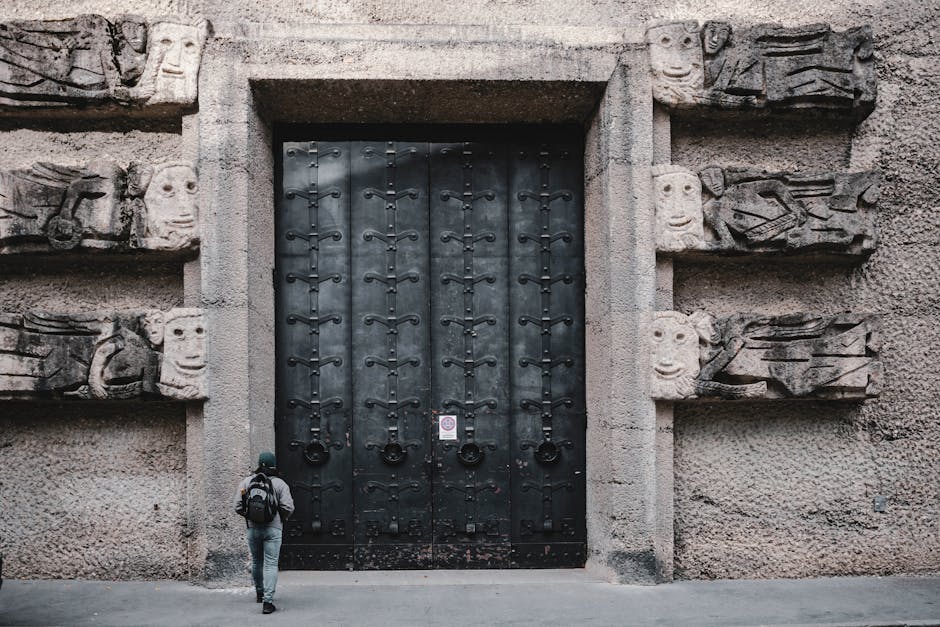
Discover the 'Rome of the North' on this self-guided walk through the Baroque squares and monumental legacy of Salzburg’s Prince-Archbishops.
 Moderate
Warsaw, Poland
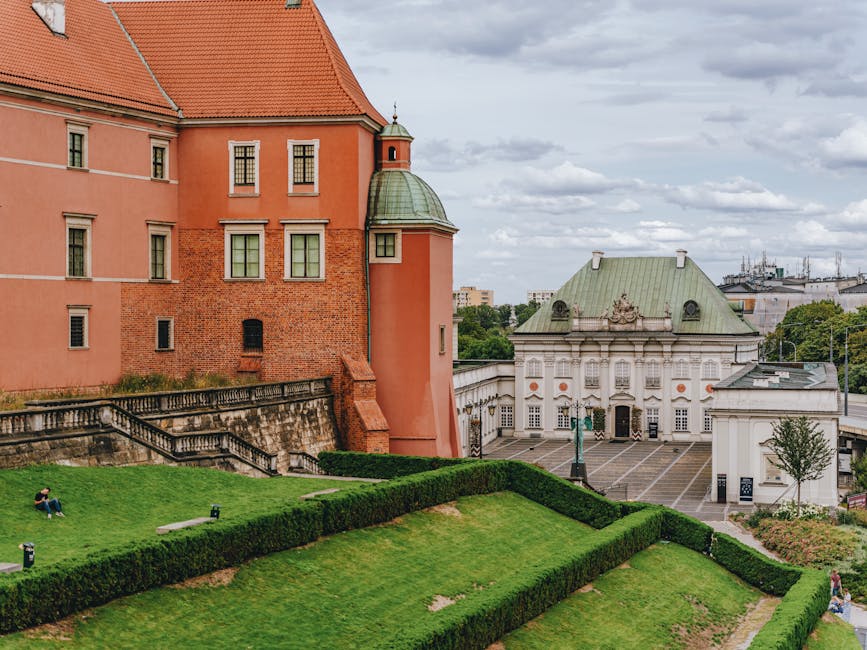
Explore the resilient spirit of Warsaw's Muranów district on this self-guided walk through the history and landmarks of the former Jewish Ghetto.
 Easy
EasyGdansk, Poland
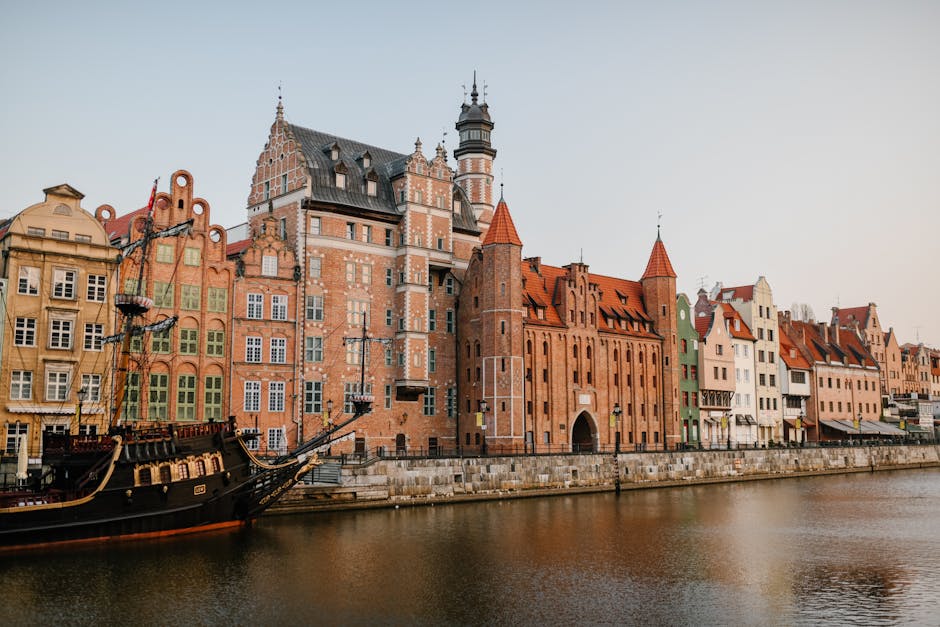
Discover the monastic heritage, world-famous organs, and lush botanical gardens of Oliwa on this peaceful self-guided neighborhood stroll.
 Easy
EasyNicosia, Cyprus
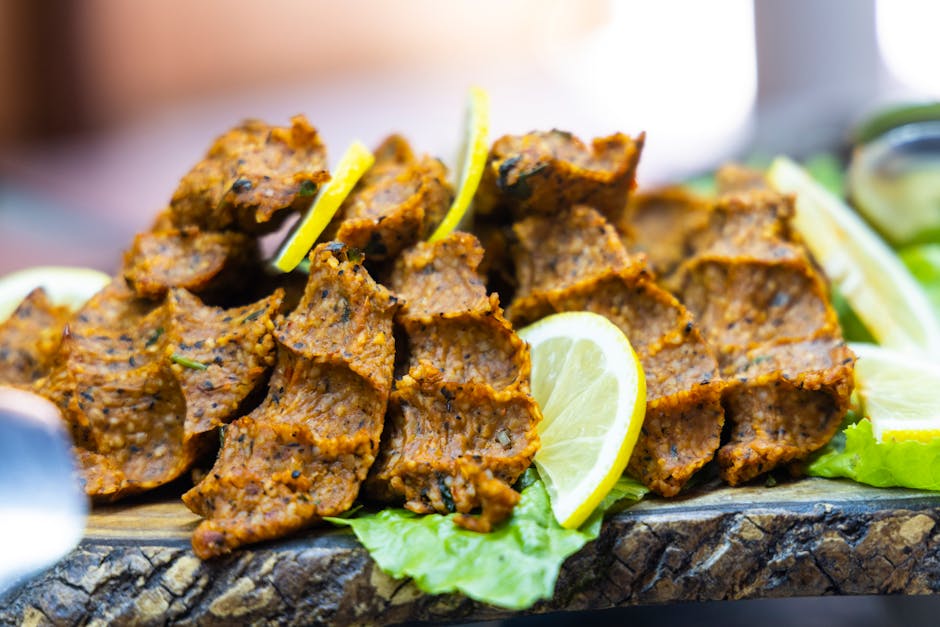
Explore Nicosia's culinary heart! A self-guided stroll from historic coffee roasters to modern meze spots across the city's unique divided center.
 Easy
EasyNicosia, Cyprus
Capture the soul of the world's last divided capital on this self-guided walk through Nicosia's historic streets, street art, and panoramic views.
 Easy
EasyNicosia, Cyprus
Explore Nicosia's rich heritage on this self-guided walk through premier museums, Ottoman mansions, and world-class archaeological collections.
 Easy
EasyNicosia, Cyprus
Explore Nicosia’s modern side, from Zaha Hadid’s fluid architecture to vibrant street art and Jean Nouvel's iconic bioclimatic 'White Walls.'