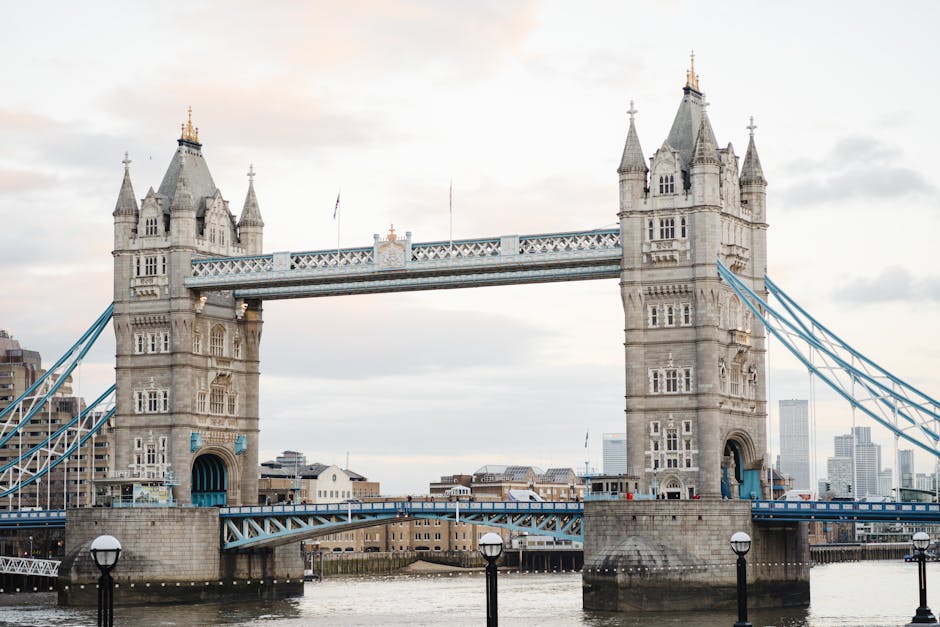
Self-guided audio tour in London
Start Free on iPhone
Start free on iPhone to unlock this self-guided walking tour in London. Hear all the stories that make it amazing, walk at your own pace, and begin whenever you want.
Your Private Tour Guide
The City of London is a place of startling contrasts, where medieval alleyways meet the cutting edge of 21st-century engineering. This self-guided walk invites you to explore the 'Square Mile,' an area that has served as the Roman heart of London for two millennia and now stands as a global financial powerhouse. On this walking route, you will experience the evolution of urban design, from the skeletal remains of churches destroyed in the Blitz to the soaring glass peaks that define the modern skyline. This neighborhood stroll is perfect for those who want to see London from above without the price tag of a traditional observation deck. Your journey begins at the 'Walkie Talkie' building, home to the famous Sky Garden. From here, you will transition from the ultra-modern to the evocative ruins of St Dunstan in the East, a hidden sanctuary where nature has reclaimed 12th-century stone walls. The walk continues to the Garden at 120, an exceptional open-air rooftop that offers a different perspective of the city's architectural giants. As you move deeper into the financial district, you will encounter the 'inside-out' design of the Lloyd's building and the tapering heights of the Leadenhall Building, colloquially known as the 'Cheesegrater.' What makes this architectural walking tour London so unique is the accessibility of its heights. While many skyscrapers remain closed to the public, the City has pioneered a series of public roof gardens that offer 360-degree views of landmarks like the Shard, St. Paul’s Cathedral, and the Tower of London. Along the way, you will learn about the visionary architects—like Richard Rogers and Norman Foster—who transformed London’s skyline from a low-rise Victorian landscape into a futuristic forest of steel and glass. Whether you are a photography enthusiast looking for the perfect angle of the Gherkin or a history buff interested in how the City rebuilt itself after the Great Fire and the Second World War, this self-guided adventure provides a comprehensive look at the capital’s most vertical neighborhood.
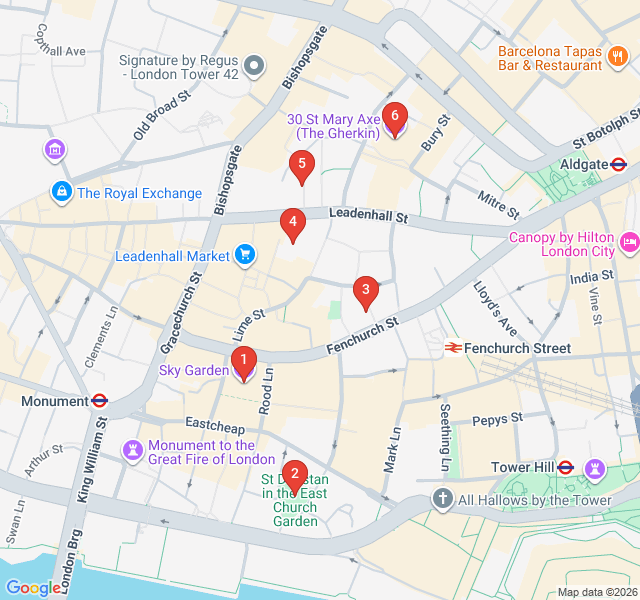
Numbers indicate the order of stops on the tour.
Welcome to the 'Walkie Talkie' building at 20 Fenchurch Street. This building gained its nickname due to its unique top-heavy shape, designed to maximize floor space at the higher, more expensive levels. At the very top sits the Sky Garden, a three-story landscaped atrium. It is London's highest public garden, offering views that stretch from the Shard across the river to the distant hills of Crystal Palace. The design of the building was controversial, famously causing a 'heat ray' effect on the streets below during construction due to its concave glass. Today, it stands as a prime example of the City’s commitment to providing public spaces within private developments.
Tucked away between the skyscrapers is one of London’s most hauntingly beautiful spots. St Dunstan in the East was originally built around 1100. It was severely damaged in the Great Fire of 1666 and later restored by Sir Christopher Wren, who added the elegant Gothic tower you see today. However, the church was largely destroyed during the Blitz in 1941. Instead of rebuilding, the City of London turned the ruins into a public park in 1970. Look at how the climbing ivy and trees have woven themselves through the arched windows, creating a peaceful green sanctuary that feels centuries away from the surrounding glass towers.
Located atop the Fen Court building, the Garden at 120 is one of the City’s newest and most accessible public spaces. Unlike some other viewpoints, this open-air terrace often allows walk-ins without prior booking. It offers a 360-degree view of the square mile, placing you right at the level of the surrounding 'Giants.' From here, you get an incredible look at the Gherkin and the Scalpel. The garden itself features a water canopy, fruit trees, and Italian steel pergolas. It’s a perfect spot to observe the contrasting textures of London: the weathered stone of the Tower of London nearby and the polished steel of the financial district.
You are standing before one of the most radical buildings in architectural history. Designed by Richard Rogers and completed in 1986, the Lloyd's building is a masterpiece of 'High-Tech' architecture. It is often called the 'Inside-Out Building' because its functional elements—ducts, lifts, and water pipes—are located on the exterior to maximize space inside for the underwriting room. This design ensures that the building can be easily maintained and upgraded. Inside sits the Lutine Bell, which was traditionally rung to announce the loss or safe arrival of a ship. It represents the long maritime insurance history that built the City's wealth.
Directly opposite Lloyd's is the Leadenhall Building, known to Londoners as the 'Cheesegrater' because of its distinctive wedge shape. This slanting profile wasn't just an aesthetic choice; it was designed specifically to protect the 'view corridor' of St. Paul’s Cathedral from Fleet Street. Another design by Richard Rogers, the building has no central concrete core. Instead, it uses a steel 'diagrid' for stability. If you look at the base, you'll see a massive open public space. The architects raised the building on stilts to create a half-acre plaza, allowing pedestrians to move freely beneath the structure.
Our walk concludes at 30 St Mary Axe, better known as the Gherkin. When it opened in 2004, its neo-futuristic design by Norman Foster changed the London skyline forever. It was the first truly ecological skyscraper in the City, using a circular floor plan and a glass skin to promote natural ventilation and reduce energy consumption. The dark spiraling bands you see are actually 'light wells' that help illuminate the interior. Standing at the base, you can appreciate how the building's curved shape minimizes wind turbulence at ground level, making the surrounding plaza a much more pleasant place to walk compared to traditional rectangular towers.
Start Free on iPhone
Explore “The City’s Modern Giants: Steel, Glass & Sky Gardens” with your very own Private Tour Guide with Zigway. Start free on iPhone, skip the large group and the fixed routes, and hear the city come alive as you go.
Your Private Tour Guide
Don't miss the good stuff
Explore Freely
 Easy
EasyLondon, United Kingdom
Explore the heart of British royalty and politics on this self-guided walk from the gates of St James's Palace to the iconic chimes of Big Ben.
 Easy
EasyLondon, United Kingdom
Explore the neon glow of Soho and the magic of Theatreland on this self-guided audio walk through London's most vibrant nightlife districts.
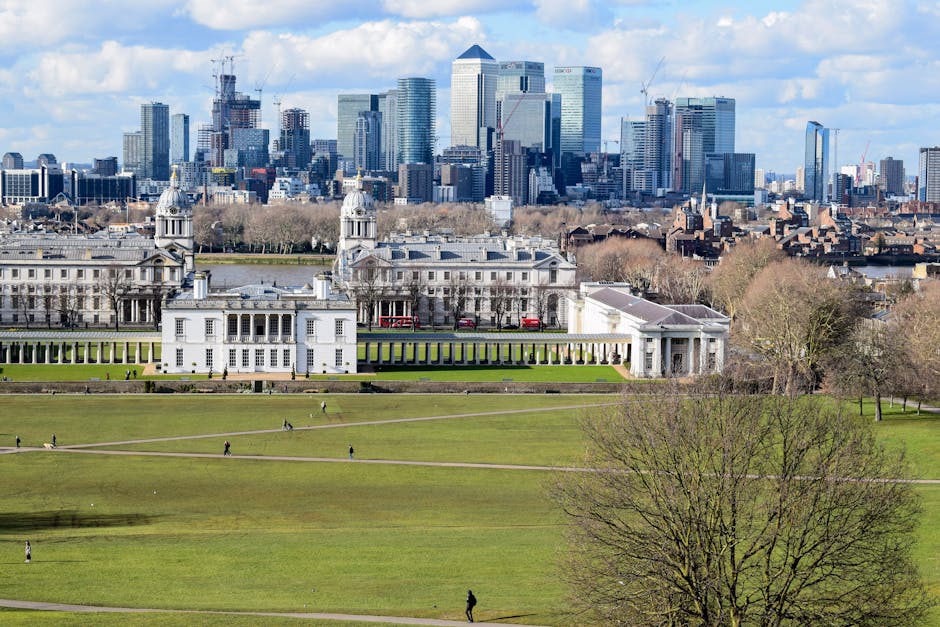 Moderate
London, United Kingdom
Follow the tranquil Regent’s Canal from the bustle of Camden Market to the serene, leafy waters of Little Venice on this scenic self-guided walk.
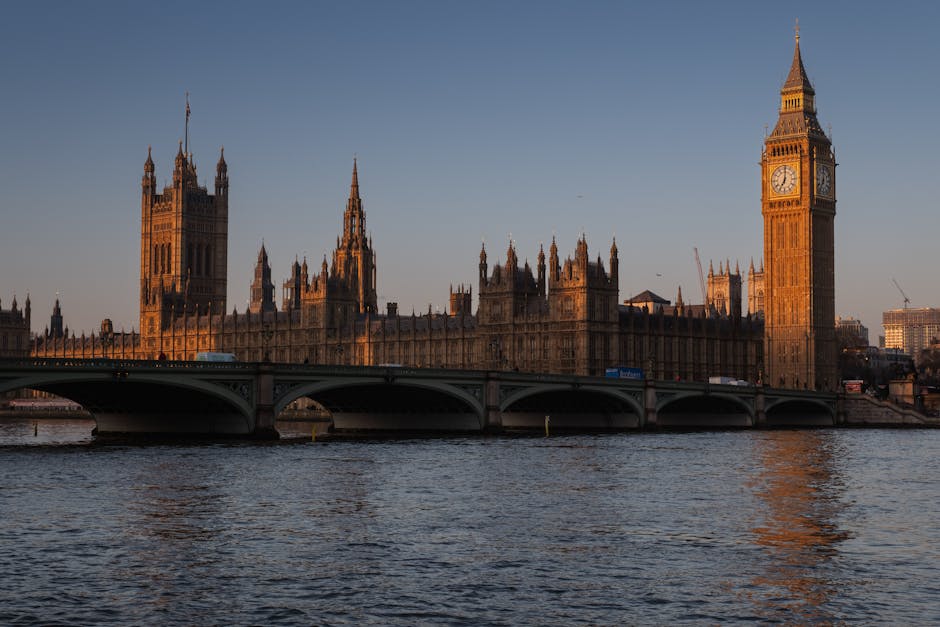 Easy
EasyLondon, United Kingdom
Explore London’s dark history on this self-guided walk through Smithfield, covering the Great Fire, plague pits, and legendary execution sites.
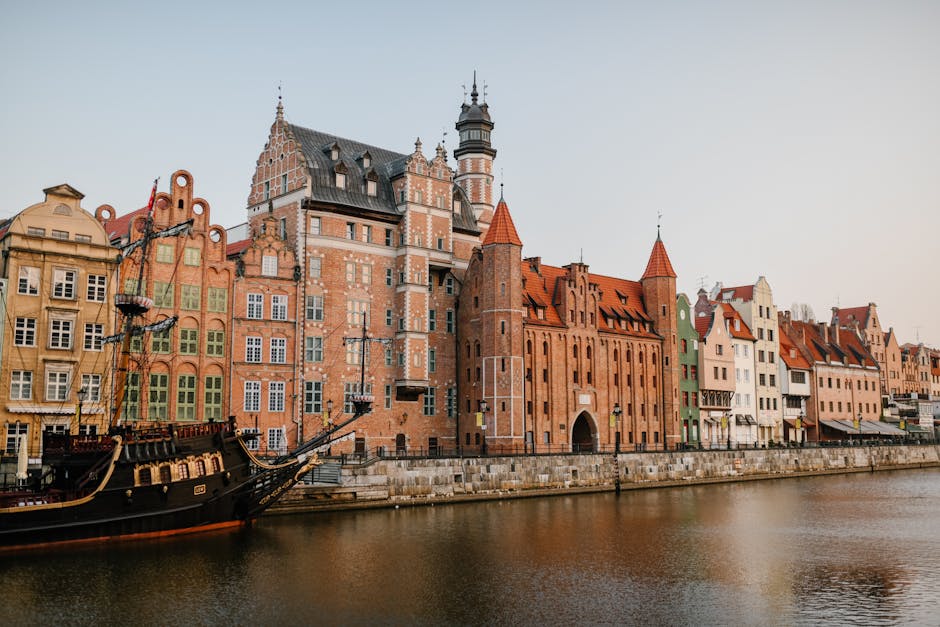 Easy
EasyGdansk, Poland
Discover the 'Baltic Gold' on this self-guided walk through Gdansk's historic mills, massive cathedrals, and the magical Mariacka Street.
 Easy
EasyWarsaw, Poland
Discover Warsaw's intellectual heart through historic campuses, peaceful parks, and the stunning rooftop gardens of the University Library.
 Easy
EasyNairobi, Kenya
Discover Nairobi's iconic skyline on this self-guided architecture walk through the CBD’s most famous modernist and Brutalist landmarks.
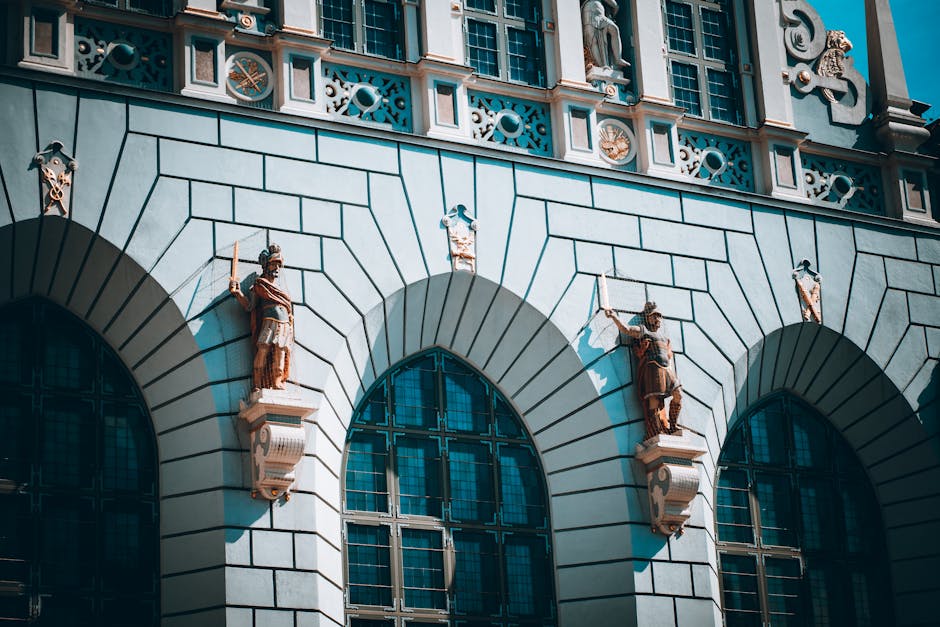 Easy
EasyGdansk, Poland
Discover the opulent Royal Way of Gdansk at your own pace. Explore Hanseatic history, gilded architecture, and the iconic Neptune's Fountain.
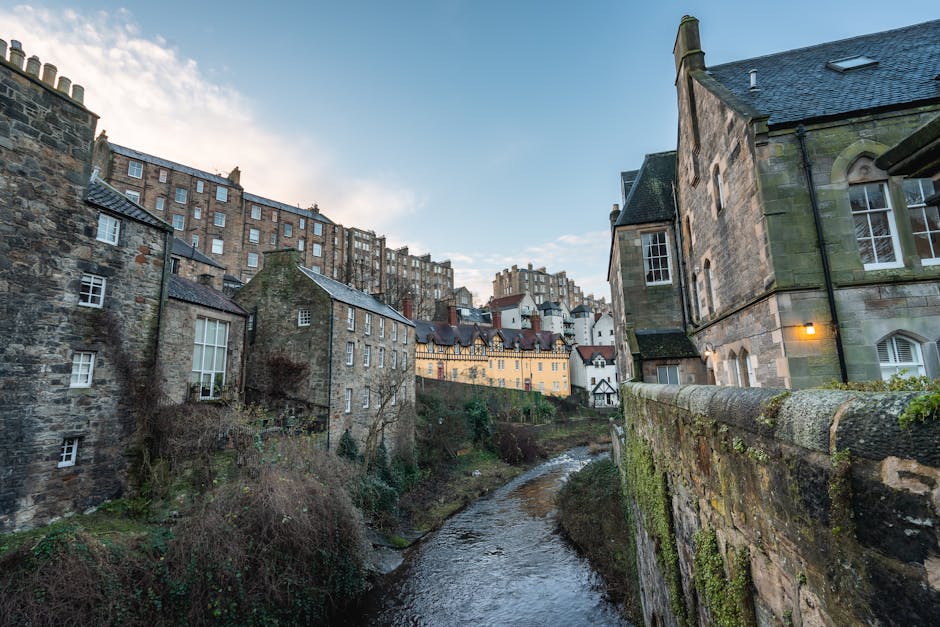 Easy
EasyEdinburgh, United Kingdom
Explore Edinburgh's historic Royal Mile at your own pace, from the heights of the Castle to the royal Palace of Holyroodhouse.
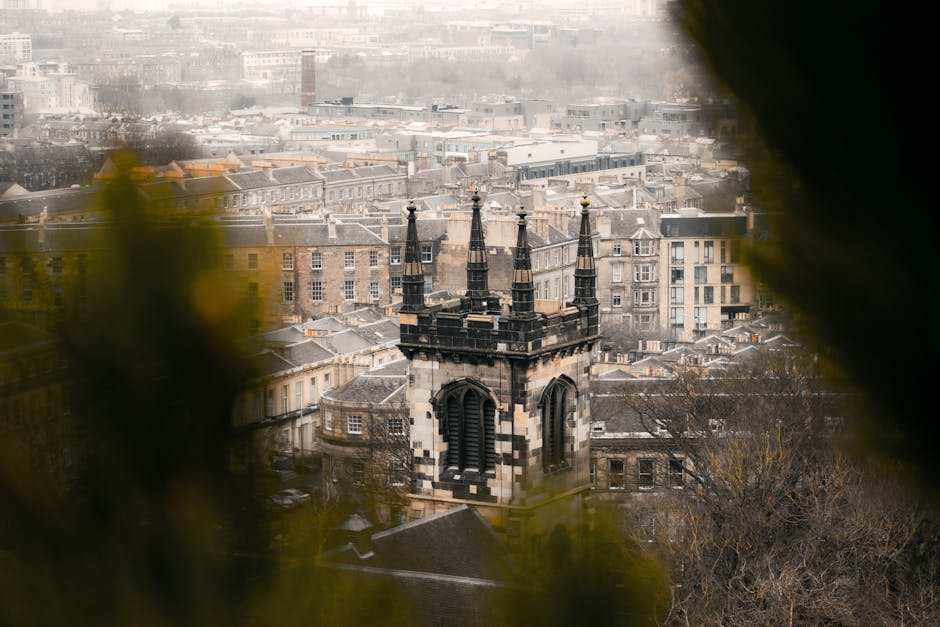 Easy
EasyEdinburgh, United Kingdom
Capture the magic of Edinburgh on this self-guided stroll through the fairy-tale Dean Village, floral Circus Lane, and the scenic Water of Leith.
 Easy
EasyEdinburgh, United Kingdom
Explore Edinburgh's creative soul on this self-guided walk from historic museums to the stylish galleries and boutiques of the West End.
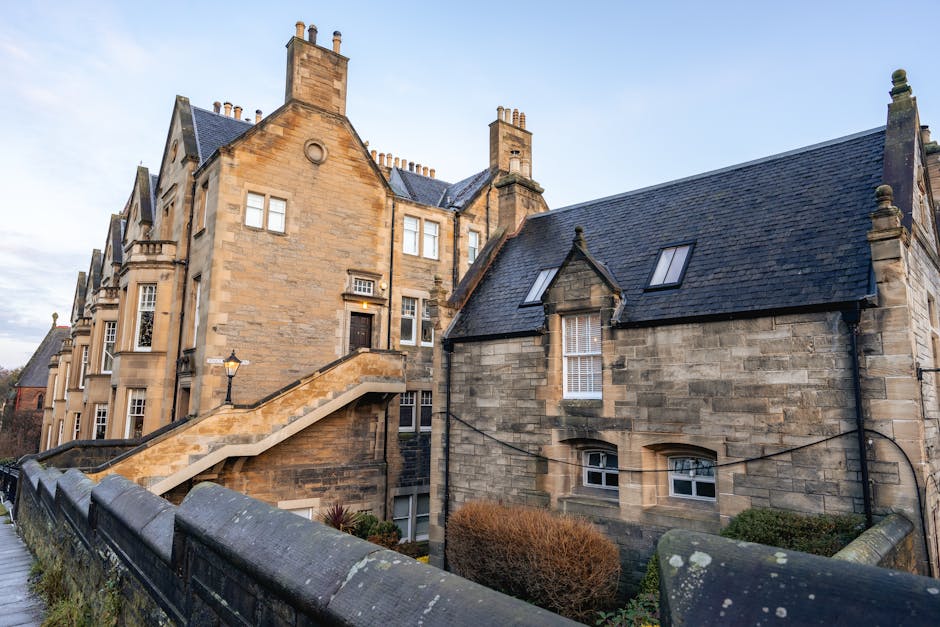 Challenging
Edinburgh, United Kingdom
Ascend an ancient volcano and discover royal history on this challenging self-guided walk through Edinburgh's iconic Holyrood Park.