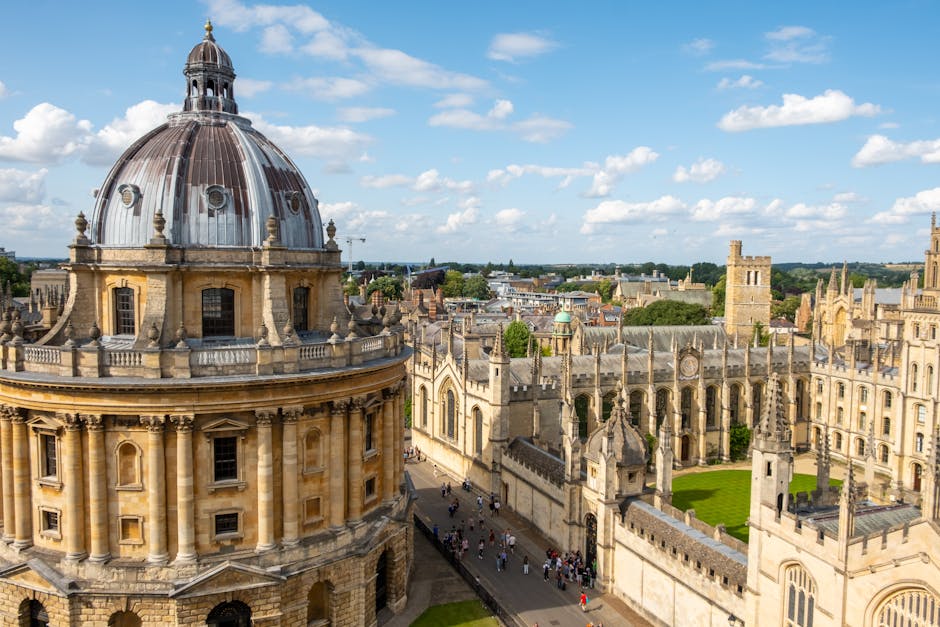
Self-guided audio tour in Oxford
Start Free on iPhone
Start free on iPhone to unlock this self-guided walking tour in Oxford. Hear all the stories that make it amazing, walk at your own pace, and begin whenever you want.
Your Private Tour Guide
Oxford is famously known as the 'City of Dreaming Spires,' but beneath the architectural beauty lies a turbulent history of faith, fire, and radical transformation. This self-guided walk invites you to trace the spiritual evolution of England through the streets of its oldest university town. From the Saxon foundations of the city to the fiery executions of the Reformation and the quiet intensity of the Oxford Movement, this route reveals how religious identity was forged in the college halls and city gates. You will explore the sites where martyrs stood their ground, where John Wesley sparked a global revival, and where the Church of England sought its ancient roots. This neighborhood stroll is perfect for those who want to understand the deep connection between the University of Oxford and the Christian faith. You will begin at the oldest building in the city, the Saxon Tower, which once stood as a gatehouse and a prison. From there, the path leads you to the Victorian grandeur of the Martyrs' Memorial, a monument to the three bishops burned at the stake nearby. As you move through the city centre, you will encounter the contrasting legacies of the Oxford Movement at Pusey House and the Catholic revival at the Oxford Oratory. Each stop provides a window into a different era of spiritual struggle. The walking route concludes at the University Church of St Mary the Virgin, the historic heart of the university and the site of the infamous trials of the Oxford Martyrs. Unlike a traditional walking tour Oxford visitors might find in a group, this experience allows you to pause and reflect at each site at your own pace. Whether you are interested in the architectural details of the Gothic Revival or the dramatic stories of the people who shaped modern Christianity, this audio walk provides a comprehensive look at Oxford's religious heritage. It is a journey through time that highlights how this small city became a global epicenter for religious thought and reform.
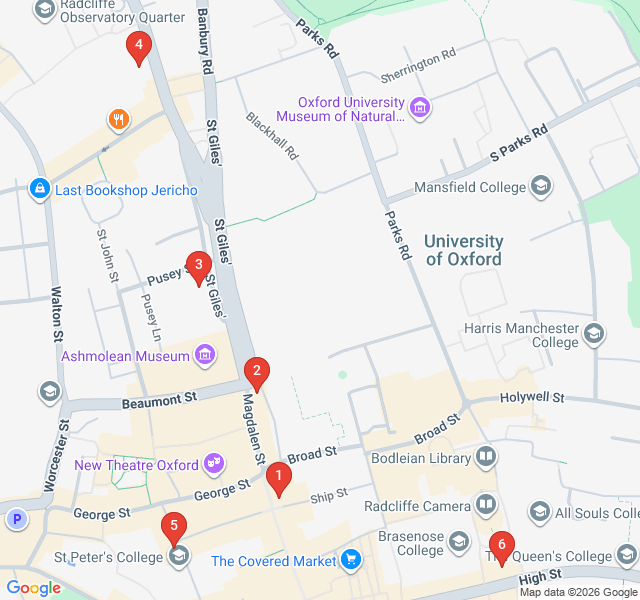
Numbers indicate the order of stops on the tour.
Standing before you is the oldest building in Oxford, dating back to approximately 1040. This tower was originally part of the city's north gate and defensive walls. Beyond its age, it holds a somber connection to the Oxford Martyrs: Thomas Cranmer, Nicholas Ridley, and Hugh Latimer. In the 1550s, while the bishops were held in the nearby Bocardo Prison (which no longer stands), they were often brought here or could be seen from its heights. The tower's rough-hewn stone reflects a time before the university's grand colleges existed, serving as a reminder of Oxford's origins as a fortified Saxon burh. Inside, you can still see the 13th-century 'Bocardo Prison Door' which once locked the martyrs away.
This striking Victorian Gothic monument, designed by Sir George Gilbert Scott, commemorates the three Anglican bishops burned at the stake during the reign of Queen Mary I. If you look closely, you will see the statues of Cranmer, Ridley, and Latimer facing outwards. While the memorial sits here, the actual execution site is marked by a small cross in the middle of Broad Street nearby. The memorial was built in the 1840s, not just to honor the past, but as a political statement by those who opposed the growing Catholic influence in the Church of England at the time. It remains one of the city's most photographed and historically significant landmarks.
Moving into the 19th century, we arrive at Pusey House, a center for the 'Oxford Movement.' This was a group of scholars who sought to bring the Church of England back to its pre-Reformation, Catholic roots. The house is named after Edward Bouverie Pusey, a leading figure of the movement and a professor of Hebrew. Unlike the martyrs who died for Protestantism, the men associated with this house were often accused of 'Romanizing' the English church. The architecture here is a beautiful example of the late Gothic Revival, housing a significant theological library and a chapel that continues to uphold the high-church traditions that Pusey and his colleagues championed.
The Oxford Oratory, or the Church of St. Aloysius Gonzaga, represents the full circle of Oxford's religious history: the return of Roman Catholicism to the city's public life. Completed in 1875, it was the first permanent Catholic church built in Oxford since the Reformation. The interior is a treasure trove of art and relics, reflecting the vibrancy of the Catholic revival. Famous figures like Gerard Manley Hopkins served here, and it was a spiritual home for many university converts. The Oratory reminds us that while Oxford was once a place where Catholics were persecuted, it eventually became a place where their intellectual and spiritual traditions flourished once again.
While many Oxford movements focused on high-church tradition, John and Charles Wesley started a revolution of a different kind. As students at Christ Church, the brothers formed the 'Holy Club,' a group mocked by peers for their 'methodical' approach to prayer and study. This eventually led to the birth of Methodism, a global movement that emphasized personal piety and social reform. This church, built in the late 19th century, stands as a monument to their legacy. The Wesleys' work shifted the focus from the university's ivory towers to the needs of the common people, proving that Oxford’s spiritual influence extended far beyond its academic walls.
Our final stop is the University Church of St Mary the Virgin, the geographic and spiritual heart of Oxford. For centuries, this building served as the university's first library and meeting hall. It was here, in the 1550s, that the Oxford Martyrs were formally tried for heresy. The pillar where Archbishop Cranmer stood during his final public recantation—before famously withdrawing it and heading to the stake—still bears the marks of the platform built for the occasion. The church’s spire offers some of the best views of the city, looking out over the Radcliffe Camera and the colleges that were shaped by the very religious debates held within these walls.
Start Free on iPhone
Explore “Martyrs and Reformers: The Spiritual Path” with your very own Private Tour Guide with Zigway. Start free on iPhone, skip the large group and the fixed routes, and hear the city come alive as you go.
Your Private Tour Guide
Don't miss the good stuff
Explore Freely
 Easy
EasyOxford, United Kingdom
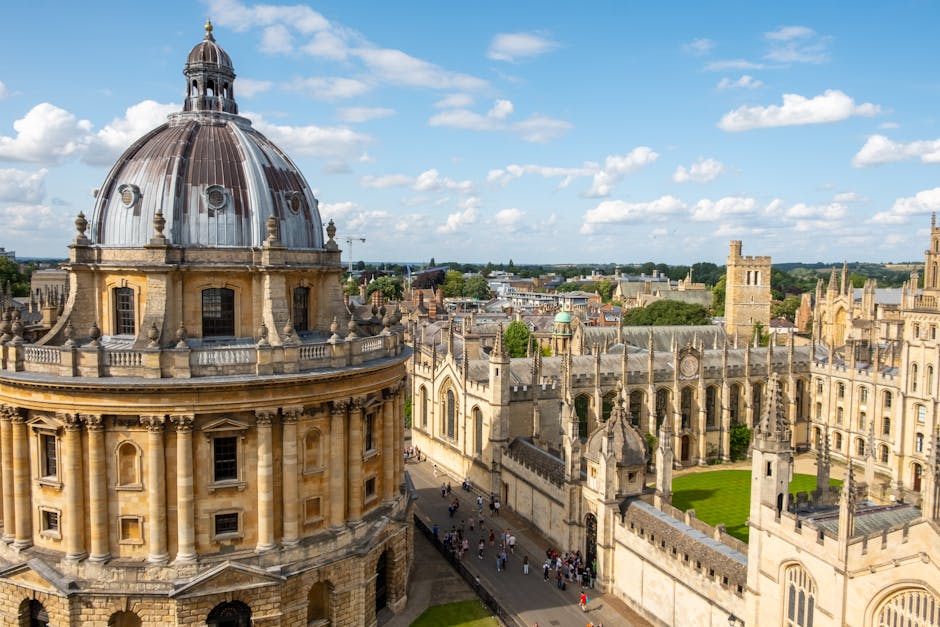
Explore Oxford’s historic food scene on this self-guided walk through the 1774 Covered Market, ancient pubs, and England’s first coffee house site.
 Moderate
Oxford, United Kingdom
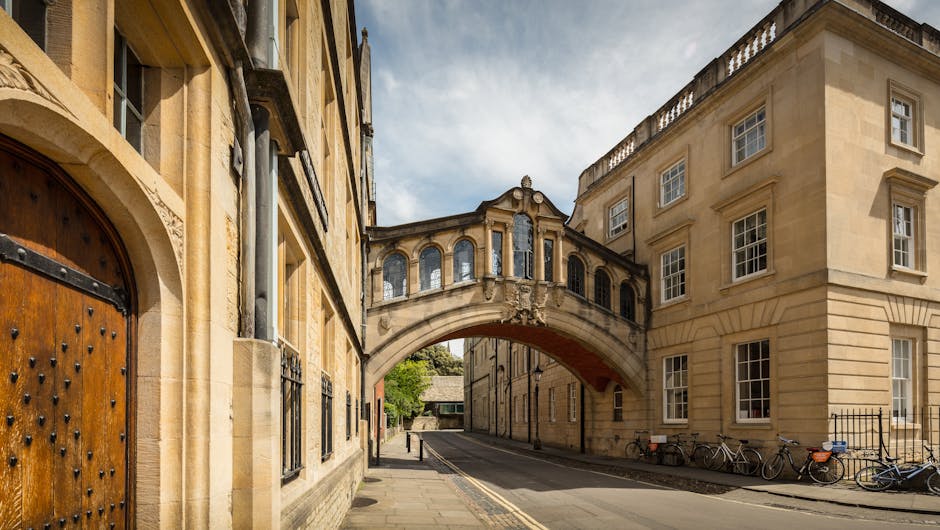
Discover the rebellious Headington Shark and the ancient sunken paths of Old Headington on this quirky self-guided neighborhood stroll through Oxford.
 Moderate
Oxford, United Kingdom
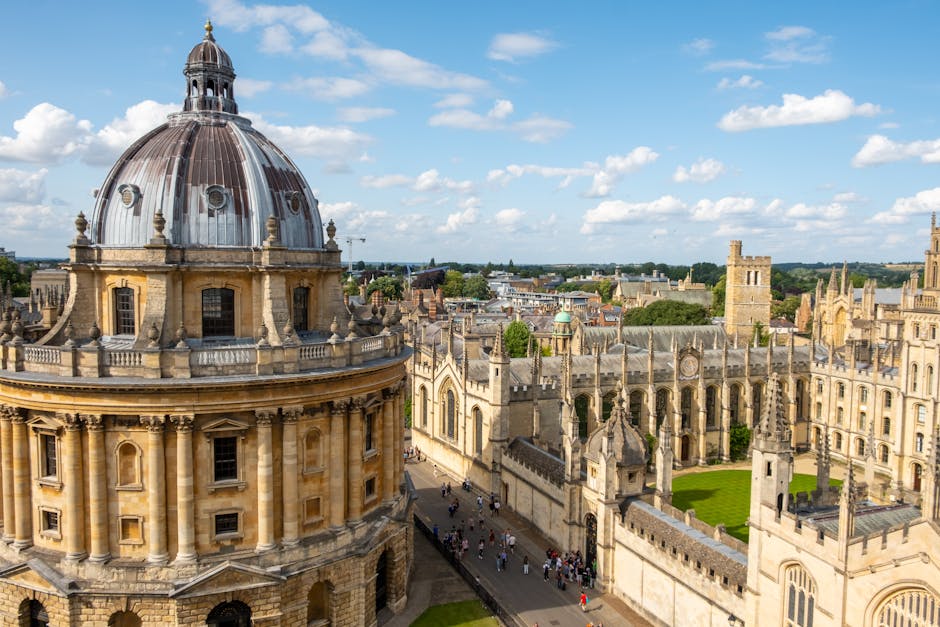
Uncover the mysteries of Oxford on this self-guided walk through the iconic filming locations of Inspector Morse, Lewis, and Endeavour.
 Easy
EasyOxford, United Kingdom
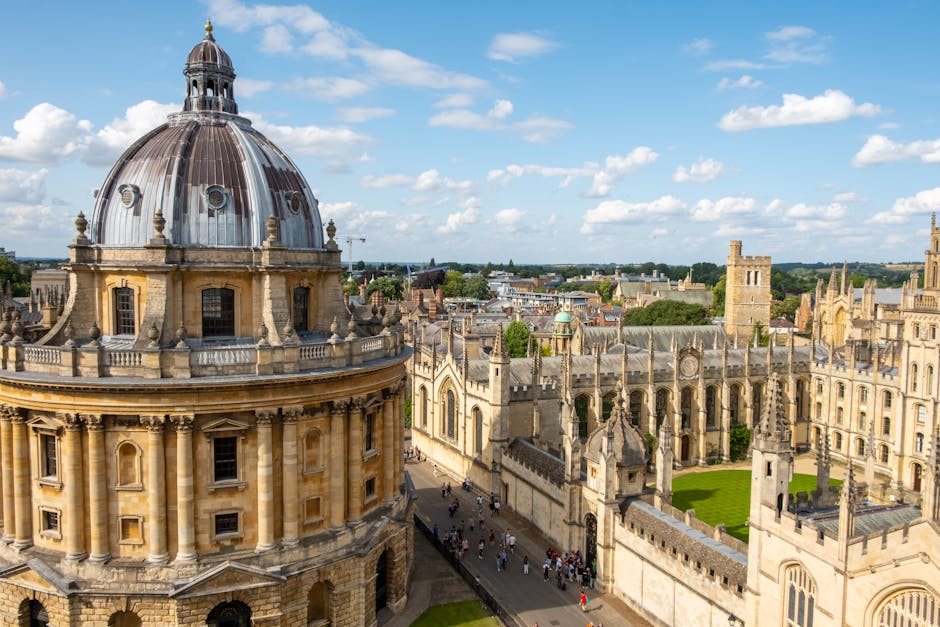
Discover the Oxford haunts of J.R.R. Tolkien and C.S. Lewis on this self-guided walking route through literary history.
 Easy
EasyNairobi, Kenya
Explore Nairobi's architectural evolution from colonial-era landmarks to iconic Brutalist skyscrapers on this historic self-guided walking route.
 Easy
EasyNairobi, Kenya
Discover Nairobi's iconic skyline on this self-guided architecture walk through the CBD’s most famous modernist and Brutalist landmarks.
 Easy
EasyKrakow, Poland
Explore the prestigious Jagiellonian University district, featuring Neo-Gothic architecture, Baroque churches, and Krakow's hidden scholarly gems.
 Easy
EasyKrakow, Poland
Explore the historic heart of Kazimierz on this self-guided walk through synagogues, ancient cemeteries, and vibrant squares.
 Easy
EasyEdinburgh, United Kingdom
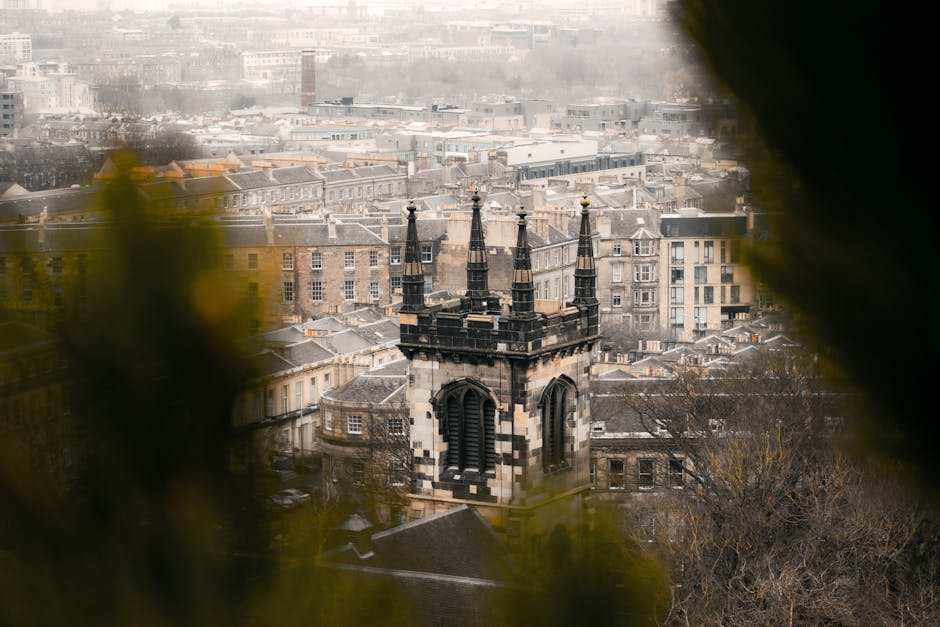
Explore Edinburgh's historic Royal Mile at your own pace, from the heights of the Castle to the royal Palace of Holyroodhouse.
 Easy
EasyEdinburgh, United Kingdom
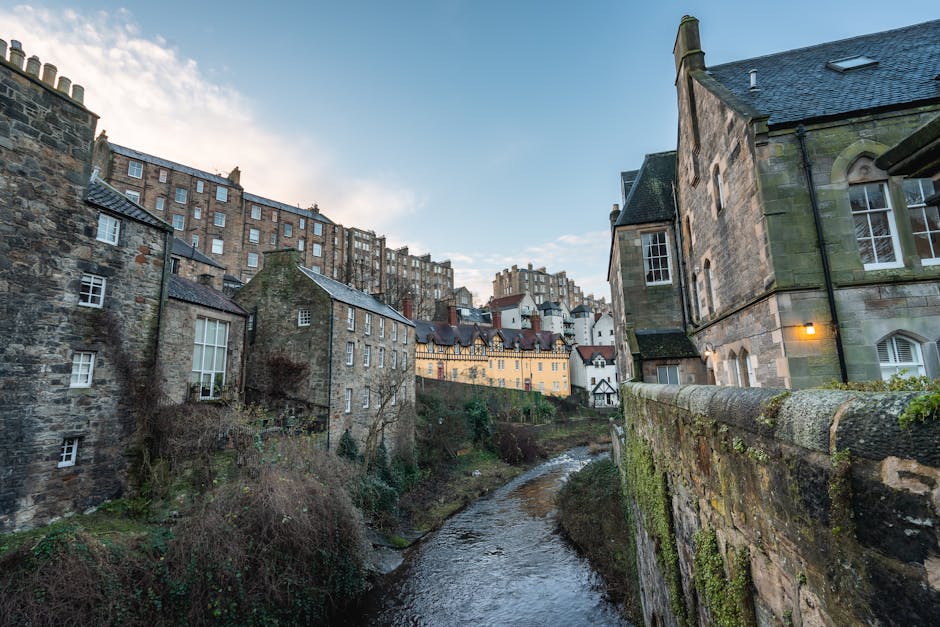
Capture the magic of Edinburgh on this self-guided stroll through the fairy-tale Dean Village, floral Circus Lane, and the scenic Water of Leith.
 Easy
EasyEdinburgh, United Kingdom
Explore Edinburgh's creative soul on this self-guided walk from historic museums to the stylish galleries and boutiques of the West End.
 Challenging
Edinburgh, United Kingdom
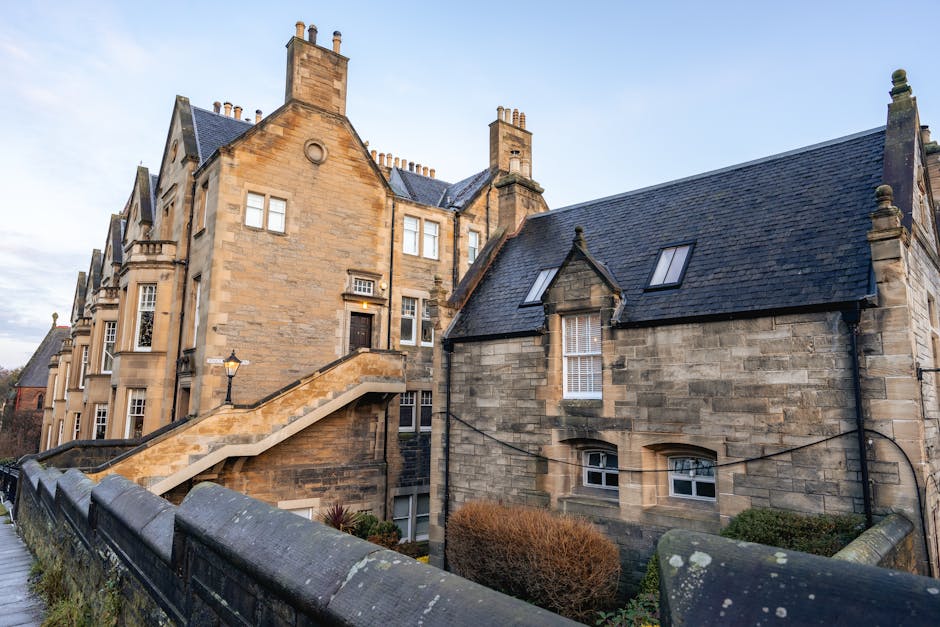
Ascend an ancient volcano and discover royal history on this challenging self-guided walk through Edinburgh's iconic Holyrood Park.