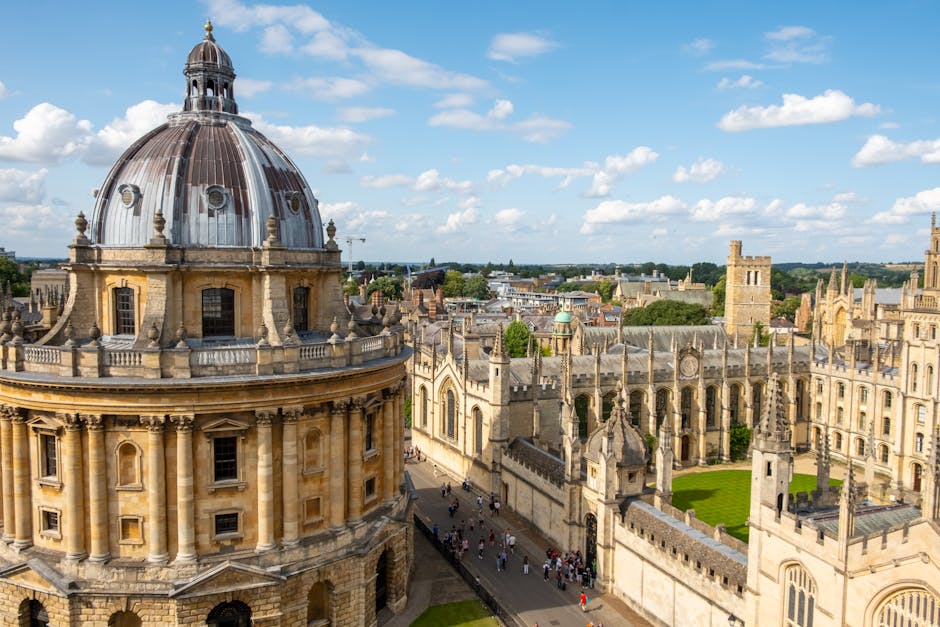
Self-guided audio tour in Oxford
Start Free on iPhone
Start free on iPhone to unlock this self-guided walking tour in Oxford. Hear all the stories that make it amazing, walk at your own pace, and begin whenever you want.
Your Private Tour Guide
For centuries, the 'dreaming spires' of Oxford were a strictly male preserve. This self-guided walk invites you to uncover the parallel history of the women who broke through these stone barriers. Starting in the heart of the city at the Sheldonian Theatre—where women only began receiving degrees in 1920—the route leads you north into the intellectual heart of the women’s suffrage and education movement. You will discover the stories of Nobel Prize winners, prime ministers, and pioneering educators. As you stroll through the leafy streets of North Oxford, you'll see the colleges that were founded to provide women with a place of their own. From the non-denominational radicalism of Somerville to the pioneering spirit of Lady Margaret Hall, this neighborhood stroll reveals a side of the university often overlooked in traditional narratives. It is a journey through architecture, academia, and social change, perfect for those who want to see the city through a different lens. This walking route is designed for those who enjoy exploring at their own pace. Unlike a standard walking tour Oxford often presents, this experience focuses specifically on the female experience, taking you away from the crowded central quadrangles and into the quieter, more residential areas of the university. You will find that North Oxford offers a unique charm, with its Victorian Gothic architecture and expansive green spaces. Along the way, the audio narration provides context for the landmarks you pass, from the labs where groundbreaking chemistry was performed to the quiet gardens where future world leaders studied. Whether you are a history buff or a first-time visitor, this self-guided adventure offers a fresh perspective on one of the world's most famous academic institutions.
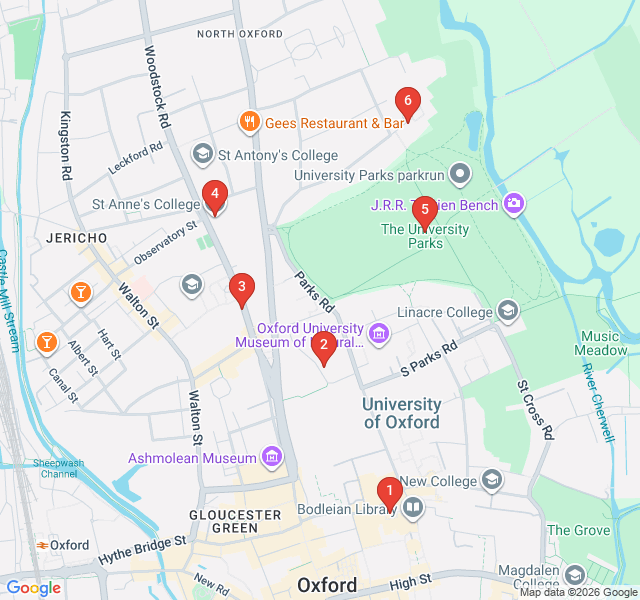
Numbers indicate the order of stops on the tour.
The Sheldonian Theatre, designed by Christopher Wren, is the ceremonial heart of the University. For centuries, it was a space where only men were celebrated. While the first women’s colleges opened in 1879, it wasn't until 1920 that women were finally allowed to become full members of the university and receive their degrees here. Imagine the scene in October 1920, when the first cohort of women finally processed through these doors to claim their hard-won academic recognition. This site marks the beginning of our walking route, representing the ultimate hurdle these pioneers cleared before female education was fully recognized by the establishment.
At 20 Museum Road, you’ll find a blue plaque dedicated to Dorothy Hodgkin, one of the most significant scientists of the 20th century. Hodgkin remains the only British woman to have been awarded a Nobel Prize in science, receiving the Chemistry prize in 1964 for her work in protein crystallography. She mapped the structures of penicillin, vitamin B12, and insulin—discoveries that revolutionized medicine. Despite her global fame, she spent much of her career in Oxford, often working in cramped conditions in the nearby University Museum of Natural History. Her story is a powerful reminder of the scientific excellence that flourished even when resources for women were limited.
Somerville College was founded in 1879 as one of the first two residences for women in Oxford. Named after the scientist Mary Somerville, the college was unique for being non-denominational—a radical move in an era when religious tests were common. This openness fostered a culture of independent thought that produced some of the most influential women of the modern age, including Prime Minister Margaret Thatcher, Indira Gandhi, and novelist Iris Murdoch. As you look at the college gates, reflect on how this institution helped break the 'glass ceiling' of British politics and literature, providing a supportive environment for women to excel academically.
St Anne's College has a distinct history compared to the other women’s colleges. It began as the Society of Oxford Home-Students, catering to women who lived in lodgings or with their families rather than in a residential hall. This made an Oxford education more accessible and affordable for women who couldn't afford the fees of the more formal residential colleges. It wasn't until 1952 that it received its royal charter as St Anne's College. The site today features a blend of architectural styles, symbolizing the evolution from a loose association of scholars to a prestigious, modern academic institution that continues to champion inclusivity.
This 70-acre green space has been a place of recreation for students and locals since the mid-19th century. For the women of the early colleges, these parks were a vital space for exercise and socialization at a time when they were often restricted from many university sports clubs and social spaces. As you walk through the willow-lined paths, consider the 'Blue-stocking' students who walked here, discussing philosophy and politics away from the watchful eyes of chaperones. It remains one of the most peaceful sections of our walking route, connecting the central university area to the northern colleges while providing a breath of fresh air.
Lady Margaret Hall, or LMH, was the very first hall for women in Oxford, founded in 1878. Its first principal, Elizabeth Wordsworth—the great-niece of the poet William Wordsworth—wanted to provide a place where women could receive an education comparable to men while maintaining a sense of community. The architecture here, particularly the Deneke Building, reflects a sense of permanence and dignity. It remained a women-only space for a century before becoming the first of the all-female colleges to admit men in 1979. Today, it stands as a testament to the radical shift in Oxford’s academic landscape and the success of its female founders.
Start Free on iPhone
Explore “Pioneers and Portraits: The Women of Oxford” with your very own Private Tour Guide with Zigway. Start free on iPhone, skip the large group and the fixed routes, and hear the city come alive as you go.
Your Private Tour Guide
Don't miss the good stuff
Explore Freely
 Easy
EasyOxford, United Kingdom
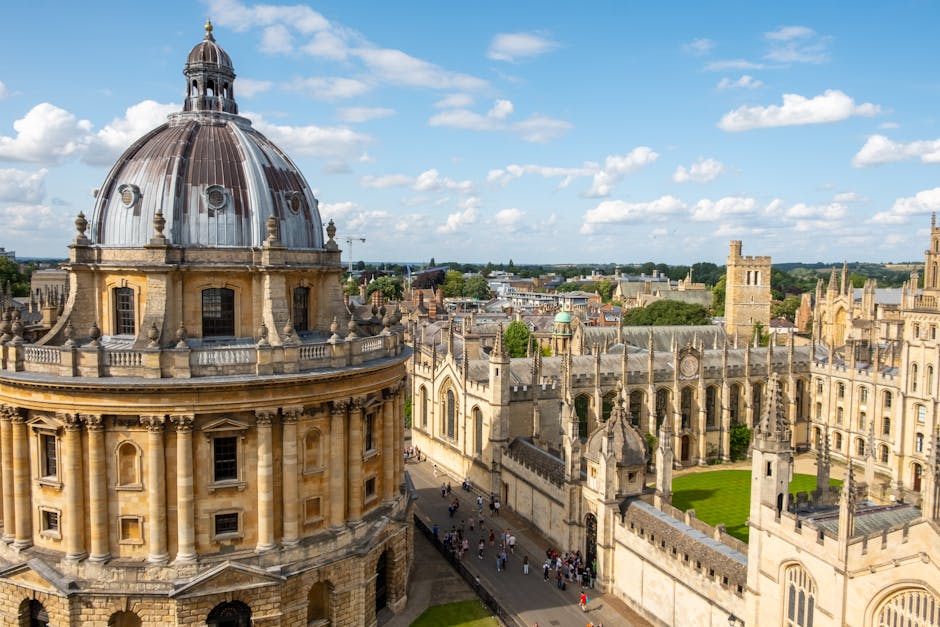
Explore Oxford’s historic food scene on this self-guided walk through the 1774 Covered Market, ancient pubs, and England’s first coffee house site.
 Moderate
Oxford, United Kingdom
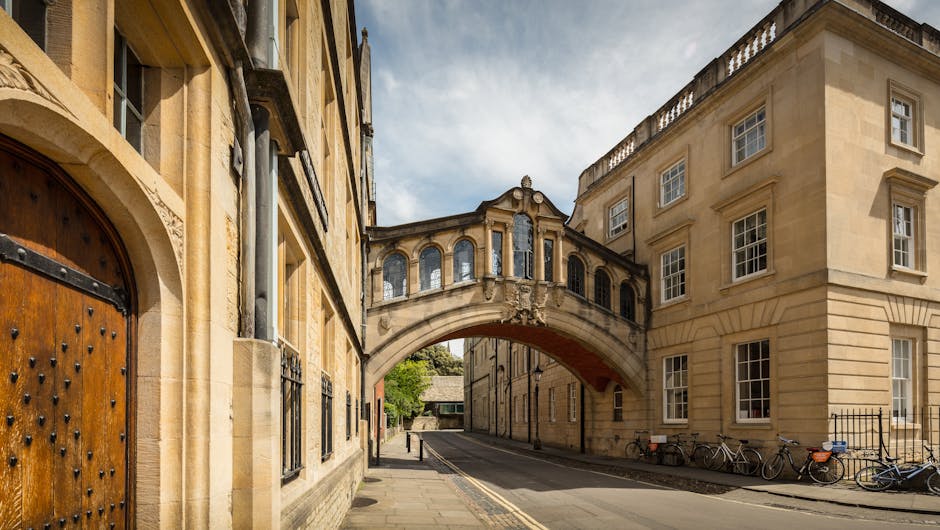
Discover the rebellious Headington Shark and the ancient sunken paths of Old Headington on this quirky self-guided neighborhood stroll through Oxford.
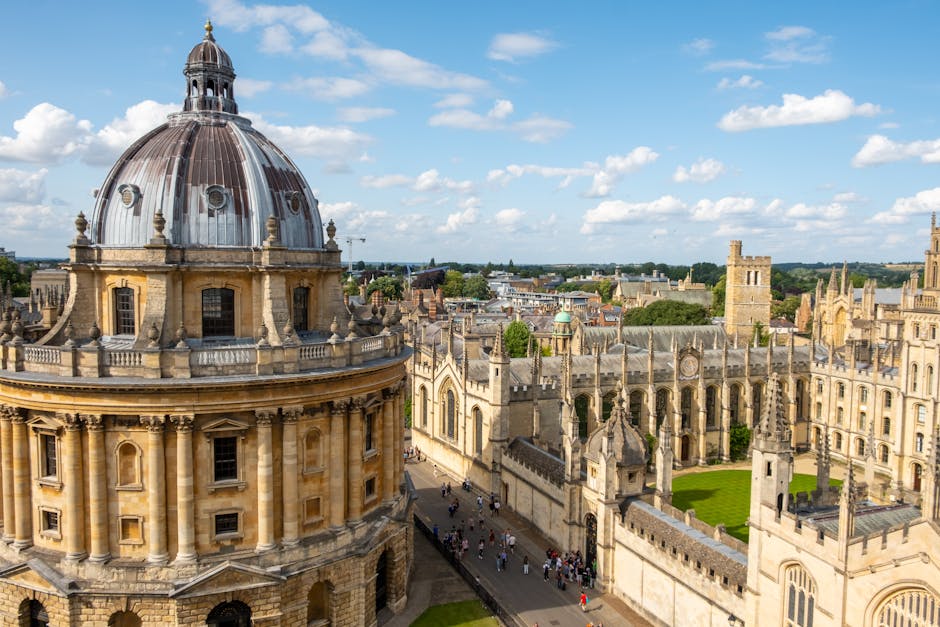 Moderate
Oxford, United Kingdom
Uncover the mysteries of Oxford on this self-guided walk through the iconic filming locations of Inspector Morse, Lewis, and Endeavour.
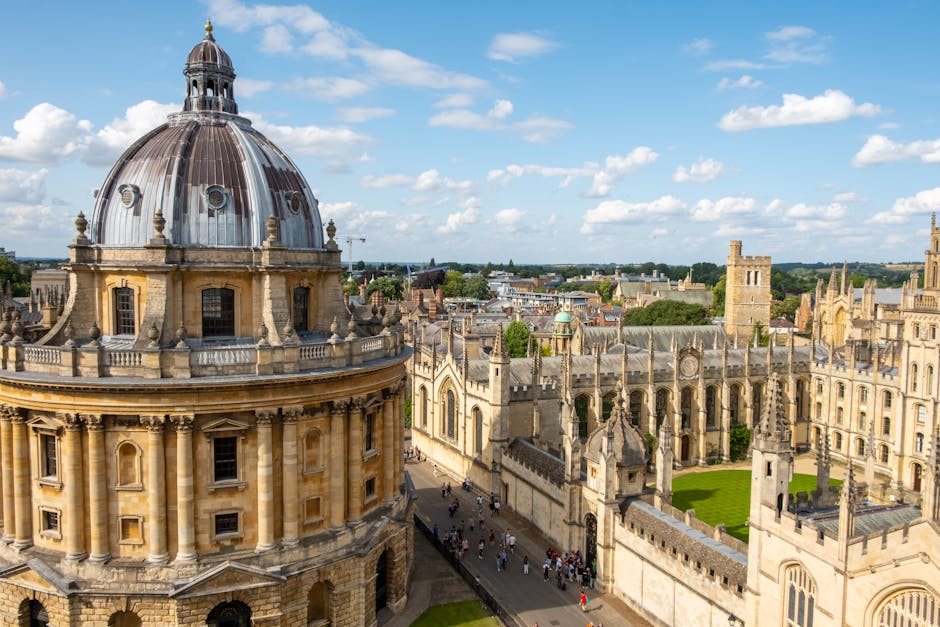 Easy
EasyOxford, United Kingdom
Discover the Oxford haunts of J.R.R. Tolkien and C.S. Lewis on this self-guided walking route through literary history.
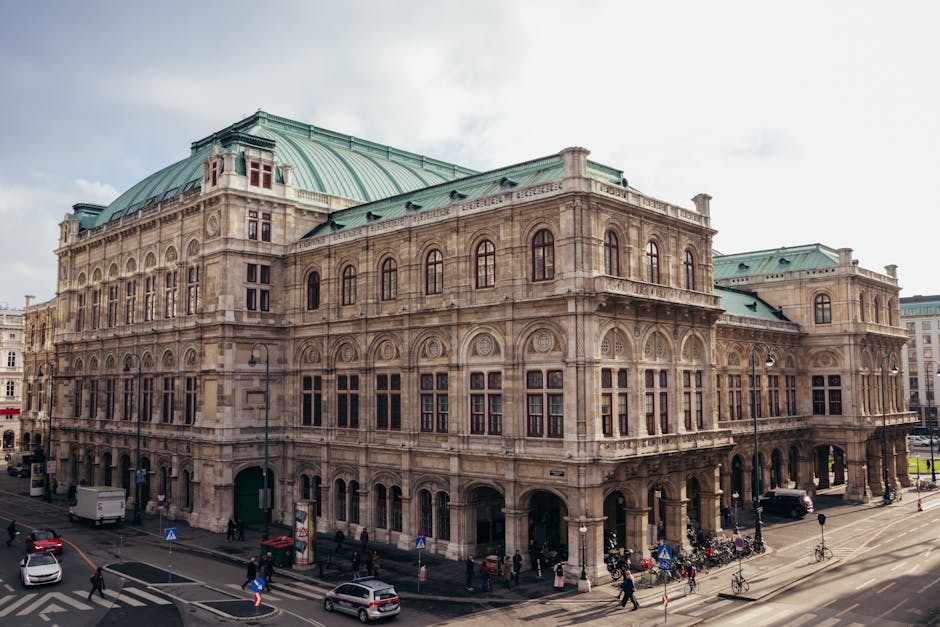 Moderate
Vienna, Austria
Follow the footsteps of Mozart and Strauss through Vienna’s historic center on this self-guided walk through the city's rich musical history.
 Moderate
Gothenburg, Sweden
Discover Gothenburg’s maritime soul on this self-guided walk from the historic Central Station to the scenic riverfront at Stenpiren.
 Moderate
Nairobi, Kenya
Discover Nairobi's lush side on this self-guided walk through botanical gardens, historic memorials, and vibrant local markets.
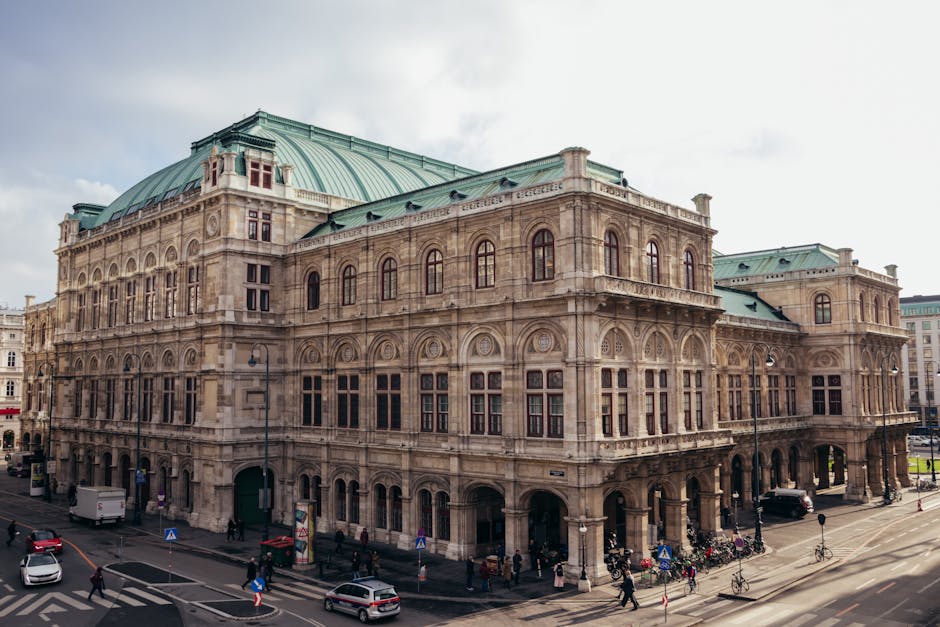 Moderate
Vienna, Austria
Discover the noir world of The Third Man and Cold War Vienna on this atmospheric self-guided audio walk through the historic Innere Stadt.
 Easy
EasyEdinburgh, United Kingdom
Explore Edinburgh's historic Royal Mile at your own pace, from the heights of the Castle to the royal Palace of Holyroodhouse.
 Easy
EasyEdinburgh, United Kingdom
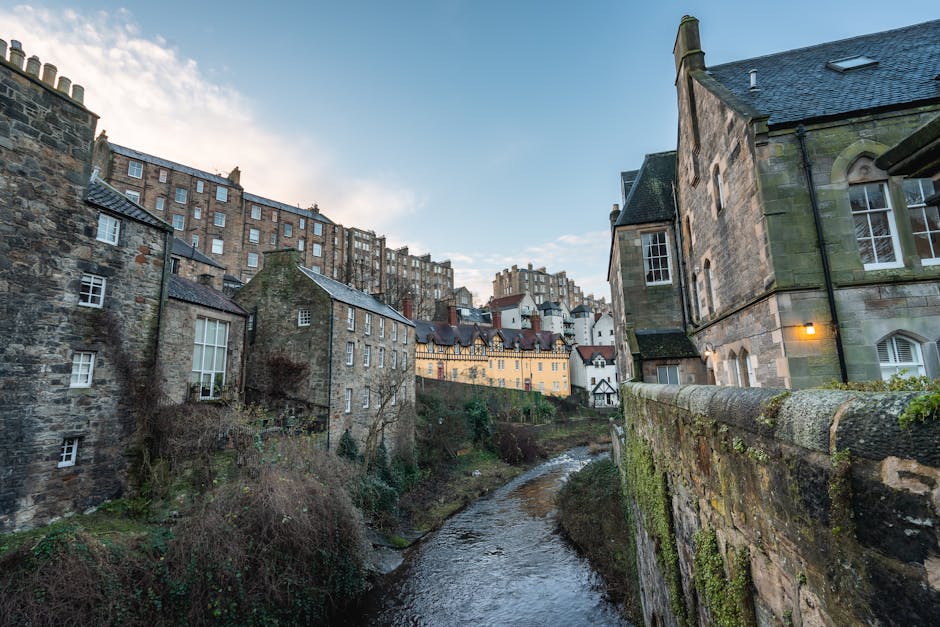
Capture the magic of Edinburgh on this self-guided stroll through the fairy-tale Dean Village, floral Circus Lane, and the scenic Water of Leith.
 Easy
EasyEdinburgh, United Kingdom
Explore Edinburgh's creative soul on this self-guided walk from historic museums to the stylish galleries and boutiques of the West End.
 Challenging
Edinburgh, United Kingdom
Ascend an ancient volcano and discover royal history on this challenging self-guided walk through Edinburgh's iconic Holyrood Park.