Self-guided audio tour in Bath
Start Free on iPhone
Start free on iPhone to unlock this self-guided walking tour in Bath. Hear all the stories that make it amazing, walk at your own pace, and begin whenever you want.
Your Private Tour Guide
While Bath is world-renowned for its honey-colored Georgian terraces and Roman roots, there is a whole other layer of history waiting to be discovered. This self-guided walk invites you to look beyond the 18th-century symmetry and explore the Victorian era's bold impact on the city. During the 19th century, Bath transformed from a fashionable spa resort for the elite into a bustling modern city, leaving behind a legacy of grand municipal buildings, industrial marvels, and Gothic Revival masterpieces. On this walking route, you will step away from the crowded Roman Baths to uncover the stories of the people who shaped the Victorian city. Your journey begins at the Guildhall Market, where the vibrant spirit of 19th-century commerce is still very much alive. From there, you will encounter the Victoria Art Gallery, a monument to municipal pride built to celebrate Queen Victoria's Diamond Jubilee. One of the most striking sights on this route is The Empire Hotel, a building so grand and eclectic that it was once described as a 'house of many gables'—a stark contrast to the restrained Georgian architecture nearby. As you explore independently, you will discover that Victorian Bath was a city of contrasts, where the elegance of high society met the soot of the railway age. The walk also takes you to the impressive St John the Evangelist Church, a soaring example of Gothic Revival architecture that stands as a testament to the era's religious fervor. You will then visit Green Park Station, a former railway hub that showcases the incredible iron-and-glass engineering of the Victorian period. The route concludes at the Cleveland Bridge, a grand structure that served as a gateway for trade and travel. This walking tour Bath offers a fresh perspective on a familiar city, highlighting the hidden gems that often go unnoticed by those only seeking the Georgian facade. Whether you are a history buff or an architecture enthusiast, this neighborhood stroll provides a fascinating glimpse into the evolution of one of Britain's most beautiful cities.
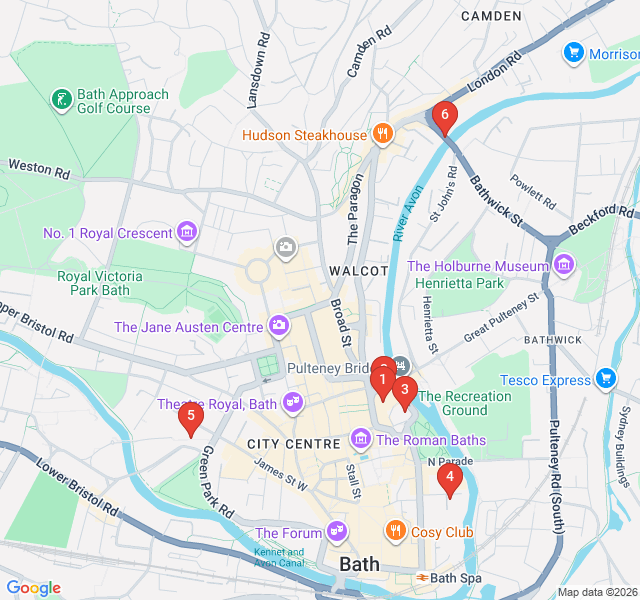
Numbers indicate the order of stops on the tour.
Welcome to the oldest shopping venue in the city. While there has been a market on this site for over 800 years, the building you see today is a wonderful blend of history, with significant Victorian additions. Step inside and look up at the central dome, which dates back to the 1860s. This was the heart of Victorian trade in Bath, a place where locals bought everything from fresh produce to hardware. Notice the traditional stall layouts; many have been run by the same families for generations. It represents the transition of Bath from a playground for the wealthy to a functional, vibrant city for its permanent residents.
This gallery is a prime example of late Victorian municipal pride. Built to commemorate Queen Victoria's Diamond Jubilee in 1897, it was designed by architect John McKean Brydon. If you look at the exterior, you will see a statue of Queen Victoria herself nestled in a niche above the entrance. The building was intended to bring art and culture to the masses, a key Victorian ideal. The architecture here is more ornate and eclectic than the strict Georgian styles found elsewhere in Bath, signaling a shift toward the more decorative tastes of the late 19th century.
Standing before the Empire Hotel, you are looking at one of Bath's most controversial Victorian buildings. Built in 1901, just at the end of the Victorian era, it was designed by Major Charles Edward Davis. At the time, it was criticized for its massive scale and 'French Renaissance' style, which many felt clashed with the surrounding Georgian buildings. Look at the roofline—it features three distinct styles of gables: a cottage style to represent the lower classes, a manor house style for the middle classes, and a castle style for the upper classes. It remains a bold statement of Victorian social structure and architectural ambition.
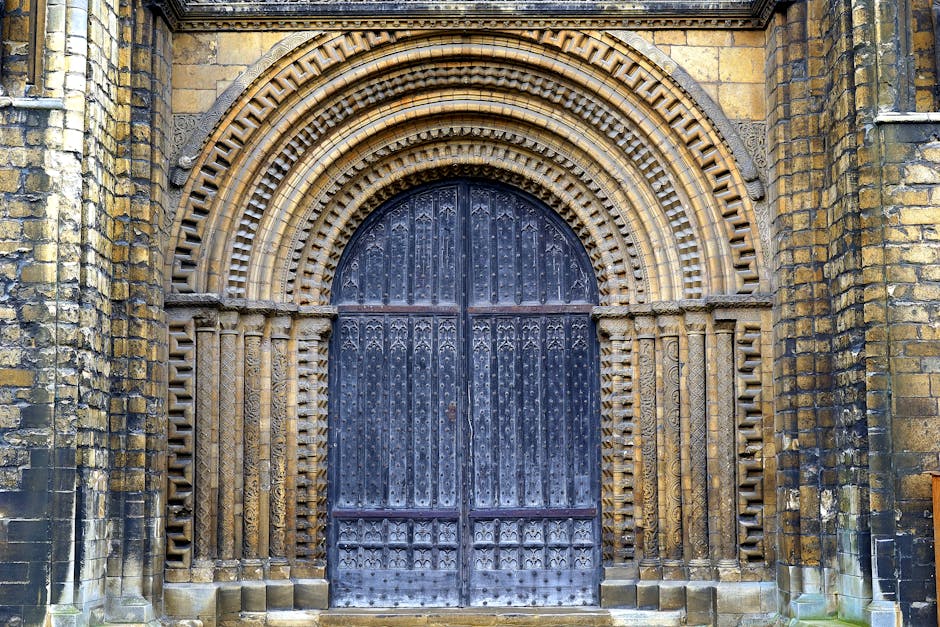
This stunning Roman Catholic church is a masterpiece of the Gothic Revival movement, which dominated Victorian religious architecture. Completed in 1863, its spire reaches high above the city skyline, making it one of the tallest structures in Bath. The architect, Charles Hansom, wanted to evoke the grandeur of medieval cathedrals. Inside, the church is decorated with intricate carvings, stained glass, and a lavish altar. It reflects the mid-Victorian period's fascination with the Middle Ages and the 'Oxford Movement,' which sought to bring more traditional, ornate elements back into English church life.
Originally known as Bath Queen Square Station, this was the city's terminal for the Midland Railway. Opened in 1870, it is a magnificent example of Victorian industrial engineering. The highlight is the massive vaulted glass and iron roof, designed to allow steam and smoke from the locomotives to escape while keeping passengers dry. While trains no longer run through here, the station has been beautifully preserved. It serves as a reminder of how the railway transformed Bath, connecting it to the industrial north and changing the city's economy forever. It is now a thriving space for independent markets and local businesses.
Our final stop is the Cleveland Bridge, built in 1826 to replace an old ferry crossing. While its origins are late Georgian, it became a vital artery for the Victorian city. Notice the four small neo-classical lodges at each corner; these were originally toll houses. In the Victorian era, anyone wishing to cross the bridge had to pay a fee, which helped fund its maintenance. The bridge is constructed from Bath stone and cast iron, representing the cutting-edge technology of the time. From here, you can see the River Avon flowing toward the city center, a route once busy with Victorian coal barges and trade boats.
Start Free on iPhone
Explore “Victorian Bath: Beyond the Georgian Façade” with your very own Private Tour Guide with Zigway. Start free on iPhone, skip the large group and the fixed routes, and hear the city come alive as you go.
Your Private Tour Guide
Don't miss the good stuff
Explore Freely
 Easy
EasyBath, United Kingdom
Uncover Roman ruins and Gothic spires on this self-guided audio walk through the historic heart of Bath. Explore at your own pace.
 Easy
EasyBath, United Kingdom
Uncover the eerie secrets and dark history of Bath on this self-guided audio walk through haunted theaters and historic Victorian cemeteries.
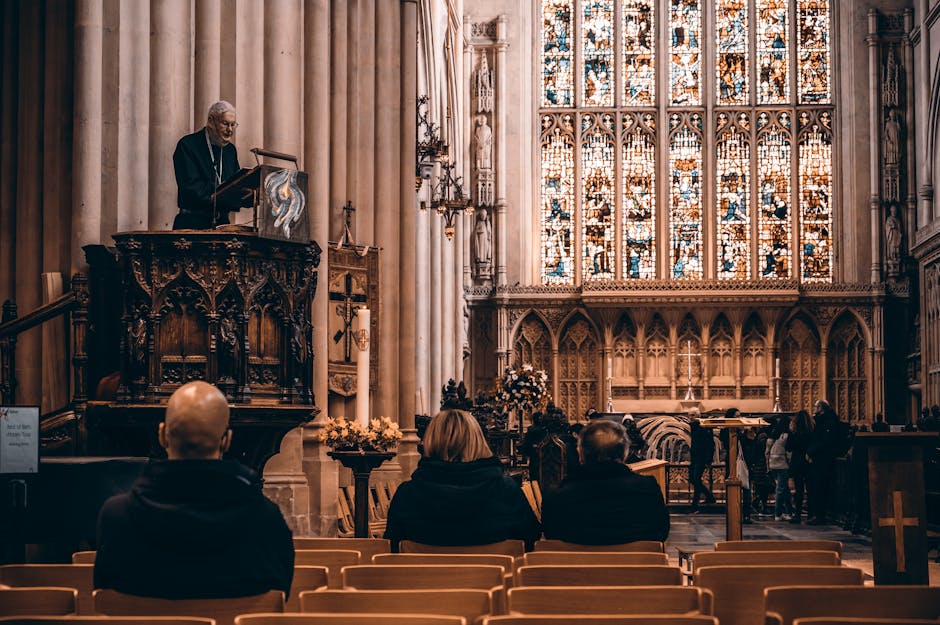 Easy
EasyBath, United Kingdom
Explore Bath's industrial-heritage on this self-guided walk along the Kennet & Avon Canal, from engineering marvels to tranquil garden escapes.
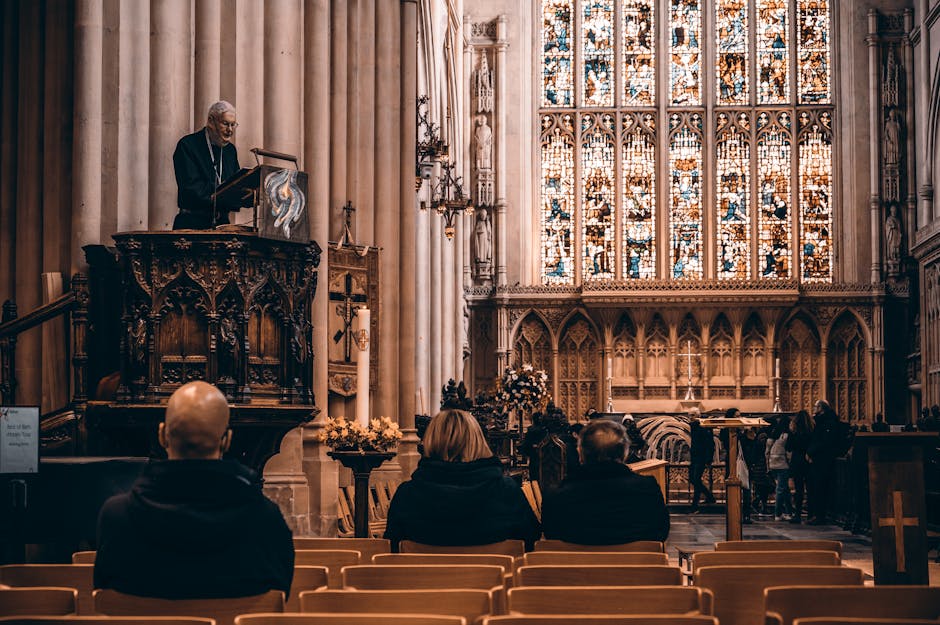 Moderate
Bath, United Kingdom
Escape the crowds and ascend the hills of Bath on this self-guided walk featuring panoramic views, historic follies, and hidden Victorian cemeteries.
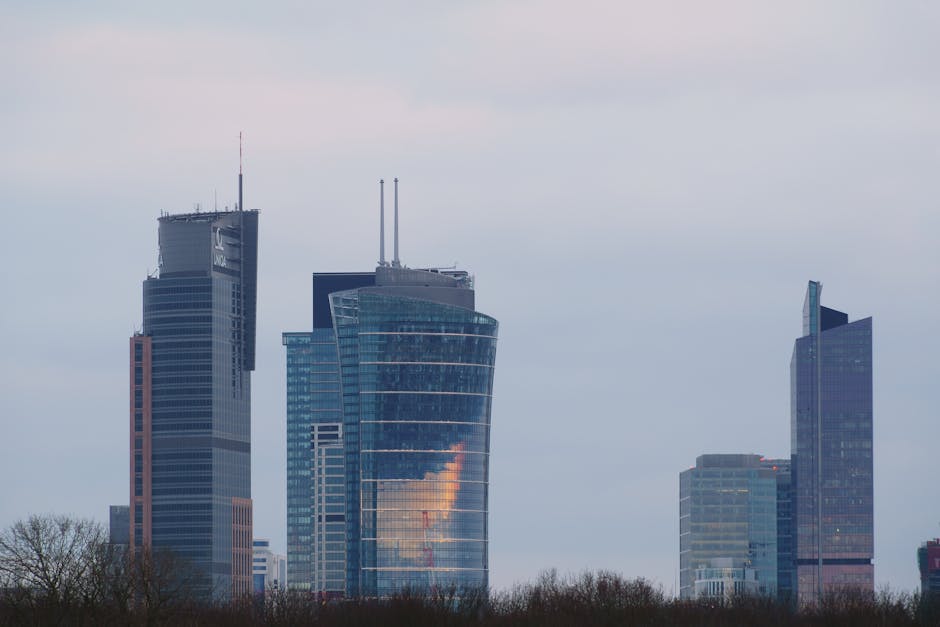 Easy
EasyWarsaw, Poland
Discover the hidden courtyards and grand pre-war architecture of Warsaw's most atmospheric neighborhood on this self-guided stroll.
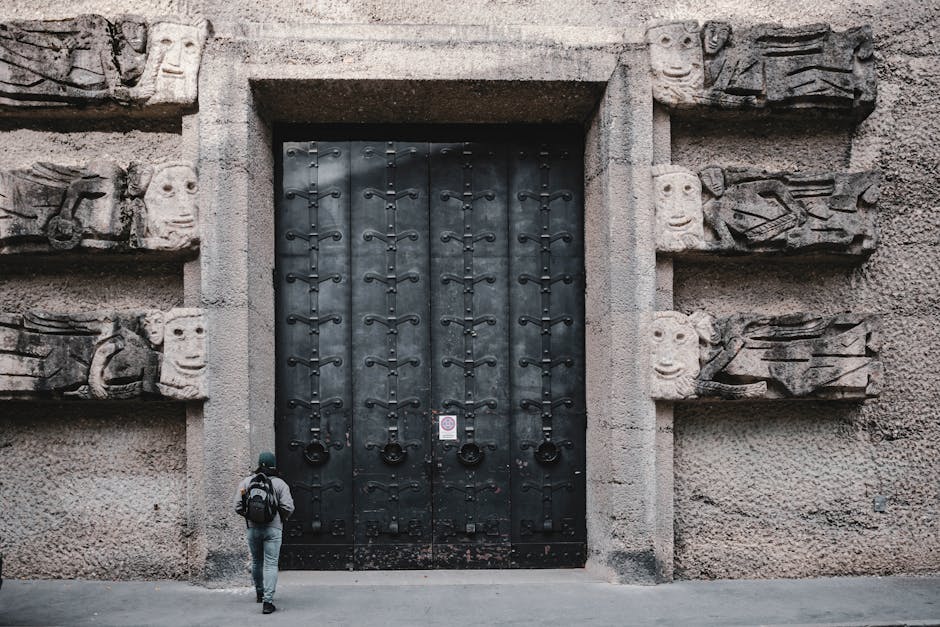 Easy
EasySalzburg, Austria
Discover Salzburg's oldest medieval alley, the birthplace of the 'Silent Night' author, and breathtaking views on this quiet self-guided walk.
 Easy
EasyNairobi, Kenya
Discover Nairobi's iconic skyline on this self-guided architecture walk through the CBD’s most famous modernist and Brutalist landmarks.
 Easy
EasyNairobi, Kenya
Explore Nairobi's architectural evolution from colonial-era landmarks to iconic Brutalist skyscrapers on this historic self-guided walking route.
 Easy
EasyEdinburgh, United Kingdom
Explore Edinburgh's historic Royal Mile at your own pace, from the heights of the Castle to the royal Palace of Holyroodhouse.
 Easy
EasyEdinburgh, United Kingdom
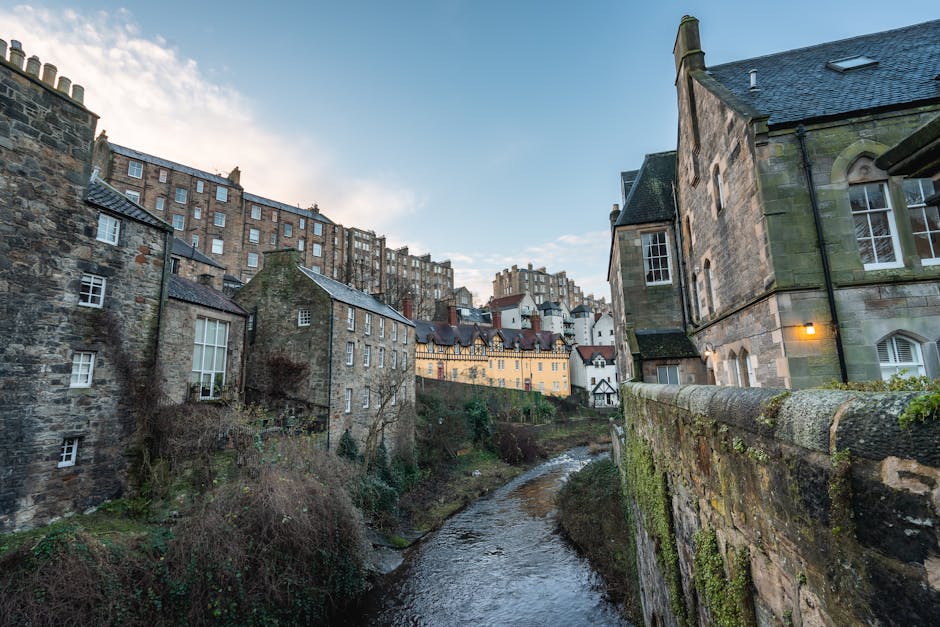
Capture the magic of Edinburgh on this self-guided stroll through the fairy-tale Dean Village, floral Circus Lane, and the scenic Water of Leith.
 Easy
EasyEdinburgh, United Kingdom
Explore Edinburgh's creative soul on this self-guided walk from historic museums to the stylish galleries and boutiques of the West End.
 Challenging
Edinburgh, United Kingdom
Ascend an ancient volcano and discover royal history on this challenging self-guided walk through Edinburgh's iconic Holyrood Park.