Self-guided audio tour in Hoi An
Start Free on iPhone
Start free on iPhone to unlock this self-guided walking tour in Hoi An. Hear all the stories that make it amazing, walk at your own pace, and begin whenever you want.
Your Private Tour Guide
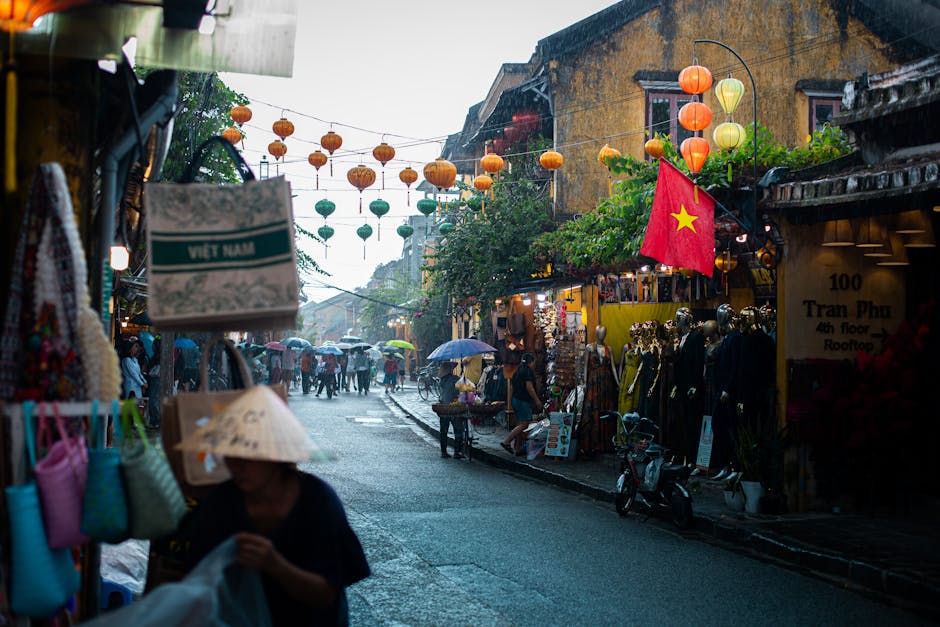
Discover the artistic soul of Hoi An with this self-guided walk through the charming Cam Pho neighborhood. While most visitors congregate around the central market, this route invites you to turn westward, where the pace slows down and the creative spirit of the city comes to life. This neighborhood stroll is perfect for those seeking a mix of iconic landmarks and hands-on cultural experiences, making it an ideal choice for a family-friendly morning or afternoon in the ancient town. Your journey begins at the world-famous Japanese Covered Bridge, the symbolic gateway to Cam Pho. From there, you will transition from the historic architecture of the 17th century to the vibrant, open-air energy of the riverside. This walking route Hoi An offers explores the An Hoi sculpture garden, where modern art reflects local legends, and leads you to the Song Hoai Square, a central hub for community gatherings. One of the highlights of this self-guided adventure is the Cam Pho Communal House, one of the oldest and most significant spiritual sites in the area. Unlike the more crowded assembly halls, this space offers a peaceful look at the neighborhood's collective heritage. The walk concludes with a creative flourish at a pottery workshop, where the ancient traditions of nearby Thanh Ha are brought to the heart of the town. This walking tour Hoi An has curated for independent travelers ensures you see the famous sights while also uncovering the hidden gems of the local craft scene. Whether you are traveling with children or looking for a quiet escape from the main tourist trail, this neighborhood stroll provides a comprehensive look at the living culture of Hoi An.
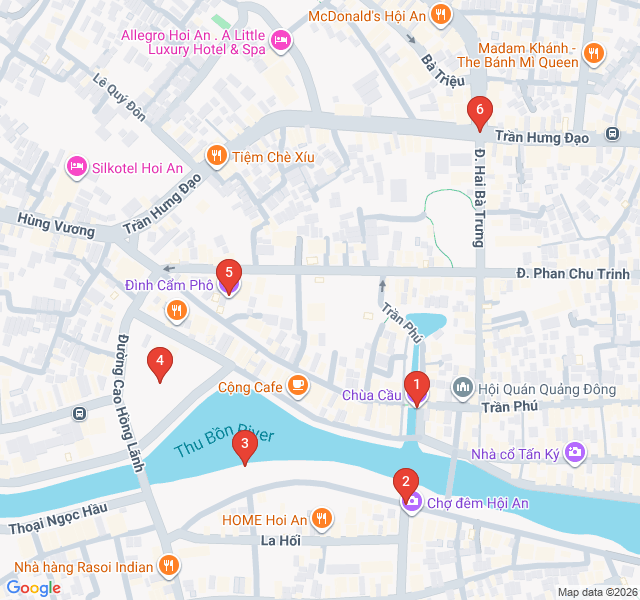
Numbers indicate the order of stops on the tour.
Welcome to the start of your self-guided walk. You are standing before the Chùa Cầu, or the Japanese Covered Bridge. Built in the early 1600s by the Japanese merchant community, this bridge was designed to link the Japanese quarter with the Chinese quarter across the canal. Notice the intricate wooden roof and the small temple nestled into the side. According to local legend, the bridge was built to pin down a massive monster named Namazu, whose movements caused earthquakes across Asia. Look for the statues of dogs and monkeys at either end; they represent the zodiac years in which the bridge's construction allegedly began and ended. While the interior is often under renovation to preserve its ancient timbers, the exterior remains the most photographed spot in Hoi An.
Continue your stroll along the southern bank of the Hoai River. Nguyen Phuc Chu is a pedestrian-friendly street that truly comes alive as the sun sets. To your left, the river is dotted with traditional wooden boats, and to your right, you will find a variety of local art galleries and cafes. This area represents the more modern, artistic side of Hoi An. It is a fantastic place to observe the daily rhythm of the river, from vendors selling paper lanterns to the gentle flow of the water that has sustained this trading port for centuries. Take a moment to enjoy the breeze and the colorful displays of silk lanterns that Hoi An is famous for.
Located right along the riverbank, the Hoi An Sculpture Garden is an open-air gallery featuring works by local Vietnamese artists. These sculptures often depict scenes of daily life, traditional folklore, and the relationship between the people and the sea. You might see stone carvings of fishermen, mythical creatures, or abstract forms that play with light and shadow. It is a wonderful, tactile space where children can explore and visitors can appreciate how contemporary art is being used to keep ancient stories alive. The garden provides a quiet contrast to the busy shop-lined streets you just left behind.
You have arrived at Sông Hoài Square, the large open space that serves as the 'front porch' of the Cam Pho neighborhood. This square is the site of many cultural performances, outdoor festivals, and the famous Bai Choi singing games, which is a traditional Vietnamese art form combining music, poetry, and card games. In the evenings, you might see locals practicing tai chi or children playing. This area marks the transition from the tourist-heavy riverfront into the more residential and traditional heart of Cam Pho. It offers a great vantage point to see the rooftops of the ancient town stretching out toward the horizon.
Step inside the Cam Pho Communal House, or Đình Cẩm Phô. This is one of the oldest communal houses in Hoi An, rebuilt in 1817 in the shape of the Chinese character for 'country.' Unlike temples dedicated to specific deities, a communal house is a place for the community to worship their ancestors and the village guardian spirits. Notice the 'Yin and Yang' roof tiles and the intricate carvings on the wooden beams. This site is central to the identity of the Cam Pho people, serving as both a place of worship and a meeting hall for village elders. It is a peaceful sanctuary that showcases the harmonious blend of Vietnamese, Chinese, and Japanese architectural influences.
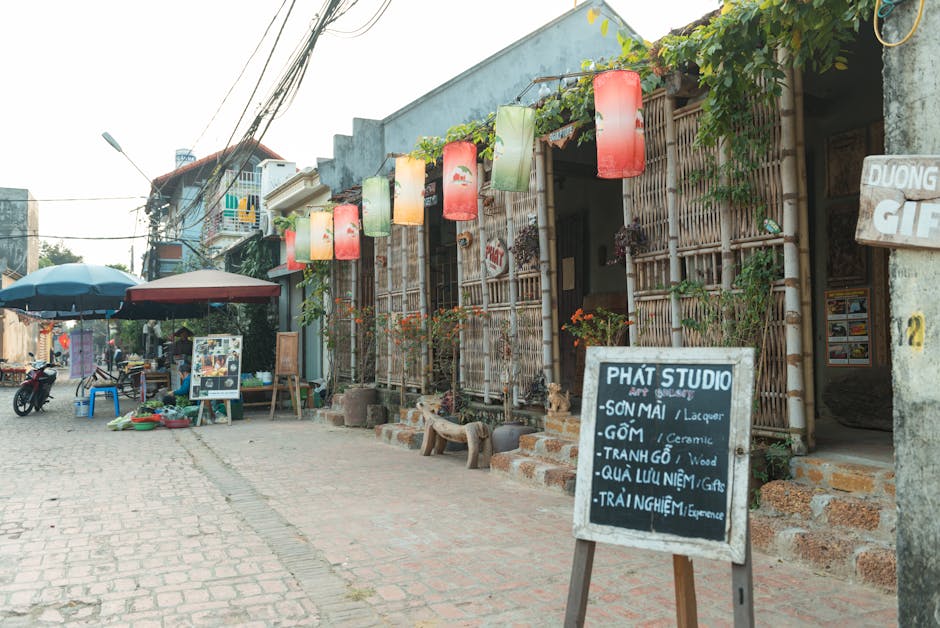
Your neighborhood stroll concludes at this small pottery workshop. While the main Thanh Ha Pottery Village is located a few kilometers upstream, this workshop brings that 500-year-old tradition into the town center. The artisans here use the same techniques passed down through generations, utilizing the rich clay from the Thu Bon River. You can watch the master potters use a foot-pedaled wheel—one person spins while the other shapes the clay. It is a highly coordinated dance of skill. Feel free to try your hand at shaping a small bowl or a 'to he' (clay whistle) shaped like a zodiac animal. It is a perfect, hands-on way to end your exploration of Cam Pho’s creative heritage.
Start Free on iPhone
Explore “Family Fun and Creative Hands in Cam Pho” with your very own Private Tour Guide with Zigway. Start free on iPhone, skip the large group and the fixed routes, and hear the city come alive as you go.
Your Private Tour Guide
Don't miss the good stuff
Explore Freely
 Easy
EasyHoi An, Vietnam
Discover the ornate assembly halls and hidden pagodas of Hoi An on this self-guided walk through the city's spiritual and architectural history.
 Easy
EasyHoi An, Vietnam
Capture the magic of Hoi An's golden hour on this self-guided photography walk through historic streets, temple gates, and riverside views.
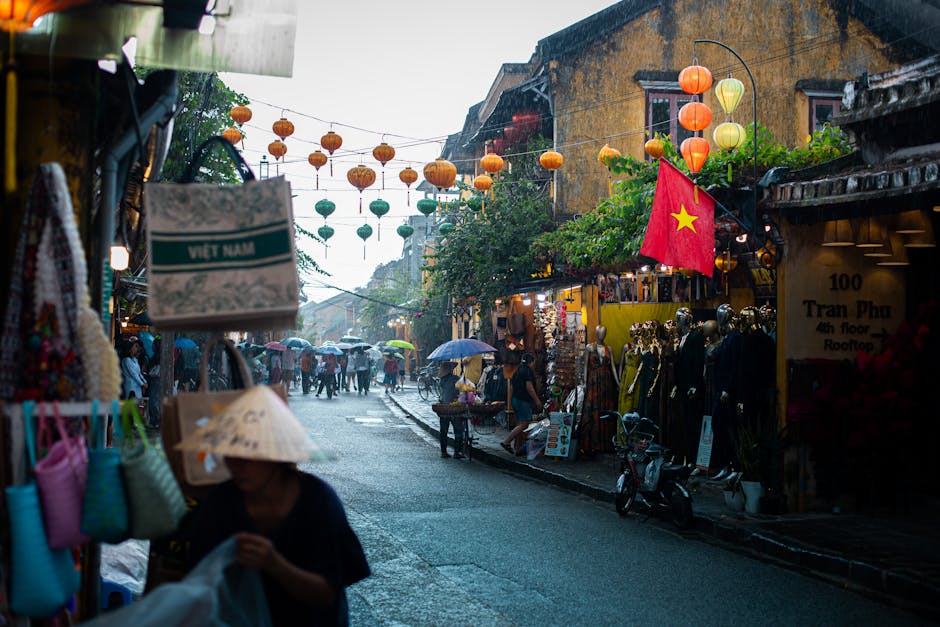 Easy
EasyHoi An, Vietnam
Discover the hidden roasteries and historic side streets of Hoi An on this aromatic self-guided coffee and culture walk.
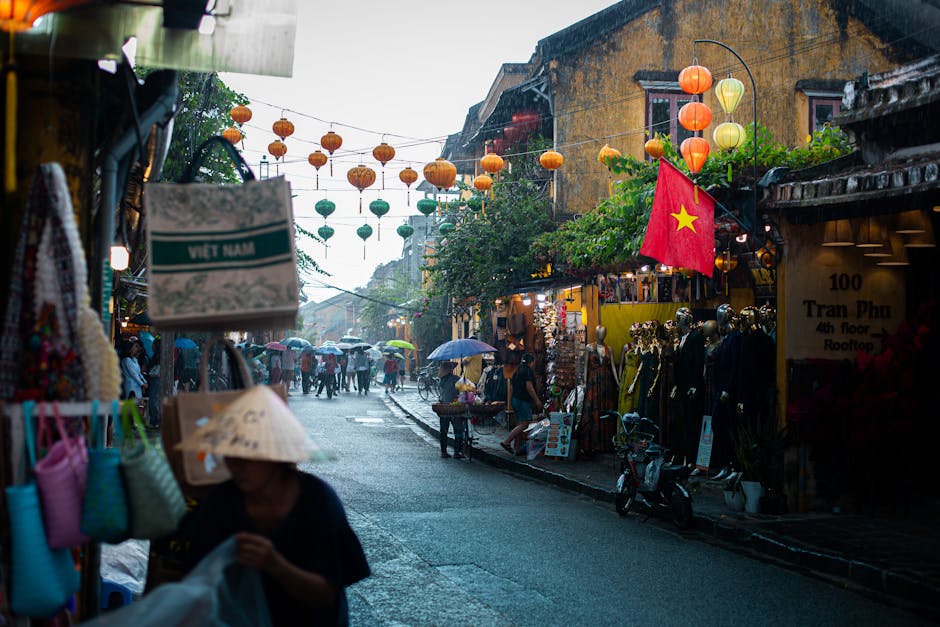 Moderate
Hoi An, Vietnam
Escape the crowds and explore the rural heart of Hoi An, from the riverside charms of Cam Nam to the lush herb gardens of Tra Que.
 Easy
EasyInnsbruck, Austria
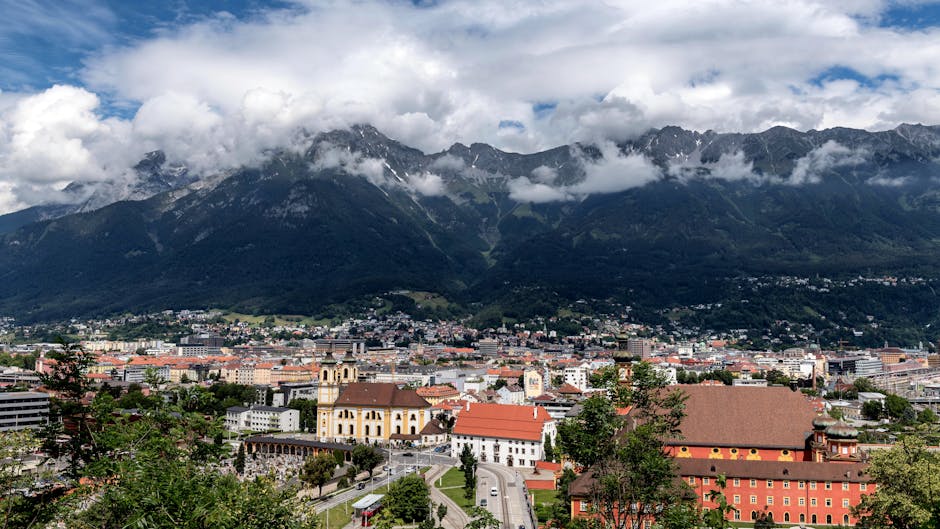
Uncover the myths and legends of Innsbruck on this self-guided walk through the historic Altstadt and beyond.
 Easy
EasyKrakow, Poland
Explore the prestigious Jagiellonian University district, featuring Neo-Gothic architecture, Baroque churches, and Krakow's hidden scholarly gems.
 Easy
EasyKrakow, Poland
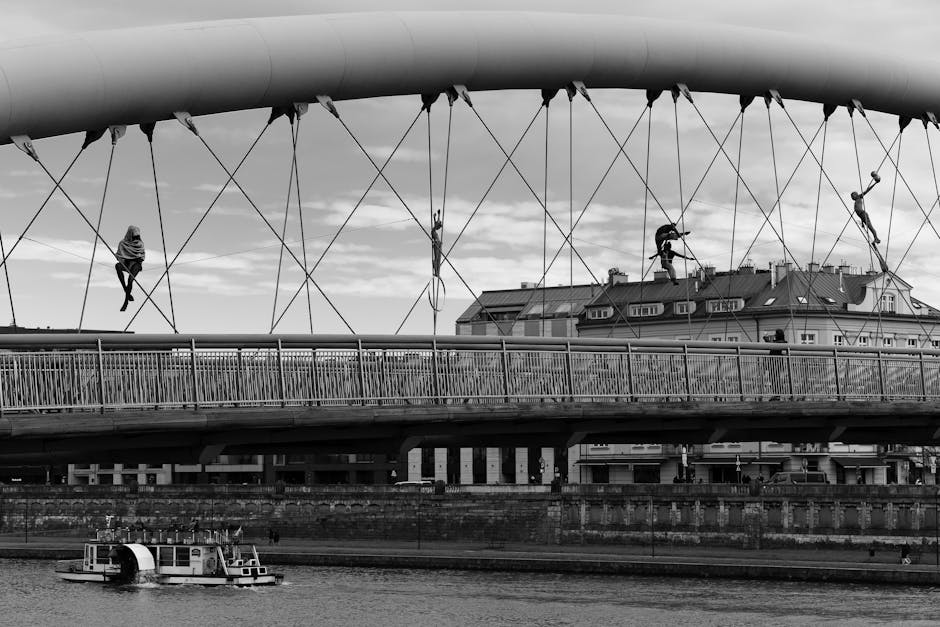
Discover Krakow’s creative soul in Zabłocie, exploring industrial heritage, contemporary art museums, and avant-garde architecture at your own pace.
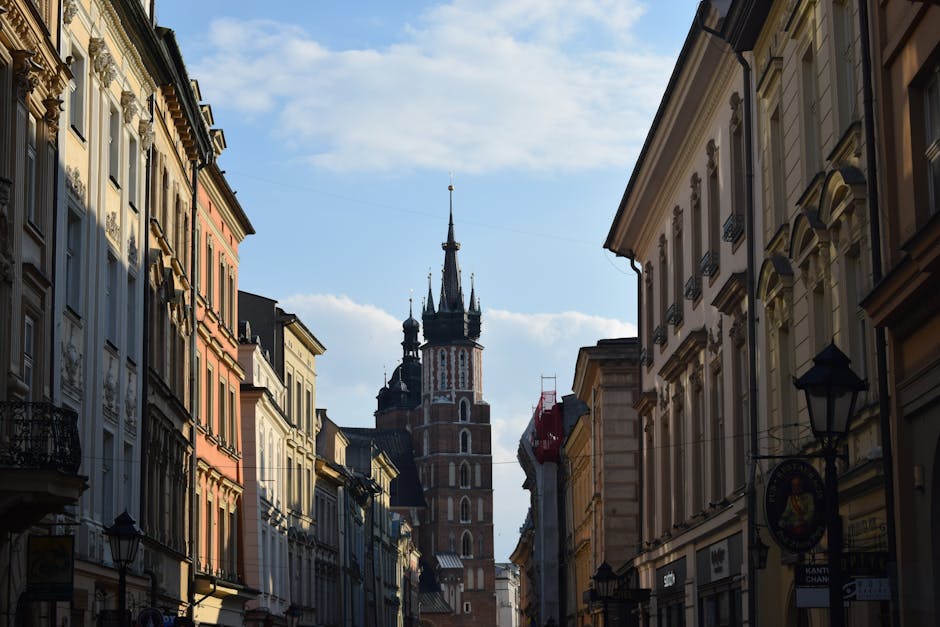 Easy
EasyKrakow, Poland
Uncover Krakow's legendary past on this self-guided walk from literary monuments to the fire-breathing Wawel Dragon.
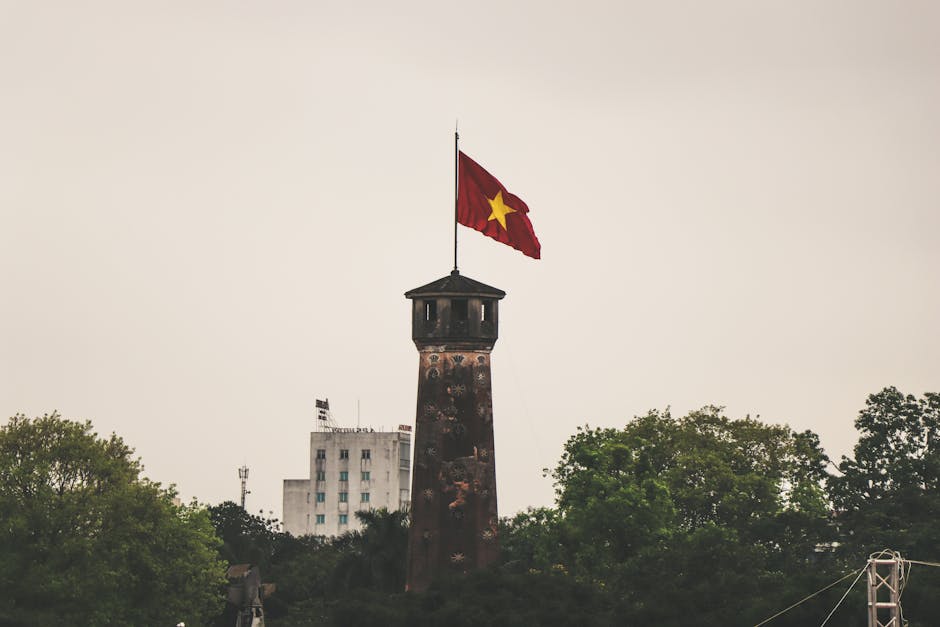 Moderate
Hanoi, Vietnam
Discover Hanoi's resilient spirit on this self-guided audio walk through wartime bunkers, historic prisons, and military landmarks.
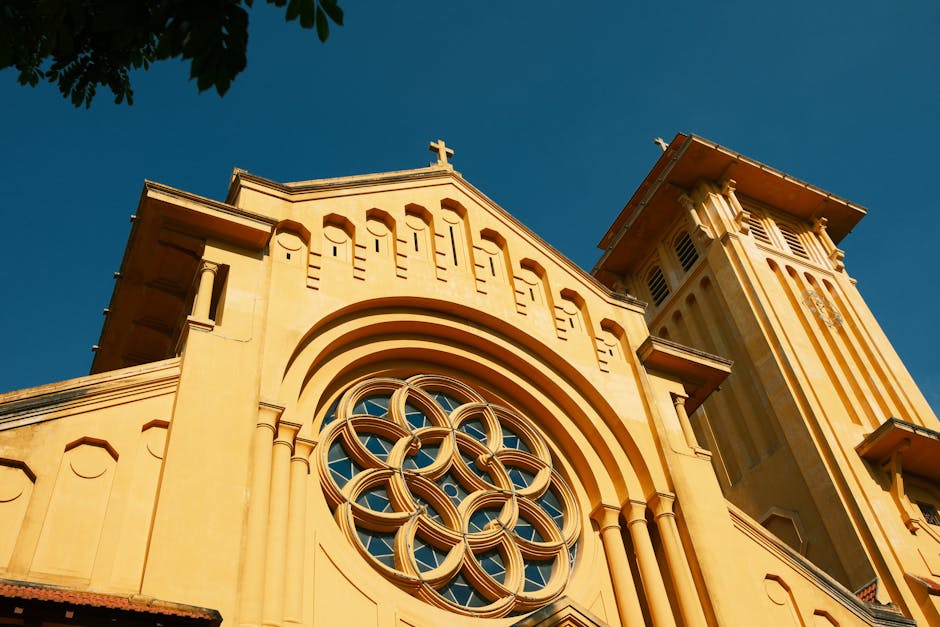 Easy
EasyHanoi, Vietnam
Discover Hanoi's spiritual heart and scenic vistas on an independent stroll featuring ancient pagodas, colonial architecture, and sunset lake views.
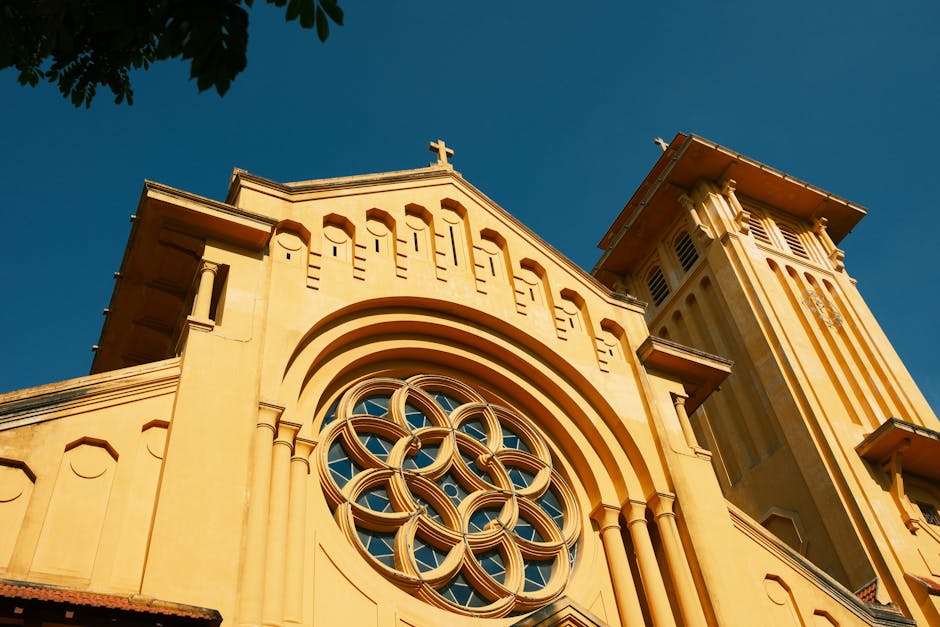 Easy
EasyHanoi, Vietnam
Explore Hanoi's diverse spiritual heritage on this self-guided walk through historic pagodas, a Neo-Gothic cathedral, and lakeside temples.
 Easy
EasyHanoi, Vietnam
Discover Hanoi's vibrant soul through railway-side murals, historic tracks, and the record-breaking Ceramic Road on this self-guided walk.