Self-guided audio tour in New Orleans
Start Free on iPhone
Start free on iPhone to unlock this self-guided walking tour in New Orleans. Hear all the stories that make it amazing, walk at your own pace, and begin whenever you want.
Your Private Tour Guide
Bayou St. John is one of the most enchanting and historically significant waterways in the United States. Located in the heart of Mid-City New Orleans, this self-guided walk invites you to step away from the neon lights of Bourbon Street and into a landscape of moss-draped oaks and tranquil waters. This neighborhood stroll reveals a side of the city where history flows as gently as the bayou itself. Long before the French arrived, indigenous peoples used this waterway as a vital portage between Lake Pontchartrain and the Mississippi River. Today, it serves as a scenic backdrop for romantic walks and community gatherings. As you explore independently, you will encounter the architectural elegance of the Pitot House, a rare example of a West Indies-style plantation house, and the Faubourg St. John neighborhood, which feels like a village within a city. The route highlights the natural beauty of the area, where locals kayak and picnic along the grassy banks. This walking route is perfect for those seeking a slower pace and a deeper connection to the local culture. You will conclude your adventure at an iconic local eatery, where the flavors of New Orleans history are served on French bread. Whether you are a first-time visitor or a seasoned traveler, this audio walk offers a peaceful escape into the romantic past and vibrant present of one of the city's most beloved residential areas. This walking tour New Orleans route provides a unique perspective on the city's early development and its enduring charm. Discover the waterfront stories that shaped Louisiana while enjoying the gentle breeze off the bayou.
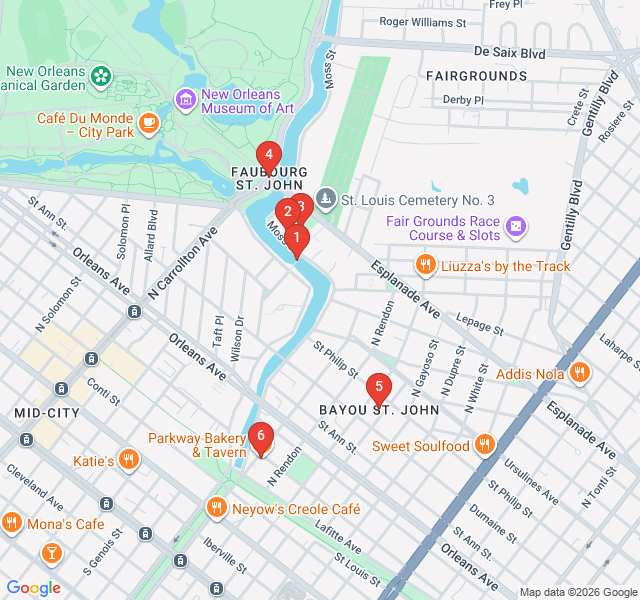
Numbers indicate the order of stops on the tour.
Begin your self-guided adventure at the Magnolia Bridge, a historic pedestrian walkway that has become a symbol of romance in Mid-City. Originally built as a swing bridge for vehicles, it now serves as a beloved gathering spot for locals. Look closely at the ironwork and you might see 'locks of love' attached by couples. This bridge offers one of the best vantage points for photographing the bayou. It was here that early New Orleanians would gather to catch a breeze. Today, it is a place for quiet reflection, picnics, and watching the sunset over the water. Take a moment to breathe in the cypress-scented air and imagine the bayou as it was centuries ago, teeming with trade boats and travelers heading toward the heart of the city.
Just a short walk from the bridge sits the Pitot House, a stunning example of late 18th-century colonial architecture. This 'parlant' or country house was built around 1799 and later became the home of James Pitot, the first mayor of incorporated New Orleans. Notice the wide galleries and the high-pitched roof, designs specifically intended to combat the Louisiana heat and humidity. The house was moved a short distance to its current location in the 1960s to save it from demolition. It stands today as a museum and a testament to the West Indies influence on local building styles. The surrounding gardens feature plants that would have been common during the colonial period, adding to the historic atmosphere of this waterfront gem.
As you continue your neighborhood stroll, you will pass Desmare Playground. While it may look like a simple community park, it represents the tight-knit spirit of the Faubourg St. John community. This area serves as a transition point between the grand historic homes on Moss Street and the vibrant residential blocks of the neighborhood. It is a great place to observe local life, from families playing to neighbors chatting under the shade of ancient trees. The playground sits on land that was once part of larger colonial estates, reminding us how the city has evolved from vast plantations into the dense, colorful urban fabric we see today. Enjoy the shade here before moving deeper into the historic district.
Explore independently as you wander through the streets of Faubourg St. John. This is one of the oldest neighborhoods in the city, predating even the French Quarter in some respects due to its proximity to the bayou trade route. The architecture here is a delightful mix of Creole cottages, Greek Revival mansions, and colorful shotguns. Unlike the more tourist-heavy areas of the city, Faubourg St. John retains a quiet, village-like atmosphere. Keep an eye out for the unique 'hanging' gardens on many porches and the intricate gingerbread trim on the eaves. This neighborhood has long been a haven for artists, musicians, and writers, drawn to its peaceful beauty and its deep connection to the natural landscape of the bayou.
Now, walk right along the banks of the Bayou St. John Waterway itself. This natural inlet was the primary reason New Orleans was founded where it is. Long before European arrival, the Choctaw and Houma peoples used this 'Bayou Choupic' as a shortcut between the lake and the river. The French realized that by using this waterway, they could avoid the difficult upstream journey on the Mississippi. Throughout the 18th and 19th centuries, this was a bustling commercial artery filled with schooners carrying timber, bricks, and seafood. Today, the water is calm, home to egrets, herons, and the occasional kayaker. It remains the heart of the community, providing a lush green space for recreation and a constant reminder of the city's maritime roots.
Your walking route concludes at the legendary Parkway Bakery & Tavern. Established in 1911, this local institution has survived floods, economic shifts, and the passage of time to remain the definitive spot for a New Orleans po-boy. While it originally served bakery goods, it became famous for feeding streetcar workers during their 1929 strike. The interior is a living museum of New Orleans memorabilia. It is famous for its roast beef po-boy, often cited as one of the best in the city. After your walk, there is no better way to reward yourself than by sitting on the patio with a sandwich and a cold drink, soaking in the neighborhood vibes. It is the perfect end to a journey through the history and romance of the bayou.
Start Free on iPhone
Explore “Bayou St. John: Waterside History and Romance” with your very own Private Tour Guide with Zigway. Start free on iPhone, skip the large group and the fixed routes, and hear the city come alive as you go.
Your Private Tour Guide
Don't miss the good stuff
Explore Freely
 Easy
EasyNew Orleans, United States
Explore the legendary restaurants and historic flavors of the New Orleans French Quarter on this delicious self-guided audio walk.
 Moderate
New Orleans, United States
Discover vibrant murals, iconic folk art, and industrial charm on this self-guided walking route through New Orleans' artistic Bywater district.
 Easy
EasyNew Orleans, United States
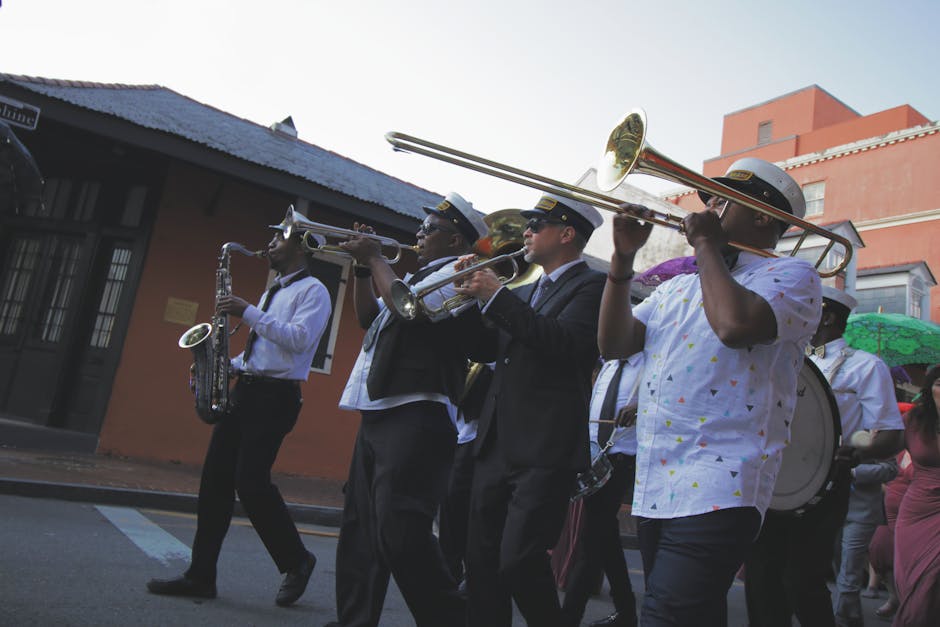
Discover the soul of New Orleans on this self-guided walk through the iconic jazz clubs and vibrant art markets of Frenchmen Street.
 Easy
EasyNew Orleans, United States
Explore the eerie history and supernatural legends of the French Quarter on this independent audio walk through New Orleans' most haunted corners.
 Easy
EasyGothenburg, Sweden
Explore Gothenburg's maritime soul on this self-guided walk from historic shipyards to sleek modern piers and iconic industrial landmarks.
 Easy
EasyKrakow, Poland
Explore the prestigious Jagiellonian University district, featuring Neo-Gothic architecture, Baroque churches, and Krakow's hidden scholarly gems.
 Easy
EasyGdansk, Poland
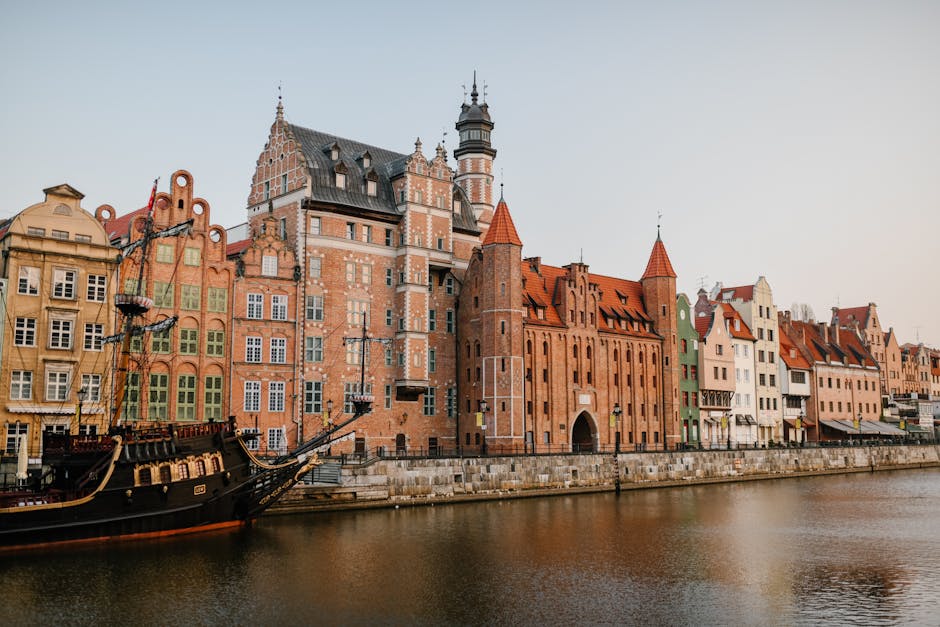
Discover the 'Baltic Gold' on this self-guided walk through Gdansk's historic mills, massive cathedrals, and the magical Mariacka Street.
 Easy
EasyWarsaw, Poland
Discover the hidden courtyards and grand pre-war architecture of Warsaw's most atmospheric neighborhood on this self-guided stroll.
 Easy
EasyNashville, United States
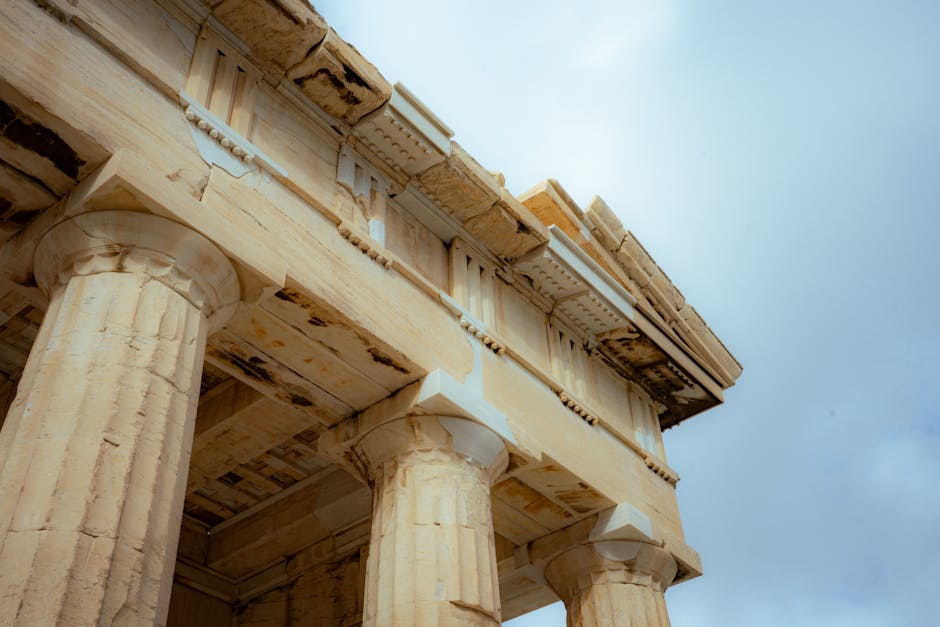
Explore the 'Athens of the South' on this self-guided walk through Centennial Park, featuring the world's only full-scale Parthenon replica.
 Easy
EasyNashville, United States
Explore Nashville's academic heart and Art Deco gems on this self-guided walk through historic Hillsboro Village.
 Easy
EasyNashville, United States
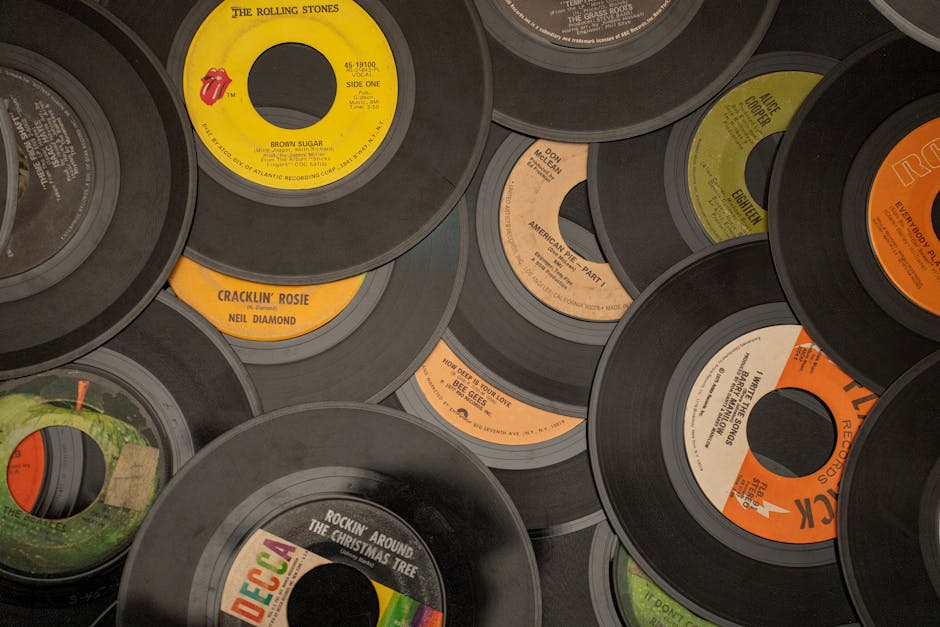
Explore the heart of Nashville's music industry. Discover iconic studios and the history of the legendary Nashville Sound at your own pace.
 Easy
EasyNashville, United States
Explore Nashville's oldest neighborhood! Discover Victorian architecture, Civil War history, and world-class craft beer on this self-guided walk.