Self-guided audio tour in Chicago
Start Free on iPhone
Start free on iPhone to unlock this self-guided walking tour in Chicago. Hear all the stories that make it amazing, walk at your own pace, and begin whenever you want.
Your Private Tour Guide
Step into a world where industrial ambition met architectural elegance on this self-guided walk through Chicago's historic core and the pioneering Pullman National Historical Park. This route explores the 'Utopian Dream' of George Pullman, a man who believed that a perfect environment could create the perfect worker. You will begin in the bustling Loop, witnessing the grand scale of Chicago's urban development, before heading south to the meticulously planned industrial town that changed American labor history forever. This neighborhood stroll offers a deep dive into the 19th-century vision of a corporate-owned town, where every brick, park, and church was designed to inspire productivity and order. As you explore independently, you will see how the soaring skyscrapers and public monuments of downtown Chicago contrast with the domestic scale and Queen Anne style of the Pullman district. Key landmarks include the iconic Administration Clock Tower, the elegant Hotel Florence, and the unique Greenstone United Methodist Church. Beyond the architecture, this walking route tells the story of the 1894 Pullman Strike, a pivotal moment in the American labor movement that eventually led to the creation of Labor Day. This self-guided adventure is more than just a sightseeing trip; it is a journey through the social and economic experiments of the Gilded Age. You will discover how George Pullman's vision was both a marvel of urban planning and a cautionary tale of corporate overreach. Whether you are an architecture enthusiast, a history buff, or a curious traveler, this route provides a comprehensive look at one of the most unique National Historical Parks in the United States. Please note that the transition from the central city to the Pullman neighborhood requires a short trip via the Metra Electric line, allowing you to see the changing landscape of Chicago's South Side along the way.
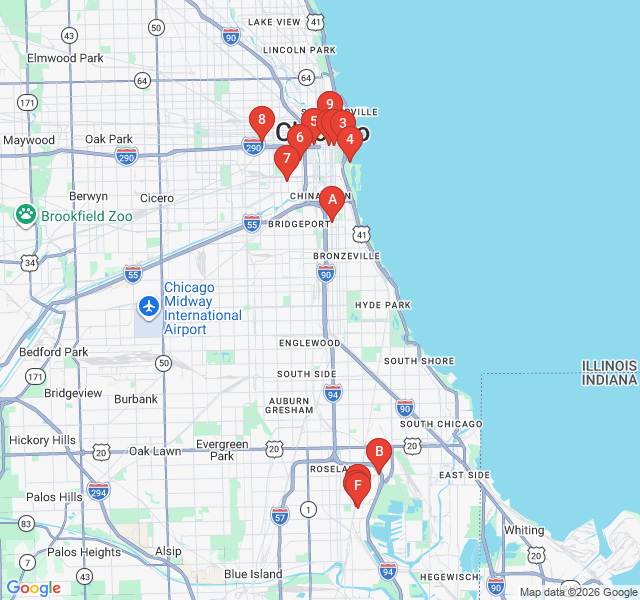
Numbers indicate the order of stops on the tour.
Begin your self-guided adventure at the Harold Washington Library Center, a Postmodern masterpiece named after Chicago's first African American mayor. Completed in 1991, its design is a 'greatest hits' of Chicago architecture, featuring red brick reminiscent of the Rookery and massive granite blocks at the base. Look up at the roof to see the giant green acroteria—ornamental owls that symbolize wisdom. This building represents the city's commitment to public knowledge and serves as a monumental anchor for the South Loop. It sits on the site of the former 'L' tracks, bridging the gap between the historic past and the modern skyline.
Next, observe the striking contrast of Roosevelt University. The university is primarily housed in the historic Auditorium Building, designed by the legendary firm of Adler and Sullivan. When it opened in 1889, it was the tallest building in the city and a marvel of engineering, featuring a theater, a hotel, and office space. Louis Sullivan’s intricate organic ornamentation is visible throughout. Today, it stands next to the modern Wabash Building, a glass-clad skyscraper that represents the university's growth. This site highlights the evolution of Chicago’s educational landscape and its architectural bravery, blending 19th-century masonry with 21st-century verticality.
A short walk east brings you to one of the world's largest fountains. Dedicated in 1927, the Buckingham Fountain was designed in the Rococo Wedding Cake style, inspired by the Latona Fountain at Versailles. It serves as Chicago’s symbolic front door, representing Lake Michigan with its four pairs of sea horses symbolizing the four states that border the lake. The fountain was a gift to the city from Kate Buckingham in memory of her brother. It operates from mid-April through mid-October, offering a rhythmic display of water and light that has become an iconic landmark of the city's lakefront.
Further south along the lakefront is the Shedd Aquarium, a Beaux-Arts gem that opened in 1930. As part of Daniel Burnham’s 'Plan of Chicago,' the aquarium was designed to harmonize with the neighboring Field Museum. Notice the Doric columns and the sea-themed motifs carved into the white Georgia marble. For decades, it was the largest indoor facility of its kind in the world. The Shedd exemplifies the city's 'City Beautiful' movement, which aimed to create grand public spaces and cultural institutions that would rival the great capitals of Europe, fostering civic pride through monumental architecture.
Turn back toward the river to see the massive Old Post Office. This Art Deco behemoth was once the largest post office in the world, a testament to Chicago’s role as the nation’s mail-order capital during the era of Sears and Montgomery Ward. The building is so large that the Eisenhower Expressway actually passes right through it. After sitting vacant for nearly two decades, it has recently been transformed into a sprawling office complex. Its scale and industrial purpose reflect the same kind of massive logistical ambition that George Pullman brought to his railroad empire, albeit on an urban scale.
Heading slightly west, you reach the UIC campus, a fascinating example of Brutalist architecture. Designed by Walter Netsch in the 1960s, the campus was intended to be a 'city within a city,' utilizing concrete and geometric forms to create a futuristic academic environment. The design was controversial for its starkness and complex 'field theory' layouts. It represents a different kind of utopian planning—one focused on the expansion of public higher education for the urban masses. It serves as a modern counterpoint to the more traditional, decorative planning found in the Pullman district you will visit later.
In the heart of the Pilsen neighborhood stands Thalia Hall, built in 1892 by John Dusek. Modeled after the Old Town Opera House in Prague, it was designed as a community hub for the Czech immigrants who lived and worked in the area’s factories. It featured a theater, retail space, and housing—much like the multi-use buildings in Pullman. Thalia Hall reflects the immigrant labor force that powered Chicago’s industrial growth. Today, it has been beautifully restored as a music venue and restaurant, proving the lasting value of historic community architecture in Chicago’s vibrant ethnic neighborhoods.
This stop highlights the city's commitment to community empowerment and social history. Malcolm X College, part of the City Colleges of Chicago, is named after the civil rights leader and focuses on health sciences. The college represents the ongoing struggle for educational equity in a city marked by industrial shifts and demographic changes. While George Pullman sought to control his workers' lives through a company town, institutions like this aim to provide the tools for self-determination. It is a reminder of the human element behind the grand industrial and architectural history of the city.
Returning to the Loop, stand before the iconic marquee of the Chicago Theatre. Built in 1921 as the flagship for the Balaban & Katz theater chain, it was the first large-scale movie palace in the United States. Its French Baroque style, inspired by the Royal Chapel at Versailles, was designed to make every visitor feel like royalty. The theater’s success signaled Chicago’s rise as a cultural powerhouse. From here, you will transition from the glamorous city center to the industrial South Side, where the workers who supported this urban wealth lived in the planned community of Pullman.
On your way south, stop at the IIT campus, a shrine to Modernism. Much of the campus was designed by Ludwig Mies van der Rohe, who famously declared 'less is more.' The S.R. Crown Hall is a masterpiece of steel and glass, showcasing the beauty of industrial materials. This campus represents the ultimate refinement of the industrial aesthetic—turning the very materials produced in factories into high art. It bridges the gap between the heavy masonry of the 19th-century Pullman era and the sleek, functional world of the 20th century.
Now entering the Pullman National Historical Park, your first stop is the Hotel Florence. Named after George Pullman’s favorite daughter, this Queen Anne-style building was completed in 1881 to house visiting businessmen and dignitaries. Unlike the simple row houses of the workers, the hotel featured cherry wood, plush carpets, and the town's only bar—George Pullman did not allow alcohol in the residential areas of his town. The hotel’s wrap-around porch and elegant brickwork were designed to impress, signaling the status and success of the Pullman Palace Car Company to all who visited.
The Administration Clock Tower was the nerve center of the Pullman factory complex. This striking building, with its 120-foot tower, once overlooked a man-made lake that provided cooling water for the massive Corliss engine powering the factory. In 1894, this was the site of intense tension during the Pullman Strike, as workers protested wage cuts and high rents. Though much of the original factory was destroyed by fire in the 1990s, the reconstructed clock tower stands as a resilient symbol of the town's industrial past and its designation as a National Monument in 2015.
Arcade Park was the formal green space of the Pullman community, designed by landscape architect Nathan Barrett. It was once flanked by the massive Arcade Building, which housed a theater, library, bank, and shops. The park was meticulously maintained to provide workers with a 'wholesome' environment for recreation. George Pullman believed that beautiful surroundings would lead to better behavior and higher productivity. Today, the park remains a peaceful center for the neighborhood, reflecting the original 1880s plan that prioritized open space and aesthetic harmony in an otherwise industrial landscape.
Located on the site where the Arcade Building once stood, the Pullman Exhibit Hall serves as an essential stop to understand the town's history. Through photographs and artifacts, you can explore the life of a Pullman porter and the impact of the 1894 strike. The strike began here when workers, facing a 25% wage cut but no reduction in their company-mandated rent, walked off the job. This event eventually involved 250,000 workers across the country and led to the intervention of federal troops. The exhibit hall provides the social context that makes the surrounding architecture so significant.
Conclude your walking route at the Greenstone United Methodist Church. Built in 1882, it is famous for its unique green serpentine stone exterior, quarried in Pennsylvania. George Pullman built the church to be used by all denominations, but he charged such high rent that many congregations could not afford to meet here. It remains one of the most beautiful and well-preserved buildings in the district, featuring its original Steere & Turner pipe organ. The church stands as a final testament to the beauty and the contradictions of the Pullman experiment—a grand vision of community that was ultimately bound by the bottom line.
Start Free on iPhone
Explore “The Utopian Dream: Pullman National Historical Park” with your very own Private Tour Guide with Zigway. Start free on iPhone, skip the large group and the fixed routes, and hear the city come alive as you go.
Your Private Tour Guide
Don't miss the good stuff
Explore Freely
 Moderate
Chicago, United States
Explore the dark history of Al Capone and the North Side Gang on this self-guided walk through Chicago’s most infamous Prohibition-era crime scenes.
 Moderate
Chicago, United States
Explore the vivid murals and rich Mexican heritage of Pilsen on this self-guided neighborhood stroll through Chicago's premier arts district.
 Easy
EasyChicago, United States
Explore the evolution of Chicago’s meatpacking district into a world-class culinary and tech hub on this independent self-guided walk.
 Easy
EasyChicago, United States
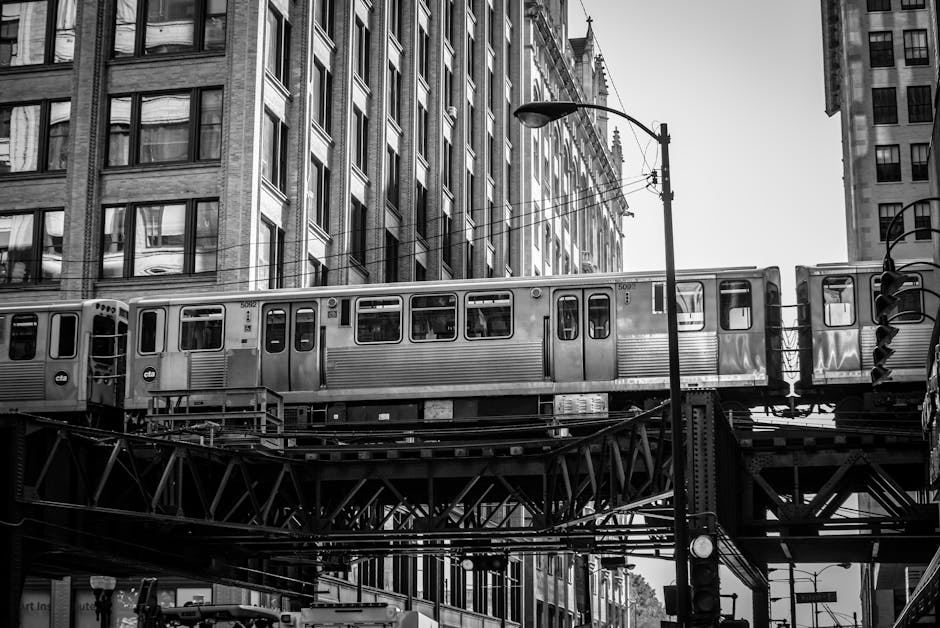
Explore the hidden tunnels of the Chicago Pedway on this self-guided walking route through the Loop’s secret architectural wonders.
 Moderate
Nairobi, Kenya
Discover the creative soul of Nairobi on this self-guided walk through the city's premier art galleries, markets, and artisan workshops.
 Easy
EasyKrakow, Poland
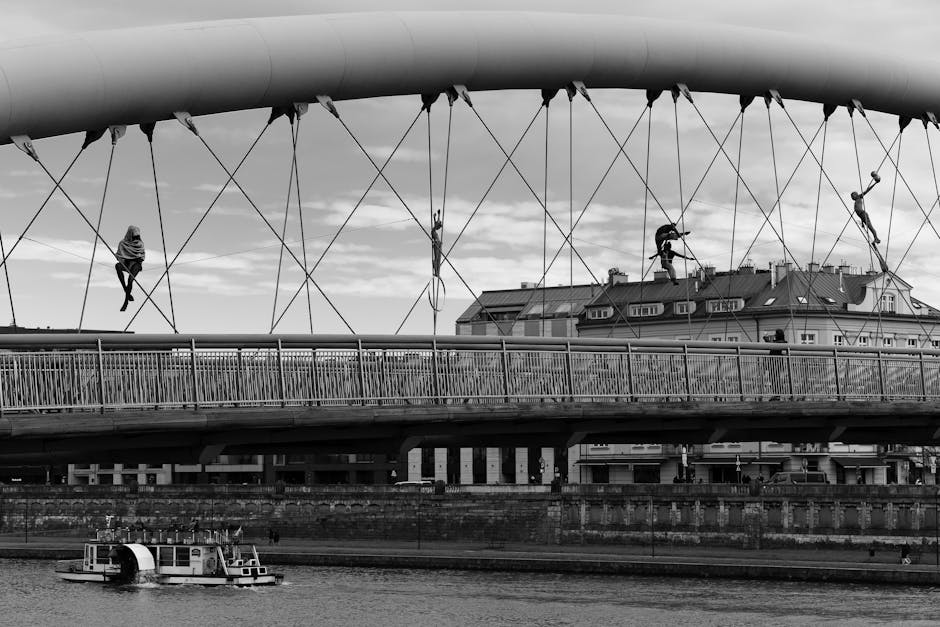
Explore the prestigious Jagiellonian University district, featuring Neo-Gothic architecture, Baroque churches, and Krakow's hidden scholarly gems.
 Easy
EasyKrakow, Poland
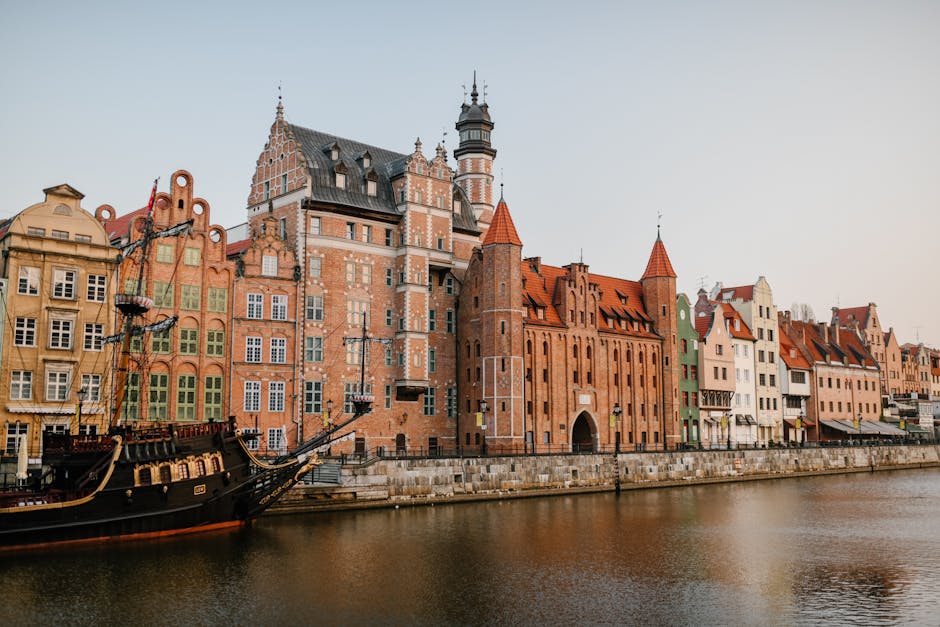
Discover Krakow’s creative soul in Zabłocie, exploring industrial heritage, contemporary art museums, and avant-garde architecture at your own pace.
 Moderate
Gdansk, Poland
Discover the bohemian soul of Gdańsk. Explore the literary landmarks of Günter Grass, Prussian villas, and the trendy cafes of historic Wrzeszcz.
 Easy
EasyNashville, United States
Explore the 'Athens of the South' on this self-guided walk through Centennial Park, featuring the world's only full-scale Parthenon replica.
 Easy
EasyNashville, United States
Explore Nashville's academic heart and Art Deco gems on this self-guided walk through historic Hillsboro Village.
 Easy
EasyNashville, United States
Explore the heart of Nashville's music industry. Discover iconic studios and the history of the legendary Nashville Sound at your own pace.
 Easy
EasyNashville, United States
Explore Nashville's oldest neighborhood! Discover Victorian architecture, Civil War history, and world-class craft beer on this self-guided walk.