Self-guided audio tour in Rome
Start Free on iPhone
Start free on iPhone to unlock this self-guided walking tour in Rome. Hear all the stories that make it amazing, walk at your own pace, and begin whenever you want.
Your Private Tour Guide
Step away from the ancient ruins and Renaissance palazzos to discover a different side of the Eternal City. This self-guided walking route explores the EUR district, a neighborhood that feels like a film set designed by a futurist from the 1930s. Originally conceived by Benito Mussolini for the 1942 World’s Fair—an event that never happened due to World War II—EUR (Esposizione Universale Roma) stands as a monument to Italian Rationalism. On this walking tour Rome reveals its 20th-century soul, where rigid geometry, white travertine, and soaring arches create a landscape that is both haunting and majestic. You will begin your journey at the iconic Palazzo della Civiltà Italiana, often called the Square Colosseum, a building that redefined Roman identity for the modern age. As you explore independently, the neighborhood reveals its unique blend of classical inspiration and modernist execution. From the towering Obelisco di Marconi to the vast, echoing plazas of the Museo della Civiltà Romana, every corner offers a masterclass in architectural symmetry. This neighborhood stroll isn't just for history buffs; it’s a paradise for photography enthusiasts who appreciate clean lines and dramatic shadows. Beyond the monumental stone facades, this walking route also takes you through the softer side of the district. You’ll visit the EUR Lake Park, a man-made oasis that provides a peaceful contrast to the surrounding stone monoliths. The route concludes at the Basilica of Saints Peter and Paul, which sits atop the highest point in the area, offering a panoramic view of this rationalist dream. This self-guided walk is perfect for those who want to escape the crowded city center and experience a side of Rome that is often overlooked by first-time visitors but cherished by those who appreciate the intersection of politics, art, and urban planning.
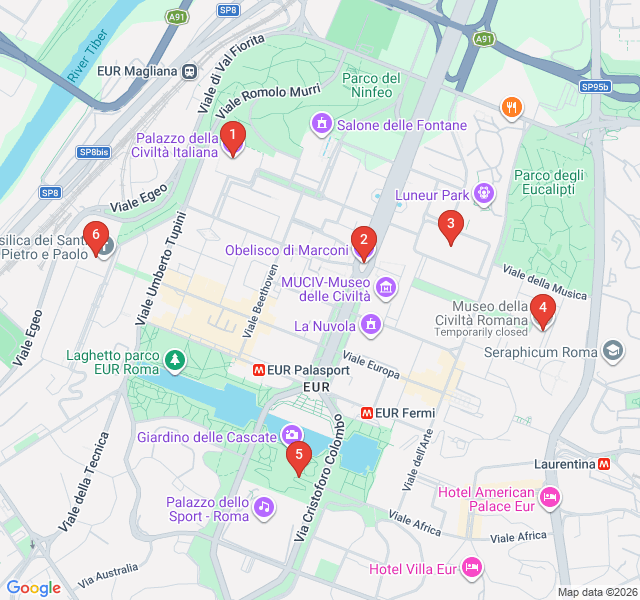
Numbers indicate the order of stops on the tour.
Welcome to the 'Square Colosseum,' perhaps the most recognizable symbol of the EUR district. Built for the 1942 World's Fair, this building is a masterpiece of Italian Rationalism. Notice the 216 arches that wrap around its four facades; legend has it the number of arches horizontally and vertically corresponds to the number of letters in Benito Mussolini's name, though this is often debated by historians. Today, the building serves as the global headquarters for the fashion house Fendi, proving that even controversial history can find a modern, stylish purpose. The white travertine stone glows intensely in the Roman sun, creating a stark, metaphysical atmosphere that has inspired countless filmmakers, including Federico Fellini.
Standing at the center of Piazza Guglielmo Marconi, this 45-meter-tall obelisk is made of Carrara marble. It was commissioned to honor Guglielmo Marconi, the Italian physicist and inventor credited with the invention of the radio. If you look closely at the bas-reliefs decorating the structure, you can see scenes depicting Marconi's life and his scientific achievements. Unlike the ancient Egyptian obelisks found in Rome's city center, this one was completed in 1959, just in time for the 1960 Summer Olympics held in Rome. It serves as a bridge between the district’s fascist origins and its post-war completion as a modern business hub.
The Palazzo dei Congressi is a prime example of how Rationalist architects blended classical Roman forms with modern materials. Designed by Adalberto Libera, the building features a massive cube structure topped with a unique 'hanging' metal roof. This site was intended to be the social heart of the 1942 exhibition. During the 1960 Olympics, it even hosted the fencing events. The building's terrace, which is occasionally open for events, offers one of the most striking views of the neighborhood's grid-like layout. Its clean lines and massive scale are meant to evoke the grandeur of ancient Rome while looking firmly toward the future.
This monumental complex consists of two massive buildings joined by a columned portico. While the museum itself is often closed for long-term renovations, the architecture remains a major draw. The sheer scale of the columns and the vast, empty plazas between the buildings create a sense of 'metaphysical' silence, a hallmark of the EUR aesthetic. This location is a favorite for photographers and filmmakers alike; you might recognize it from the James Bond film 'Spectre,' where it stood in for a cemetery. The design reflects the regime's desire to link modern Italy to the Roman Empire through monumentalism and the use of traditional stone.
After the heavy stone and rigid lines of the monuments, the EUR Lake Park offers a welcome breath of fresh air. This artificial lake is surrounded by a lush park that includes the 'Passeggiata del Giappone' or Japanese Walk, famous for the cherry blossom trees donated by the city of Tokyo. The park is a favorite spot for local residents to jog, row, or simply relax. As you walk along the shore, you'll see the ENI building, a glass skyscraper that represents Italy's post-war economic boom. It’s a perfect spot to pause and observe how the district has evolved from a political statement into a living, breathing neighborhood.
Perched on the highest hill in the EUR district, the Basilica of Saints Peter and Paul is the final stop on our self-guided walk. The church’s massive dome is one of the largest in Rome, visible from miles away. Construction began in 1939 but was interrupted by the war, finally being consecrated in 1955. The wide staircase leading up to the church creates a dramatic approach, and the statues of the two apostles guarding the entrance are impressively scaled. From the top of the steps, look back toward the district you've just explored; you'll see a perfectly ordered world of stone and sky, a true realization of the Rationalist dream.
Start Free on iPhone
Explore “EUR: The Rationalist Dream” with your very own Private Tour Guide with Zigway. Start free on iPhone, skip the large group and the fixed routes, and hear the city come alive as you go.
Your Private Tour Guide
Don't miss the good stuff
Explore Freely
 Easy
EasyRome, Italy
Explore Rome’s industrial heart on this self-guided walk featuring massive murals, the 'Iron Colosseum,' and unique industrial archaeology.
 Easy
EasyRome, Italy
Explore Rome’s whimsical Fairytale District. A self-guided walk through Art Nouveau palaces, mythical fountains, and the magical Coppedè architecture.
 Moderate
Rome, Italy
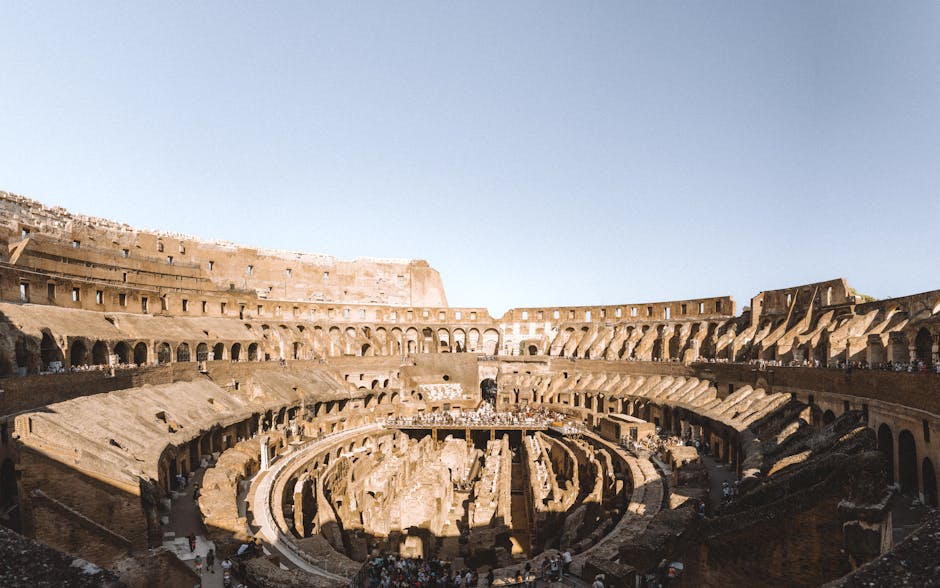
Uncover Rome's hidden history on this self-guided walk through ancient gladiator pits, subterranean temples, and buried Roman houses.
 Challenging
Rome, Italy
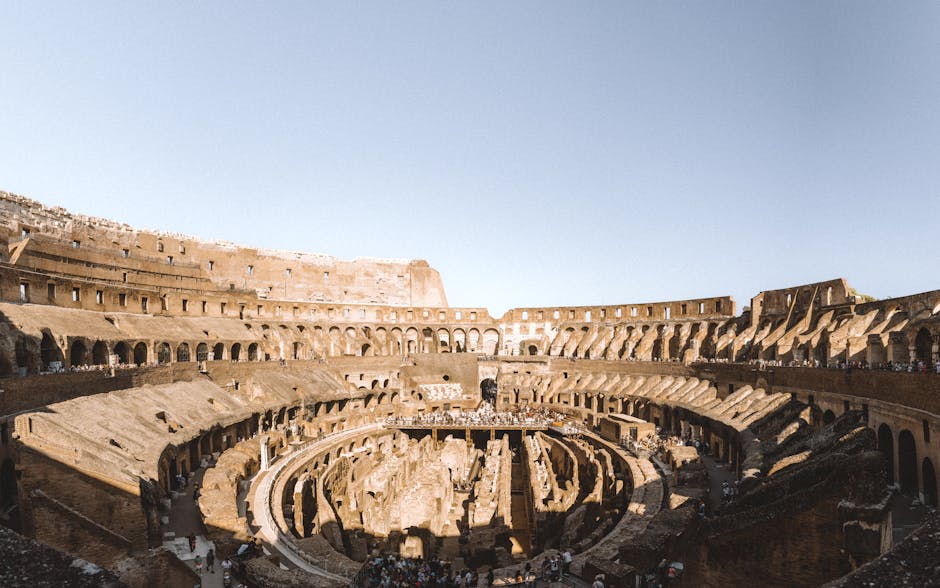
Walk the 'Queen of Roads.' Explore ancient catacombs, imperial villas, and historic basalt stones on this scenic self-guided Roman adventure.
 Easy
EasySalzburg, Austria
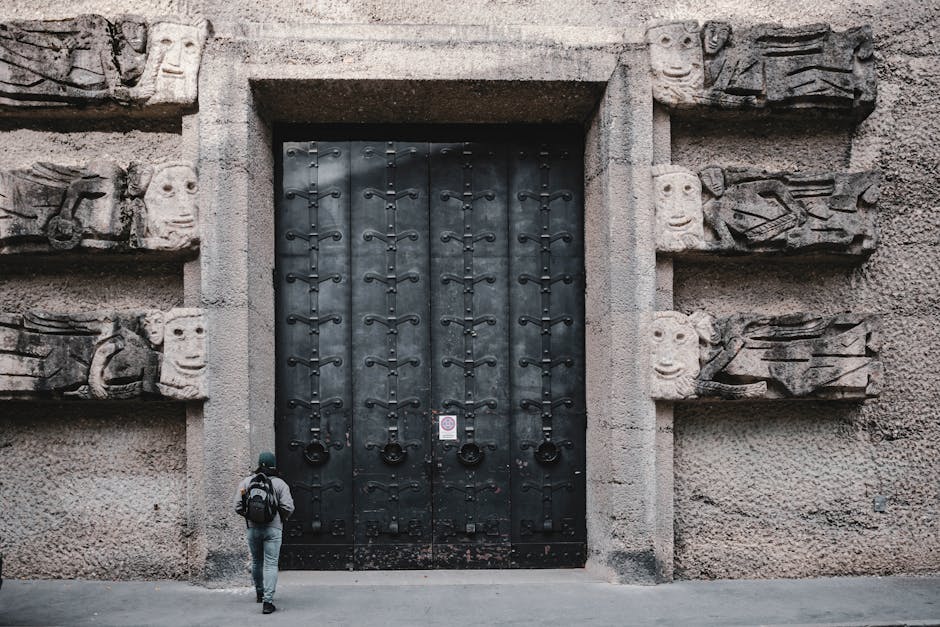
Discover Salzburg's oldest medieval alley, the birthplace of the 'Silent Night' author, and breathtaking views on this quiet self-guided walk.
 Easy
EasyNairobi, Kenya
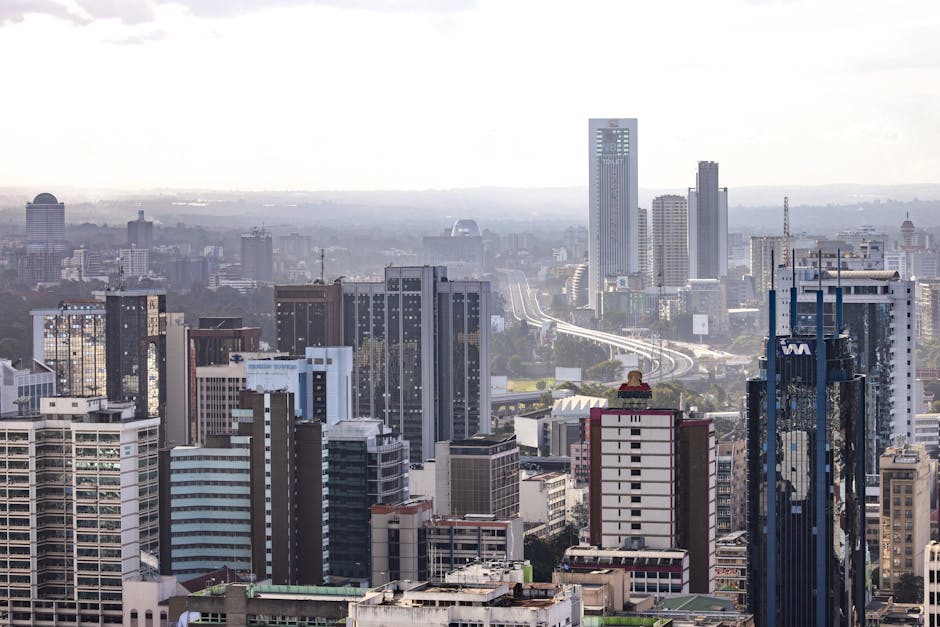
Discover Nairobi's iconic skyline on this self-guided architecture walk through the CBD’s most famous modernist and Brutalist landmarks.
 Moderate
Nairobi, Kenya
Discover Nairobi's lush side on this self-guided walk through botanical gardens, historic memorials, and vibrant local markets.
 Moderate
Vienna, Austria
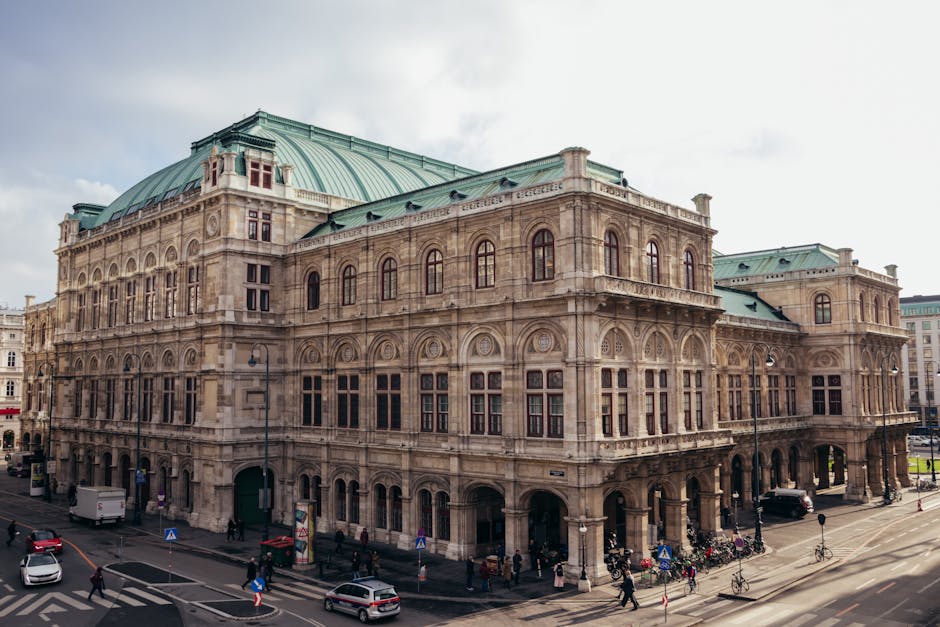
Discover the noir world of The Third Man and Cold War Vienna on this atmospheric self-guided audio walk through the historic Innere Stadt.
 Easy
EasyFlorence, Italy
Discover the intersection of Renaissance architecture and modern luxury on this self-guided walk through Florence’s high-fashion districts.
 Easy
EasyFlorence, Italy
Explore the medieval streets of Florence through the eyes of Dante Alighieri on this self-guided literary and historical walking route.
 Easy
EasyFlorence, Italy
Experience the magic of Florence at sunset. Discover iconic bridges and breathtaking river views on this romantic self-guided audio walk.
 Easy
EasyFlorence, Italy
Discover the 'buchette del vino'—Florence's unique Renaissance wine windows—on this self-guided walk through the city's historic streets.