Self-guided audio tour in Florence
Start Free on iPhone
Start free on iPhone to unlock this self-guided walking tour in Florence. Hear all the stories that make it amazing, walk at your own pace, and begin whenever you want.
Your Private Tour Guide
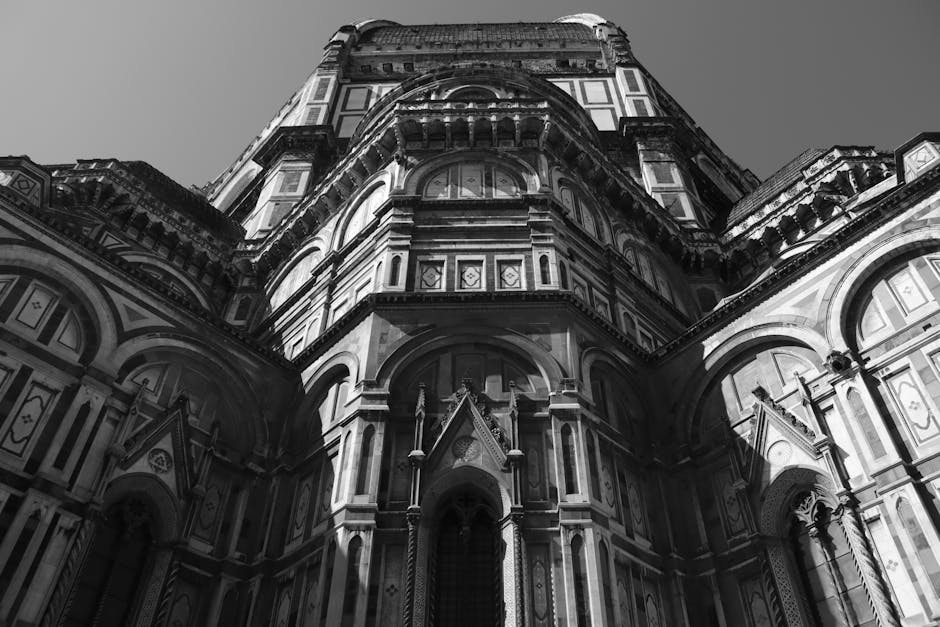
Brunelleschi’s Blueprint: An Engineering Marvel is a self-guided walk through the heart of Florence, tracing the footsteps of the man who literally shaped the Renaissance. In the early 15th century, Filippo Brunelleschi transformed the skyline of Florence, solving engineering puzzles that had baffled builders for generations. This walking route invites you to explore the mathematical precision and aesthetic harmony of his most famous works, starting with the colossal Dome of Santa Maria del Fiore. As you wander through the historic districts of San Giovanni and San Lorenzo, you will discover how Brunelleschi moved away from the ornate Gothic style toward the clean lines and classical proportions of Roman antiquity. This architectural journey isn't just about buildings; it’s about the shift in human thought that defined an era. You will see the Ospedale degli Innocenti, often cited as the first true Renaissance building, and the Basilica of San Lorenzo, the private parish of the powerful Medici family. The route also takes you across the Arno River to the Basilica di Santo Spirito, a masterpiece of internal volume and light. Along the way, this neighborhood stroll highlights technical innovations—from the world’s tallest gnomon to ingenious hoisting machines—that made these structures possible. For those seeking a comprehensive walking tour Florence, this route provides a deep dive into the genius of Pippo Brunelleschi. You can explore at your own pace, stopping to admire marble facades or ducking into a local café between landmarks. By the end of this self-guided walk, you will understand why Brunelleschi is considered the father of Renaissance architecture and how his blueprint continues to influence the world today.
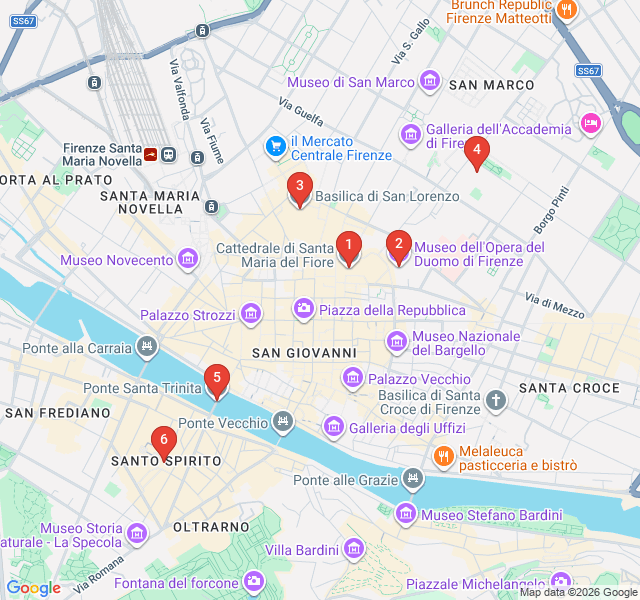
Numbers indicate the order of stops on the tour.
Look up at the bronze plate high in the lantern of the Duomo. This is the gnomon, installed by mathematician Paolo dal Pozzo Toscanelli in 1475. It transformed Brunelleschi's dome into the world's tallest solar observatory. During the summer solstice, sunlight passes through a small hole in the plate, casting a precise spot of light on the cathedral floor. This was used to determine the exact date of Easter and to verify astronomical tables. It is a testament to the Renaissance belief that God’s universe was built on mathematical order. While the dome is an engineering feat of weight and masonry, the gnomon proves it was also a tool for scientific discovery.
Inside this museum, you can stand face-to-face with the original wooden models used by Brunelleschi to explain his vision to the city's skeptical overseers. Notice the double-shell design: an inner dome for strength and an outer dome for protection and scale. Brunelleschi invented entirely new hoisting machines and used a herringbone brick pattern to ensure the structure didn't collapse during construction. These models are the physical 'blueprints' of the Renaissance. They represent the moment when architecture moved from medieval trial-and-error to modern engineering. Don't miss the tools and pulleys that are still preserved here, showing the sheer manual effort required to lift tons of stone into the Florentine sky.
San Lorenzo was the parish church of the Medici family, and Brunelleschi was tasked with rebuilding it to reflect their growing power. Step inside to feel the 'pietra serena'—the grey sandstone that outlines the geometric logic of the space. Every column, arch, and window is based on a modular system of squares and circles. This was a radical departure from the dark, towering Gothic cathedrals of the time. Here, Brunelleschi created a space that was human-centric, filled with light and clear proportions. The Old Sacristy, which you can access through the church, is considered one of the purest examples of his architectural philosophy, using a simple cube topped by a dome.
This building is often called the first Renaissance structure in the world. As you stand in Piazza della Santissima Annunziata, look at the elegant portico. Brunelleschi used mathematical ratios to determine the height of the columns and the width of the arches—they are exactly equal, creating a series of perfect cubes of space. This wasn't just for beauty; it was meant to evoke the order and charity of the institution, which served as an orphanage. The blue-and-white glazed terracotta medallions by Andrea della Robbia were added later, but they perfectly complement the rhythmic calm of Brunelleschi's design. This facade changed the face of European urban planning forever.
While the current bridge was built by Bartolomeo Ammannati in the 1560s, it is deeply rooted in the engineering lessons of Brunelleschi and Michelangelo. The three arches are 'catenary' or parabolic arches—a shape that mimics a hanging chain. This design allows for a very low, elegant profile while still supporting immense weight. It is widely believed that Michelangelo provided the drawings for these arches, drawing on the mathematical breakthroughs Brunelleschi pioneered a century earlier. As you walk across, notice how the bridge seems to barely touch the water, a stark contrast to the thick, heavy piers of the nearby Ponte Vecchio. It is a masterpiece of structural grace.
Our final stop is Brunelleschi’s last great project. Though the facade remains unfinished and plain, the interior is a masterclass in perspective. Brunelleschi designed the church with a Latin cross plan, where the aisles continue around the transept and choir, creating a continuous flow of space. The 38 columns lining the interior create a rhythmic perspective that draws your eyes toward the altar. It was his most mature work, where he perfected the use of light and volume. Standing here, in the heart of the Oltrarno neighborhood, you can feel the quiet power of his 'rational' architecture. It is the perfect place to reflect on how one man’s blueprint redefined the world.
Start Free on iPhone
Explore “Brunelleschi’s Blueprint: An Engineering Marvel” with your very own Private Tour Guide with Zigway. Start free on iPhone, skip the large group and the fixed routes, and hear the city come alive as you go.
Your Private Tour Guide
Don't miss the good stuff
Explore Freely
 Easy
EasyFlorence, Italy
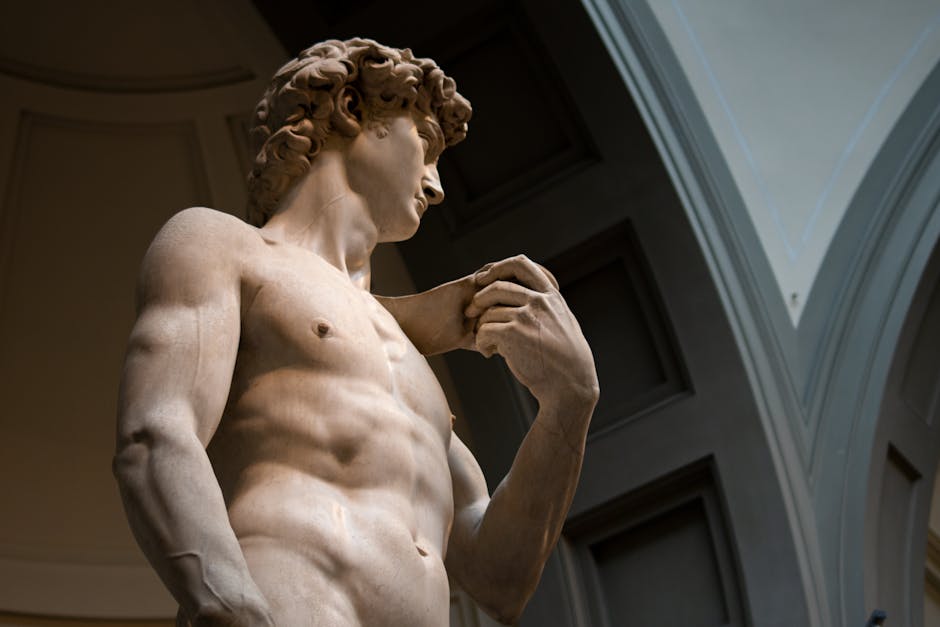
Discover the intersection of Renaissance architecture and modern luxury on this self-guided walk through Florence’s high-fashion districts.
 Easy
EasyFlorence, Italy
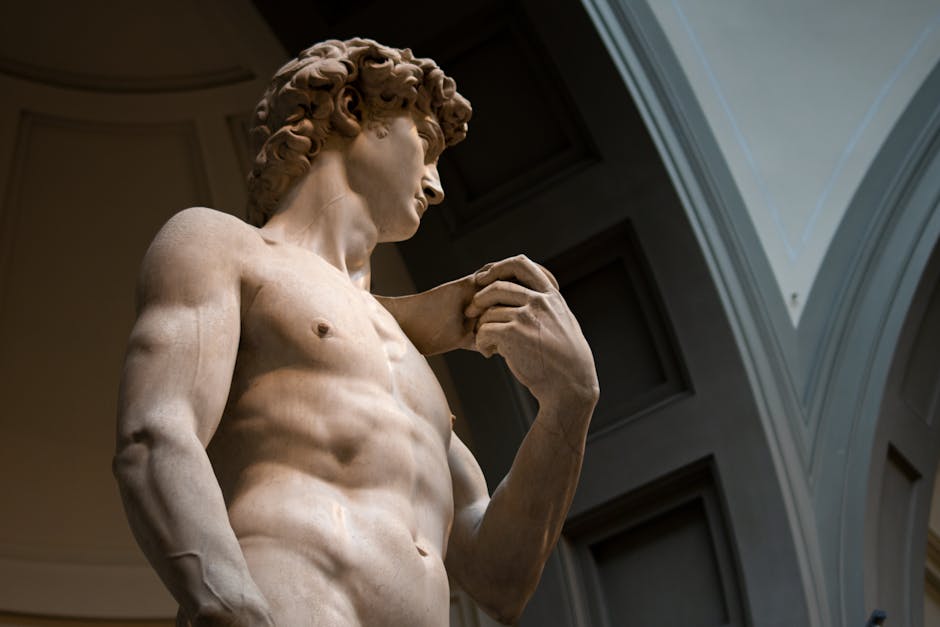
Explore the medieval streets of Florence through the eyes of Dante Alighieri on this self-guided literary and historical walking route.
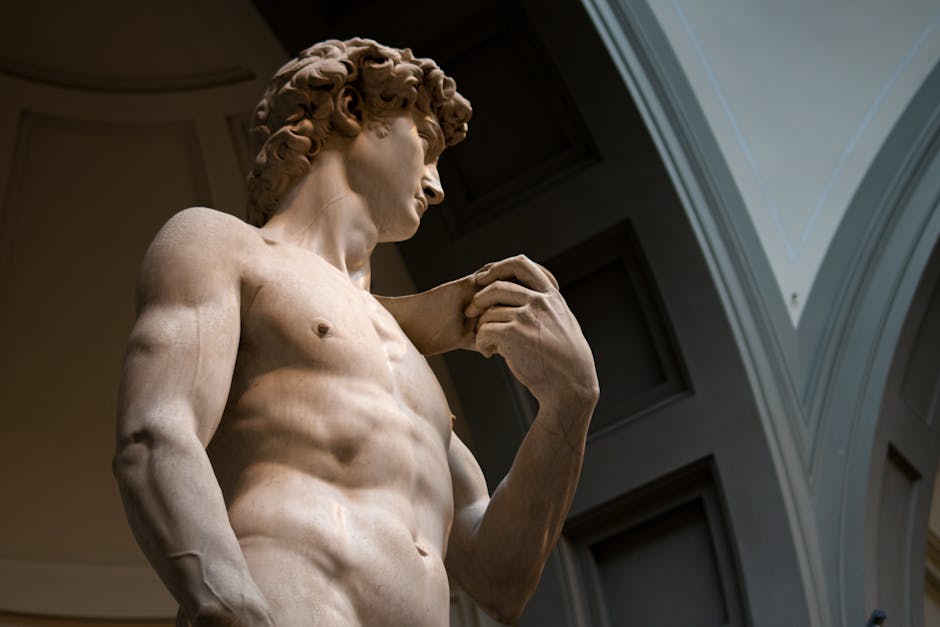 Easy
EasyFlorence, Italy
Experience the magic of Florence at sunset. Discover iconic bridges and breathtaking river views on this romantic self-guided audio walk.
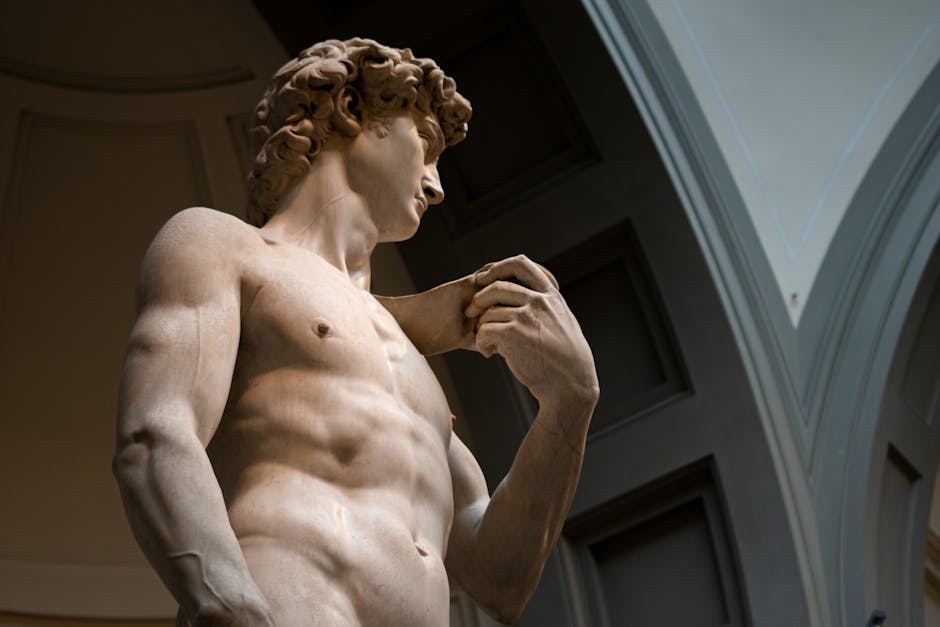 Easy
EasyFlorence, Italy
Discover the 'buchette del vino'—Florence's unique Renaissance wine windows—on this self-guided walk through the city's historic streets.
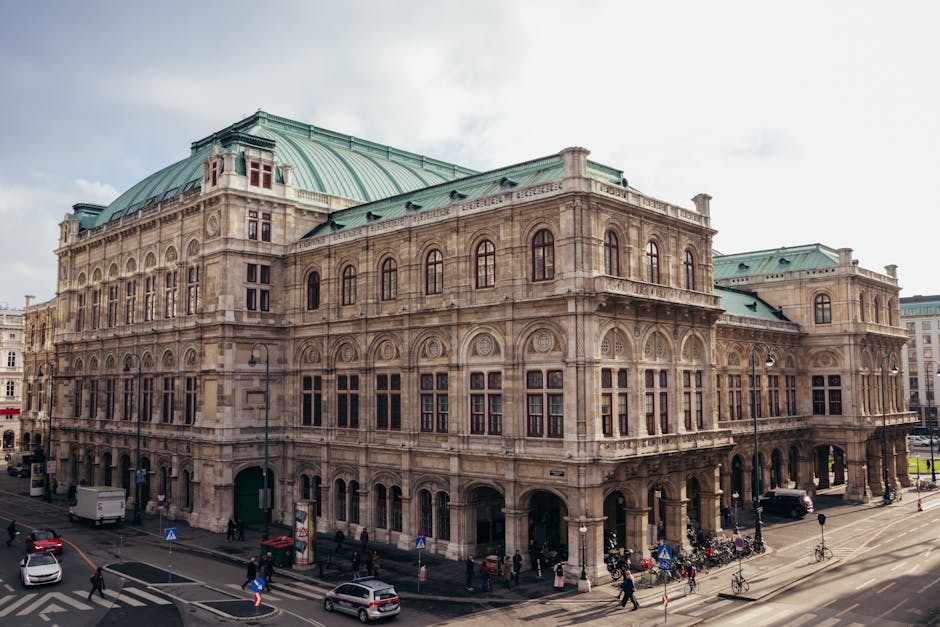 Moderate
Vienna, Austria
Follow the footsteps of Mozart and Strauss through Vienna’s historic center on this self-guided walk through the city's rich musical history.
 Moderate
Helsinki, Finland
Explore the 'Gibraltar of the North' on this independent walking route through the historic bastions and hidden gardens of Suomenlinna Sea Fortress.
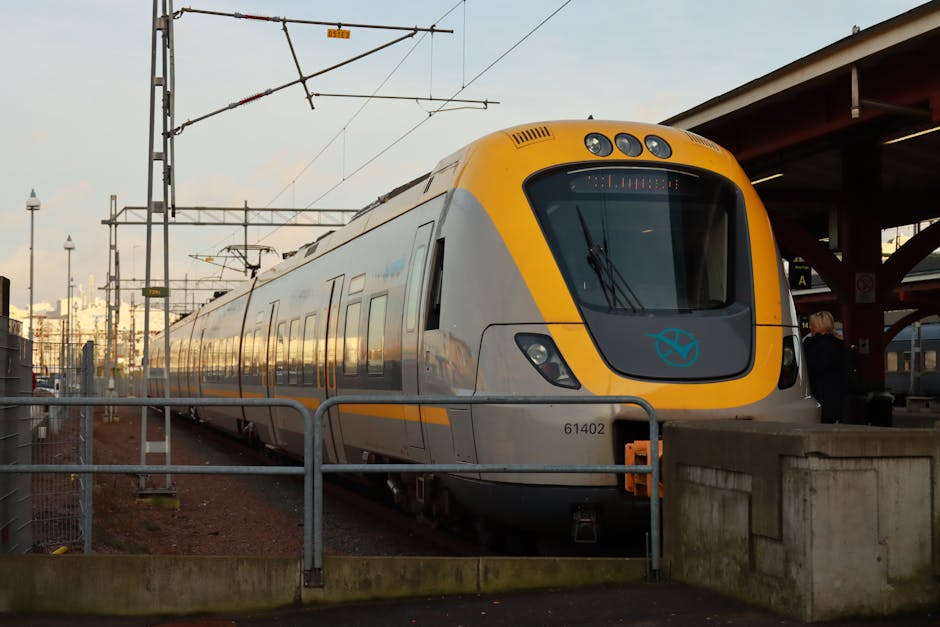 Moderate
Gothenburg, Sweden
Discover Gothenburg’s maritime soul on this self-guided walk from the historic Central Station to the scenic riverfront at Stenpiren.
 Easy
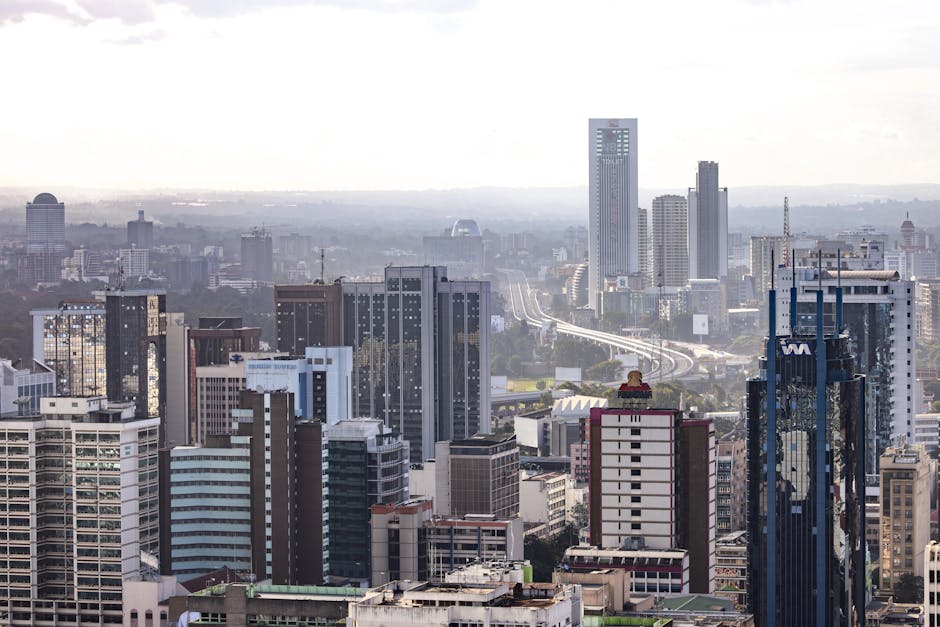
EasyNairobi, Kenya
Explore Nairobi's architectural evolution from colonial-era landmarks to iconic Brutalist skyscrapers on this historic self-guided walking route.
 Easy
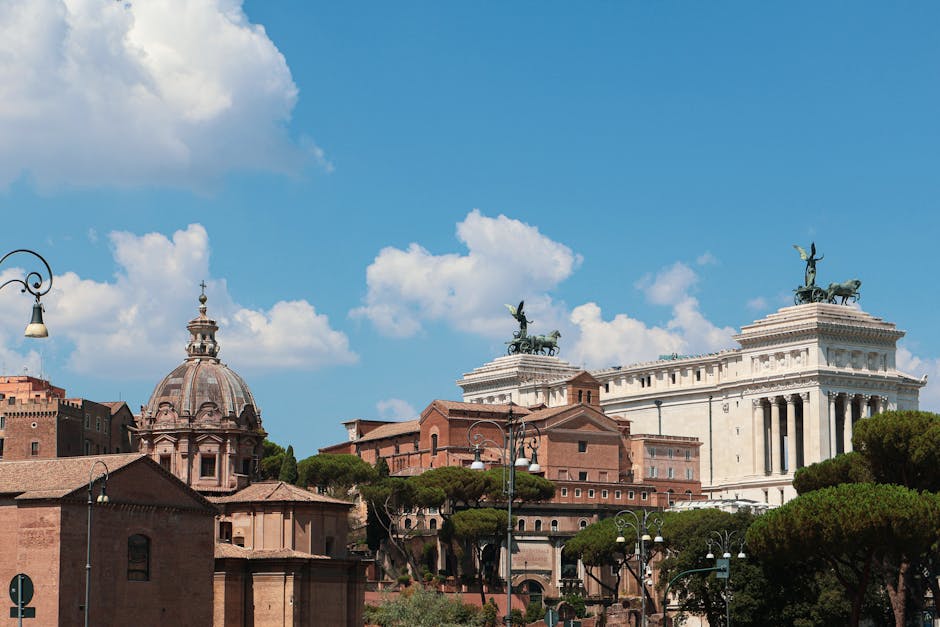
EasyRome, Italy
Explore Rome’s industrial heart on this self-guided walk featuring massive murals, the 'Iron Colosseum,' and unique industrial archaeology.
 Easy
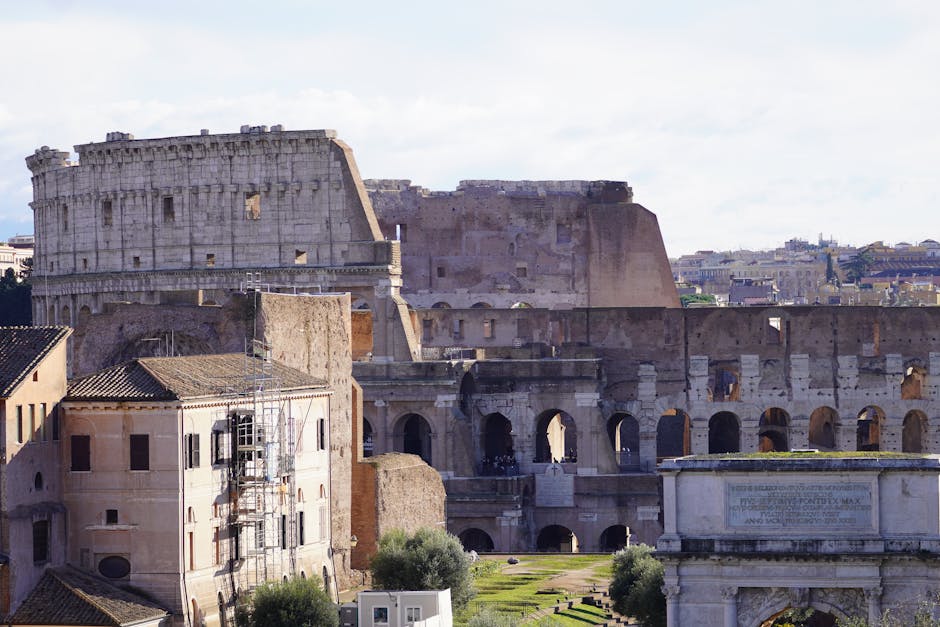
EasyRome, Italy
Explore Rome’s whimsical Fairytale District. A self-guided walk through Art Nouveau palaces, mythical fountains, and the magical Coppedè architecture.
 Moderate
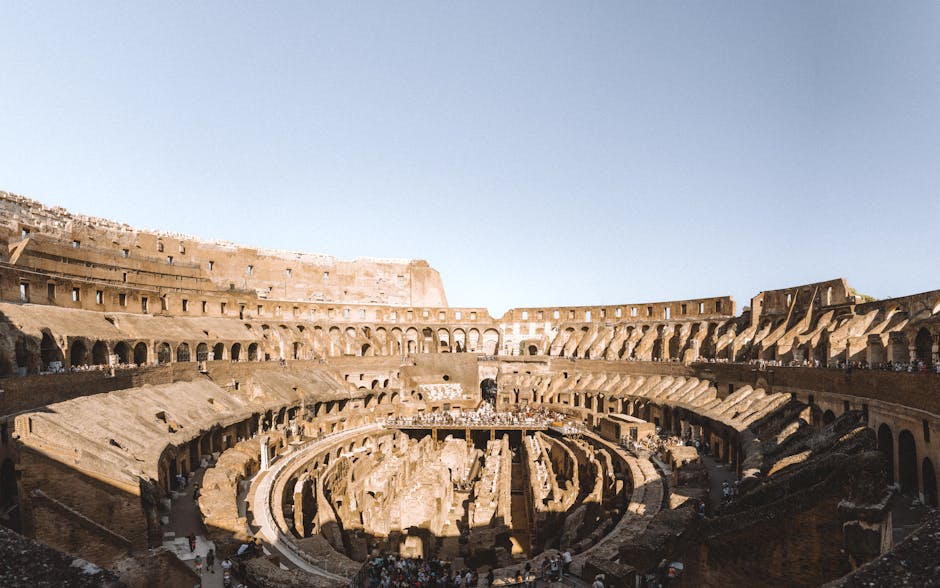
Rome, Italy
Uncover Rome's hidden history on this self-guided walk through ancient gladiator pits, subterranean temples, and buried Roman houses.
 Challenging
Rome, Italy
Walk the 'Queen of Roads.' Explore ancient catacombs, imperial villas, and historic basalt stones on this scenic self-guided Roman adventure.