Self-guided audio tour in Bologna
Start Free on iPhone
Start free on iPhone to unlock this self-guided walking tour in Bologna. Hear all the stories that make it amazing, walk at your own pace, and begin whenever you want.
Your Private Tour Guide
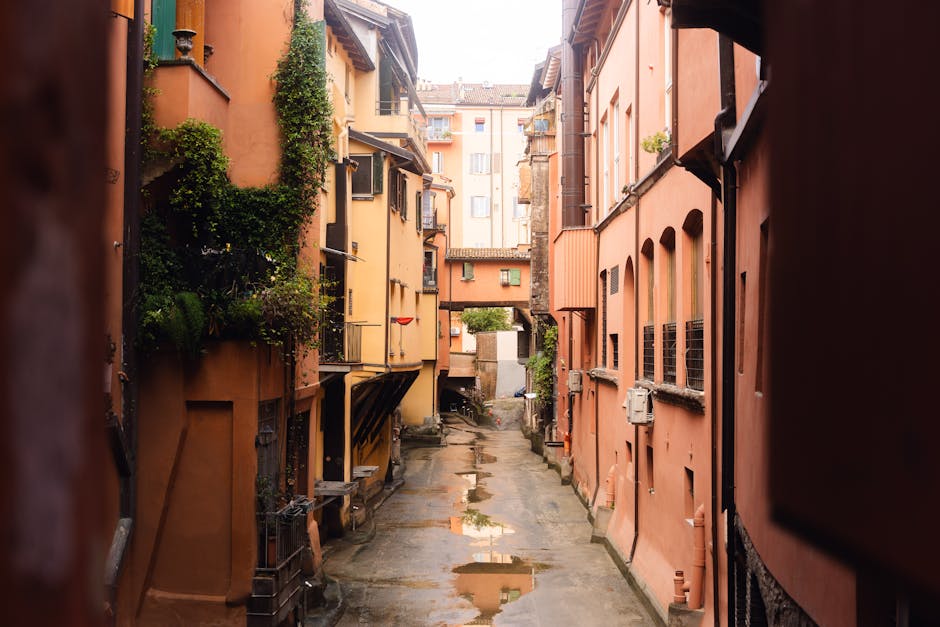
Step away from the crowded main squares and into the narrow, winding alleys of the Ghetto Ebraico, one of Bologna's most atmospheric and historically significant neighborhoods. This self-guided walk invites you to explore a labyrinthine district that remains largely unchanged since the medieval era. For centuries, this area was a city within a city, defined by its enclosure and the resilient spirit of the Jewish community that lived here. As you wander through the shadows of overhanging porticos and across hidden piazzas, you will uncover the layers of history that make this neighborhood a vital part of the city's identity. The route begins near the iconic medieval towers, at the gateway to the historic district. From there, you will traverse streets like Via dell'Inferno, where the name itself hints at the area's dense, industrial past. You will see how the architecture adapted to the limited space of the enclosed ghetto, with buildings rising vertically and bridges connecting upper floors across narrow lanes. This neighborhood stroll offers a profound look at the 1556 decree that confined Bologna's Jewish population and the vibrant culture that continued to thrive despite these restrictions. Key highlights include the Jewish Museum of Bologna, which provides deep context for the artifacts and stories you will encounter, and the site of the former gates that once locked the district at night. This walking tour Bologna experience is perfect for those who want to see a different side of the city, focusing on the echoes of the past rather than the typical tourist path. By following this walking route, you gain an independent perspective on the Sephardic and Ashkenazi influences that shaped local commerce and intellectual life. Whether you are a history enthusiast or a photography lover, the textures of the Ghetto Ebraico offer endless fascination. From the defensive Torre dei Guidozagni to the modern Sinagoga, the walk bridges the gap between the medieval world and the present day. This walking tour Bologna allows you to move at your own pace, stopping to admire a hidden coat of arms or a quiet courtyard that most visitors overlook. Prepare to see Bologna's famous 'red' walls in a whole new light as you discover the stories etched into the stones of the Ghetto.
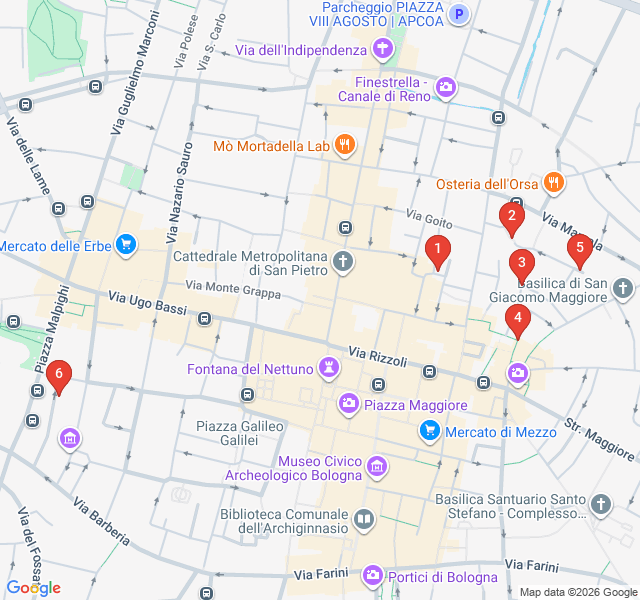
Numbers indicate the order of stops on the tour.
Start exploring with Zigway at the base of the Torre dei Guidozagni. This 13th-century tower is one of the few survivors of medieval Bologna’s skyline, which once boasted over 100 such structures. Unlike the famous leaning towers nearby, this tower stands as a truncated sentinel marking the entrance to the historic district. Notice the rough-hewn stone and the small apertures; this was a defensive home for a noble family. In the context of our walk, it represents the boundary between the public city and the secluded quarters we are about to enter. It serves as a reminder of the verticality of medieval life, where safety was found in height.
This small square serves as a quiet transition point in the heart of the district. Named after a professor who was a victim of political violence in 2002, the piazzetta reflects Bologna's modern history while sitting atop layers of the ancient city. In the days of the Ghetto, this area was part of a dense network of artisan workshops and homes. Look around at the surrounding buildings; you’ll notice how they lean inward, a result of centuries of structural shifts. This space offers a rare opening in the otherwise tight-knit urban fabric, allowing you to appreciate the 'suspended' feel of the neighborhood architecture.
Welcome to the 'Street of Hell.' The name likely stems from the intense heat and smoke produced by the many metalworkers and blacksmiths who operated here during the Middle Ages. As you walk down this lane, look up. You will see some of the most characteristic architecture of the Ghetto: tiny bridges or 'passageways' connecting the upper floors of buildings across the street. These were built to maximize living space when the community was forbidden from expanding the Ghetto's boundaries. It is a hauntingly beautiful example of urban adaptation and the densest part of the historic Jewish quarter.
Via de' Giudei translates to 'Street of the Jews' and was the main thoroughfare of the district. Following the papal bull of 1555, this street was enclosed by gates at either end, which were locked from sunset to sunrise. While the gates are long gone, the sense of containment remains. This was once the commercial hub where merchants traded textiles and precious metals. If you look closely at the entrance to the street from the Two Towers side, you can still imagine where the heavy wooden barriers once stood, separating the Jewish community from the rest of Bologna for over two centuries.
The Jewish Museum is located in a former 16th-century palazzo. It serves as the cultural anchor of the neighborhood, preserving the memory of the Jewish presence in the Emilia-Romagna region from the Middle Ages to the modern era. Even without entering, the building's facade tells a story of prestige and survival. The museum highlights the intellectual contributions of Bologna's Jewish scholars and the tragic impact of the racial laws of the 20th century. It is a place of reflection that connects the narrow streets you’ve just walked to the broader narrative of European history.
The final stop on our walking route is the Synagogue on Via Mario Finzi. The original building was tragically destroyed during an Allied bombing raid in 1943, but it was rebuilt in the post-war years, symbolizing the rebirth of the community. The facade is modern and understated, yet it stands as a powerful testament to resilience. Although the community is smaller today, this remains the spiritual heart of Jewish life in Bologna. Reflect on the journey from the cramped medieval alleys of Via dell'Inferno to this open, modern space that represents a hard-won freedom and a continuing legacy.
Start Free on iPhone
Explore “Echoes of the Ghetto: A Labyrinth of History” with your very own Private Tour Guide with Zigway. Start free on iPhone, skip the large group and the fixed routes, and hear the city come alive as you go.
Your Private Tour Guide
Don't miss the good stuff
Explore Freely
 Moderate
Bologna, Italy
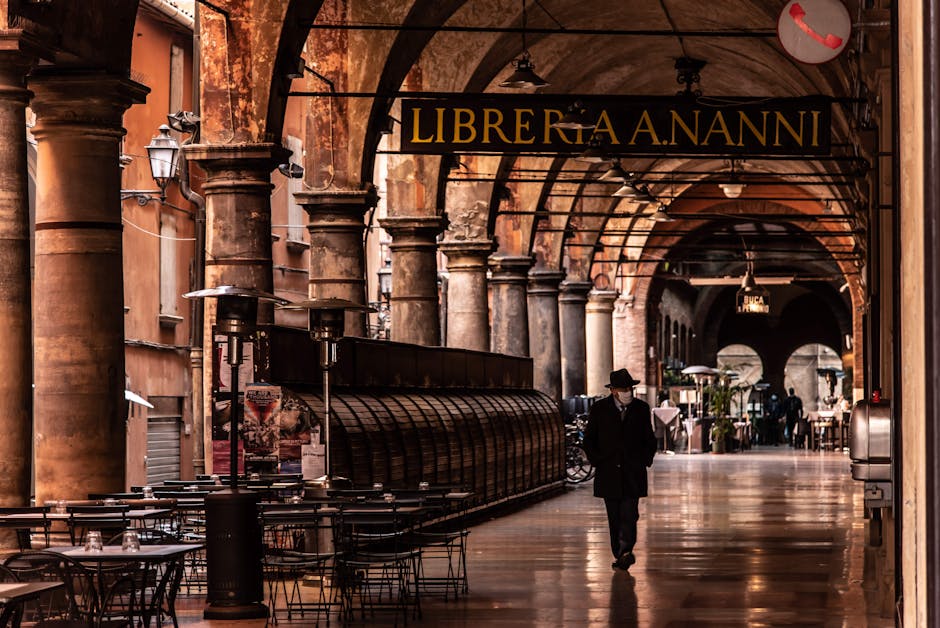
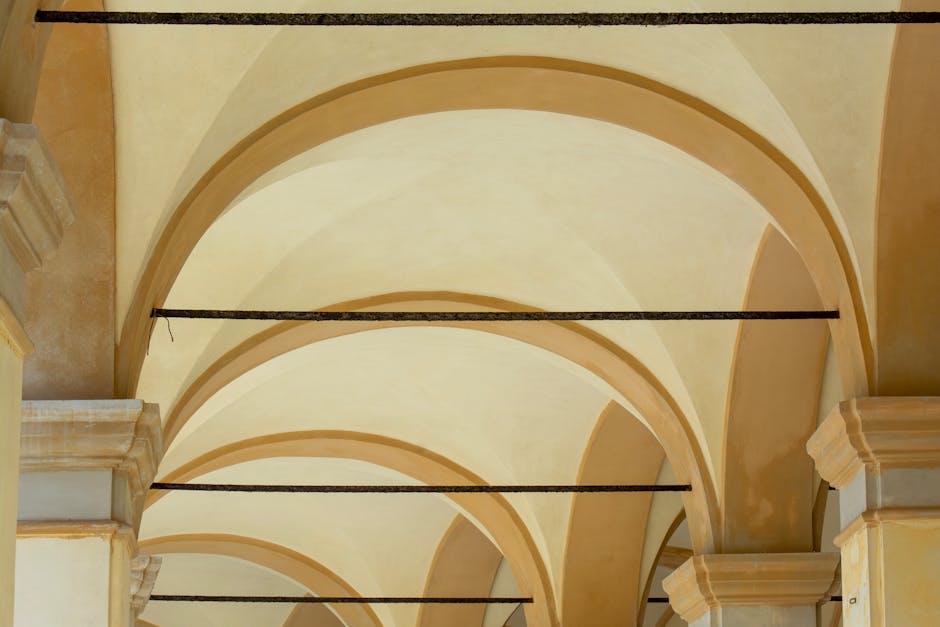
Explore Bologna's UNESCO-listed porticoes on this self-guided architectural stroll through historic streets and grand, frescoed arches.
 Easy
EasyBologna, Italy
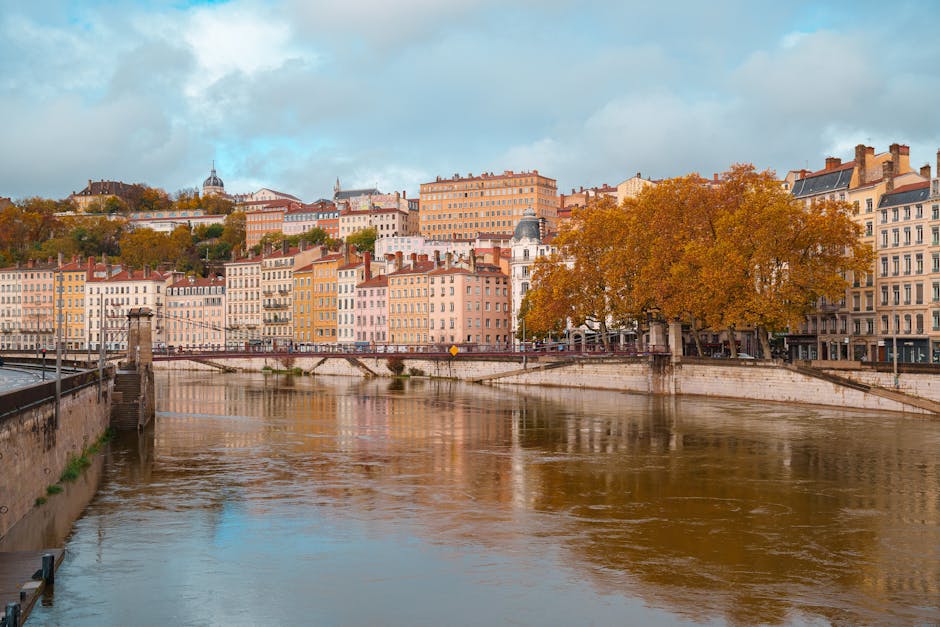
Uncover Bologna's secret 'Little Venice' on this self-guided walk through hidden canals, ancient mills, and the city's industrial past.
 Easy
EasyBologna, Italy
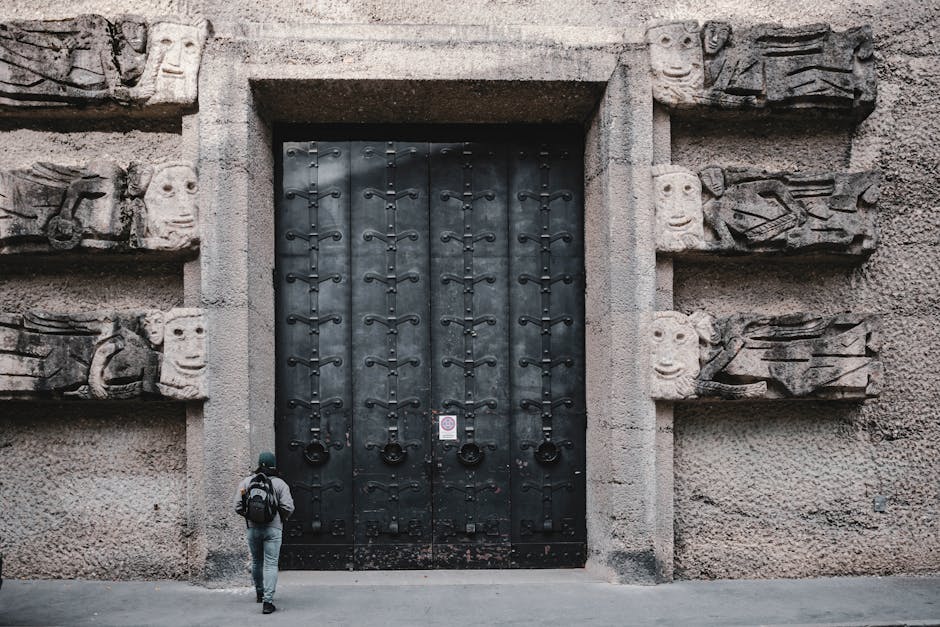
Uncover the legends and hidden architectural wonders of medieval Bologna on this self-guided stroll through the historic city center.
 Easy
EasyBologna, Italy
Discover the rebellious soul of Bologna with a self-guided stroll through the bars, street art, and bohemian history of the iconic Pratello district.
 Easy
EasyKrakow, Poland
Explore the historic heart of Kazimierz on this self-guided walk through synagogues, ancient cemeteries, and vibrant squares.
 Easy
EasyWarsaw, Poland
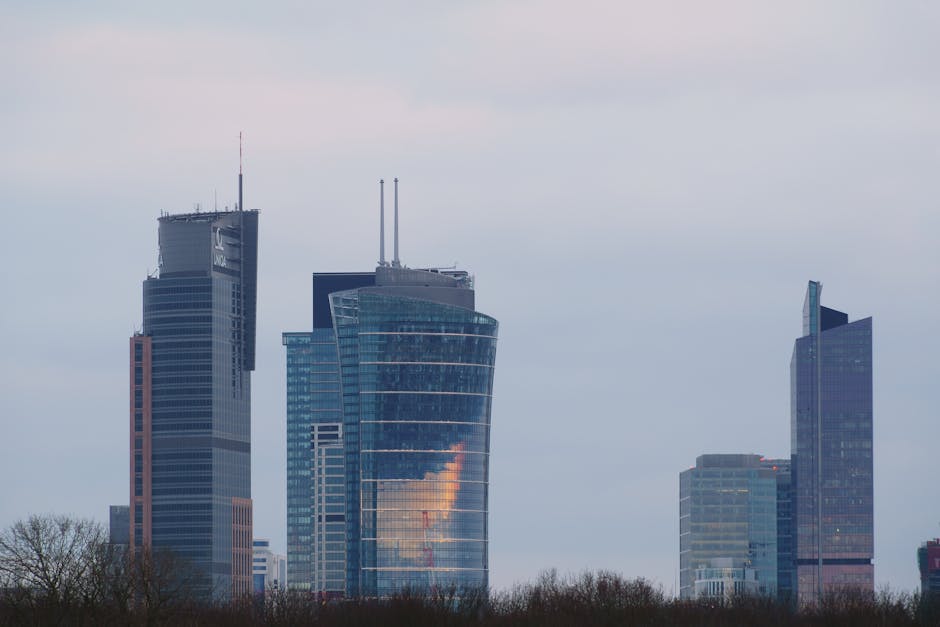
Discover the hidden courtyards and grand pre-war architecture of Warsaw's most atmospheric neighborhood on this self-guided stroll.
 Easy
EasySalzburg, Austria
Discover Salzburg's oldest medieval alley, the birthplace of the 'Silent Night' author, and breathtaking views on this quiet self-guided walk.
 Easy
EasyKrakow, Poland
Explore the prestigious Jagiellonian University district, featuring Neo-Gothic architecture, Baroque churches, and Krakow's hidden scholarly gems.
 Easy
EasyRome, Italy
Explore Rome’s industrial heart on this self-guided walk featuring massive murals, the 'Iron Colosseum,' and unique industrial archaeology.
 Easy
EasyRome, Italy
Explore Rome’s whimsical Fairytale District. A self-guided walk through Art Nouveau palaces, mythical fountains, and the magical Coppedè architecture.
 Moderate
Rome, Italy
Uncover Rome's hidden history on this self-guided walk through ancient gladiator pits, subterranean temples, and buried Roman houses.
 Challenging
Rome, Italy
Walk the 'Queen of Roads.' Explore ancient catacombs, imperial villas, and historic basalt stones on this scenic self-guided Roman adventure.