Self-guided audio tour in Bologna
Start Free on iPhone
Start free on iPhone to unlock this self-guided walking tour in Bologna. Hear all the stories that make it amazing, walk at your own pace, and begin whenever you want.
Your Private Tour Guide
While Bologna is famously known as 'The Red City' for its terracotta rooftops and socialist history, it hides a secret identity beneath its pavement: 'Little Venice.' Most travelers walk right over the city's ancient waterways without realizing that a network of 60 kilometers of canals once powered one of Europe's most advanced industrial hubs. This self-guided walk invites you to peel back the layers of the modern city to discover the hidden waters that fueled the medieval silk trade and grain mills. Starting at the iconic 'Finestrella' in Via Piella, you will see one of the few places where the canal remains visible, framed perfectly by a small window in a wall. This walking route follows the path of the Canale di Reno and the Canale delle Moline, leading you through narrow alleys where the sound of rushing water still echoes if you know where to listen. You will explore the industrial heritage of the city, from the sites of former tanneries to the massive waterworks that managed the city's hydraulic power. Unlike a standard walking tour Bologna often presents to tourists, this route focuses on the engineering and economic might that made Bologna a global leader in silk production during the Renaissance. As you wander toward the Opificio delle Acque, you will transition from the bustling center to quieter, local-favorite corners. Along the way, the architecture tells the story of a city that was once a major inland port, connected to the Adriatic Sea via the Po River. Whether you are a photography enthusiast looking for the perfect reflection or a history buff interested in urban development, this neighborhood stroll offers a unique perspective on Bologna's 'liquid' history. Discover the remnants of the port, the tombs of the famous Glossators, and the ingenious systems that kept the city running for centuries, all at your own pace.
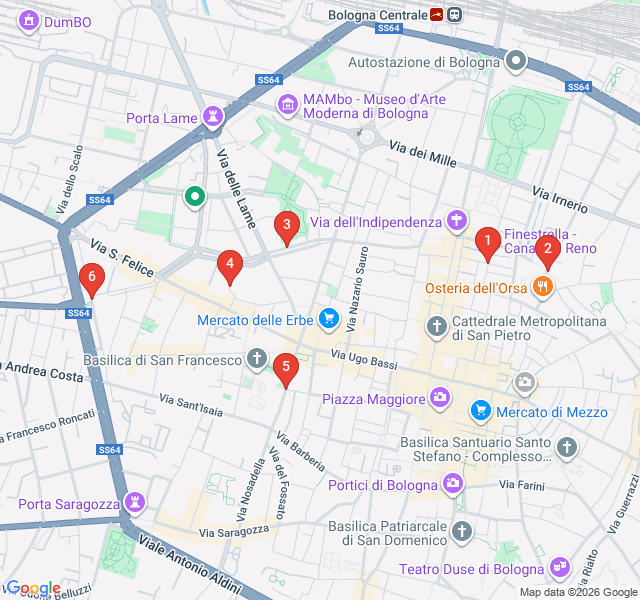
Numbers indicate the order of stops on the tour.
Welcome to one of Bologna's most photographed 'secrets.' Open the small wooden shutter on the wall to reveal the Canale delle Moline. For centuries, these canals were the city's lifeblood, powering mills and transporting goods. This view is often called 'Little Venice' because the buildings rise directly from the water. In the Middle Ages, Bologna was a city of water, comparable to Venice or Amsterdam, but during the 20th century, most canals were covered to make room for roads. Today, this window is a rare portal into that aquatic past, showing how the city looked when silk and flour were its primary exports.
As you walk down this street, listen closely. The name 'Moline' refers to the water mills that once lined this stretch. This was the industrial engine of the city, where the rushing water of the canal powered the heavy stones used to grind grain for Bologna's famous pasta and bread. While the mills are gone, the narrow, winding nature of the street reflects the path of the water that still flows beneath your feet. This area was once filled with the sounds of machinery and the bustle of workers, a stark contrast to the lively student atmosphere you find here today.
The name of this street literally means 'Shore of the Reno.' Until the mid-20th century, the Reno Canal ran openly right through the middle of this road. It was the main artery for the city's silk industry, which was so advanced that Bologna's silk-throwing mills were considered state secrets. The water here wasn't just for power; it was also used for dyeing fabrics. Imagine this wide street as a bustling waterway filled with barges and craftsmen. Today, the canal is entombed in concrete beneath the asphalt, but the sheer width of the street remains a testament to the massive water channel that once defined this neighborhood.
This quiet street leads you toward the site of the ancient Port of Bologna. It might be hard to imagine now, but this city was once connected to the sea. Boats would travel from here down to the Po River and eventually to the Adriatic. This area was the logistical hub for the Abbey (Abbadia) and the surrounding merchants. The elevation changes slightly here, showing how the city's engineers used the natural slope of the land to keep the water flowing toward the lower northern plains. It is a peaceful spot that highlights the strategic urban planning of medieval Bologna.
You are now standing in a square that bridges the gap between the city's religious and industrial history. Behind you is the grand Basilica of San Francesco, and nearby stand the impressive Tombs of the Glossators—the famous law scholars of Bologna's university. The Reno Canal passes right under the square on its journey. This was a critical junction where the water management system intersected with the city's civic heart. The large open space of the piazza was necessary for the transit of goods arriving from the western canals, making it a vital crossroads for both people and commerce.
Our journey ends at the Opificio delle Acque, a former 18th-century tannery and hydraulic plant. This building is a masterpiece of industrial archaeology. It was designed to manage the flow of the Cavaticcio and Reno canals, ensuring the city had a steady supply of water for its industries while preventing floods. Today, it serves as a museum and research center dedicated to Bologna's water history. Looking at the brickwork and the sluice gates, you can appreciate the technical genius that allowed a landlocked city to become one of the most prosperous industrial centers in Europe. It is the perfect place to reflect on how water shaped the Red City.
Start Free on iPhone
Explore “The Red City: Canals and Hidden Waters” with your very own Private Tour Guide with Zigway. Start free on iPhone, skip the large group and the fixed routes, and hear the city come alive as you go.
Your Private Tour Guide
Don't miss the good stuff
Explore Freely
 Moderate
Bologna, Italy
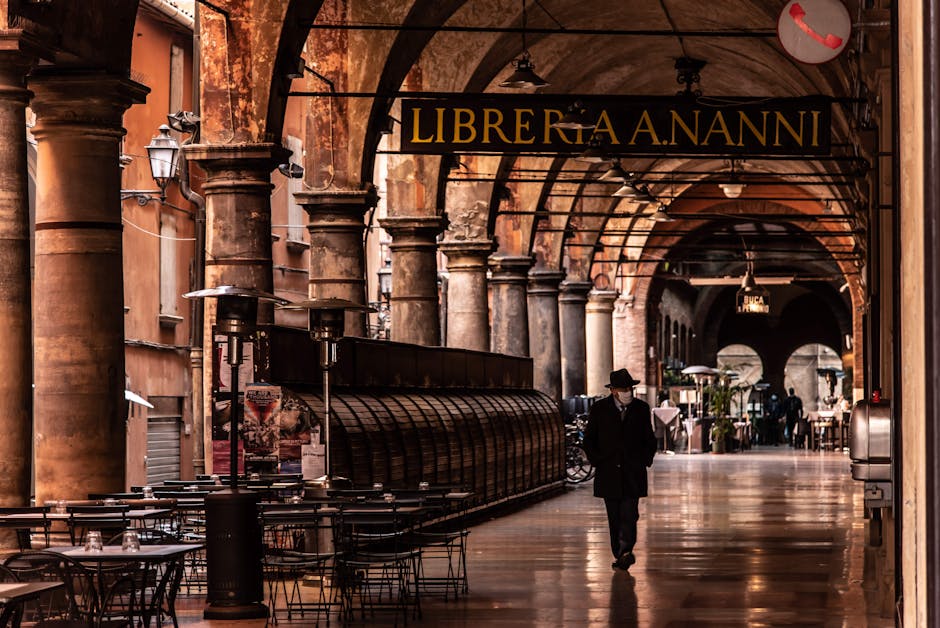
Explore Bologna's UNESCO-listed porticoes on this self-guided architectural stroll through historic streets and grand, frescoed arches.
 Easy
EasyBologna, Italy
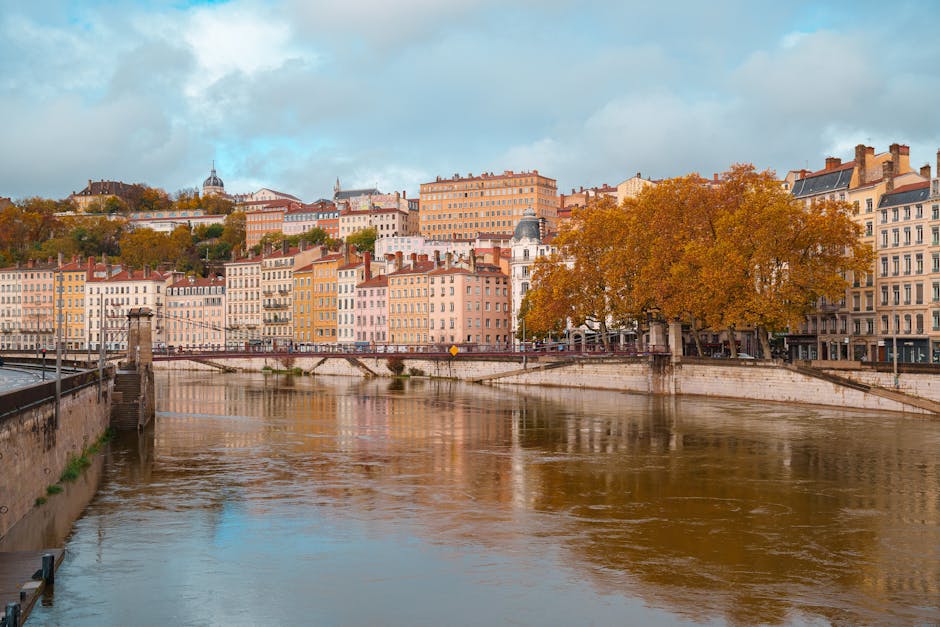
Uncover the legends and hidden architectural wonders of medieval Bologna on this self-guided stroll through the historic city center.
 Easy
EasyBologna, Italy
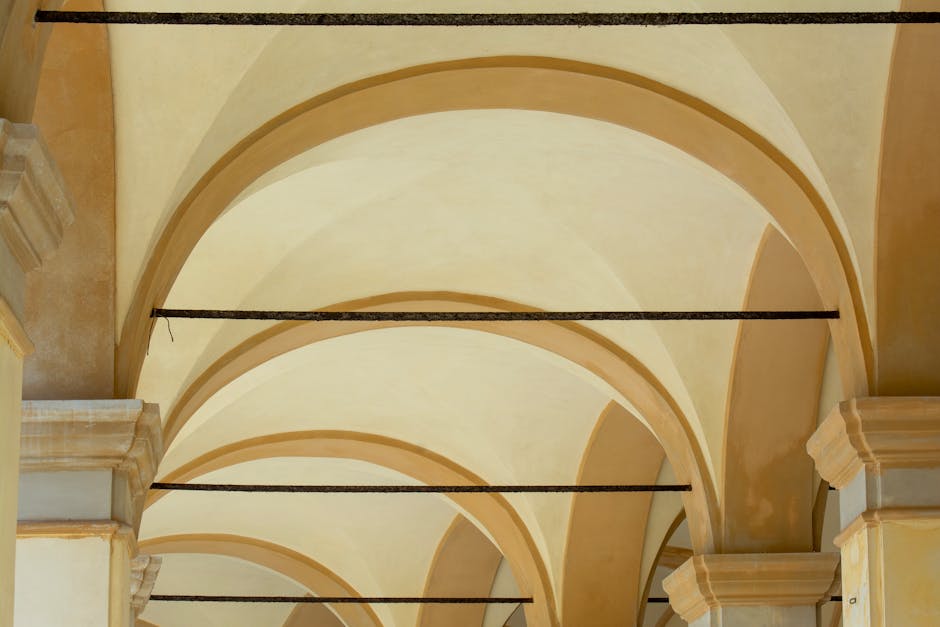
Discover the rebellious soul of Bologna with a self-guided stroll through the bars, street art, and bohemian history of the iconic Pratello district.
 Easy
EasyBologna, Italy
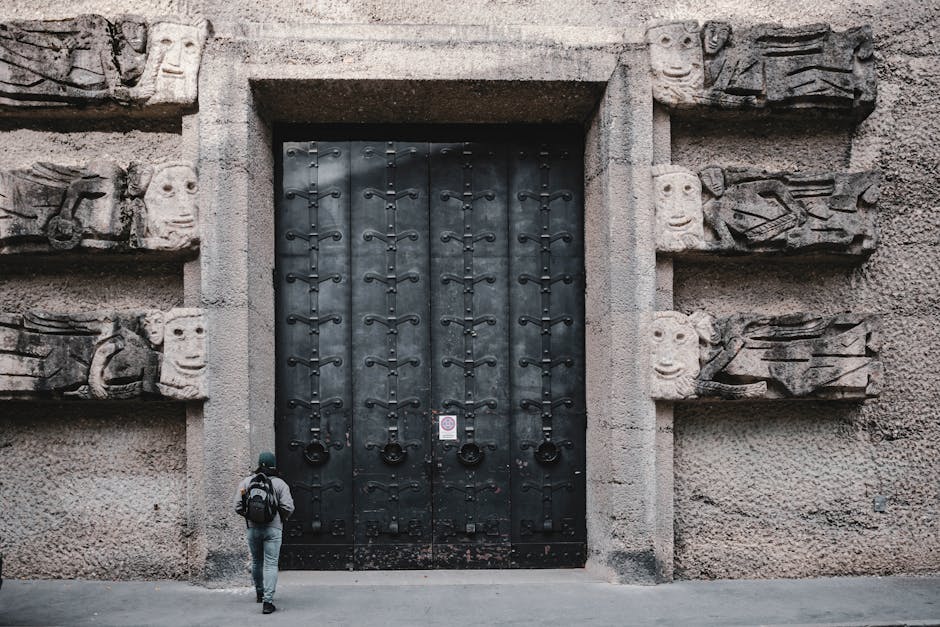
Discover the 'Manhattan of the Middle Ages' on this self-guided walk through Bologna’s skyline of historic stone towers.
 Easy
EasySalzburg, Austria
Discover Salzburg's oldest medieval alley, the birthplace of the 'Silent Night' author, and breathtaking views on this quiet self-guided walk.
 Easy
EasyNairobi, Kenya
Explore the history of Kenya’s independence through the statues, monuments, and parks that define Nairobi’s political heart on this self-guided walk.
 Easy
EasyNairobi, Kenya
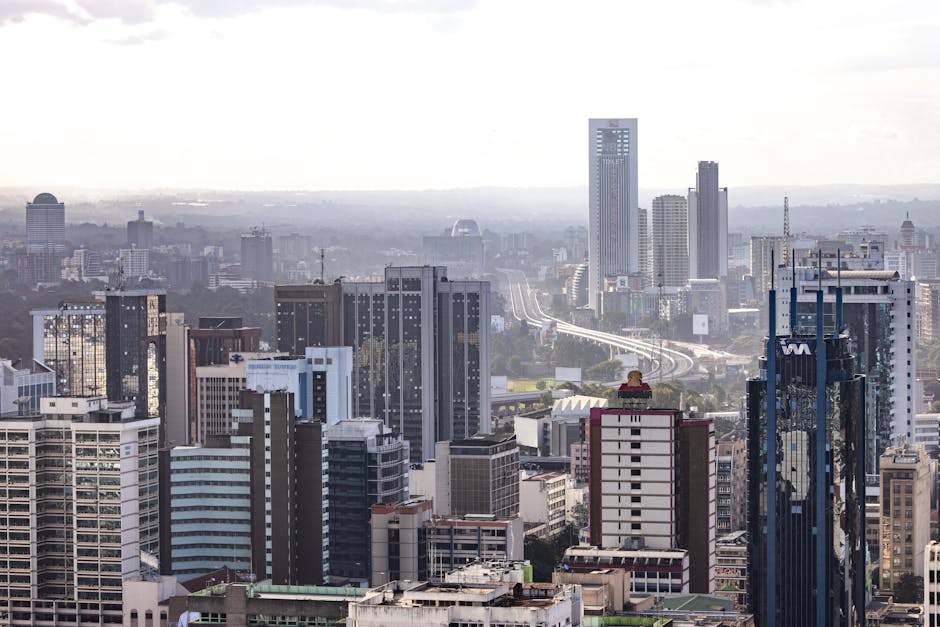
Discover Nairobi's iconic skyline on this self-guided architecture walk through the CBD’s most famous modernist and Brutalist landmarks.
 Easy
EasyKrakow, Poland
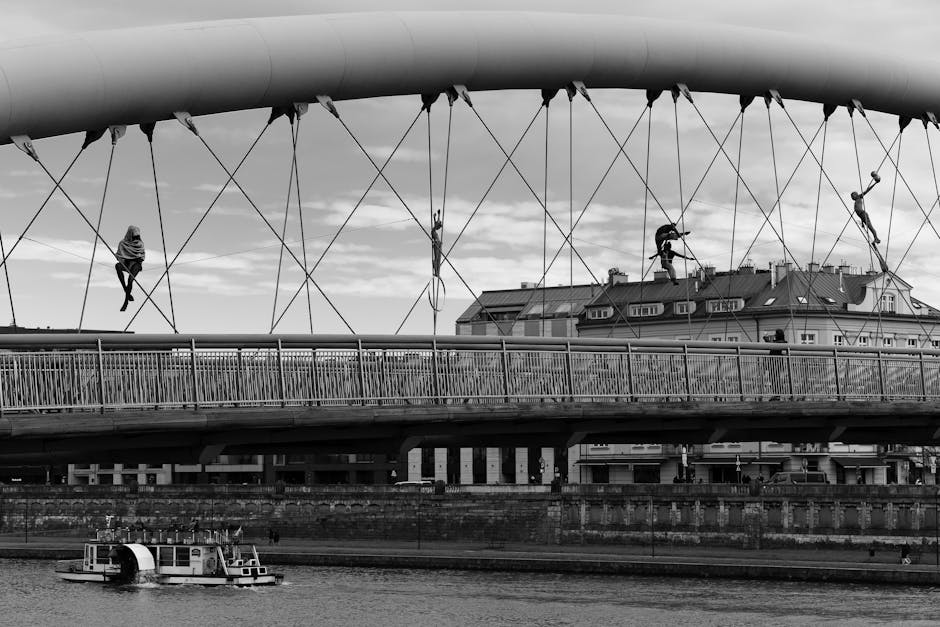
Discover Krakow’s creative soul in Zabłocie, exploring industrial heritage, contemporary art museums, and avant-garde architecture at your own pace.
 Easy
EasyRome, Italy
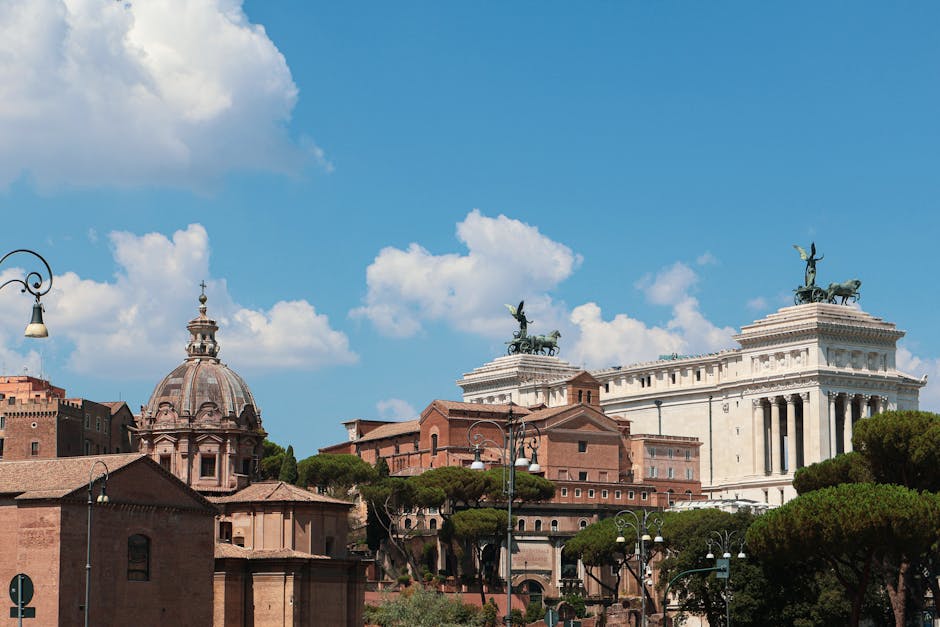
Explore Rome’s industrial heart on this self-guided walk featuring massive murals, the 'Iron Colosseum,' and unique industrial archaeology.
 Easy
EasyRome, Italy
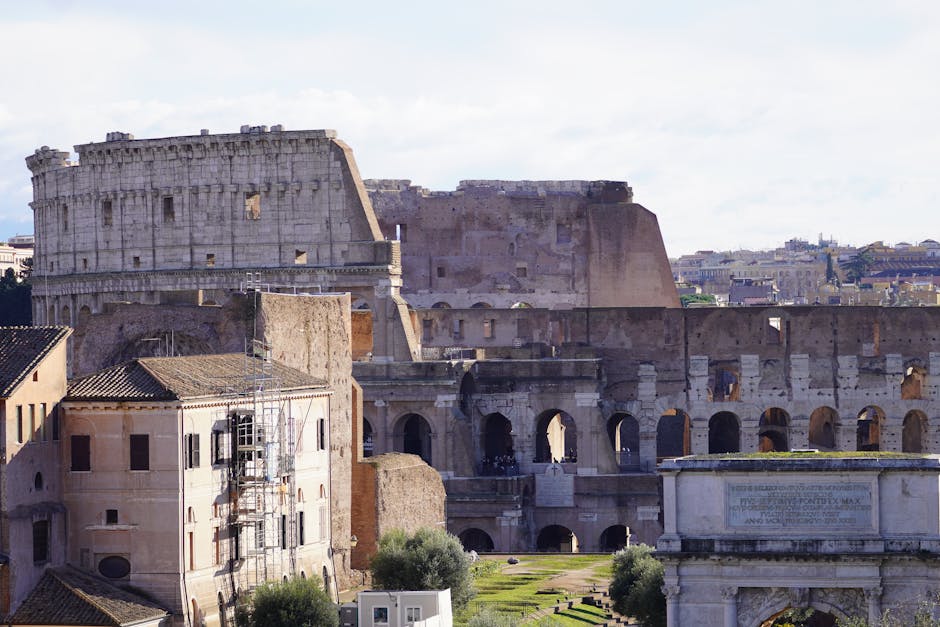
Explore Rome’s whimsical Fairytale District. A self-guided walk through Art Nouveau palaces, mythical fountains, and the magical Coppedè architecture.
 Moderate
Rome, Italy
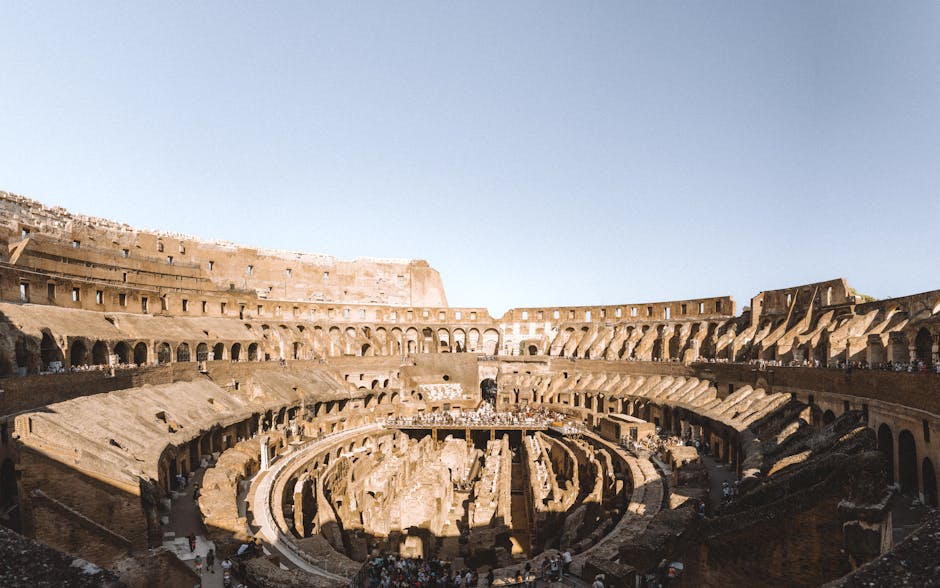
Uncover Rome's hidden history on this self-guided walk through ancient gladiator pits, subterranean temples, and buried Roman houses.
 Challenging
Rome, Italy
Walk the 'Queen of Roads.' Explore ancient catacombs, imperial villas, and historic basalt stones on this scenic self-guided Roman adventure.