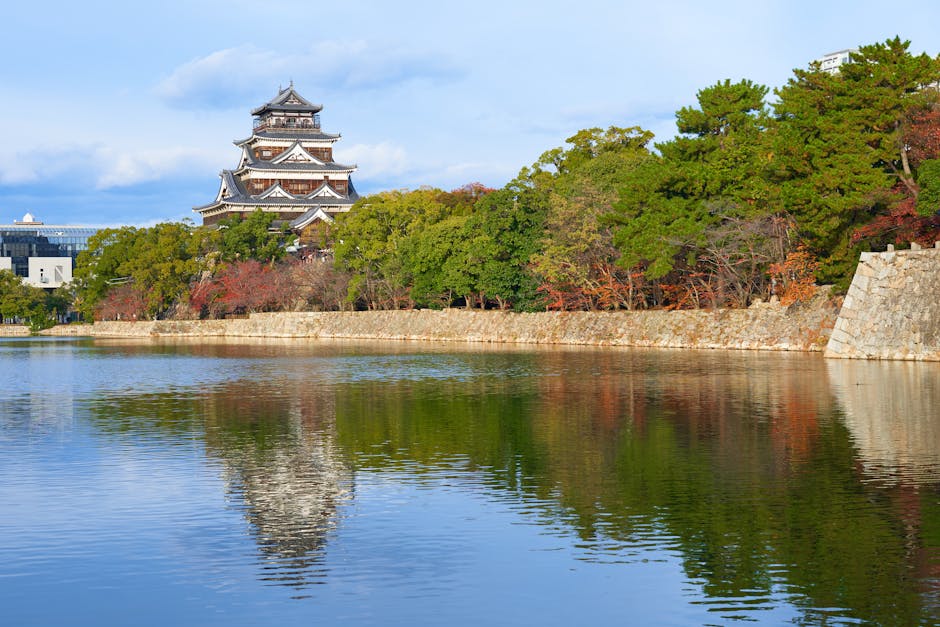
Self-guided audio tour in Hiroshima
Start Free on iPhone
Start free on iPhone to unlock this self-guided walking tour in Hiroshima. Hear all the stories that make it amazing, walk at your own pace, and begin whenever you want.
Your Private Tour Guide
Discover a side of Hiroshima that balances urban resilience with ancient spiritual serenity. This self-guided walk takes you from the bustling heart of the city—where modern recovery is celebrated through vibrant parks and unique animal encounters—to the moss-covered foothills of Mount Mitaki. While many look for a walking tour Hiroshima offers in the busy downtown, this route escapes the crowds to find peace among the 'Three Waterfalls.' You will begin in the Motomachi district, passing through the historic Shukkeien Garden, a masterpiece of Japanese landscaping that dates back to 1620. As you move through the city, the journey highlights the contrast between Hiroshima’s tragic past at the Memorial Cenotaph and its whimsical present, found in the various themed cafes and lush green spaces like Hijiyama Park. The true soul of this walking route, however, lies in the ascent to Mitaki-dera. Nestled in a deep valley, this temple complex is a hidden gem often missed by those on a standard walking tour Hiroshima visitors usually book. Here, the sound of cascading water from three distinct falls—the 'Three Waterfalls'—provides a natural soundtrack to your exploration of the red lacquered pagoda and hundreds of stone Jizo statues. This experience is designed for the independent traveler who values photography, nature, and the quiet contemplation of Japan's religious heritage. Whether you are capturing the reflection of the Kokokyo Bridge or finding a moment of zen in the mountain air, this audio walk offers a comprehensive look at the city's multifaceted identity, far beyond the typical tourist path.
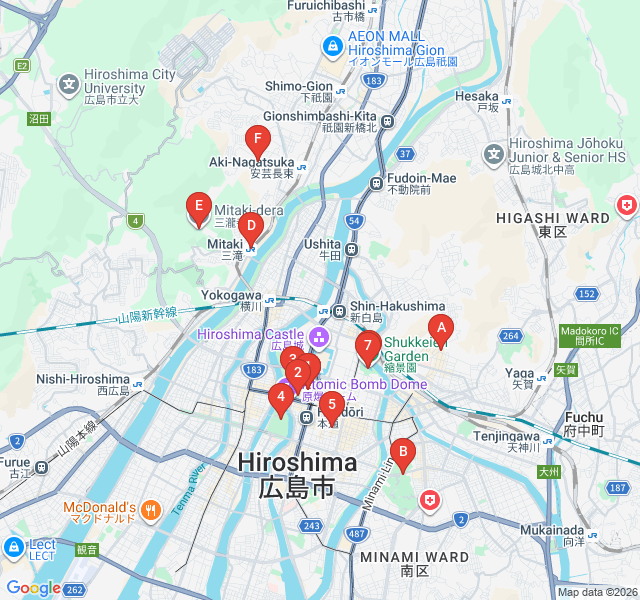
Numbers indicate the order of stops on the tour.
Start your journey at the Motomachi Aquarium, a unique urban space that brings the wonders of the sea to the heart of Hiroshima. Located within the Motomachi district, this facility serves as a reminder of the city's proximity to the Seto Inland Sea. It’s a perfect spot to observe local aquatic life before we transition into the more traditional and natural elements of our walk. The aquarium represents Hiroshima's modern commitment to education and recreation in the post-war era, showcasing how the city has transformed its urban landscape into a place of life and learning.
Just a short stroll away is the MOFF Cat Café, located in the SHIMINT shopping area. Animal cafes have become a staple of modern Japanese urban culture, offering a 'healing' environment for residents and visitors alike. This space allows you to observe the playful and serene nature of its feline residents. It reflects a quirky side of Hiroshima’s contemporary lifestyle—finding moments of domestic peace amidst the bustling city. It’s a gentle introduction to the theme of companionship and care that we will see mirrored later in the religious statues of Mitaki-dera.
Step into the Hannover Garden, a beautiful green space that celebrates the sister-city relationship between Hiroshima and Hannover, Germany. The garden is modeled after the Herrenhausen Gardens in Germany, featuring a sunken design and a variety of European-style flora. This site is a symbol of international peace and reconciliation. Standing here, you can see how Hiroshima has reached out to the world to build bridges of friendship. The architecture and layout offer a distinct contrast to the traditional Japanese gardens we will visit later on this route.
We pause here at the Memorial Cenotaph, a place of profound significance. This saddle-shaped monument holds the names of all those who lost their lives due to the 1945 atomic bombing. The design is intended to protect the souls of the deceased, while the view through the arch frames the Flame of Peace and the Atomic Bomb Dome in the distance. This is the heart of Hiroshima's 'City of Peace' identity. Take a moment of silence to reflect on the city's journey from devastation to its current role as a global advocate for nuclear disarmament.
Transitioning back into the vibrant city streets, we find Owl de Base. This is another example of Japan's unique animal-themed spaces, where you can see various species of owls in a calm setting. In Japanese culture, owls are often seen as symbols of luck and protection. Seeing these majestic birds up close in an urban environment is a surreal experience that highlights the blending of nature and city life. It’s a brief, fascinating stop that adds a layer of modern charm to our spiritual and historical journey.
You are now at the entrance of Shukkeien Garden. The name 'Shukkeien' translates to 'shrunken-scenery garden,' as it was designed to mimic various famous landscapes from China and Japan in miniature. Originally built in 1620 for the local daimyo, this garden has survived centuries of change, including the 1945 bombing. As you prepare to enter, notice the transition from the busy city streets to the meticulously planned tranquility of the Edo period. This is where Hiroshima’s ancient aesthetic truly begins to shine.
One of the most photographed spots in Shukkeien is the Kokokyo Bridge. This elegantly arched stone bridge crosses the central pond, Takuei-chi. It is one of the few structures in the garden that survived the atomic blast, though it required significant restoration. The bridge represents the 'Rainbow Bridge' connecting the earthly and spiritual realms. From the top of the arch, you get a perfect view of the traditional tea houses and the various islands within the pond, each designed to represent a different miniature landscape.
Spend a few minutes wandering the winding paths of Shukkeien. Every turn reveals a new perspective: a hidden waterfall, a bamboo grove, or a carefully placed rock formation. The garden is designed so that the scenery changes with every step, a technique known as 'miegakure' (hide and reveal). This space was intended for meditation and the appreciation of nature's cycles. It provides a perfect historical counterpoint to the wilder, more mountainous nature we will encounter at Mitaki-dera later in the walk.
As we head toward the eastern side of the city center, we encounter the MOFF minamoa branch. Located near the main transit hubs, this cafe serves as a modern urban oasis. It’s a testament to the popularity of these spaces in Hiroshima, providing a consistent theme of animal-assisted relaxation throughout our route. While the gardens offer spiritual peace, these cafes offer a more playful, social form of stress relief that is very much a part of the local fabric today.
This local park offers a glimpse into the everyday life of Hiroshima residents. Hikarigaoka Yamane Park is a green neighborhood space where families gather and locals take their morning walks. While not a major tourist landmark, it represents the 'living' city—the neighborhoods that rose from the ashes to create a peaceful, green environment for the next generation. It’s a quiet spot to catch your breath before we head toward the more elevated Hijiyama Park.
Hijiyama Park is a massive hilltop park that offers some of the best panoramic views of Hiroshima and the Seto Inland Sea. It is unique because it combines nature with modern art, housing the Hiroshima City Museum of Contemporary Art. Historically, this hill was used as a lookout point. Today, it is a favorite spot for 'hanami' (cherry blossom viewing) in the spring. The winding paths and forested areas here serve as a precursor to the mountain hike at Mitaki, gradually taking you away from the flat city basin.
Tucked away in the western part of the city as we move toward Mitaki, you'll find the 'Bird's Nest' (Torinosu). This quirky, local spot continues our theme of nature-inspired urban locations. It’s often a place where locals stop for a quick coffee or to browse unique crafts. The name itself evokes the feeling of a cozy, hidden refuge, which is exactly what we are seeking as we leave the urban sprawl behind and head into the mountainside for the final part of our journey.
Welcome to Mitaki Station. This small, unassuming station is the gateway to one of Hiroshima's most spiritual sites. From here, the atmosphere changes noticeably. The air feels cooler, and the sound of the city fades, replaced by the rustle of leaves and the distant sound of running water. You are now at the base of Mount Mitaki. The walk from here to the temple entrance is a gentle uphill climb that prepares your mind for the sacred atmosphere of the 'Three Waterfalls.'
Enter the grounds of Mitaki-dera, a Shingon Buddhist temple founded in 809. As you walk through the gate, you'll see the stunning two-story vermillion pagoda, which was moved here from Wakayama to memorialize the victims of the atomic bomb. The temple is named 'Mitaki' (Three Waterfalls) because of the three cascades within its grounds: Komagataki, Braille-daki, and Yutaki. These falls are used for ritual purification. Wander the mossy paths and look for the hundreds of stone Jizo statues wearing red caps, which are believed to protect children and travelers.
Conclude your walk at Oukatei, a traditional tea house located near the temple grounds. This is the perfect place to sit and reflect on your journey. Oukatei is famous for its 'warabi-mochi' (bracken starch dumplings covered in kinako flour) and matcha tea. Surrounded by the forest and the sound of the waterfalls, it offers a sensory finale to your spiritual walk. It’s a moment to appreciate the stillness and the natural beauty that Hiroshima has preserved so carefully amidst its modern growth.
Start Free on iPhone
Explore “Mitaki-dera: The Three Waterfalls Spiritual Walk” with your very own Private Tour Guide with Zigway. Start free on iPhone, skip the large group and the fixed routes, and hear the city come alive as you go.
Your Private Tour Guide
Don't miss the good stuff
Explore Freely
 Moderate
Hiroshima, Japan
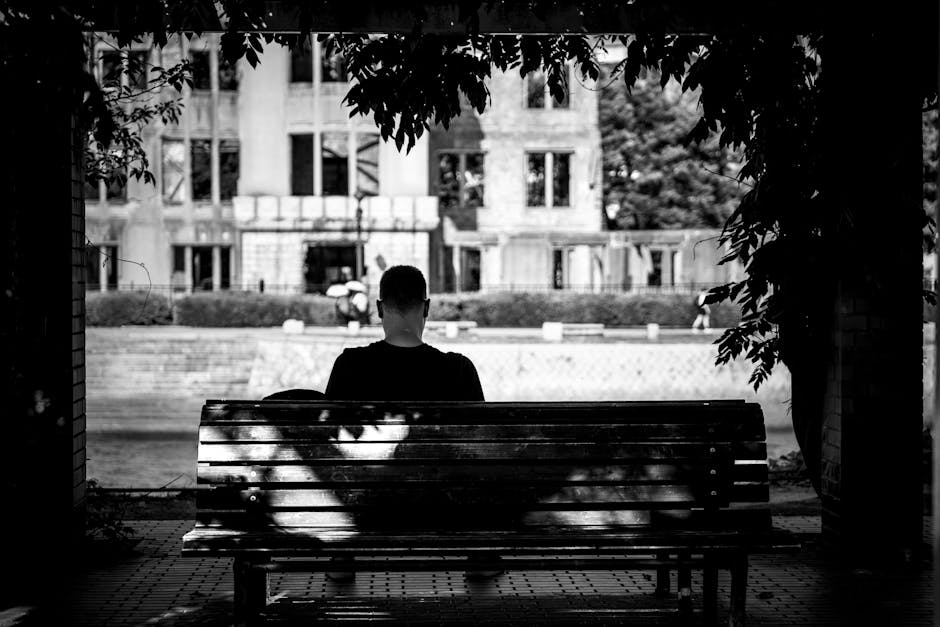
Discover Hiroshima's samurai history on this self-guided walk through Shukkeien Garden, the historic Hiroshima Castle, and serene Moto-machi parks.
 Easy
EasyHiroshima, Japan
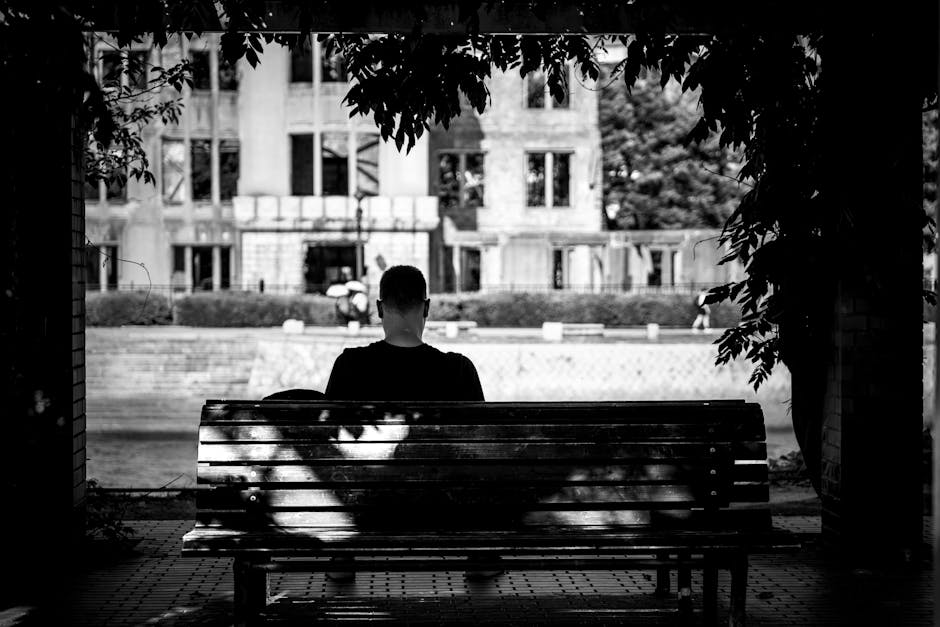
Explore Hiroshima's maritime heritage on this scenic self-guided walk from historic red-brick museums to the peaceful Ujina Lighthouse.
 Easy
EasyHiroshima, Japan
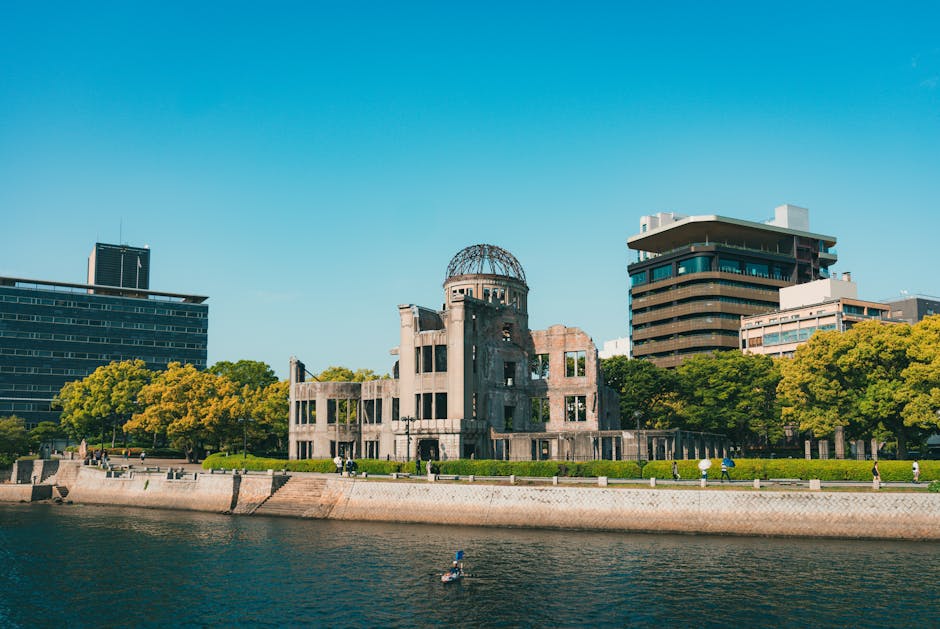
Discover Hiroshima’s architectural evolution from pre-war survivors to visionary modernist masterpieces on this self-guided walking route.
 Easy
EasyHiroshima, Japan
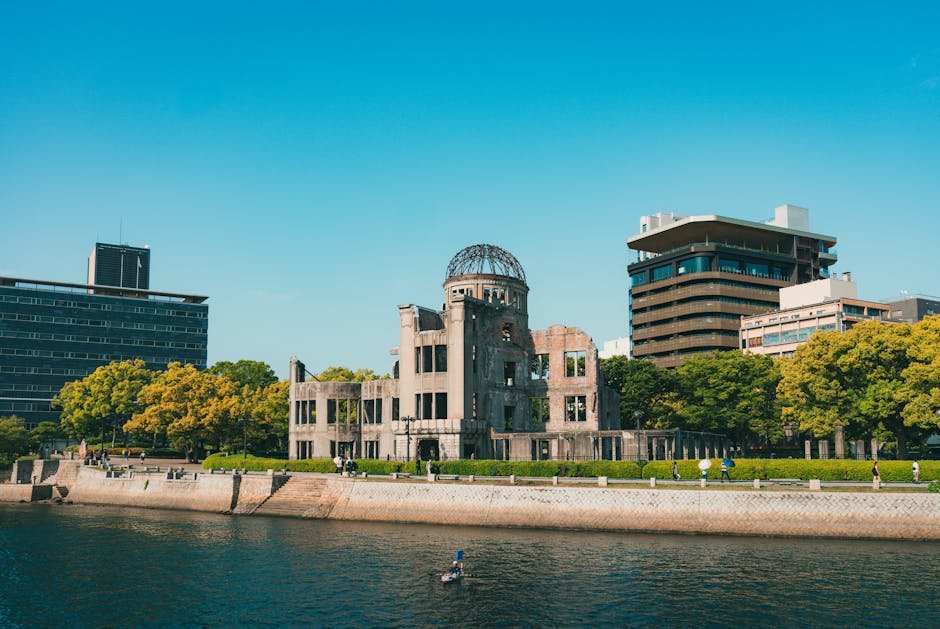
Explore Hiroshima's electric Nagarekawa district. A self-guided walk through neon alleys, savory street food, and hidden local culture.
 Moderate
Nairobi, Kenya
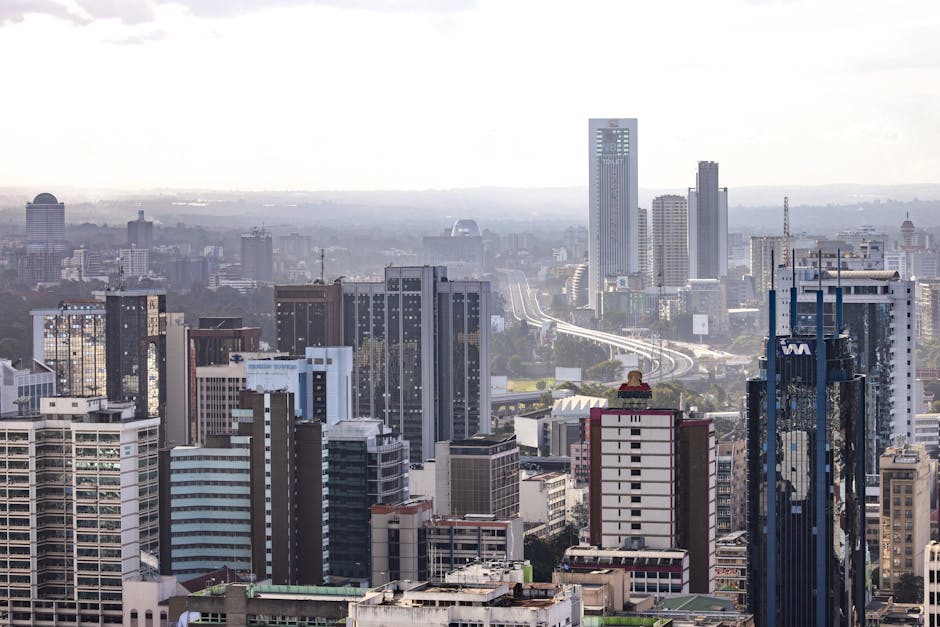
Discover Nairobi's lush side on this self-guided walk through botanical gardens, historic memorials, and vibrant local markets.
 Moderate
Gothenburg, Sweden
Explore Gothenburg’s lush "Green Lung" on this self-guided walk through the Botanical Garden, Slottsskogen park, and rugged Änggård Mountains.
 Easy
EasyGdansk, Poland
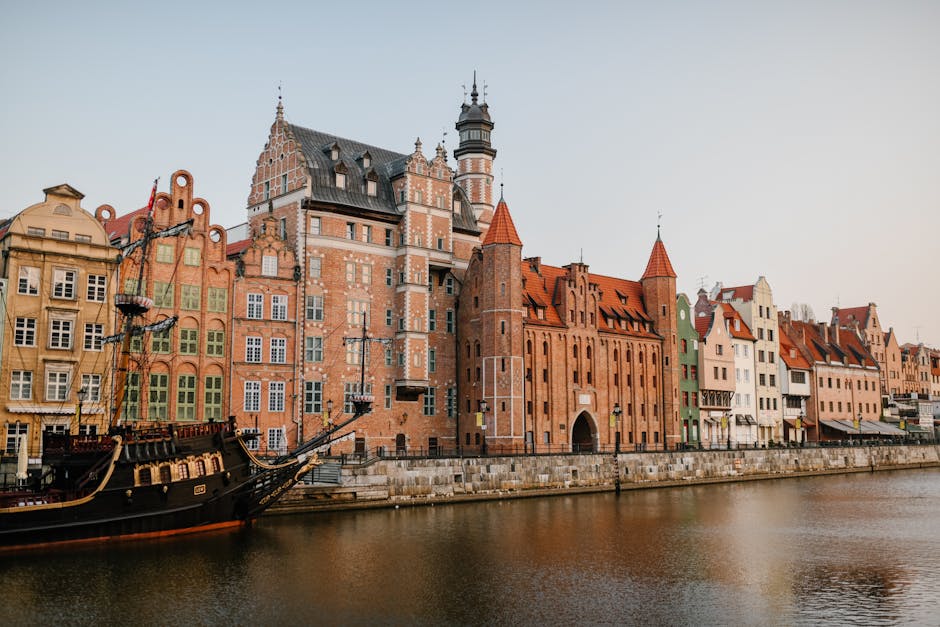
Discover the monastic heritage, world-famous organs, and lush botanical gardens of Oliwa on this peaceful self-guided neighborhood stroll.
 Moderate
Gdansk, Poland
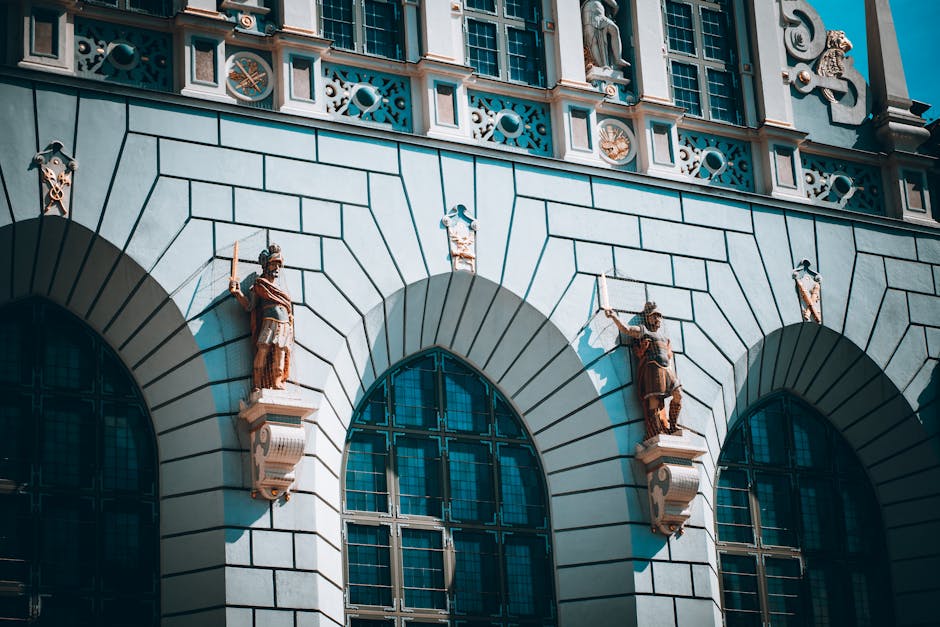
Discover Zaspa, a massive open-air gallery where grey housing blocks are transformed by over 60 monumental murals. Explore at your own pace.
 Moderate
Tokyo, Japan
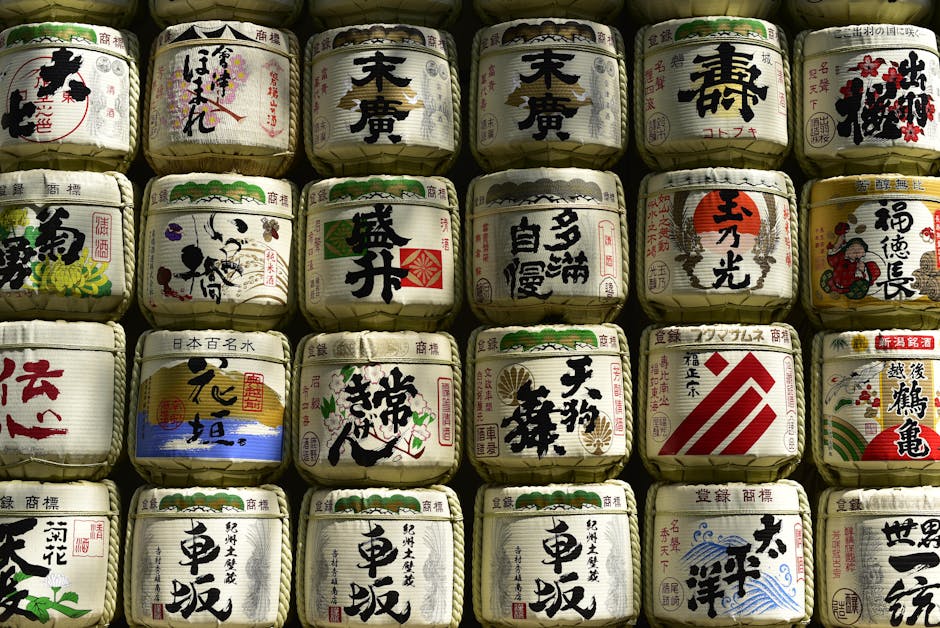
Discover Tokyo's premier creative district on this self-guided walk through Roppongi’s world-class museums and striking modern architecture.
 Easy
EasyTokyo, Japan
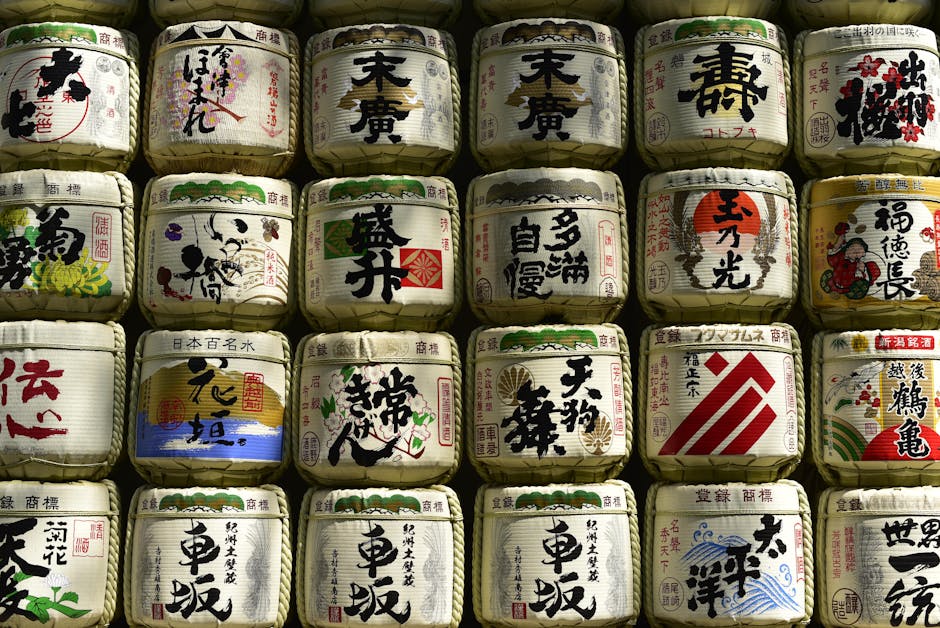
Discover the 'Old Tokyo' charm of Yanaka on this self-guided walk through historic temples, artisan alleys, and a stunning torii gate shrine.
 Easy
EasyTokyo, Japan
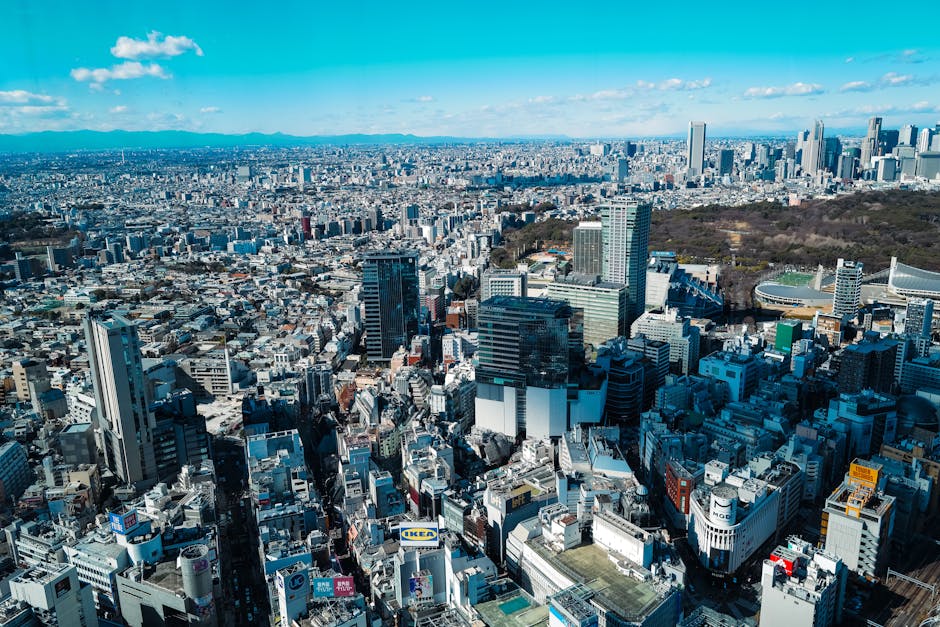
Experience Shibuya's electric energy on this self-guided walk from the iconic Scramble Crossing to the panoramic views of Shibuya Sky.
 Easy
EasyTokyo, Japan
Explore Tokyo's indie heart. From vintage fashion in Shimokitazawa to world-class art in Shinjuku, discover the city's creative soul independently.