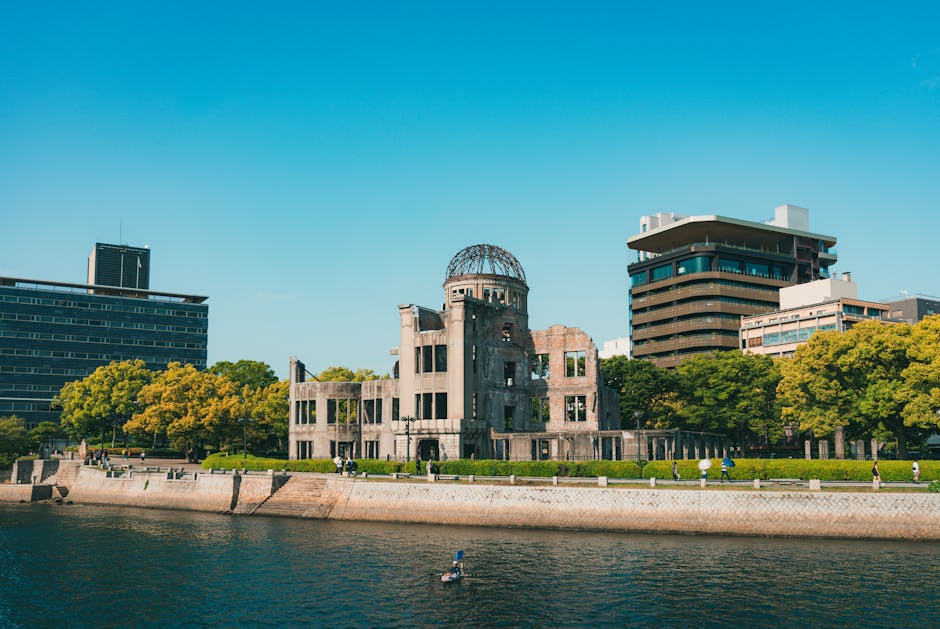
Self-guided audio tour in Hiroshima
Start Free on iPhone
Start free on iPhone to unlock this self-guided walking tour in Hiroshima. Hear all the stories that make it amazing, walk at your own pace, and begin whenever you want.
Your Private Tour Guide
Discover the intellectual soul of Hiroshima with this self-guided walk through Sendamachi, a neighborhood defined by its deep academic roots and resilient spirit. While many visitors flock directly to the city center, this walking route invites you to explore the quieter, scholarly corridors where Hiroshima’s modern identity was forged. You will begin in the heart of the medical and health sciences district before tracing the history of Hiroshima University, an institution that stands as a testament to the city’s post-war reconstruction. This neighborhood stroll offers a unique perspective on how education and peace activism are inextricably linked in local culture. As you navigate the Scholarly Path, you will encounter remarkable 'hibaku' architecture—buildings that survived the 1945 atomic bombing. The Former Faculty of Science Building is a hauntingly beautiful example of pre-war Romanesque style that remained standing against the odds. The route also takes you across the historic Miyuki-bashi Bridge, a site of immense emotional significance, and through the lush, meticulously landscaped Shukkeien Garden. This journey isn't just about old stones and textbooks; it is about the living legacy of a city that chose to rebuild itself as a 'City of Peace' through knowledge and culture. From the specialized libraries and modern campuses of Sendamachi to the iconic landmarks of Hiroshima Castle and the Peace Memorial Park, this walking tour Hiroshima provides a comprehensive look at the city's evolution. You will see how the academic heritage of the south seamlessly blends into the historical and commemorative sites of the center. Whether you are a history buff, an architecture enthusiast, or a curious traveler, this self-guided adventure allows you to uncover the hidden narratives of Hiroshima at your own pace. Explore the intersection of tradition and innovation as you wander through university grounds, serene gardens, and powerful monuments dedicated to global harmony.
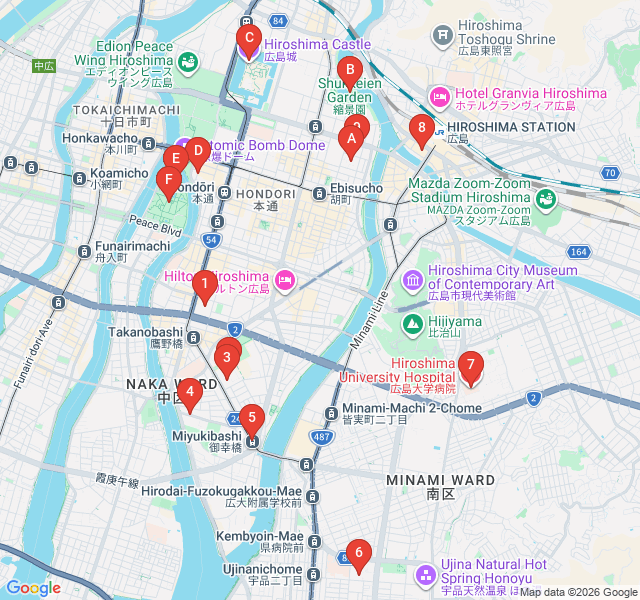
Numbers indicate the order of stops on the tour.
Start exploring at the Hiroshima Health Sciences Museum. This facility is dedicated to the history of medicine and public health in the region. It provides a fascinating look at how medical practices evolved in Hiroshima, especially in response to the unique challenges faced by the city in the mid-20th century. The exhibits here highlight the importance of healthcare education and the development of local medical institutions. As you begin your walk, reflect on the vital role that health and science play in the community's well-being and its recovery through the decades.
This campus serves as a bridge between Hiroshima University's prestigious past and its dynamic present. Originally the site of the main university before much of it moved to Higashi-Hiroshima, the Higashisenda area remains a hub for law and economic studies. The campus is a peaceful green space in the middle of the city, often bustling with students and faculty. Notice the blend of older administrative buildings and modern facilities, symbolizing the continuous pursuit of knowledge that defines this neighborhood's character.
Located within the university grounds, this monument is a somber reminder of the students and staff who lost their lives on August 6, 1945. The university was located roughly 1.5 kilometers from the hypocenter, and the loss of life was devastating. This site is a place of quiet reflection, honoring those whose academic journeys were tragically cut short. It serves as a cornerstone of the university's commitment to peace education, ensuring that the lessons of the past are never forgotten by future generations of scholars.
Stand before one of Hiroshima’s most significant 'hibaku' or A-bombed buildings. Completed in 1931, this three-story reinforced concrete structure survived the blast due to its sturdy construction, though its interior was gutted by fire. Its dark brick facade and arched windows are classic examples of early Showa-era architecture. Today, it stands as a silent witness to history, preserved to remind us of the city's endurance. It is one of the few remaining physical links to the pre-war academic landscape of Sendamachi.
Miyuki-bashi Bridge is more than just a crossing over the Kyobashi River; it is a site of immense historical weight. On the day of the atomic bombing, this bridge became a gathering point for survivors seeking water and medical help. It was here that the famous photograph by Yoshito Matsushige was taken, capturing the immediate and harrowing aftermath of the blast. Today, the bridge has been modernized, but its legacy as a place of survival and human connection remains a central part of Hiroshima's narrative.
Continue your stroll to the Hiroshima Campus of the Prefectural University. This institution focuses on human culture and sciences, contributing to the city's reputation as a center for higher learning. The architecture here is contemporary, reflecting the forward-looking nature of Hiroshima's academic community. The university plays a key role in regional development and international exchange, showcasing the modern face of the Scholarly Path and how the city continues to foster global perspectives through education.
The Kasumi Campus is the dedicated home for the university's medical, dental, and pharmaceutical schools. This area has been a center for medical excellence for over a century. The campus houses various research institutes and a major university hospital. As you pass through, consider the immense contribution of this campus to the health of the local population and its international reputation in radiation medicine research—a field born directly from the city's unique and tragic history.
Moving north towards the city center, you reach the Central Library. This is a vital resource for the citizens of Hiroshima, housing an extensive collection of literature, historical documents, and research materials. The library serves as the intellectual heart of the community, offering a quiet space for study and discovery. Its location near other cultural institutions makes it a key stop on our scholarly route, emphasizing the accessibility of knowledge for all residents and visitors alike.
One of the newest additions to the city's academic landscape, Eikei University represents a modern approach to social innovation and global challenges. The sleek, vertical campus is designed to encourage collaboration and creative thinking. It stands as a symbol of Hiroshima's ongoing evolution, proving that the city's scholarly tradition is not just about looking back, but also about preparing the next generation to tackle the complexities of the 21st century.
Named after Queen Elisabeth of Belgium, this private Jesuit university is a prestigious center for musical education. Founded by Father Ernest Goossens after the war, it was intended to heal the city through the power of music. The campus often resonates with the sounds of rehearsals and performances. The university's presence adds a lyrical and spiritual dimension to the Scholarly Path, highlighting the diverse ways in which education and the arts contribute to Hiroshima's cultural fabric.
Step into a world of traditional beauty at Shukkeien Garden. Dating back to 1620, the name translates to 'shrunken-scenery garden,' as it mimics miniature versions of mountains, valleys, and forests. Though it was almost completely destroyed in 1945, it was painstakingly restored to its former glory. As you walk around the central Takoei Pond, notice how the garden provides a peaceful sanctuary from the urban environment. It is a masterpiece of landscape architecture and a testament to the enduring Japanese appreciation for nature.
Known as the 'Carp Castle,' this historic fortress was originally built in the 1590s. While the original structure was destroyed by the atomic bomb, the main keep was rebuilt in 1958 and now serves as a museum of Hiroshima's history prior to World War II. The castle is surrounded by a wide moat and impressive stone walls. The grounds offer a glimpse into the city's feudal past and provide a stark contrast to the modern university buildings you visited earlier in the walk.
This modest stone marker denotes the exact point above which the atomic bomb detonated at an altitude of approximately 600 meters. Located in a quiet side street near Shima Hospital, the monument marks the 'Ground Zero' of the blast. It is a powerful place of reflection, marking the epicenter of a moment that changed the course of human history. Stand here for a moment to contemplate the scale of the event and the incredible resilience of the city that grew back around this very spot.
The Children's Peace Monument is one of the most moving sites in the park. It was inspired by Sadako Sasaki, a young girl who developed leukemia ten years after the bombing and believed that folding 1,000 paper cranes would grant her a wish for health. Though she passed away, her story inspired a nationwide campaign to build this monument for all children affected by the bomb. You will often see thousands of colorful paper cranes sent from all over the world displayed here as symbols of hope and peace.
Your journey concludes in the Peace Memorial Park. Once the city's busiest commercial district, this area was transformed into a vast green space dedicated to the legacy of the first nuclear attack and the hope for world peace. From here, you can see the iconic Atomic Bomb Dome across the river. The park is home to the Memorial Cenotaph, which frames the Flame of Peace. As you finish your self-guided walk, take time to absorb the park's atmosphere of solemnity and its powerful message of 'never again.'
Start Free on iPhone
Explore “The Scholarly Path: Sendamachi’s Academic Heritage” with your very own Private Tour Guide with Zigway. Start free on iPhone, skip the large group and the fixed routes, and hear the city come alive as you go.
Your Private Tour Guide
Don't miss the good stuff
Explore Freely
 Moderate
Hiroshima, Japan
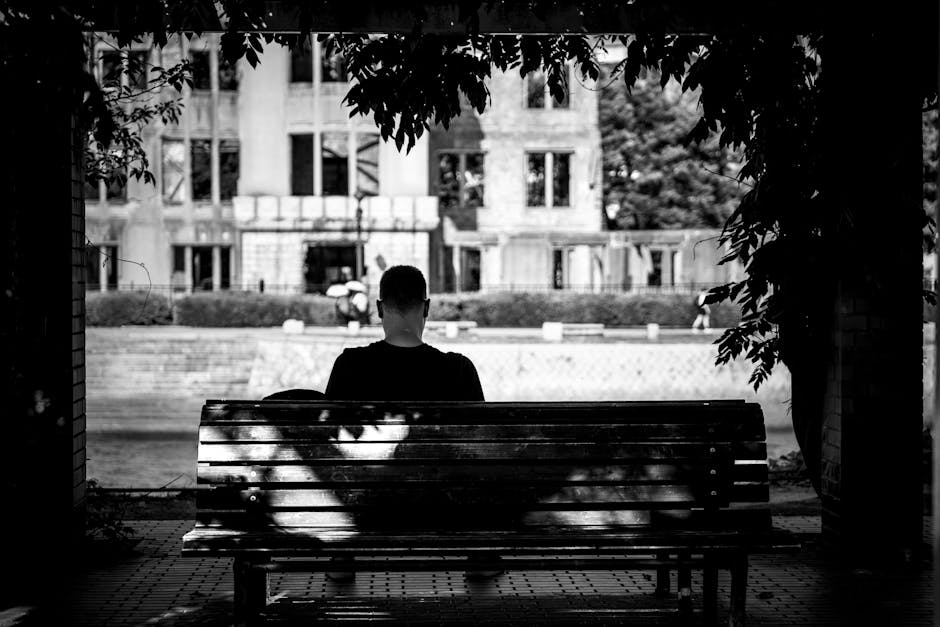
Discover Hiroshima's samurai history on this self-guided walk through Shukkeien Garden, the historic Hiroshima Castle, and serene Moto-machi parks.
 Easy
EasyHiroshima, Japan
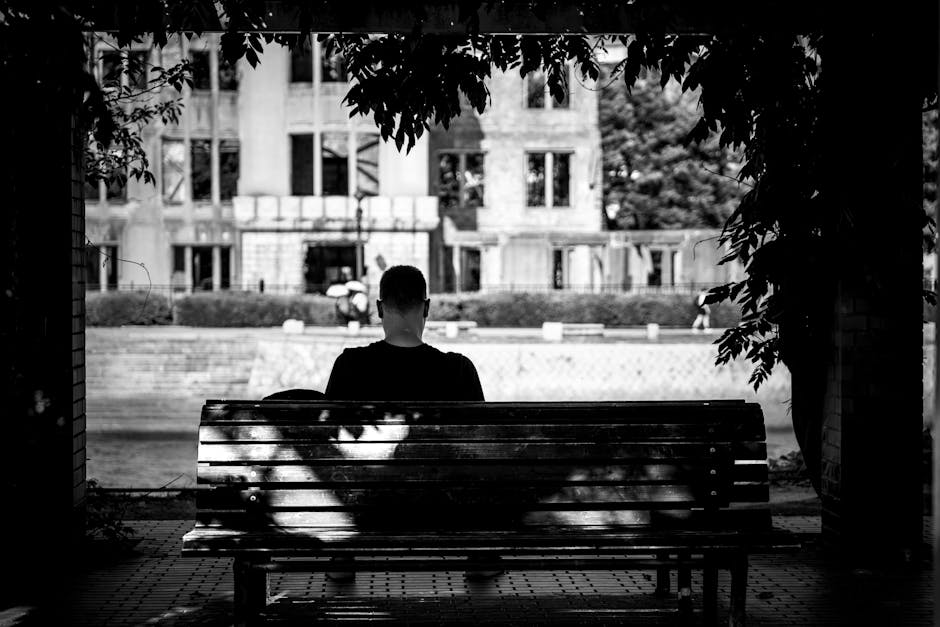
Explore Hiroshima's maritime heritage on this scenic self-guided walk from historic red-brick museums to the peaceful Ujina Lighthouse.
 Easy
EasyHiroshima, Japan
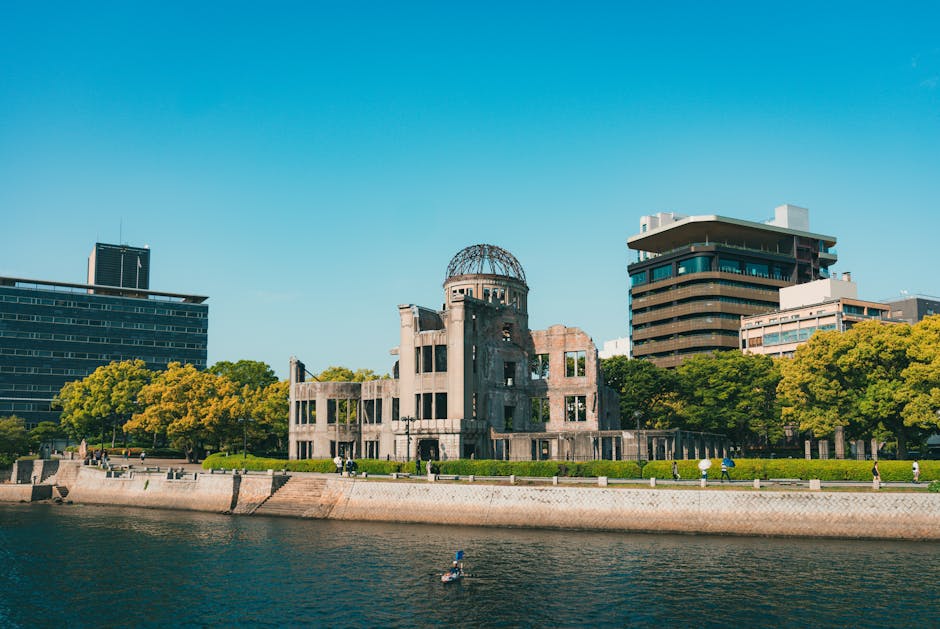
Discover Hiroshima’s architectural evolution from pre-war survivors to visionary modernist masterpieces on this self-guided walking route.
 Easy
EasyHiroshima, Japan
Explore Hiroshima's electric Nagarekawa district. A self-guided walk through neon alleys, savory street food, and hidden local culture.
 Easy
EasyNairobi, Kenya
Discover Nairobi’s literary soul on this self-guided walk through historic libraries, iconic bookshops, and cultural centers in the heart of the CBD.
 Easy
EasyKrakow, Poland
Explore the prestigious Jagiellonian University district, featuring Neo-Gothic architecture, Baroque churches, and Krakow's hidden scholarly gems.
 Moderate
Gdansk, Poland
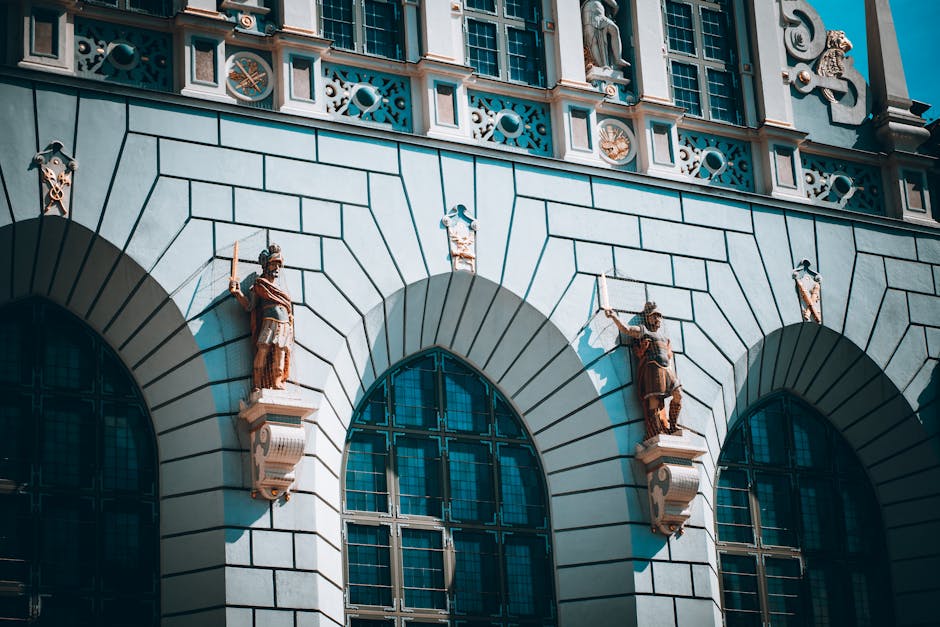
Discover the origins of WWII in Gdansk on this self-guided walk through heroic last stands, massive museums, and strategic hilltop fortifications.
 Easy
EasyGothenburg, Sweden
Explore Gothenburg's elegant academic district, featuring grand 19th-century stone architecture and the iconic cultural hub of Götaplatsen.
 Moderate
Tokyo, Japan
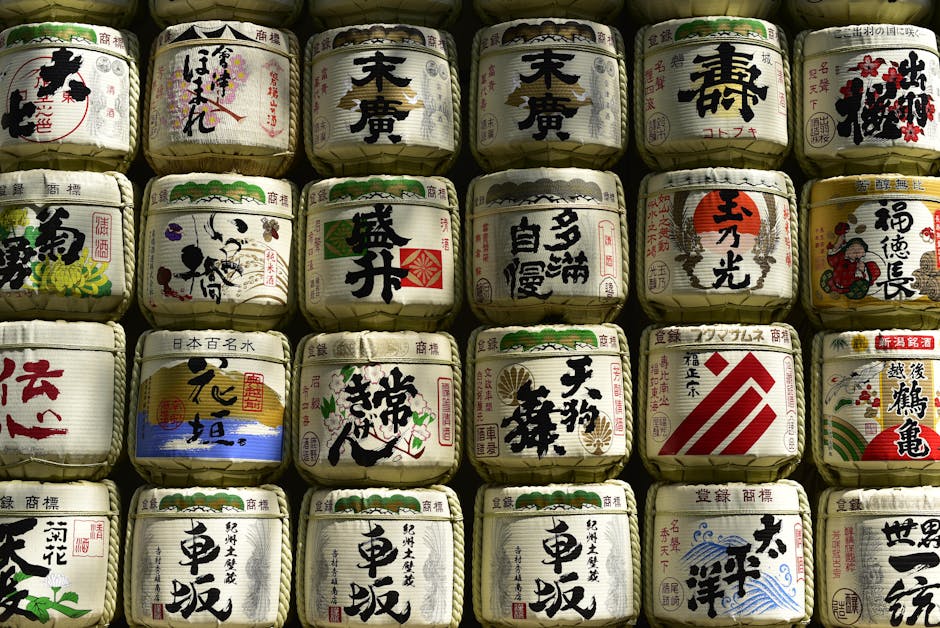
Discover Tokyo's premier creative district on this self-guided walk through Roppongi’s world-class museums and striking modern architecture.
 Easy
EasyTokyo, Japan
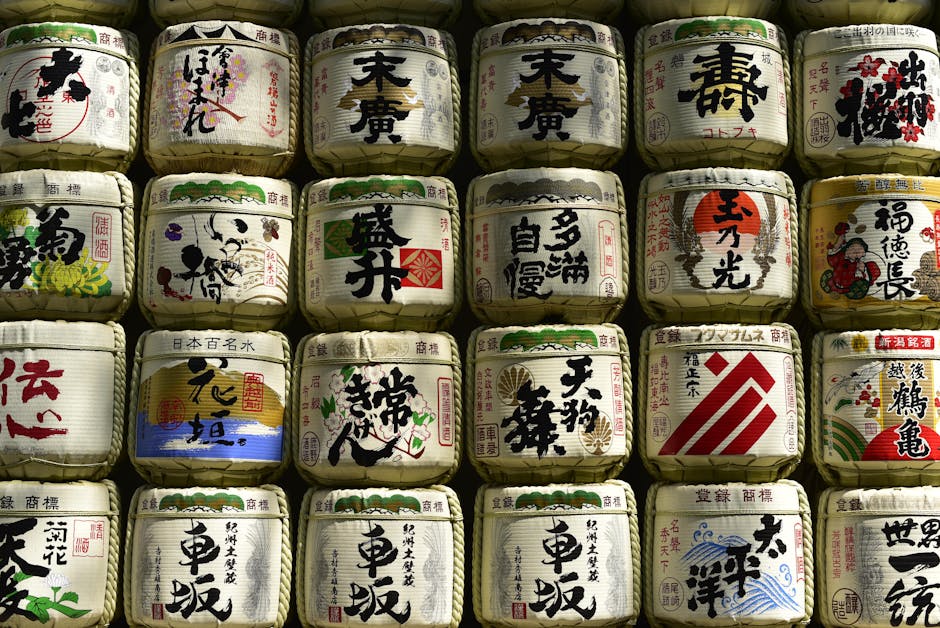
Discover the 'Old Tokyo' charm of Yanaka on this self-guided walk through historic temples, artisan alleys, and a stunning torii gate shrine.
 Easy
EasyTokyo, Japan
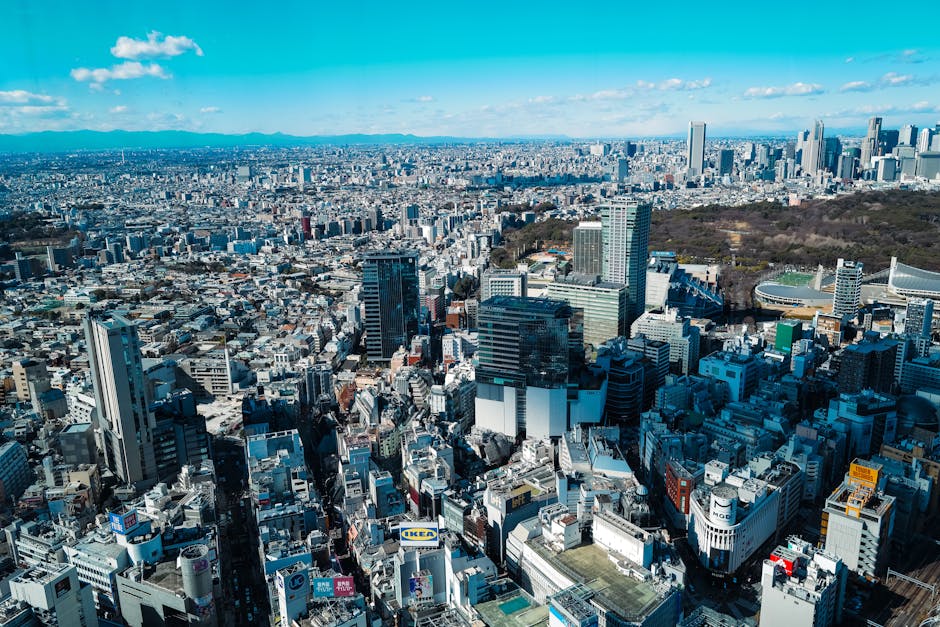
Experience Shibuya's electric energy on this self-guided walk from the iconic Scramble Crossing to the panoramic views of Shibuya Sky.
 Easy
EasyTokyo, Japan
Explore Tokyo's indie heart. From vintage fashion in Shimokitazawa to world-class art in Shinjuku, discover the city's creative soul independently.