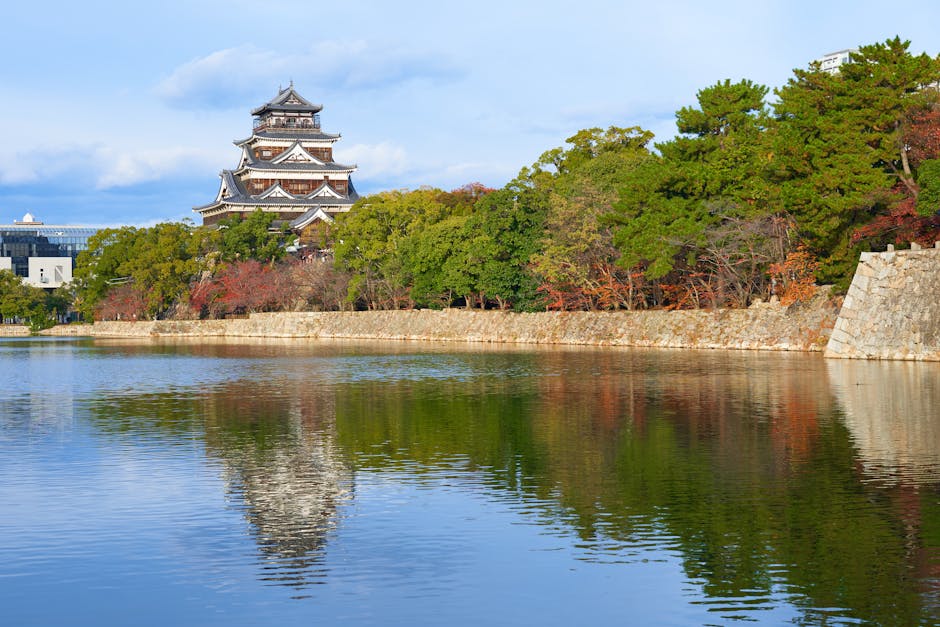
Self-guided audio tour in Hiroshima
Start Free on iPhone
Start free on iPhone to unlock this self-guided walking tour in Hiroshima. Hear all the stories that make it amazing, walk at your own pace, and begin whenever you want.
Your Private Tour Guide
Experience the gentle side of Hiroshima with this self-guided walk along the Kyobashi River, a route that perfectly balances the city's poignant history with its vibrant contemporary lifestyle. Known as the 'City of Water,' Hiroshima is defined by its six rivers, but the Kyobashi offers a uniquely peaceful atmosphere, lined with open-air terraces and weeping willows. This neighborhood stroll invites you to witness how the city has transformed into a hub of nature and leisure, making it a favorite for photography enthusiasts and those seeking a quiet morning escape. Your journey begins at the historic Inari Bridge, serving as a gateway to the riverside. As you explore independently, you will encounter a mix of somber memorials and joyful modern spaces. The route takes you through the Kyobashi Terrace area, where the 'River Do!' project has created a Mediterranean-style atmosphere with wooden decks and charming cafes. This is one of the best spots in the city to capture the reflection of the morning light on the water or to simply enjoy a coffee while watching the local sculling teams practice. Beyond the riverbanks, this walking route leads you to some of Hiroshima's most significant cultural landmarks. You will discover the intricate landscape of Shukkeien Garden, a 'shrunken-scenery' masterpiece that dates back to 1620, and the forested heights of Hijiyama Park, which offers panoramic views of the urban skyline. Whether you are interested in the quirky charm of local animal cafes or the architectural elegance of historic bridges, this walk showcases the resilience and beauty of Hiroshima. This self-guided adventure allows you to set your own pace, ensuring you have plenty of time to stop for photos or a riverside snack. Discover why the Kyobashi area is considered a local favorite for a morning promenade, away from the typical tourist crowds.
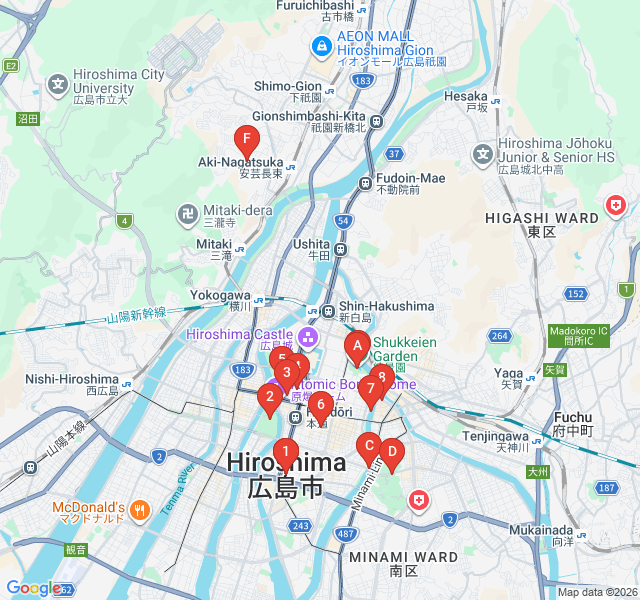
Numbers indicate the order of stops on the tour.
Start your self-guided walk at Inari Bridge, a vital crossing point that connects the Hiroshima Station area to the historic downtown. As you stand here, look down the Kyobashi River; this view is a classic Hiroshima scene, characterized by wide banks and lush greenery. The bridge itself survived the atomic bombing in 1945, though it has been significantly renovated since. It serves as a symbolic entry point to the Kyobashi-cho district, a neighborhood that has reinvented itself as a center for riverside leisure and nature-focused urban living.
A short walk along the bank brings you to this memorial cenotaph. While the Peace Memorial Park is the city's primary site for reflection, smaller memorials like this one are scattered throughout the city, marking locations of specific significance. Take a moment here to appreciate the quietude. The river, once a scene of tragedy, is now a place of life and renewal. This stop highlights the 'nature' theme of our walk, showing how green spaces and water have become integral to the city's healing and memorialization process.
For a change of pace, you'll pass the Cat Café MOFF. This represents the modern, quirky side of Hiroshima’s urban culture. Animal cafes are a staple of Japanese city life, offering residents a chance to interact with pets in high-density neighborhoods. Even if you don't head inside, the presence of such playful, contemporary spaces right next to historic riverbanks illustrates the unique blend of old and new that defines this walking route. It’s a popular spot for locals to unwind before starting their workday.
Located near the river, the Aqua Alive Museum (Motomachi Aquarium) is a small, specialized facility focused on aquatic life. It’s an easy-to-miss gem that emphasizes Hiroshima's identity as a 'water city.' The exhibits here often focus on the delicate ecosystems of Japan's rivers and coastal waters. It’s a great stop for photography enthusiasts interested in capturing the play of light through water and glass, and it reinforces the environmental connection of the Kyobashi promenade.
This beautiful sunken garden is named after Hiroshima's German sister city, Hannover. The garden is designed in a European style, featuring geometric flower beds and a peaceful atmosphere that feels worlds away from the surrounding city. It was established to commemorate the bond between the two cities, both of which faced significant destruction during World War II and were subsequently rebuilt. The vibrant colors of the seasonal flowers make this an essential stop for anyone looking to capture the perfect garden photo.
Continuing the theme of Hiroshima’s unique animal encounters, Owl de Base is a well-known local spot where visitors can see various species of owls. In Japanese culture, owls are often seen as symbols of luck and protection. This quirky stop adds a layer of 'only in Japan' charm to your stroll. The neighborhood around here is filled with small, independent businesses, making it a great place to observe the daily routines of Hiroshima residents as they go about their morning.
Kyobashi Bridge is one of the most aesthetically pleasing crossings in the city. Its design is classic and understated, providing a perfect frame for the river views. This bridge was a key landmark during the city's Edo-period history when it served as part of the Saigoku Kaido, the main highway through western Japan. Today, it is the heart of the Kyobashi Terrace area. From the bridge, you can see the wooden decks of the riverside cafes, which have become a symbol of Hiroshima's modern urban revitalization.
This is the highlight of the Kyobashi promenade. The 'River Do!' project transformed these banks into a vibrant social space. The cafe terraces here offer a rare opportunity in Japan to dine right at the water's edge. It’s an ideal spot for a mid-walk break. Grab a coffee or a light snack and enjoy the 'nature' vibe as you watch birds dive into the river and commuters cycle past on the opposite bank. The wooden boardwalks are highly photogenic, especially when the morning sun hits the water.
You are now at the entrance of one of Japan's most celebrated historic gardens. Shukkeien literally means 'shrunken-scenery garden,' as it is designed to mimic various famous landscapes in miniature, including mountains, valleys, and forests. While there is a modest entry fee, the experience inside is a cornerstone of Hiroshima's cultural heritage. The garden was originally created for the Asano clan, the feudal lords of Hiroshima, and has been meticulously restored to its former glory after 1945.
Located inside Shukkeien Garden, Kokokyo is a stunning arched stone bridge. Its name translates to 'Rainbow Bridge,' and it is the focal point of the garden's central pond. The bridge is a marvel of traditional engineering and survived the 1945 blast, though it required extensive repair. Walking across it provides a different perspective of the garden's meticulously pruned pines and the koi fish swimming below. It is arguably the most photographed spot in the entire garden, capturing the essence of Japanese landscape design.
Spend some time wandering the winding paths of Shukkeien. Every turn offers a new, carefully composed view. The garden is designed around a central pond (Takuei-chi) with several small islands. It’s a masterclass in 'borrowed scenery,' where the surrounding city is hidden by clever planting, making you feel as though you’ve stepped back into the Edo period. Depending on the season, you might see plum blossoms, cherry blossoms, or vibrant autumn maples. It’s the ultimate stop for nature and photography lovers on this route.
As you leave the garden area and head south, you'll reach the Tsurumi Bridge. This viewpoint offers a grand perspective of the river and the approach to Hijiyama Park. The bridge is often lined with cherry trees that erupt in pink during the spring. From here, you can see how the city's topography changes as the flat river delta meets the rising hills. It’s a great place to pause and orient yourself before the final leg of the walk toward the park.
Hijiyama Park is a massive green space set on a hill overlooking the city. It serves as a cultural hub, housing the Hiroshima City Museum of Contemporary Art and the Manga Library. The park is famous for its 'skywalk'—a long escalator that takes you up the hillside. Once at the top, you are rewarded with sweeping views of Hiroshima and the Seto Inland Sea in the distance. The park’s forested trails and modern sculptures provide a perfect conclusion to the 'nature' and 'photography' themes of our walk.
Located in a quiet pocket of the neighborhood, Bird's Nest (Torinosu) is a charming local eatery known for its cozy atmosphere and focus on fresh ingredients. After a morning of walking, this is a fantastic place to experience local hospitality. The name reflects its tucked-away, comfortable vibe. It’s a favorite for those who want to avoid the more commercialized dining areas and enjoy a meal that feels truly 'local.'
Our final stop is Oukatei, a restaurant that offers a refined take on local flavors, often featuring beautiful views of the surrounding greenery. It’s a sophisticated end to your promenade. Whether you choose to have a full meal or just a refreshing drink, it’s a place to sit back and reflect on the diverse sights you’ve seen—from the somber memorials to the flourishing gardens and the lively riverside terraces. You’ve successfully explored the heart of Hiroshima’s riverside culture.
Start Free on iPhone
Explore “Kyobashi Terrace: A Riverside Morning Promenade” with your very own Private Tour Guide with Zigway. Start free on iPhone, skip the large group and the fixed routes, and hear the city come alive as you go.
Your Private Tour Guide
Don't miss the good stuff
Explore Freely
 Moderate
Hiroshima, Japan
Discover Hiroshima's samurai history on this self-guided walk through Shukkeien Garden, the historic Hiroshima Castle, and serene Moto-machi parks.
 Easy
EasyHiroshima, Japan
Explore Hiroshima's maritime heritage on this scenic self-guided walk from historic red-brick museums to the peaceful Ujina Lighthouse.
 Easy
EasyHiroshima, Japan
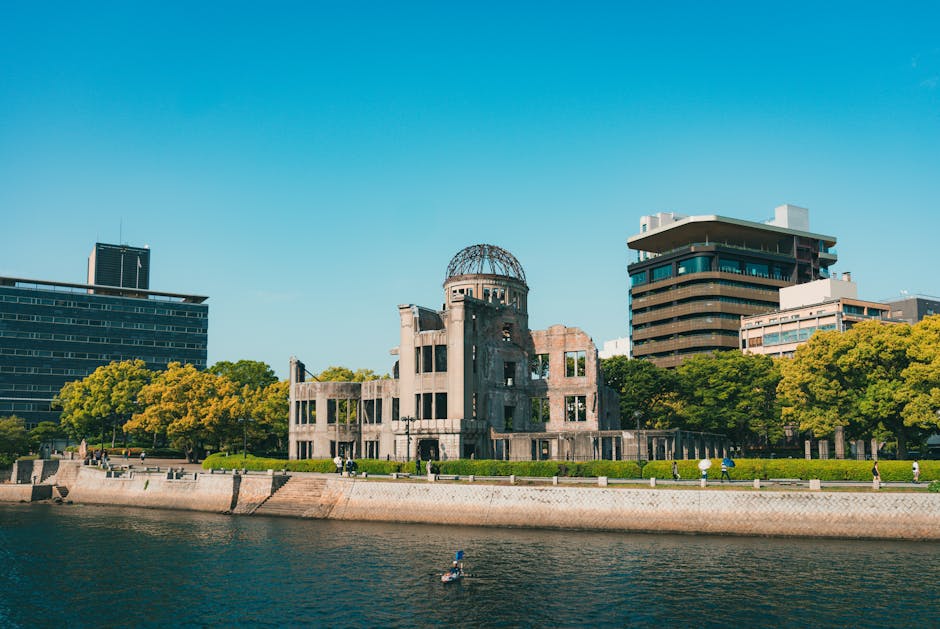
Discover Hiroshima’s architectural evolution from pre-war survivors to visionary modernist masterpieces on this self-guided walking route.
 Easy
EasyHiroshima, Japan
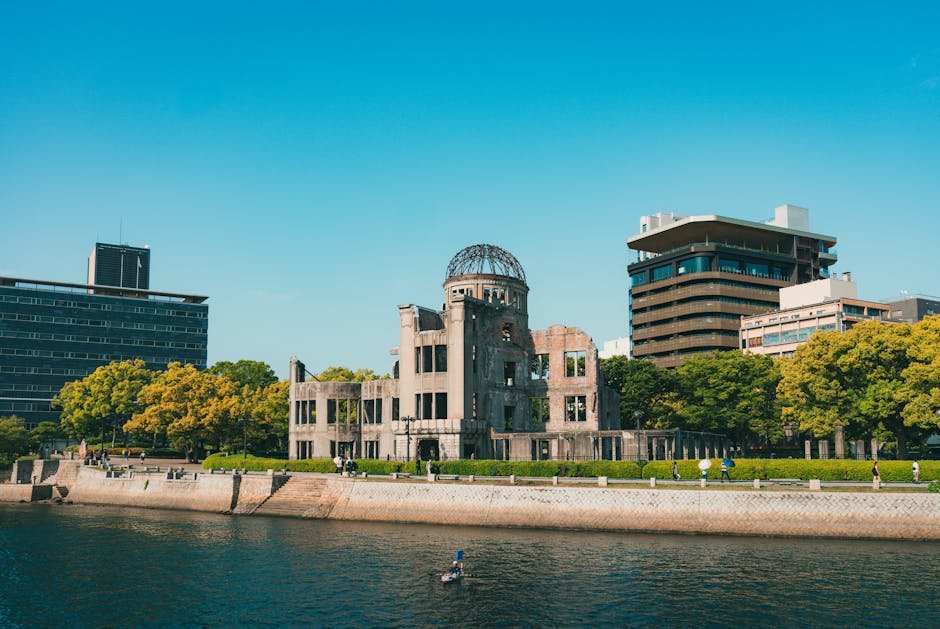
Explore Hiroshima's electric Nagarekawa district. A self-guided walk through neon alleys, savory street food, and hidden local culture.
 Easy
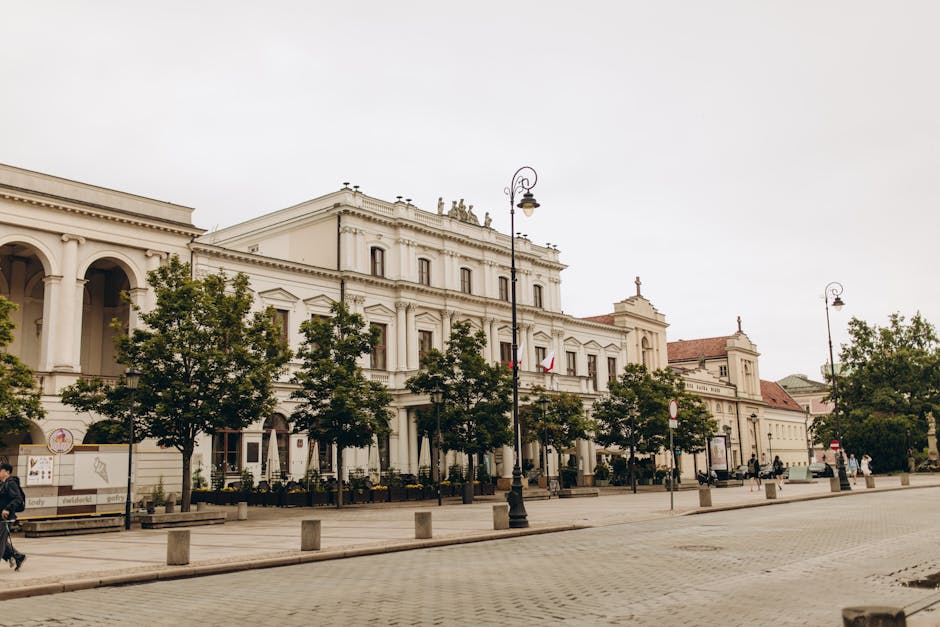
EasyWarsaw, Poland
Discover Warsaw's intellectual heart through historic campuses, peaceful parks, and the stunning rooftop gardens of the University Library.
 Moderate
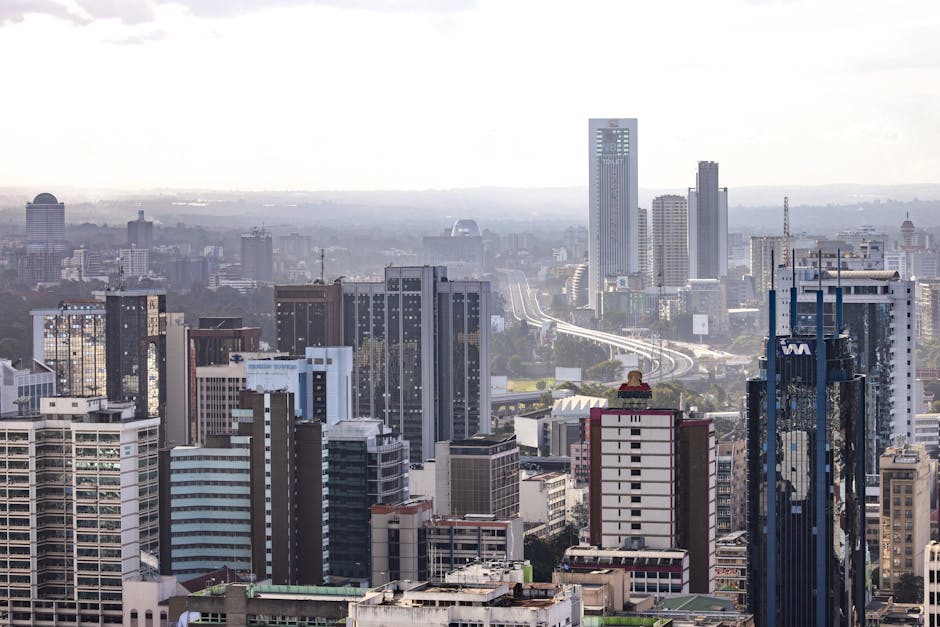
Nairobi, Kenya
Discover Nairobi's lush side on this self-guided walk through botanical gardens, historic memorials, and vibrant local markets.
 Easy
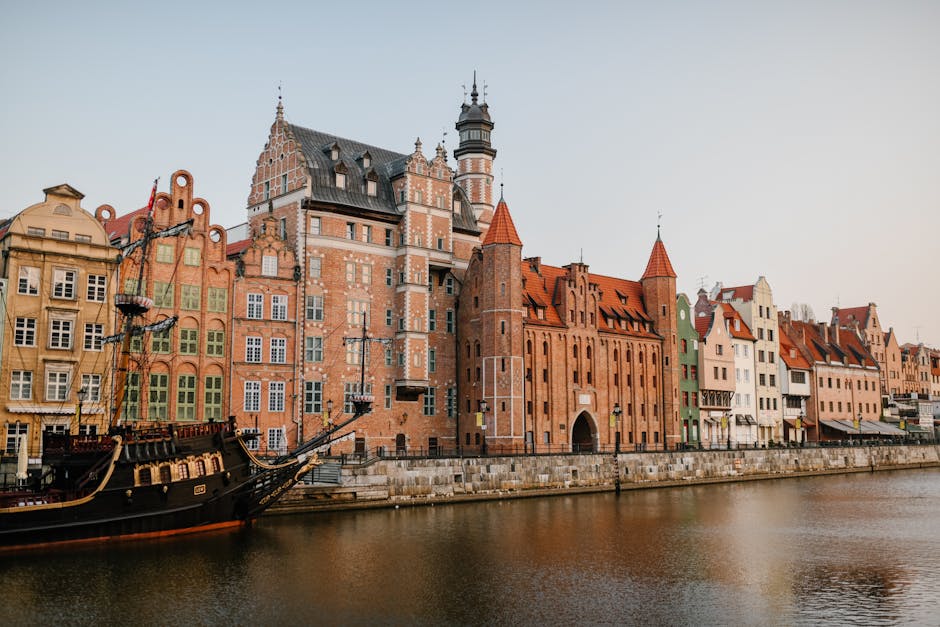
EasyGdansk, Poland
Discover the monastic heritage, world-famous organs, and lush botanical gardens of Oliwa on this peaceful self-guided neighborhood stroll.
 Moderate
Gothenburg, Sweden
Explore Gothenburg’s lush "Green Lung" on this self-guided walk through the Botanical Garden, Slottsskogen park, and rugged Änggård Mountains.
 Moderate
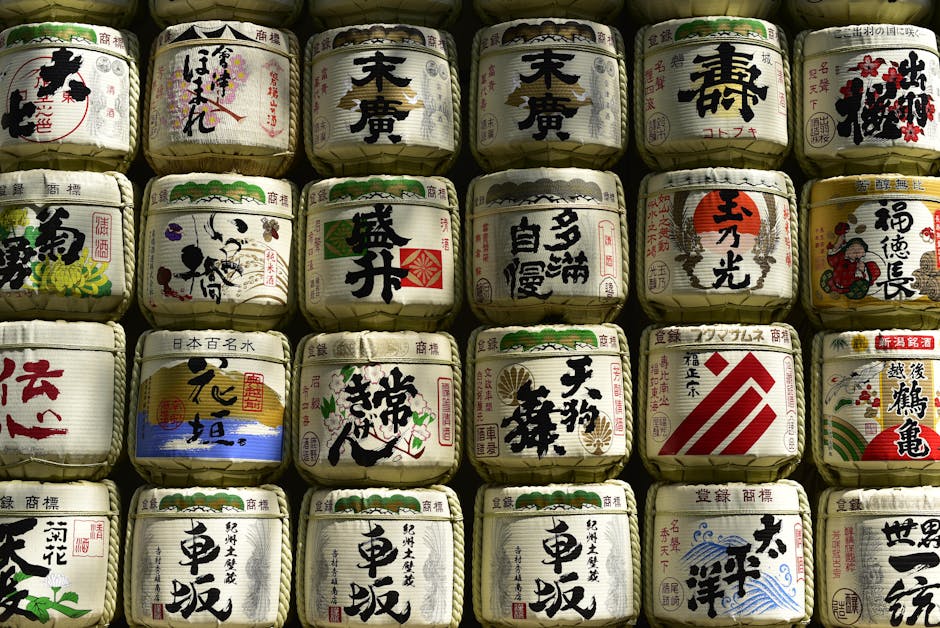
Tokyo, Japan
Discover Tokyo's premier creative district on this self-guided walk through Roppongi’s world-class museums and striking modern architecture.
 Easy
EasyTokyo, Japan
Discover the 'Old Tokyo' charm of Yanaka on this self-guided walk through historic temples, artisan alleys, and a stunning torii gate shrine.
 Easy
EasyTokyo, Japan
Experience Shibuya's electric energy on this self-guided walk from the iconic Scramble Crossing to the panoramic views of Shibuya Sky.
 Easy
EasyTokyo, Japan
Explore Tokyo's indie heart. From vintage fashion in Shimokitazawa to world-class art in Shinjuku, discover the city's creative soul independently.