Self-guided audio tour in Osaka
Start Free on iPhone
Start free on iPhone to unlock this self-guided walking tour in Osaka. Hear all the stories that make it amazing, walk at your own pace, and begin whenever you want.
Your Private Tour Guide
Step into a world where the futuristic optimism of the 1970s meets the profound history of ancient Japan. This self-guided walk invites you to explore the legacy of Expo '70, an event that redefined Osaka as a global center of art and innovation. You will begin in the sprawling Expo '70 Commemorative Park, home to the surreal Tower of the Sun, a masterpiece by Taro Okamoto that still stands as a sentinel of avant-garde expression. This neighborhood stroll captures the essence of 'Progress and Harmony for Mankind,' the Expo's original theme, while weaving through meticulously designed Japanese gardens and modernist pavilions. As you transition from the northern outskirts into the heart of the city, the narrative shifts from mid-century modernism to the elegance of the Meiji era and the power of the Sengoku period. This walking route Osaka travelers love connects the greenery of Suita with the urban waterways of Nakanoshima, where Western-inspired architecture and rose gardens provide a serene contrast to the bustling metropolis. You will discover how the city has layered its history, from the ancient foundations of the Naniwa-no-Miya Palace to the iconic reconstructed walls of Osaka Castle. The journey is a feast for the senses, blending the tranquility of Dream Pond with the vibrant energy of the Tennoji district. Whether you are admiring the intricate stone masonry of the Ōte-mon Gate or exploring the ethnographic treasures of the National Museum of Ethnology, this audio walk provides the context needed to appreciate Osaka’s multifaceted identity. To conclude your exploration, you can unwind in a themed hot spring experience that recreates the atmosphere of the Azuchi-Momoyama period, bridging the gap between historical reverence and modern leisure. This travel experience offers a comprehensive look at how art, nature, and history converge in Japan's kitchen, allowing you to discover the city's soul at your own pace.
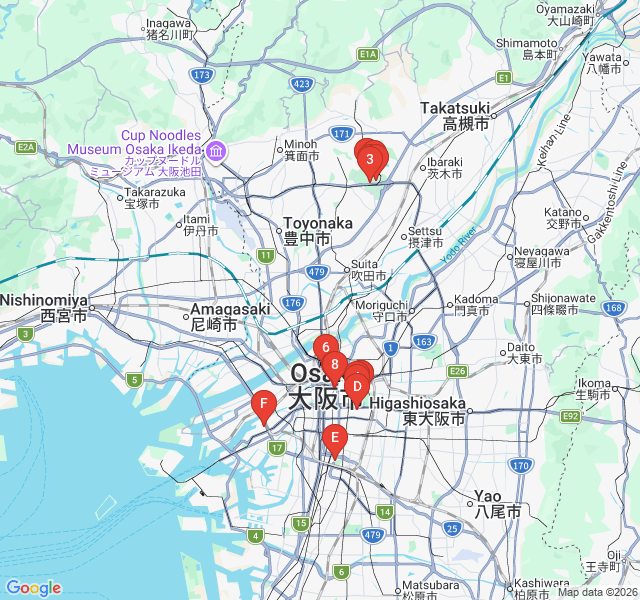
Numbers indicate the order of stops on the tour.
Welcome to 'Minpaku,' one of the world's largest research museums dedicated to ethnology. Established in the mid-1970s on the former Expo grounds, this facility houses a staggering collection of artifacts representing cultures from every corner of the globe. As you walk through the exhibits, notice the focus on 'interconnectedness'—a core philosophy of the 1970 World Expo. The museum's architecture itself is a marvel of late-modernism, designed by Kisho Kurokawa, a leading figure in the Metabolism movement. It serves as a bridge between the futuristic ideals of the Expo and the timeless traditions of humanity.
Standing nearly 70 meters tall, the Tower of the Sun is the unmistakable symbol of Expo '70. Created by artist Taro Okamoto, the tower features three faces: the 'Face of the Golden Sun' at the top representing the future, the 'Face of the Sun' on the front for the present, and the 'Black Sun' on the back for the past. It was originally part of a massive 'Big Roof' structure. While the roof is gone, the tower remains an avant-garde icon, representing the raw, chaotic energy of life. Its presence here continues to inspire a sense of wonder and artistic rebellion.
This 26-hectare garden was created for the Expo to showcase the peak of Japanese landscaping. It is unique because it is divided into four sections, each representing a different era: the Heian, Kamakura/Muromachi, Edo, and Modern periods. As you wander the paths, you are essentially walking through the history of Japanese aesthetic philosophy. From the elegant ponds of the aristocracy to the minimalist Zen rock gardens, this space offers a peaceful retreat that highlights the deep connection between Japanese culture and the natural world.
Housed in the former Steel Pavilion, this museum is a time capsule of the 1970 World Fair. During the Expo, this building featured an 'Space Theater' with a massive array of speakers for cutting-edge acoustic performances. Today, it preserves the memories of the 64 million people who visited the site. Look for the original models, posters, and the famous 'Time Capsule Expo '70' which was buried nearby, intended to be opened 5,000 years in the future. It’s a poignant reminder of an era that looked toward the future with unparalleled optimism.
The Dream Pond was once the centerpiece of the Expo’s amusement area. Its most famous features were the futuristic fountains designed by Isamu Noguchi. Though the mechanical fountains are now static sculptures, the pond remains a vital part of the park's landscape. Noguchi’s work here blended sculpture with water and engineering, embodying the 'Progress and Harmony' theme. It’s a perfect spot to reflect on how the Expo grounds transitioned from a high-tech playground into a lush, mature forest park over the last five decades.
Now located in the bustling Umeda district, Izumino Hiroba (Fountain of Information Plaza) serves as a modern urban gateway. While the original Expo-era fountain was recently replaced during renovations, the plaza remains a vital meeting point for art and transit. It represents Osaka’s 'underground city' culture. The current design features a 'Water Tree' light installation that mimics the flow of a fountain, continuing the legacy of water as a central motif in Osaka's urban planning. It marks your transition from the parklands of Suita into the heart of the metropolis.
Nakanoshima Park is Osaka’s oldest public park, established in 1891 on a narrow island between the Dojima and Tosabori Rivers. This area was the commercial and administrative heart of the city during the Meiji period. As you walk, you'll see grand Western-style buildings like the Osaka City Central Public Hall. The park represents a shift in Japanese urbanism, where public leisure spaces were modeled after European cities. It’s a beautiful example of how Osaka embraced international influences while maintaining its unique riverside identity.
Located within Nakanoshima Park, this garden features over 3,000 rose bushes of approximately 310 varieties. When in bloom, the scent is intoxicating and the colors are vibrant against the backdrop of the city's skyscrapers. The rose garden is a favorite for local photographers and couples. It symbolizes the 'Nature' component of our walk, showing how even in a densely packed city like Osaka, floral beauty is meticulously curated and celebrated as part of the public experience.
As you enter the Osaka Castle grounds, you find yourself in the Nishinomaru Garden. This lush lawn was once the site of the residence for Kita-no-Mandokoro, the wife of Toyotomi Hideyoshi. It offers the most famous view of the castle tower, framed by hundreds of cherry trees. The garden highlights the defensive yet aesthetic nature of Japanese castle architecture, where wide open spaces served as both a buffer against invaders and a place of high-status beauty for the ruling elite.
The Ōte-mon is the main gate of Osaka Castle and a registered Important Cultural Property. Notice the massive 'octopus stone' nearby—a giant granite slab that demonstrates the incredible engineering and power of the Shogunate. The gate’s heavy timber and iron plating were designed to be impenetrable. Walking through this gate, you are following the path of samurai and lords who once entered this fortress. The sheer scale of the masonry here is a testament to the labor and artistry involved in feudal Japanese construction.
The current Main Keep is a 1931 concrete reconstruction of the original 16th-century tower, but it sits on the original massive stone foundations. Inside, a museum details the life of Toyotomi Hideyoshi, the unifier of Japan who first built the castle. The gold-leaf accents and dolphin-shaped 'shachihoko' on the roof are symbols of prestige and protection against fire. From the top observatory, you can see the entire city, realizing the strategic importance of this site in controlling the surrounding plains and waterways.
This central plaza, surrounding the Miraiza building (a former military headquarters), is the social heart of the castle grounds. Here, history meets modern tourism. The Miraiza itself is an architectural curiosity—a 1930s European-style brick building sitting right next to a traditional Japanese keep. It serves as a reminder of the early 20th-century trend of blending 'Eastern spirit with Western technology.' Take a moment to appreciate the contrast between the medieval walls and the modern skyline visible in the distance.
Long before Osaka Castle was built, this site was the Naniwa Palace, the capital of Japan in the 7th and 8th centuries. Today, only the stone foundations and post holes remain, but the park preserves the footprint of the Daigokuden (Great Hall of State). This is where the Emperor once sat. Standing here, you are at the literal foundation of Japanese statehood. The open space provides a stark, minimalist contrast to the verticality of the nearby castle, reminding us of the city's ancient roots.
Opened in 1915, Tennoji Zoo is the third oldest zoo in Japan. It was established during a period of rapid modernization when Japan was eager to showcase exotic animals to the public. While it has evolved toward modern conservation practices, it remains a nostalgic landmark in the Tennoji district. The zoo's location, adjacent to the historic Shitennoji Temple and the modern Abeno Harukas skyscraper, perfectly encapsulates Osaka’s ability to stack different eras of history within a single neighborhood view.
Your final stop is Solaniwa Onsen, one of the largest hot spring theme parks in Kansai. Designed to resemble the Azuchi-Momoyama period—the era of Hideyoshi—it blends traditional relaxation with modern entertainment. You can walk through a rooftop Japanese garden in a yukata (light kimono), reflecting on the day's journey from the futuristic Expo Park to the ancient palace ruins. It is a fitting end to a walk centered on art and nature, offering a sensory immersion into Japan's golden age of culture.
Start Free on iPhone
Explore “Expo '70 Legacy: Art and Nature” with your very own Private Tour Guide with Zigway. Start free on iPhone, skip the large group and the fixed routes, and hear the city come alive as you go.
Your Private Tour Guide
Don't miss the good stuff
Explore Freely
 Moderate
Osaka, Japan
Discover the soul of Osaka on this self-guided walk through the hidden markets of Tsuruhashi, the neon of Namba, and the scale of Umeda.
 Easy
EasyOsaka, Japan
Explore Osaka's futuristic skyline, from the iconic Umeda Sky Building to hidden shrines, on this self-guided architectural walking route.
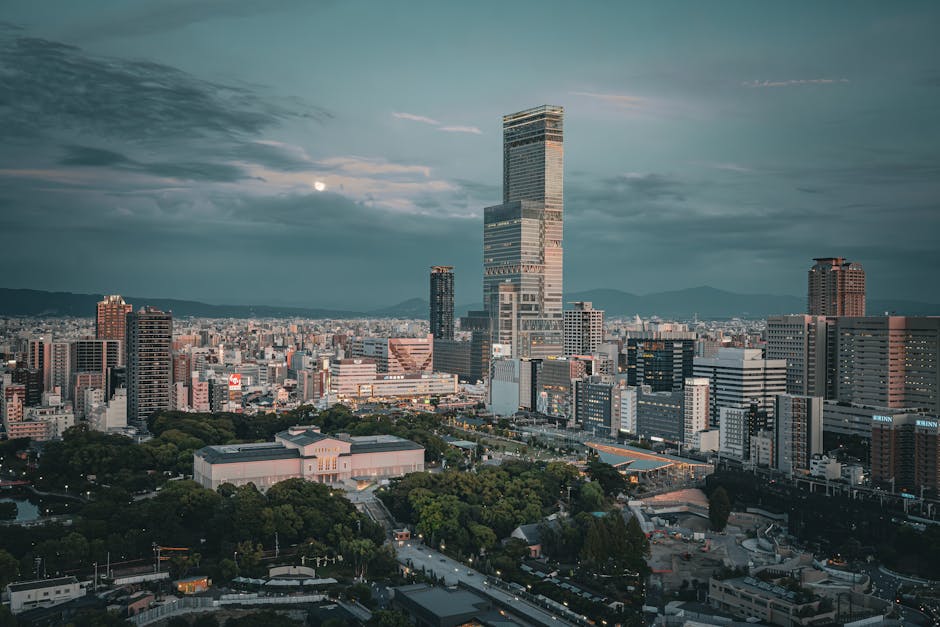 Easy
EasyOsaka, Japan
Explore Osaka's 'American Village' on this self-guided walk through street art, vintage fashion, and the heart of Japanese youth culture.
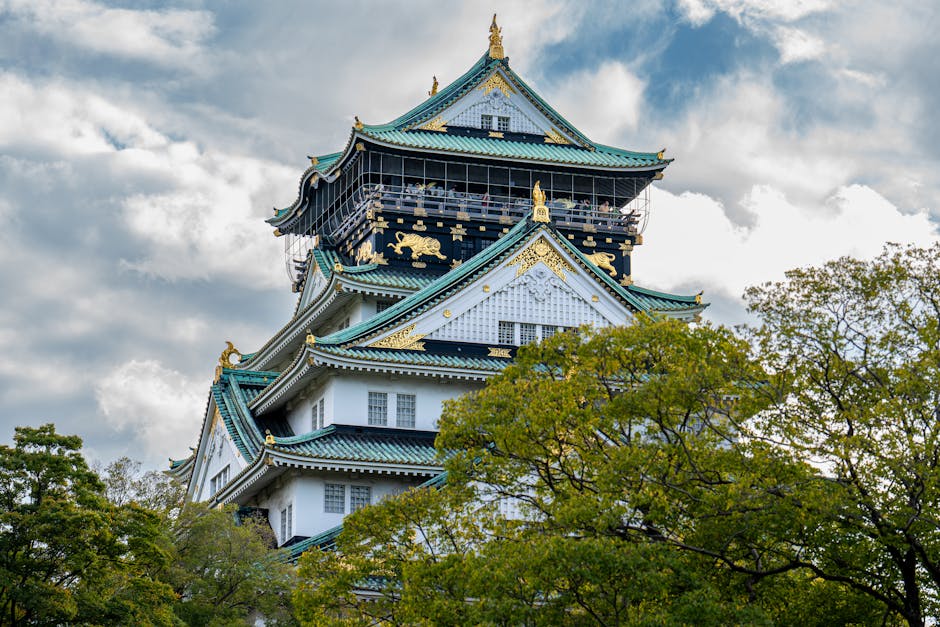 Easy
EasyOsaka, Japan
Explore the retro charm and neon-lit alleys of Shinsekai on this self-guided walk through Osaka's most nostalgic district.
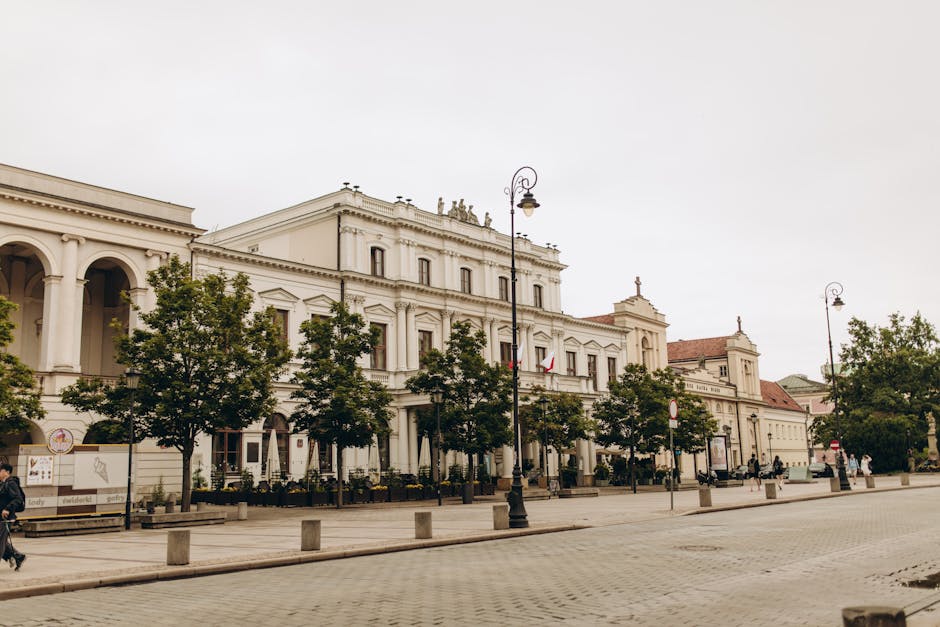 Easy
EasyWarsaw, Poland
Explore the 'Polish Versailles' at your own pace. Discover Baroque architecture, royal history, and stunning gardens on this self-guided walk.
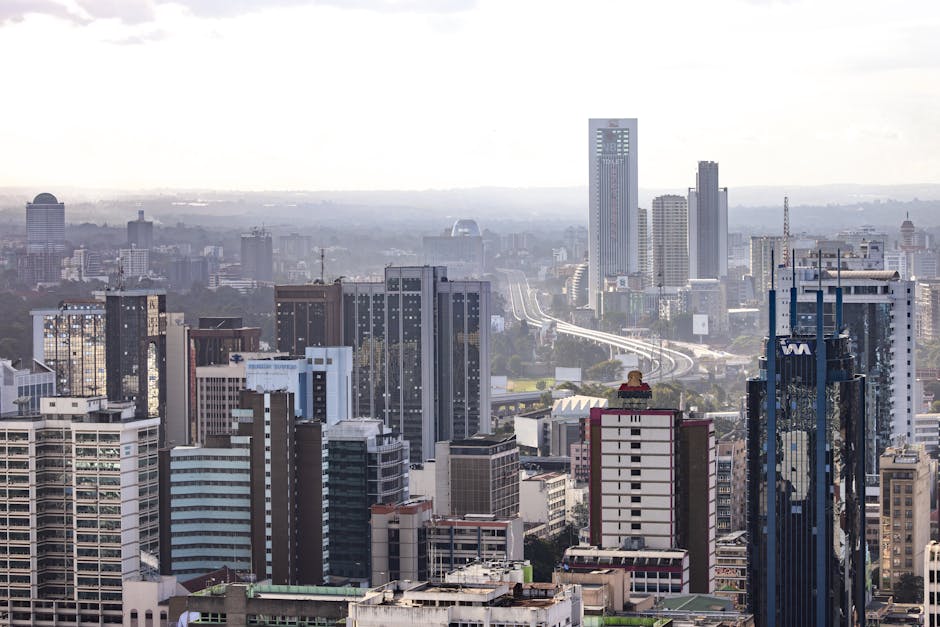 Easy
EasyNairobi, Kenya
Discover Nairobi's iconic skyline on this self-guided architecture walk through the CBD’s most famous modernist and Brutalist landmarks.
 Easy
EasyGdansk, Poland
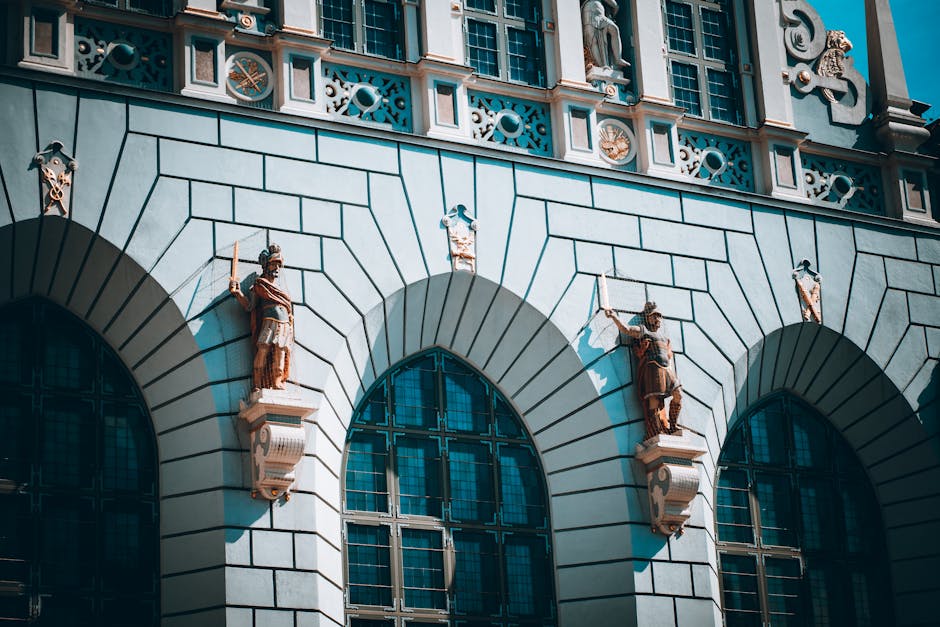
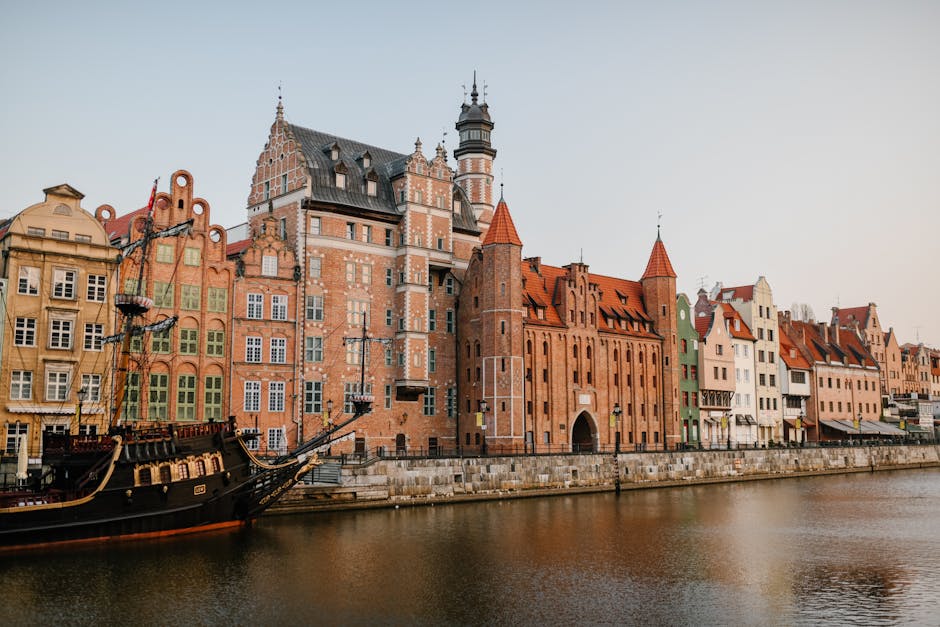
Discover the opulent Royal Way of Gdansk at your own pace. Explore Hanseatic history, gilded architecture, and the iconic Neptune's Fountain.
 Easy
EasyGdansk, Poland
Discover the monastic heritage, world-famous organs, and lush botanical gardens of Oliwa on this peaceful self-guided neighborhood stroll.
 Moderate
Tokyo, Japan
Discover Tokyo's premier creative district on this self-guided walk through Roppongi’s world-class museums and striking modern architecture.
 Easy
EasyTokyo, Japan
Discover the 'Old Tokyo' charm of Yanaka on this self-guided walk through historic temples, artisan alleys, and a stunning torii gate shrine.
 Easy
EasyTokyo, Japan
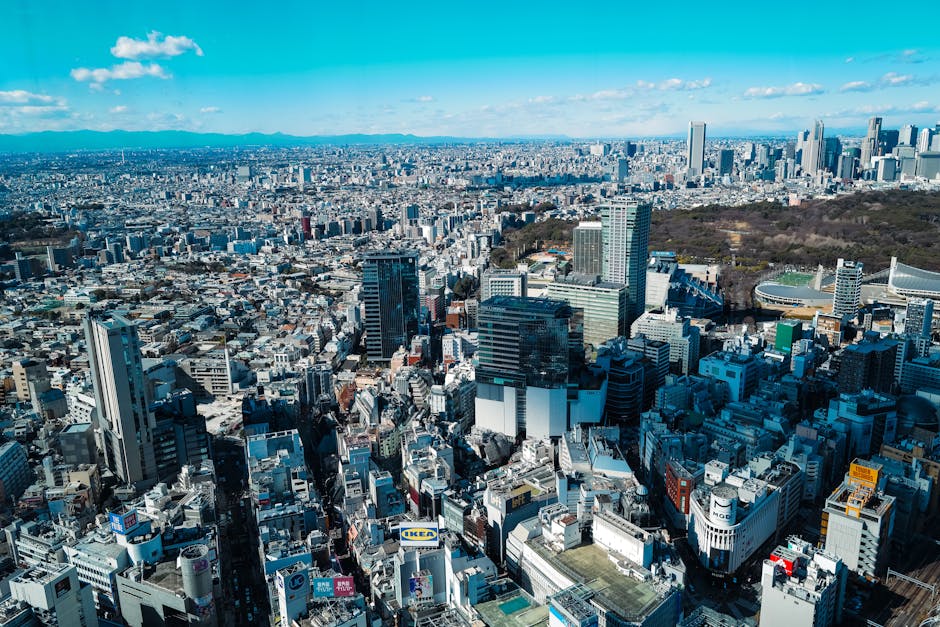
Experience Shibuya's electric energy on this self-guided walk from the iconic Scramble Crossing to the panoramic views of Shibuya Sky.
 Easy
EasyTokyo, Japan
Explore Tokyo's indie heart. From vintage fashion in Shimokitazawa to world-class art in Shinjuku, discover the city's creative soul independently.