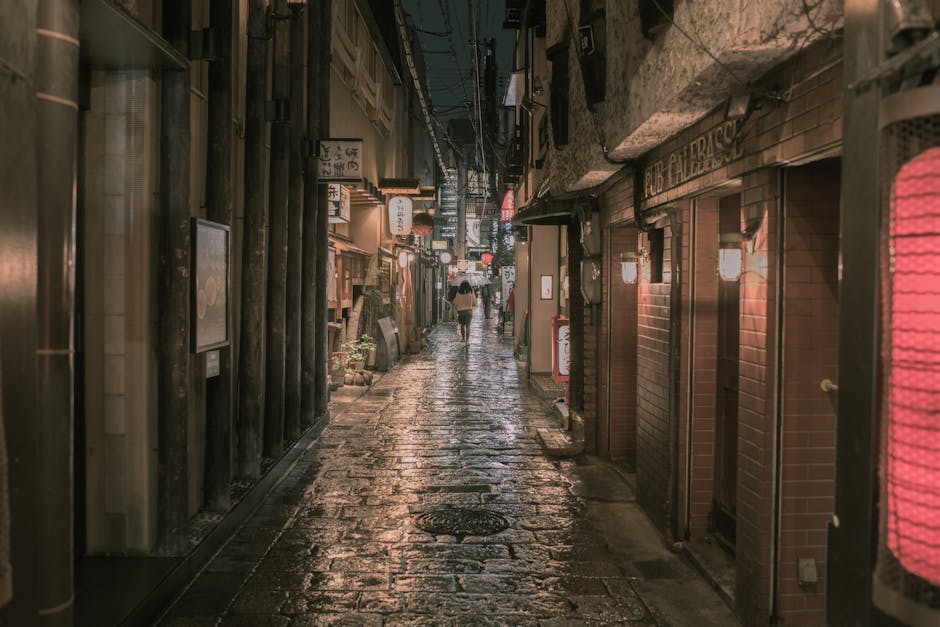
Self-guided audio tour in Osaka
Start Free on iPhone
Start free on iPhone to unlock this self-guided walking tour in Osaka. Hear all the stories that make it amazing, walk at your own pace, and begin whenever you want.
Your Private Tour Guide
Step into a side of Osaka that many visitors overlook, beginning in the labyrinthine alleys of Tsuruhashi. This neighborhood stroll offers a deep dive into the city's rich multicultural tapestry, specifically the vibrant history and culinary influence of the Zainichi Korean community. This self-guided walk begins amidst the narrow, steam-filled passages of the Tsuruhashi Market, where the scent of fermenting kimchi and charcoal-grilled meat creates an atmosphere unlike anywhere else in Japan. As you explore independently, you will see how this area evolved from a post-war black market into one of the country's most significant cultural enclaves. Moving beyond the 'Little Korea' of Ikuno, this walking route bridges the gap between traditional immigrant heritage and the neon-soaked commercial heart of Osaka. You will transition from the gritty, authentic stalls of Tsuruhashi to the 'Kitchen of Japan' at Kuromon Market. The journey continues through the bustling Shinsaibashi-suji and Namba districts, where historic department stores like Takashimaya stand alongside modern icons like the Don Quijote Ferris wheel. This route is a study in contrasts, showcasing how Osaka balances its gritty merchant roots with its status as a global shopping and dining powerhouse. While many people look for a walking tour Osaka experience that only hits the main landmarks, this route provides the context needed to understand the city's soul. You will discover the stories behind the jiggling cheesecakes of Rikuro-ojisan and the architectural evolution of Umeda. By choosing a self-guided adventure, you have the flexibility to linger over street food in Korea Town or lose yourself in the massive department stores of the north. This is more than just a walk; it is a cross-section of Osaka life, spanning from the humble market stalls of the east to the high-rise luxury of the Umeda district, and even touching upon the serene temple life that lies just beyond the city's frantic pace. **Note:** This area is known for its ever-changing character. Street art, pop-up venues, and temporary exhibitions may differ from what's described. That's part of the adventure - you might discover something entirely new!
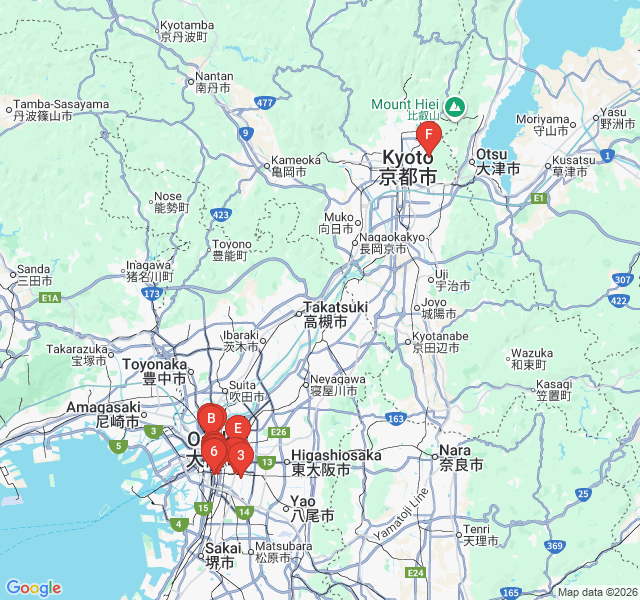
Numbers indicate the order of stops on the tour.
Welcome to the Tsuruhashi Market, a sprawling labyrinth that feels worlds away from the polished glass of modern Osaka. This area emerged as a black market following World War II and has since become the heart of the city's Korean community. As you wander through the narrow, dim passages, you'll find hundreds of small stalls selling everything from traditional Korean wedding silks to specialized cooking ingredients. The air here is thick with the aroma of sesame oil and spices. This is an authentic slice of Osaka's merchant history, where the lines between home and business are often blurred in the tightly packed stalls.
As you exit the main market, you'll notice an immediate shift in the atmosphere—and the smell. Tsuruhashi is considered the birthplace of 'Yakiniku' or Japanese-style Korean barbecue in the Kansai region. After the war, when meat was scarce, the local Korean population utilized offal and other cuts that were typically discarded, grilling them over charcoal with flavorful sauces. Today, the area surrounding the station is a dense cluster of barbecue restaurants. It’s a sensory experience of sizzling fat and sweet soy-based marinades that defines the neighborhood’s culinary identity.
A short walk from the station brings you to Miyuki-dori, better known as Ikuno Korea Town. While Tsuruhashi Market is more traditional and gritty, this area is a vibrant celebration of modern K-culture. You will find a colorful array of shops selling K-pop merchandise, Korean cosmetics, and an endless variety of street food like 'hoteok' pancakes and cheesy corn dogs. This neighborhood has seen a massive surge in popularity due to the 'Hallyu' wave, making it a favorite spot for locals and visitors alike to experience the fusion of Japanese and Korean lifestyle.
Known as 'Osaka's Kitchen,' Kuromon Market has served the city's professional chefs and home cooks for over 190 years. This 600-meter-long covered arcade is packed with approximately 150 shops specializing in fresh seafood, meat, and produce. While it has become a popular spot for travelers, it remains a vital piece of the city's food infrastructure. Look for the giant hanging models of blowfish and crabs that mark the various stalls. It's a fantastic place to observe the high standards of Japanese ingredients, from marbled Wagyu beef to perfectly ripe white strawberries.
In the heart of the Namba entertainment district, you'll encounter the sensory explosion that is Don Quijote. Often called 'Donki,' this discount chain is a Japanese cultural phenomenon. The Namba Sennichimae branch is a vertical maze of everything from high-end electronics and designer handbags to quirky snacks and costumes. It represents the chaotic, playful, and consumer-driven side of modern Osaka. Navigating its crowded aisles is a rite of passage for any visitor, offering a glimpse into the sheer variety of goods that fuel the city's shopping culture.
Standing in stark contrast to the chaotic energy of Don Quijote is the stately Takashimaya Department Store. This building is a landmark of Namba, representing the elegance of early 20th-century retail. Inside, the 'depachika'—or basement food hall—is a must-see. It is a cathedral of gastronomy where food is presented with the precision of fine jewelry. From seasonal fruits that cost as much as a dinner to perfectly crafted bento boxes, Takashimaya showcases the sophisticated side of Osaka’s obsession with food and gift-giving culture.
Follow the sound of a ringing bell to find Rikuro’s, home to Osaka's most famous cheesecake. Unlike the dense, New York-style variety, Rikuro’s signature cake is light, airy, and jiggles with every movement. Every few minutes, a fresh batch is pulled from the oven, branded with the Rikuro logo, and sold to a waiting line of locals. The secret is the high-quality milk and butter, combined with a layer of raisins at the bottom. It’s a simple, unpretentious dessert that has become a symbol of Namba's accessible and delicious food scene.
This isn't just another shop; the Don Quijote Dotonbori location is famous for its 'Ebisu Tower'—a massive yellow Ferris wheel built into the building's facade. Located right on the canal, it overlooks the heart of Osaka's nightlife. The area around here is the center of the 'Kuidaore' philosophy—eating until you drop. While the Ferris wheel is a modern addition, it fits perfectly into the Dotonbori tradition of using flamboyant, oversized signage to attract customers, a practice that dates back to the Edo period when this was a theater district.
Stretching north from the Dotonbori canal, Shinsaibashi-suji is Osaka's premier shopping arcade. This covered street has been a center of commerce for nearly 400 years. Today, it is a 600-meter-long corridor of fashion boutiques, drugstores, and cafes. The sheer volume of people here on a weekend is a testament to Osaka's status as a regional hub. As you walk, notice how the shops transition from trendy youth fashion to more established brands, reflecting the diverse crowd that flows through this artery of the city every day.
The Daimaru department store is an architectural jewel of Shinsaibashi. The main building features stunning Neo-Gothic and Art Deco elements designed by William Merrell Vories in the 1930s. Even after recent renovations, the intricate stonework and stained glass have been preserved, offering a sense of history amidst the surrounding modern storefronts. It serves as a reminder of the era when department stores were the primary centers of social life and luxury in urban Japan, acting as gateways to Western fashion and lifestyle.
Moving north to the Umeda district, the scale of Osaka's commercial power becomes even more apparent. The Daimaru Umeda store, located within the massive South Gate Building of Osaka Station, is more than a shop—it's a destination. It houses the Pokemon Center Osaka and the Nintendo Osaka store, making it a pilgrimage site for fans of Japanese pop culture. The building itself is part of a complex 'underground city' of tunnels and malls that connect the various railway lines of the north, a feat of modern urban engineering.
Located within the Yodobashi Umeda Tower, this hotel represents the new face of Umeda. This area was once dominated by freight rail yards but has been transformed into a sleek, high-rise district of hotels, offices, and massive electronics retailers. The 'Respire' name reflects a theme of 'breathing' and relaxation amidst the urban hustle. From this vantage point, you can appreciate the verticality of modern Osaka and the way the city continues to reinvent its landscape to accommodate millions of commuters and travelers.
Even in the more corporate environment of Umeda, the playful spirit of Don Quijote persists. The Umeda main store is one of the largest in the city and stays open 24 hours a day. It serves as a neon-lit beacon for late-night explorers and office workers looking for anything from groceries to high-end watches. The presence of such a chaotic, fun-focused store in the middle of a major business district is a classic example of Osaka's 'work hard, play hard' mentality and its lack of pretension.
Shifting toward the Osaka Castle vicinity, the Hotel New Otani offers a more tranquil perspective. This area provides a necessary breathing space from the density of Namba and Umeda. The hotel overlooks the lush grounds of the Osaka Castle Park and the surrounding waterways. It’s a reminder that despite its reputation as a concrete jungle, Osaka has preserved significant green spaces that connect the modern city to its feudal past, where the castle stood as the ultimate symbol of power in Japan.
As a final stop, we look toward the spiritual. While the Anraku-ji Temple associated with this route is located in Kyoto, it represents the easy connectivity between Osaka and the traditional heart of Japan. Many who live in the bustle of Osaka seek the quietude of temples like Anraku-ji, known for its beautiful moss gardens and seasonal blossoms. It serves as a peaceful bookend to our journey, reminding us that just a short train ride away from the neon and markets lies a world of quiet contemplation and ancient tradition.
Start Free on iPhone
Explore “Tsuruhashi: Little Korea and the Market Labyrinth” with your very own Private Tour Guide with Zigway. Start free on iPhone, skip the large group and the fixed routes, and hear the city come alive as you go.
Your Private Tour Guide
Don't miss the good stuff
Explore Freely
 Easy
EasyOsaka, Japan
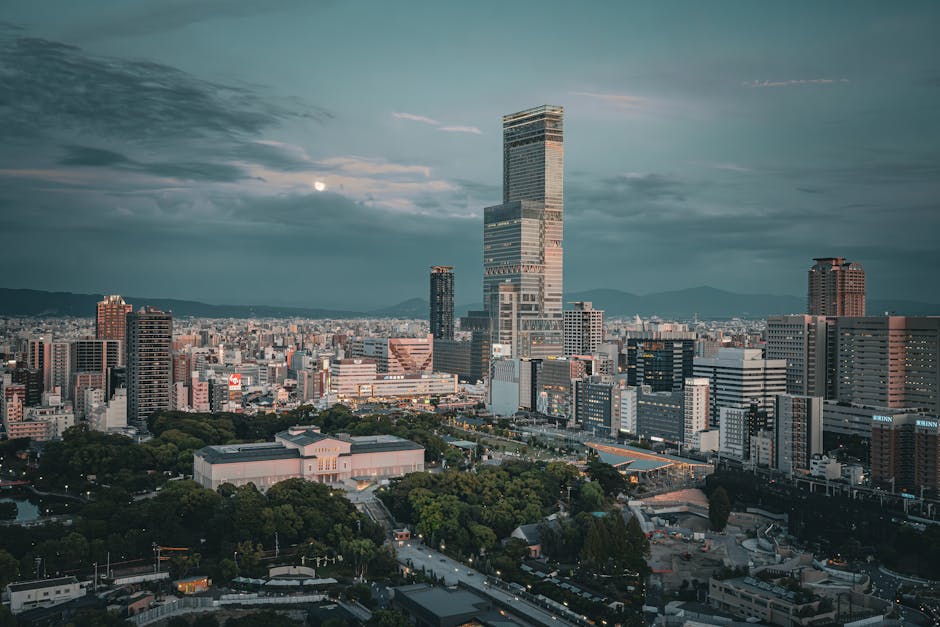
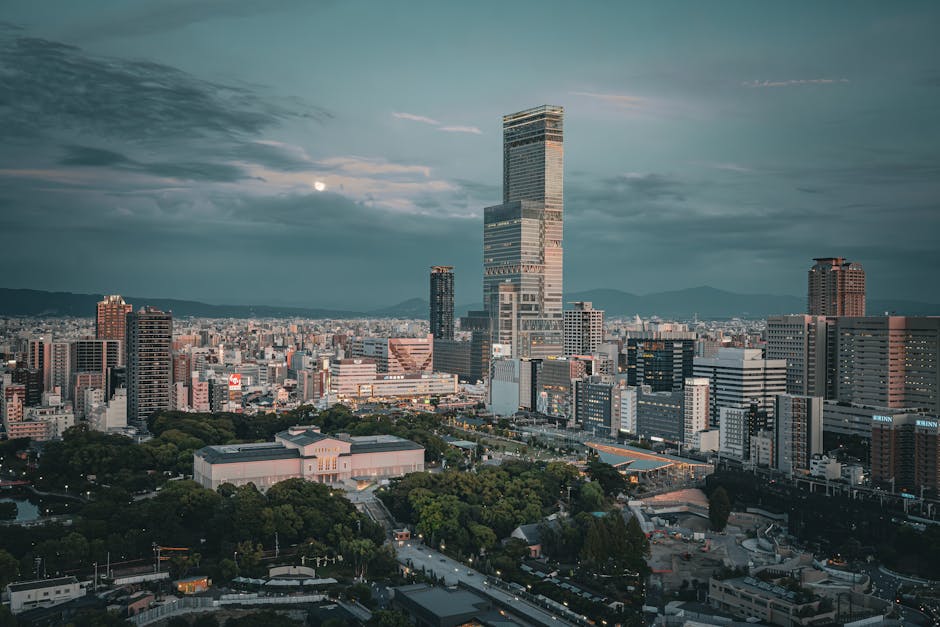
Explore Osaka's futuristic skyline, from the iconic Umeda Sky Building to hidden shrines, on this self-guided architectural walking route.
 Easy
EasyOsaka, Japan
Explore Osaka's 'American Village' on this self-guided walk through street art, vintage fashion, and the heart of Japanese youth culture.
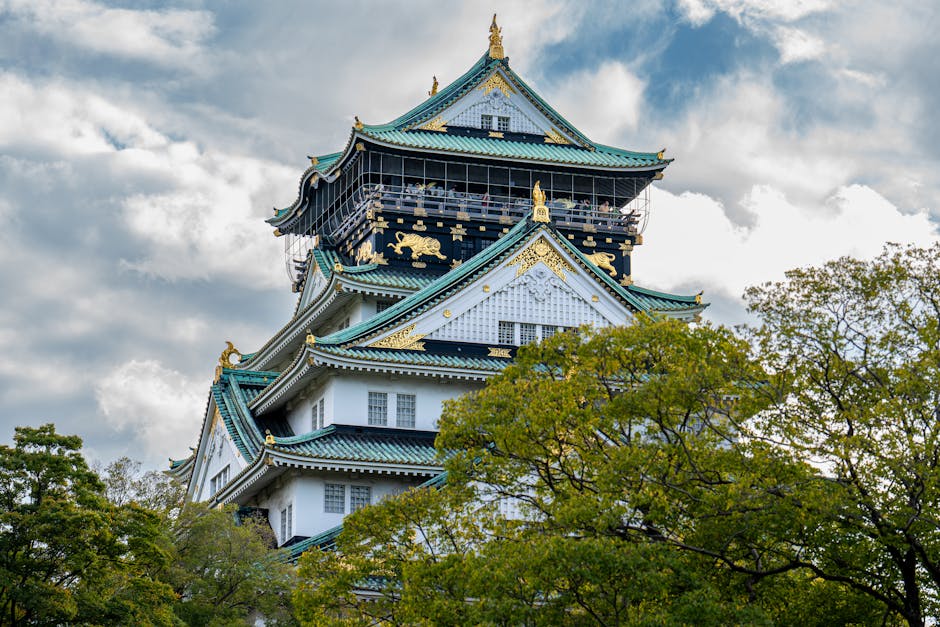 Easy
EasyOsaka, Japan
Explore the retro charm and neon-lit alleys of Shinsekai on this self-guided walk through Osaka's most nostalgic district.
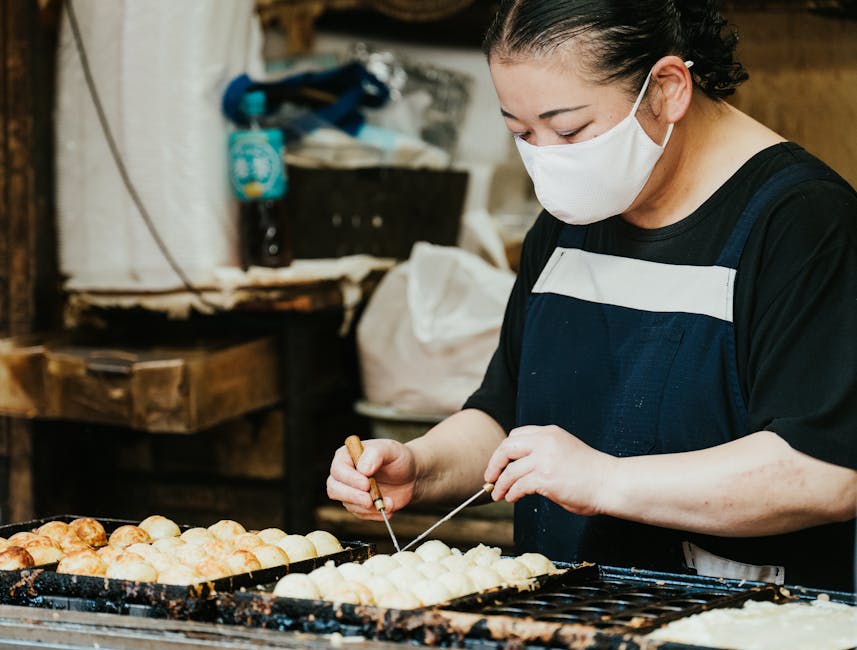 Easy
EasyOsaka, Japan
Discover 'Osaka's Kitchen' on this self-guided walk. Explore Kuromon Market's freshest seafood and the vibrant culture of Denden Town at your own pace.
 Moderate
Nairobi, Kenya
Taste your way through Nairobi's Westlands on this self-guided walk featuring street snacks, cultural landmarks, and hidden foodie gems.
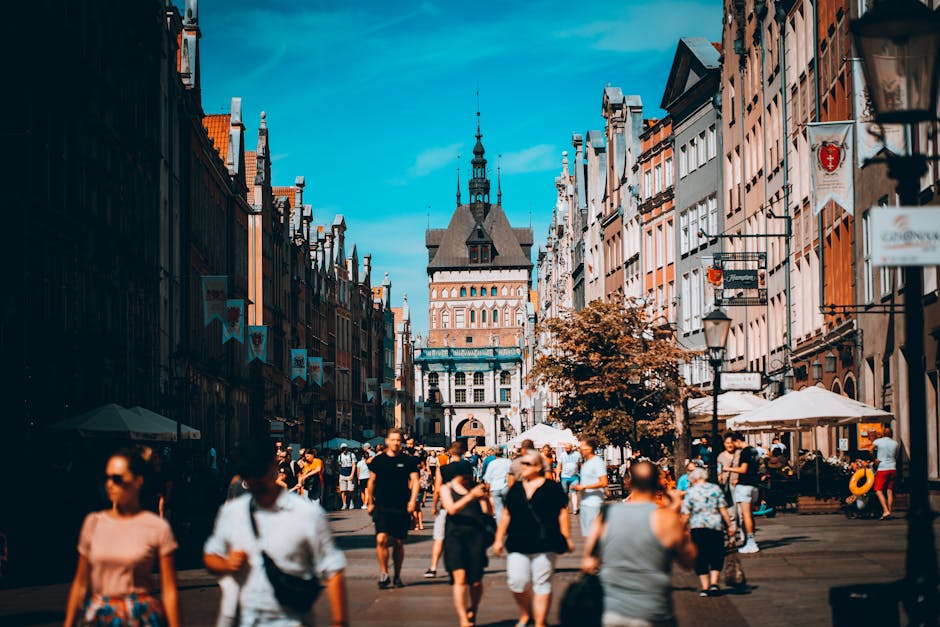 Easy
EasyGdansk, Poland
Taste the history of the Baltic. Explore Gdansk's culinary heritage from medieval markets to gold-flecked liqueurs on this self-guided walk.
 Moderate
Nairobi, Kenya
Discover the creative soul of Nairobi on this self-guided walk through the city's premier art galleries, markets, and artisan workshops.
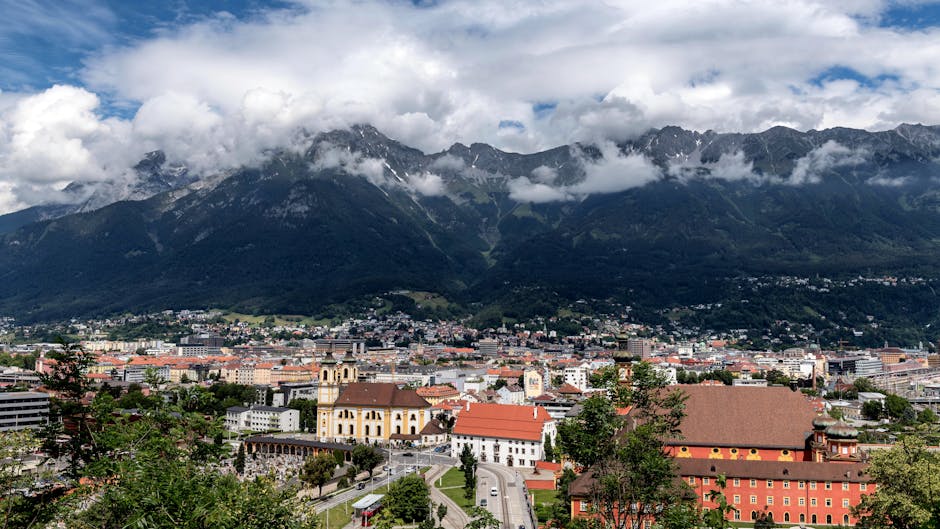 Easy
EasyInnsbruck, Austria
Discover the flavors of Tyrol on this self-guided stroll through Innsbruck’s historic Old Town and vibrant market hall.
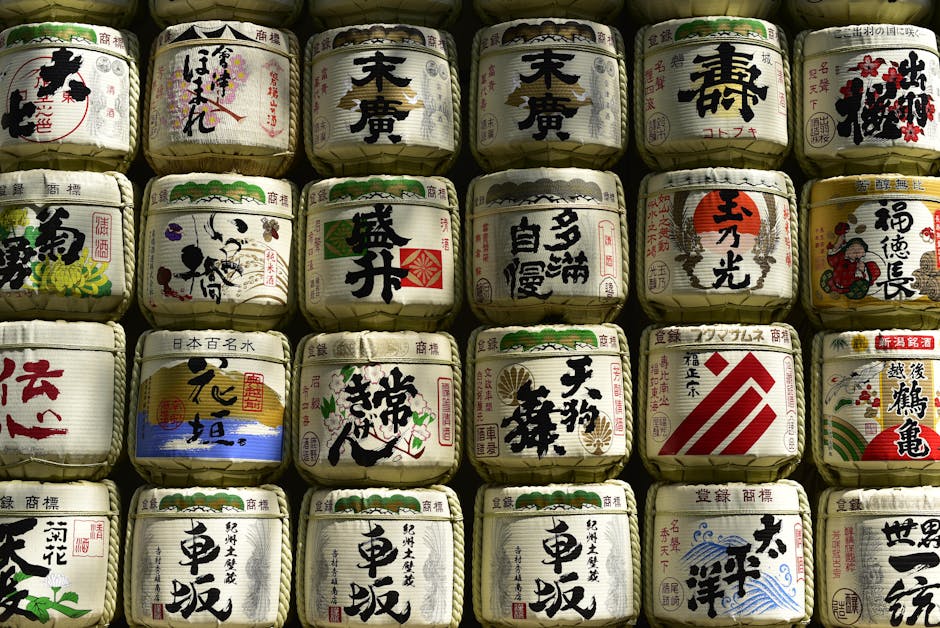 Moderate
Tokyo, Japan
Discover Tokyo's premier creative district on this self-guided walk through Roppongi’s world-class museums and striking modern architecture.
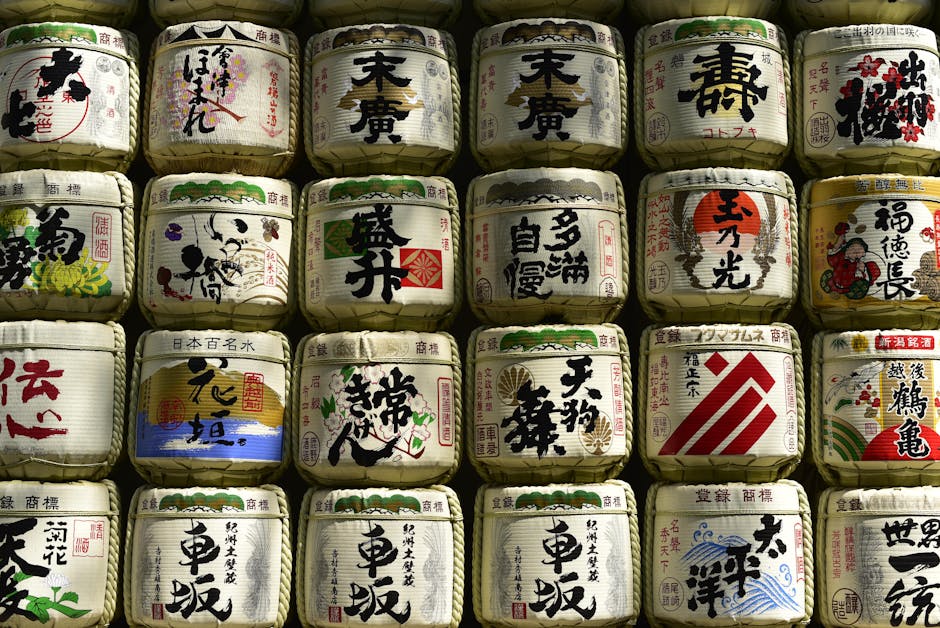 Easy
EasyTokyo, Japan
Discover the 'Old Tokyo' charm of Yanaka on this self-guided walk through historic temples, artisan alleys, and a stunning torii gate shrine.
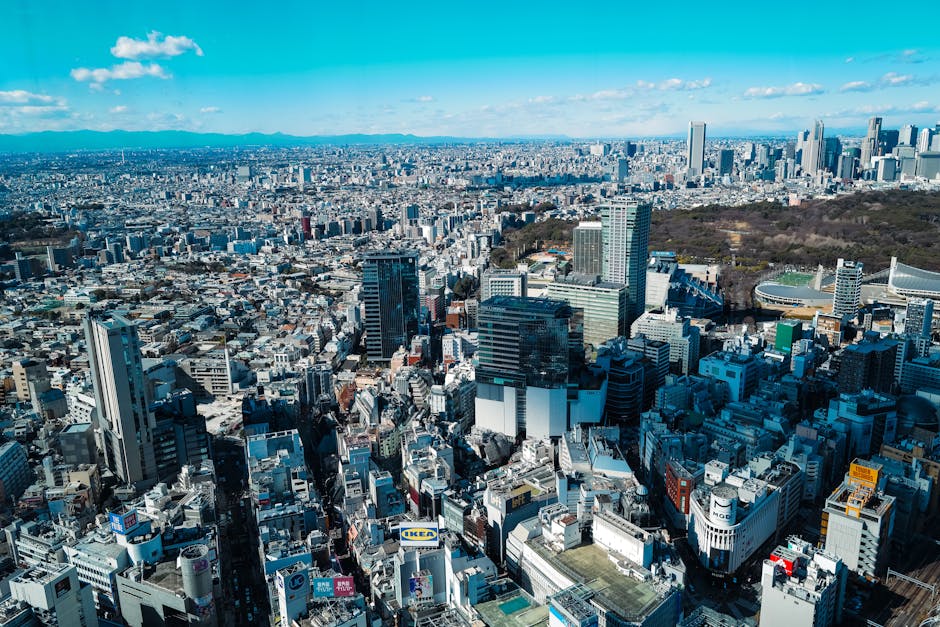 Easy
EasyTokyo, Japan
Experience Shibuya's electric energy on this self-guided walk from the iconic Scramble Crossing to the panoramic views of Shibuya Sky.
 Easy
EasyTokyo, Japan
Explore Tokyo's indie heart. From vintage fashion in Shimokitazawa to world-class art in Shinjuku, discover the city's creative soul independently.