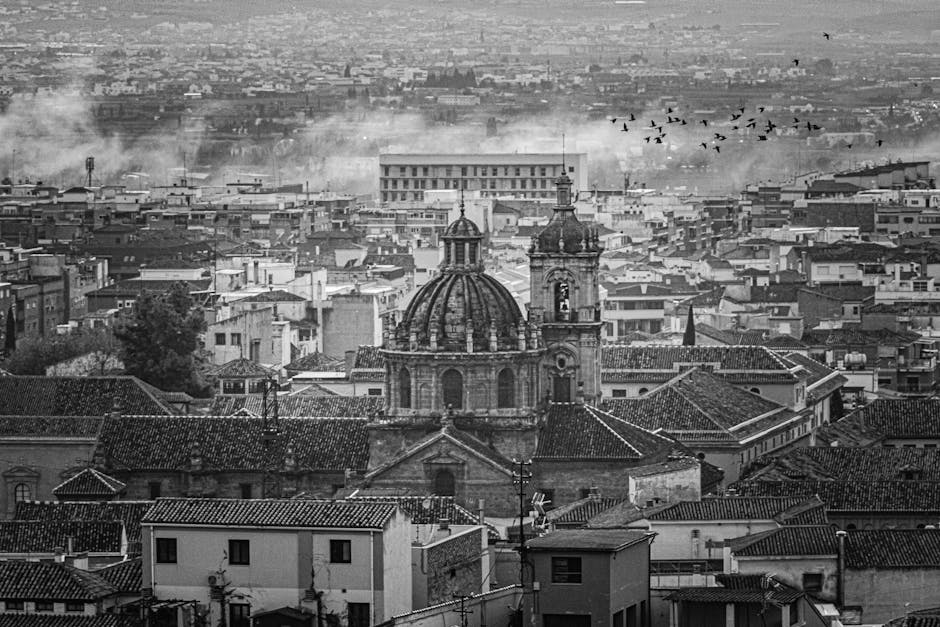
Self-guided audio tour in Granada
Start Free on iPhone
Start free on iPhone to unlock this self-guided walking tour in Granada. Hear all the stories that make it amazing, walk at your own pace, and begin whenever you want.
Your Private Tour Guide
While the Alhambra often steals the spotlight, Granada holds a secret world of gilded altarpieces, silent cloisters, and architectural marvels that define the Spanish Baroque era. This self-guided walk invites you to explore the 'Christian Alhambra' and the spiritual heart of the city, moving from the bustling university district to the serene heights of the Cartuja Monastery. You will encounter the evolution of Spanish faith and art, from the sober Renaissance lines of San Jerónimo to the mind-bending complexity of the Sacristy at La Cartuja. This walking route is designed for those who appreciate the finer details of art history and the quiet power of sacred spaces. As you begin your self-guided adventure at the Iglesia de los Santos Justo y Pastor, you will see how the Jesuit order shaped the city's intellectual and spiritual landscape. The journey continues to the Monasterio de San Jerónimo, a Renaissance jewel where the 'Great Captain' rests, offering a peaceful retreat from the modern city. The intensity picks up at the Basílica de San Juan de Dios, a masterpiece of light and gold that represents the height of Andalusian Baroque fervor. Beyond the churches, the route traverses the historic Jardines del Triunfo and the grand Hospital Real, showcasing how the Catholic Monarchs transformed Granada into a center of royal administration and charity. The grand finale is the Monasterio de la Cartuja, located on a hill overlooking the city. Here, the contrast between the austere life of the Carthusian monks and the explosive, intricate beauty of their church creates an unforgettable experience. This is more than just a walking tour Granada offers; it is a deep dive into the soul of Spain's Golden Age. Explore independently and at your own pace, taking the time to let the silence of the cloisters and the shimmer of the gold leaf tell their stories. Whether you are a fan of religious history or simply looking for the most beautiful interiors in Andalusia, this neighborhood stroll provides a profound alternative to the typical tourist path.
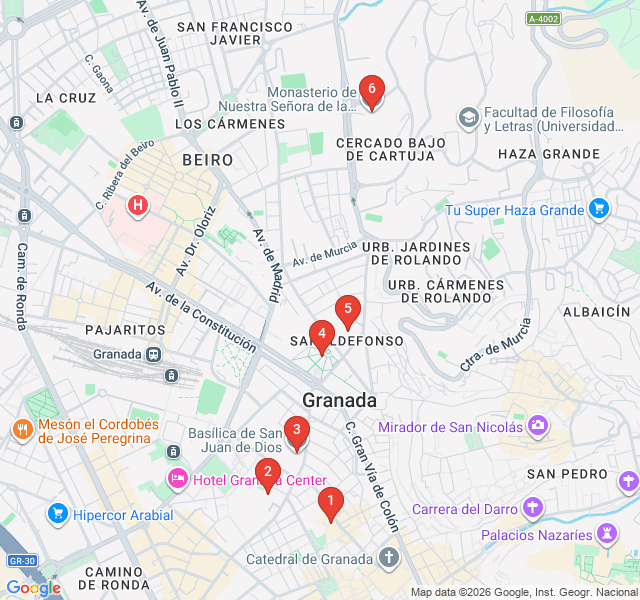
Numbers indicate the order of stops on the tour.
Start exploring with Zigway at this impressive 18th-century church, originally part of a Jesuit college. Located in the lively Plaza de la Universidad, its facade is a classic example of the transition into the Baroque style. Notice the intricate stone carvings and the statues of the Jesuit saints. Inside, the church is known for its grand proportions and the sense of drama typical of the Counter-Reformation. This site serves as the perfect introduction to the religious fervor that shaped Granada after the Reconquista, setting the stage for the even more ornate stops to come on your neighborhood stroll.
A short walk brings you to this Renaissance masterpiece. Founded by the Catholic Monarchs, the monastery was the first to be built in Granada after the conquest of 1492. As you walk through the main cloister, take in the fragrance of the orange trees and the symmetry of the arches. The church itself is the burial place of Gonzalo Fernández de Córdoba, the 'Great Captain' who revolutionized Spanish warfare. The altarpiece is a staggering display of sculpture, depicting scenes from the life of Christ and the saints in a style that bridges the gap between the sober Renaissance and the coming Baroque explosion.
Prepare for a sensory overload. This basilica is perhaps the most dazzling example of Baroque art in all of Spain. Dedicated to the founder of the Hospitaller Order, the interior is almost entirely covered in gold leaf, mirrors, and intricate paintings. The light reflects off every surface, designed to give worshippers a foretaste of heaven. Don't miss the 'Camarín' behind the main altar, where the relics of Saint John of God are kept in a silver urn. The level of detail here is so dense that you could spend an hour just looking at a single corner of the ceiling.
Step back into the fresh air at these historic gardens. Today, they are a peaceful park with fountains and flowers, but they sit on a site with a long and complex history. In the Muslim era, this was a cemetery; later, during the Napoleonic occupation and the Spanish Civil War, it served as a grim site for executions. Look for the monument to the Virgin of the Triumph atop a high column. This space serves as a literal and metaphorical bridge between the dense city center and the monastic complexes on the outskirts of the historic district.
Directly adjacent to the gardens is the Hospital Real, a massive stone edifice commissioned by Queen Isabella and King Ferdinand to care for the poor and wounded soldiers. The architecture is 'Plateresque,' a uniquely Spanish style that treats stone like delicate silverwork. Today, it serves as the seat of the University of Granada's rectorate and houses a magnificent library. Wander through the four internal courtyards, each with its own distinct character, and admire the elegant wooden ceilings and stone staircases that reflect the transition from Gothic to Renaissance tastes.
Your self-guided adventure concludes at the Cartuja Monastery, often called the 'Christian Alhambra.' While the exterior looks like a fortress, the interior contains one of the most famous rooms in Spain: the Sacristy. The white stucco work here is so intricate it resembles lace, contrasting sharply with the brown marble and dark wood. The Carthusian monks who lived here took vows of silence and poverty, making the incredible wealth and artistic complexity of their church a fascinating paradox. It is the ultimate expression of the Spanish Baroque and a perfect place to reflect on the spiritual journey you've just completed.
Start Free on iPhone
Explore “Baroque Splendor & Spiritual Silence” with your very own Private Tour Guide with Zigway. Start free on iPhone, skip the large group and the fixed routes, and hear the city come alive as you go.
Your Private Tour Guide
Don't miss the good stuff
Explore Freely
 Moderate
Granada, Spain
Explore the bohemian heart of Granada's oldest district on this self-guided walking route through the hidden gems of the Upper Albaicín.
 Easy
EasyGranada, Spain
Discover the legacy of the Nasrid silk trade and the vibrant evolution of Granada's historic center on this atmospheric self-guided walk.
 Moderate
Granada, Spain
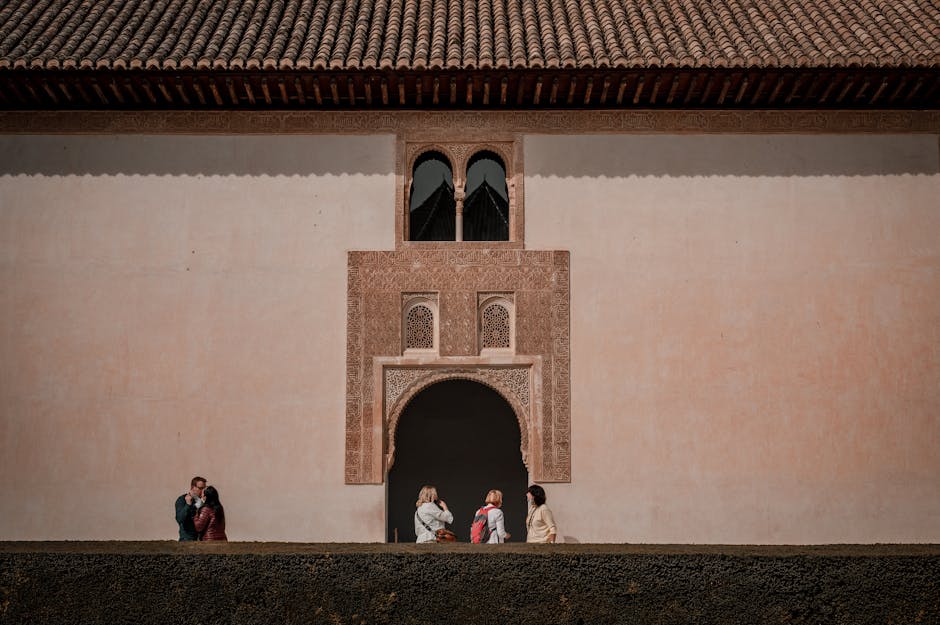
Explore Granada's historic Jewish Quarter and discover world-class street art on this self-guided walk through the vibrant Realejo neighborhood.
 Moderate
Granada, Spain
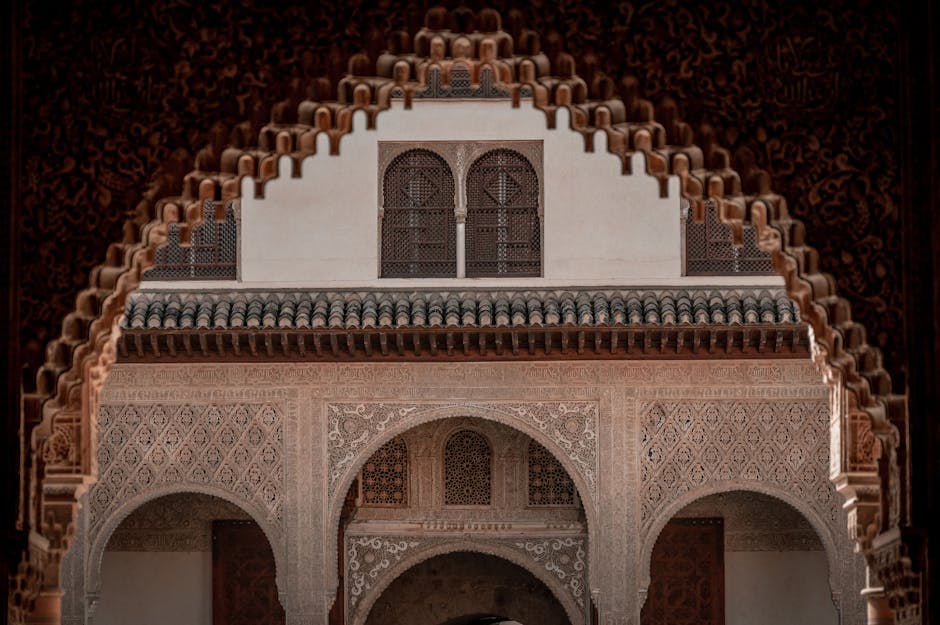
Discover the Moorish soul of Granada on this self-guided walk through the Albaicín’s winding streets, historic palaces, and iconic viewpoints.
 Moderate
Gdansk, Poland
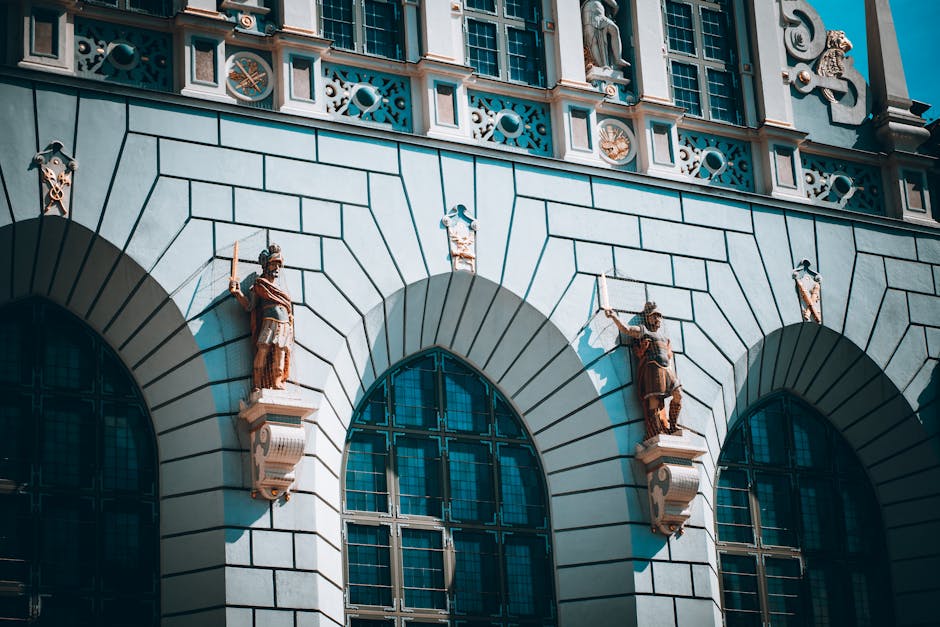
Discover the origins of WWII in Gdansk on this self-guided walk through heroic last stands, massive museums, and strategic hilltop fortifications.
 Easy
EasyWarsaw, Poland
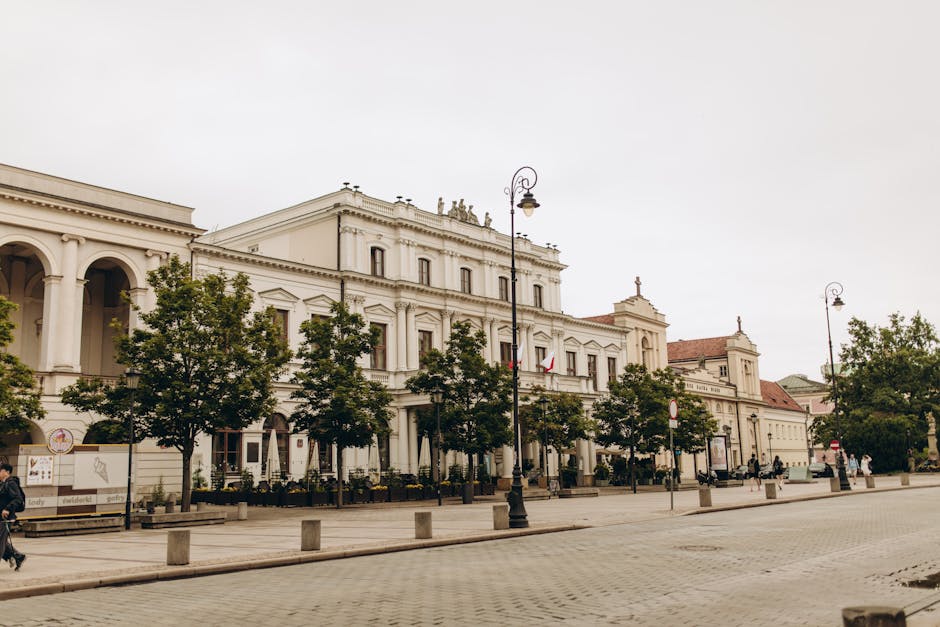
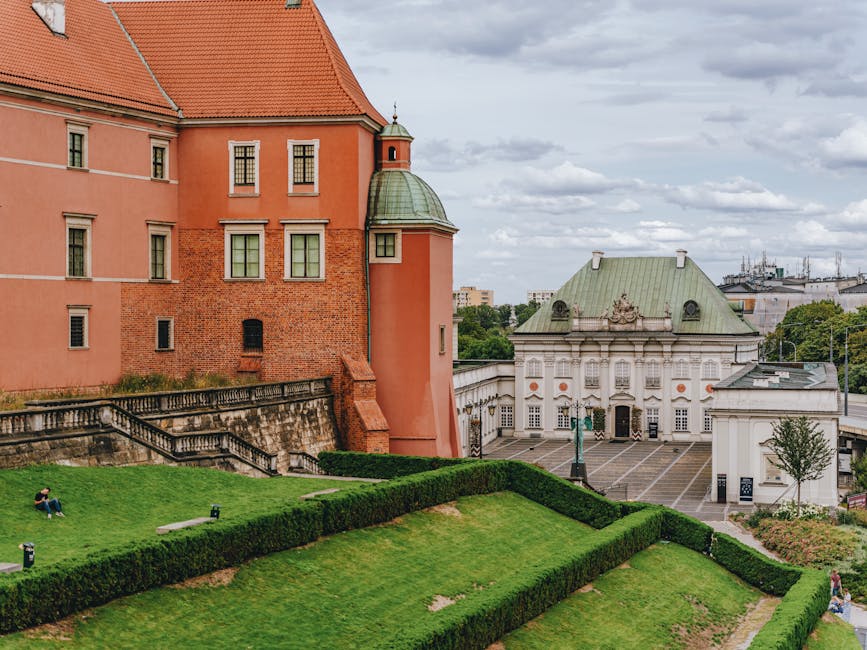
Explore the 'Polish Versailles' at your own pace. Discover Baroque architecture, royal history, and stunning gardens on this self-guided walk.
 Moderate
Warsaw, Poland
Explore the resilient spirit of Warsaw's Muranów district on this self-guided walk through the history and landmarks of the former Jewish Ghetto.
 Moderate
Nairobi, Kenya
Discover Nairobi's lush side on this self-guided walk through botanical gardens, historic memorials, and vibrant local markets.
 Moderate
Barcelona, Spain
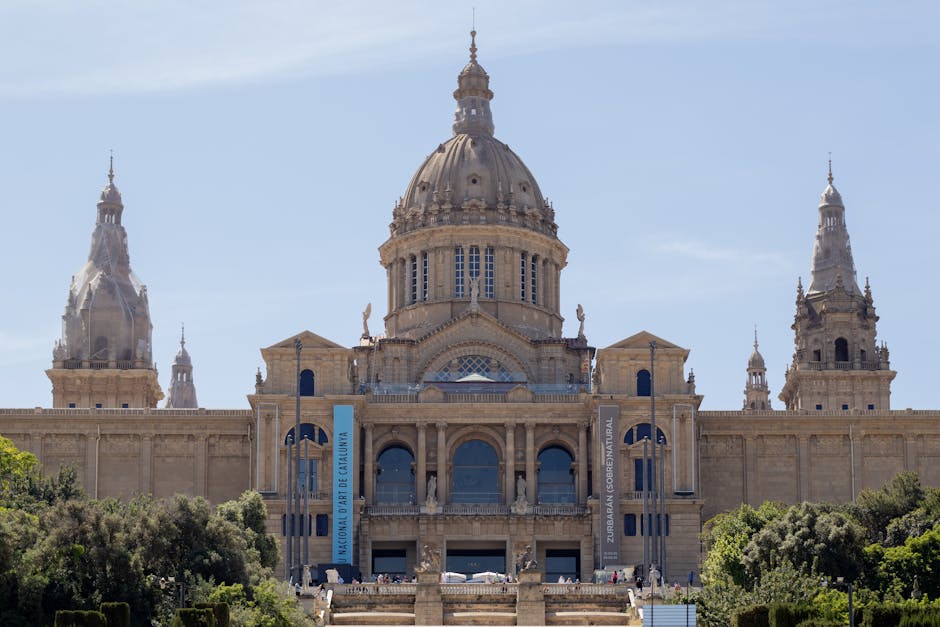
Explore the elegant 'village' of Sarrià, where Gothic monasteries and Gaudí's hidden gems meet charming local markets and narrow streets.
 Moderate
Barcelona, Spain
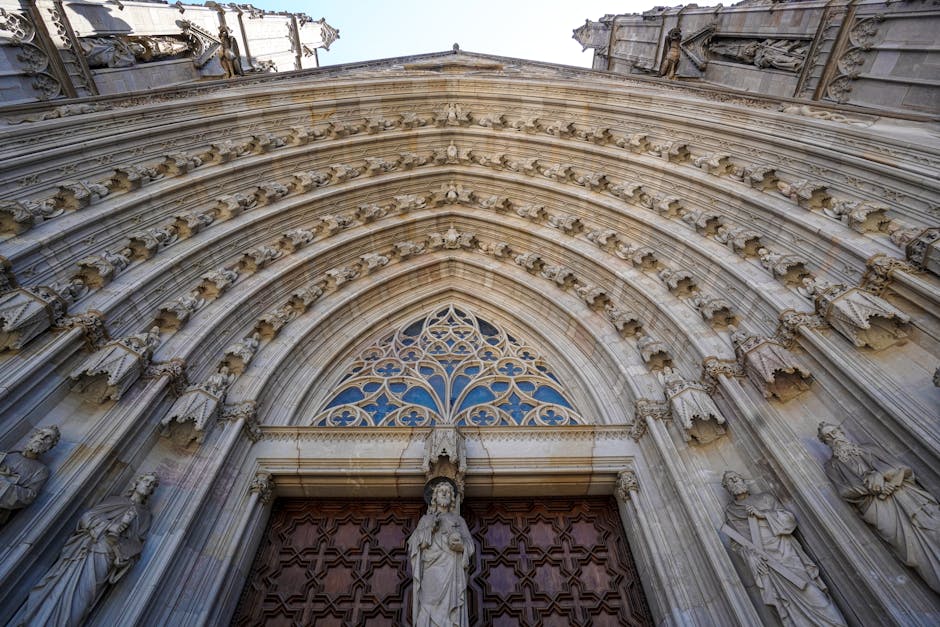
Discover the revolutionary history and haunting scars of the Spanish Civil War on this self-guided walk through Barcelona's historic streets.
 Easy
EasyBarcelona, Spain
Discover the architectural wonders of Barcelona's Golden Square on this self-guided stroll through Eixample's most luxurious Modernista streets.
 Challenging
Barcelona, Spain
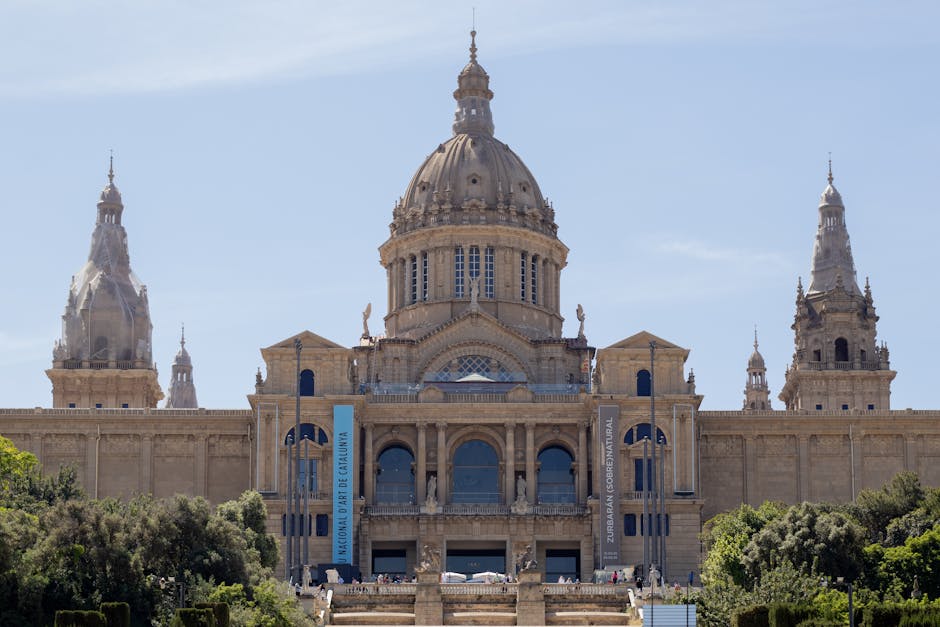
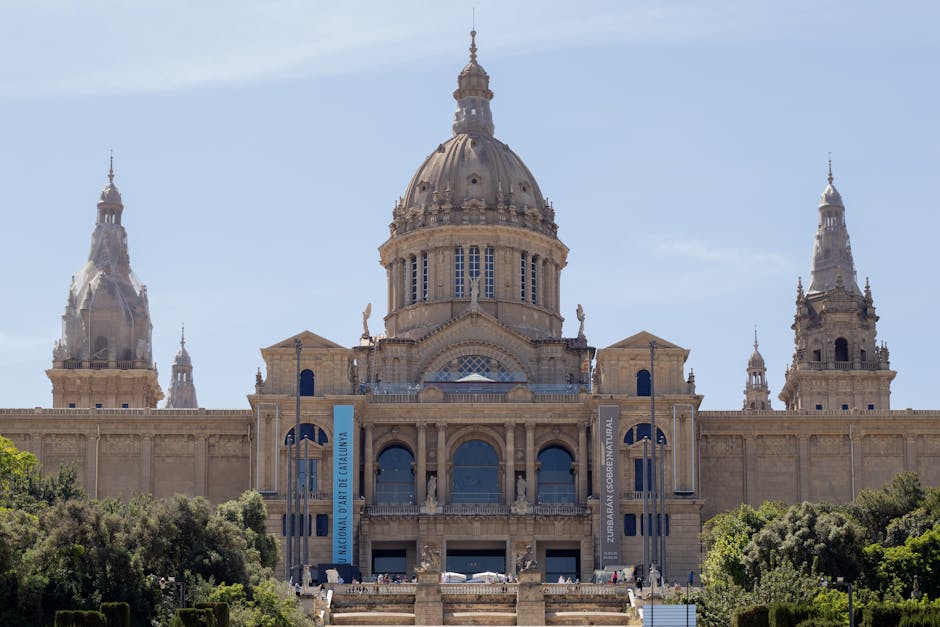
Explore Montjuïc’s lush gardens, historic fortress, and iconic Olympic venues on this scenic self-guided walk with panoramic Mediterranean views.