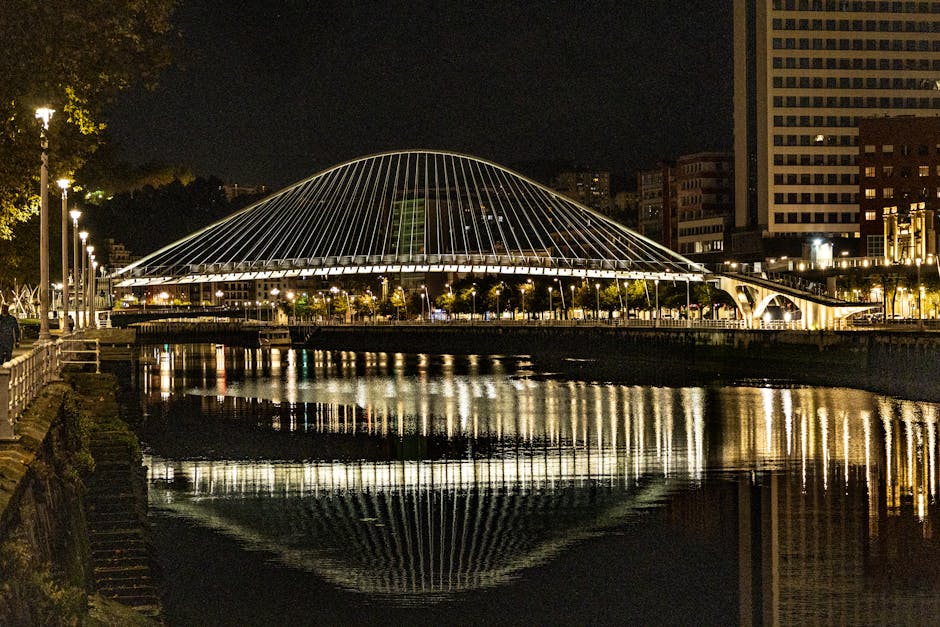
Self-guided audio tour in Bilbao
Start Free on iPhone
Start free on iPhone to unlock this self-guided walking tour in Bilbao. Hear all the stories that make it amazing, walk at your own pace, and begin whenever you want.
Your Private Tour Guide
Beyond the titanium curves of the Guggenheim and the industrial pulse of the Nervión River lies a quieter, more ancient side of Bilbao. This self-guided walk invites you to explore the city’s spiritual evolution, from the medieval foundations of the Casco Viejo to the grand ecclesiastical architecture of the 19th-century expansion. As you follow this walking route, you will discover how faith and stone have shaped the identity of the Basque people for centuries. The journey begins in the historic district of Atxuri, where the Convent of the Incarnation stands as a testament to 16th-century devotion. From here, the path leads you through a series of architectural transitions, showcasing the intricate details of Basque Gothic, the sobriety of the Baroque, and the soaring heights of Neo-Gothic designs. This is not just a study of buildings; it is an exploration of the community's heart, where local traditions often blend with religious practice. You will encounter the Sacred Heart Church, a masterpiece of the Jesuit order, and San Vicente Mártir, which anchors one of Bilbao's most elegant squares. The route culminates in the Seven Streets (Siete Calles), the medieval core where the Santiago Cathedral serves as a vital stop for pilgrims on the Camino de Santiago. Finally, you will reach San Antón Church, a landmark so central to the city's identity that it appears on the official coat of arms. This self-guided adventure offers the flexibility to linger in quiet cloisters or admire ornate altarpieces at your own pace. Whether you are an architecture enthusiast or a history buff, this walking tour Bilbao provides a profound look at the sacred spaces that have watched the city transform from a small fishing village into a global cultural hub. Discover the silence hidden within the bustling city and see how these sacred stones continue to tell Bilbao's story today.
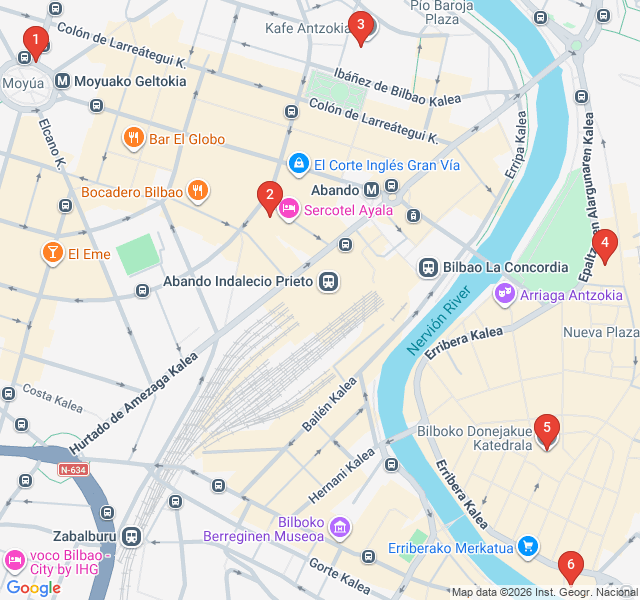
Numbers indicate the order of stops on the tour.
Start your self-guided walk at the Convent of the Incarnation in the Atxuri neighborhood. Founded in the early 16th century by the Dominican order, this site represents the expansion of Bilbao beyond its medieval walls. The architecture is a blend of late Gothic and Renaissance styles. Today, the complex also houses the Museum of Sacred Art, which contains a vast collection of religious gold-work, paintings, and sculptures from across the province of Bizkaia. As you look at the exterior, notice the sobriety of the stone, a hallmark of Basque religious construction. This site was once the gateway for travelers arriving from the interior of Spain, making it a place of both spiritual and physical transition for centuries.
Moving toward the 19th-century expansion of the city, you reach the Church of the Sacred Heart (Sagrado Corazón). This is a masterpiece of Neo-Gothic architecture, designed by José María Basterra and completed in the late 1890s. The church is run by the Jesuits and reflects the order's significant influence in Bilbao's social and educational history. The facade is striking for its height and verticality, but the true treasure lies inside: the vibrant stained-glass windows and the intricate altarpiece. This building represents the 'New Bilbao' that emerged during the industrial revolution, showcasing the wealth and piety of the city's growing merchant class.
Located in the Abando district, San Vicente Mártir is one of the most beloved churches in the city. Built in the 16th century, it is a prime example of 'Basque Gothic'—a style characterized by wide, hall-like interiors and heavy cylindrical pillars. The church sits on a site that has been dedicated to worship since the 12th century. Interestingly, the building was never fully completed according to its original plans, which you can see in the somewhat truncated appearance of its tower. The square outside, Jardines de Albia, is a peaceful spot where locals gather, and the church serves as a stoic backdrop to the daily life of the modern city.
As you enter the Casco Viejo (Old Town), you are greeted by the Church of San Nicolás. Dedicated to the patron saint of sailors, this church has stood here in various forms since the 14th century, though the current Baroque structure dates to 1756. Its location near the Arenal park and the river is no coincidence; this was the heart of Bilbao's maritime activity. Sailors would come here to pray for safe passage before heading out to sea. Look up at the octagonal floor plan and the impressive facade, which is one of the best examples of Baroque architecture in the region. It serves as a bridge between the old river port and the medieval streets.
You are now at the spiritual heart of the city: the Cathedral of Bilbao, dedicated to the Apostle Saint James (Santiago). This site has been a place of worship since at least the 1300s, long before Bilbao was officially founded as a city. As a key stop on the Northern Way of the Camino de Santiago, it has welcomed thousands of pilgrims over the centuries. The architecture is predominantly Gothic, with a beautiful 15th-century cloister that offers a rare pocket of silence in the busy Old Town. Notice the 'Door of the Angel' (Puerta del Ángel), which features a scallop shell, the universal symbol of the pilgrims traveling to Santiago de Compostela.
The final stop on this neighborhood stroll is the Church of San Antón, perhaps the most iconic religious building in Bilbao. Perched on the edge of the Nervión River next to the San Antón Bridge, its image is immortalized on the city's coat of arms. Built in the late 15th century on the site of a former warehouse, the church is Gothic in style but features a prominent Renaissance portico. For centuries, this was the city's primary center of commerce and law, as the municipal council often met here. Its proximity to the Ribera Market makes it a perfect place to reflect on how faith, trade, and daily life have intersected in Bilbao for over 700 years.
Start Free on iPhone
Explore “Sacred Stones: A Spiritual Journey Through Bilbao” with your very own Private Tour Guide with Zigway. Start free on iPhone, skip the large group and the fixed routes, and hear the city come alive as you go.
Your Private Tour Guide
Don't miss the good stuff
Explore Freely
 Easy
EasyBilbao, Spain
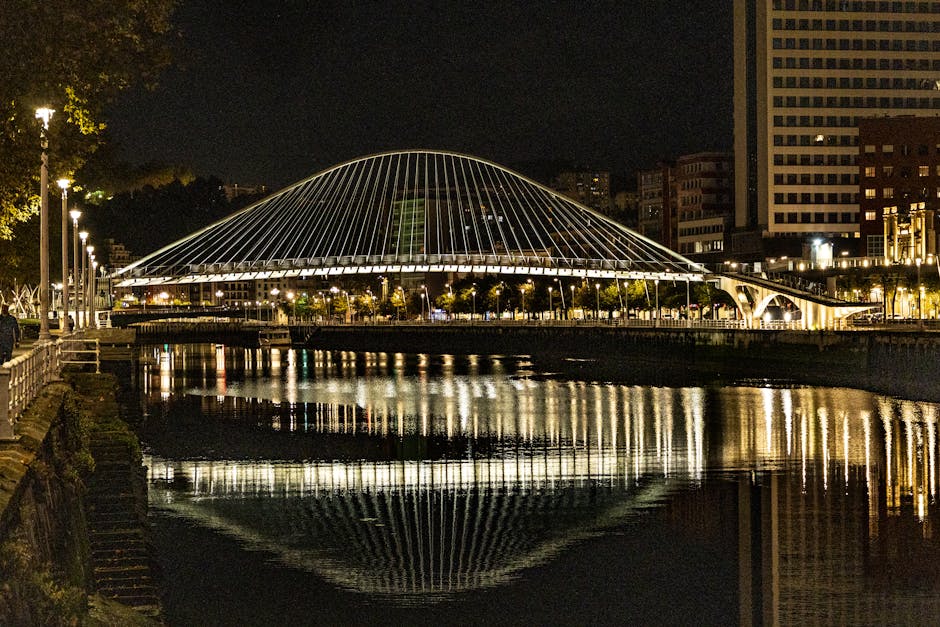
Explore Bilbao’s elegant Museum Mile and its lush 'Green Lung' on this self-guided stroll through art, architecture, and romantic gardens.
 Easy
EasyBilbao, Spain
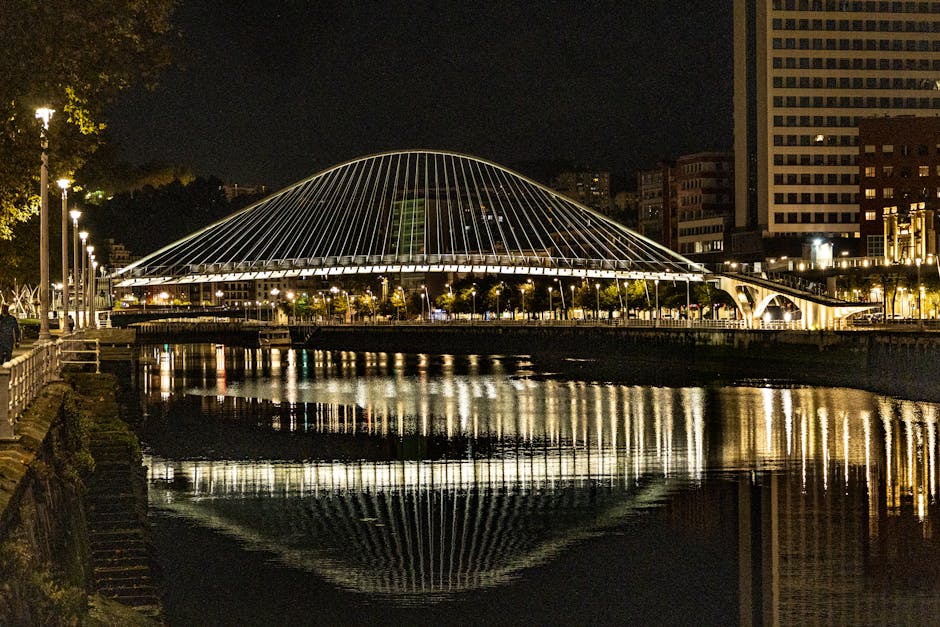
Discover the vibrant murals, industrial history, and bohemian soul of 'Bilbi' on this self-guided neighborhood stroll through Bilbao's coolest district.
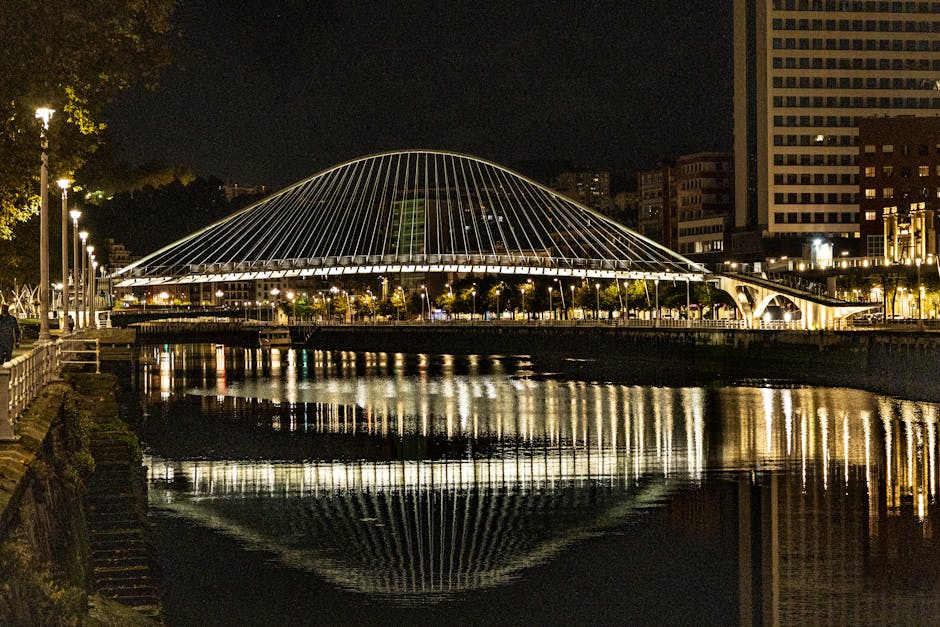 Easy
EasyBilbao, Spain
Follow the life of philosopher Miguel de Unamuno through Bilbao's Casco Viejo on this literary self-guided walk.
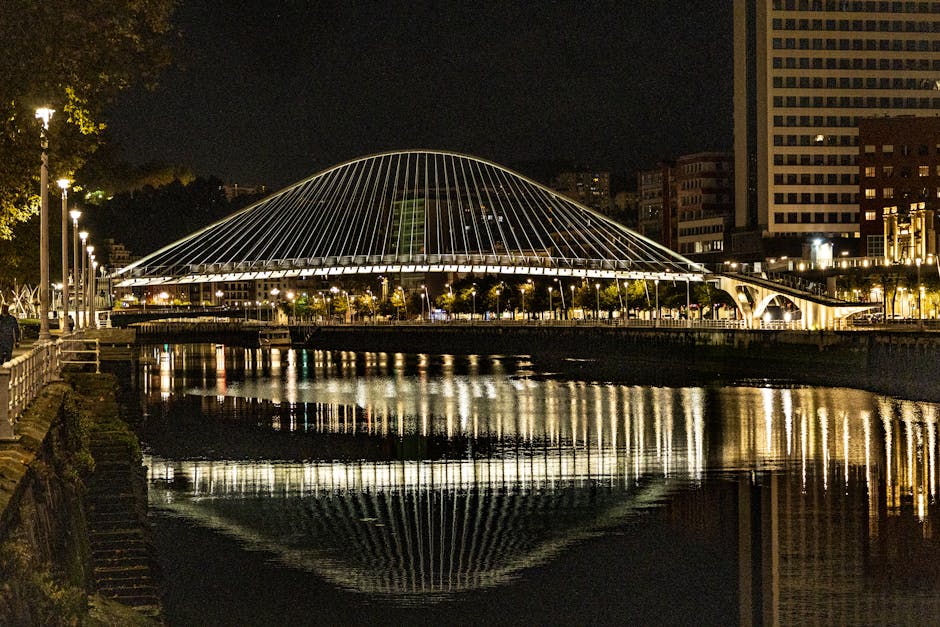 Easy
EasyBilbao, Spain
Trace Bilbao's industrial roots and maritime legacy on this self-guided stroll along the Nervión river, from historic shipyards to local Olabeaga.
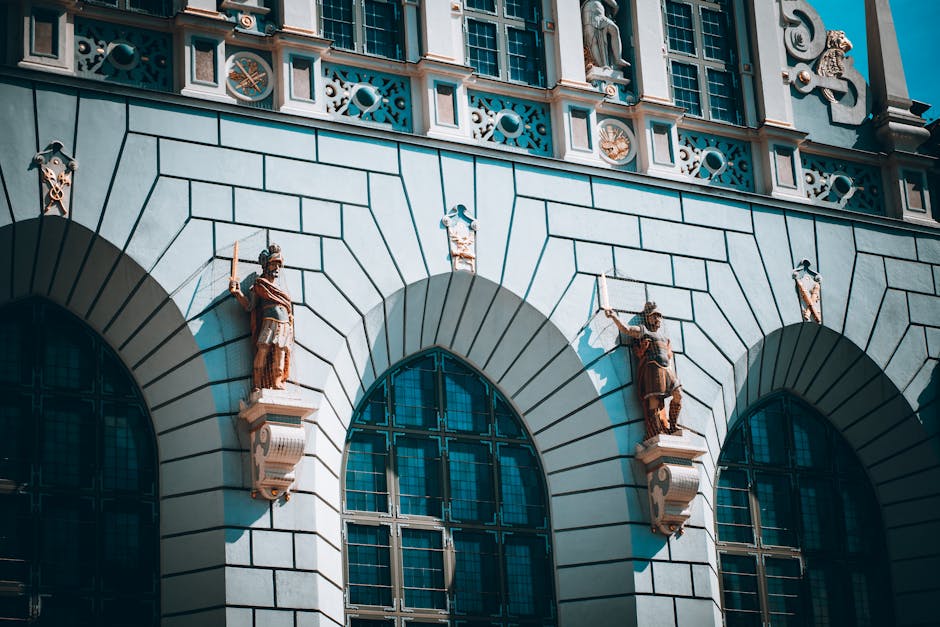 Moderate
Gdansk, Poland
Discover the origins of WWII in Gdansk on this self-guided walk through heroic last stands, massive museums, and strategic hilltop fortifications.
 Easy
EasyKrakow, Poland
Explore the historic heart of Kazimierz on this self-guided walk through synagogues, ancient cemeteries, and vibrant squares.
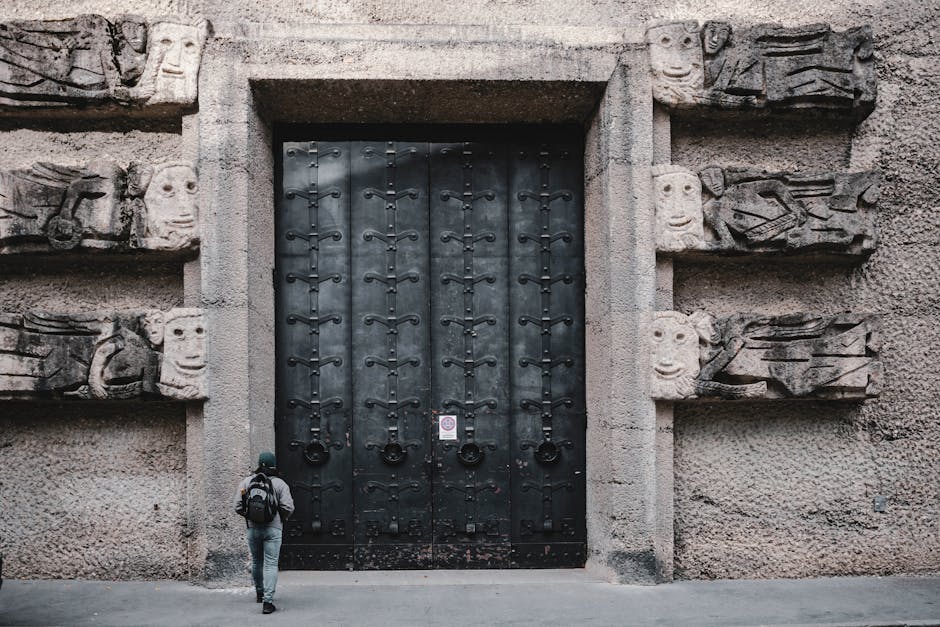 Easy
EasySalzburg, Austria
Discover the 'Rome of the North' on this self-guided walk through the Baroque squares and monumental legacy of Salzburg’s Prince-Archbishops.
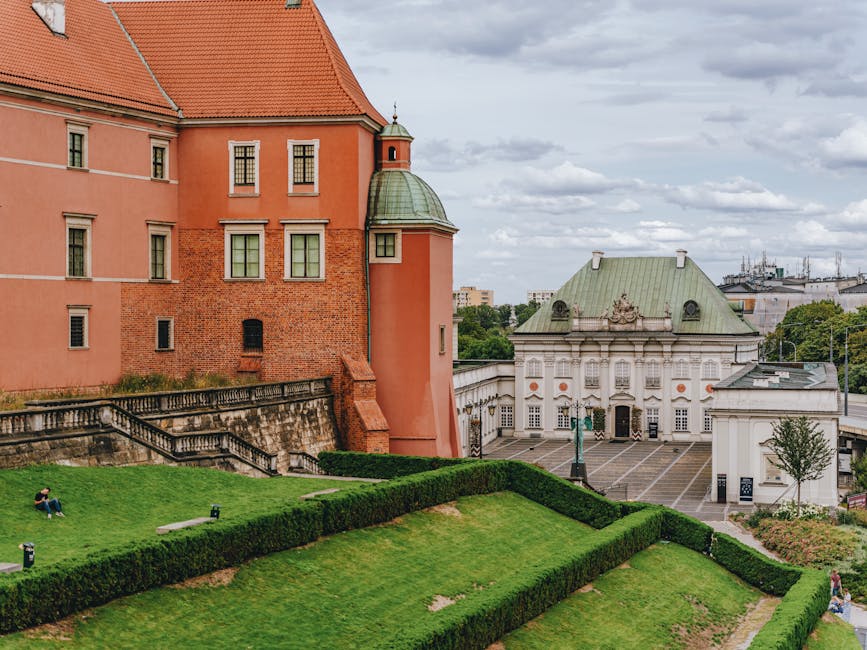 Moderate
Warsaw, Poland
Explore the resilient spirit of Warsaw's Muranów district on this self-guided walk through the history and landmarks of the former Jewish Ghetto.
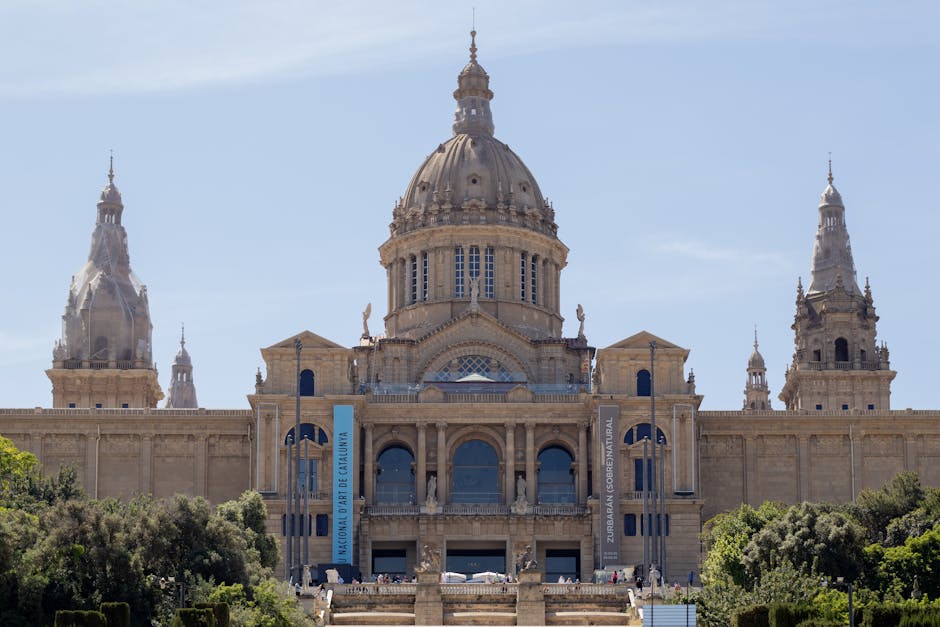 Moderate
Barcelona, Spain
Explore the elegant 'village' of Sarrià, where Gothic monasteries and Gaudí's hidden gems meet charming local markets and narrow streets.
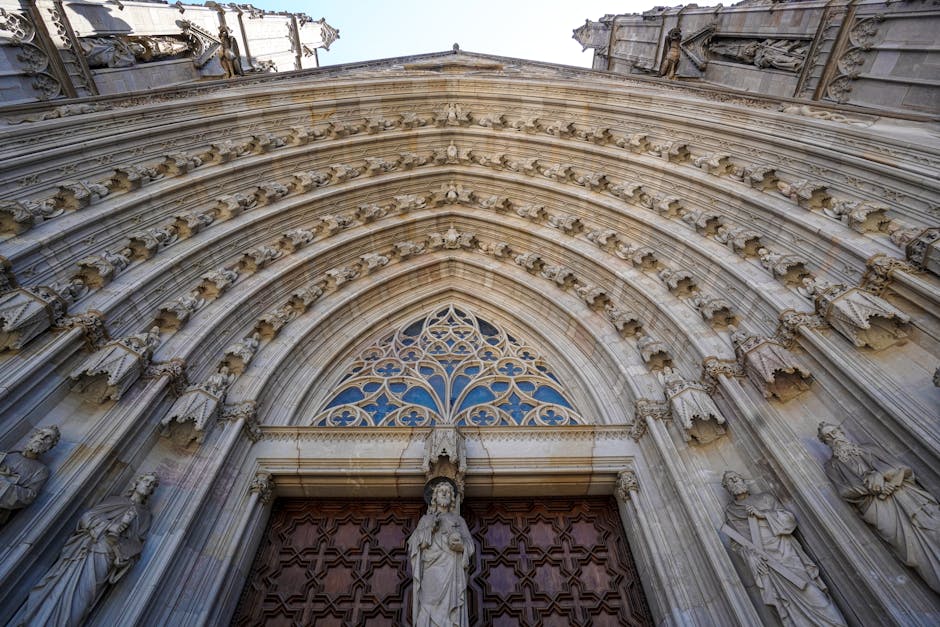 Moderate
Barcelona, Spain
Discover the revolutionary history and haunting scars of the Spanish Civil War on this self-guided walk through Barcelona's historic streets.
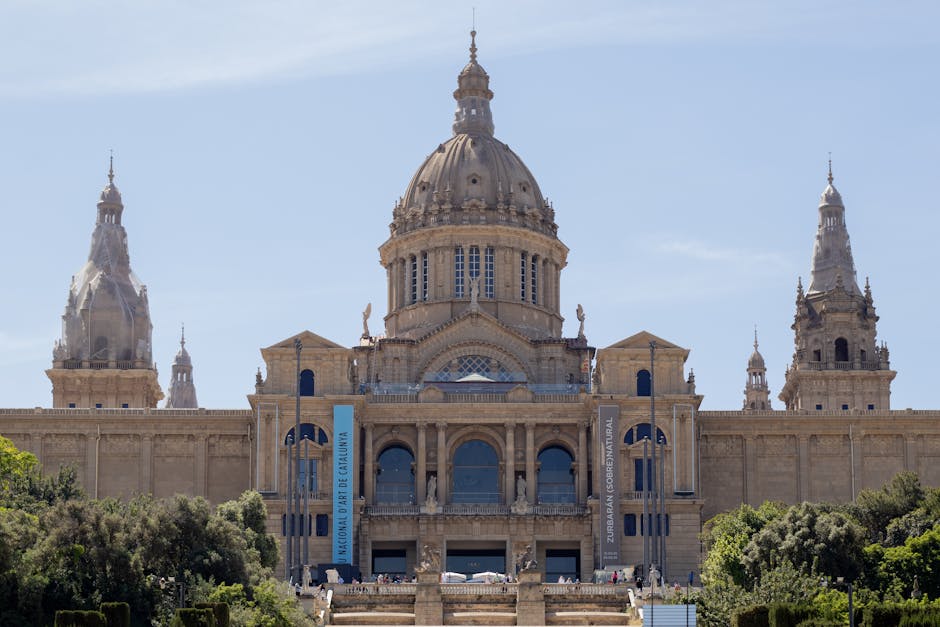 Easy
EasyBarcelona, Spain
Discover the architectural wonders of Barcelona's Golden Square on this self-guided stroll through Eixample's most luxurious Modernista streets.
 Challenging
Barcelona, Spain
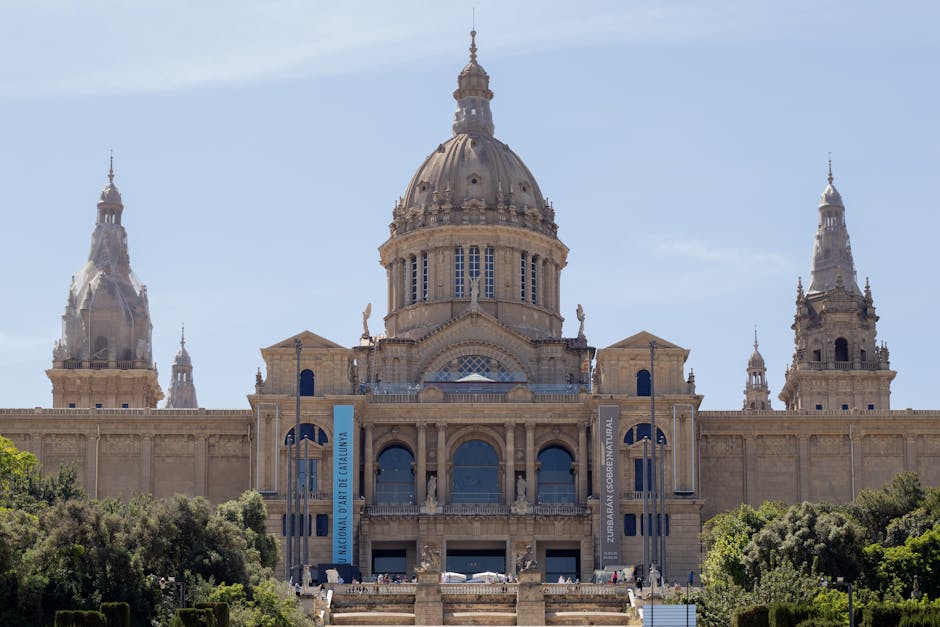
Explore Montjuïc’s lush gardens, historic fortress, and iconic Olympic venues on this scenic self-guided walk with panoramic Mediterranean views.