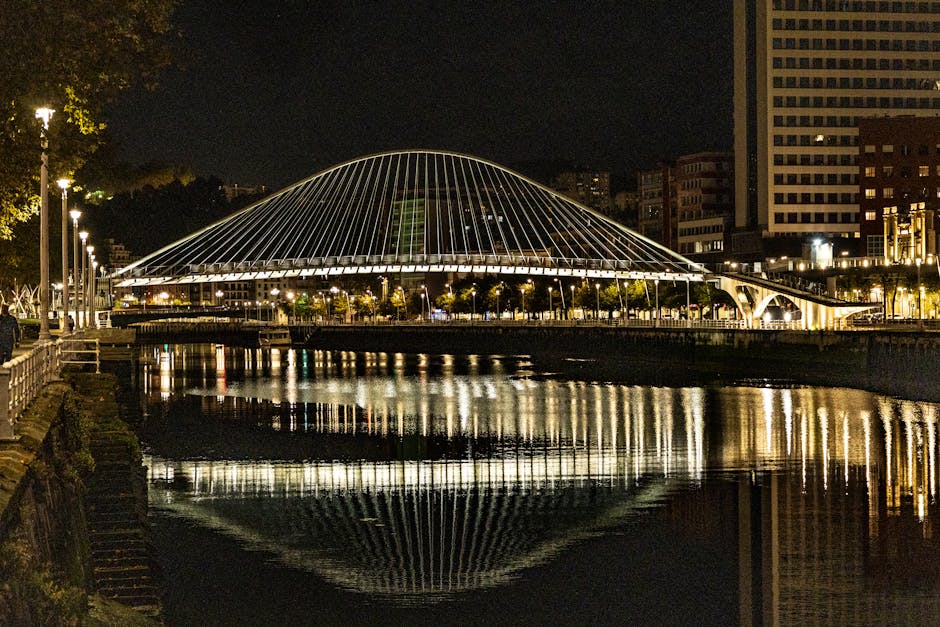
Self-guided audio tour in Bilbao
Start Free on iPhone
Start free on iPhone to unlock this self-guided walking tour in Bilbao. Hear all the stories that make it amazing, walk at your own pace, and begin whenever you want.
Your Private Tour Guide
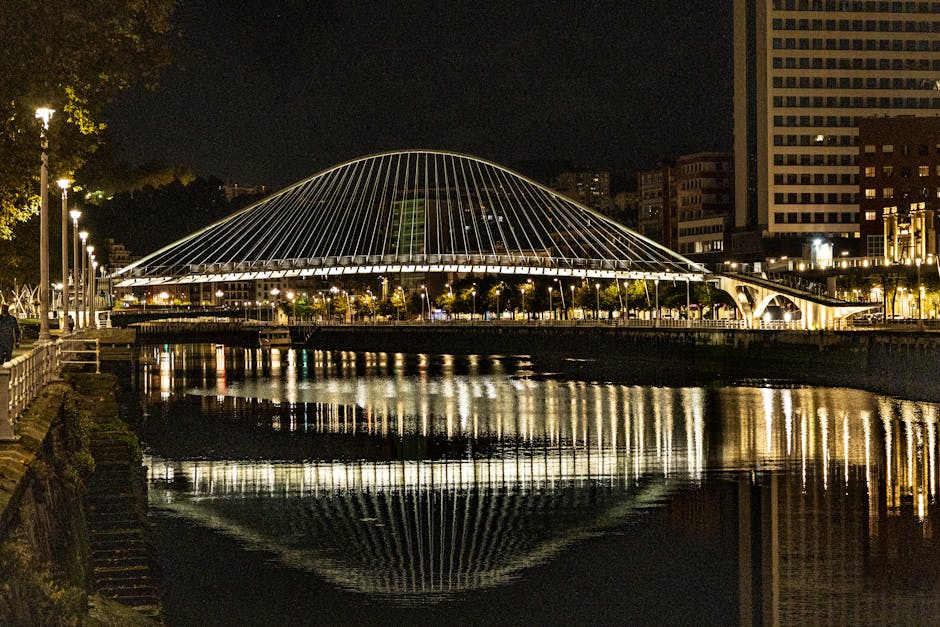
Bilbao’s transformation from a gritty industrial port to a global design capital is best witnessed along the banks of the Nervión River. This self-guided walk invites you to explore the city’s architectural evolution through its most iconic spans. As the sun begins to set, the steel and stone of these structures catch the light, creating a spectacle known to locals as the 'Golden Hour Glow.' This neighborhood stroll takes you through the heart of the Abando and Deusto districts, where 19th-century engineering meets 21st-century avant-garde design. You will discover how the city literally bridged its past with its future. The route highlights the diversity of Bilbao’s urban landscape. From the controversial elegance of Santiago Calatrava’s Zubizuri to the bold red arches of La Salve Bridge, every crossing tells a story of reinvention. This walking route is perfect for those who appreciate the intersection of art and infrastructure. You’ll have the opportunity to see the Guggenheim Museum from unique angles, away from the typical tourist crowds. It is a photographer's dream, offering clean lines, reflections on the water, and a changing palette of colors as evening approaches. Beyond the famous landmarks, this audio walk delves into the local history of the Deusto University area and the maritime heritage near the Euskalduna Palace. You can explore at your own pace, stopping to capture the perfect shot or simply soaking in the atmosphere of the riverside parks. Whether you are a fan of modern architecture or just looking for a peaceful way to see the city’s skyline, this walking tour Bilbao experience provides a comprehensive look at the city's most vital artery. By the time you reach the final viewpoint, you will understand why Bilbao is celebrated as a masterpiece of urban planning.
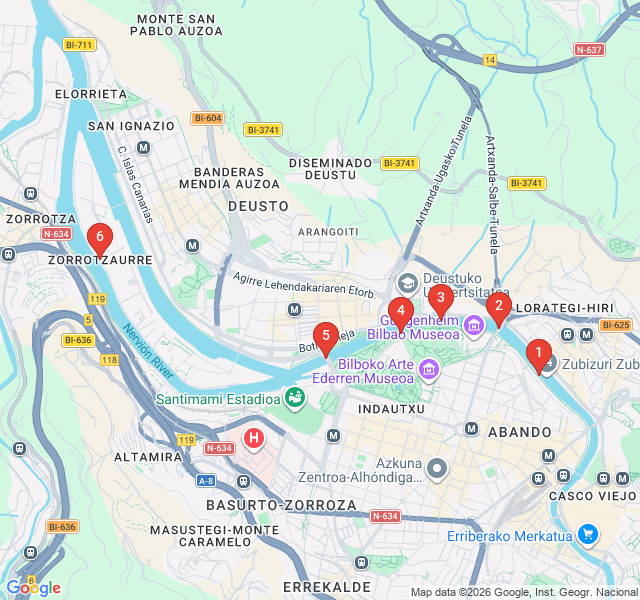
Numbers indicate the order of stops on the tour.
Start exploring with Zigway at the Zubizuri, which means 'White Bridge' in Basque. Designed by the renowned architect Santiago Calatrava and opened in 1997, this tied-arch footbridge is a symbol of the 'New Bilbao.' Its curved design and soaring white ribs are meant to resemble a sailboat. Originally, the bridge featured a translucent glass brick floor, which was famously slippery in Bilbao’s frequent rain. Today, a non-slip mat covers the glass, but the architectural elegance remains. As you stand here, look at how the bridge connects the traditional Ensanche district with the modern Isozaki Atea towers, perfectly framing the river's path toward the Guggenheim.
Walking downriver, you reach the Puente de La Salve. Its official name is the Prince of Spain Bridge, but locals call it 'La Salve' because sailors returning from sea would see the Basilica of Begoña from here and sing the 'Salve Regina' prayer. This bridge is unique because it was integrated into the Guggenheim Museum’s design; the museum's tower actually wraps around the bridge. In 2007, to celebrate the museum's 10th anniversary, French artist Daniel Buren added the 'Arcos Rojos' (Red Arches), which provide a vivid contrast to the museum’s titanium skin and the green hills surrounding the city.
Named after a former Superior General of the Society of Jesus who was born in Bilbao, the Pedro Arrupe Footbridge is a masterclass in modern materials. It looks like a dragonfly’s wing stretching across the water. Built using stainless steel and lapacho wood, it offers a warm, organic feel compared to the metallic museum nearby. This bridge serves as a vital link between the Abandoibarra promenade and the University of Deusto, one of Spain’s most prestigious educational institutions. Take a moment to look back toward the Guggenheim; this is often considered the best spot for a full-frame photo of the museum’s shimmering exterior.
The Puente de Deusto represents Bilbao’s engineering prowess from the early 20th century. Inspired by the bridges of Chicago, this is a bascule bridge, meaning it was designed to open in the middle to allow large ships to pass through to the city center. While it rarely opens today—usually only for special celebrations or rowing regattas—you can still see the massive counterweights and the operator's cabin. It reflects the era when Bilbao was a titan of steel and shipping. The bridge’s green hue and sturdy rivets offer a stark, beautiful contrast to the sleek, modern footbridges you’ve just crossed.
As you approach the Euskalduna Bridge, you are entering the heart of Bilbao's former shipyards. This bridge is distinct for its curved path and its 'flying' lamp posts that look like the masts of ships. It was built to alleviate traffic but also serves as a canopy for the Euskalduna Conference Centre and Concert Hall. From here, you can see the 'Carola,' a massive red crane that is the last vestige of the Euskalduna shipyards. The bridge provides an elevated view of the maritime museum's outdoor exhibits, including historic boats docked in the old dry docks below.
End your self-guided adventure at the Parque de la Ribera. This green space follows the curve of the river as it heads toward the sea. From this vantage point, you can look back and see the entire sequence of bridges you’ve just traversed, layered against the backdrop of the city’s mountains. During the 'Golden Hour,' the sun sets directly down the river valley, casting a long, warm glow over the water. It is a favorite local spot for a quiet evening walk. Take a seat on one of the benches and watch the reflections of the city lights begin to dance on the surface of the Nervión.
Start Free on iPhone
Explore “Golden Hour Glow: The Bridges of Bilbao” with your very own Private Tour Guide with Zigway. Start free on iPhone, skip the large group and the fixed routes, and hear the city come alive as you go.
Your Private Tour Guide
Don't miss the good stuff
Explore Freely
 Easy
EasyBilbao, Spain
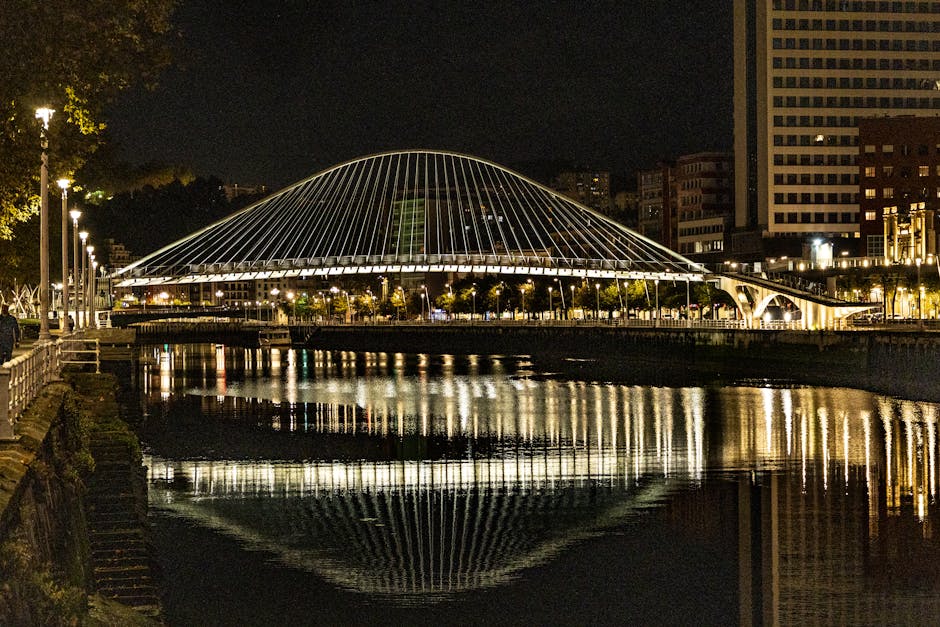
Explore Bilbao’s elegant Museum Mile and its lush 'Green Lung' on this self-guided stroll through art, architecture, and romantic gardens.
 Easy
EasyBilbao, Spain
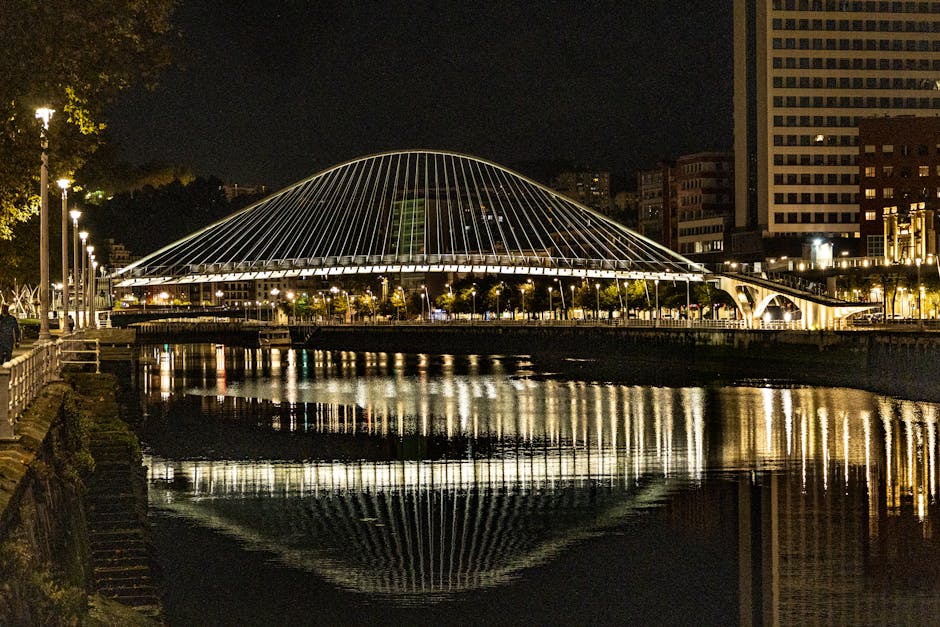
Discover the vibrant murals, industrial history, and bohemian soul of 'Bilbi' on this self-guided neighborhood stroll through Bilbao's coolest district.
 Easy
EasyBilbao, Spain
Follow the life of philosopher Miguel de Unamuno through Bilbao's Casco Viejo on this literary self-guided walk.
 Easy
EasyBilbao, Spain
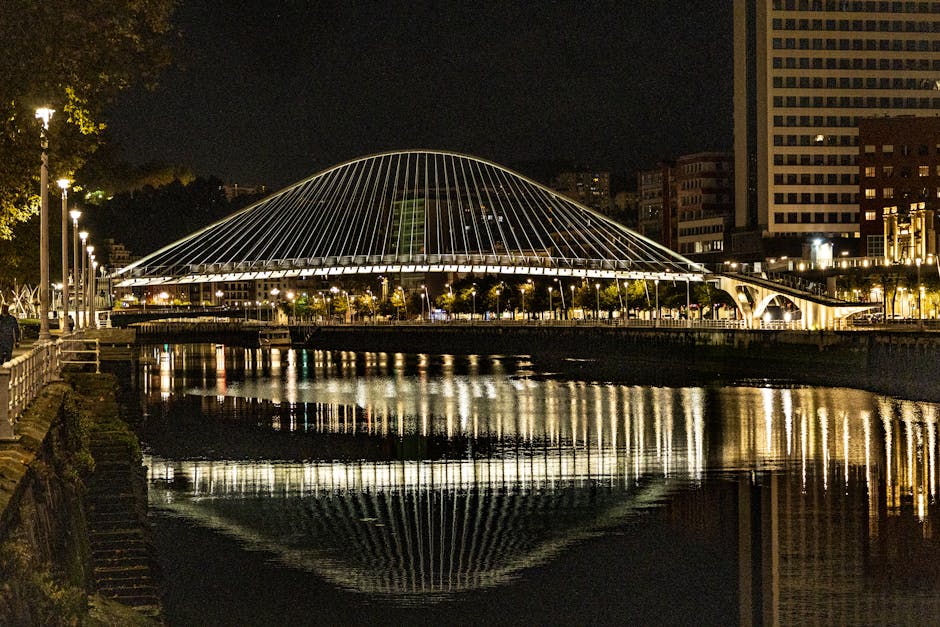
Trace Bilbao's industrial roots and maritime legacy on this self-guided stroll along the Nervión river, from historic shipyards to local Olabeaga.
 Easy
EasyGdansk, Poland
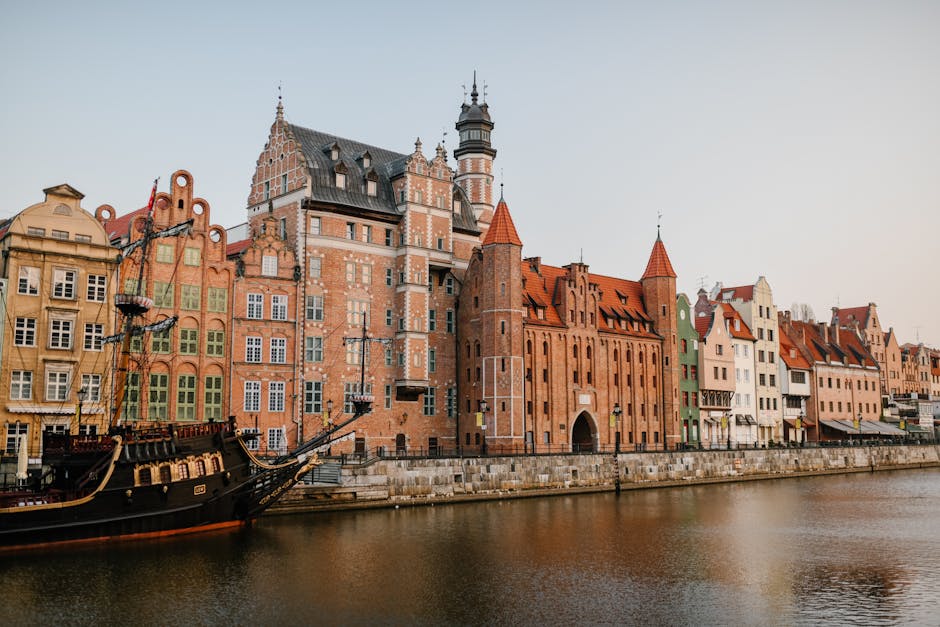
Discover the 'Baltic Gold' on this self-guided walk through Gdansk's historic mills, massive cathedrals, and the magical Mariacka Street.
 Easy
EasyWarsaw, Poland
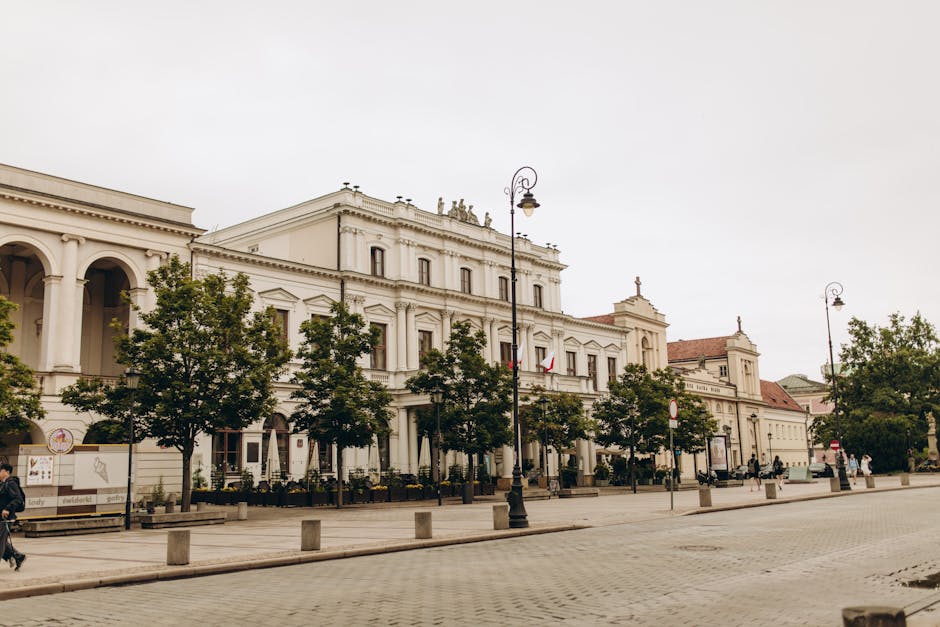
Explore Warsaw's scenic riverfront, rooftop gardens, and industrial-chic architecture on this self-guided stroll through the Powiśle district.
 Easy
EasyVienna, Austria
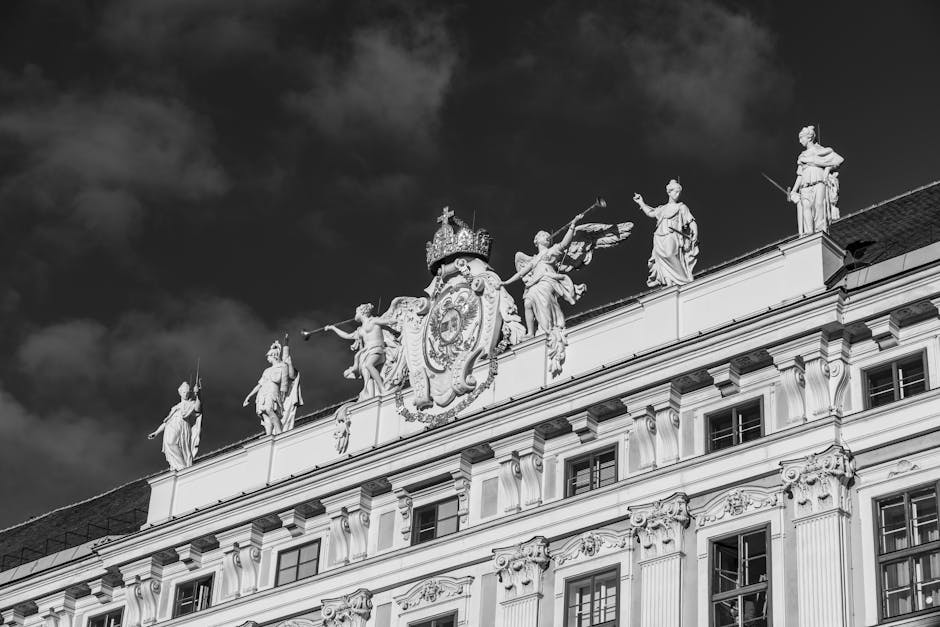
Explore Vienna’s vibrant open-air gallery along the Danube Canal on this self-guided street art and nightlife stroll through Leopoldstadt.
 Easy
EasyNairobi, Kenya
Discover Nairobi's iconic skyline on this self-guided architecture walk through the CBD’s most famous modernist and Brutalist landmarks.
 Moderate
Barcelona, Spain
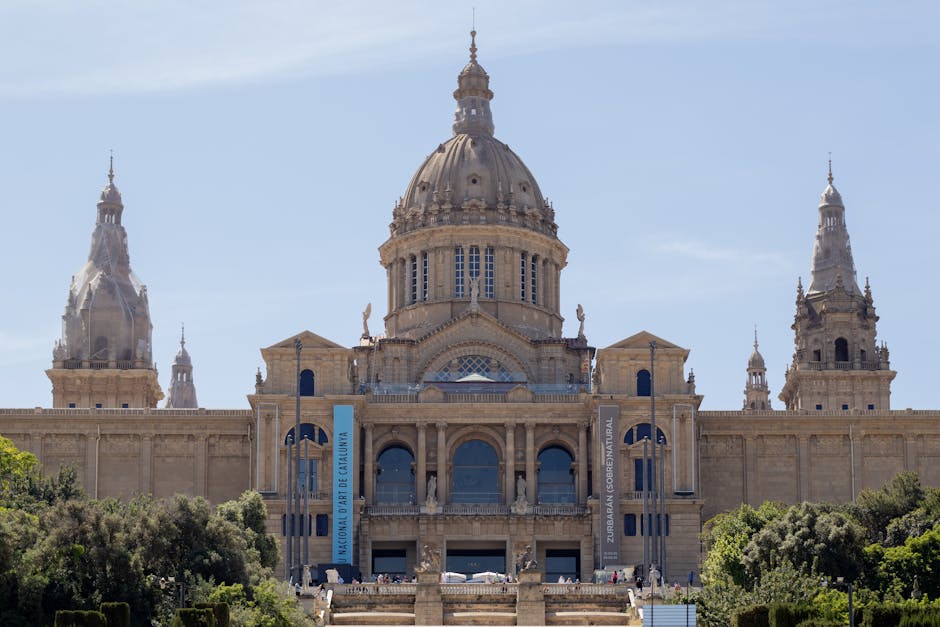
Explore the elegant 'village' of Sarrià, where Gothic monasteries and Gaudí's hidden gems meet charming local markets and narrow streets.
 Moderate
Barcelona, Spain
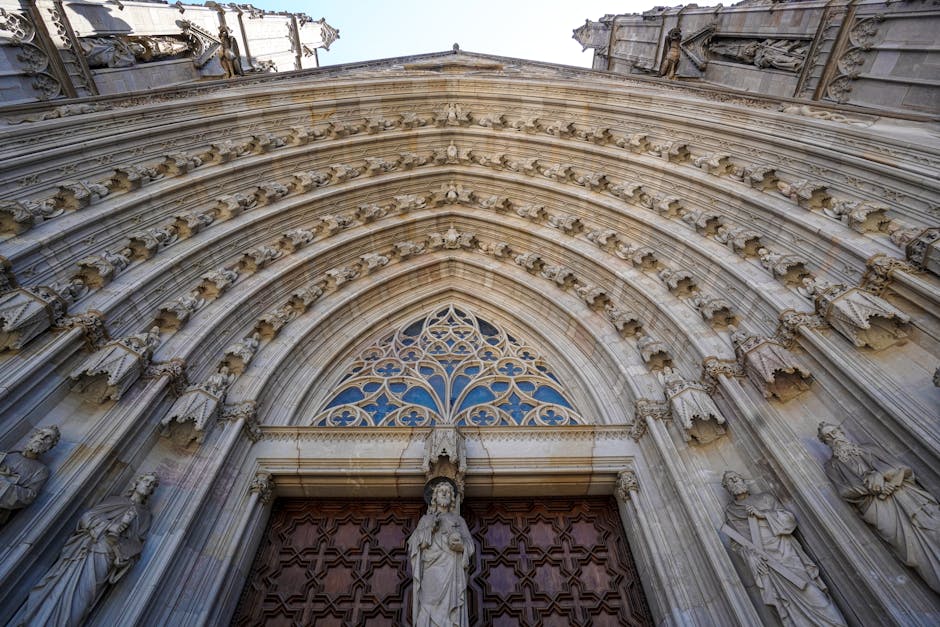
Discover the revolutionary history and haunting scars of the Spanish Civil War on this self-guided walk through Barcelona's historic streets.
 Easy
EasyBarcelona, Spain
Discover the architectural wonders of Barcelona's Golden Square on this self-guided stroll through Eixample's most luxurious Modernista streets.
 Challenging
Barcelona, Spain
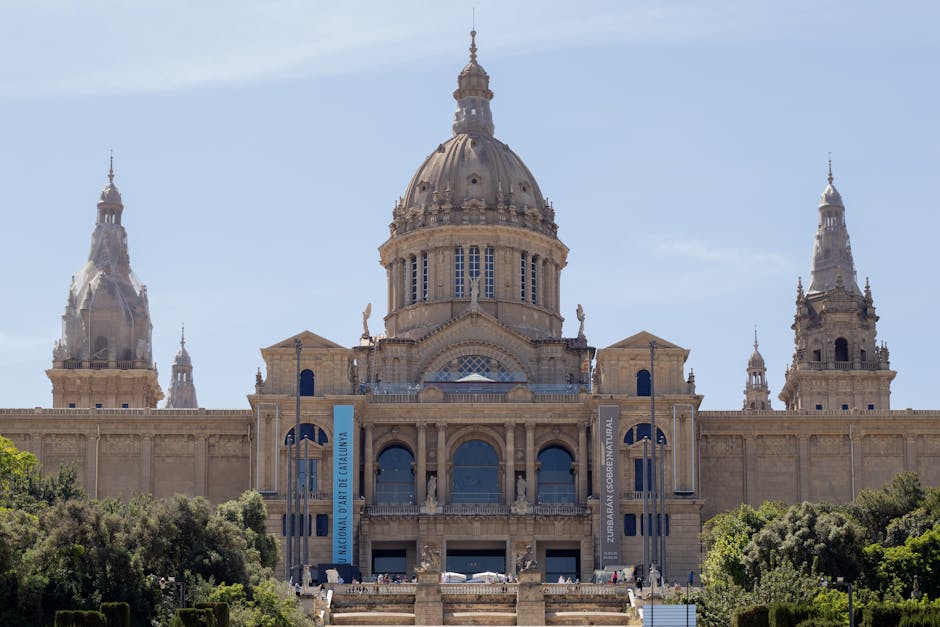
Explore Montjuïc’s lush gardens, historic fortress, and iconic Olympic venues on this scenic self-guided walk with panoramic Mediterranean views.