Self-guided audio tour in London
Start Free on iPhone
Start free on iPhone to unlock this self-guided walking tour in London. Hear all the stories that make it amazing, walk at your own pace, and begin whenever you want.
Your Private Tour Guide
Step into the fog-filled world of Victorian London with a self-guided walk through the historic streets of Southwark. This neighborhood stroll invites you to peel back the layers of time, revealing the gritty reality and social injustices that fueled the imagination of Charles Dickens. Once a chaotic district of prisons, coaching inns, and outcasts situated safely outside the City of London's jurisdiction, Southwark served as both a home and a haunting memory for Britain's greatest novelist. This walking route London focuses on the landmarks that shaped Dickens’ life and his most famous works, particularly 'Little Dorrit' and 'The Pickwick Papers.' You will encounter the haunting Crossbones Graveyard, a final resting place for the city's forgotten souls, and the last remaining galleried coaching inn where Dickens himself likely enjoyed a pint. The route explores the site of the Marshalsea Prison, where the Dickens family's financial ruin began, casting a long shadow over the author’s childhood. By choosing a self-guided adventure, you can linger in the atmospheric alleys of Clink Street or reflect in the quiet garden of Southwark Cathedral at your own pace. This literary journey is more than just a history lesson; it is an exploration of the human condition as seen through the eyes of a man who transformed his personal trauma into timeless fiction. Whether you are a dedicated fan of Victorian literature or a curious traveler seeking the hidden stories of the South Bank, this walking route London offers a profound connection to the city's past. Discover the secrets of the 'outcast dead' and the resilient spirit of the London poor while exploring one of the city's most vibrant and historically dense neighborhoods.
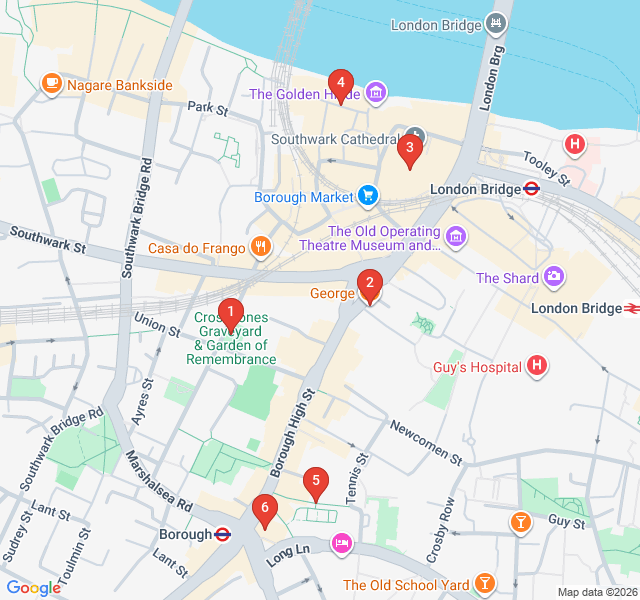
Numbers indicate the order of stops on the tour.
Start your self-guided walk at one of London's most poignant sites. Crossbones Graveyard was an unconsecrated burial ground for the 'outcast dead,' specifically the 'Winchester Geese'—women who worked in the local brothels licensed by the Bishop of Winchester. By the time it closed in 1853, it held an estimated 15,000 bodies, mostly the poorest residents of Southwark. Charles Dickens was deeply moved by the plight of the urban poor, and this site represents the social neglect he fought against in his writing. Today, the gates are adorned with ribbons and tokens, serving as a powerful memorial to those forgotten by society. Take a moment to appreciate the quiet dignity of the garden before heading toward the river.
Tucked away in a narrow courtyard, The George is a rare survivor of London's golden age of coaching inns. Built in 1677 after a fire destroyed the previous building, it is the city's last remaining galleried coaching inn. Dickens visited this pub frequently and mentioned it in 'Little Dorrit.' Imagine the chaos of horses and travelers that once filled this courtyard while passengers waited for coaches heading to the southeast coast. The wooden galleries and uneven floors are exactly as they would have been in the 19th century. It is the perfect spot to envision the characters of 'The Pickwick Papers' sharing stories over a hearth, representing the social hub of Dickensian London.
While this cathedral predates Dickens by centuries, its presence is a constant in the history of Southwark. This has been a place of worship for over a thousand years, and it holds monuments to several literary giants. Look for the memorial to John Gower, a contemporary of Chaucer, and the Shakespeare window. For Dickens, the cathedral stood as a grand sentinel over the crowded, often squalid streets of the Borough. The contrast between the cathedral’s Gothic beauty and the surrounding industrial decay was a theme Dickens explored frequently. The churchyard offers a peaceful respite from the modern bustle of nearby Borough Market, allowing you to soak in the area's ancient atmosphere.
Walk down the narrow, dark canyon of Clink Street to feel the true grit of Victorian Southwark. This area was once dominated by high warehouse walls and the infamous Clink Prison. The brickwork of Pickfords Wharf and the surrounding buildings evokes the industrial energy of the 1800s when the Thames was a crowded highway of commerce and crime. Dickens loved the riverside for its drama and darkness; he often used these damp, foggy settings for his more suspenseful scenes. As you navigate the cobblestones, imagine the sound of heavy iron-wheeled carts and the smell of the tidal river, which Dickens described with both fascination and revulsion throughout his career.
This is perhaps the most personal stop on your route. Only a single brick wall remains of the Marshalsea Debtors' Prison, where Charles Dickens’ father was incarcerated for debt when Charles was just 12 years old. The young Dickens was forced to work in a blacking factory to support himself, an experience that scarred him for life and became the central theme of 'Little Dorrit.' The prison wall stands as a grim reminder of the Victorian justice system that Dickens so fiercely criticized. Standing here, you can almost feel the weight of the shame and hardship that drove Dickens to become a champion for the vulnerable and a voice for the voiceless.
Your walk concludes at St George the Martyr, often called the 'Little Dorrit Church.' In Dickens' novel, the protagonist Amy Dorrit was christened here and later took refuge in the vestry when she was locked out of the Marshalsea Prison for the night. She eventually married Arthur Clennam in this very building. Look for the stained-glass window that depicts Amy herself. The church stands at a busy crossroads, symbolic of the intersection between the harsh reality of the prison that once stood nearby and the spiritual hope found within these walls. It is a fitting end to a journey through the light and shadow of Dickens' Southwark.
Start Free on iPhone
Explore “Dickensian Southwark: Literary Trails of the City” with your very own Private Tour Guide with Zigway. Start free on iPhone, skip the large group and the fixed routes, and hear the city come alive as you go.
Your Private Tour Guide
Don't miss the good stuff
Explore Freely
 Easy
EasyLondon, United Kingdom
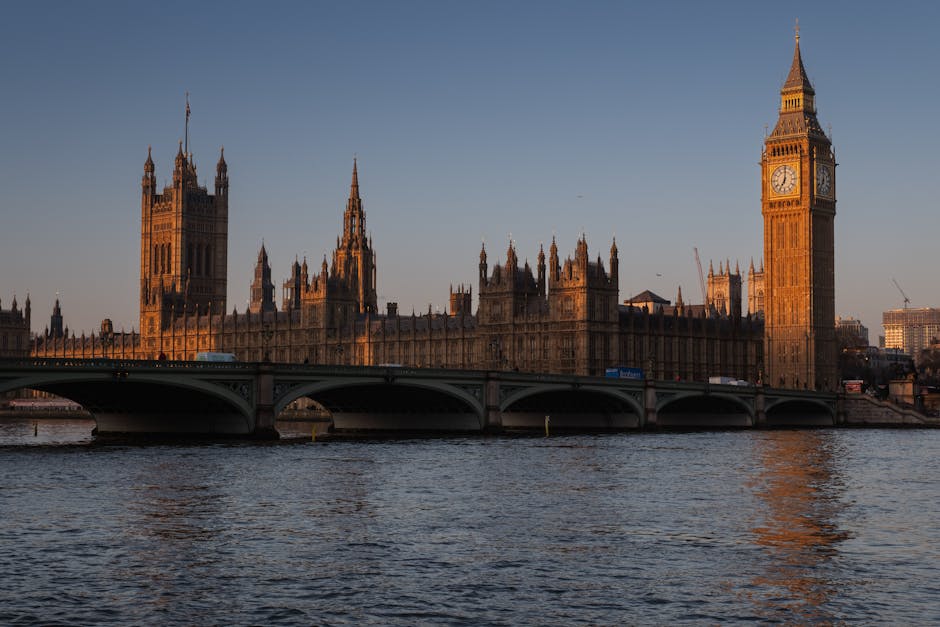
Explore the heart of British royalty and politics on this self-guided walk from the gates of St James's Palace to the iconic chimes of Big Ben.
 Easy
EasyLondon, United Kingdom
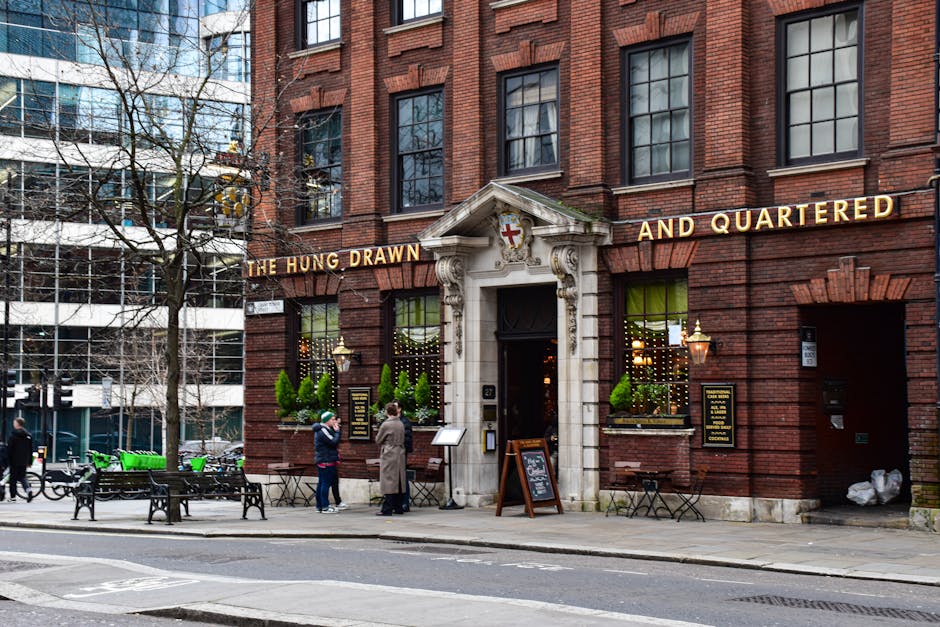
Explore the neon glow of Soho and the magic of Theatreland on this self-guided audio walk through London's most vibrant nightlife districts.
 Moderate
London, United Kingdom
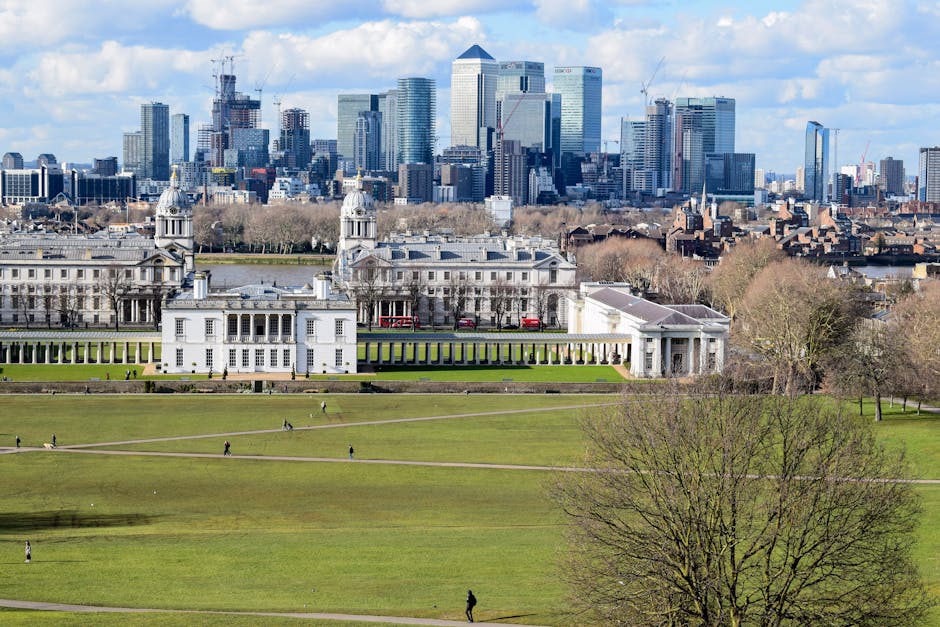
Follow the tranquil Regent’s Canal from the bustle of Camden Market to the serene, leafy waters of Little Venice on this scenic self-guided walk.
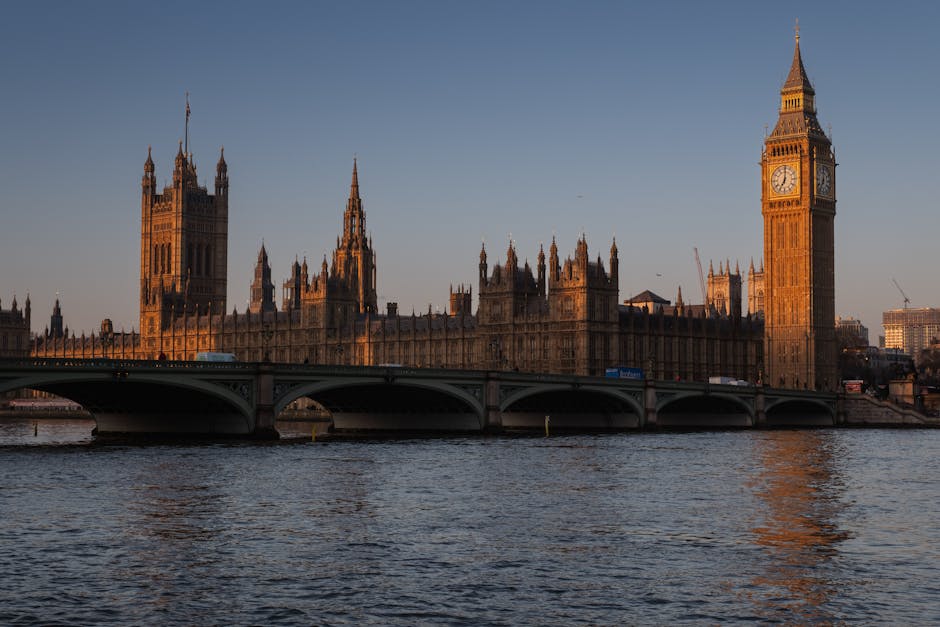 Easy
EasyLondon, United Kingdom
Explore London’s dark history on this self-guided walk through Smithfield, covering the Great Fire, plague pits, and legendary execution sites.
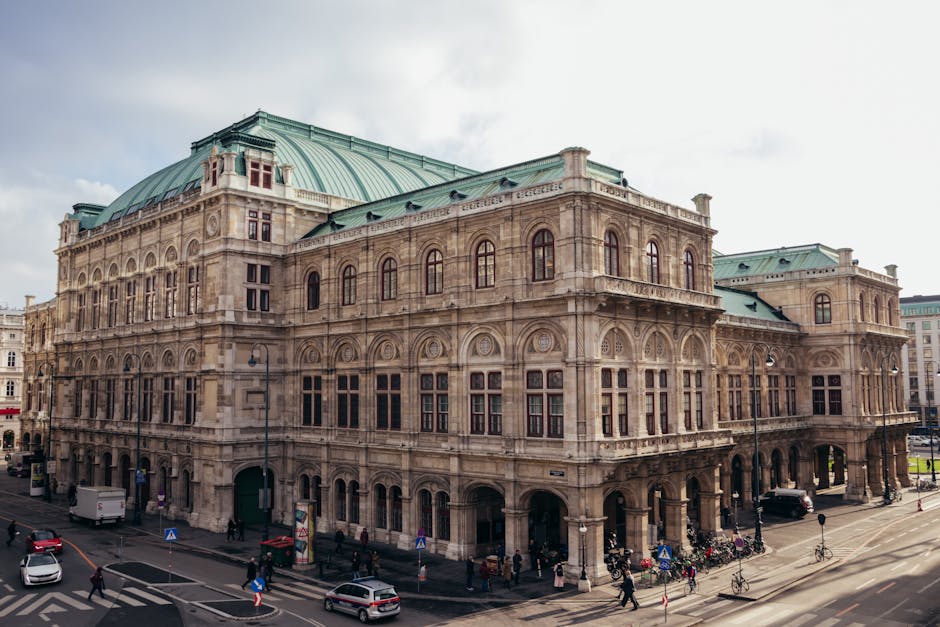 Moderate
Vienna, Austria
Discover the noir world of The Third Man and Cold War Vienna on this atmospheric self-guided audio walk through the historic Innere Stadt.
 Easy
EasyNairobi, Kenya
Discover Nairobi’s literary soul on this self-guided walk through historic libraries, iconic bookshops, and cultural centers in the heart of the CBD.
 Easy
EasyKrakow, Poland
Explore the prestigious Jagiellonian University district, featuring Neo-Gothic architecture, Baroque churches, and Krakow's hidden scholarly gems.
 Easy
EasyKrakow, Poland
Explore the historic heart of Kazimierz on this self-guided walk through synagogues, ancient cemeteries, and vibrant squares.
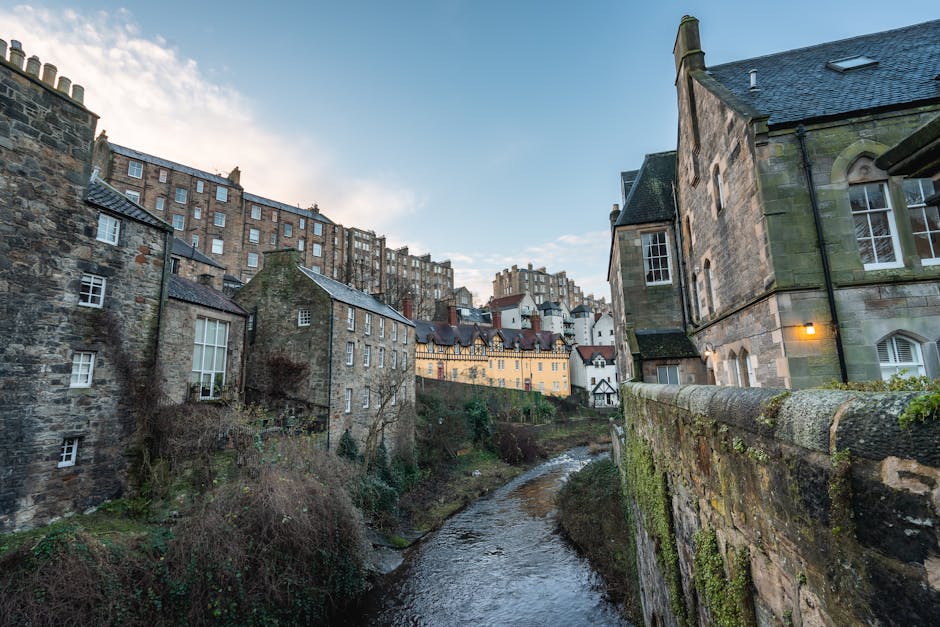 Easy
EasyEdinburgh, United Kingdom
Explore Edinburgh's historic Royal Mile at your own pace, from the heights of the Castle to the royal Palace of Holyroodhouse.
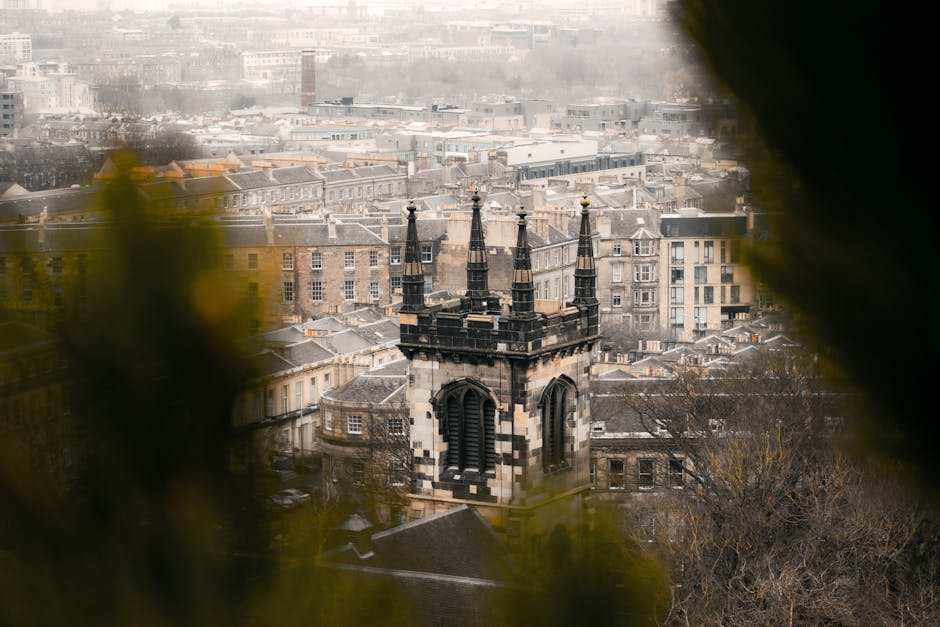 Easy
EasyEdinburgh, United Kingdom
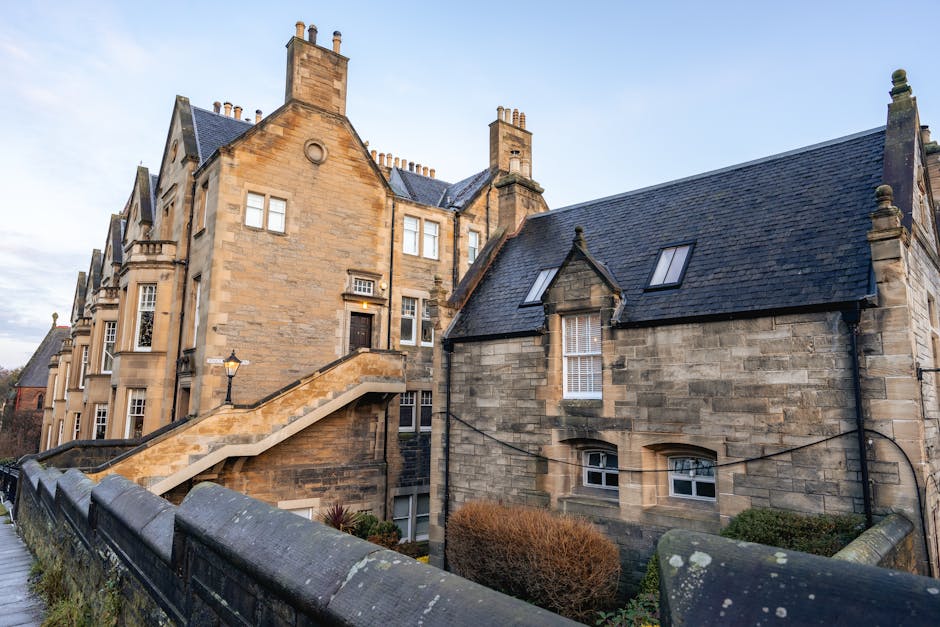
Capture the magic of Edinburgh on this self-guided stroll through the fairy-tale Dean Village, floral Circus Lane, and the scenic Water of Leith.
 Easy
EasyEdinburgh, United Kingdom
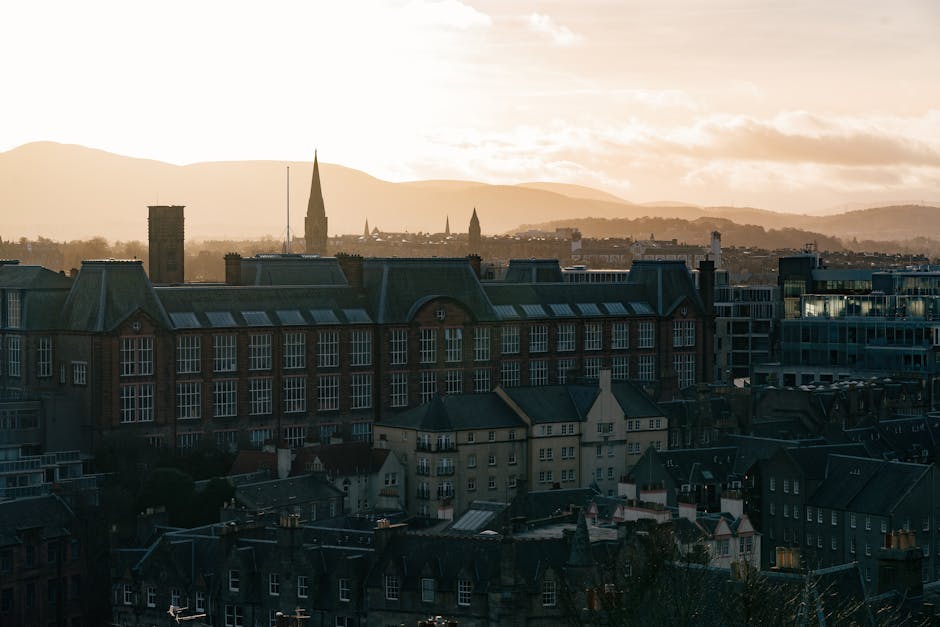
Explore Edinburgh's creative soul on this self-guided walk from historic museums to the stylish galleries and boutiques of the West End.
 Challenging
Edinburgh, United Kingdom
Ascend an ancient volcano and discover royal history on this challenging self-guided walk through Edinburgh's iconic Holyrood Park.