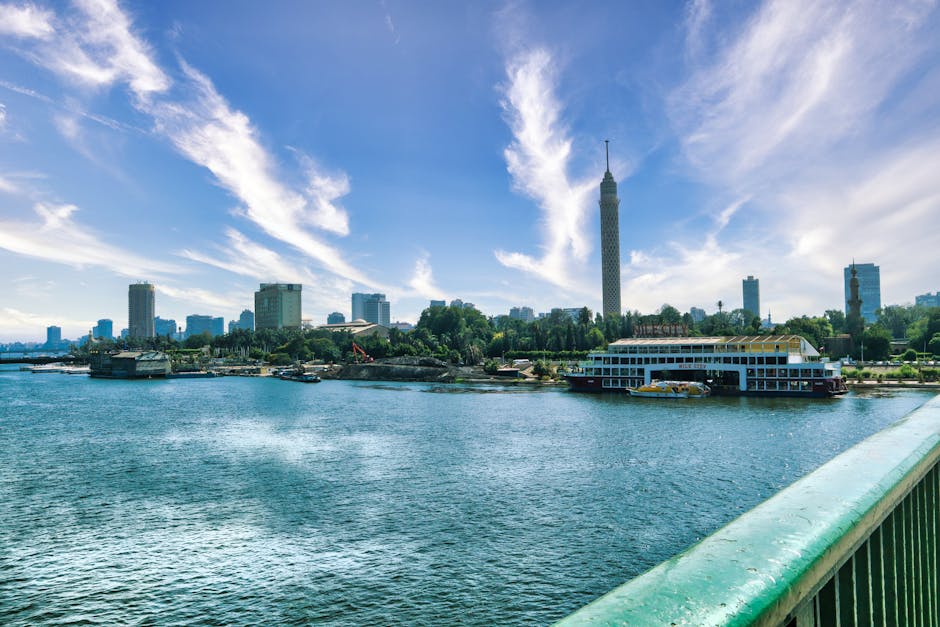
Self-guided audio tour in Cairo
Start Free on iPhone
Hear the stories behind the streets and sights around you as you walk Cairo. Try it free on iPhone.
Your Private Tour Guide
Garden City in Cairo is a neighborhood of curved streets and Art Deco buildings, and the self-guided route winds through them from the British Embassy past the Belmont Building and on toward Zamalek. Leave the busy grid of central Cairo behind and you're in a leafy maze laid out at the turn of the 20th century, modeled on the 'Garden City' movement popular in England. It's one of the most important neighborhoods in the city for architecture. Khedivial Cairo has straight boulevards. Here the streets bend and twist on purpose, to make a private, quiet residential enclave. The Curved Streets and Art Deco of Garden City walk traces the shift from late 19th-century Beaux-Arts elegance to the bold geometric lines of Art Deco and early Modernism. You'll pass old seats of diplomatic power and the residential towers that once shaped the Cairo skyline. The route starts at the imposing British Embassy and heads into the circular streets at the heart of the district. You'll see how the layout was meant to confuse outsiders and keep things shady under the tree-lined bends. The big highlight is the Belmont Building, a key piece of Modernist history by the architect of the Cairo Tower. It sticks up as a vertical landmark in a district that's otherwise mostly low-rise villas and mid-century apartments. Later on, the route steps outside Garden City to show how the wider city's architecture changed. You'll see the striking Italian Consulate, a fine example of Rationalist design, before winding up toward the upscale district of Zamalek. It's a good walk if you like the 'silent' history of buildings, where facades tell you about colonial influence, national pride and the avant-garde spirit of Egypt's golden age. Photographers can hunt for the right angle on a curved balcony. History fans get the secrets of the diplomatic quarter. Either way, you get an unusual look at how Cairo is put together. This isn't the guided tour of Cairo you'll find in brochures. It's an independent walk through the city's quietest and most elegant corners.
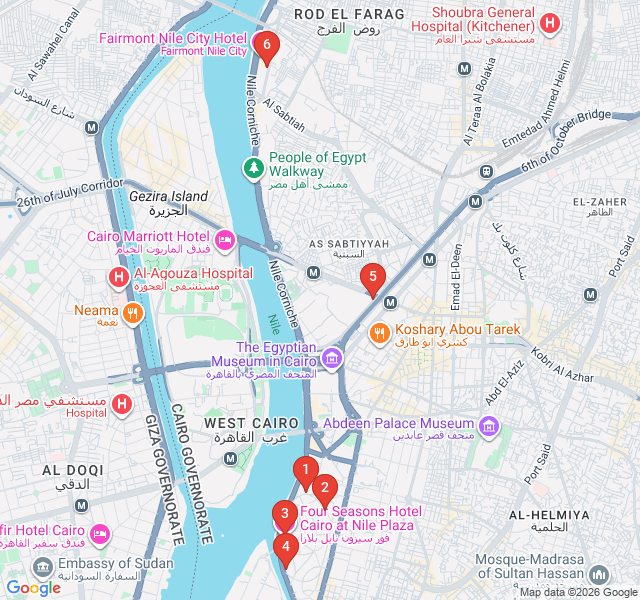
Numbers indicate the order of stops on the tour.
Begin at the British Embassy, which has been at the center of Egyptian-British relations for more than a century. The building is heavily fortified these days, and it stands on land that was once part of the sprawling Kasr el-Doubara palace complex. Stand near the perimeter and take in the heavy stone walls and the sense of being shut off from everything. The site was picked for being close to the Nile and the Khedive's palace. In fact, the embassy is a big reason Garden City got its confusing, curved streets: the area was meant to be a defensible 'buffer zone' for the British administration. What you're looking at is the 'Old Guard' of Cairo's diplomatic world.
Follow the curve of the street to the Aura Garden City Hotel. It's a good example of the district's old villas being put to new uses. Many buildings around here started out as private homes for Cairo's elite and for foreign dignitaries. Look closely at the balconies and stonework and you'll see the mix of European styles that was in fashion in the early 1900s. Garden City was planned as an elite suburb where nature and city living sat side by side, and hotels like this one keep that sense of quiet luxury going while the metropolis roars on outside. Pause here for a minute. This is where you really notice how green the neighborhood feels.
Out by the Nile Corniche, the Four Seasons Nile Plaza towers over everything, a thoroughly modern giant. The building is new, but the ground under it has a long history: it occupies the site of former palaces that once lined the riverbank. It's a good moment to think about the sheer scale of Cairo's growth. From here you can see how the city moved from the low-rise villas of the 1920s to the tall glass and stone towers of the 21st century. The Nile has always set the direction for Cairo's architecture, and the luxury hotels along this stretch are the modern heirs to the royal residences that came before them.
Now look up. The Belmont Building is one of the key landmarks on this walk. It was designed by the visionary architect Naoum Shebib, the same man behind the Cairo Tower, and when it was finished in the 1950s it was the tallest building in the city. It marks a bold move toward Modernism and Art Deco. The streamlined curves and repeating window patterns broke with the ornate styles you've seen so far. It's named after the cigarette brand that famously advertised on its roof. To this day it stands for the ambition of mid-century Cairo and its appetite for international architectural trends. A true 'skyscraper' of its era.
Head north toward the edge of Downtown to reach the Consulate of Italy. It's a stark, impressive example of 1930s Italian Rationalist architecture. Notice the clean lines, the lack of excess decoration, and the imposing, symmetrical front. It's a sharp contrast with the more playful curves of Garden City, and it reflects the political and social ideas of the time it went up. The building is a reminder of the varied international community that shaped Cairo's identity in the early 20th century, bringing styles from Rome, Paris and London to the banks of the Nile. Give it a proper look before you move on, ideally from across the road where the symmetry really shows.
The walk wraps up at the Canadian Embassy. This stop shows how the diplomatic corridor still matters as it stretches toward the leafy island of Zamalek. The building itself is low-key, as you'd expect from a modern administrative building, but the streets around it keep up the theme of high-walled gardens and quiet, prestigious calm. Think back over the route: from the defensive curves around the British Embassy, past the Modernist height of the Belmont Building, to here, where the city's diplomatic heart is still beating. You're well placed now to explore the cafes and boutiques of Zamalek, so if you've got energy left, keep going.
Explore Mode
Open Zigway, start Explore Mode and just walk. Your guide notices where you are and tells you the story of what's around you, on this route or any street you turn into.
Start Free on iPhone
Open Zigway as you walk and your private tour guide tells the stories behind what you pass.
Your Private Tour Guide
Don't miss the good stuff
Explore Freely
 Easy
Cairo, Egypt
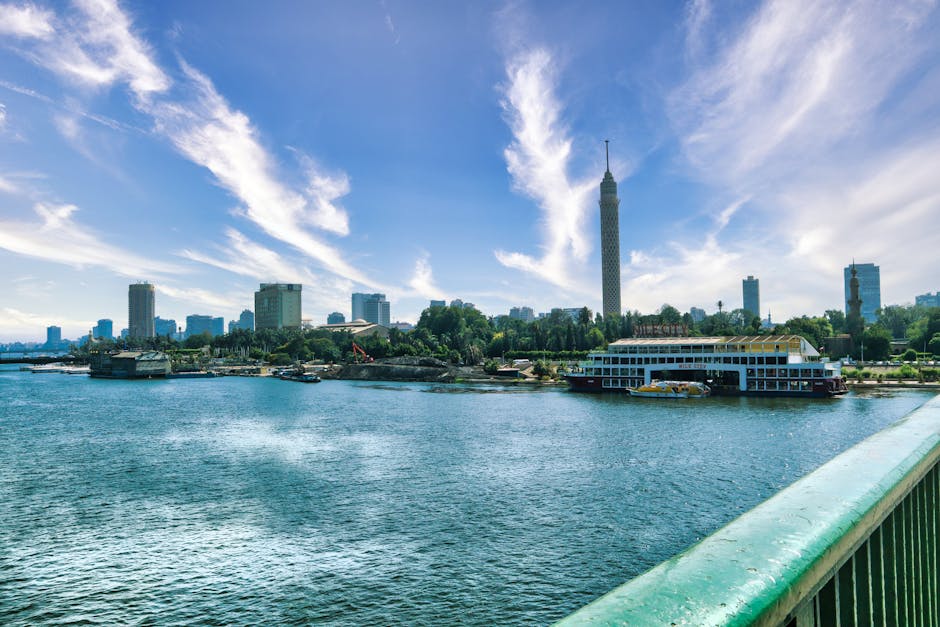
Discover the art, architecture, and tranquil gardens of Gezira Island on this elegant self-guided neighborhood stroll through Zamalek.
 Easy
Cairo, Egypt
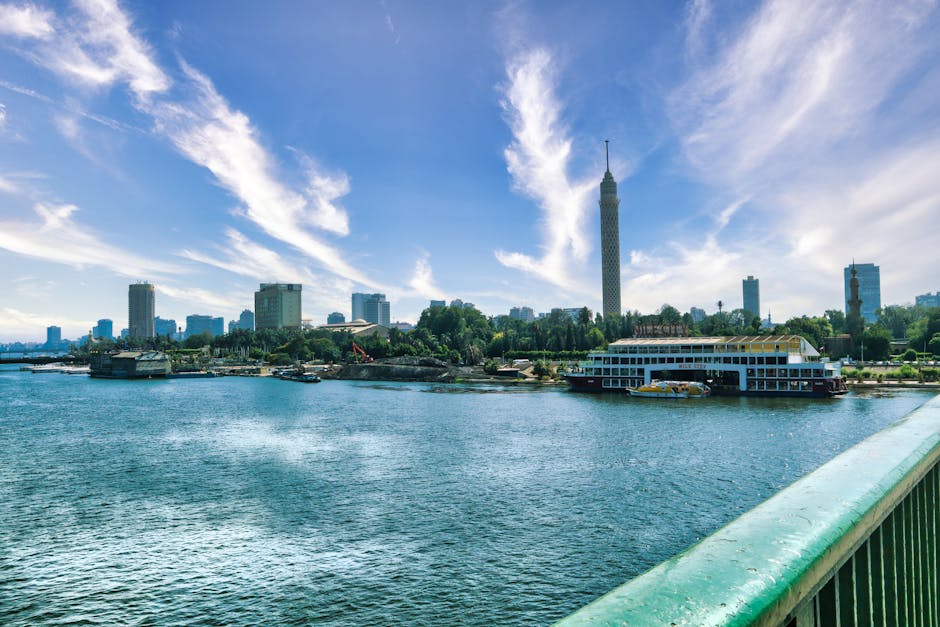
Explore the hidden heart of Egypt’s modern art scene with this self-guided walk through Downtown Cairo’s most influential independent galleries.
 Easy
Cairo, Egypt
Taste the heart of Egypt on this self-guided walk through Downtown Cairo’s most iconic street food spots, from Koshary towers to historic cafés.
 Easy
Cairo, Egypt
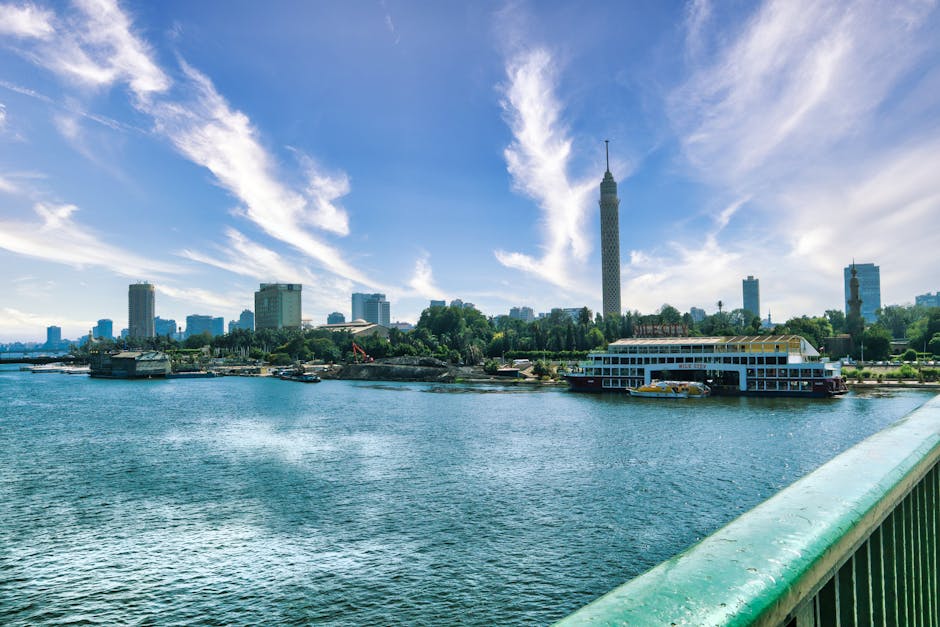
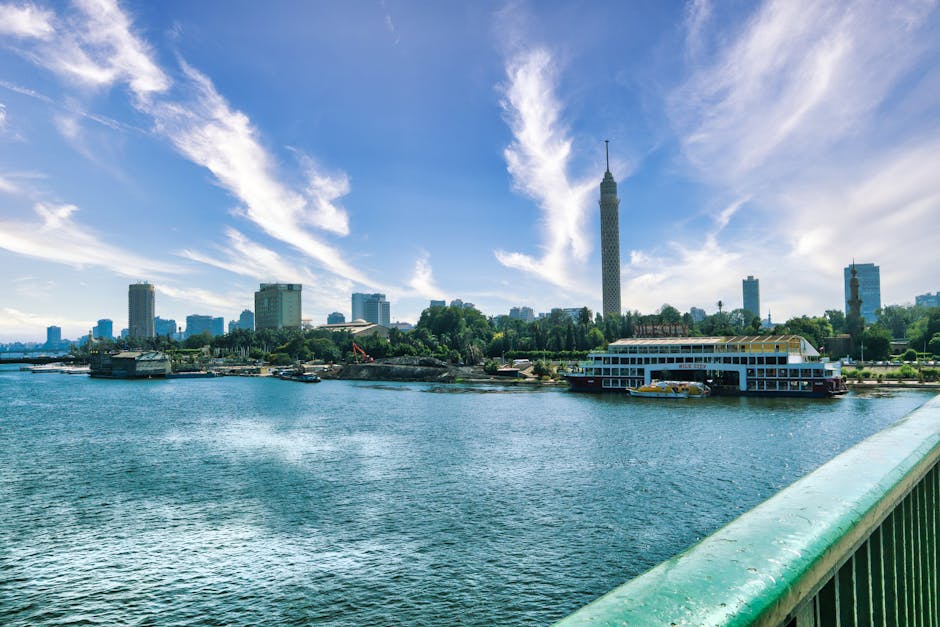
Explore Cairo's waterfront at sunset. From the iconic lions of Qasr El Nil to the quiet, circular streets of historic Garden City.
 Easy
Warsaw, Poland
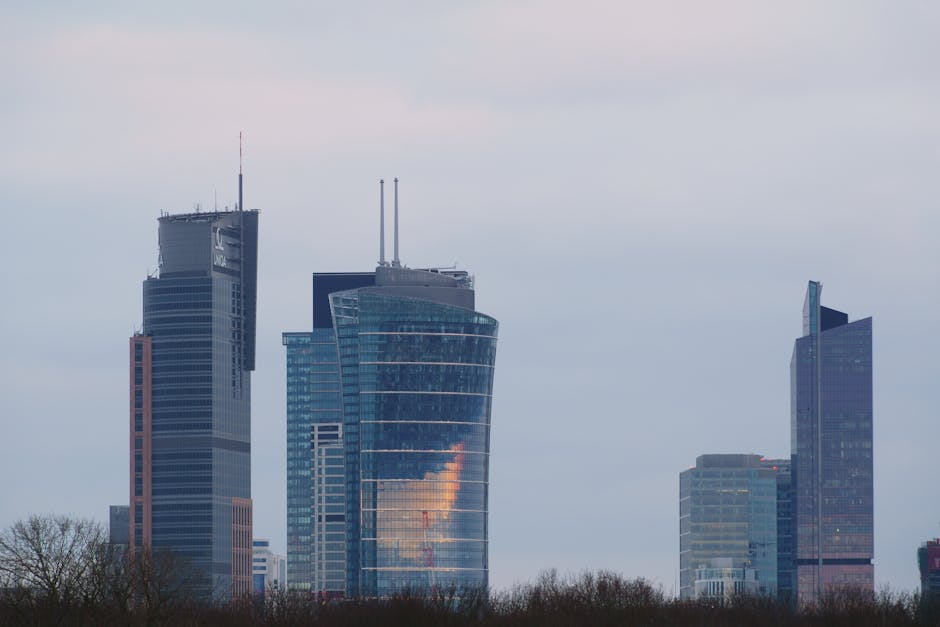
Discover the hidden courtyards and grand pre-war architecture of Warsaw's most atmospheric neighborhood on this self-guided stroll.
 Easy
Salzburg, Austria
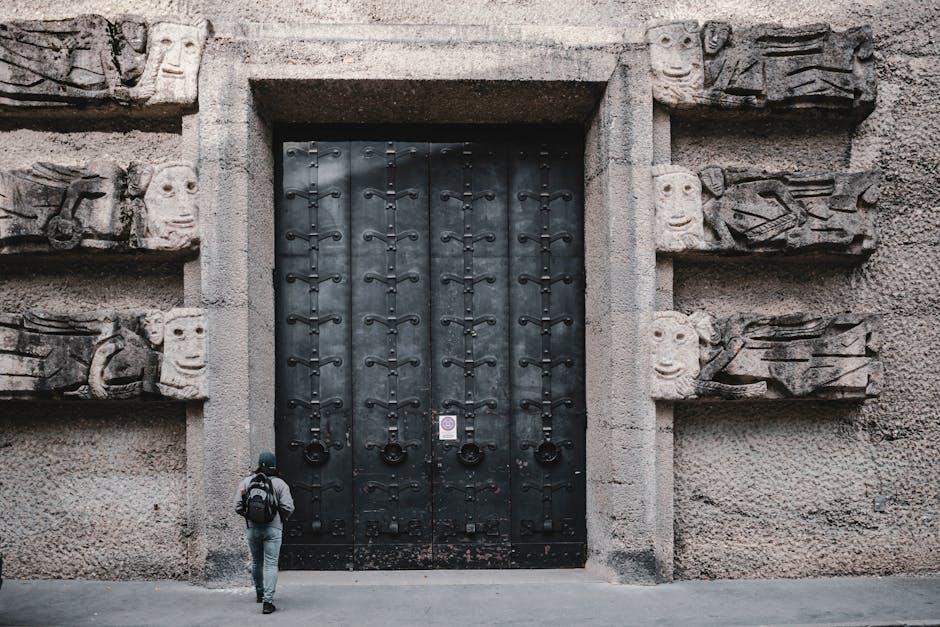
Discover Salzburg's oldest medieval alley, the birthplace of the 'Silent Night' author, and breathtaking views on this quiet self-guided walk.
 Easy
Helsinki, Finland
Discover Helsinki's oldest neighborhood on this self-guided audio walk through Kruununhaka’s historic streets, hidden courtyards, and scenic shores.
 Easy
Nairobi, Kenya
Discover Nairobi's iconic skyline on this self-guided architecture walk through the CBD’s most famous modernist and Brutalist landmarks.