Self-guided audio tour in Ho Chi Minh City
Start Free on iPhone
Start free on iPhone to unlock this self-guided walking tour in Ho Chi Minh City. Hear all the stories that make it amazing, walk at your own pace, and begin whenever you want.
Your Private Tour Guide
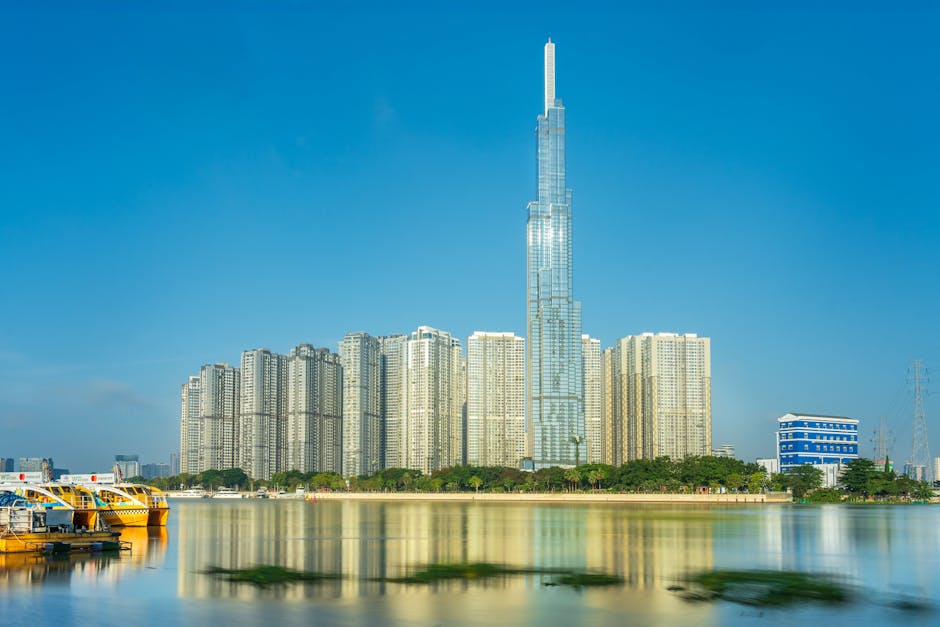
The Saigon River has long been the lifeblood of Ho Chi Minh City, serving as a gateway for trade, colonial expansion, and revolution. This self-guided walk invites you to trace the edge of District 1, where the city’s maritime heritage meets its soaring modern ambitions. As you follow this walking route, you will transition from the iron-wrought elegance of the French colonial era to the sleek, glass-and-steel skyline of the 21st century. The path begins at the iconic Mống Bridge, a mint-green structure that has witnessed over a century of change, and concludes at the vibrant Saigon Waterbus station, the heart of the city's modern riverside revival. Along the way, you will discover the site where a young Ho Chi Minh set sail for Europe, the grand architecture of the Customs Department, and the watchful gaze of General Tran Hung Dao. This neighborhood stroll is perfect for those who want to understand how the 'Pearl of the Far East' evolved into a global metropolis. Beyond the history, this route offers some of the best viewpoints in the city. You will see the Bitexco Financial Tower juxtaposed against low-slung heritage buildings and watch the bustling river traffic of cargo ships and ferries. Whether you are a history buff or a photography enthusiast, this audio walk provides the context needed to appreciate the layers of Saigon's identity. Explore independently and at your own pace, pausing for a coffee at Bach Dang Wharf or taking in the sunset over the water. This walking tour Ho Chi Minh City experience captures the essence of a city that never stops moving, all while keeping one eye firmly on its storied past.
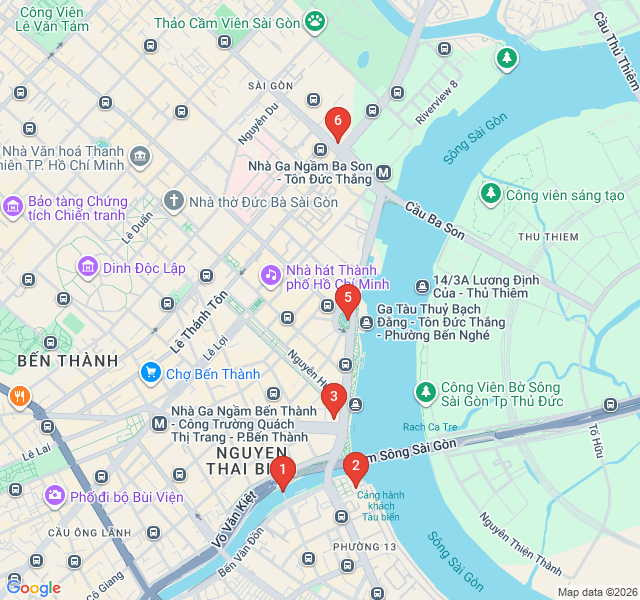
Numbers indicate the order of stops on the tour.
Begin your self-guided adventure at Mống Bridge, one of the oldest bridges in the city. Built in 1893 by the French construction company Messageries Maritimes—often associated with the legendary Gustave Eiffel—this mint-green iron bridge was once a vital link for vehicles. Today, it is a pedestrian-only landmark and a favorite spot for local photographers. As you stand on its wooden planks, look toward the city to see the Bitexco Financial Tower, or look down at the Tau Hu Canal as it merges into the Saigon River. The bridge represents the transition between the old 'Port of Saigon' and the developing financial district. Its resilient structure has survived wars and urban redevelopment, remaining a symbol of the city's enduring charm and industrial heritage.
Across the water stands Bến Nhà Rồng, or the Dragon House Wharf. Originally built in 1863 as the headquarters of the French transport company Messageries Maritimes, the building features two ceramic dragons on its roof, a classic Vietnamese motif. This site is deeply significant to national history; it was from here in June 1911 that a young man named Nguyen Tat Thanh—later known as Ho Chi Minh—boarded a French steamer as a kitchen assistant to begin a 30-year journey abroad in search of national independence. Today, the building serves as a museum dedicated to his life and legacy. Even from the exterior, the blend of European colonial architecture and Vietnamese decorative elements tells a compelling story of cultural intersection and revolutionary spirit.
As you walk toward the heart of the riverfront, you will encounter the Ho Chi Minh City Customs Department. This grand building is a prime example of French colonial administrative architecture, characterized by its yellow walls, arched windows, and decorative moldings. For over a century, this office has managed the flow of goods into the city, reflecting Saigon’s historical status as a major regional trading hub. During the colonial era, the river was thick with ships carrying rubber, rice, and silk. While the port operations have mostly moved downstream to deeper waters, this building remains a functional reminder of the bureaucracy and commerce that built the city's wealth. Its dignified presence offers a quiet contrast to the modern skyscrapers rising directly behind it.
Bach Dang Wharf has undergone a massive transformation in recent years, evolving from a functional pier into a sleek riverside park. This area was historically the primary landing point for visitors arriving by sea. Nearby, the name 'Katinat' evokes the old French name for Dong Khoi Street (Rue Catinat), once the most fashionable thoroughfare in the city. Today, this stretch is a social heart for the city, where locals come to enjoy the river breeze and a coffee. The wharf area is the perfect place to observe the 'Riverside Revival'—the city's effort to reclaim its waterfront for public use. It’s a bustling hub where you’ll see commuters, tourists, and street vendors all sharing the same panoramic views of the Thu Thiem peninsula across the water.
Standing tall in the center of Me Linh Square is the statue of General Tran Hung Dao, one of Vietnam’s most revered military heroes. In the 13th century, he famously repelled three Mongol invasions, utilizing his knowledge of the country’s waterways to secure victory. The statue depicts him pointing toward the river, a symbolic gesture of his strategic command over the waters. Me Linh Square itself is a semicircular plaza that acts as a gateway to the city's luxury hotel district. The placement of a medieval hero amidst 21st-century hotels and offices serves as a powerful reminder of Vietnamese resilience and national identity. It is a popular gathering spot and a landmark used by locals to navigate the shifting streets of District 1.
Your walking route concludes at the Saigon Waterbus station. This modern transit system, launched in 2017, represents the future of Ho Chi Minh City’s relationship with its river. For a very small fee, the waterbus offers a unique perspective of the city, traveling past the Vinhomes Central Park development and under the city's massive bridges. The station area is a vibrant public space with cafes and seating, making it an ideal spot to rest after your walk. From here, you can choose to hop on a boat for a river cruise or walk a few blocks inland to explore the high-end boutiques and historic hotels of Dong Khoi Street. The waterbus station is a testament to how the city continues to reinvent its relationship with the water that founded it.
Start Free on iPhone
Explore “Riverside Revival and Port History” with your very own Private Tour Guide with Zigway. Start free on iPhone, skip the large group and the fixed routes, and hear the city come alive as you go.
Your Private Tour Guide
Don't miss the good stuff
Explore Freely
 Moderate
Ho Chi Minh City, Vietnam
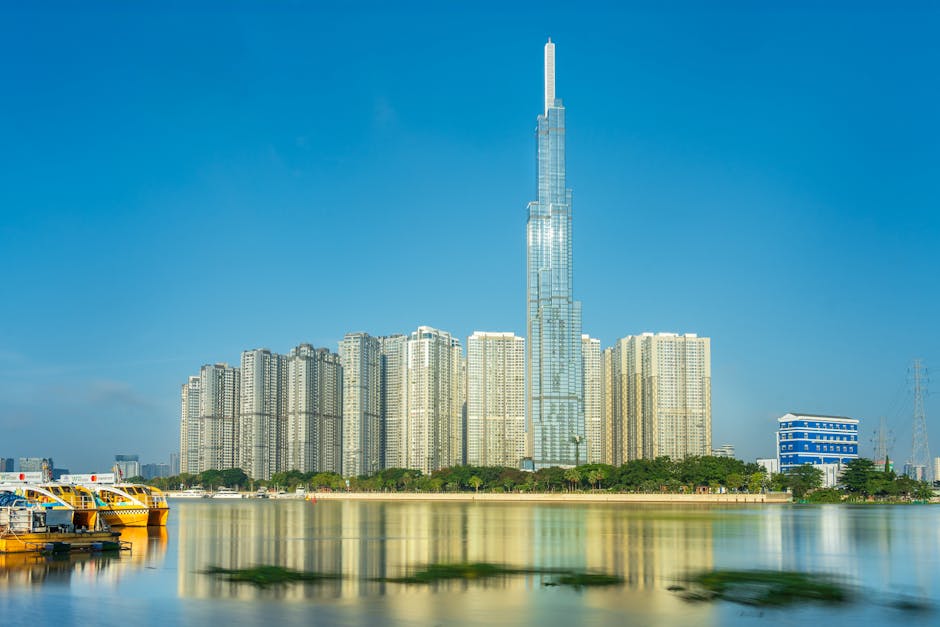
Explore the history of the Vietnam War at your own pace through iconic landmarks and hidden clandestine sites in Districts 1 and 3.
 Moderate
Ho Chi Minh City, Vietnam
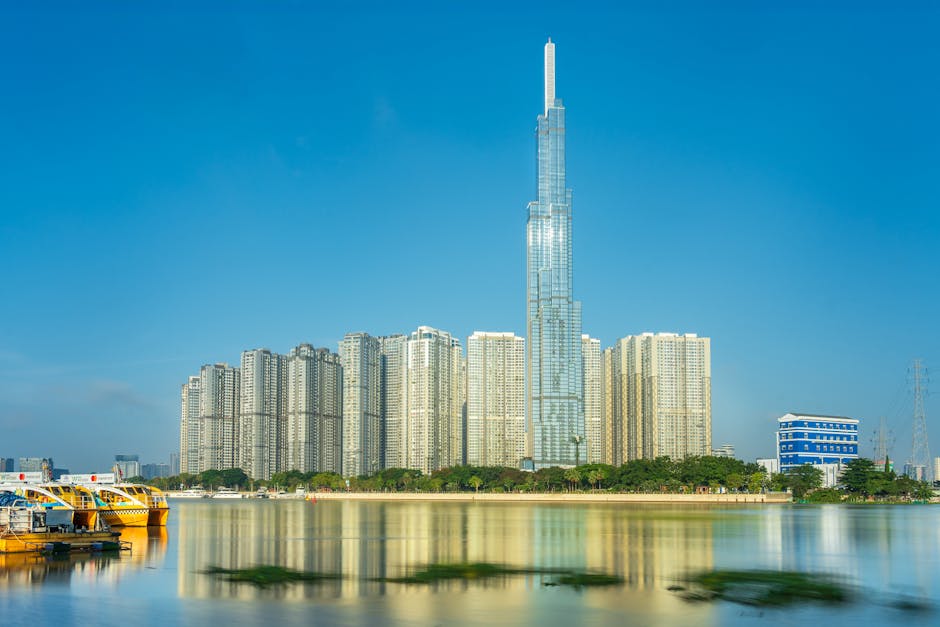
Explore Saigon’s coffee evolution from 1930s clay-pot brews to modern specialty roasters on this self-guided walk through District 1 and 3.
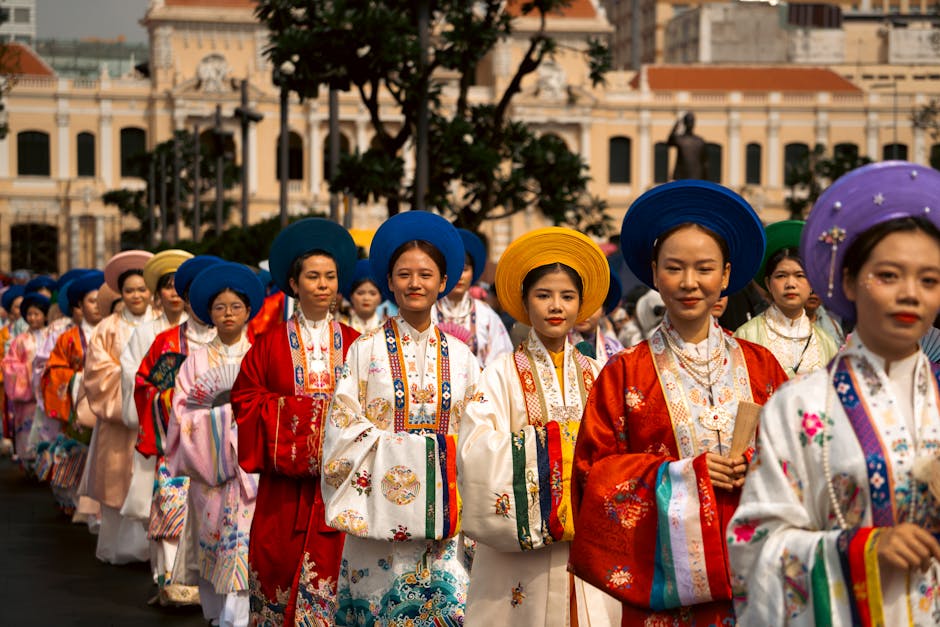 Moderate
Ho Chi Minh City, Vietnam
Explore the soul of Ho Chi Minh City's Chinatown on this self-guided walk through historic markets and ornate Cantonese assembly halls.
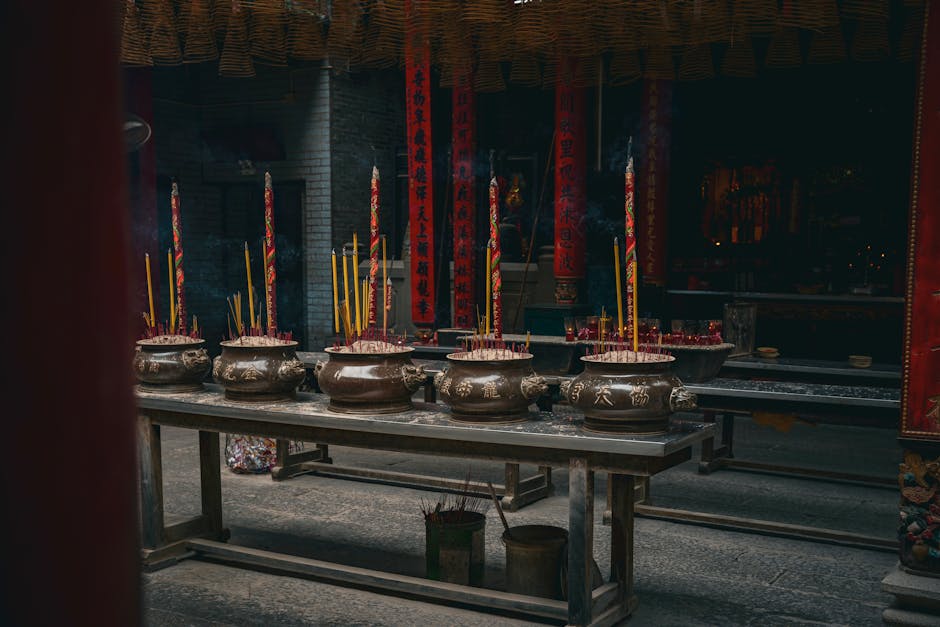 Easy
EasyHo Chi Minh City, Vietnam
Discover the vibrant spirituality and stunning architecture of District 3, from serene pagodas to the iconic Pink Church.
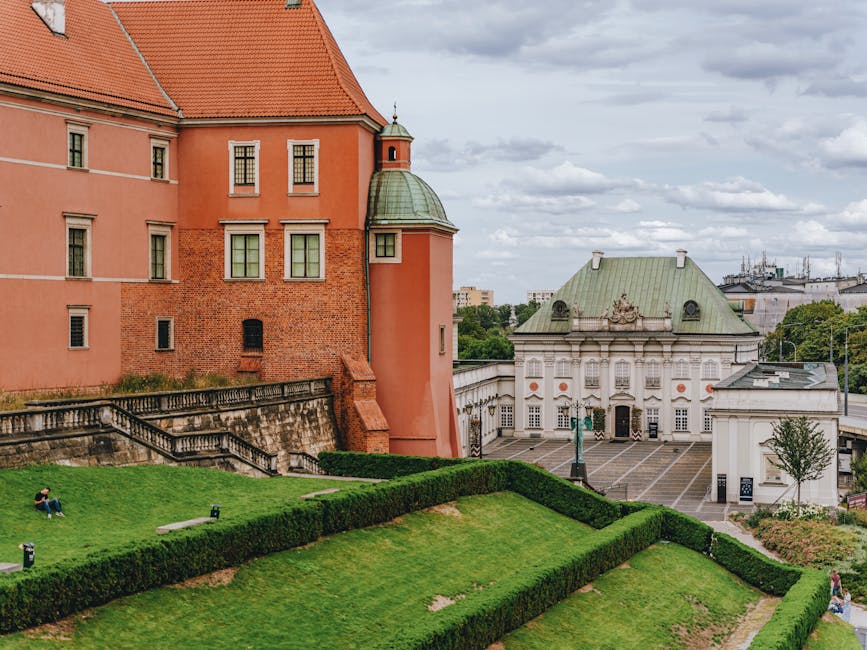 Easy
EasyWarsaw, Poland
Explore the miracle of Warsaw's reconstructed Old Town on this self-guided walk through royal squares, medieval walls, and heroic monuments.
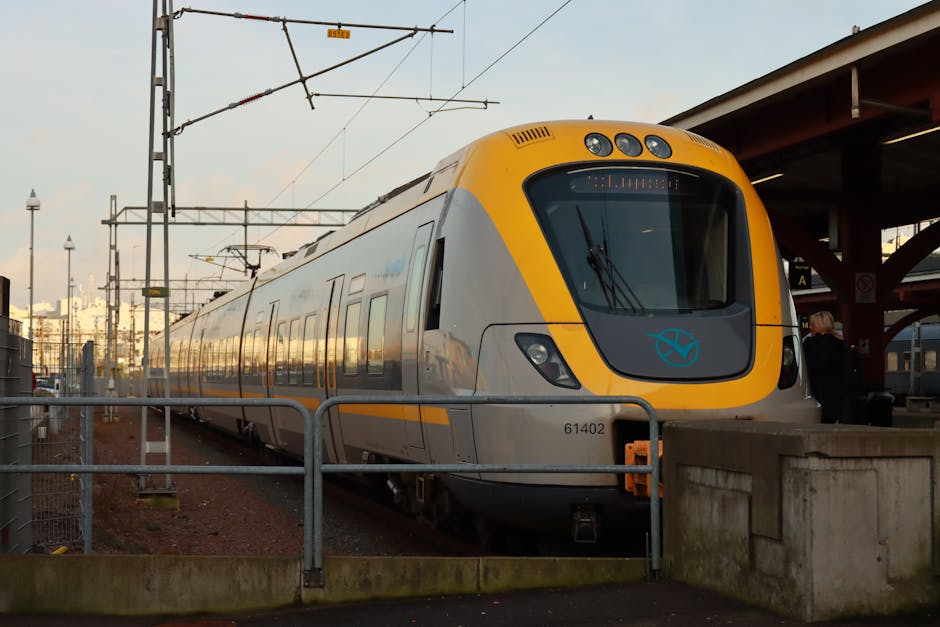 Easy
EasyGothenburg, Sweden
Discover Gothenburg’s 17th-century Dutch foundations, historic canals, and military fortifications on this self-guided architectural walk.
 Easy
EasyNairobi, Kenya
Explore the history of Kenya’s independence through the statues, monuments, and parks that define Nairobi’s political heart on this self-guided walk.
 Easy
EasyNairobi, Kenya
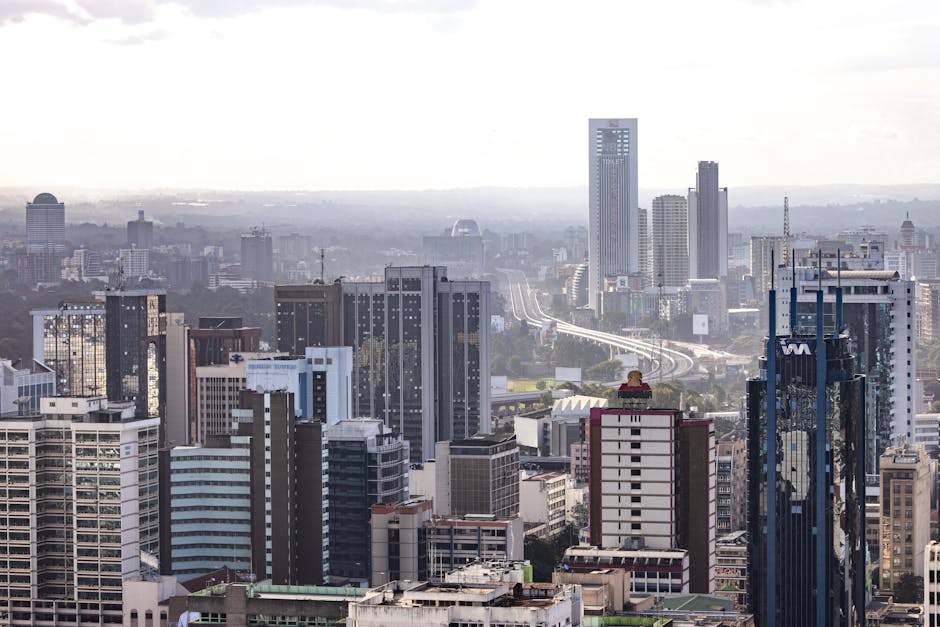
Discover Nairobi's iconic skyline on this self-guided architecture walk through the CBD’s most famous modernist and Brutalist landmarks.
 Moderate
Hanoi, Vietnam
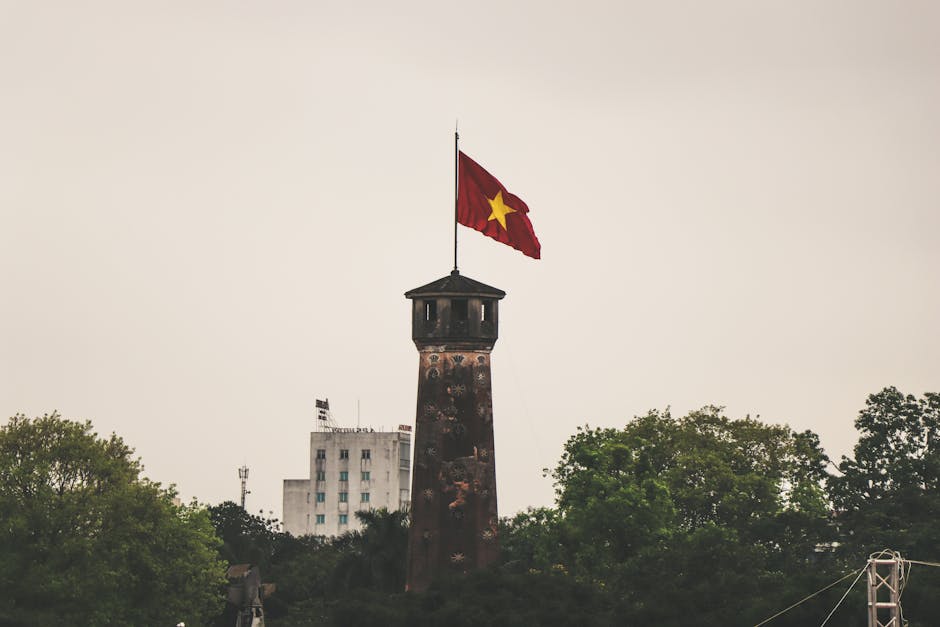
Discover Hanoi's resilient spirit on this self-guided audio walk through wartime bunkers, historic prisons, and military landmarks.
 Easy
EasyHanoi, Vietnam
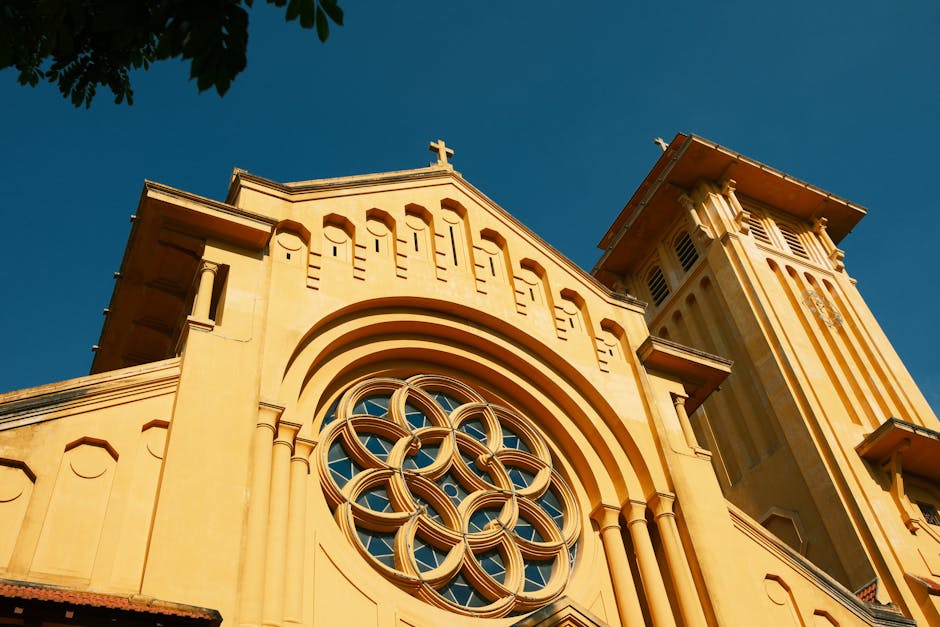
Discover Hanoi's spiritual heart and scenic vistas on an independent stroll featuring ancient pagodas, colonial architecture, and sunset lake views.
 Easy
EasyHanoi, Vietnam
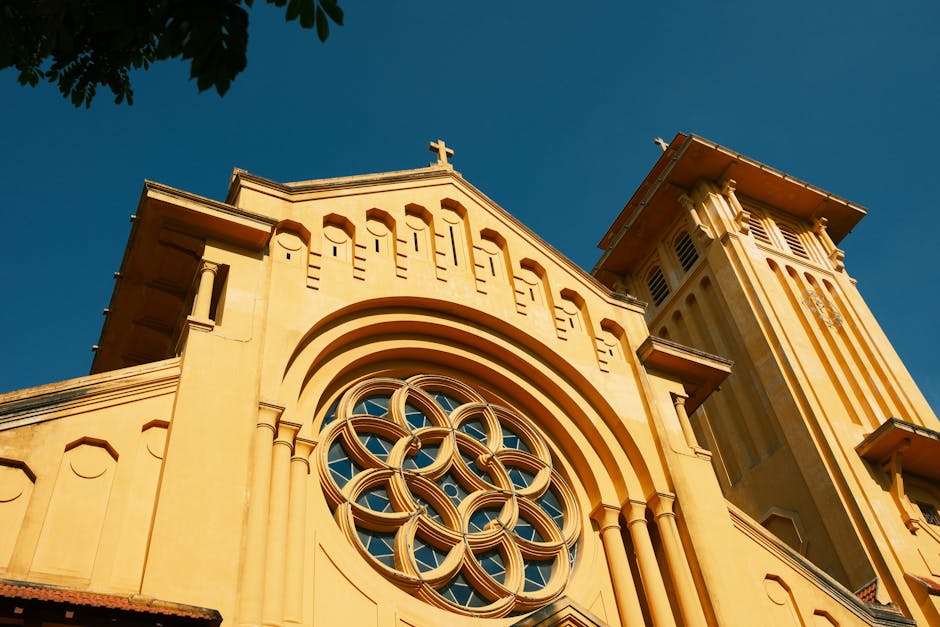
Explore Hanoi's diverse spiritual heritage on this self-guided walk through historic pagodas, a Neo-Gothic cathedral, and lakeside temples.
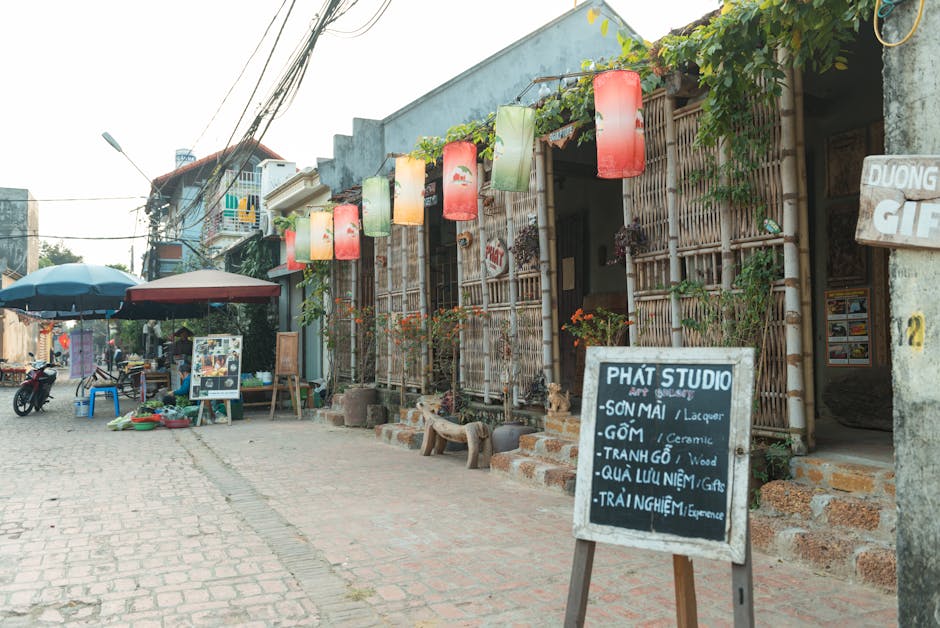 Easy
EasyHanoi, Vietnam
Discover Hanoi's vibrant soul through railway-side murals, historic tracks, and the record-breaking Ceramic Road on this self-guided walk.