Self-guided audio tour in Savannah
Walked and written by a Zigway contributor · Last reviewed November 2026
Start Free on iPhone
Hear the stories behind the streets and sights around you as you walk Savannah. Try it free on iPhone.
Your Private Tour Guide
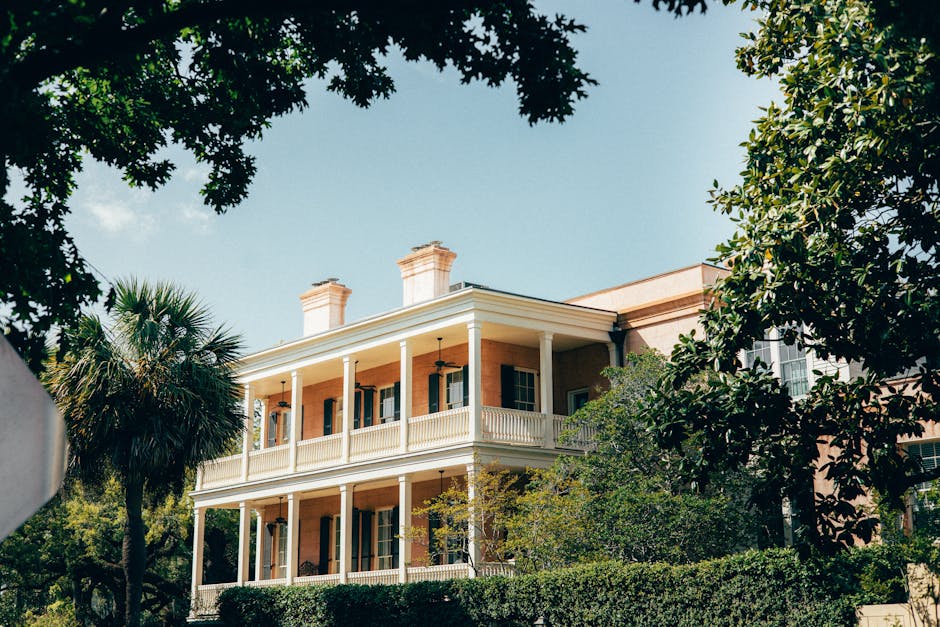
Savannah is often called America’s first planned city, and this self-guided walk invites you to uncover the logic and beauty of General James Oglethorpe’s 1733 vision. As you move through the Historic District, you will experience the Oglethorpe Plan—a unique grid of open squares, residential blocks, and civic spaces that has preserved the city’s charm for centuries. This walking route takes you from the bustling commercial heart of the city down to the majestic greenery of Forsyth Park, showcasing the evolution of Southern architecture and the layers of history embedded in the landscape. Along the way, you will encounter monuments dedicated to Revolutionary War heroes, sites made famous by Hollywood cinema, and the quiet, moss-draped elegance that defines the Georgia coast. This neighborhood stroll is more than just a path through parks; it is an exploration of urban design that influenced cities across the globe. You will see how each square serves as a communal living room for the neighborhood, surrounded by grand mansions and historic churches. Whether you are a fan of 18th-century history, a lover of Gothic Revival architecture, or simply looking for the most Instagram-worthy spots in the city, this audio walk provides the context and stories behind the scenery. From the solemn history of Wright Square to the cinematic fame of Chippewa Square, the route offers a comprehensive look at what makes Savannah a crown jewel of the South. Start exploring with Zigway and discover the secrets of the squares at your own pace, soaking in the atmosphere of the Hostess City of the South. This self-guided walking tour Savannah experience allows you to pause whenever you like to explore a local shop or cafe.
Johnson Square is on Bull Street, one block south of Bay Street and the gold dome of City Hall. From River Street, take any of the stairs or ramps up the bluff to Bay Street and walk south. The city runs several parking garages downtown; metered spaces near the squares are hard to find at busy times.
Go in the morning, before tour trolleys and groups build up in the squares. On Saturdays you'll reach Forsyth Park while the farmers' market at its south end is running. Spring is the classic season, with azaleas out around March and April; in summer start early, because heat and humidity build fast and afternoon thunderstorms are common.
Approximate walking distances between stops, from the route's coordinates.

Numbers indicate the order of stops on the tour.
Welcome to Johnson Square, the very first square laid out by James Oglethorpe in 1733. As you stand here, notice the Nathaniel Greene Monument, an obelisk honoring the Revolutionary War hero who is buried beneath it. This square was the commercial hub of early Savannah and remains surrounded by banking institutions today. Look for the two fountains on the east and west sides; they are a classic meeting spot for locals. The square was named for Robert Johnson, a friend of Oglethorpe and the Governor of South Carolina. It has survived fires and wars, remaining the anchor of the city's unique urban grid.
Walking south, we arrive at Wright Square, the second square built in Savannah. It has a heavy history, once known as the Hanging Square because it was the site of the city's early gallows. Today, it is dominated by two major monuments. The tall granite monument honors William Washington Gordon, the founder of the Central of Georgia Railroad. However, look for the large boulder in the corner; this is a memorial to Tomochichi, the Yamacraw Indian Chief who befriended Oglethorpe and allowed the peaceful founding of Georgia. The square is also a favorite for those interested in local ghost stories and architectural history.
Chippewa Square is perhaps the most famous square in Savannah due to its role in Hollywood history. This is where the bench scenes from the movie Forrest Gump were filmed. While the actual bench is now in the Savannah History Museum, you can stand in the exact spot on the north end where Tom Hanks sat. In the center of the square stands the massive bronze statue of General James Oglethorpe himself, looking toward the south—the direction of the Spanish threat in Florida during the 1700s. The square is surrounded by the historic Savannah Theatre and the First Baptist Church, making it a cultural centerpiece.
Madison Square offers a stunning display of Savannah's architectural diversity. Named after President James Madison, the square features the Sergeant William Jasper Monument in its center, commemorating a hero of the Siege of Savannah. As you look around, notice the Green-Meldrim House on the northwest corner, which served as General Sherman's headquarters during the Civil War. The Gothic Revival architecture of St. John’s Episcopal Church adds to the square's dramatic flair. This area is a perfect example of how the Oglethorpe Plan integrated civic monuments with grand residential living.
Many consider Monterey Square to be the most beautiful of all the squares. It is home to the Mercer-Williams House, famously featured in the book and movie Midnight in the Garden of Good and Evil. The square's center is marked by the Pulaski Monument, a tall marble obelisk honoring Casimir Pulaski, a Polish nobleman who died fighting for American independence. The surrounding homes feature intricate ironwork and lush gardens that epitomize the Southern Gothic aesthetic. The Temple Mickve Israel, one of the oldest synagogues in the United States, is also located here, showcasing a rare Gothic style for a Jewish house of worship.
Our route concludes at the crown jewel of Savannah: the Forsyth Park Fountain. Installed in 1858, this white cast-iron fountain was actually ordered from a catalogue and has identical 'siblings' in Paris and Cusco, Peru. Forsyth Park itself was created in the 1840s and expanded the city's green space beyond the original square system. It serves as the city’s backyard, hosting festivals, farmers' markets, and casual afternoon strolls. Take a moment to walk the perimeter under the canopy of live oaks draped in Spanish moss—it is the quintessential Savannah experience and the perfect place to relax after your walk.
Explore Mode
Open Zigway, start Explore Mode and just walk. Your guide notices where you are and tells you the story of what's around you, on this route or any street you turn into.
Every square on this route has a monument at its center, and each one tells you who Savannah chose to remember.
Keep going south through Forsyth Park under the oaks. On Saturday mornings the Forsyth Farmers' Market sets up at the park's south end, a good stop for local produce and a snack.
Start Free on iPhone
Open Zigway as you walk and your private tour guide tells the stories behind what you pass.
Your Private Tour Guide
Don't miss the good stuff
Explore Freely
 Easy
Savannah, United States
Explore the life of Juliette Gordon Low and the founding of the Girl Scouts on this independent walking route through Savannah’s Historic District.
 Easy
Savannah, United States
Discover Savannah’s culinary soul on this self-guided walking route through historic squares and legendary Lowcountry eateries.
 Easy
Savannah, United States
Explore Savannah's creative soul on this self-guided walk through the Starland District’s best murals, maker spaces, and local hangouts.
 Easy
Savannah, United States
Discover Savannah’s spiritual heritage on this self-guided walk through iconic cathedrals, historic synagogues, and storied meeting houses.
 Easy
Nairobi, Kenya
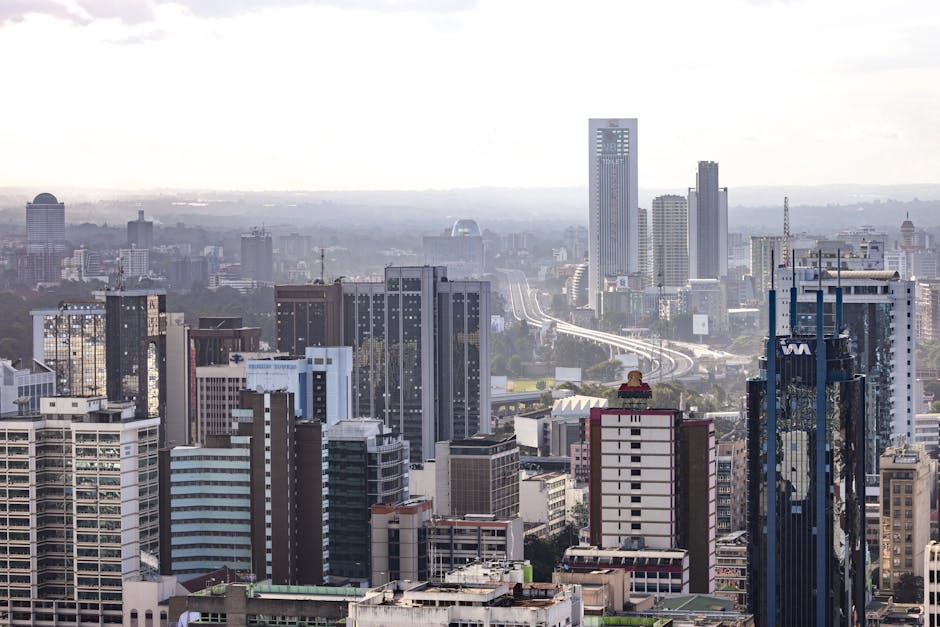
Discover Nairobi's iconic skyline on this self-guided architecture walk through the CBD’s most famous modernist and Brutalist landmarks.
 Easy
Nairobi, Kenya
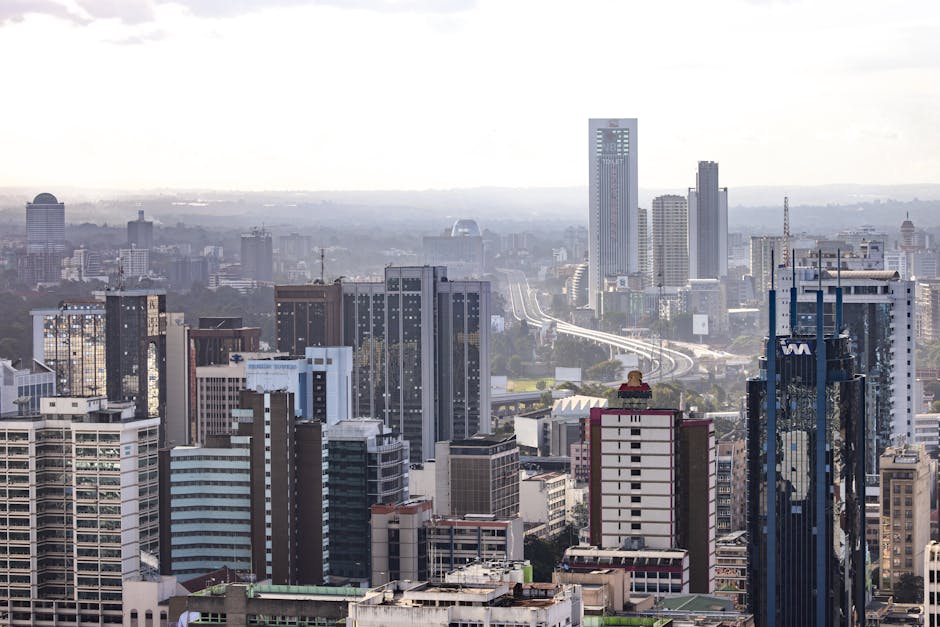
Explore Nairobi's architectural evolution from colonial-era landmarks to iconic Brutalist skyscrapers on this historic self-guided walking route.
 Easy
Gdansk, Poland
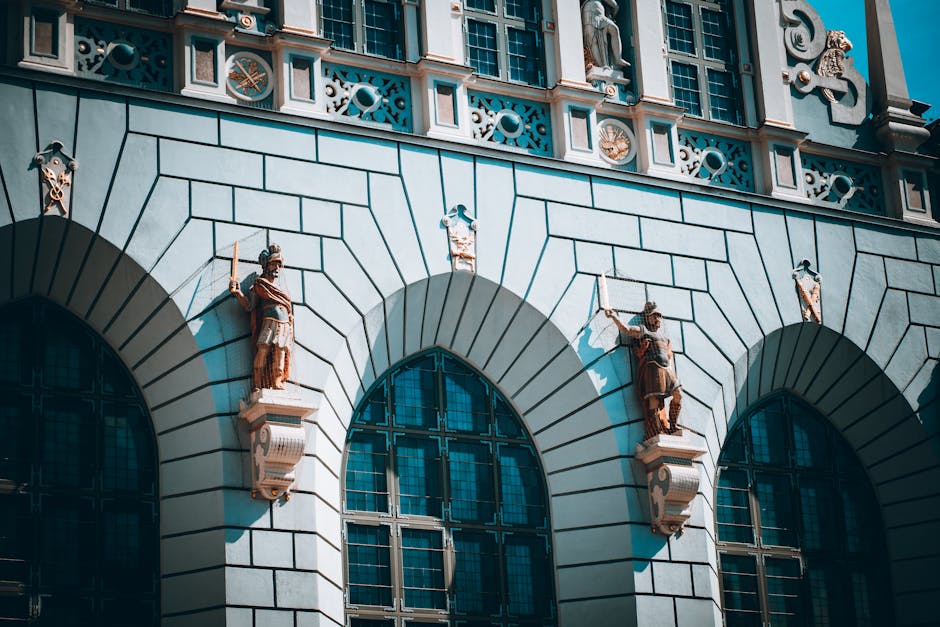
Discover the opulent Royal Way of Gdansk at your own pace. Explore Hanseatic history, gilded architecture, and the iconic Neptune's Fountain.
 Easy
Salzburg, Austria
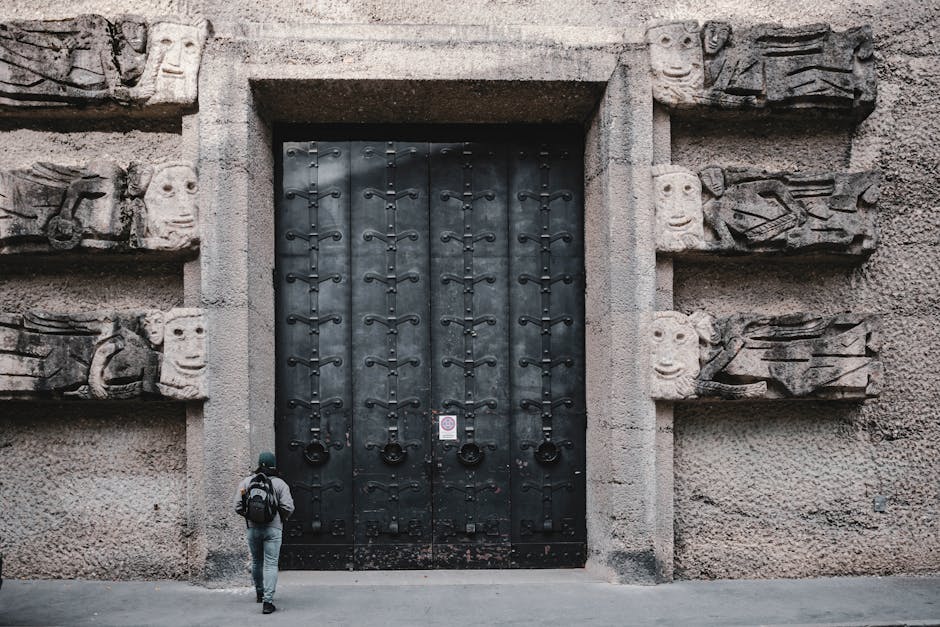
Discover the 'Rome of the North' on this self-guided walk through the Baroque squares and monumental legacy of Salzburg’s Prince-Archbishops.
 Easy
Nashville, United States
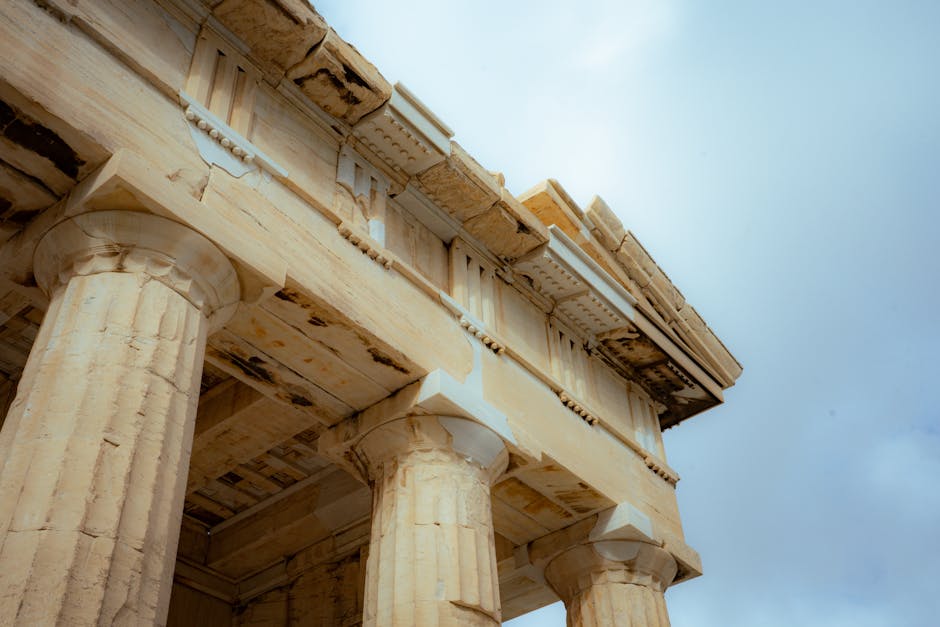
Explore the 'Athens of the South' on this self-guided walk through Centennial Park, featuring the world's only full-scale Parthenon replica.
 Easy
Nashville, United States
Explore Nashville's academic heart and Art Deco gems on this self-guided walk through historic Hillsboro Village.
 Easy
Nashville, United States
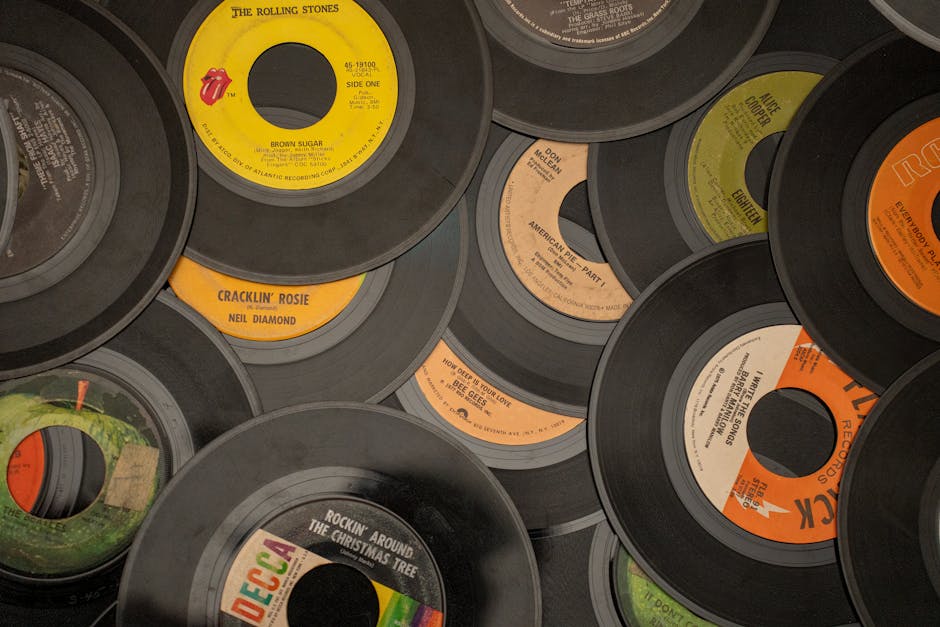
Explore the heart of Nashville's music industry. Discover iconic studios and the history of the legendary Nashville Sound at your own pace.
 Easy
Nashville, United States
Explore Nashville's oldest neighborhood! Discover Victorian architecture, Civil War history, and world-class craft beer on this self-guided walk.