Self-guided audio tour in Hong Kong
Start Free on iPhone
Start free on iPhone to unlock this self-guided walking tour in Hong Kong. Hear all the stories that make it amazing, walk at your own pace, and begin whenever you want.
Your Private Tour Guide
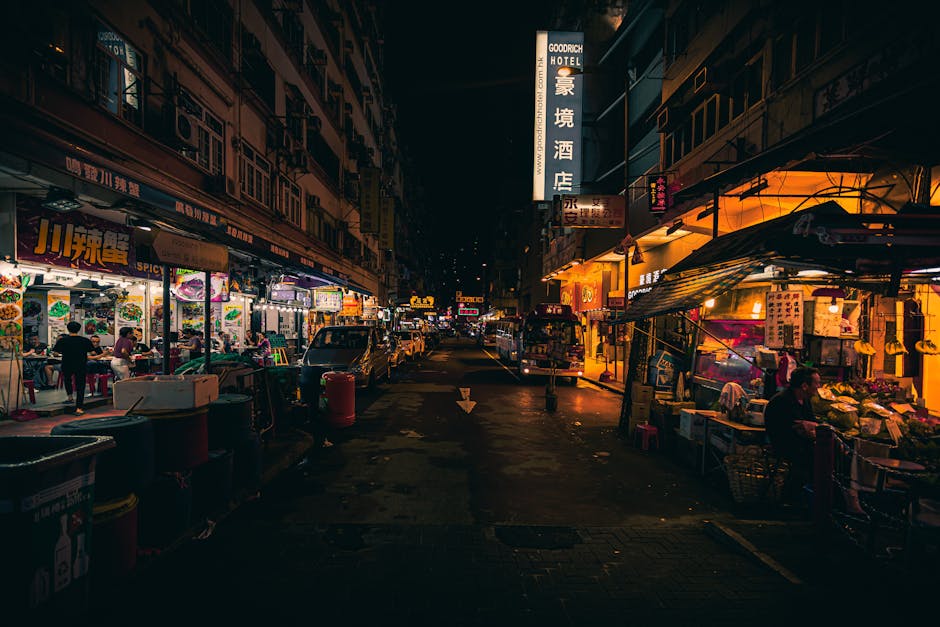
Step away from the neon-drenched skyscrapers of Central and dive into the grit and glamour of North Point. This self-guided walk through one of Hong Kong’s most authentic neighborhoods offers a sensory journey through time. Known as 'Little Fujian' due to its mid-century influx of immigrants, North Point is a place where the daily rhythms of local culture remain remarkably untouched by the frantic pace of modern development. On this neighborhood stroll, you will encounter the heavy scent of dried seafood, the rhythmic clanging of the iconic double-decker trams, and the architectural ghosts of a golden age in cinema. Your independent exploration begins at the Java Road Market, a bustling hub where the 'Cooked Food Centre' serves up some of the city's most legendary local dishes. From there, the route takes you to the Sunbeam Theatre, a rare survivor of the Cantonese Opera scene that still stands as a bastion of traditional performing arts. Photography enthusiasts will find their highlight on Chun Yeung Street, where the 'Ding Ding' tram inches through a crowded wet market, creating one of the most iconic visual spectacles in the city. This walking route Hong Kong locals love also highlights the neighborhood's architectural evolution. You will stand beneath the unique parabolic arches of the State Theatre, a Grade I historic building currently undergoing a massive restoration to preserve its cinematic legacy. The journey shifts from the industrial and commercial to the artistic at Oi!, a community art space housed in a beautiful colonial-era clubhouse. Finally, breathe in the salty air at the North Point Ferry Pier, where the panoramic views of Victoria Harbour offer a moment of peace. This self-guided adventure is perfect for those who want to experience the true 'living' Hong Kong, blending history, art, and the vibrant chaos of daily life without the constraints of a scheduled group. Whether you are a history buff or a street photographer, North Point provides a rich tapestry of stories waiting to be discovered at your own pace. **Note:** This area is known for its ever-changing character. Street art, pop-up venues, and temporary exhibitions may differ from what's described. That's part of the adventure - you might discover something entirely new!
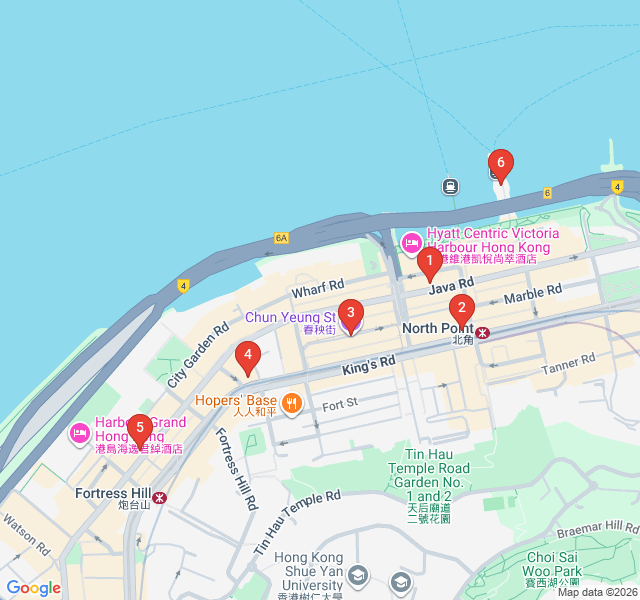
Numbers indicate the order of stops on the tour.
Start your journey at the heart of North Point’s culinary scene. The Java Road Market is more than just a place to buy groceries; it is a community anchor. The ground floors are a riot of colors and sounds, featuring fresh produce and the 'wet market' sections where the catch of the day is sold. Head upstairs to the Cooked Food Centre, a legendary spot for 'dai pai dong' style dining. Historically, Java Road was named after the sugar trade between Hong Kong and Java in Indonesia. Today, it’s famous for its 'Typhoon Shelter' crab and stir-fried specialties. Take a moment to observe the intense energy of the stallholders—this is the authentic pulse of Hong Kong life.
Standing at the corner of King's Road, the Sunbeam Theatre is an icon of Cantonese Opera. Opened in 1972, it has faced numerous threats of closure and redevelopment, yet it remains one of the few places in Hong Kong where this traditional art form still thrives. Its retro signage and classic movie-palace architecture serve as a reminder of the 1950s and 60s when North Point was the city's entertainment hub. Even if a performance isn't scheduled, the building itself is a cultural landmark. It represents the resilience of local heritage in a city that is constantly rebuilding itself. Keep an eye out for the vibrant hand-painted-style posters often displayed near the entrance.
Prepare your camera for one of Hong Kong’s most cinematic locations. Chun Yeung Street is a narrow market thoroughfare that serves as the terminus for certain tram routes. There are very few places in the world where a heavy commuter vehicle like the 'Ding Ding' tram slowly plows through a dense crowd of shoppers and vegetable stalls. The juxtaposition of the historic tram against the backdrop of hanging roasted meats and stacked fruit crates is the essence of North Point. It is a sensory overload of shouting vendors, clanging bells, and the smell of fresh herbs. Please be mindful of the trams and moving carts as you capture your photos.
Look up to see a true architectural marvel. The State Theatre, originally the Empire Theatre (opened in 1952), is world-renowned for its unique external 'flying buttress' roof structure. This parabolic concrete design was revolutionary for its time, allowing for a pillar-less auditorium inside. As a Grade I historic building, it is currently the subject of a major conservation project. While the interior may be closed for restoration, the exterior remains a powerful symbol of Hong Kong's post-war cinematic golden age. It once hosted world-class musicians and grand film premieres, serving as a cultural bridge between East and West. The relief mural on the facade is another detail worth noting.
A stark contrast to the surrounding concrete towers, Oi! is an oasis of art and history. This cluster of red-brick buildings was originally the clubhouse of the Royal Hong Kong Yacht Club, built in 1908 in the Arts and Crafts style. After the yacht club moved to Causeway Bay due to land reclamation, the site served various government purposes before being transformed into a community art space. The name 'Oi!' is derived from the address (12 Oil Street) and sounds like 'hey!' in Cantonese, signaling an invitation to participate. The exhibits here are often site-specific and temporary, so the installations change frequently, blending heritage with contemporary creativity.
Conclude your walk at the North Point Ferry Pier. This location highlights Hong Kong’s identity as a maritime city. From here, ferries depart for Hung Hom and Kwun Tong, offering a much more peaceful alternative to the MTR. The pier area is a favorite spot for local fishermen and residents walking their dogs. As you look across the water, you can see the evolving skyline of Kowloon East. The pier also hosts a small pet-friendly garden and several snack stalls. It is the perfect place to sit, enjoy the sea breeze, and reflect on the transition from the bustling market streets to the calm of the harbor.
Start Free on iPhone
Explore “Retro Cinema and Wet Market Rhythms” with your very own Private Tour Guide with Zigway. Start free on iPhone, skip the large group and the fixed routes, and hear the city come alive as you go.
Your Private Tour Guide
Don't miss the good stuff
Explore Freely
 Moderate
Hong Kong, China
Explore the historic typhoon shelters, vibrant fish markets, and maritime heritage of Aberdeen on this immersive self-guided neighborhood stroll.
 Easy
EasyHong Kong, China
Explore Quarry Bay's industrial past and cinematic architecture on this self-guided walk through Hong Kong's eastern district.
 Challenging
Hong Kong, China
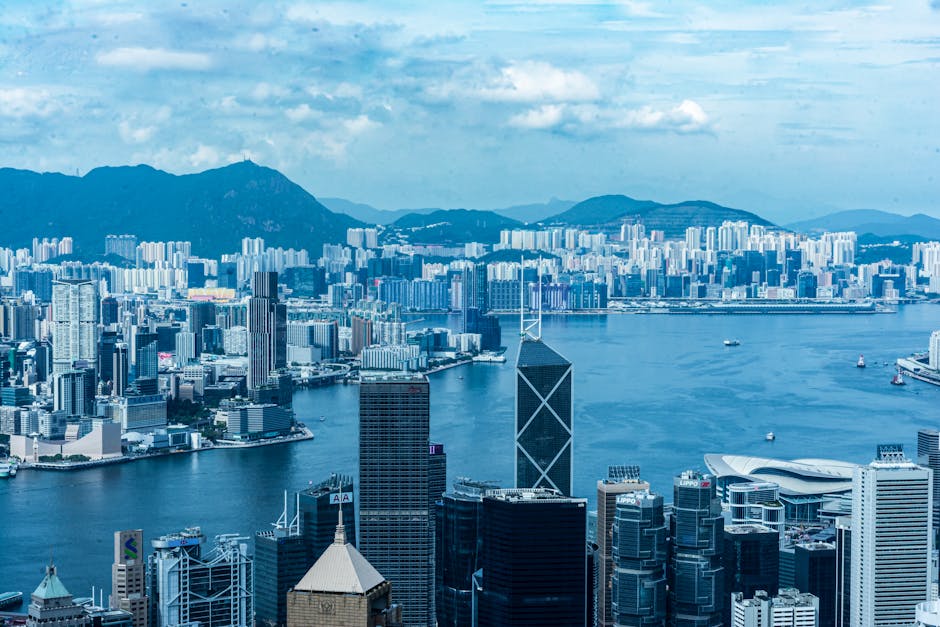
Explore Sai Ying Pun’s steep historic streets, vibrant ArtLane murals, and the mysterious 'Haunted House' on this challenging self-guided walk.
 Easy
EasyHong Kong, China
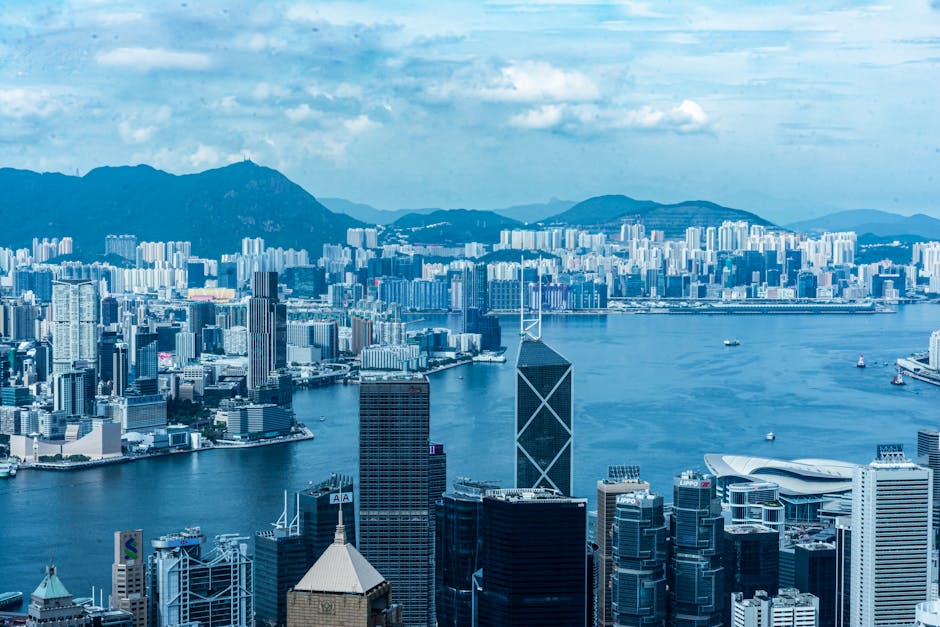
Explore the best of Tsim Sha Tsui's architecture and harbor views on this self-guided walk through Hong Kong's cultural and historic heart.
 Easy
EasyGothenburg, Sweden
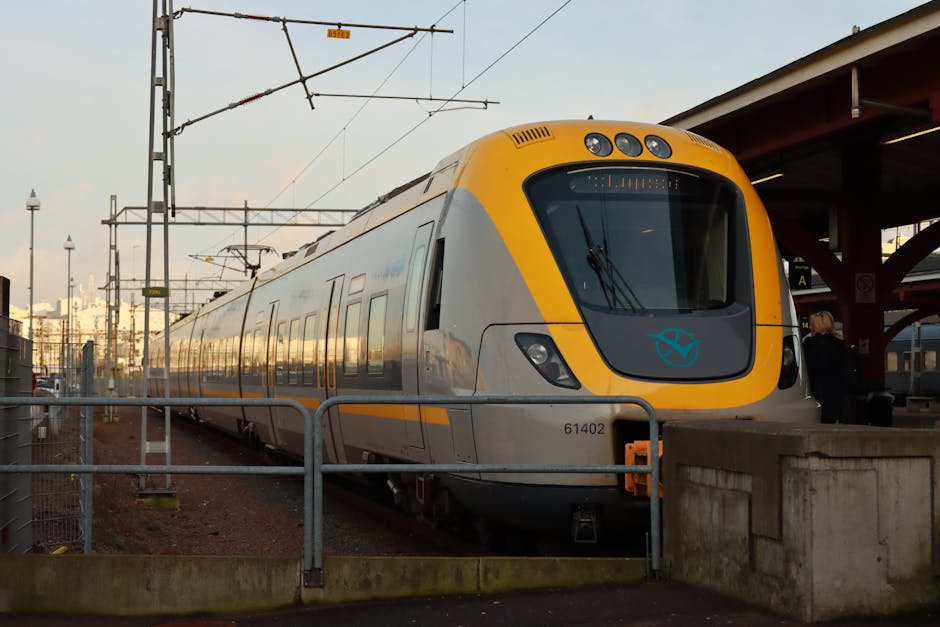
Explore Gothenburg's maritime soul on this self-guided walk from historic shipyards to sleek modern piers and iconic industrial landmarks.
 Easy
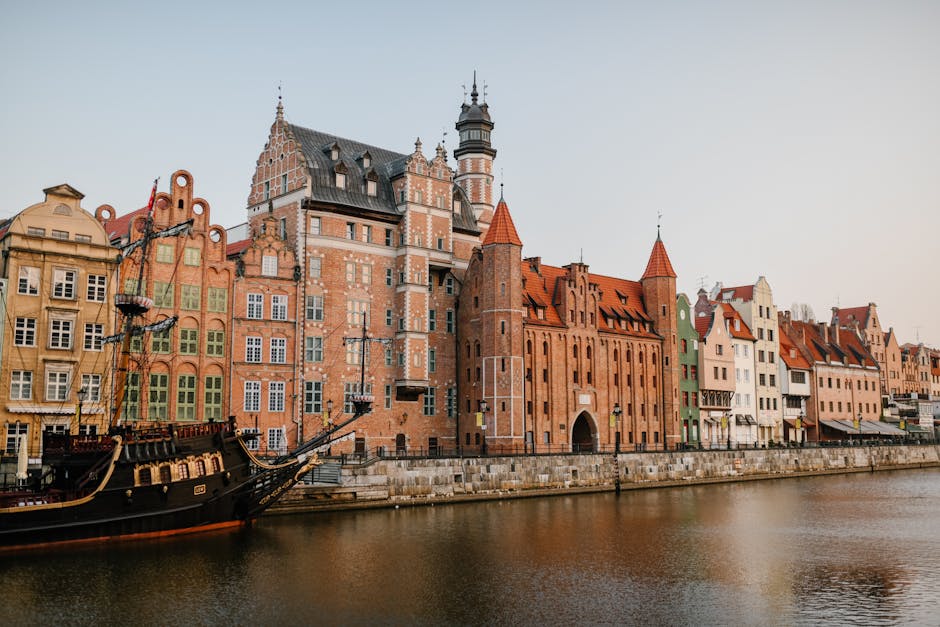
EasyKrakow, Poland
Explore the prestigious Jagiellonian University district, featuring Neo-Gothic architecture, Baroque churches, and Krakow's hidden scholarly gems.
 Easy
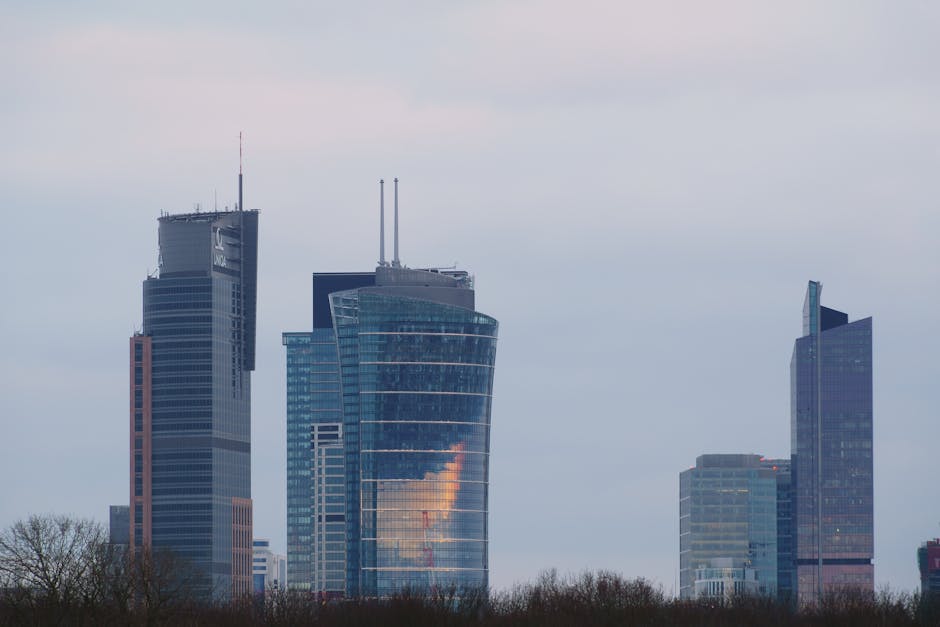
EasyGdansk, Poland
Discover the 'Baltic Gold' on this self-guided walk through Gdansk's historic mills, massive cathedrals, and the magical Mariacka Street.
 Easy
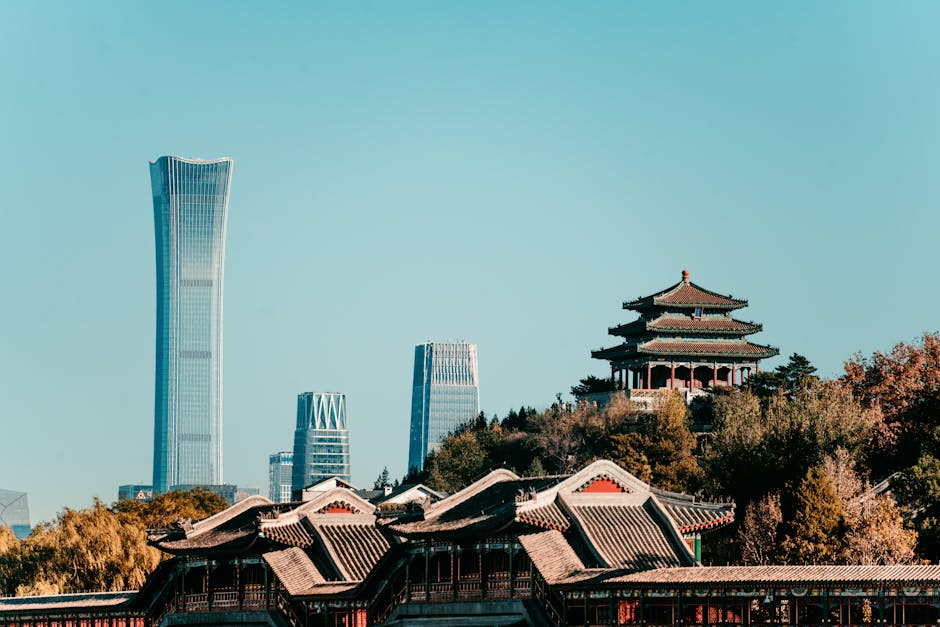
EasyWarsaw, Poland
Discover the hidden courtyards and grand pre-war architecture of Warsaw's most atmospheric neighborhood on this self-guided stroll.
 Easy
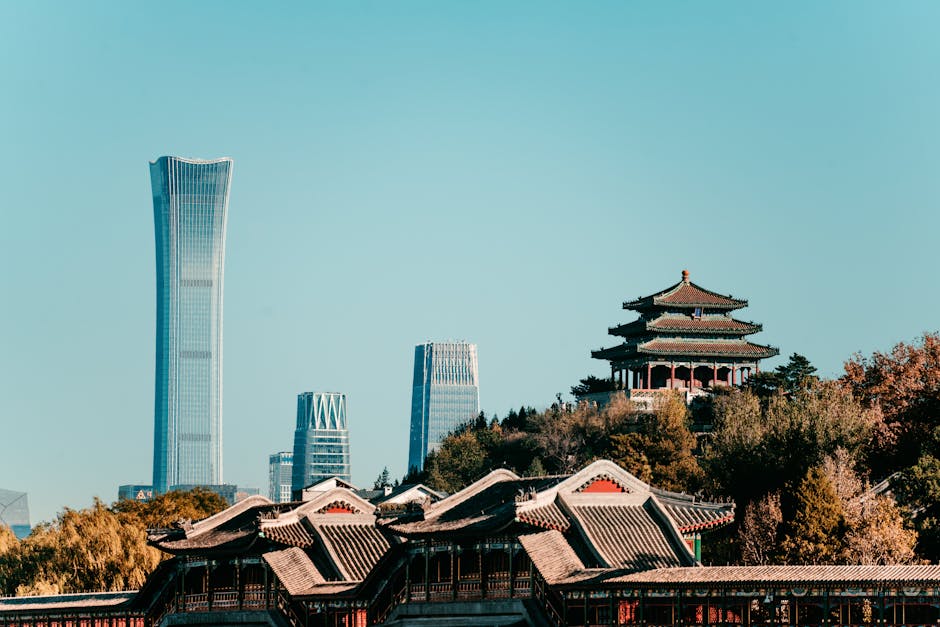
EasyBeijing, China
Explore Beijing's premier art district on this self-guided walk through the industrial-chic 798 Art Zone and the massive tanks of 751 D・PARK.
 Moderate
Beijing, China
Explore the majestic red walls, imperial moats, and hilltop vistas of Beijing's Forbidden City on this self-guided architectural walking route.
 Moderate
Beijing, China
Explore the spiritual heart of Beijing on this self-guided walk through the Temple of Heaven's iconic altars, ancient pines, and vibrant park life.
 Easy
EasyBeijing, China
A culinary and cultural self-guided walk through Beijing's historic Dongsi neighborhood, featuring ancient mosques, hutongs, and iconic local eats.