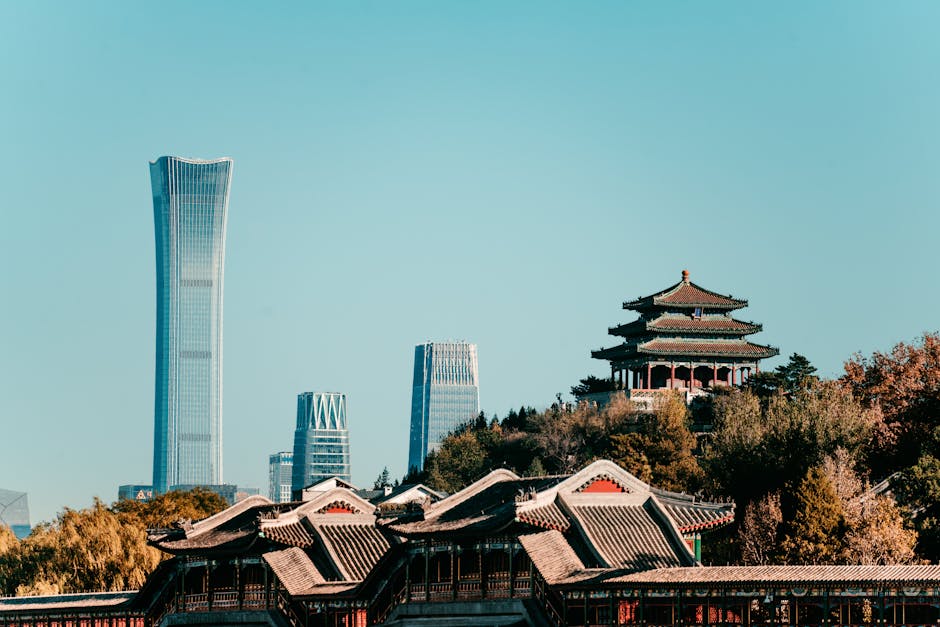
Self-guided audio tour in Beijing
Start Free on iPhone
Start free on iPhone to unlock this self-guided walking tour in Beijing. Hear all the stories that make it amazing, walk at your own pace, and begin whenever you want.
Your Private Tour Guide
As the first light of dawn touches the sapphire-blue tiles of the Hall of Prayer for Good Harvests, the Temple of Heaven park comes alive with a unique energy that transcends mere tourism. This neighborhood stroll through the Dongcheng district offers a window into the spiritual and social heart of the city. While the site was once the exclusive domain of emperors who came to perform elaborate rites to ensure a bountiful harvest, today it serves as a vibrant public space where ancient ritual meets modern local life. This self-guided walk invites you to explore the architectural precision of the Ming and Qing dynasties at your own pace, moving through a landscape designed to mirror the cosmos. You will encounter the 'Red Stairway Bridge,' a raised walkway that separates the imperial path from the divine, and the acoustic wonders of the Echo Wall, where the geometry of the stones allows sound to travel in mysterious ways. Beyond the grand altars, the route takes you into the lush parklands where Beijing's retirees gather for Tai Chi, calligraphy, and traditional music, providing a living connection to China's cultural heritage. This walking route is more than a history lesson; it is an immersion into the philosophy of 'Tian Ren He Yi'—the harmony between heaven and humanity. Whether you are marvelling at the Hall of Prayer, which was constructed without a single nail, or deciphering the legends behind the Seven Star Stones, this audio walk provides the context needed to understand why this UNESCO World Heritage site remains one of the most significant landmarks in Asia. Unlike a standard guided tour Beijing might offer, this independent journey allows you to linger in the quiet groves of ancient cypress trees or spend extra time testing the acoustics of the circular altars, ensuring a personal and profound experience of Beijing's spiritual legacy.
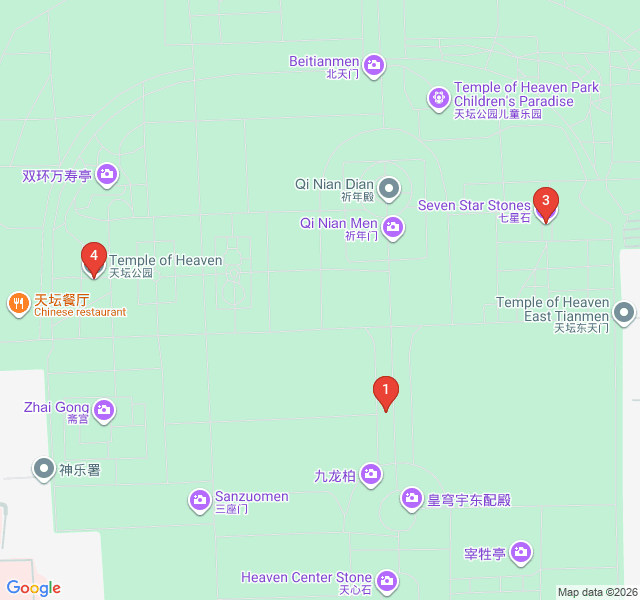
Numbers indicate the order of stops on the tour.
Welcome to Danbi Bridge, also known as the 'Red Stairway Bridge.' This is the central axis of the Temple of Heaven complex, a 360-meter-long raised walkway that connects the two main sacrificial areas. Notice how the path is slightly inclined; this symbolizes the transition from the earthly realm to the divine. The bridge features three distinct lanes: the center lane was reserved for the gods, the eastern lane for the Emperor, and the western lane for court officials. As you walk, observe the ancient cypress trees lining the path, some of which are over 500 years old. They represent the longevity of the empire and the connection between nature and the heavens.
You are standing before the Echo Wall, the circular enclosure surrounding the Imperial Vault of Heaven. This smooth, circular wall is famous for its acoustic properties. Due to the precision of the masonry, sound waves travel along the curved surface, allowing two people at opposite ends to hear each other's whispers. This wasn't just an architectural trick; it reflected the Ming dynasty’s obsession with harmony and mathematical perfection. The wall encloses the site where the Emperor stored the 'Spirit Tablets' of the gods. Take a moment to appreciate the blue glazed tiles, a color chosen specifically to represent the sky and the celestial realm.
Located in the eastern part of the park, the Seven Star Stones are a group of large, weathered rocks with a fascinating backstory. Despite their name, you might count eight stones instead of seven. Originally, there were seven stones placed here during the Ming Dynasty to represent the seven peaks of Mount Tai. However, when the Manchu-led Qing Dynasty took power, Emperor Qianlong added an eighth stone to symbolize that the Manchus were also part of the Chinese family. This area is a favorite spot for locals to practice 'ground calligraphy,' using large brushes and water to write ephemeral poems on the pavement, a beautiful example of the park's living culture.
This is the crown jewel of the complex: the Hall of Prayer for Good Harvests. Standing on a triple-tiered marble base, this magnificent circular building is 38 meters tall and was constructed entirely without nails. Instead, it relies on a complex system of wooden joints and 28 massive pillars. The pillars themselves are symbolic: the four inner pillars represent the seasons, the twelve middle pillars represent the months, and the twelve outer pillars represent the traditional Chinese hours of the day. Every year at the winter solstice, the Emperor would come here to pray for a successful harvest, acting as the bridge between his people and the heavens above.
Start Free on iPhone
Explore “Morning Echoes at the Temple of Heaven” with your very own Private Tour Guide with Zigway. Start free on iPhone, skip the large group and the fixed routes, and hear the city come alive as you go.
Your Private Tour Guide
Don't miss the good stuff
Explore Freely
 Easy
EasyBeijing, China
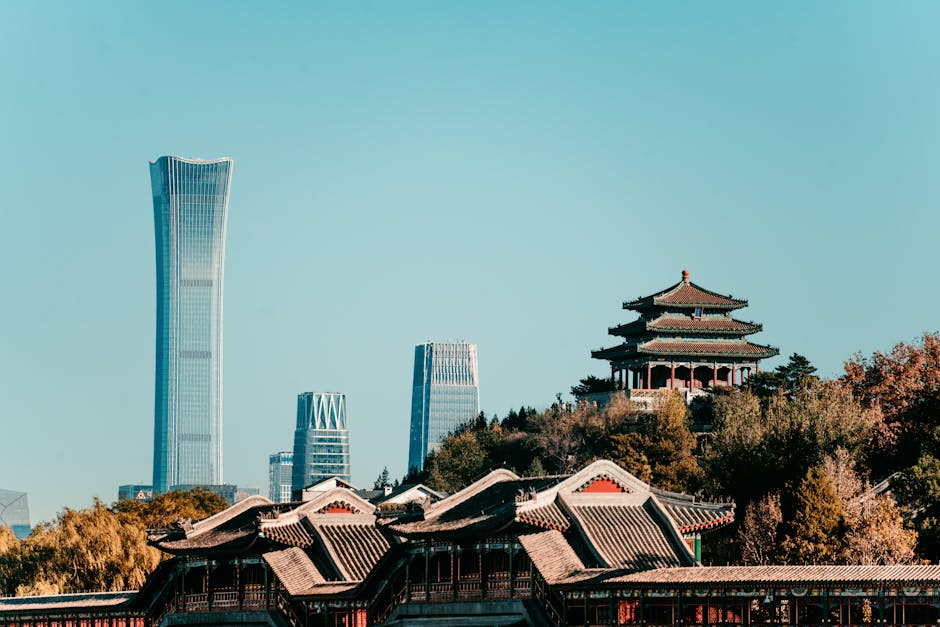
Explore Beijing's premier art district on this self-guided walk through the industrial-chic 798 Art Zone and the massive tanks of 751 D・PARK.
 Moderate
Beijing, China
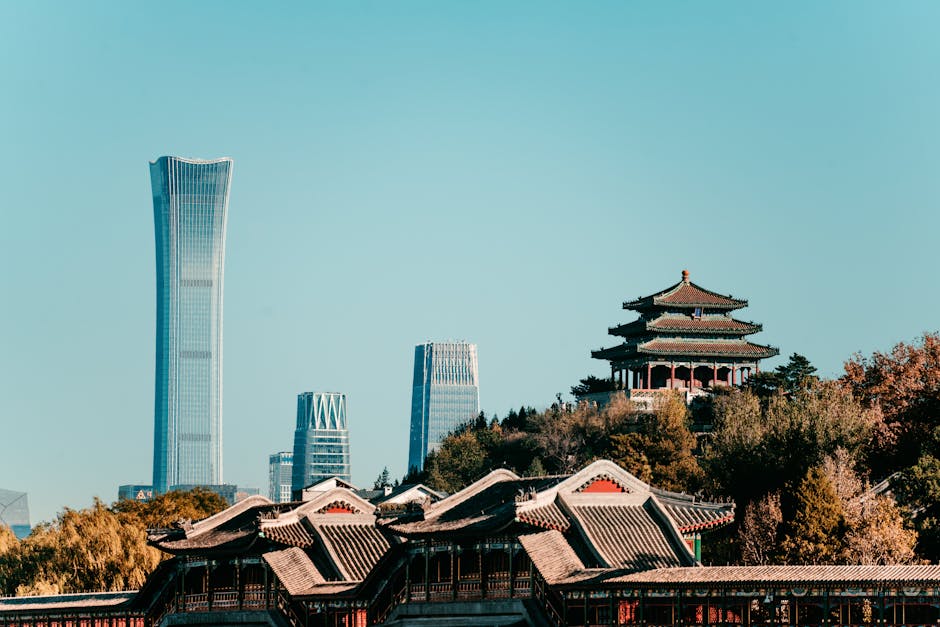
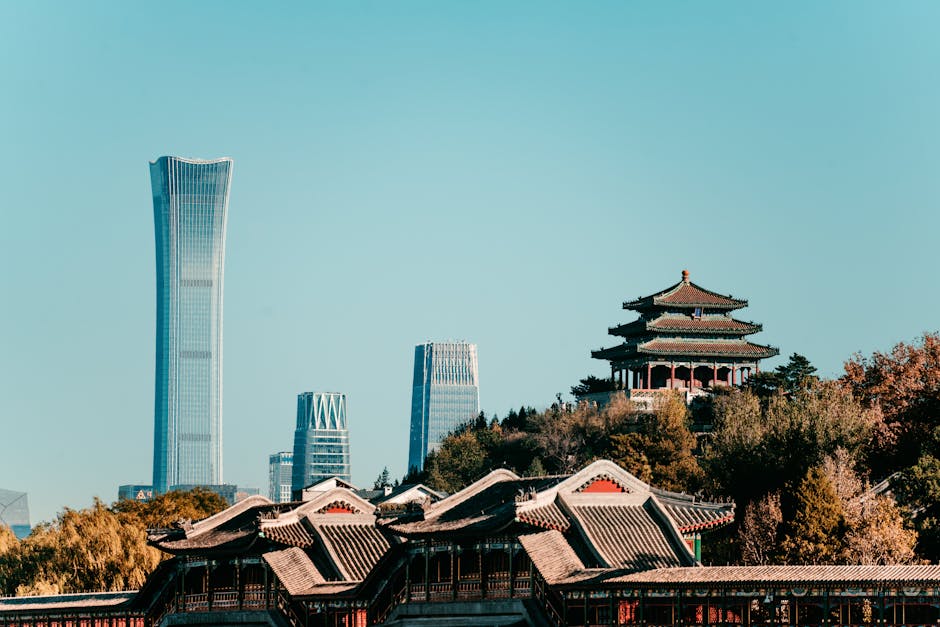
Explore the majestic red walls, imperial moats, and hilltop vistas of Beijing's Forbidden City on this self-guided architectural walking route.
 Easy
EasyBeijing, China
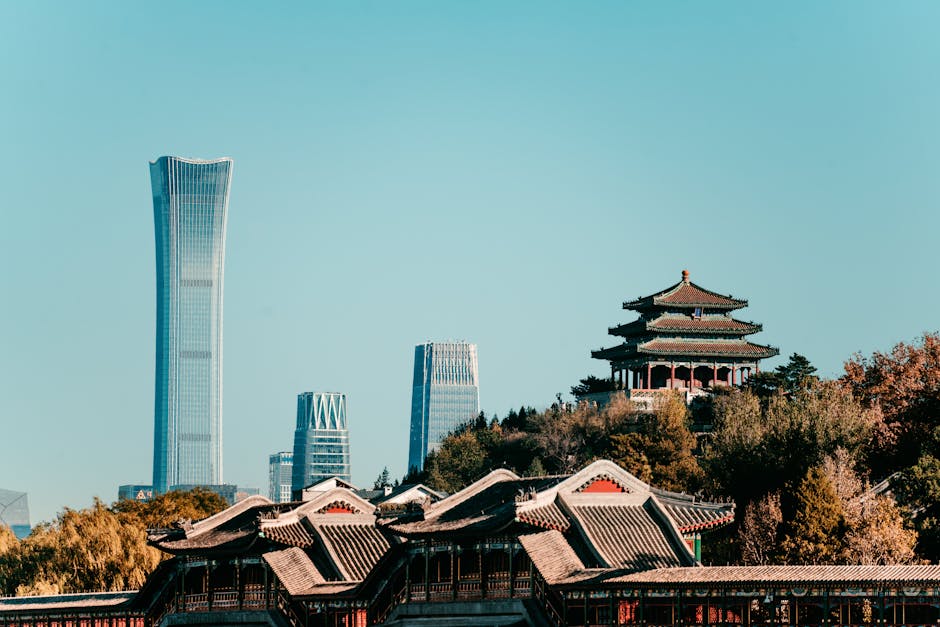
A culinary and cultural self-guided walk through Beijing's historic Dongsi neighborhood, featuring ancient mosques, hutongs, and iconic local eats.
 Easy
EasyBeijing, China
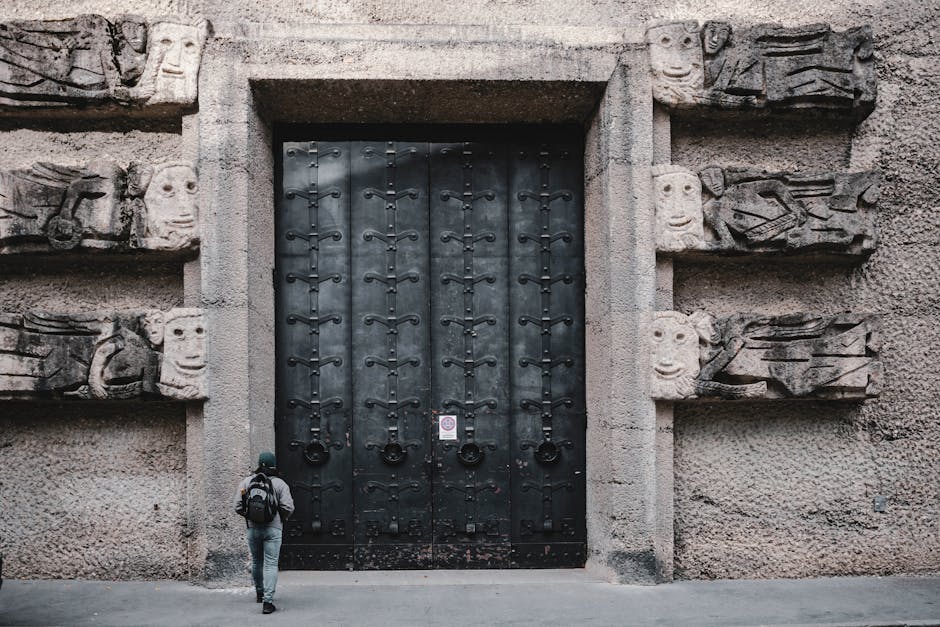
Discover the perfect blend of ancient imperial history and modern hipster culture on this self-guided stroll through Beijing's trendiest hutongs.
 Easy
EasySalzburg, Austria
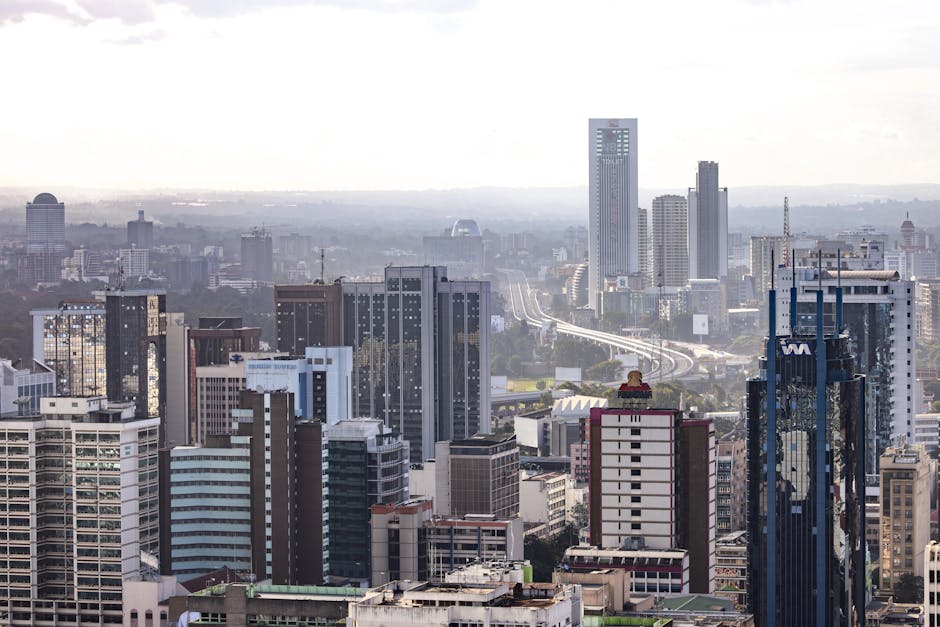
Discover the 'Rome of the North' on this self-guided walk through the Baroque squares and monumental legacy of Salzburg’s Prince-Archbishops.
 Easy
EasyNairobi, Kenya
Explore Nairobi's architectural evolution from colonial-era landmarks to iconic Brutalist skyscrapers on this historic self-guided walking route.
 Easy
EasyNairobi, Kenya
Discover Nairobi's iconic skyline on this self-guided architecture walk through the CBD’s most famous modernist and Brutalist landmarks.
 Easy
EasyKrakow, Poland
Explore the historic heart of Kazimierz on this self-guided walk through synagogues, ancient cemeteries, and vibrant squares.
 Moderate
Shanghai, China
Discover the 'Golden Mile' on this self-guided walking route through Shanghai's historic department stores and Art Deco landmarks.
 Easy
EasyShanghai, China
Explore Art Deco architecture, leafy boulevards, and hidden villas on this self-guided walk through the French Concession.
 Easy
EasyShanghai, China
Explore the intellectual heart of 1930s Shanghai on this self-guided stroll through Hongkou's historic literary landmarks and hidden alleys.
 Easy
EasyShanghai, China
Discover the 'Wall Street of the Orient' on this self-guided walk through Shanghai's legendary waterfront and its Art Deco architectural treasures.