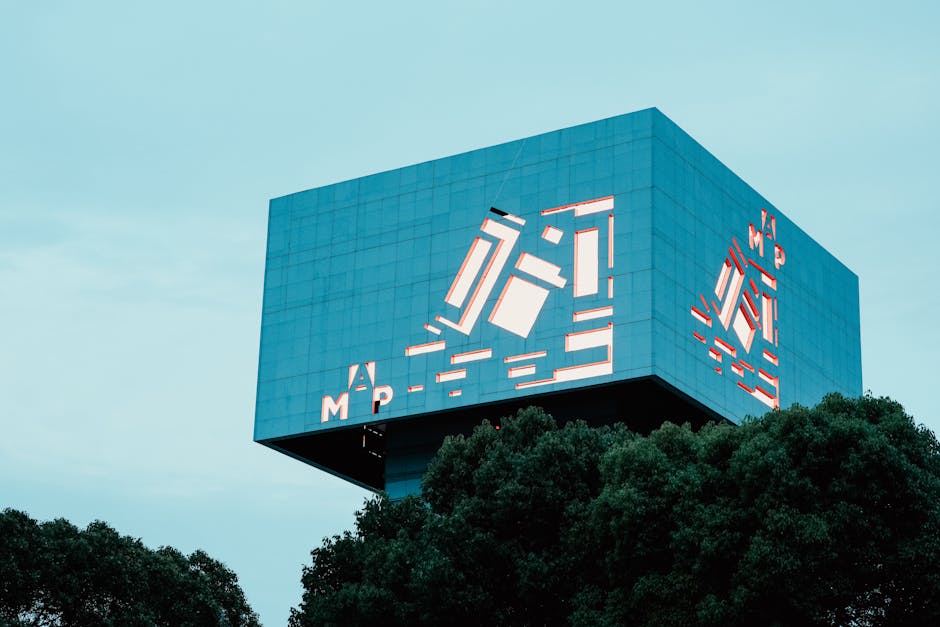
Self-guided audio tour in Shanghai
Start Free on iPhone
Start free on iPhone to unlock this self-guided walking tour in Shanghai. Hear all the stories that make it amazing, walk at your own pace, and begin whenever you want.
Your Private Tour Guide
Suzhou Creek, often called the Mother River of Shanghai, serves as the backdrop for a journey through the city's complex industrial past and its vibrant creative present. This walking route invites you to trace the evolution of Putuo and the surrounding districts, where grand colonial architecture gives way to repurposed textile mills. Unlike the polished glitz of the Bund, this area offers a raw, authentic look at how Shanghai’s history is being rewritten by the local art community. You will start at the majestic Shanghai Postal Museum, a monument to early 20th-century grandeur, before navigating the winding banks of the river toward the legendary M50 Art District. Along the way, the route highlights the contrast between the Art Deco elegance of the Hebin Building and the experimental energy of the Rockbund Art Museum. The walk is a photographer’s dream, capturing the interplay of light on the water and the gritty textures of Moganshan Road's ever-changing graffiti walls. Exploring independently allows you to linger in the quiet galleries of M50 or pause by the river to watch the city move. This neighborhood stroll is more than just a history lesson; it is an immersive experience into the soul of contemporary Shanghai. Whether you are interested in the architectural heritage of the 1930s or the cutting-edge installations of today, this path offers a comprehensive view of the city's metamorphosis. This self-guided walk is perfect for those who want to see a side of the city that a standard walking tour Shanghai often misses. For travelers seeking an alternative perspective, this exploration provides deeper insight into the urban fabric than a typical guided tour Shanghai. Prepare for a moderately challenging distance that rewards your effort with hidden gems and striking industrial vistas. **Note:** This area is known for its ever-changing character. Street art, pop-up venues, and temporary exhibitions may differ from what's described. That's part of the adventure - you might discover something entirely new!
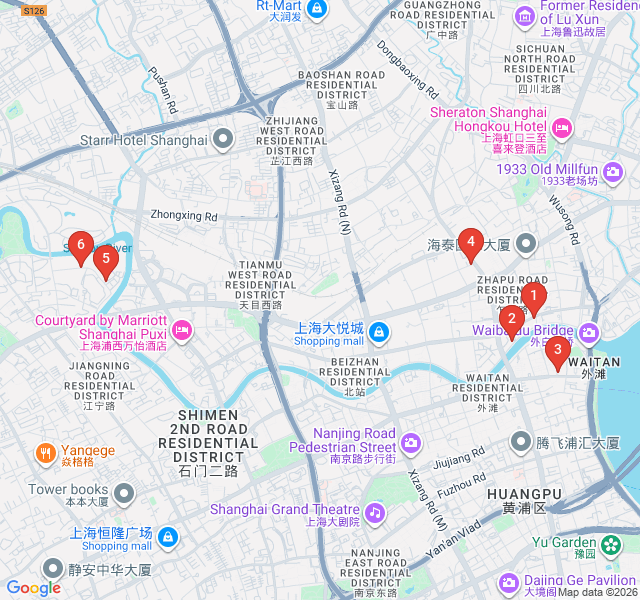
Numbers indicate the order of stops on the tour.
The Shanghai Postal Museum is housed in the General Post Office Building, a stunning example of Classical Revival architecture completed in 1924. As you stand before its grand clock tower and Corinthian columns, you are looking at one of the city's most significant historical landmarks. Originally, this building served as the hub for all international mail entering China. Inside, the marble-clad halls and the rooftop garden offer a glimpse into the city's colonial era. The museum tracks the evolution of communication in China, but the building itself is the true masterpiece. It represents a time when Suzhou Creek was the primary artery of trade and global connection for the city. Take a moment to admire the bronze statues and the detailed stonework that symbolizes the early globalization of Shanghai.
Known as the Hebin Apartment or the Embankment Building, this S-shaped Art Deco structure was once the largest apartment building in the Far East. Built by the Sassoon family in the 1930s, it has a cinematic quality that has attracted many filmmakers over the decades. Its long, dimly lit corridors and vintage elevators evoke a sense of Old Shanghai that is rarely preserved so authentically. While it remains a residential complex, the exterior and public entrance provide a window into the high-density living and architectural ambition of the pre-war era. It stands as a bridge between the river's commercial past and its residential present, offering a glimpse into the lives of the diverse communities that have called this embankment home for nearly a century.
The Rockbund Art Museum (RAM) is a beacon of contemporary culture situated in a restored 1930s building that originally housed the Royal Asiatic Society. This stop represents the intersection of Western heritage and Asian modernity. The museum is famous for its site-specific installations and its commitment to challenging artistic boundaries. Because RAM focuses on rotating exhibitions, the experience inside is always evolving. The architecture maintains its historic facade while the interior has been transformed into a sleek, minimalist space. It is a key stop for understanding how Shanghai reuses its historical fabric to host modern intellectual and creative dialogues. Be sure to check the current exhibition schedule, as the museum often hosts international artists who respond directly to the city's unique urban environment.
Wusong Jiang, more commonly known as Suzhou Creek, is the reason Shanghai exists as a global port. This section of the walk allows you to appreciate the river's transformation from a heavily polluted industrial waterway to a scenic urban parkway. As you walk along the embankments, you will see a mix of renovated warehouses and new residential developments. The bridges crossing the creek, each with a unique history and design, serve as vantage points for the city skyline. This area is a testament to Shanghai's massive urban renewal projects, balancing the preservation of industrial heritage with the need for green public spaces. Watch for the local residents practicing tai chi or fishing, activities that showcase the river's return to the community.
M50, or 50 Moganshan Road, is the heart of Shanghai’s contemporary art scene. This former textile mill complex was saved from demolition in the early 2000s when artists began moving into the derelict industrial spaces. Today, it is a labyrinth of over 100 galleries, design studios, and cafes. As you wander through the interconnected courtyards, you will encounter everything from traditional ink painting to radical digital art. The atmosphere is industrial and raw, with exposed brickwork and heavy machinery remnants providing a backdrop for some of the most influential art in China. Please note that gallery hours and specific exhibitions change frequently, so embrace the chance to discover something unexpected in one of the many open studios.
The final leg of the route takes you along the perimeter of the M50 district on Moganshan Road, famous for its long stretch of graffiti and street art. Unlike the curated galleries inside the complex, the walls here are a public canvas for local and international street artists. The murals are highly volatile; a masterpiece you see today might be painted over by tomorrow. This fleeting nature is part of the charm, reflecting the rapid pace of change in Shanghai itself. It is one of the few places in the city where street art is tolerated and even celebrated, making it a favorite spot for photographers and urban explorers. It marks a fitting end to a walk that explores the constant tension between Shanghai's history and its future.
Start Free on iPhone
Explore “M50 & Suzhou Creek: Contemporary Art and Industrial Heritage” with your very own Private Tour Guide with Zigway. Start free on iPhone, skip the large group and the fixed routes, and hear the city come alive as you go.
Your Private Tour Guide
Don't miss the good stuff
Explore Freely
 Moderate
Shanghai, China
Discover the 'Golden Mile' on this self-guided walking route through Shanghai's historic department stores and Art Deco landmarks.
 Easy
EasyShanghai, China
Explore Art Deco architecture, leafy boulevards, and hidden villas on this self-guided walk through the French Concession.
 Easy
EasyShanghai, China
Explore the intellectual heart of 1930s Shanghai on this self-guided stroll through Hongkou's historic literary landmarks and hidden alleys.
 Easy
EasyShanghai, China
Discover the 'Wall Street of the Orient' on this self-guided walk through Shanghai's legendary waterfront and its Art Deco architectural treasures.
 Moderate
Nairobi, Kenya
Discover the pulse of Nairobi's contemporary art scene on this self-guided walk through the galleries and creative spaces of Kilimani.
 Easy
EasyKrakow, Poland
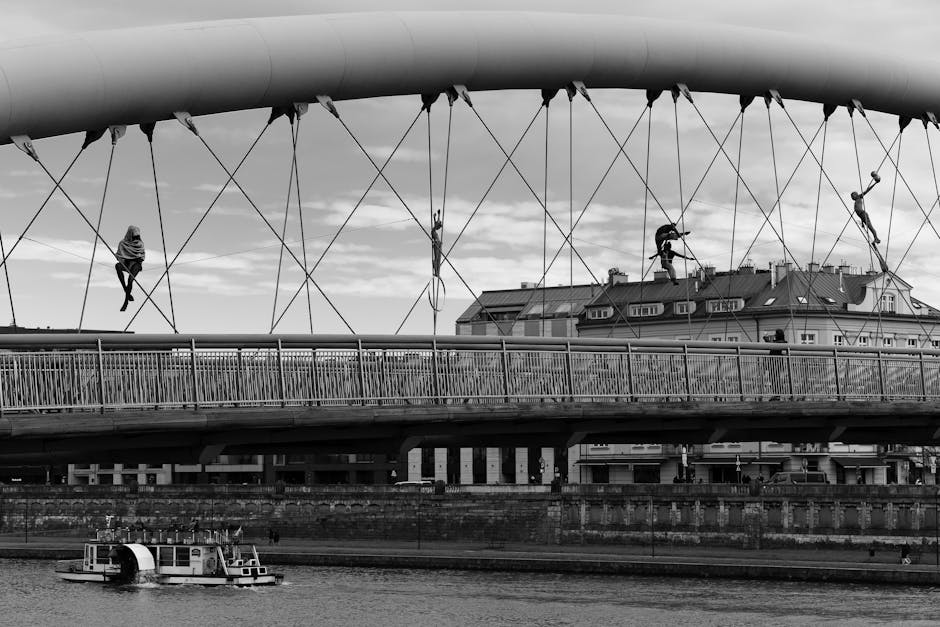
Discover Krakow’s creative soul in Zabłocie, exploring industrial heritage, contemporary art museums, and avant-garde architecture at your own pace.
 Moderate
Gdansk, Poland
Discover Zaspa, a massive open-air gallery where grey housing blocks are transformed by over 60 monumental murals. Explore at your own pace.
 Easy
EasySalzburg, Austria
Discover Salzburg's oldest medieval alley, the birthplace of the 'Silent Night' author, and breathtaking views on this quiet self-guided walk.
 Easy
EasyBeijing, China
Explore Beijing's premier art district on this self-guided walk through the industrial-chic 798 Art Zone and the massive tanks of 751 D・PARK.
 Moderate
Beijing, China
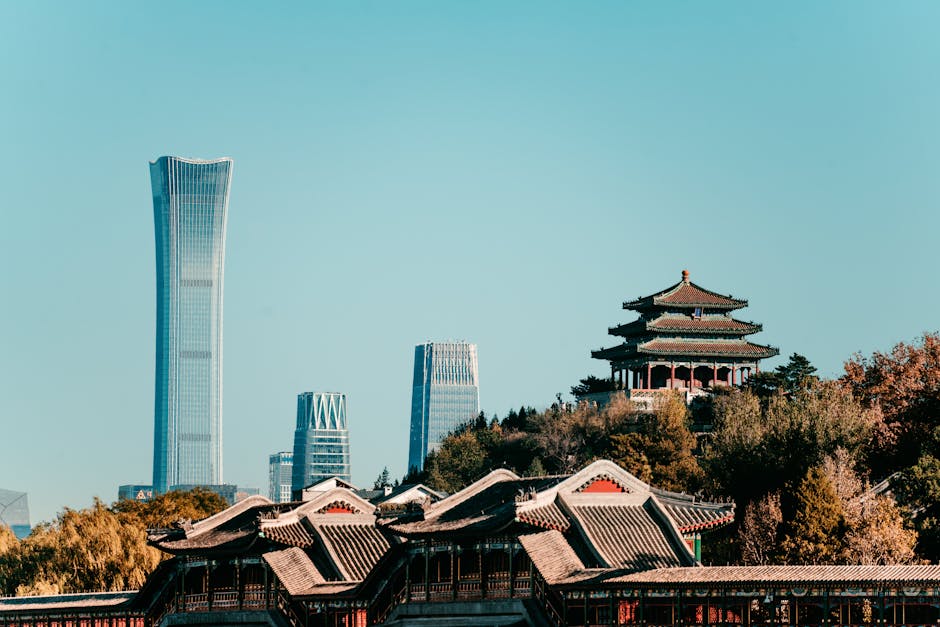
Explore the majestic red walls, imperial moats, and hilltop vistas of Beijing's Forbidden City on this self-guided architectural walking route.
 Moderate
Beijing, China
Explore the spiritual heart of Beijing on this self-guided walk through the Temple of Heaven's iconic altars, ancient pines, and vibrant park life.
 Easy
EasyBeijing, China
A culinary and cultural self-guided walk through Beijing's historic Dongsi neighborhood, featuring ancient mosques, hutongs, and iconic local eats.