Self-guided audio tour in Shanghai
Start Free on iPhone
Start free on iPhone to unlock this self-guided walking tour in Shanghai. Hear all the stories that make it amazing, walk at your own pace, and begin whenever you want.
Your Private Tour Guide
Step back into the 'Golden Age' of Chinese literature with this self-guided walk through the Hongkou District, the intellectual heart of 1930s Shanghai. This neighborhood stroll invites you to wander down narrow lanes where revolutionary writers once shared forbidden ideas and international thinkers gathered in clandestine bookstores. As you explore independently, you will encounter the spirit of Lu Xun, the father of modern Chinese literature, whose presence still lingers in the statues, museums, and shaded parks of this historic quarter. The route centers on Duolun Road, often described as an open-air museum of architecture. Here, you can admire a unique blend of Islamic, French, and English-style villas that served as the backdrop for the League of Left-Wing Writers. Beyond the politics, this walking route also reveals the softer side of the city on Tianai Road, known as the most romantic street in Shanghai, before concluding in the vibrant Lu Xun Park. This neighborhood is far removed from the glitz of the Bund, offering a peaceful look at the city's soulful past. Whether you are a history buff or a casual traveler, this self-guided adventure provides a deep dive into the stories that shaped modern China. While many visitors seek a guided tour Shanghai for convenience, this audio-guided experience allows you to linger at the Site of Uchiyama Bookstore or contemplate the modern art installations at your own pace. Discover how the literary ghosts of the 1930s continue to influence the creative energy of Shanghai today through this immersive walking tour Shanghai experience.
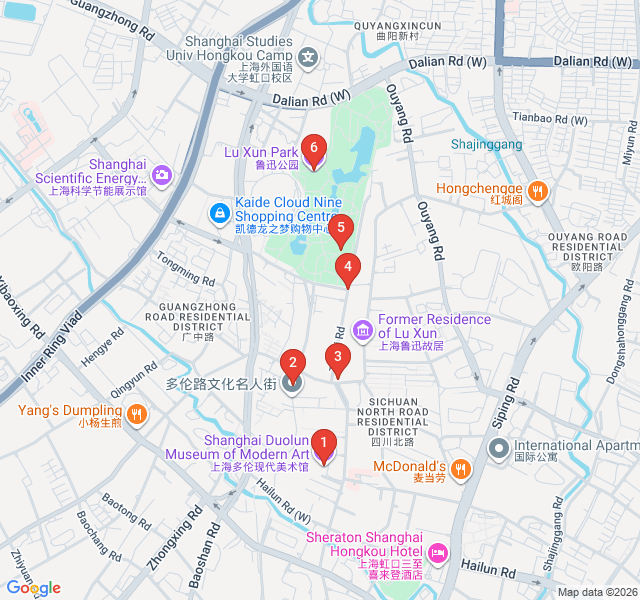
Numbers indicate the order of stops on the tour.
Begin your exploration at this contemporary landmark nestled within a historic neighborhood. The Duolun Museum of Modern Art stands as a bridge between the radical intellectualism of the 1930s and today's cutting-edge Chinese art scene. While the building itself is modern, it occupies a space that has long been a sanctuary for creative expression. Take a moment to look at the surrounding architecture; you are at the gateway to a street that once housed the 'League of Left-Wing Writers.' This museum frequently hosts rotating exhibitions that challenge social norms, much like the writers of the past who gathered in the nearby cafes to discuss revolution and reform.
As you walk down this L-shaped street, you are entering what is essentially an open-air museum. Duolun Road was a prestigious residential area in the early 20th century, and its eclectic architecture reflects that history. Look for the 'Old Jingyun Lane' where Lu Xun and Mao Dun lived. You'll pass bronze statues of famous literary figures like Ding Ling and Guo Moruo, frozen in conversation. The architecture here is a fascinating mix—keep an eye out for the Fitch Memorial Church with its distinct Chinese-style roof, and the various European-style villas that now house antique shops and quiet teahouses. This street was the epicenter of the Chinese literary movement during the Republican era.
This unassuming building was once one of the most important cultural crossroads in Asia. Run by Kanzo Uchiyama, a Japanese expatriate, this bookstore became a safe haven for Chinese intellectuals who were under surveillance by the authorities. Lu Xun was a frequent visitor and a close friend of Uchiyama; the bookstore even served as a clandestine post office for his subversive correspondence. Today, the site commemorates this unique friendship between a Japanese merchant and a Chinese revolutionary writer, proving that even in times of intense political friction, literature and shared humanity could build a bridge between cultures.
Transition from revolutionary history to modern romance as you turn onto Tianai Road, often called the 'Road of Sweet Love.' Legend says that couples who walk the length of this street together will stay in love forever. The walls are lined with international love poems and romantic graffiti. Look for the special 'Love Mailbox' near the entrance; letters sent from here receive a unique heart-shaped postmark. It is a quiet, tree-lined contrast to the busy city streets, offering a glimpse into the gentler, more whimsical side of Shanghai's neighborhood life.
Located within the grounds of Lu Xun Park, this museum is dedicated to the life and legacy of the man who revolutionized Chinese writing. By moving away from classical language to the vernacular 'Baihua,' Lu Xun made literature accessible to the masses. Inside, you can see his original manuscripts, personal belongings, and even his death mask. The exhibits trace his journey from a medical student in Japan to the biting social critic who used his pen as a weapon against injustice. It is a somber but essential stop to understand the intellectual foundations of modern China.
Conclude your walk in Lu Xun Park, formerly known as Hongkou Park. This is where the great writer is buried, and his tomb features calligraphy by Mao Zedong himself. Beyond its historical gravity, the park is a vibrant center of local life. Depending on the time of day, you might see groups practicing Tai Chi, seniors engaged in spirited games of chess, or residents practicing 'water calligraphy' on the pavement. It’s a place where the past and present coexist harmoniously, offering a peaceful environment to reflect on the literary ghosts you've encountered along the way.
Start Free on iPhone
Explore “Literary Ghosts of Shanghai: From Lu Xun to the 1930s” with your very own Private Tour Guide with Zigway. Start free on iPhone, skip the large group and the fixed routes, and hear the city come alive as you go.
Your Private Tour Guide
Don't miss the good stuff
Explore Freely
 Moderate
Shanghai, China
Discover the 'Golden Mile' on this self-guided walking route through Shanghai's historic department stores and Art Deco landmarks.
 Easy
EasyShanghai, China
Explore Art Deco architecture, leafy boulevards, and hidden villas on this self-guided walk through the French Concession.
 Easy
EasyShanghai, China
Discover the 'Wall Street of the Orient' on this self-guided walk through Shanghai's legendary waterfront and its Art Deco architectural treasures.
 Moderate
Shanghai, China
Discover 'Little Vienna' on a self-guided walk through Hongkou, the WWII sanctuary for thousands of Jewish refugees in Shanghai.
 Easy
EasyKrakow, Poland
Explore the prestigious Jagiellonian University district, featuring Neo-Gothic architecture, Baroque churches, and Krakow's hidden scholarly gems.
 Easy
EasyNairobi, Kenya
Discover Nairobi’s literary soul on this self-guided walk through historic libraries, iconic bookshops, and cultural centers in the heart of the CBD.
 Easy
EasyWarsaw, Poland
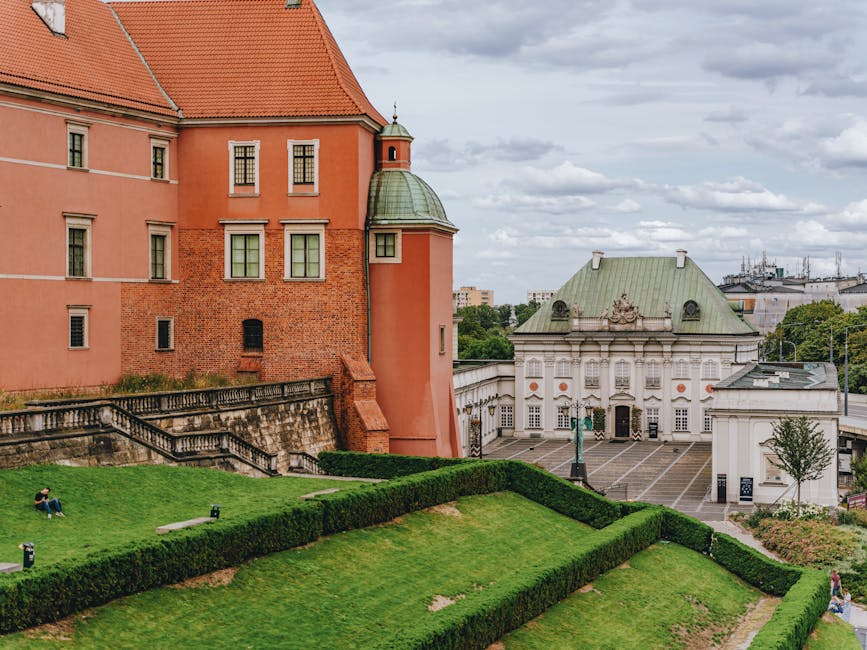
Follow the life of Fryderyk Chopin through Warsaw’s historic center. See where he lived, studied, and where his heart remains today.
 Easy
EasyGothenburg, Sweden
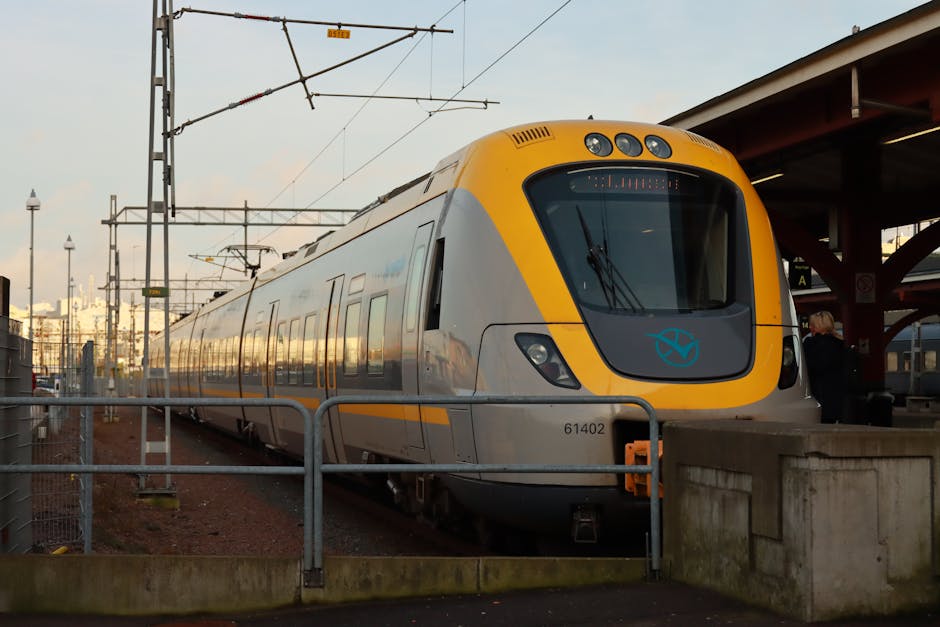
Explore Gothenburg's elegant academic district, featuring grand 19th-century stone architecture and the iconic cultural hub of Götaplatsen.
 Easy
EasyBeijing, China
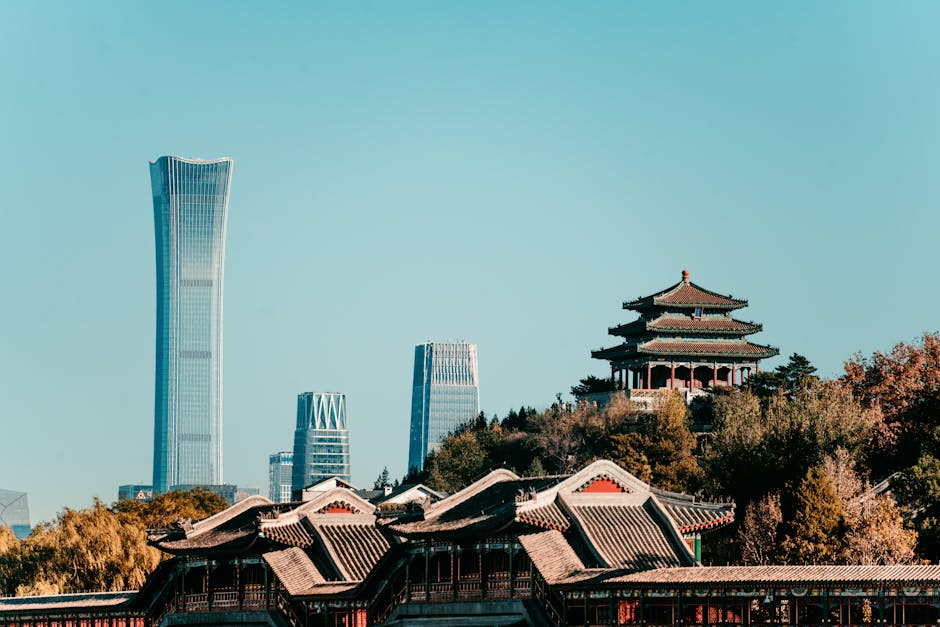
Explore Beijing's premier art district on this self-guided walk through the industrial-chic 798 Art Zone and the massive tanks of 751 D・PARK.
 Moderate
Beijing, China
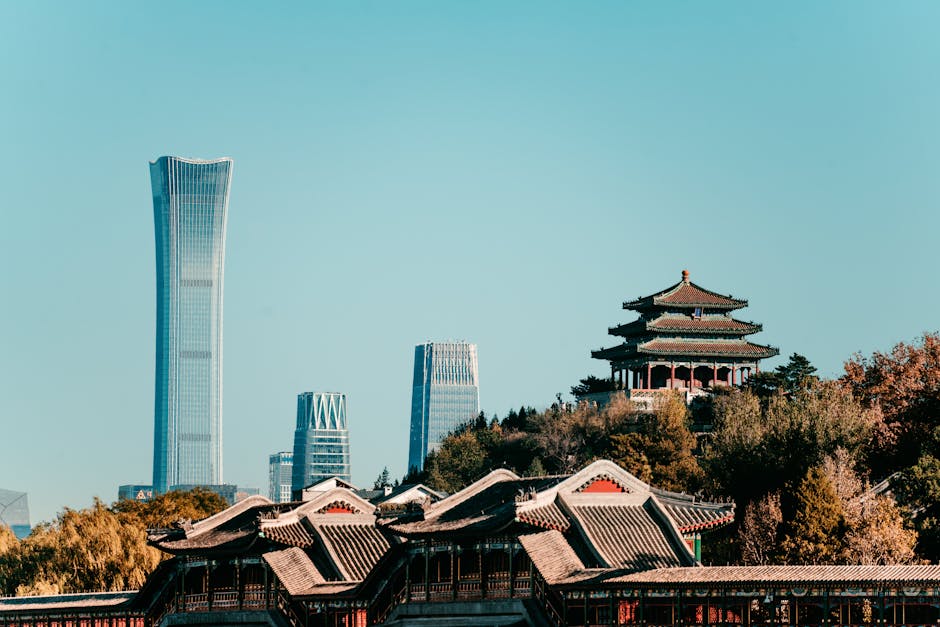
Explore the majestic red walls, imperial moats, and hilltop vistas of Beijing's Forbidden City on this self-guided architectural walking route.
 Moderate
Beijing, China
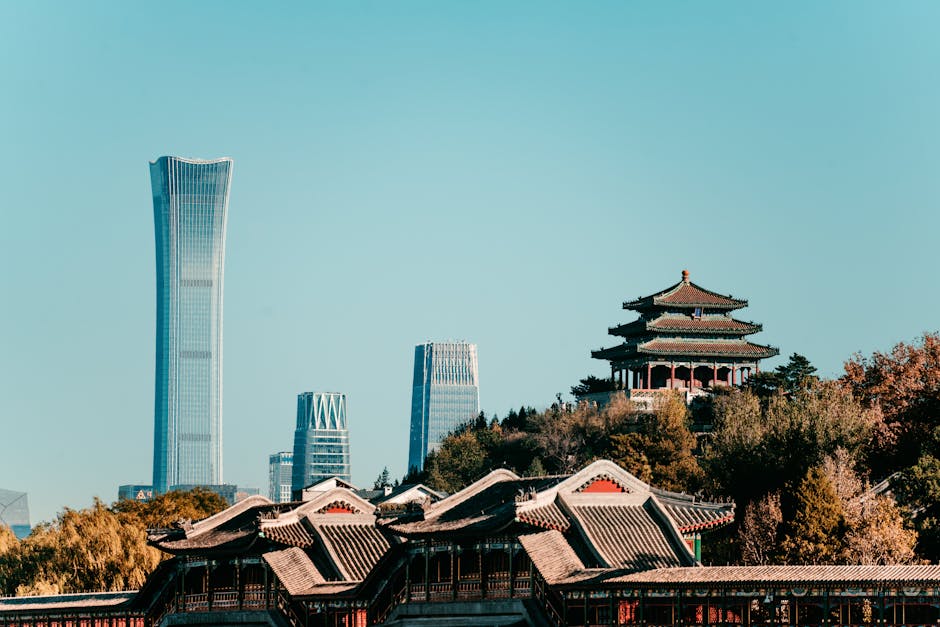
Explore the spiritual heart of Beijing on this self-guided walk through the Temple of Heaven's iconic altars, ancient pines, and vibrant park life.
 Easy
EasyBeijing, China
A culinary and cultural self-guided walk through Beijing's historic Dongsi neighborhood, featuring ancient mosques, hutongs, and iconic local eats.