Self-guided audio tour in Cartagena
Start Free on iPhone
Start free on iPhone to unlock this self-guided walking tour in Cartagena. Hear all the stories that make it amazing, walk at your own pace, and begin whenever you want.
Your Private Tour Guide
Step into the vibrant soul of Cartagena with this self-guided walking route through Getsemaní, a neighborhood that has transformed from a colonial suburb into a global capital of street art and social expression. Unlike the polished, aristocratic feel of the Walled City, Getsemaní pulses with a raw, authentic energy rooted in its history of resistance. This neighborhood stroll invites you to explore the alleyways where the 1811 independence movement first caught fire, led by the local 'Lanceros' and the Afro-Colombian community. Today, that same spirit of defiance is painted across the walls in the form of massive, colorful murals that tackle themes of racial identity, gentrification, and local folklore. On this self-guided adventure, you will discover why Getsemaní is often called the 'Canvas of Cartagena.' The route begins in the narrow, umbrella-shaded alleyways where community pride is on full display and winds through historic plazas where locals still gather to play dominoes and share stories. You will encounter the legendary Calle de la Sierpe, famous for its sprawling street art, and visit the Plaza de la Trinidad, the neighborhood's beating heart. This walking tour Cartagena experience allows you to witness the evolution of a community that refuses to be forgotten. While many visitors simply see the colors, this independent journey helps you understand the symbolism behind the paint. It is a travel experience that balances the beauty of contemporary art with the weight of historical struggle. Whether you are a photography enthusiast looking for the perfect shot or a history buff interested in the socio-political climate of Colombia, this neighborhood stroll offers a profound look at the city's living heritage. By choosing a self-guided walk, you can linger at the murals that speak to you most and soak in the atmosphere of one of the most iconic neighborhoods in the Caribbean. This route is designed to be flexible, allowing you to stop for a fresh lemonade or a local arepa whenever the mood strikes, making it the perfect way to explore Cartagena at your own pace. **Note:** This area is known for its ever-changing character. Street art, pop-up venues, and temporary exhibitions may differ from what's described. That's part of the adventure - you might discover something entirely new!
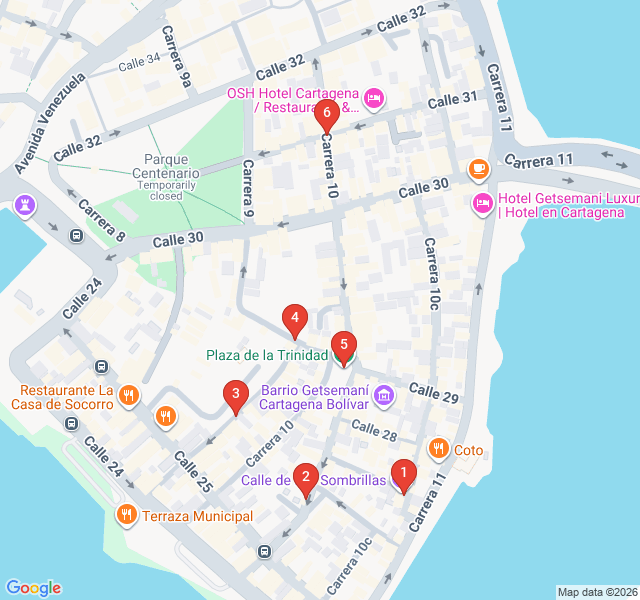
Numbers indicate the order of stops on the tour.
Welcome to Callejón Angosto, one of the most photographed and community-driven spots in Getsemaní. This narrow alleyway is a testament to neighborhood pride; residents here took it upon themselves to transform their street into a living art gallery. Look up to see the colorful umbrellas forming a canopy overhead, a tradition that began as a way to provide shade and beautify the space. The murals here often change, but they consistently reflect the daily life and tropical vibrancy of the Caribbean. This stop sets the tone for your self-guided adventure, showcasing how art is used by the community to claim their space and welcome visitors into their domestic world. Because the art here is living and breathing, you might see residents maintaining the murals or adding new decorations to the facades.
Plazuela del Pozo, or the 'Little Plaza of the Well,' serves as a quiet reminder of Getsemaní’s past. Before modern plumbing, this square was a vital gathering point where locals came to draw water. Today, you will find bronze statues depicting these traditional water carriers and other everyday characters of the neighborhood. The architecture surrounding the square features the classic colonial style with wooden balconies and heavy doors, but with a more modest, residential feel than the main city center. This spot is a favorite for local seniors to sit and chat, offering a glimpse into the slower side of life in Cartagena. It represents the transition from the domestic alleyways to the more public, historical spaces of the district.
As you walk down Calle de San Juan, the scale of the art begins to grow. This street is home to some of the most significant and large-scale murals in the city. Many of these works are not just decorative; they are deeply political. Look for depictions of the 'Palenqueras'—the iconic fruit sellers in vibrant dresses—whose presence in the art honors the Afro-Colombian women of nearby San Basilio de Palenque. You may also find pieces commenting on the rapid gentrification of Getsemaní, reflecting the tension between preserving local culture and the influx of global tourism. The street art here acts as a visual dialogue between the neighborhood’s history and its uncertain future. Note that while some murals are permanent fixtures, others are temporary, making every visit to this street unique.
Calle de la Sierpe, or 'Serpent Street,' is arguably the most famous street for art in Getsemaní. Its name comes from a colonial legend about a giant serpent that supposedly haunted the area at night until it was exorcised by a local official. Today, the only monsters you'll find are the incredible creatures painted on the walls. This street serves as an open-air museum where world-renowned street artists have left their mark. The murals here often blend surrealism with Colombian history, featuring everything from tropical flora to portraits of local heroes. As you stroll, notice how the art interacts with the crumbling colonial walls, creating a beautiful contrast between the old world and modern expression. It is a primary highlight of any neighborhood stroll in this district.
You have reached the spiritual and social heart of Getsemaní: Plaza de la Trinidad. Dominated by the yellow Church of the Holy Trinity, this square is where the neighborhood’s revolutionary history began. In 1811, a blacksmith named Pedro Romero led the local militia, the Lanceros, from this very plaza to demand independence from Spanish rule. Today, the square is a vibrant community hub. By day, it is a peaceful spot to watch the world go by; by night, it transforms into a lively theater of street performers, food vendors selling 'arepa de huevo,' and children playing soccer. The statue in the corner commemorates Pedro Romero and the brave locals who fought for their freedom, ensuring the neighborhood’s legacy of resistance is never forgotten.
Concluding your walk on Calle de la Magdalena, you find yourself on a street that bridges the gap between the historic barrio and the modern city. This street is known for its beautiful colonial houses, many of which have been meticulously restored. The murals here tend to be a bit more polished, often commissioned by the businesses that now line the street. As you reach the end of the road, you are just steps away from the Cartagena Convention Center and the waterfront. This final leg of your self-guided walk offers a moment to reflect on the resilience of Getsemaní—a neighborhood that has managed to keep its soul intact through centuries of change, using art as its primary language of survival.
Start Free on iPhone
Explore “Getsemaní's Canvas: Street Art and Resistance” with your very own Private Tour Guide with Zigway. Start free on iPhone, skip the large group and the fixed routes, and hear the city come alive as you go.
Your Private Tour Guide
Don't miss the good stuff
Explore Freely
 Moderate
Cartagena, Colombia
Follow the footsteps of Gabriel García Márquez on a self-guided walk through the magical realism of Cartagena’s historic walled city.
 Easy
EasyCartagena, Colombia
Taste the heart of Cartagena on this self-guided street food walk through the vibrant alleys of Getsemaní and the historic Walled City.
 Easy
EasyCartagena, Colombia
Explore Cartagena's legendary defensive walls and historic bastions on this self-guided walk through colonial history and Caribbean views.
 Easy
EasyCartagena, Colombia
Discover the tranquil charm, colorful streets, and hidden architectural gems of Cartagena’s most bohemian neighborhood on this self-guided walk.
 Easy
EasyVienna, Austria
Explore Vienna’s vibrant open-air gallery along the Danube Canal on this self-guided street art and nightlife stroll through Leopoldstadt.
 Easy
EasyGdansk, Poland
Discover the 'Baltic Gold' on this self-guided walk through Gdansk's historic mills, massive cathedrals, and the magical Mariacka Street.
 Easy
EasyGothenburg, Sweden
Explore Gothenburg's maritime soul on this self-guided walk from historic shipyards to sleek modern piers and iconic industrial landmarks.
 Easy
EasyNairobi, Kenya
Discover Nairobi’s literary soul on this self-guided walk through historic libraries, iconic bookshops, and cultural centers in the heart of the CBD.
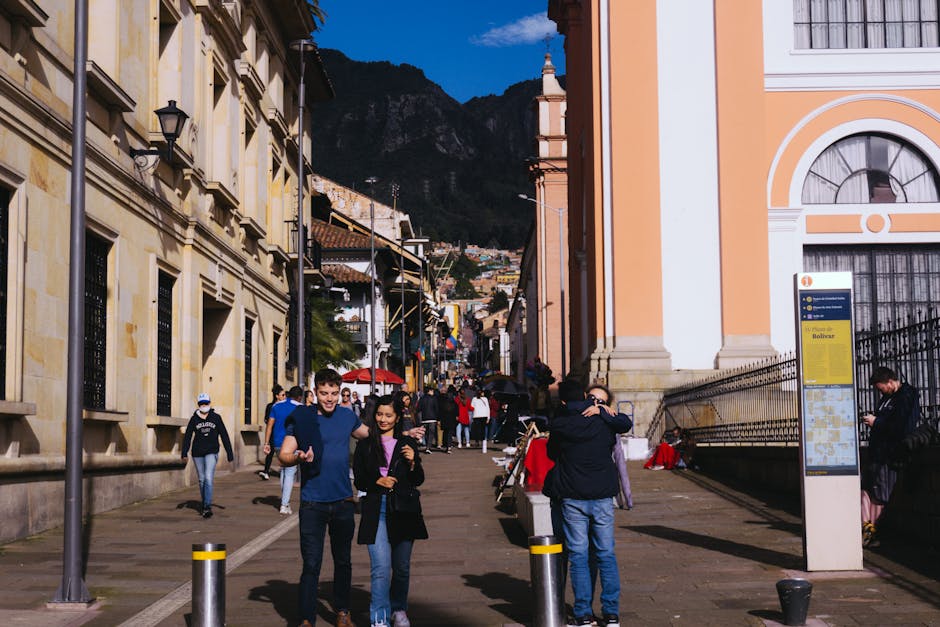 Moderate
Bogota, Colombia
Explore the historic base of Monserrate, from Bolivar's colonial villa to the legendary founding spot of Bogota on this self-guided walking route.
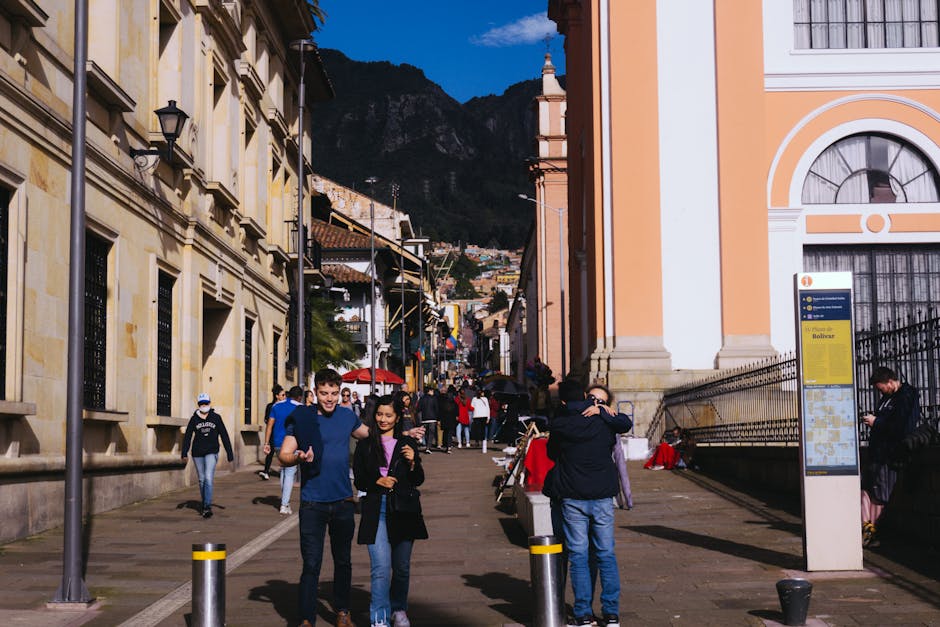 Easy
EasyBogota, Colombia
Discover the colonial charm and artistic soul of Bogota's oldest neighborhood on this self-guided audio walking route through La Candelaria.
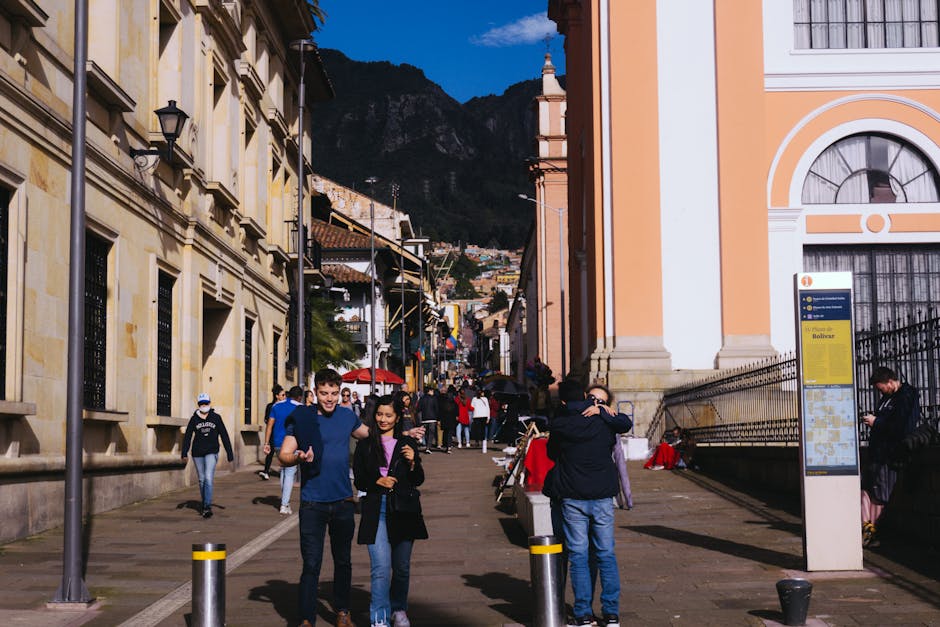 Easy
EasyBogota, Colombia
Discover the 'Green Fire' of Colombia on this self-guided walk through Bogota's legendary emerald district and informal street markets.
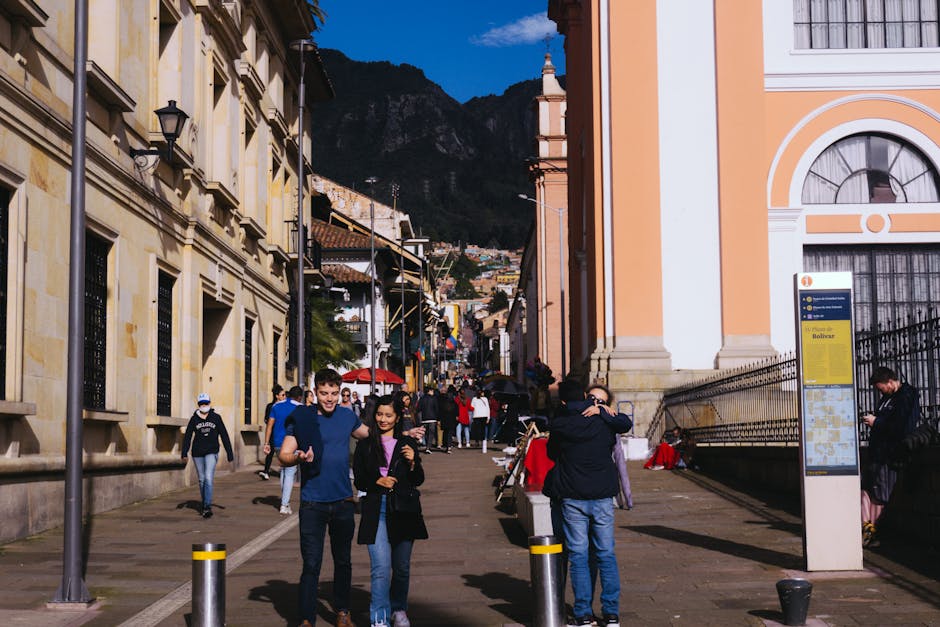 Easy
EasyBogota, Colombia
Trace the footsteps of Jorge Eliécer Gaitán and explore the sites of the 1948 riots that reshaped modern Colombia on this self-guided audio walk.