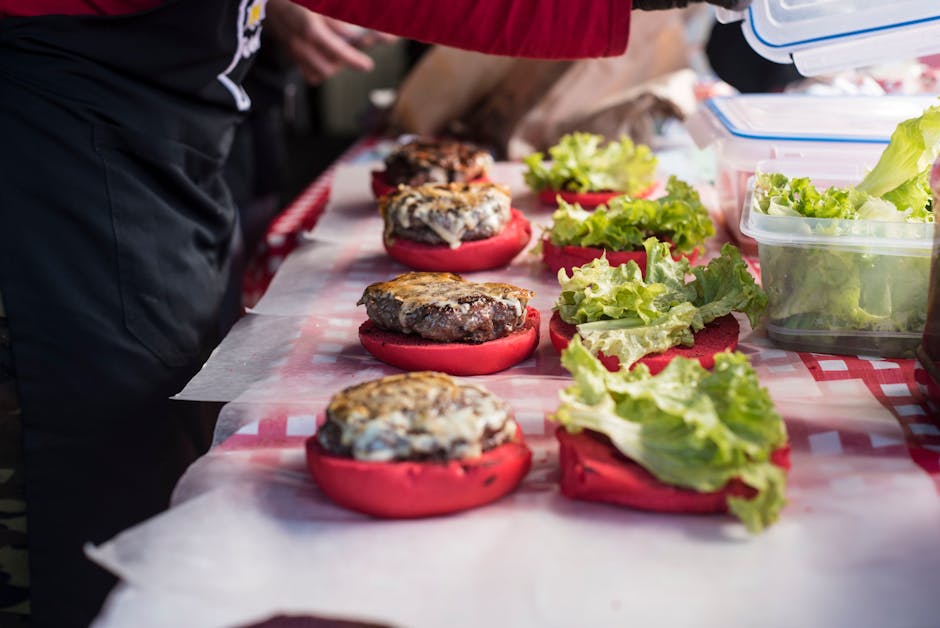
Self-guided audio tour in Bogota
Start Free on iPhone
Start free on iPhone to unlock this self-guided walking tour in Bogota. Hear all the stories that make it amazing, walk at your own pace, and begin whenever you want.
Your Private Tour Guide
Embark on a flavorful journey through Bogota, a city where high-altitude traditions meet global culinary trends. This self-guided walk invites you to explore the evolution of Colombian gastronomy, starting in the misty, cobblestone streets of La Candelaria and concluding in the vibrant, modern neighborhoods of the north. You will discover how Bogota’s kitchen has transformed from colonial hearths serving hearty Ajiaco to a sophisticated international hub. This walking route is designed for those who want to see the city through its palate, moving beyond standard tourist spots to understand where locals truly eat. We begin at the historic District Market Square La Concordia, a sensory explosion of exotic fruits like lulo and pitahaya, before winding past legendary institutions that have served the same recipes for over two centuries. As you explore independently, you will notice the architectural shift from the Spanish-colonial style of the city center to the contemporary urban sprawl of the north, reflecting Bogota's rapid modernization. Along the way, this neighborhood stroll highlights the importance of coffee culture at Café Pasaje and the comforting ritual of 'Chocolate Completo' at Pastelería Florida. The route then transitions to the northern districts, showcasing how international influences—from Argentinian bakeries to Asian fusion—have woven themselves into the local fabric. Whether you are sampling a traditional tamal or discovering the city's obsession with rotisserie chicken, this culinary quest offers a comprehensive look at the heart of the Andes. This walking tour Bogota experience allows you to set your own pace, lingering at the stalls that catch your eye or skipping ahead to find the perfect afternoon snack. It is a deep dive into the soul of a city that expresses its identity through every bite, providing a unique perspective on Colombian culture that stays with you long after the final stop. **Note:** This area is known for its ever-changing character. Street art, pop-up venues, and temporary exhibitions may differ from what's described. That's part of the adventure - you might discover something entirely new!
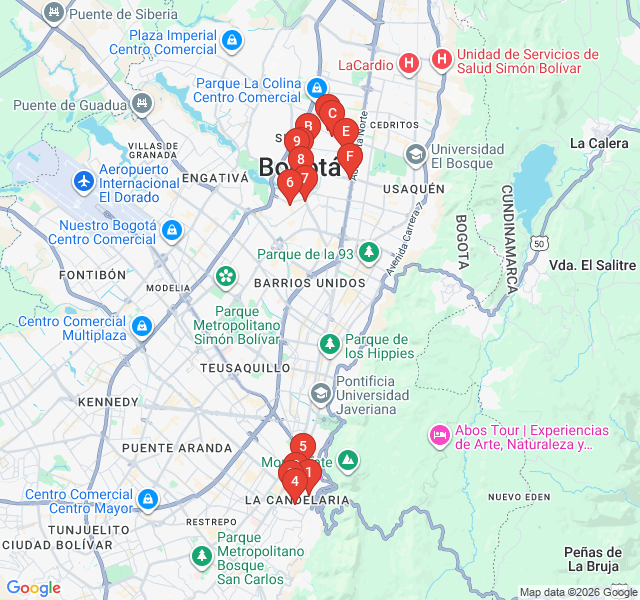
Numbers indicate the order of stops on the tour.
Start your self-guided adventure at La Concordia, a recently renovated market that perfectly blends tradition with a modern aesthetic. Located in the hills of La Candelaria, this market is the best place to witness the incredible biodiversity of Colombia. Look for stalls selling 'frutas exóticas' like the sweet granadilla, the tangy lulo, or the vitamin-rich borojó. The market also serves as a cultural hub, hosting art galleries and small craft shops. It is a living example of how Bogota preserves its heritage while embracing the future. Grab a fresh juice here to fuel your walk through the historic center.
Step into Café Pasaje, a legendary establishment that has been a meeting point for intellectuals, journalists, and chess players since the mid-20th century. Located near the Plazoleta del Rosario, this café captures the 'Santafereño' spirit of Bogota. The atmosphere here is thick with history; it was a favorite haunt of writers and politicians who shaped the country's destiny over cups of strong Colombian coffee. While the city outside has changed, the interior of Pasaje remains a sanctuary of conversation. It’s a great spot to observe the local pace of life and enjoy a traditional 'tinto' (black coffee).
You are standing in front of what is arguably the most famous eatery in Bogota. Founded in 1816, La Puerta Falsa has been run by the same family for generations. This tiny, two-story shop is world-renowned for its tamales and Ajiaco, a thick potato and chicken soup that is the city's signature dish. The name 'The False Door' comes from its location across from a side entrance of the Cathedral. Even if you aren't hungry for a full meal, their 'cocadas' (coconut sweets) and 'marquesitas' are essential treats. It is a testament to the enduring power of traditional recipes in a fast-changing world.
As you wander through the streets of La Candelaria, notice the vibrant street art and the heavy colonial doors. This neighborhood is the heart of Bogota's history. Beyond the formal restaurants, the streets here are often filled with vendors selling 'obleas'—thin wafers filled with arequipe (caramel), cheese, and jam. The aroma of roasting corn often signals a nearby 'mazorca' seller. This area is a feast for the eyes and the stomach, where every corner tells a story of the city’s Spanish and Indigenous roots. Keep an eye out for small 'chicherías' that serve chicha, a fermented corn drink with pre-Columbian origins.
Established in 1936, Pastelería Florida is an institution on the busy Carrera Séptima. It is the premier destination for 'Chocolate Completo'—a ritual where hot chocolate is served with bread, butter, and a slice of salty cheese that you are meant to drop into the drink to melt. The waitstaff in their classic uniforms and the Art Deco touches transport you back to a more formal era of Bogota. It is a bustling, noisy, and wonderful place that bridges the gap between the historic center and the commercial heart of the city. Their bakery section is also famous for traditional pastries like 'mojicones'.
Moving north towards the Suba district, the culinary landscape shifts. Passaro Bodegón represents the international influence on Bogota's modern dining scene. This spot brings a taste of the Southern Cone to the Andes, specializing in Argentinian-style pastries, empanadas, and sweets. It reflects the cosmopolitan nature of the Niza neighborhood, where residents seek out diverse flavors. The presence of such specialized 'confiterías' shows how Bogota has become a melting pot for South American cuisines, moving beyond its own borders to embrace the flavors of its neighbors. It’s a perfect place for a mid-walk snack of 'facturas' or a dulce de leche treat.
Hornitos is a quintessential Colombian success story. What started as a small family bakery has grown into one of the city's most beloved chains, known for quality and consistency. At this location on Avenida Suba, you can see the modern Bogotano lifestyle in action. It is a popular spot for 'onces' (afternoon tea/snack). Try their 'almojábanas' or 'pan de bono'—cheesy breads that are staples of the Colombian diet. The open, bright design of the bakery is a far cry from the dark, colonial kitchens of the center, illustrating the city's architectural and commercial evolution.
To truly understand how a city eats, you must visit its supermarkets. Éxito is a Colombian retail giant, and the Niza branch offers a look at the everyday ingredients of the local diet. Explore the produce section to see the sheer variety of potatoes—Colombia has hundreds of varieties—and the extensive selection of arepas, the corn cakes that accompany almost every meal. It is also a great place to pick up local coffee beans or 'bocadillo' (guava paste) to take home. Observing what goes into a local's shopping cart provides a grounded perspective on the city's culinary habits.
Just a short distance away, Carulla represents the more 'gourmet' side of Colombian grocery shopping. Known for its high-quality selection and 'fresh market' feel, Carulla highlights the growing demand for organic and artisanal products in Bogota. You might find locally produced cheeses, exotic fruit preserves, and premium chocolates here. The store's layout and offerings reflect the upwardly mobile demographic of the northern neighborhoods. It is a place where traditional Colombian ingredients are packaged with a modern, international flair, showing the city's participation in global food trends like the farm-to-table movement.
No culinary tour of Bogota would be complete without mentioning 'pollo asado' (rotisserie chicken). Los Pollitos is a classic choice for this local obsession. In Colombia, rotisserie chicken is more than just a quick meal; it is a weekend family ritual. The chicken is typically marinated in a blend of spices and served with potatoes, arepas, and honey. This location near the Bulevar Niza mall is a hub for families. The simple, satisfying nature of the dish makes it a universal favorite across all social classes in Bogota, representing the comfort food that unites the city.
As we continue through the residential avenues of the north, we encounter Da Quei Matti, an example of the city's excellent Italian influence. Bogota has a significant affinity for pizza and pasta, often adding a local twist. This neighborhood spot is known for its authentic approach, reflecting the wave of European immigrants and the subsequent local passion for Mediterranean flavors. The casual, welcoming atmosphere is typical of the dining establishments in the Avenida Villas area, where the focus is on community and shared meals. It marks a departure from the heavy Andean stews of the morning.
The arrival of international chains like Little Caesars on Calle 134 marks the latest chapter in Bogota's culinary story: the globalization of fast food. While traditional flavors remain dominant, the convenience and familiarity of global brands have found a firm foothold in the city's busier, modern corridors. This stop provides a moment to reflect on how urban growth and a faster pace of life are changing eating habits. It stands in stark contrast to the 200-year-old slow-cooked tamales of La Puerta Falsa, showing the two extremes of Bogota's current food landscape.
San Rafael is a modern shopping center that serves as a social heart for the surrounding neighborhoods. The food court and restaurants here offer a microcosm of Bogota's current tastes, from traditional 'bandeja paisa' to sushi and burgers. Malls in Bogota are more than just shopping destinations; they are safe, clean spaces where people gather to eat and socialize, especially on rainy Andean afternoons. Take a walk through the dining area to see how many different cultures are represented in a single space, highlighting the city's diverse and inclusive modern appetite.
Kinjo brings us to the cutting edge of Bogota's dining scene: the rise of specialized Asian cuisine. Located in the Prado Veraniego area, this spot is part of a growing movement of chefs exploring Japanese and pan-Asian flavors with local ingredients. This 'Barrio Asiático' vibe shows the city's expanding horizons and the curiosity of Bogotano diners. The sophisticated flavors and presentation here are a testament to the city's maturing palate and its status as a top-tier South American culinary destination. It is a far cry from the mountain-root flavors we started with this morning.
We conclude our culinary quest at this busy intersection on Calle 127. This area is a major commercial artery, buzzing with energy and surrounded by a variety of dining options. Looking back on the journey from La Candelaria to this point, you have witnessed the full spectrum of Bogota's food culture—from ancient traditions and colonial staples to international influences and modern fast food. This neighborhood is a great place to find a final coffee or a dessert before heading to your next destination. The city's flavor is defined by this very mix: a deep respect for the past blended with an eager embrace of the world.
Start Free on iPhone
Explore “Flavors of the Andes: A Culinary Quest” with your very own Private Tour Guide with Zigway. Start free on iPhone, skip the large group and the fixed routes, and hear the city come alive as you go.
Your Private Tour Guide
Don't miss the good stuff
Explore Freely
 Moderate
Bogota, Colombia
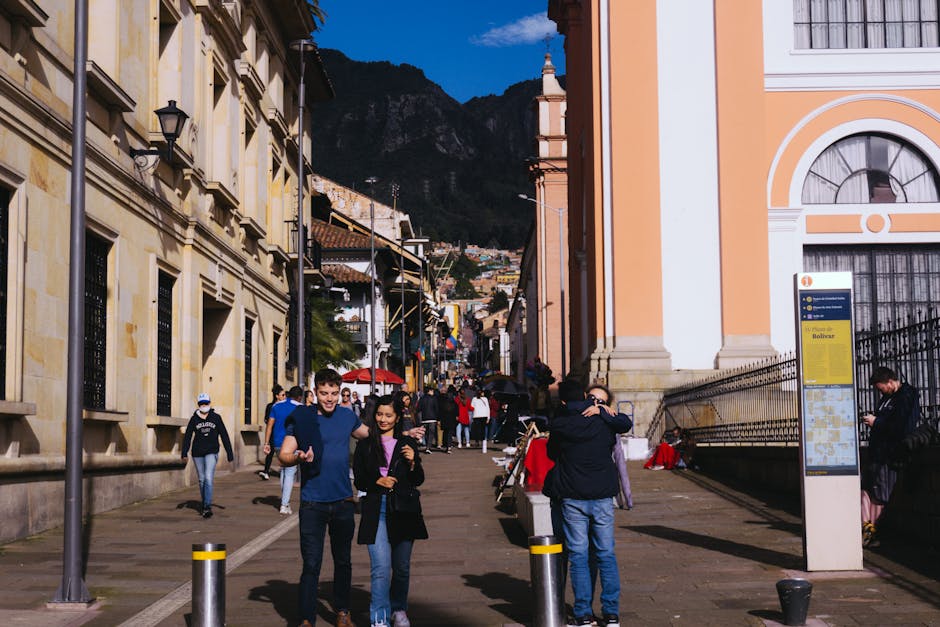
Explore the historic base of Monserrate, from Bolivar's colonial villa to the legendary founding spot of Bogota on this self-guided walking route.
 Easy
EasyBogota, Colombia
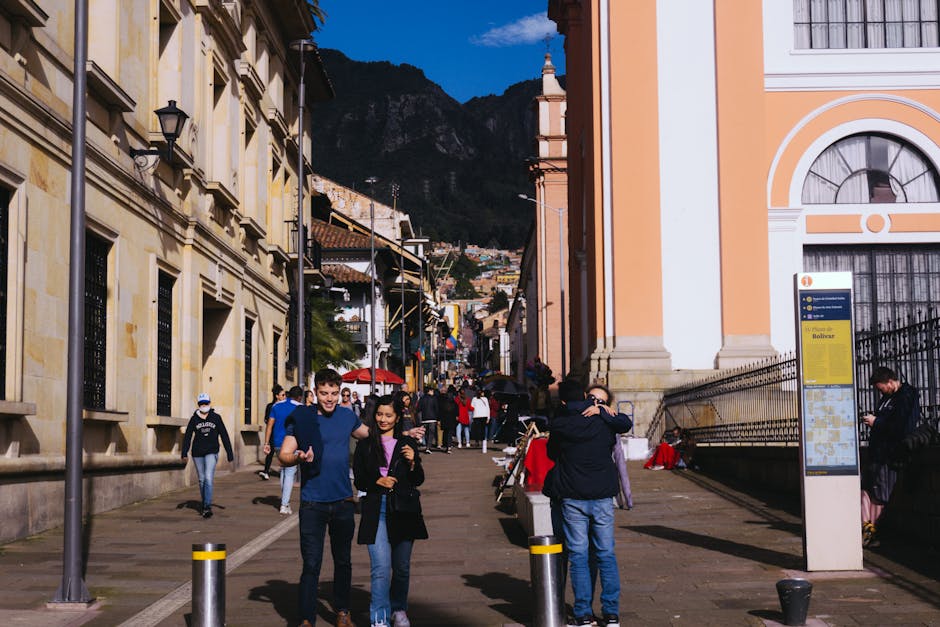
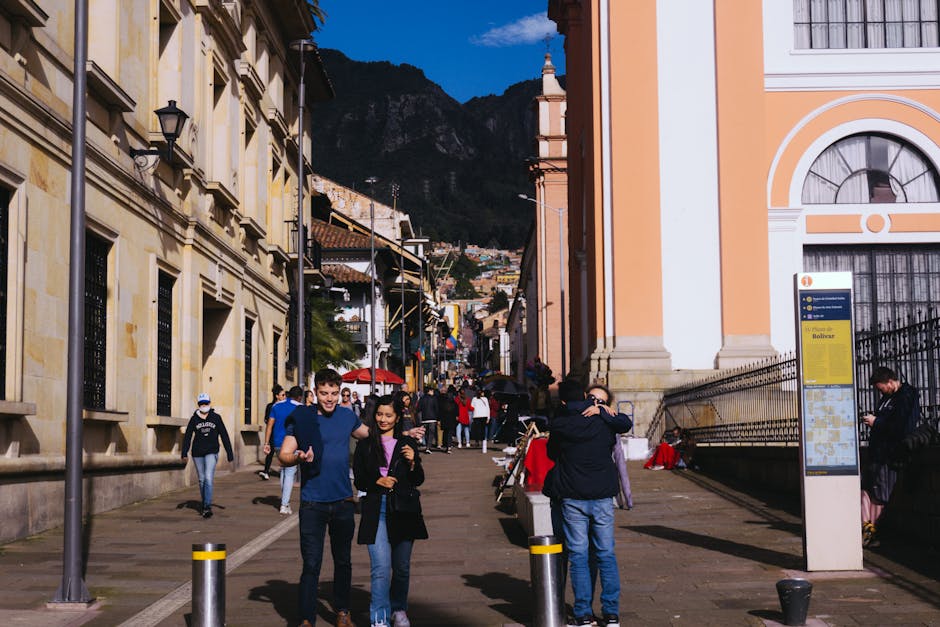
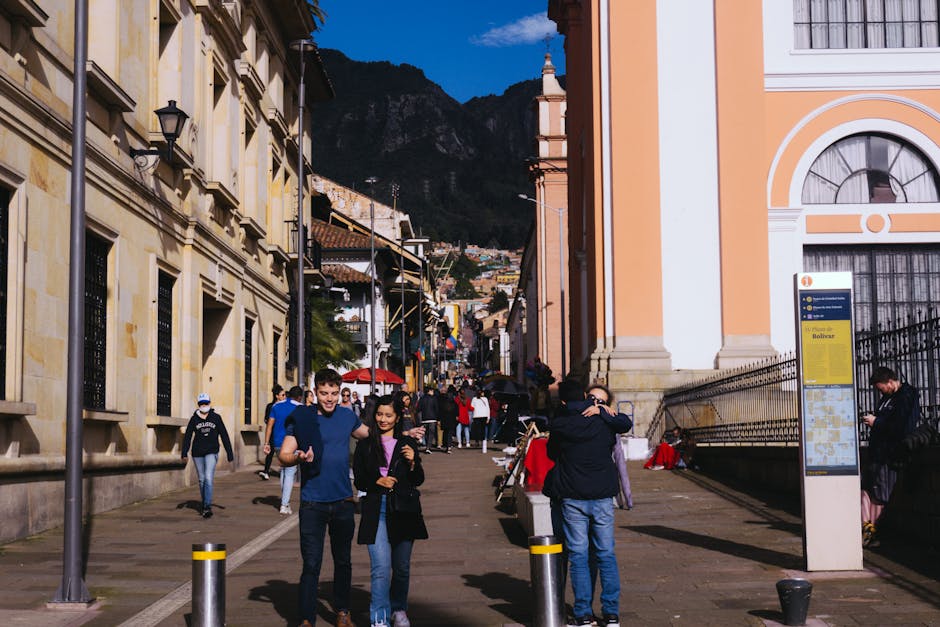
Discover the colonial charm and artistic soul of Bogota's oldest neighborhood on this self-guided audio walking route through La Candelaria.
 Easy
EasyBogota, Colombia
Discover the 'Green Fire' of Colombia on this self-guided walk through Bogota's legendary emerald district and informal street markets.
 Easy
EasyBogota, Colombia
Trace the footsteps of Jorge Eliécer Gaitán and explore the sites of the 1948 riots that reshaped modern Colombia on this self-guided audio walk.
 Easy
EasyGdansk, Poland
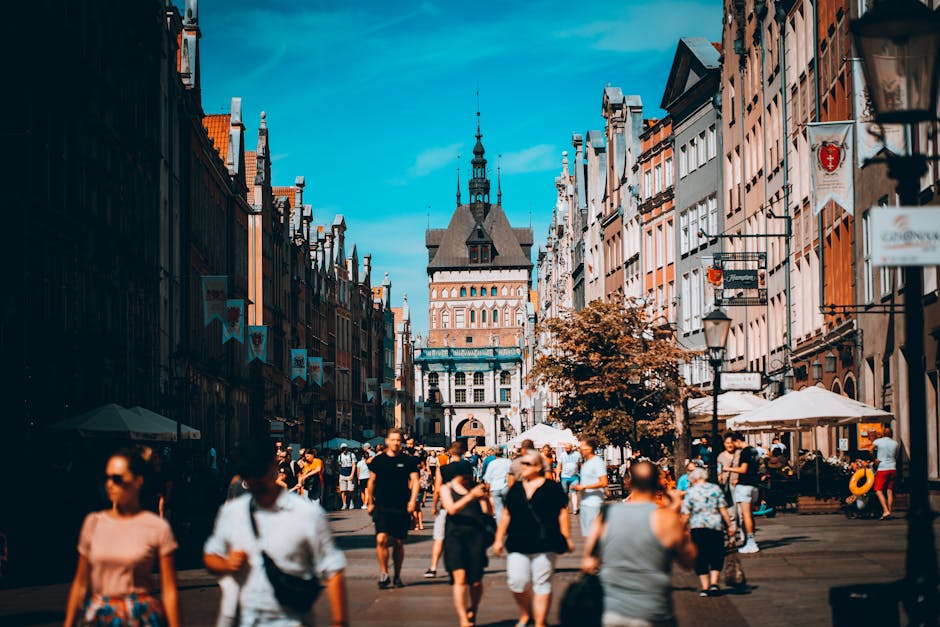
Taste the history of the Baltic. Explore Gdansk's culinary heritage from medieval markets to gold-flecked liqueurs on this self-guided walk.
 Moderate
Nairobi, Kenya
Taste your way through Nairobi's Westlands on this self-guided walk featuring street snacks, cultural landmarks, and hidden foodie gems.
 Easy
EasyInnsbruck, Austria
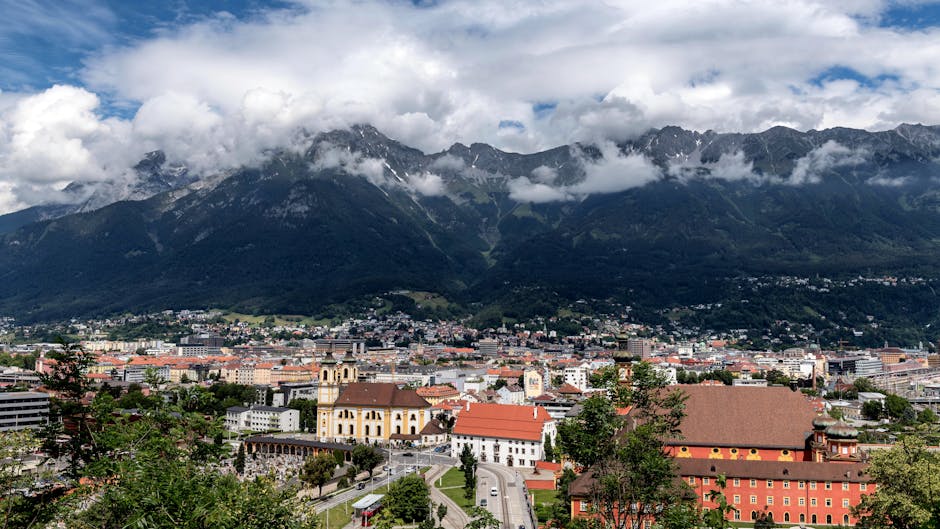
Discover the flavors of Tyrol on this self-guided stroll through Innsbruck’s historic Old Town and vibrant market hall.
 Easy
EasyKrakow, Poland
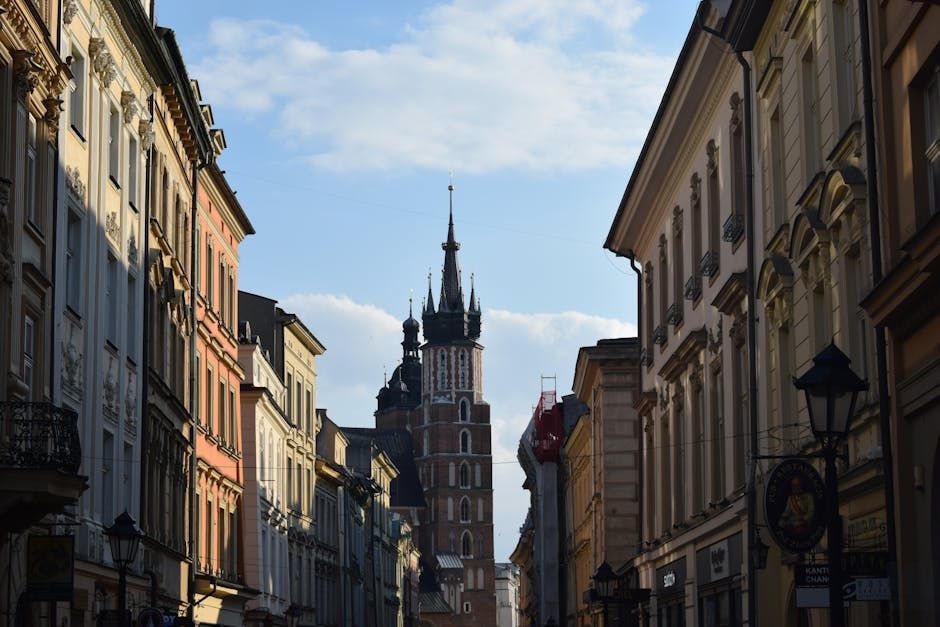
Savor the soul of Krakow on this self-guided walk through historic markets, bohemian cafes, and the city's best pierogi spots.
 Moderate
Cartagena, Colombia
Follow the footsteps of Gabriel García Márquez on a self-guided walk through the magical realism of Cartagena’s historic walled city.
 Easy
EasyCartagena, Colombia
Taste the heart of Cartagena on this self-guided street food walk through the vibrant alleys of Getsemaní and the historic Walled City.
 Easy
EasyCartagena, Colombia
Explore Cartagena's legendary defensive walls and historic bastions on this self-guided walk through colonial history and Caribbean views.
 Easy
EasyCartagena, Colombia
Discover the tranquil charm, colorful streets, and hidden architectural gems of Cartagena’s most bohemian neighborhood on this self-guided walk.