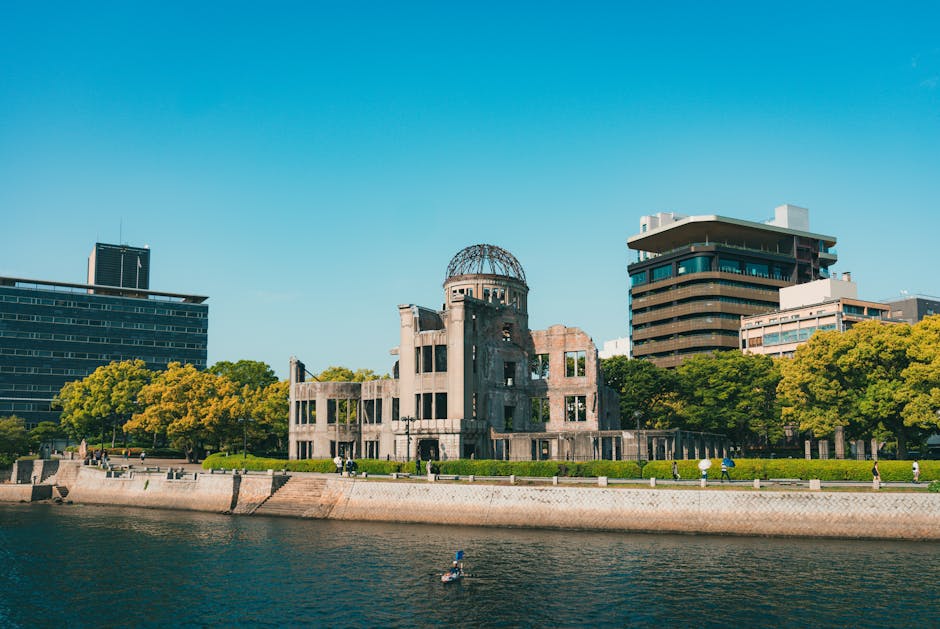
Self-guided audio tour in Hiroshima
Start Free on iPhone
Start free on iPhone to unlock this self-guided walking tour in Hiroshima. Hear all the stories that make it amazing, walk at your own pace, and begin whenever you want.
Your Private Tour Guide
Step away from the typical tourist trails and immerse yourself in the soulful, 'Showa-retro' atmosphere of Hiroshima with this self-guided walk. While many visitors stick to the central memorials, this walking route bridges the gap between the city’s poignant history and its vibrant, lived-in neighborhoods. You will start at the solemn grounds of the Peace Memorial Park, tracing the city's journey from devastation to recovery, before heading north toward the artistic and nostalgic enclave of Yokogawa. This walking tour Hiroshima provides the perfect balance of world-renowned landmarks and hidden local haunts that most travelers miss. This route is designed for those who want to explore independently, allowing you to linger at a riverside cafe or spend extra time browsing through vintage film posters at your own pace. As you move from the iconic A-Bomb Dome area toward the castle and the manicured beauty of Shukkeien Garden, you will notice the city’s character shift. The highlight for many is the Yokogawa district, where the 1950s aesthetic remains alive in the narrow alleys and independent storefronts. Unlike a traditional guided tour Hiroshima, this audio-led journey gives you the freedom to duck into a 'shotengai' (shopping arcade) for a local snack without checking a schedule. You’ll eventually conclude your exploration at the Mazda Museum, celebrating the industrial spirit that defines modern Hiroshima. Whether you are a history buff, an art lover, or a fan of urban photography, this walking tour Hiroshima offers a comprehensive look at the city’s resilience. By choosing a self-guided adventure, you can truly absorb the 'Retro Vibes' of the Yokogawa district while still paying your respects at the city's most significant historical sites. This neighborhood stroll is more than just a list of sights; it is a deep dive into the layers of a city that refuses to be defined only by its past. It offers more flexibility than a standard guided tour Hiroshima, ensuring you see the authentic side of local life. **Note:** This area is known for its ever-changing character. Street art, pop-up venues, and temporary exhibitions may differ from what's described. That's part of the adventure - you might discover something entirely new!
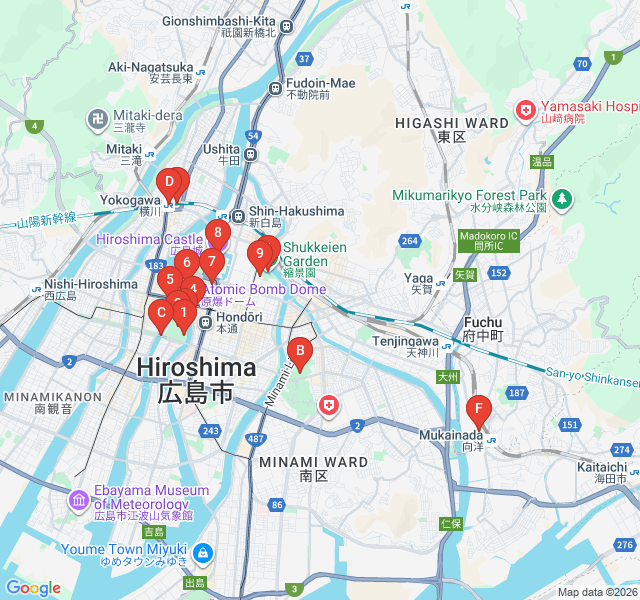
Numbers indicate the order of stops on the tour.
Begin your self-guided adventure at one of the most significant sites in the world. The Hiroshima Peace Memorial Museum serves as a powerful reminder of the events of August 6, 1945. Through personal belongings, photographs, and survivor testimonies, the museum tells the story of the atomic bombing and the city's subsequent call for international peace. Take your time moving through the East and Main buildings; the narrative here is heavy but essential for understanding the fabric of modern Hiroshima. The architecture itself, designed by Kenzo Tange, is meant to symbolize the city's rise from the ashes.
Step outside into the expansive Peace Memorial Park. Once the city’s busiest commercial district, this open green space is now home to over 70 monuments. As you walk, look for the Cenotaph for the A-Bomb Victims, which frames the Peace Flame—a fire that will remain lit until all nuclear weapons are destroyed. The park is a place of active remembrance where locals often gather to offer prayers or simply enjoy the riverside. It serves as a bridge between the tragic past and a hopeful, peaceful future.
This quiet, subterranean space is dedicated to mourning the victims and sharing their stories. The Hall of Remembrance offers a 360-degree panorama of the destroyed city created with 140,000 tiles—the approximate number of victims by the end of 1945. It is a place for quiet contemplation. You can listen to recorded memoirs and view the names and portraits of those who lost their lives. The atmosphere here is intentionally hushed, providing a more intimate, personal experience than the larger museum nearby.
A short walk from the park brings you to a simple stone monument in a quiet side street. This is the Hypocenter, the exact point above which the atomic bomb detonated at an altitude of 600 meters. While the A-Bomb Dome is the famous visual icon, this humble marker represents the physical center of the blast. Standing here, surrounded by modern buildings and daily city life, offers a jarring and profound perspective on the scale of the reconstruction that has taken place over the last several decades.
Honkawa Elementary was the closest school to the hypocenter. While most of the original structure was destroyed, a small section of the reinforced concrete basement survived and has been preserved as a museum. This stop offers a unique look at the blast's impact on a civilian, everyday environment. It is a testament to the resilience of the teachers and students who returned to these grounds to resume classes just months after the bombing. Please note that as a functioning school site, museum access may vary based on school activities.
Transitioning toward the city's vibrant present, this museum is a favorite for local families. With its distinctive circular design, it focuses on hands-on science exhibits and a planetarium. It represents the post-war commitment to educating the next generation in a spirit of curiosity and peace. Even if you don't go inside, the surrounding area is often buzzing with energy, providing a sharp contrast to the somber memorials you visited earlier. It is a great spot to observe the lively, modern side of Hiroshima's youth culture.
Nestled in the heart of the city, this museum was established to promote peace through the beauty of art. Its collection is impressive, featuring works by French Impressionists like Monet, Renoir, and Picasso, alongside modern Japanese oil paintings. The circular main gallery is designed to evoke a sense of harmony. The museum often hosts temporary exhibitions, so the art on display may change, but the tranquil courtyard and the high quality of the permanent collection make it a reliable sanctuary for art enthusiasts.
Known as the 'Carp Castle,' this landmark was originally built in the 1590s. While the original structure was destroyed in 1945, the main keep was faithfully reconstructed in 1958. As you walk through the castle grounds, look for the eucalyptus and willow trees that survived the atomic blast, known as 'hibakujumoku.' The castle is surrounded by a scenic moat and provides a glimpse into Hiroshima’s history as a powerful feudal castle town long before the industrial era. The top floor offers excellent views of the city skyline.
Located right next to Shukkeien Garden, this museum focuses on art related to Hiroshima and the wider prefecture. Its collection includes works by local artists who survived the bombing, providing a cultural perspective on the city's trauma and recovery. One of the highlights is Salvador Dalí's 'Dream of Venus.' The museum's large glass windows offer a stunning preview of the garden next door, blending the boundaries between man-made art and the natural world.
Enter a world of 'shrunken scenery.' Shukkeien, dating back to 1620, mimics various natural landscapes in miniature, including mountains, forests, and valleys. Centered around a large pond, the garden is a masterpiece of Japanese landscaping. It was severely damaged in 1945 but was restored to its former glory, serving as a peaceful retreat for residents. Walking the winding paths around the pond, you can cross the iconic Koko-kyo bridge and perhaps spot some of the many turtles and koi that call the waters home.
Perched on Hijiyama Hill, this was the first public museum in Japan dedicated to contemporary art. The building, designed by Kisho Kurokawa, combines ancient Japanese architectural styles with modern elements. The museum focuses on art created after World War II, often featuring works that explore the themes of peace and the human condition. Please be aware that the outdoor sculpture garden features permanent installations, but the indoor galleries rotate frequently to showcase the latest trends in the global and local art scenes.
As you move toward the Yokogawa district, you will cross the Nishiheiwao Bridge. Hiroshima is a city of rivers, and its bridges are vital arteries. From here, you can enjoy a quintessential Hiroshima view: the wide Ota River, the passing streetcars, and the mountain backdrop. This spot is particularly beautiful at sunset when the light reflects off the water. It’s a moment to appreciate the geography of the delta and how the city has integrated its waterways into its modern urban design.
Welcome to the heart of 'Retro Hiroshima.' Yokogawa Station is a major transit hub, but the real magic lies in the surrounding streets. This area escaped the rapid modernization seen in the city center, preserving a distinct 'Showa Era' (mid-20th century) vibe. Look for the vintage-style streetcars that often pass through here. The station area is a gateway to a maze of small shops, traditional diners, and atmospheric bars. It’s a place where the pace of life feels a little slower and the community ties feel a little stronger.
A true local treasure, Yokogawa Cinema is an independent movie theater that feels like a time capsule. Originally a theater for traditional performances, it now screens indie films, documentaries, and cult classics. Its retro facade and hand-painted posters contribute to the district's artistic reputation. Even if you aren't catching a film, the building is a cornerstone of the neighborhood's cultural identity. The surrounding alleys are filled with quirky art and small eateries, making it the perfect place to explore the 'hidden gems' of Hiroshima's creative scene.
Conclude your journey by looking toward the future of Hiroshima’s industry. Mazda was founded here and played a massive role in the city's post-war economic miracle. The museum showcases the history of the rotary engine, vintage car models, and a look at the actual assembly line. It represents the 'Monozukuri' (craftsmanship) spirit that rebuilt Hiroshima. Note that this site is a short train ride away from Yokogawa and typically requires visitors to check availability in advance for their self-guided exploration. It is a fitting end to a route that celebrates Hiroshima’s endurance and ingenuity.
Start Free on iPhone
Explore “Retro Vibes: The Yokogawa District Wander” with your very own Private Tour Guide with Zigway. Start free on iPhone, skip the large group and the fixed routes, and hear the city come alive as you go.
Your Private Tour Guide
Don't miss the good stuff
Explore Freely
 Moderate
Hiroshima, Japan
Discover Hiroshima's samurai history on this self-guided walk through Shukkeien Garden, the historic Hiroshima Castle, and serene Moto-machi parks.
 Easy
EasyHiroshima, Japan
Explore Hiroshima's maritime heritage on this scenic self-guided walk from historic red-brick museums to the peaceful Ujina Lighthouse.
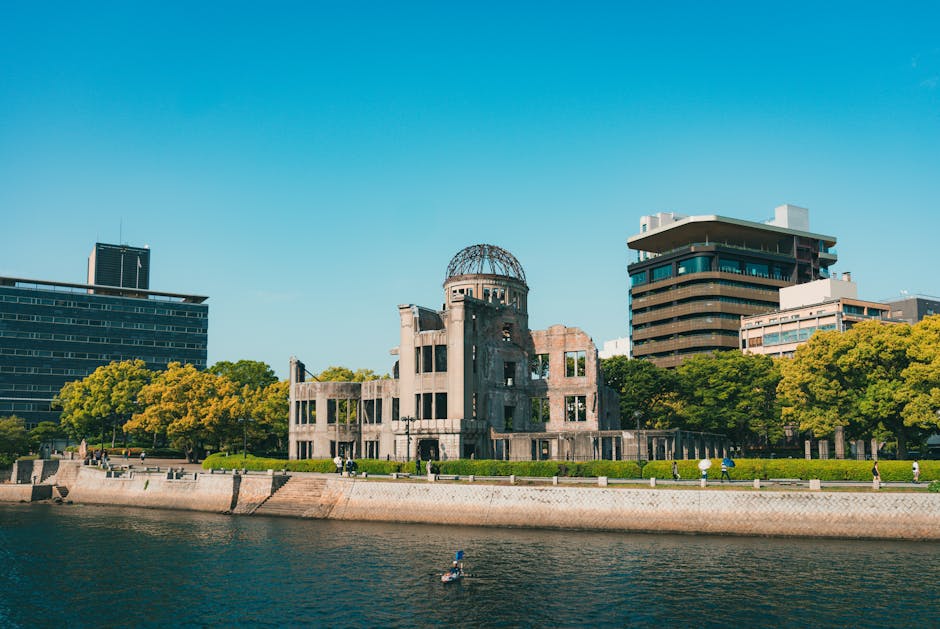 Easy
EasyHiroshima, Japan
Discover Hiroshima’s architectural evolution from pre-war survivors to visionary modernist masterpieces on this self-guided walking route.
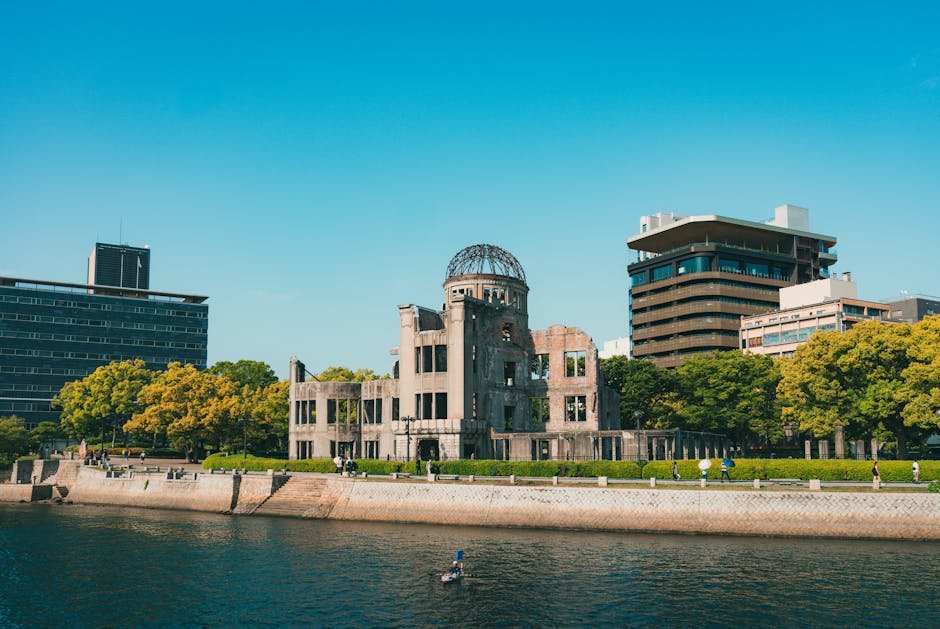 Easy
EasyHiroshima, Japan
Explore Hiroshima's electric Nagarekawa district. A self-guided walk through neon alleys, savory street food, and hidden local culture.
 Easy
EasyNairobi, Kenya
Discover Nairobi’s literary soul on this self-guided walk through historic libraries, iconic bookshops, and cultural centers in the heart of the CBD.
 Easy
EasyKrakow, Poland
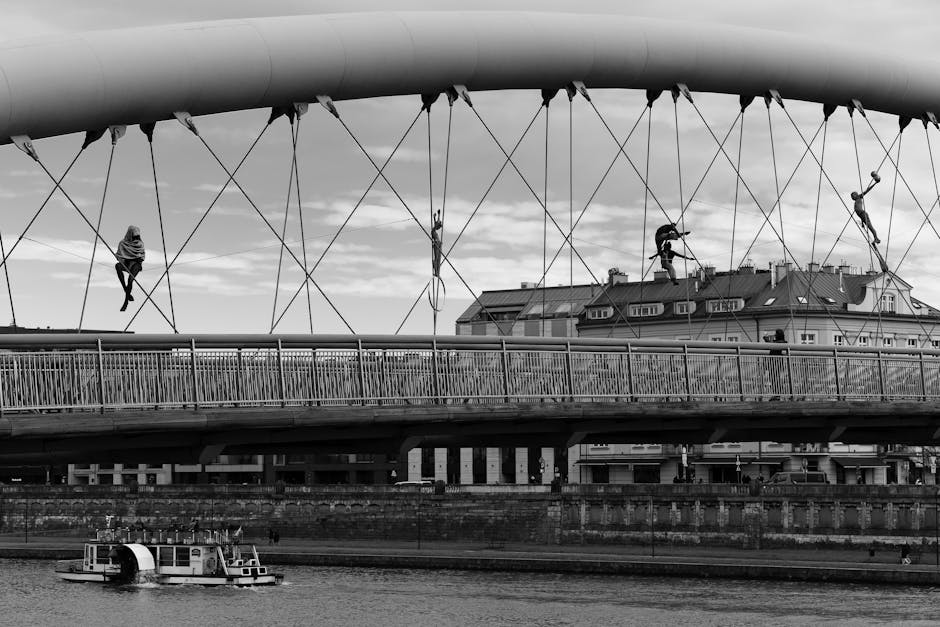
Explore Krakow’s artistic evolution from Renaissance masterpieces to vibrant urban murals on this inspiring self-guided walk through the city.
 Moderate
Gdansk, Poland
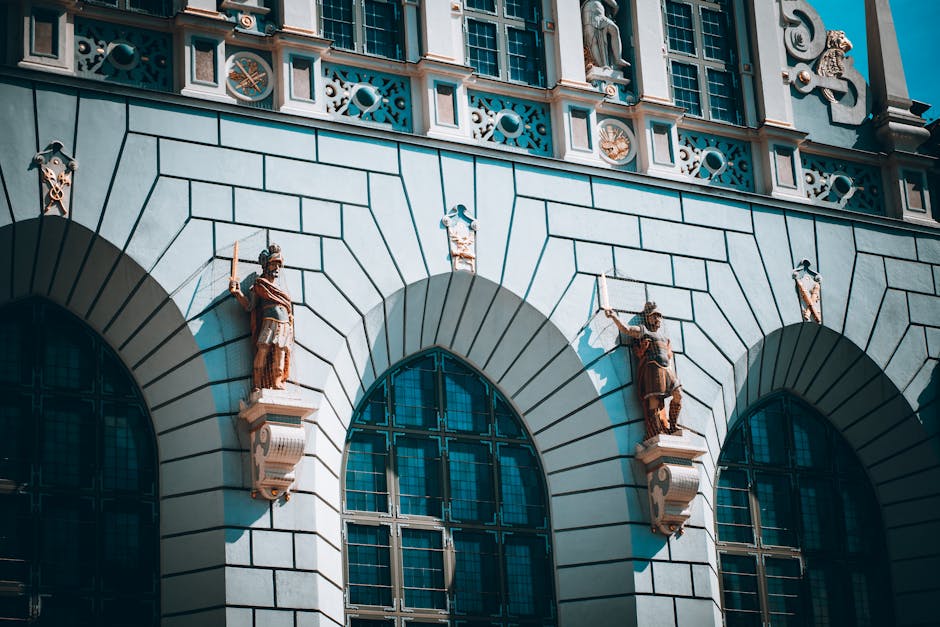
Discover Zaspa, a massive open-air gallery where grey housing blocks are transformed by over 60 monumental murals. Explore at your own pace.
 Easy
EasyWarsaw, Poland
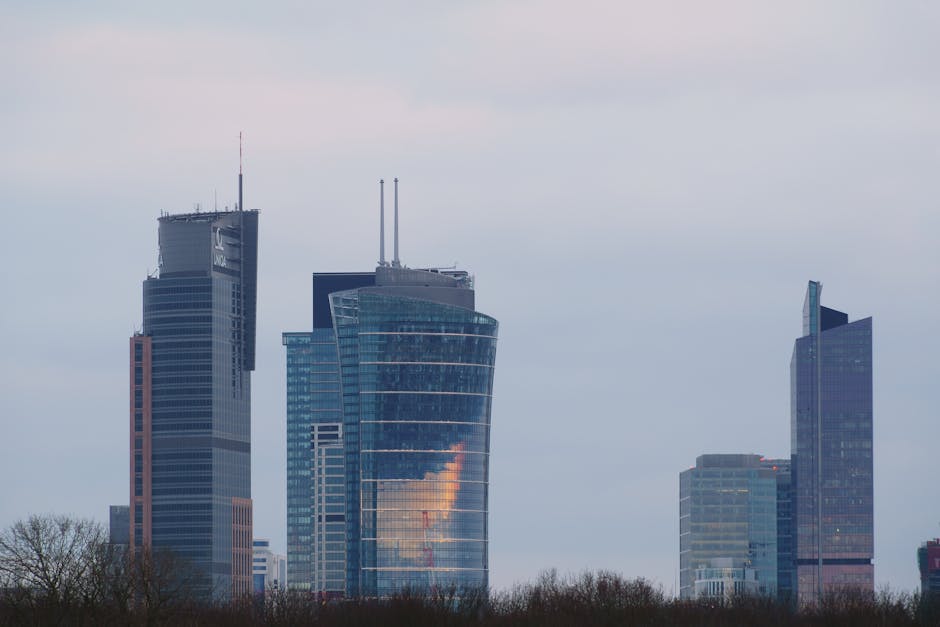
Discover the hidden courtyards and grand pre-war architecture of Warsaw's most atmospheric neighborhood on this self-guided stroll.
 Moderate
Tokyo, Japan
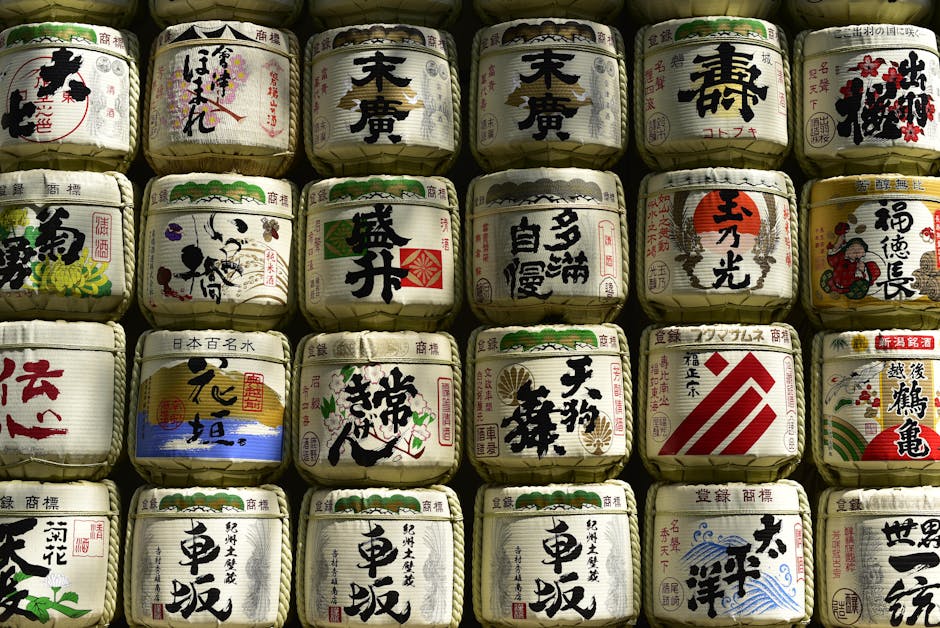
Discover Tokyo's premier creative district on this self-guided walk through Roppongi’s world-class museums and striking modern architecture.
 Easy
EasyTokyo, Japan
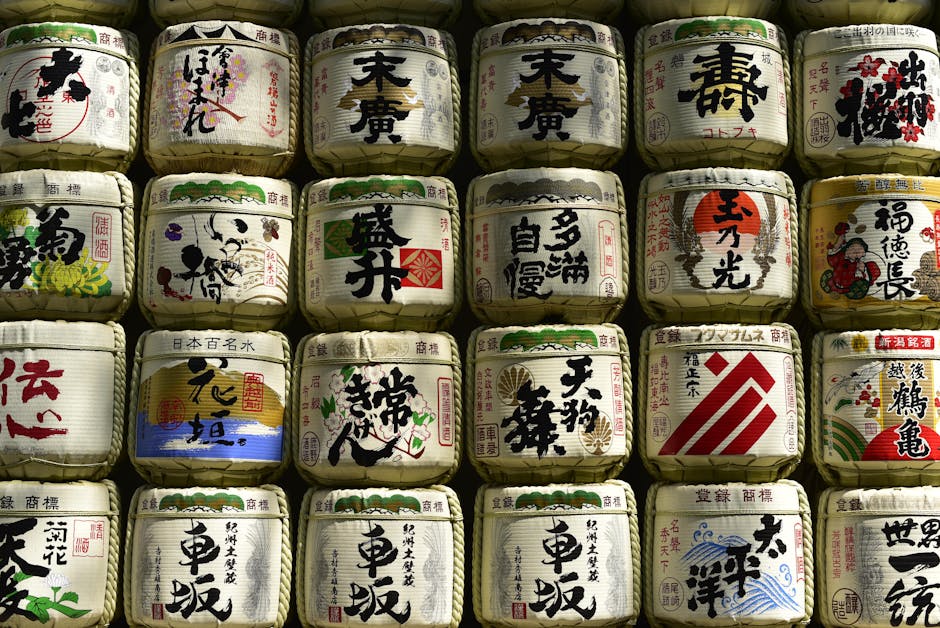
Discover the 'Old Tokyo' charm of Yanaka on this self-guided walk through historic temples, artisan alleys, and a stunning torii gate shrine.
 Easy
EasyTokyo, Japan
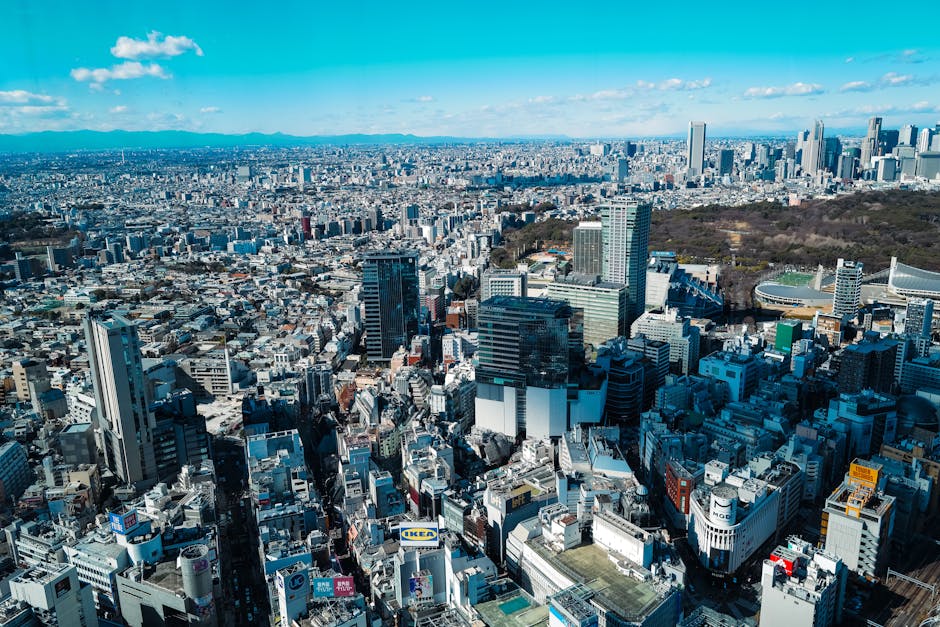
Experience Shibuya's electric energy on this self-guided walk from the iconic Scramble Crossing to the panoramic views of Shibuya Sky.
 Easy
EasyTokyo, Japan
Explore Tokyo's indie heart. From vintage fashion in Shimokitazawa to world-class art in Shinjuku, discover the city's creative soul independently.