Self-guided audio tour in Tokyo
Start Free on iPhone
Start free on iPhone to unlock this self-guided walking tour in Tokyo. Hear all the stories that make it amazing, walk at your own pace, and begin whenever you want.
Your Private Tour Guide
Tokyo’s Marunouchi district is a place where the rhythmic pulse of global finance meets the silent, stoic grandeur of Japan’s imperial history. This self-guided walking route invites you to traverse the boundary between these two worlds, starting at the gates of the Imperial Palace and ending amidst the ruins of what was once the largest castle in the world. As you explore independently, you will witness the architectural evolution of Japan, from the massive stone walls of the Edo period to the elegant red-brick buildings of the Meiji era and the sleek glass towers of the modern age. The journey begins at the iconic Nijubashi Bridge, the primary entrance to the inner palace grounds and a symbol of the Emperor’s enduring presence. From there, the path leads through Wadakura Fountain National Park, a serene space built to commemorate royal weddings, offering a moment of tranquility amidst the city's bustle. You will then transition into the Marunouchi district proper, where the Marunouchi Building stands as a testament to Tokyo’s rise as a commercial powerhouse. Nearby, the Mitsubishi Ichigokan Museum provides a stunning contrast with its Victorian-style brickwork, a recreation of the first Western-style office building in the area. The walk concludes within the Imperial Palace East Gardens, the former site of the Shogun’s inner circles. Here, you can stand atop the massive foundations of the Edo Castle donjon, which once towered over the city before being lost to fire centuries ago. This walking route is perfect for those who want to understand the dual nature of Tokyo’s identity: a city that looks relentlessly toward the future while remaining deeply rooted in its prestigious past. Whether you are a history buff or an architecture enthusiast, this neighborhood stroll offers a profound look at the seat of power in Japan. Unlike a standard walking tour Tokyo often offers, this experience allows you to linger at the viewpoints that matter most to you, absorbing the prestige of the Imperial family and the power of Tokyo's financial heart at your own pace.
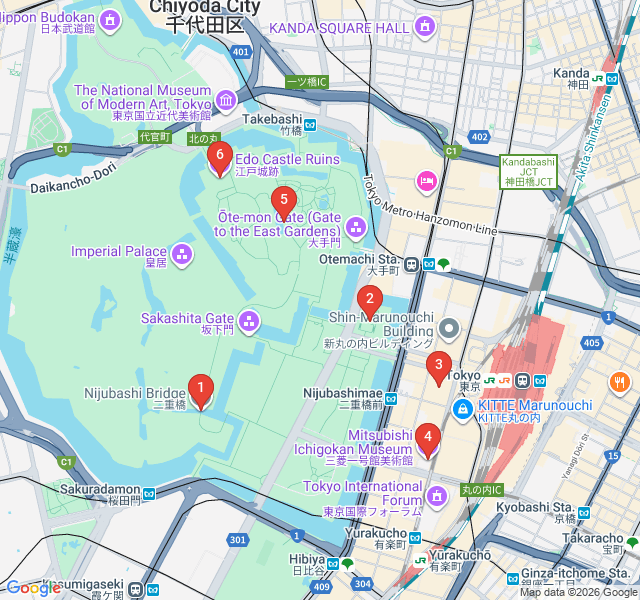
Numbers indicate the order of stops on the tour.
Welcome to one of the most photographed spots in Japan. Nijubashi, or the 'Double Bridge,' is the primary gateway to the inner grounds of the Imperial Palace. While the bridge you see in the foreground is actually the Seimon Ishibashi (Stone Bridge), the 'double' name comes from the iron bridge behind it, which formerly had two levels. This site represents the transition from the Edo Shogunate to the Meiji Restoration; when the Emperor moved from Kyoto to Tokyo in 1868, this became the official residence of the sovereign. Notice the massive, perfectly fitted stone walls across the moat. These were built without mortar using a technique called 'uchikomi-hagi,' designed to withstand both earthquakes and invaders. While the inner palace is usually closed to the public, this bridge stands as a permanent symbol of the prestige of the Japanese monarchy.
Just a short walk from the palace gates lies Wadakura Fountain National Park, an oasis of water and granite. This park was established in 1961 to commemorate the royal wedding of Emperor Akihito and Empress Michiko. It was later redesigned in 1995 to honor the marriage of the current Emperor Naruhito. The central fountain shoots water up to 8 meters high, symbolizing the vitality of the Imperial family. The park is built on the site of a former guardhouse of the Edo Castle. Today, it serves as a bridge between the historical palace grounds and the modern business district. Take a moment to appreciate the contrast: behind you are the ancient moats, while ahead of you rise the headquarters of Japan's most powerful corporations.
You are now standing in the heart of Marunouchi, Japan's premier business district. The Marunouchi Building, affectionately known as 'Maru-biru,' has been a landmark here since 1923. The original building was a pioneer of the American-style office block, surviving the Great Kanto Earthquake just months after it opened. The current tower, completed in 2002, preserves the spirit of the original lower floors while soaring into the skyline. For a spectacular view, head to the 5th-floor terrace. From there, you can look down upon the red-brick Tokyo Station and the Imperial Palace you just visited. Marunouchi was once known as the 'London Block' because of its many red-brick buildings, and this skyscraper represents the area's evolution into a global financial hub.
This striking red-brick building is a portal to the Meiji era. Completed in 2009, it is a meticulous reconstruction of the original Mitsubishi Ichigokan, which was the first Western-style office building in Marunouchi, designed in 1894 by the British architect Josiah Conder. Conder was a key figure in teaching modern architecture in Japan. The building uses over 2 million bricks and features a Queen Anne-style design that would look right at home in Victorian London. Today, it houses a museum focusing on 19th-century art, but the building itself is the primary attraction. The inner courtyard, a lush garden hidden from the street, is a local favorite for a quiet break. It serves as a reminder of the 'Mitsubishi Village' that transformed this former samurai residential area into a modern commercial center.
Step through the Otemon Gate to enter the East Gardens, the former site of the Honmaru and Ninomaru—the innermost circles of Edo Castle. For over 250 years, this was the center of political power in Japan, where the Tokugawa Shoguns lived and ruled. As you walk through, you will see the remains of various guardhouses and the massive stone walls that once protected the Shogun. The Ninomaru Garden is a highlight, featuring a traditional pond and trees representing every prefecture in Japan. It is a masterpiece of landscape design, intended to provide the Shogun with a miniature version of the entire country. The scale of the gates and walls here is significantly larger than what you saw at Nijubashi, intended to intimidate any who dared approach the seat of the Shogunate.
You are standing at the summit of the Tenshu-dai, the massive stone foundation of the Edo Castle main keep. When it was completed in 1638, the five-story donjon was the tallest building in Japan, standing 58 meters high. However, it only stood for 19 years before it was destroyed in the Great Fire of Meireki in 1657. The Shogunate decided not to rebuild the tower, choosing instead to prioritize the reconstruction of the city. Today, only these colossal granite blocks remain. From this elevated vantage point, you can look out over the Honmaru meadow and the surrounding skyscrapers. It is the perfect place to reflect on the 'Power and Prestige' theme of our walk: the physical towers of the Shoguns may have vanished, but the foundations of their power shaped the very city that surrounds you today.
Start Free on iPhone
Explore “Power and Prestige: The Imperial Palace and Marunouchi” with your very own Private Tour Guide with Zigway. Start free on iPhone, skip the large group and the fixed routes, and hear the city come alive as you go.
Your Private Tour Guide
Don't miss the good stuff
Explore Freely
 Moderate
Tokyo, Japan
Discover Tokyo's premier creative district on this self-guided walk through Roppongi’s world-class museums and striking modern architecture.
 Easy
EasyTokyo, Japan
Discover the 'Old Tokyo' charm of Yanaka on this self-guided walk through historic temples, artisan alleys, and a stunning torii gate shrine.
 Easy
EasyTokyo, Japan
Experience Shibuya's electric energy on this self-guided walk from the iconic Scramble Crossing to the panoramic views of Shibuya Sky.
 Easy
EasyTokyo, Japan
Explore Tokyo's indie heart. From vintage fashion in Shimokitazawa to world-class art in Shinjuku, discover the city's creative soul independently.
 Moderate
Vienna, Austria
Follow the footsteps of Mozart and Strauss through Vienna’s historic center on this self-guided walk through the city's rich musical history.
 Easy
EasySalzburg, Austria
Discover the 'Rome of the North' on this self-guided walk through the Baroque squares and monumental legacy of Salzburg’s Prince-Archbishops.
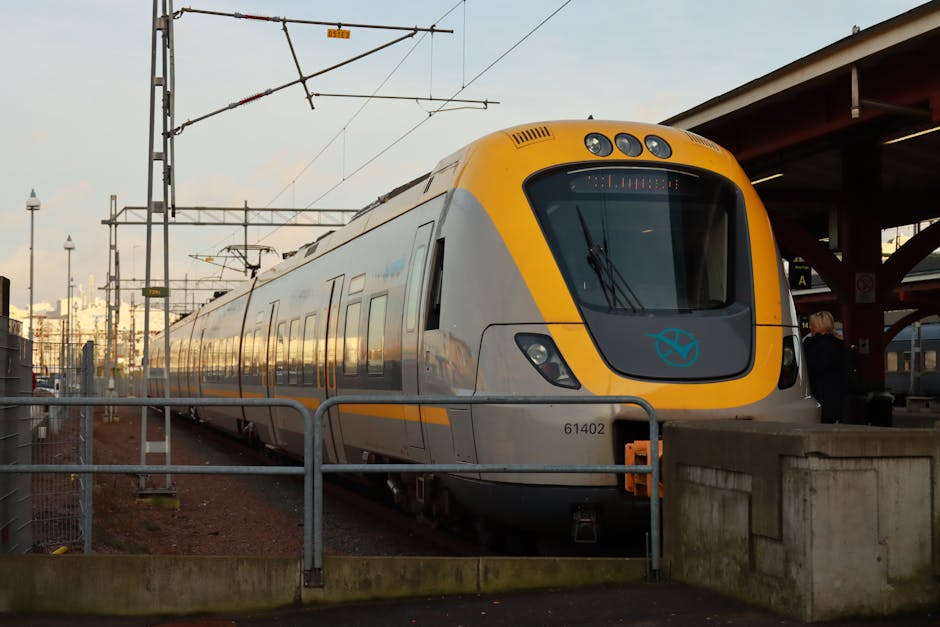 Moderate
Gothenburg, Sweden
Discover Gothenburg’s maritime soul on this self-guided walk from the historic Central Station to the scenic riverfront at Stenpiren.
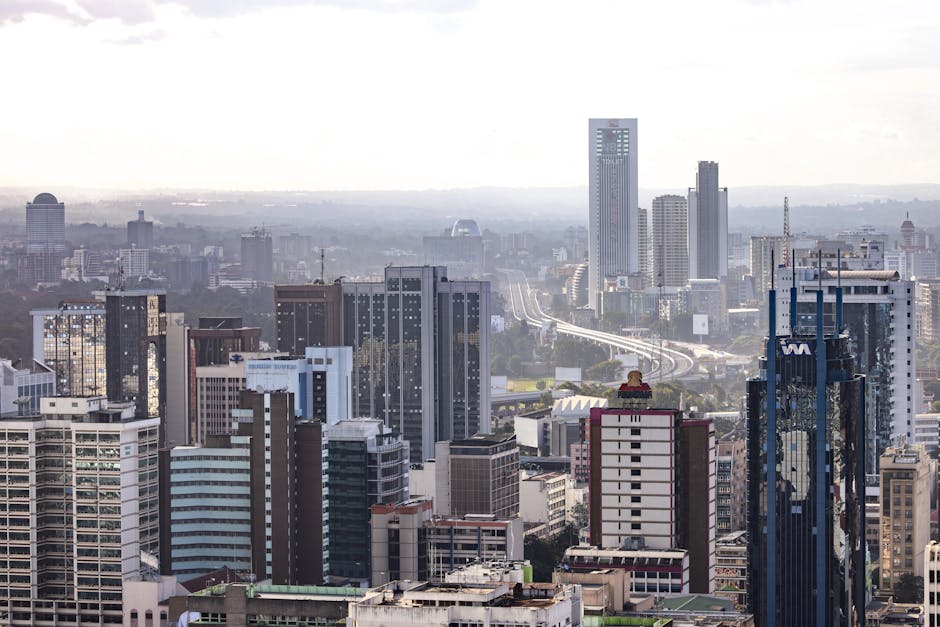 Easy
EasyNairobi, Kenya
Explore Nairobi's architectural evolution from colonial-era landmarks to iconic Brutalist skyscrapers on this historic self-guided walking route.
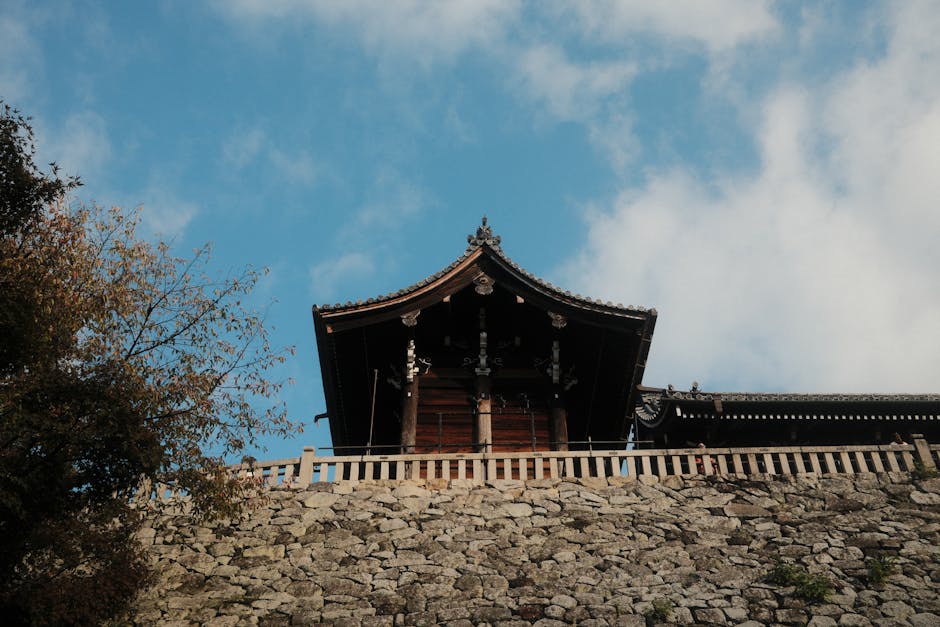 Moderate
Kyoto, Japan
Discover the soul of old Kyoto on this self-guided walk through preserved stone lanes, iconic pagodas, and the grand wooden stage of Kiyomizu-dera.
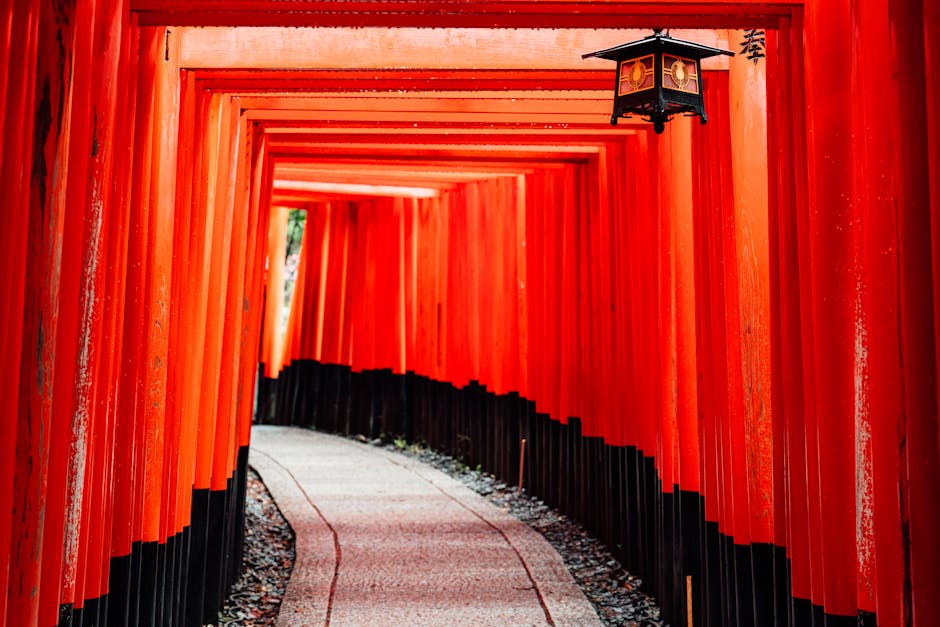 Challenging
Kyoto, Japan
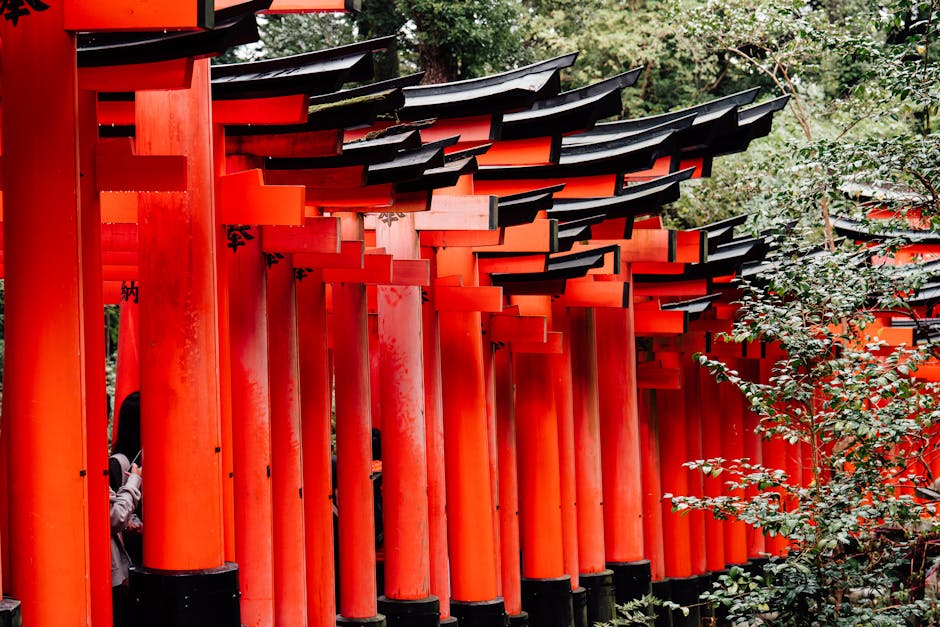
Ascend the sacred Mount Inari through thousands of vermillion torii gates on this challenging and spiritual self-guided walk in Kyoto.
 Easy
EasyKyoto, Japan
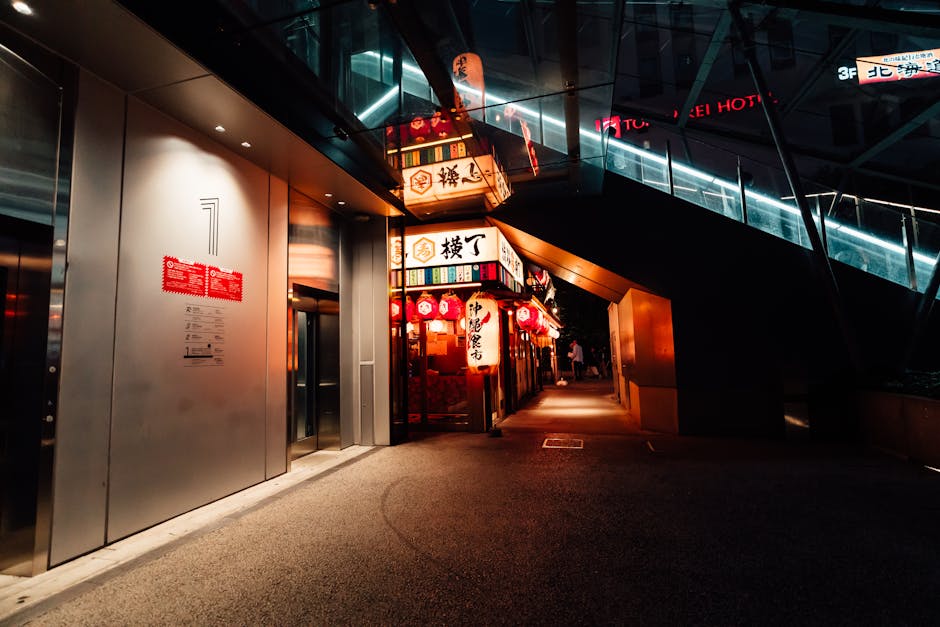
Explore Kyoto's most atmospheric alleyway. Discover geiko history, riverside dining, and hidden nightlife on this self-guided evening stroll.
 Moderate
Kyoto, Japan
Experience a serene self-guided walk along Kyoto's iconic Philosopher's Path, visiting Zen temples, hidden shrines, and the stunning Silver Pavilion.