Self-guided audio tour in Busan
Start Free on iPhone
Start free on iPhone to unlock this self-guided walking tour in Busan. Hear all the stories that make it amazing, walk at your own pace, and begin whenever you want.
Your Private Tour Guide
Perched on the steep slopes above Busan Station, Choryang-dong is a neighborhood that wears its history on its sleeve. This self-guided walk through the Choryang Ibagu-gil—which translates to 'Story Road' in the local dialect—offers a profound look into the resilience of Busan’s residents during and after the Korean War. As the city swelled with refugees, the only places left to build were the dizzying hillsides. Today, these vertical alleys have been transformed into a living museum, blending gritty historical reality with vibrant modern art. Exploring this neighborhood independently allows you to feel the physical exertion that was once a daily requirement for the residents here. The route begins at the bustling Choryang Traditional Market, where the scents of local delicacies provide a sensory introduction to the area's heritage. From there, you will ascend into the 'Ibagu-gil,' a path lined with murals and photographs that narrate the evolution of the city. The centerpiece of this walking route is the 168 Stairs, a legendary incline that served as the primary artery for the hillside community. You can choose to test your stamina on the steps or take the modern monorail for a bird's-eye view of the tightly packed rooftops. Along the way, you will discover quiet observatories dedicated to local poets and find yourself on the Sanbok-ro (Hillside Road), which offers some of the most iconic panoramic views of Busan Harbor and the North Port. This is more than just a photography excursion; it is a journey through the social fabric of Busan. You will see how the 'sanman-di' (hilltop) life has transitioned from a place of survival to a cherished cultural asset. This neighborhood stroll is perfect for those who want to escape the neon lights of Haeundae and connect with the authentic, hardworking spirit of the city. Be prepared for a physical challenge, as the 'Steps Through Time' truly live up to their name, rewarding every climber with a deeper understanding of the Busan identity.
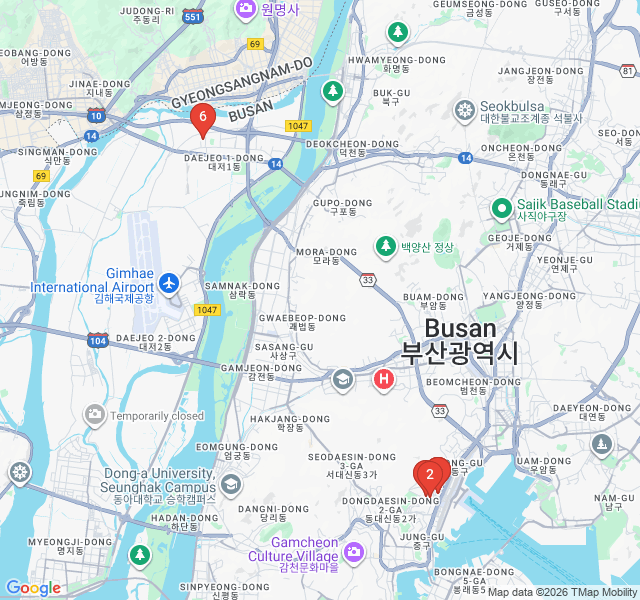
Numbers indicate the order of stops on the tour.
Welcome to the starting point of your self-guided adventure. Choryang Traditional Market emerged in the 1960s, serving as a vital hub for the refugees who settled on these hills after the Korean War. Unlike the more famous Jagalchi Market, Choryang has a distinctively local, neighborhood feel. As you wander through the stalls, look for 'dwaeji-gukbap' (pork soup) or 'milmyeon' (wheat noodles)—dishes that became Busan staples during times of food scarcity. This market wasn't just a place to buy goods; it was a community anchor for people rebuilding their lives from scratch. Take a moment to soak in the atmosphere before we begin the ascent into the hills.
As you enter the Ibagu-gil, the word 'Ibagu' is your key to understanding this path—it means 'story' in the Gyeongsang-do dialect. This alleyway serves as a vertical gallery. Look at the walls; you'll see portraits of local figures, historical photographs of the harbor, and murals that depict the 'A-frame' laborers who carried heavy loads up these slopes. This path was designed to preserve the memories of the 'Sanbok-ro' residents. Each turn in the alley reveals a different chapter of Busan's growth, from a small port town to a global maritime hub. Notice how the architecture clings to the hillside, utilizing every inch of available space.
You are now standing at the base of the 168 Stairs, the most famous landmark in Dong-gu. For decades, this was the only way for residents to reach the city below. Imagine carrying water buckets or coal briquettes up these steps every single day. The stairs were a place of both hardship and social gathering. In 2016, a monorail was installed to assist the elderly residents, but the stairs remain as a monument to the community's endurance. Whether you choose to climb or ride, look back as you ascend; the view of the harbor begins to open up, framed perfectly by the narrow canyon of buildings.
This peaceful terrace is dedicated to the poet Kim Min-bu, a Busan native known for the lyrics to the famous song 'Waiting Heart.' The observatory offers a moment of reflection away from the steep climb. From here, you have an unobstructed view of Busan Station and the massive cruise ships in the harbor. It’s a perfect spot to observe the contrast between the old hillside homes and the glass skyscrapers of the modern waterfront. The poetry inscribed here often touches on themes of longing and the sea, echoing the sentiments of many who watched the horizon from these very hills while waiting for loved ones to return.
The Yeongju-dong Monorail is a fascinating example of urban problem-solving. Like the 168 Stairs monorail, this small, box-like car provides essential transit for a neighborhood where traditional buses cannot reach. It operates on an incredibly steep grade, cutting through the backyards of local houses. Riding or walking alongside this track gives you a sense of the 'vertical village' lifestyle. It highlights the city's commitment to maintaining these historic hilltop communities rather than clearing them for high-rises. The slow, steady pace of the monorail matches the rhythm of life in Yeongju-dong, where time seems to move a bit differently than in the busy city center below.
As we conclude our walk near the historical communication hubs of the city, reflect on how information once traveled through these hills. In the early post-war years, the postal service was the only link between refugees and the families they left behind. While the modern mail center represents the efficiency of today's Busan, it stands on the foundation of the 'Postbox of You Chi-hwan' and other literary landmarks nearby that celebrate the written word. This area marks the transition from the winding 'Story Road' back into the structured grid of the modern city. From here, the spirit of the Ibagu-gil continues to influence the city's identity as a place of connection and resilience.
Start Free on iPhone
Explore “Steps Through Time: The Choryang Ibagu-gil Hillside Walk” with your very own Private Tour Guide with Zigway. Start free on iPhone, skip the large group and the fixed routes, and hear the city come alive as you go.
Your Private Tour Guide
Don't miss the good stuff
Explore Freely
 Easy
EasyBusan, South Korea
Explore Busan’s industrial-chic transformation. Discover hidden roasteries, redbrick alleys, and 'Newtro' culture in Jeonpo at your own pace.
 Easy
EasyBusan, South Korea
Eat your way through Busan's history on this self-guided walk through the iconic markets and neon-lit alleys of Nampo-dong.
 Easy
EasyBusan, South Korea
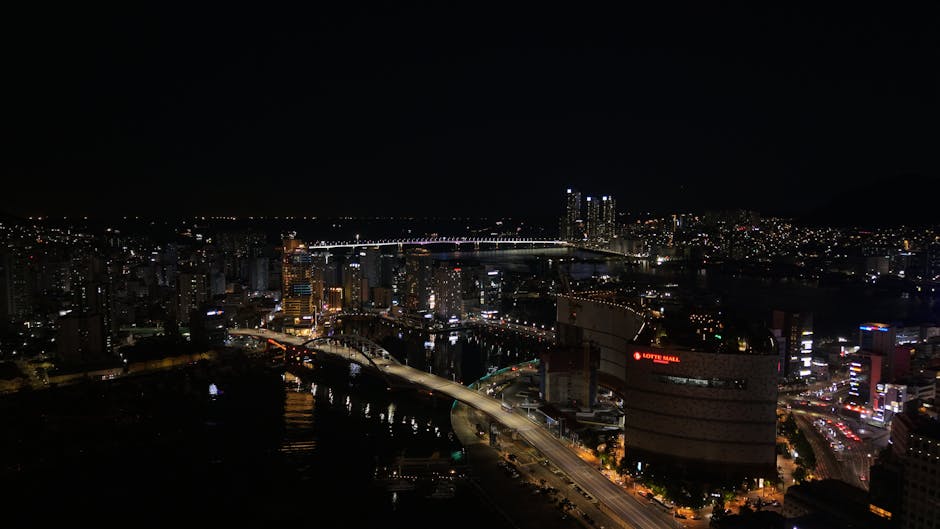
Discover the resilient heart of Busan through historic museums, the legendary Bosu-dong Book Alley, and the vibrant streets of Jung-gu.
 Easy
EasyBusan, South Korea
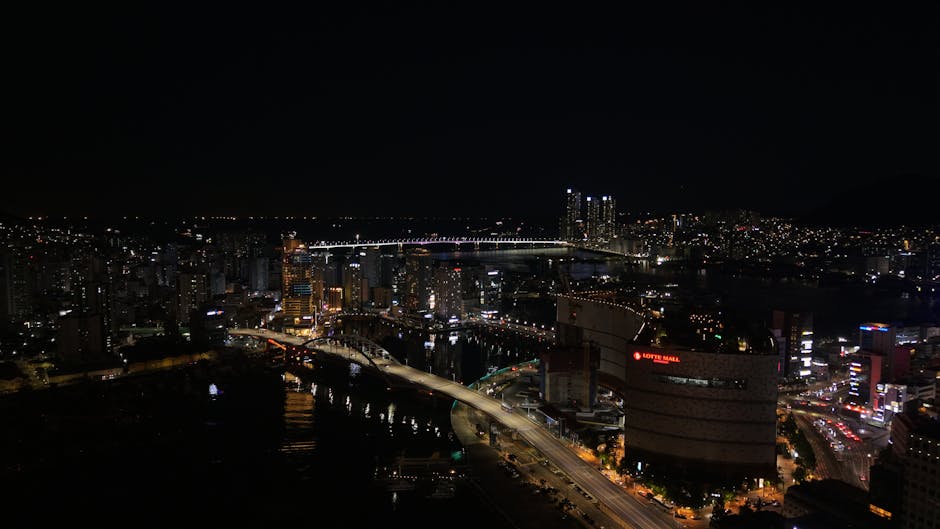
Discover Busan’s futuristic skyline, record-breaking malls, and avant-garde architecture on this self-guided walk through Centum City.
 Moderate
Vienna, Austria
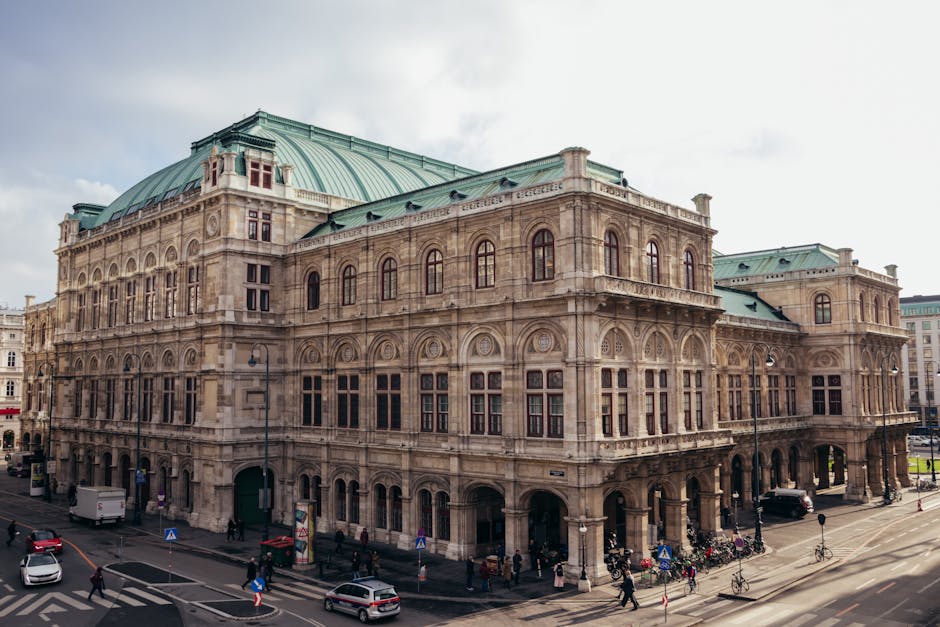
Discover the noir world of The Third Man and Cold War Vienna on this atmospheric self-guided audio walk through the historic Innere Stadt.
 Easy
EasyHelsinki, Finland
Discover Helsinki's oldest neighborhood on this self-guided audio walk through Kruununhaka’s historic streets, hidden courtyards, and scenic shores.
 Easy
EasyGothenburg, Sweden
Explore Gothenburg’s historic wooden houses, legendary giant cinnamon buns, and panoramic fortress views on this self-guided neighborhood stroll.
 Easy
EasyKrakow, Poland
Explore the prestigious Jagiellonian University district, featuring Neo-Gothic architecture, Baroque churches, and Krakow's hidden scholarly gems.
 Moderate
Seoul, South Korea
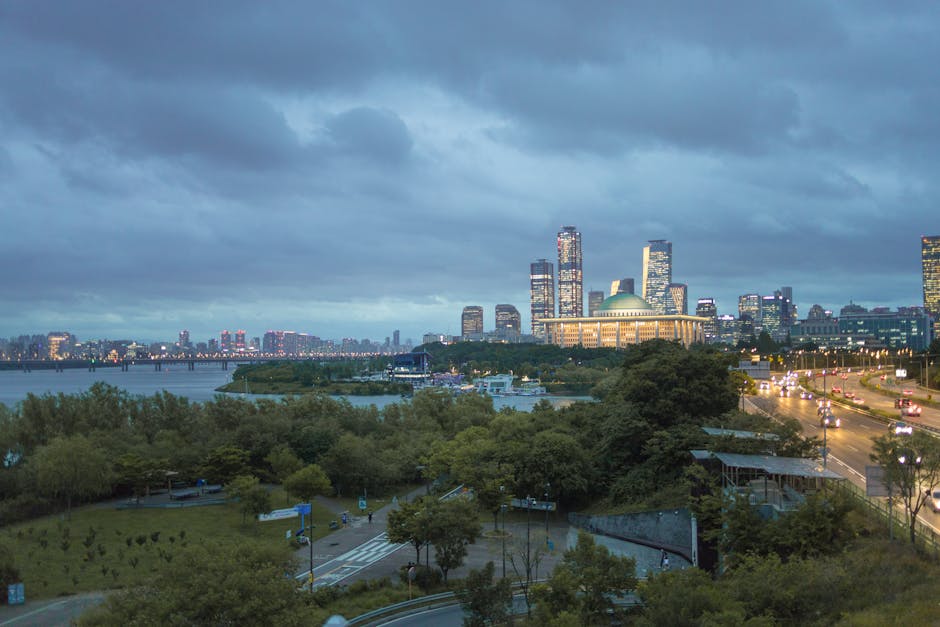
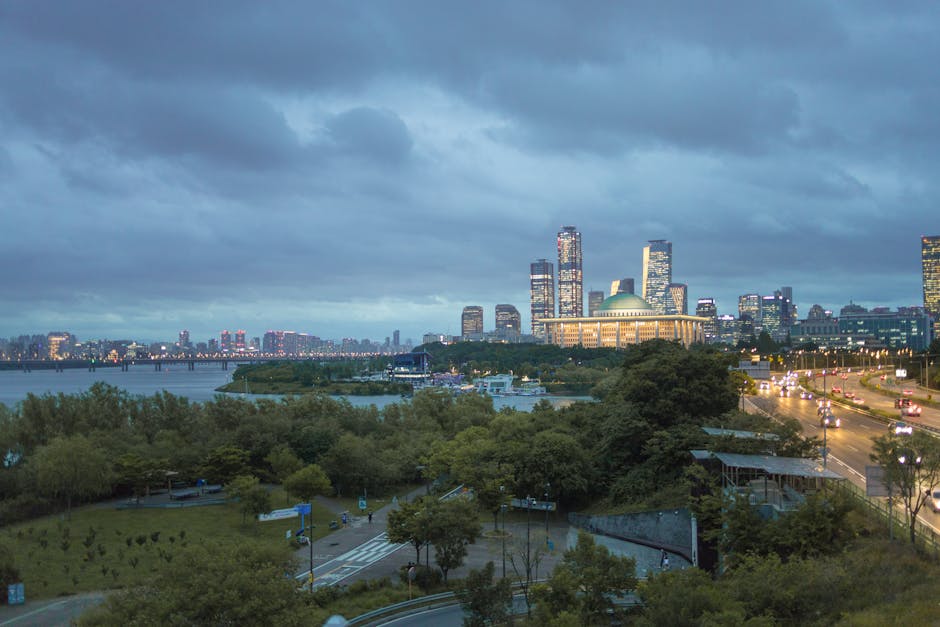
Explore the royal grandeur of Gyeongbokgung and the winding traditional alleys of Bukchon Hanok Village at your own pace.
 Challenging
Seoul, South Korea
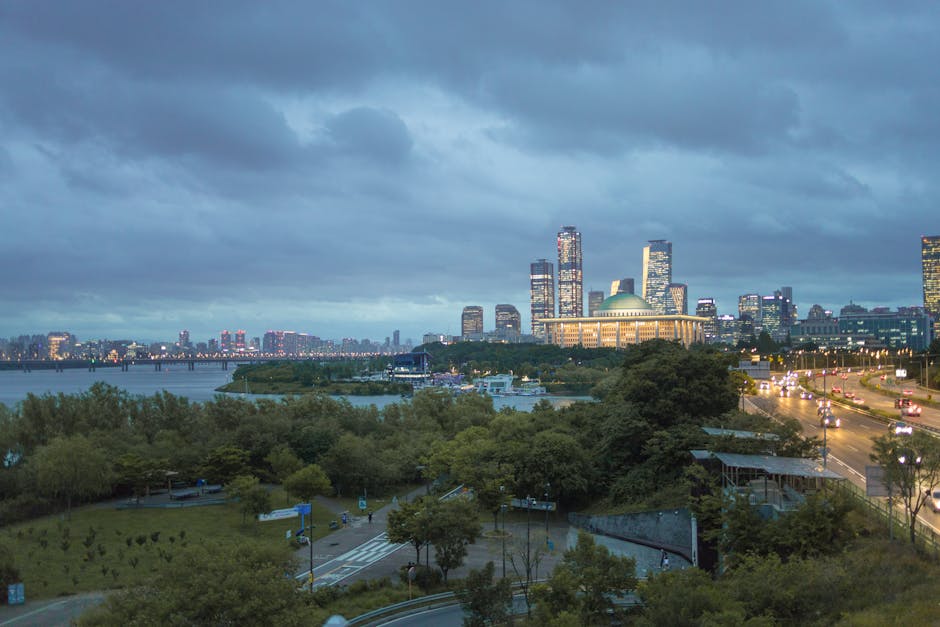
Scale Seoul's iconic peak on this self-guided walk featuring historic city walls, panoramic viewpoints, and the famous love locks of N Seoul Tower.
 Easy
EasySeoul, South Korea
Discover Seoul's soul on a self-guided walk through historic hanok villages, traditional craft markets, and serene Buddhist temples.
 Easy
EasySeoul, South Korea
Discover 'Hip-jiro,' where gritty industrial alleys hide Seoul's trendiest secret cafes and vibrant nighttime beer culture on this self-guided walk.