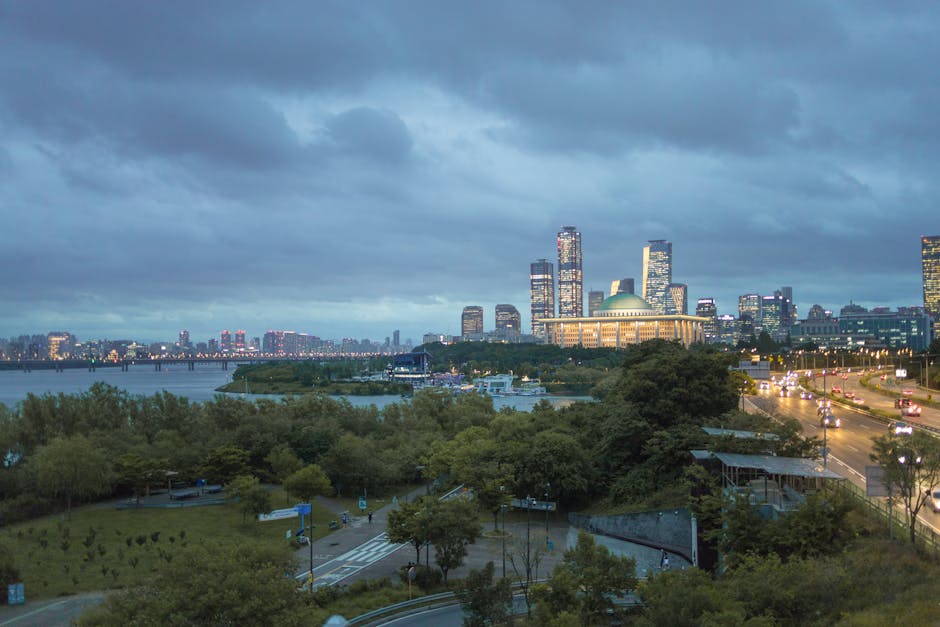
Self-guided audio tour in Seoul
Start Free on iPhone
Start free on iPhone to unlock this self-guided walking tour in Seoul. Hear all the stories that make it amazing, walk at your own pace, and begin whenever you want.
Your Private Tour Guide
Seoul is a city defined by its dramatic layers, where ancient royal traditions seamlessly blend into a cutting-edge urban aesthetic. This self-guided walk invites you to traverse the diverse landscapes of the South Korean capital, starting with its historic core and concluding in the neon-lit, rebellious heart of Hongdae. This neighborhood stroll begins at the prestigious National Museum of Modern and Contemporary Art, setting a tone of artistic inquiry before diving into the grand architecture of the Joseon Dynasty at Gyeongbokgung Palace. As you navigate this walking route, you will experience the juxtaposition of silent hanok villages and the bustling energy of modern art galleries. The journey provides a deep dive into the Korean spirit, moving from the somber history of the War Memorial to the avant-garde exhibits at the Leeum Museum of Art. The final leg of this adventure brings you to Hongdae, the epicenter of Seoul’s indie culture. Here, the 'Indie Spirit' isn't just a concept; it is visible in the ever-changing murals, the spontaneous busking performances, and the creative energy of Sangsangmadang. Explore independently as you discover how Seoul’s past informs its vibrant, street-driven future. Whether you are admiring the symmetry of Gwanghwamun Gate or wandering the reclaimed green spaces of the Gyeongui Line Forest Park, this audio walk offers a comprehensive look at the city's soul. It is an ideal way for travelers to discover at their own pace, moving from the quiet dignity of royal palaces to the electric, art-filled streets that never sleep. **Note:** This area is known for its ever-changing character. Street art, pop-up venues, and temporary exhibitions may differ from what's described. That's part of the adventure - you might discover something entirely new!
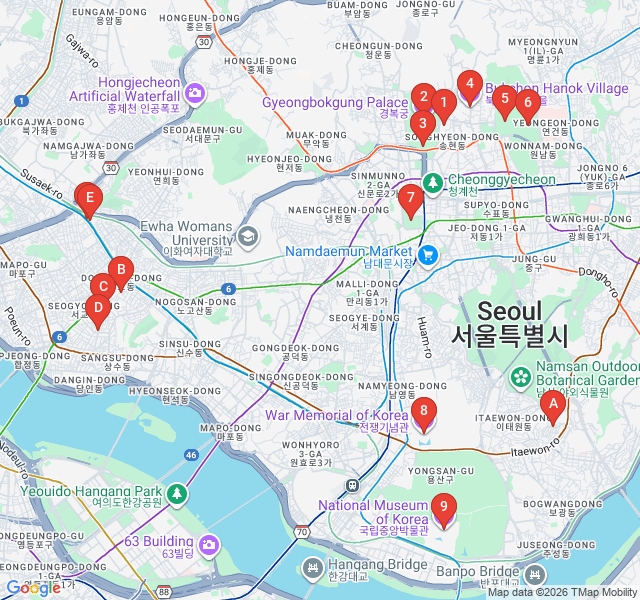
Numbers indicate the order of stops on the tour.
Start exploring with Zigway at the MMCA Seoul, a facility that perfectly encapsulates the city's blend of history and modernity. Built on the site of the former Defense Security Command, the architecture incorporates historic brick structures with sleek, minimalist glass and concrete. This museum is the heartbeat of Korea’s contemporary art scene, focusing on works that challenge social norms and explore global identities. As you walk around the perimeter, notice how the building maintains a low profile to respect the nearby palaces. The exhibits here change frequently, often featuring large-scale installations and digital media that reflect Korea's tech-forward culture. It is a space designed for quiet reflection before you enter the busier historical districts nearby.
Step back into the Joseon Dynasty at Gyeongbokgung, the 'Palace Greatly Blessed by Heaven.' Built in 1395, this was the primary residence of the royal family and the heart of government. The palace complex is a masterpiece of traditional Korean architecture, emphasizing harmony with the surrounding mountains. Pay close attention to the intricate 'dancheong'—the colorful patterns painted on the wooden eaves, which were designed not only for beauty but to protect the wood from the elements. While the structures you see today are largely meticulous reconstructions, the layout follows the original 14th-century plans. The vast courtyards were once filled with court officials and scholars, forming the epicenter of Korean Confucian thought.
Gwanghwamun is the main gate of Gyeongbokgung Palace and a powerful symbol of Seoul’s resilience. It has been destroyed and rebuilt multiple times throughout history, most recently restored to its original location and wooden construction in 2010. The gate features three arched entrances; historically, the central path was reserved exclusively for the King. Look up at the watchtower and the traditional roof tiles that have guarded the city center for centuries. Today, the gate overlooks Gwanghwamun Square, a site of major civic gatherings and protests. It stands as a literal gateway between the ancient royal past and the modern political and commercial life of 21st-century Seoul.
Begin your self-guided adventure through the narrow, winding alleys of Bukchon. This residential neighborhood is home to hundreds of 'hanoks'—traditional Korean houses dating back to the Joseon Dynasty. Historically, this was the neighborhood for high-ranking government officials and nobility due to its proximity to the palaces. As you walk, notice the characteristic tiled roofs and stone walls. Please remember that this is a living neighborhood where people reside, so a quiet presence is appreciated. The area is a popular spot for photography, offering a striking view of traditional rooftops with the modern city skyline of Seoul rising in the distance. It is a rare pocket of preserved history in an otherwise rapidly modernizing metropolis.
Changdeokgung is often cited as the most beautiful of Seoul’s five palaces because of the way it was designed to blend into the natural topography rather than imposing itself upon it. This 'East Palace' was a favorite of many Joseon kings. Its most famous feature is the Huwon, or Secret Garden, which was designed for the royal family’s private leisure. The architecture here is less formal than Gyeongbokgung, with buildings tucked away behind trees and ponds. It was recognized as a UNESCO World Heritage site for its exceptional example of Far Eastern palace architecture and garden design, where the buildings and landscape form a single, harmonious entity.
Connected to Changdeokgung, Changgyeonggung Palace offers a more intimate and somewhat tragic history. Originally built in the mid-15th century, it served as a residence for queens and concubines. During the Japanese colonial period, the palace was significantly altered and even turned into a zoo and botanical garden. Since the 1980s, a massive restoration effort has returned it to its former royal dignity. One highlight is the Great Greenhouse, a Victorian-style structure built in 1909, which was the first of its kind in Korea. The palace grounds are particularly peaceful, offering a quiet escape from the city’s traffic while reflecting the complex layers of Korea’s modern history.
Deoksugung is unique among Seoul's palaces for its eclectic mix of traditional Korean and Western-style architecture. Located right next to the modern City Hall, it served as a palace during the late 19th and early 20th centuries, a time of significant foreign influence. You will notice the Seokjojeon, a grand neo-classical stone building that looks more like something from Europe than East Asia. This palace was the center of the short-lived Korean Empire, and its stone-walled walkway is one of the most famous strolling paths in the city. The blend of styles here tells the story of Korea’s early efforts to modernize and engage with the international community.
Located in Yongsan, the War Memorial of Korea is a profound site dedicated to the military history of the nation. The massive complex features indoor and outdoor exhibits, including tanks, planes, and missiles. The most moving part of the memorial is the Statue of Brothers, depicting two brothers—one a South Korean soldier and the other a North Korean soldier—meeting on the battlefield. This site provides essential context for understanding the division of the peninsula and the resilience of the Korean people. It serves as an educational hub and a place of remembrance, ensuring that the sacrifices made during the Korean War are never forgotten by future generations.
The National Museum of Korea is the flagship museum of Korean history and art. The building itself is a modern architectural marvel, designed to frame a view of Namsan Mountain through its central open space. Inside, the collection spans from prehistory to the modern era, including priceless national treasures like the Pensive Bodhisattva and the 10-story pagoda from Gyeongcheon Temple. The museum’s layout is chronological, allowing you to walk through the evolution of Korean culture, ceramics, and calligraphy. It is a vast space, so feel free to focus on the galleries that interest you most, from ancient golden crowns to intricate Buddhist paintings.
Perched on the slopes of Namsan in Itaewon, the Leeum Museum of Art is a private museum managed by the Samsung Foundation of Culture. It consists of two main buildings designed by world-renowned architects Mario Botta and Jean Nouvel. One building focuses on traditional Korean art, such as celadon and landscape paintings, while the other is dedicated to international contemporary art. The museum is famous for its high-tech exhibition spaces and its ability to bridge the gap between ancient craftsmanship and modern artistic expression. The outdoor sculpture garden also offers impressive views and works by global icons, making it a must-visit for any art enthusiast.
Welcome to the heart of Seoul’s youth culture. Hongdae, named after the nearby Hongik University (Korea's top art school), is a sprawling playground for the creative and the young at heart. This neighborhood stroll takes you through streets famous for busking, where aspiring K-pop stars and indie bands perform daily. The street art here is volatile; murals appear and disappear overnight, reflecting the area's constant state of flux. You’ll find quirky boutiques, themed cafes, and a palpable energy that increases as the sun goes down. It is the birthplace of Korea’s indie music scene and remains a bastion of self-expression in a city often characterized by its corporate polish.
The Trickeye Museum in Hongdae is where art becomes an interactive experience. Using 'trompe l'oeil' techniques, the paintings here create the illusion of three-dimensional space, and the museum has integrated Augmented Reality (AR) to bring the artworks to life through your smartphone. While it is a popular spot for families and social media fans, it also reflects Hongdae's playful approach to art—breaking the 'do not touch' rule of traditional museums. It is a lighthearted stop that showcases how technology and creativity merge in modern Seoul, providing a fun contrast to the more serious historical sites visited earlier on this route.
Sangsangmadang is a landmark of Hongdae’s indie spirit. This multi-level cultural complex is housed in a building that looks like a giant butterfly wing. It serves as a launchpad for independent artists, featuring a cinema for indie films, a live performance hall, a design gallery, and an art academy. The design shop on the ground floor is a great place to see the work of local designers. Sangsangmadang literally means 'a field of imagination,' and it lives up to its name by fostering a community where art is accessible and integrated into daily life. It is the perfect place to see the 'indie' side of Seoul’s creative economy in action.
Once an old railway line, Yeontral Park (a play on New York's Central Park) is a prime example of Seoul’s urban regeneration. This narrow strip of green space in the Yeonnam-dong area has transformed the neighborhood into a trendy destination for locals. People come here to picnic on the grass, walk their dogs, and enjoy the 'forest' atmosphere in the middle of the city. The park is lined with unique cafes and artisanal bakeries that have taken over old residential buildings. It represents a shift in Seoul’s urban planning toward pedestrian-friendly spaces and community-oriented living, offering a breath of fresh air after the high energy of Hongdae’s main streets.
Conclude your walking route at the Gyeongui Line Forest Park. This park follows the path of the Gyeongui Line, an ancient railway that once connected Seoul to Pyongyang. Today, it is a serene trail that winds through various neighborhoods. The section near Hongdae is known as the 'Gyeongui Line Book Street,' featuring small kiosks styled like train cars that function as bookstores and exhibition spaces. It is a literary-themed park that celebrates the history of the railroad while providing a peaceful space for reading and reflection. This final stop perfectly captures the theme of the walk: the thoughtful repurposing of history to serve the creative and social needs of the present day.
Start Free on iPhone
Explore “Hongdae: Indie Spirit and Urban Street Art” with your very own Private Tour Guide with Zigway. Start free on iPhone, skip the large group and the fixed routes, and hear the city come alive as you go.
Your Private Tour Guide
Don't miss the good stuff
Explore Freely
 Moderate
Seoul, South Korea
Explore the royal grandeur of Gyeongbokgung and the winding traditional alleys of Bukchon Hanok Village at your own pace.
 Challenging
Seoul, South Korea
Scale Seoul's iconic peak on this self-guided walk featuring historic city walls, panoramic viewpoints, and the famous love locks of N Seoul Tower.
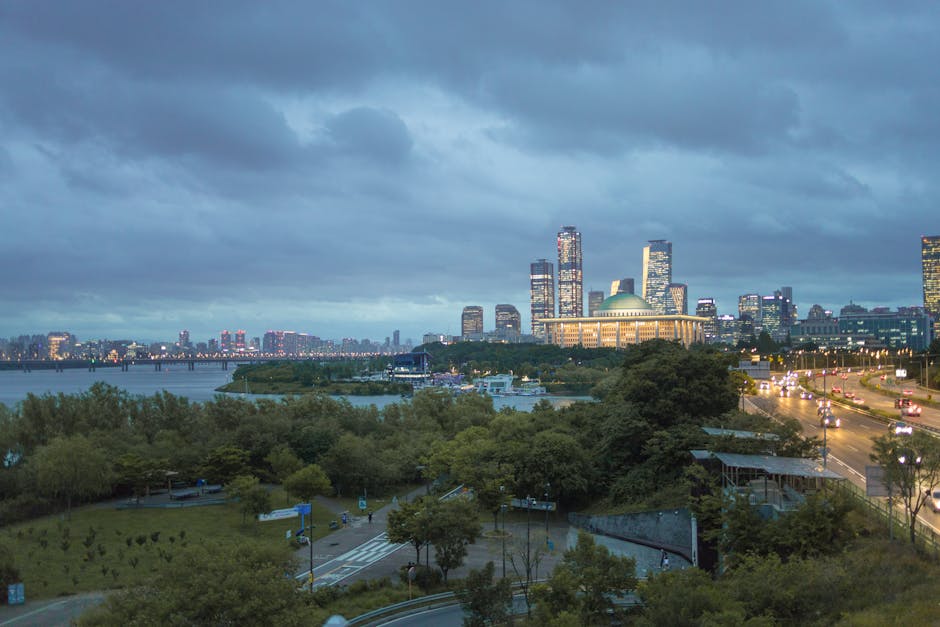 Easy
EasySeoul, South Korea
Discover Seoul's soul on a self-guided walk through historic hanok villages, traditional craft markets, and serene Buddhist temples.
 Easy
EasySeoul, South Korea
Discover 'Hip-jiro,' where gritty industrial alleys hide Seoul's trendiest secret cafes and vibrant nighttime beer culture on this self-guided walk.
 Easy
EasyVienna, Austria
Explore Vienna’s vibrant open-air gallery along the Danube Canal on this self-guided street art and nightlife stroll through Leopoldstadt.
 Easy
EasyKrakow, Poland
Explore Krakow’s artistic evolution from Renaissance masterpieces to vibrant urban murals on this inspiring self-guided walk through the city.
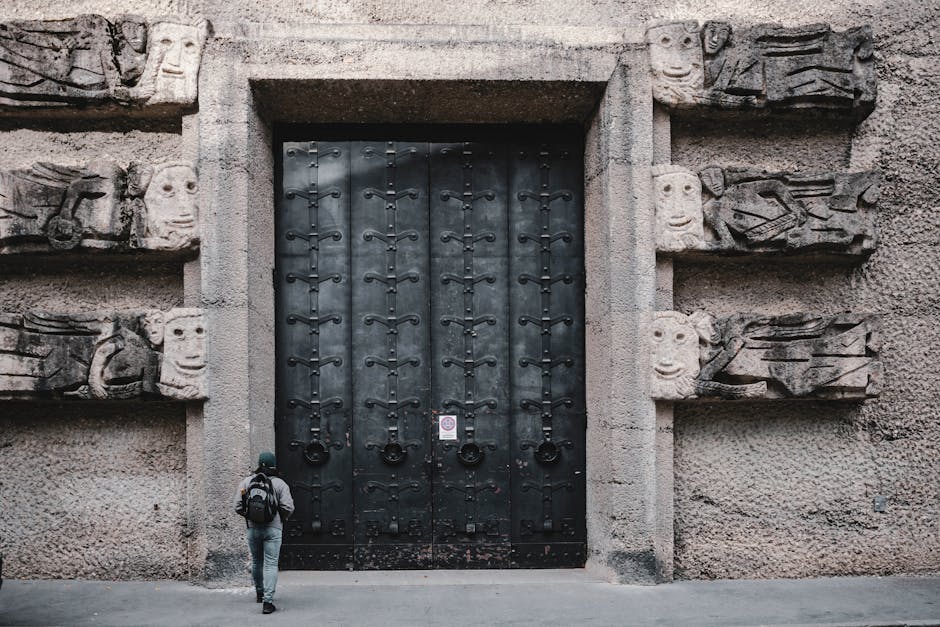 Easy
EasySalzburg, Austria
Discover the 'Rome of the North' on this self-guided walk through the Baroque squares and monumental legacy of Salzburg’s Prince-Archbishops.
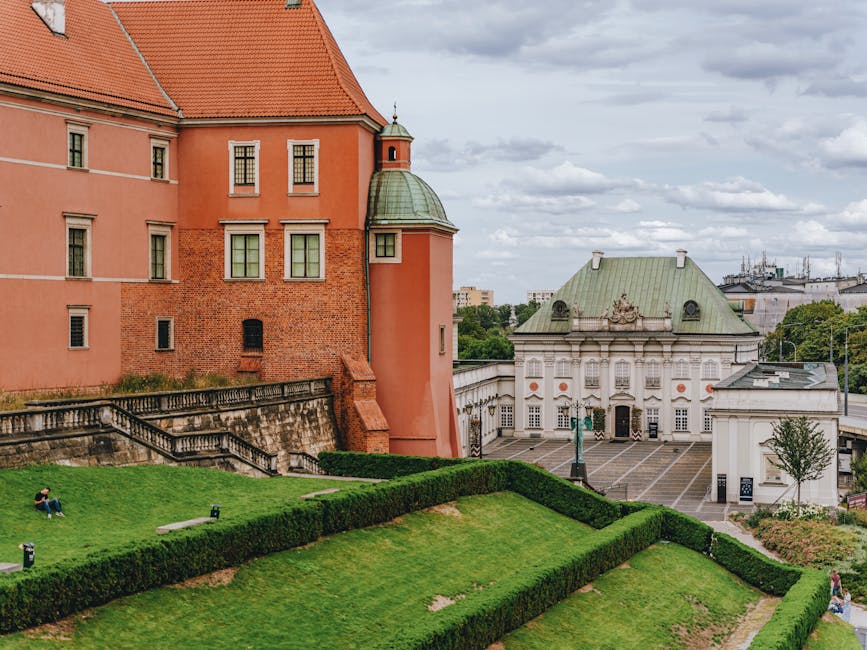 Easy
EasyWarsaw, Poland
Explore the miracle of Warsaw's reconstructed Old Town on this self-guided walk through royal squares, medieval walls, and heroic monuments.
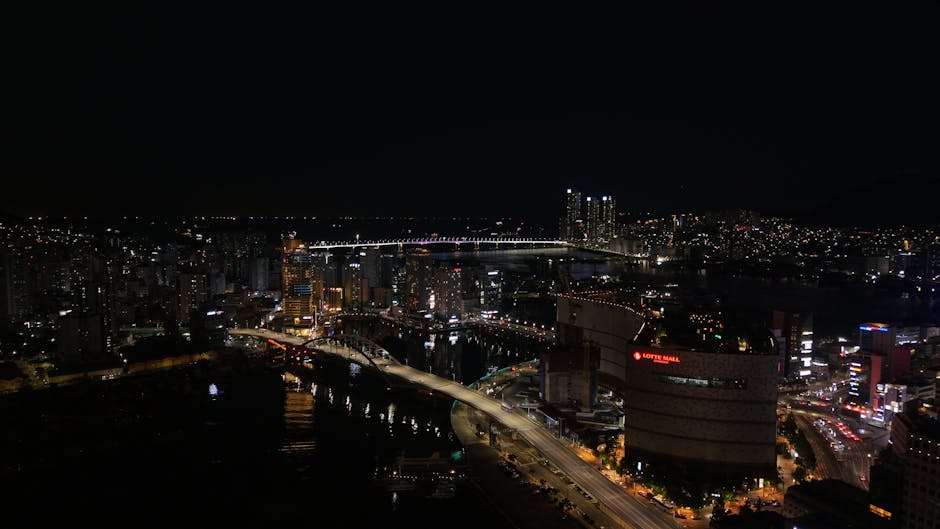 Easy
EasyBusan, South Korea
Explore Busan’s industrial-chic transformation. Discover hidden roasteries, redbrick alleys, and 'Newtro' culture in Jeonpo at your own pace.
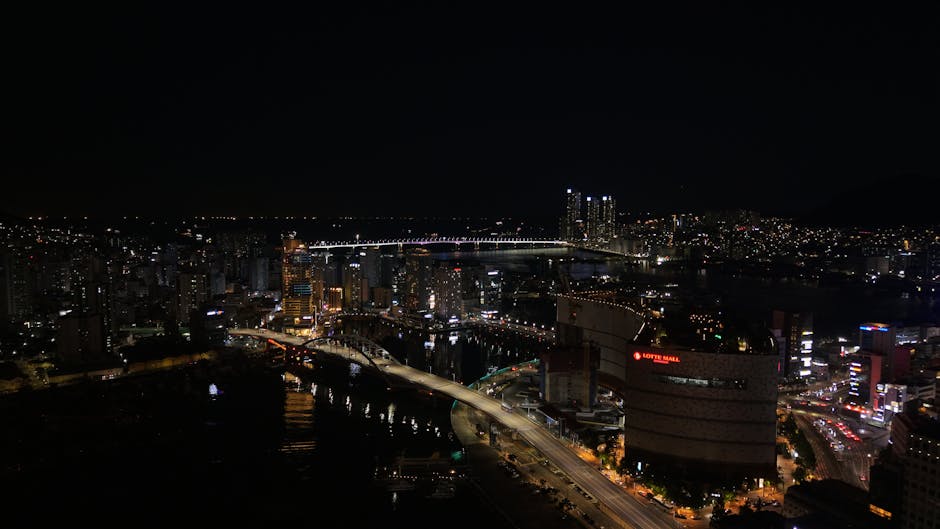 Easy
EasyBusan, South Korea
Eat your way through Busan's history on this self-guided walk through the iconic markets and neon-lit alleys of Nampo-dong.
 Easy
EasyBusan, South Korea
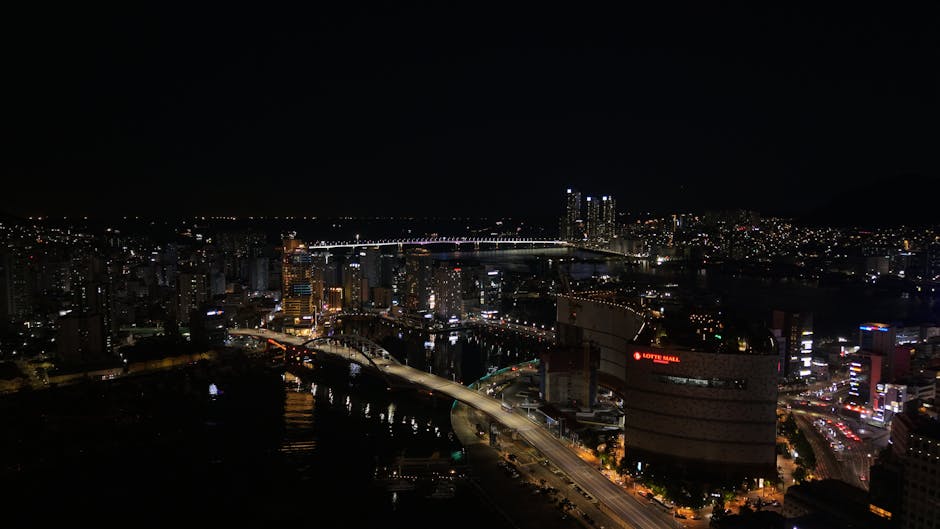
Discover the resilient heart of Busan through historic museums, the legendary Bosu-dong Book Alley, and the vibrant streets of Jung-gu.
 Easy
EasyBusan, South Korea
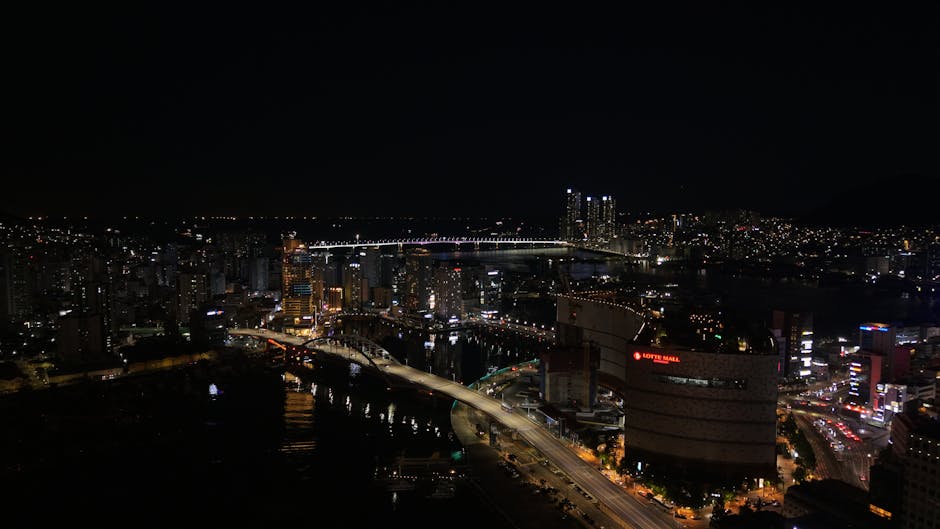
Discover Busan’s futuristic skyline, record-breaking malls, and avant-garde architecture on this self-guided walk through Centum City.