Self-guided audio tour in Frankfurt
Start Free on iPhone
Start free on iPhone to unlock this self-guided walking tour in Frankfurt. Hear all the stories that make it amazing, walk at your own pace, and begin whenever you want.
Your Private Tour Guide
Step into the world of Johann Wolfgang von Goethe, the titan of German literature, on this self-guided walk through the heart of Frankfurt. While many know this city as a modern financial hub, its soul remains deeply rooted in the 18th-century intellectual movements that Goethe helped define. This route invites you to explore the neighborhoods where the poet was born, raised, and inspired, moving from the medieval charm of the Altstadt to the scenic heights of Sachsenhausen. You will discover how Frankfurt shaped the man who wrote 'Faust' and 'The Sorrows of Young Werther,' and see how his presence still lingers in the city's monuments and museums. This literary journey offers a unique perspective on Frankfurt, focusing on the human stories behind the stone facades. Whether you are a lifelong fan of German Romanticism or a curious traveler looking for a deeper connection to the city's past, this walking route provides a comprehensive look at the life of its most famous son. Along the way, you will encounter the meticulously reconstructed Goethe House, the innovative German Romanticism Museum, and quiet spots where the poet sought peace. By the end of this neighborhood stroll, you will understand why Frankfurt remains a cornerstone of European culture. This is not just a walking tour Frankfurt offers to those interested in history; it is an immersive experience into the mind of a genius. Prepare to see the city through a poetic lens, discovering hidden gems and iconic landmarks that highlight the enduring power of the written word.
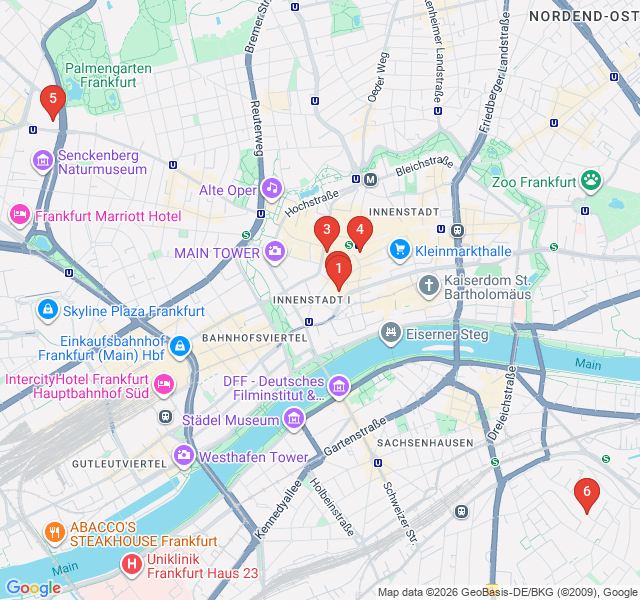
Numbers indicate the order of stops on the tour.
Begin your self-guided adventure at the Deutsches Romantik-Museum, a modern architectural addition that sits right next to Goethe’s birthplace. This is the first museum in the world dedicated specifically to the German Romantic era. As you stand outside, consider how this movement emphasized emotion and individualism—themes that Goethe both championed and critiqued. The museum houses an incredible collection of manuscripts, paintings, and everyday objects from the late 18th and early 19th centuries. It serves as the perfect introduction to the intellectual atmosphere of Goethe's time, showing how the 'Sturm und Drang' movement evolved into the Romanticism that defined a generation of European thought.
Directly adjacent to the museum is the Goethe House, the poet's childhood home. Although the original structure was destroyed during World War II, it was meticulously reconstructed using original plans and furniture to look exactly as it did during Goethe's youth. Born here in 1749, Goethe spent his formative years in these rooms, writing early masterpieces like 'Götz von Berlichingen.' As you explore the neighborhood, imagine the young student and lawyer walking these streets. The house reflects the wealth and status of his family, providing context for the education and social standing that allowed him to pursue his literary passions so freely.
A short walk brings you to Goetheplatz, dominated by the Goethe Monument. This bronze statue, designed by Ludwig Schwanthaler and cast in 1844, depicts the poet in a classical, dignified pose. He holds a scroll, symbolizing his immense contribution to literature and science. The base of the monument features allegorical figures representing different facets of his work, including drama, lyric poetry, and science. This square has long been a focal point for public life in Frankfurt, and the monument stands as a testament to the city's pride in its most famous citizen. It is a popular spot for locals to meet, bridging the gap between historic legacy and modern city life.
St. Catherine's Church, or Katharinenkirche, is the largest Protestant church in Frankfurt and holds deep personal significance for the Goethe family. It was here that Johann Wolfgang was baptized in 1749 and where he attended services throughout his youth. The church's Baroque architecture and central location at the Hauptwache made it a landmark of his daily life. Though the interior was simplified during post-war reconstruction, the building remains a powerful link to the religious and social environment of 18th-century Frankfurt. It represents the spiritual foundation upon which the poet's often complex relationship with faith and philosophy was built.
Moving toward the academic heart of the city, we reach the area near the university library. Goethe was not just a poet; he was a polymath with a deep interest in botany, color theory, and anatomy. This stop represents the intellectual continuation of his legacy. Frankfurt's commitment to literacy and scientific inquiry, embodied in its libraries and universities, owes much to the standard set by Goethe. While the building itself is modern, it houses collections that keep the spirit of the Enlightenment alive. It is a reminder that Goethe’s influence extends far beyond the bookshelf into the very way we categorize and study the natural world.
Our final stop takes us across the river to the Willemer-Häuschen in Sachsenhausen. This small, charming garden house was the summer residence of the Willemer family. In 1814 and 1815, an elderly Goethe visited here and fell into a deep creative partnership—and a platonic romance—with Marianne von Willemer. Their exchange of poems inspired much of his 'West-Eastern Divan,' one of his most significant later works. This quiet, secluded spot offers a beautiful contrast to the busy city center and captures a more intimate, reflective side of the poet's life. It is the perfect place to conclude your walk, surrounded by the greenery that Goethe so dearly loved.
Start Free on iPhone
Explore “Goethe’s Legacy: A Literary Journey” with your very own Private Tour Guide with Zigway. Start free on iPhone, skip the large group and the fixed routes, and hear the city come alive as you go.
Your Private Tour Guide
Don't miss the good stuff
Explore Freely
 Easy
EasyFrankfurt, Germany
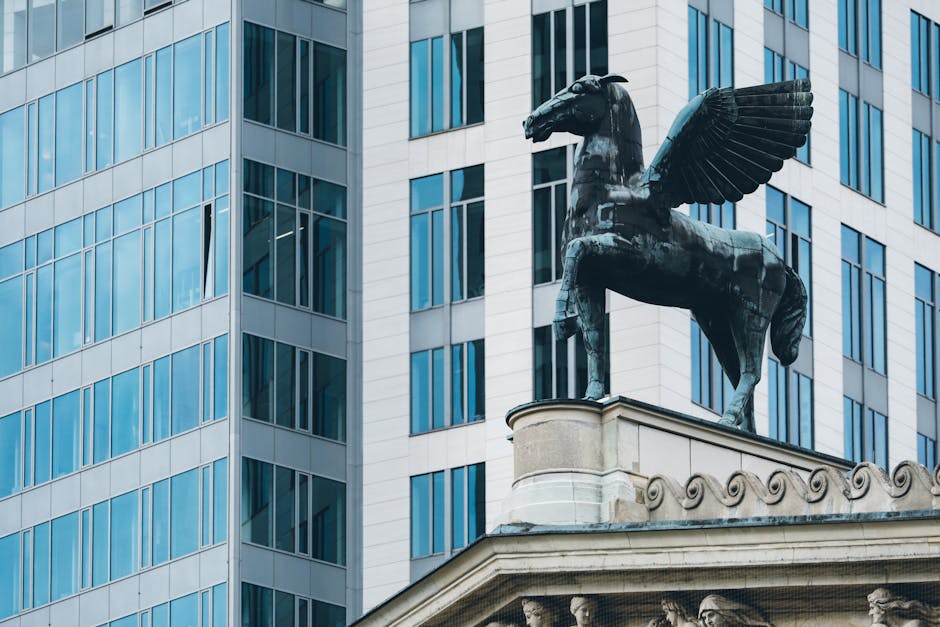
Walk the path of emperors through Frankfurt's Altstadt on this self-guided history stroll from the Cathedral to the Römerberg.
 Easy
EasyFrankfurt, Germany
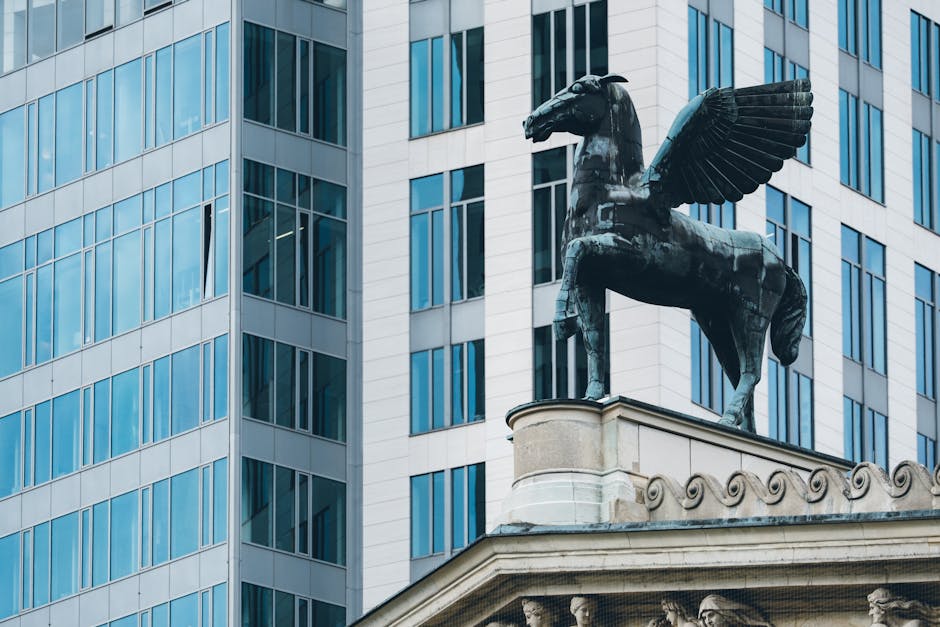
Explore Frankfurt’s world-class Museum Embankment at your own pace, from the iconic Städel Museum to the scenic banks of the Main River.
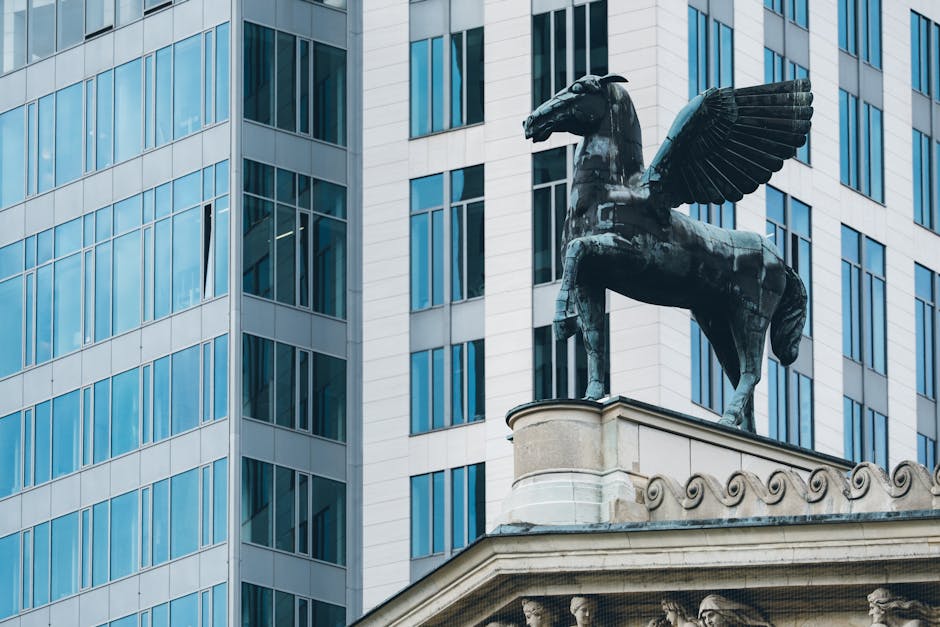 Moderate
Frankfurt, Germany
Discover Frankfurt’s Ostend, where industrial heritage meets futuristic architecture and vibrant street art on this self-guided neighborhood stroll.
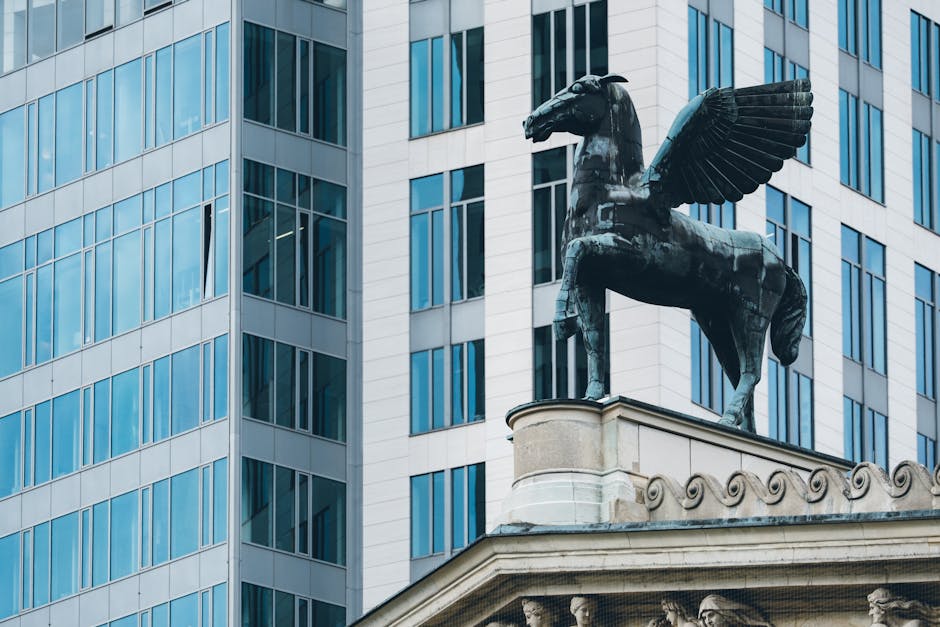 Moderate
Frankfurt, Germany
Discover the profound legacy of Jewish Frankfurt, from medieval ghetto ruins to the childhood home of Anne Frank, on this self-guided walking route.
 Easy
EasyNairobi, Kenya
Explore Nairobi's architectural evolution from colonial-era landmarks to iconic Brutalist skyscrapers on this historic self-guided walking route.
 Easy
EasyNairobi, Kenya
Discover Nairobi's iconic skyline on this self-guided architecture walk through the CBD’s most famous modernist and Brutalist landmarks.
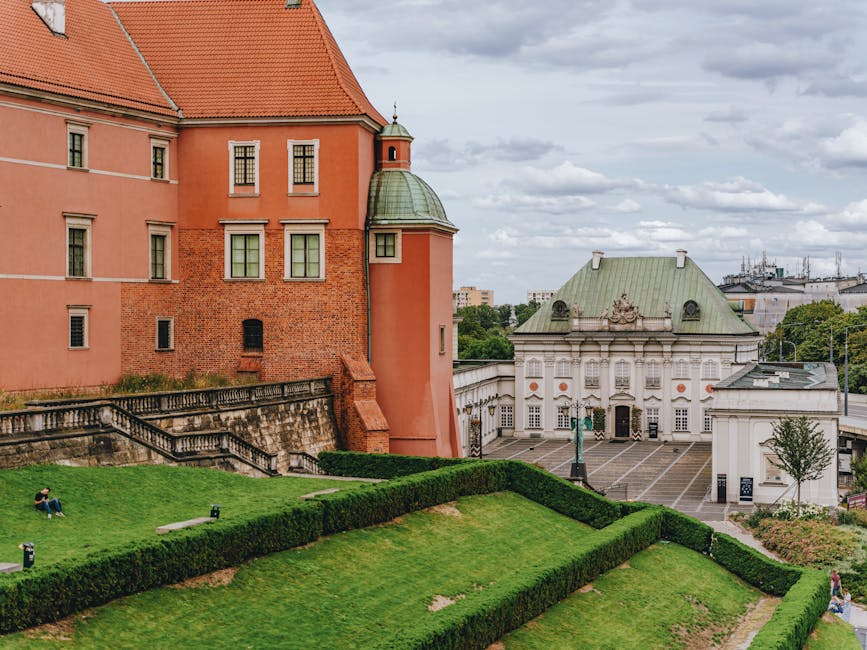 Easy
EasyWarsaw, Poland
Follow the life of Fryderyk Chopin through Warsaw’s historic center. See where he lived, studied, and where his heart remains today.
 Easy
EasyGothenburg, Sweden
Discover Gothenburg’s 17th-century Dutch foundations, historic canals, and military fortifications on this self-guided architectural walk.
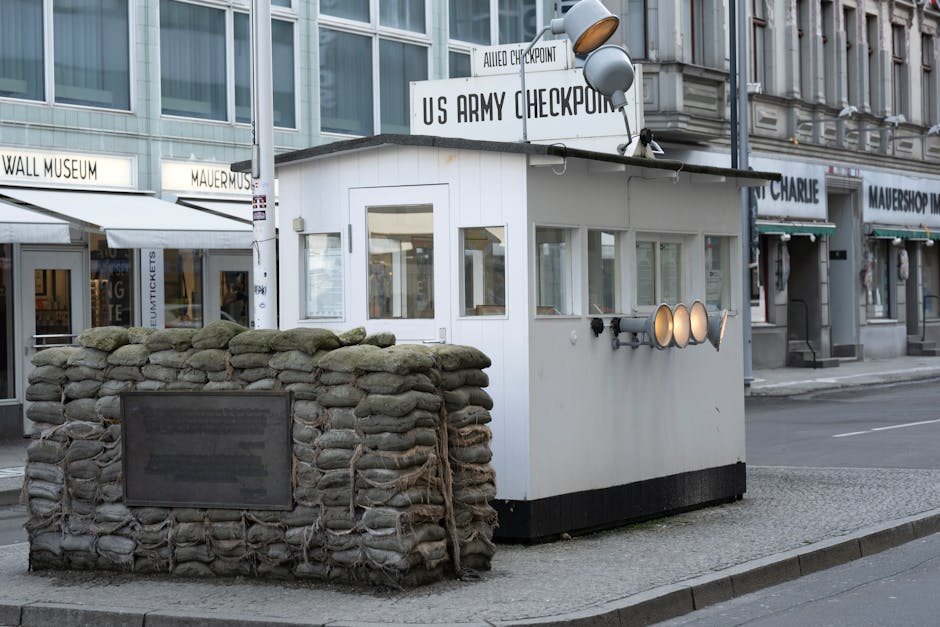 Easy
EasyBerlin, Germany
Explore the sites of Nazi power and the memorials that honor its victims on this self-guided walk through Berlin's historic Wilhelmstraße district.
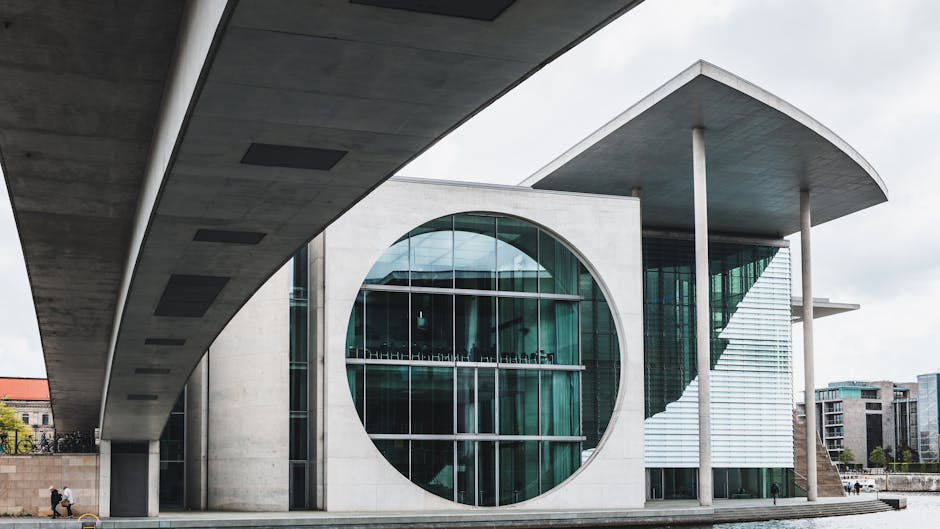 Moderate
Berlin, Germany
Explore Berlin’s 'Green Heart' on a self-guided walk through royal history, Cold War memorials, and serene lakeside gardens.
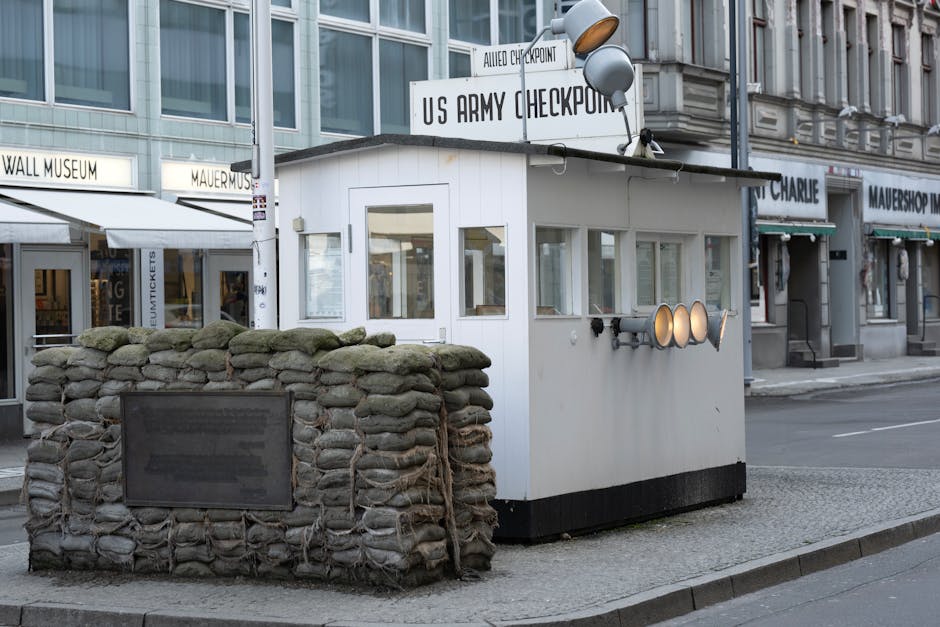 Moderate
Berlin, Germany
Discover the legacy of the Berlin Wall on this self-guided walk from historic ghost stations to the vibrant street art and cafes of Mauerpark.
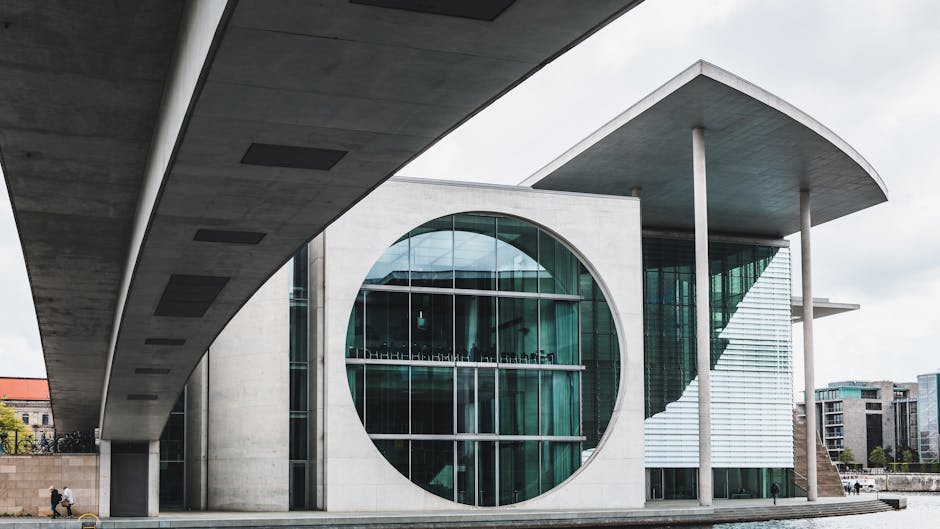 Easy
EasyBerlin, Germany
Discover the soul of 1920s Berlin on a self-guided walk through Charlottenburg’s iconic literary cafes, historic theaters, and artistic landmarks.