Self-guided audio tour in Hamburg
Start Free on iPhone
Start free on iPhone to unlock this self-guided walking tour in Hamburg. Hear all the stories that make it amazing, walk at your own pace, and begin whenever you want.
Your Private Tour Guide
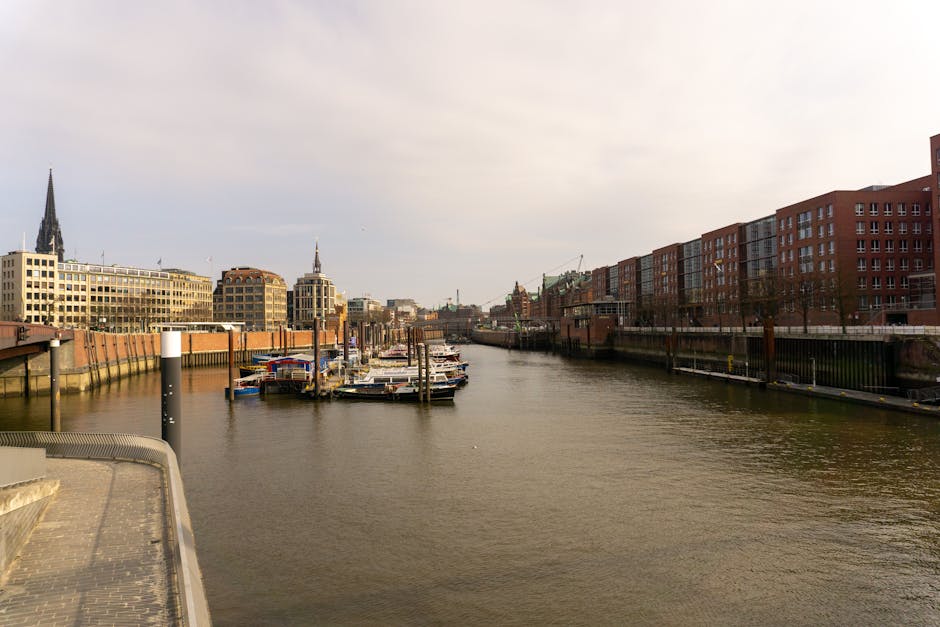
Step into the future of urban living in Hamburg's HafenCity, a district where glass, steel, and water converge to create one of Europe's most ambitious architectural experiments. Once a bustling industrial harbor, this area has transformed into a showcase of 21st-century design and sustainable urban planning. This self-guided walk invites you to explore a landscape where historic harbor basins meet avant-garde residential towers and eco-friendly office complexes. Unlike the historic red-brick Speicherstadt nearby, HafenCity is a laboratory for the architecture of tomorrow, emphasizing open spaces, flood-resilient structures, and a deep connection to the Elbe River. Along this walking route, you will encounter landmarks that have redefined the city's skyline. Discover how the district balances high-density living with vast public terraces and green corridors. You will see the swirling, organic forms of the Marco Polo Tower and the innovative, transparent skin of the Unilever Haus, which once set new standards for office sustainability. The route also takes you through the Überseequartier, the commercial heart of the district, and into the newer, quieter stretches of Lohsepark. This neighborhood stroll is not just about buildings; it is about how a city reinvented its relationship with the water. As you explore independently, you will witness the transition from the maritime industrial past to a future-focused metropolis. Whether you are an architecture enthusiast or a curious traveler, this self-guided adventure offers a unique perspective on Hamburg’s evolution. The wide promenades and tiered terraces provide constant views of the water, making it one of the most scenic areas for a walking tour Hamburg has to offer for those seeking modern inspiration. Experience the quiet confidence of a district still in the making and see how Hamburg is setting a global precedent for waterfront redevelopment.
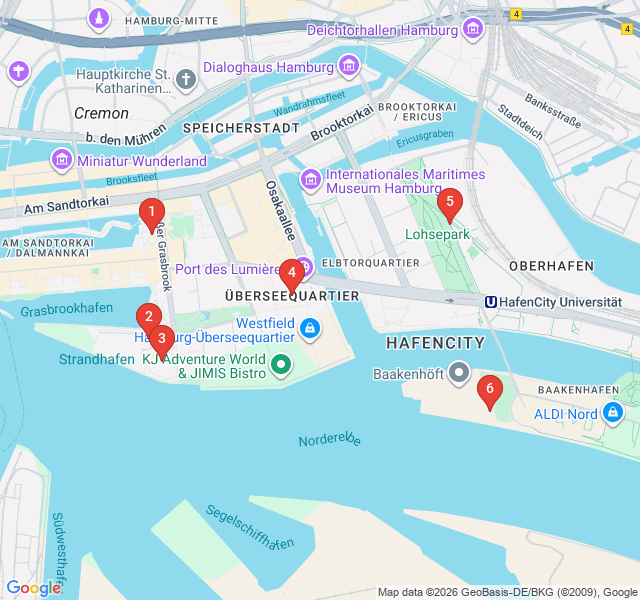
Numbers indicate the order of stops on the tour.
Begin your self-guided walk at the Magellan-Terrassen, an urban amphitheater that serves as the gateway to HafenCity. Named after the famed explorer Ferdinand Magellan, these tiered steps were designed by Spanish architects EMBT. Notice the intricate paving patterns that mimic the movement of the sea. This space was intentionally built to be flood-proof, with the lower levels designed to be submerged during high tides, a concept known as 'Warften.' From here, you can look across the Sandtorhafen, the oldest artificial harbor basin in Hamburg, and spot the Elbphilharmonie in the distance. It is a perfect spot to observe how the city has successfully integrated public leisure spaces into a working harbor environment.
Standing as a sculptural landmark of the district, the Marco Polo Tower is a masterpiece of organic architecture. Designed by Behnisch Architekten, the tower's unique appearance comes from its recessed and protruding balconies, which rotate slightly on each floor. This isn't just for aesthetics; the design provides natural shade for the apartments, reducing the need for air conditioning. As you look up, consider that this was one of the first luxury residential towers in the area, signaling HafenCity's shift toward high-end urban living. Its swirling form provides a sharp contrast to the straight lines of the surrounding office buildings, making it one of the most photographed structures in Hamburg.
Adjacent to the tower is the Unilever Haus, a building that redefined sustainable office design when it opened in 2009. The most striking feature is its transparent outer 'skin' made of ETFE foil cushions. This layer protects the internal windows from the strong harbor winds while allowing natural light to flood the interior. The ground floor was designed as a public space, reflecting the district's philosophy of transparency and community. Although the company has since moved, the building remains a landmark of eco-friendly construction. Take a moment to walk through the public atrium if accessible, or simply admire how the building appears to float above the promenade like a giant glass lantern.
The Überseequartier serves as the central nervous system of HafenCity. This area was designed to bridge the gap between the historic city center and the new waterfront. As you walk through, you will notice a mix of retail, gastronomy, and residential spaces. The architecture here is diverse, featuring works by various international firms. Keep an eye out for the Überseequartier U-Bahn station, known for its stunning deep-blue ceramic tile design that makes you feel like you are underwater. This stop highlights the 'compact city' model, where everything needed for daily life is within walking distance, reducing the reliance on cars and promoting a more social urban environment.
Am Lohsepark is the largest green space in HafenCity, often referred to as the district's 'Central Park.' This long, rectangular park provides a vital ecological corridor that stretches from the Ericusspitze to the Baakenhafen. Beyond its role as a place for recreation, the park holds deep historical significance. It contains the memorial for the Hannoverscher Bahnhof, the former railway station from which thousands of Jews, Sinti, and Roma were deported during the Holocaust. The design of the park incorporates these tracks into a place of remembrance, blending nature with a somber tribute to the past. It serves as a reminder that even the most futuristic districts are built upon layers of history.
Conclude your neighborhood stroll at Baakenhöft, situated at the eastern edge of the current development. This area represents the ongoing evolution of HafenCity. From this vantage point, you can see the construction of the Baakenhafen bridge and the rising residential towers that focus on social diversity and family-friendly living. Baakenhöft often hosts temporary art installations and events, serving as a creative frontier for the district. Look out over the Elbe to see the industrial cranes of the active port in the distance, a reminder of the maritime trade that continues to fuel Hamburg’s economy while the city builds its future right behind you.
Start Free on iPhone
Explore “Futuristic HafenCity: Architecture of Tomorrow” with your very own Private Tour Guide with Zigway. Start free on iPhone, skip the large group and the fixed routes, and hear the city come alive as you go.
Your Private Tour Guide
Don't miss the good stuff
Explore Freely
 Easy
EasyHamburg, Germany
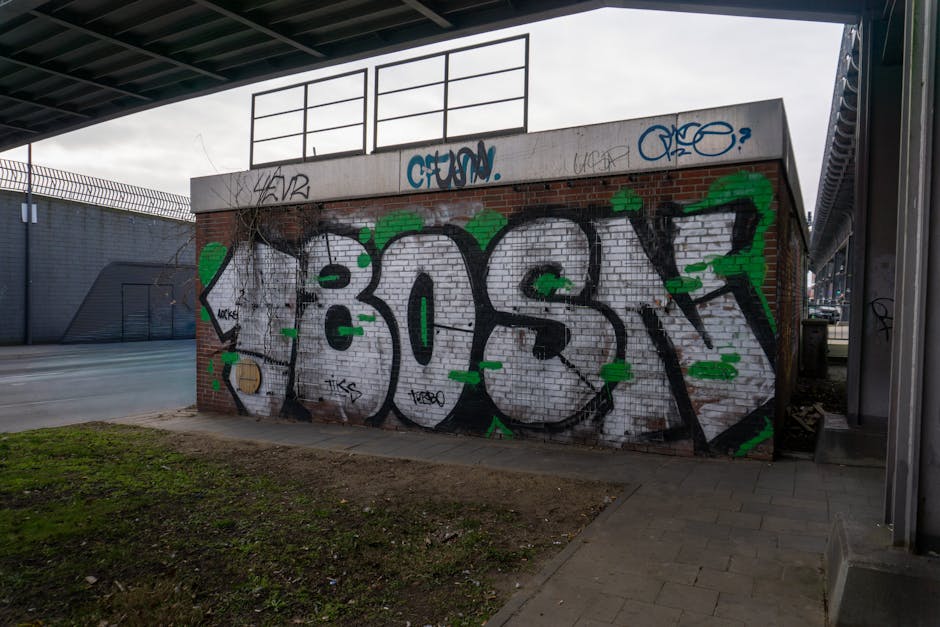
Explore the rebellious heart of Hamburg on a self-guided walk through Sternschanze, featuring iconic murals and radical social history.
 Easy
EasyHamburg, Germany
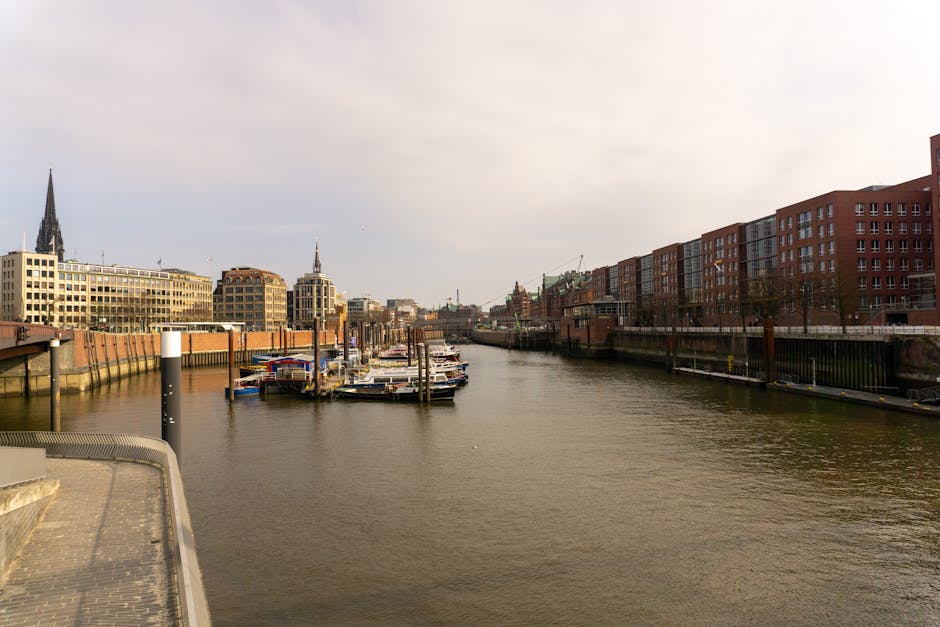
Discover Hamburg's UNESCO-listed warehouse district and stunning Brick Gothic architecture on this self-guided stroll through the Speicherstadt.
 Easy
EasyHamburg, Germany
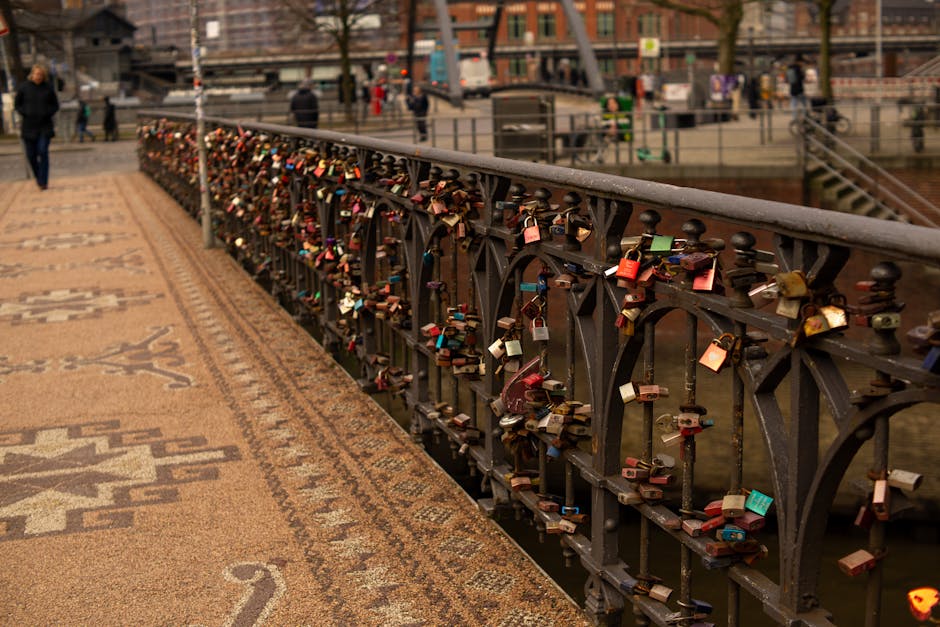
Explore Hamburg's most diverse district, where luxury hotels meet vibrant LGBTQ+ culture and historic art museums on this self-guided audio walk.
 Easy
EasyHamburg, Germany
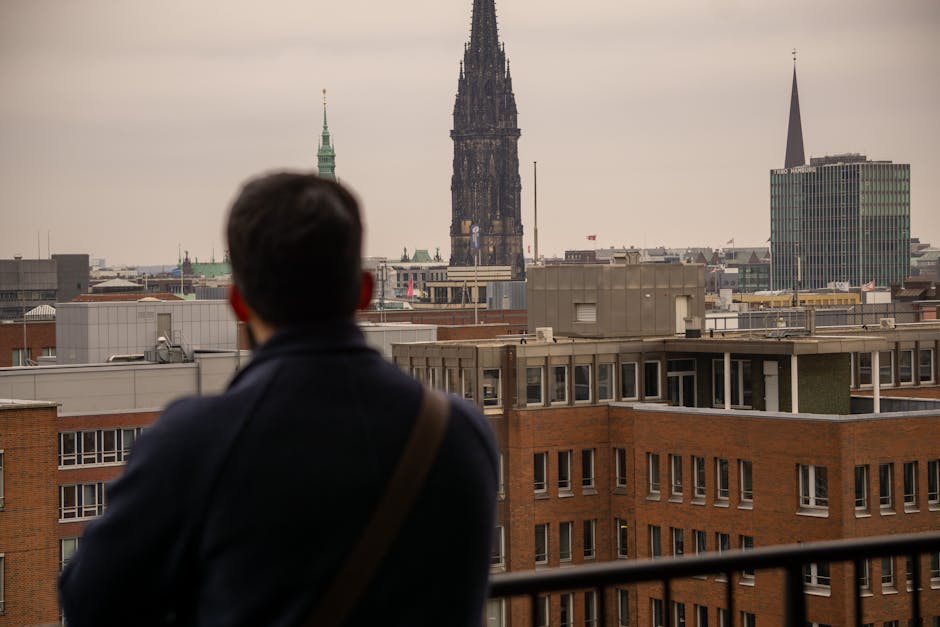
Explore the neon-lit legends of Hamburg's St. Pauli on this self-guided audio walk through the Reeperbahn’s history, music, and nightlife.
 Easy
EasyGdansk, Poland
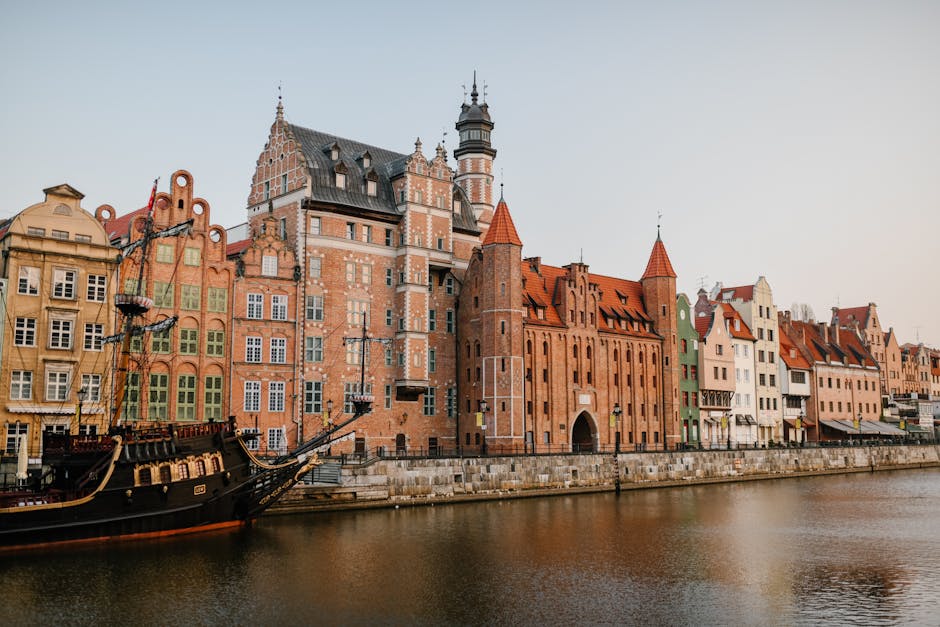
Discover the 'Baltic Gold' on this self-guided walk through Gdansk's historic mills, massive cathedrals, and the magical Mariacka Street.
 Easy
EasyHelsinki, Finland
Discover Helsinki's oldest neighborhood on this self-guided audio walk through Kruununhaka’s historic streets, hidden courtyards, and scenic shores.
 Easy
EasyGothenburg, Sweden
Explore Gothenburg's maritime soul on this self-guided walk from historic shipyards to sleek modern piers and iconic industrial landmarks.
 Easy
EasyGothenburg, Sweden
Discover Gothenburg’s 17th-century Dutch foundations, historic canals, and military fortifications on this self-guided architectural walk.
 Easy
EasyBerlin, Germany
Explore the sites of Nazi power and the memorials that honor its victims on this self-guided walk through Berlin's historic Wilhelmstraße district.
 Moderate
Berlin, Germany
Explore Berlin’s 'Green Heart' on a self-guided walk through royal history, Cold War memorials, and serene lakeside gardens.
 Moderate
Berlin, Germany
Discover the legacy of the Berlin Wall on this self-guided walk from historic ghost stations to the vibrant street art and cafes of Mauerpark.
 Easy
EasyBerlin, Germany
Discover the soul of 1920s Berlin on a self-guided walk through Charlottenburg’s iconic literary cafes, historic theaters, and artistic landmarks.