Self-guided audio tour in Seville
Start Free on iPhone
Start free on iPhone to unlock this self-guided walking tour in Seville. Hear all the stories that make it amazing, walk at your own pace, and begin whenever you want.
Your Private Tour Guide
Beyond the orange-scented streets and the grandeur of the Giralda lies a quieter, more mysterious Seville. This self-guided walk invites you to step into the world of the city's cloistered convents, where centuries-old traditions are preserved behind thick stone walls. For hundreds of years, the nuns of Seville have lived in prayerful silence, but they share a sweet connection with the outside world through the 'torno'—a revolving wooden window used to sell artisanal pastries without face-to-face contact. This walking route is a sensory journey through the heart of the Centro district, blending sacred architecture with the delicate flavors of traditional Spanish confectionery. On this neighborhood stroll, you will discover the secrets of the Mudejar and Renaissance cloisters that define Seville's religious history. You will start at the Convento de San Leandro, world-renowned for its 'Yemas'—a recipe of egg yolks and sugar that has remained unchanged for generations. As you navigate the winding alleys, you'll encounter the Monasterio de Santa Paula, which houses one of the most beautiful museum collections in the city, and the Convento de Santa Inés, where legends of noblewomen and miraculous events linger in the air. This is not just a food exploration; it is an opportunity to witness the living history of Andalusia. Exploring independently allows you to soak in the atmosphere of these hidden gems at your own pace. You can pause to admire a Baroque altar or wait for the gentle sound of the bell that signals a nun is ready to serve you from the 'torno'. While many visitors stick to the main monuments, this self-guided adventure takes you off the beaten path into the authentic soul of the city. Whether you are a history buff or a fan of artisanal sweets, this walking tour Seville offers a unique perspective on the city's cultural heritage. Prepare your palate for jams, marzipans, and shortbreads that represent the pinnacle of Spanish monastic tradition.
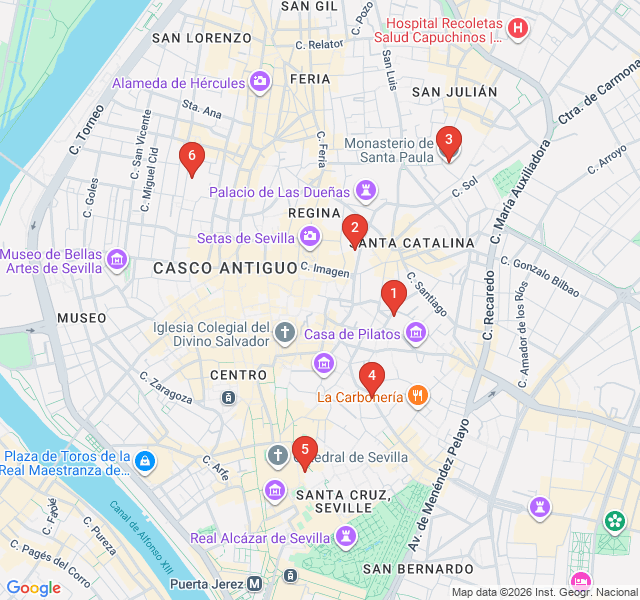
Numbers indicate the order of stops on the tour.
Welcome to the start of your self-guided walk at the Convento de San Leandro. Established in the 13th century, this Augustinian convent is a cornerstone of Sevillian tradition. It is most famous for its 'Yemas de San Leandro'—small, intense sweets made solely from egg yolks and sugar. Look for the 'torno' or the small window with a sign. The process is simple: ring the bell, state your order when the nun speaks, place your money on the revolving shelf, and wait for your sweets to appear. This interaction is a rare bridge between the cloistered life and the modern world. The convent itself features a beautiful church, though the sweets are the primary draw for locals and travelers alike.
As you continue your neighborhood stroll, you arrive at Santa Inés. Founded in the 14th century by Doña María de Coronel, this convent is the setting for one of Seville's most famous legends. It is said that María, fleeing the unwanted advances of King Pedro the Cruel, disfigured her own face with boiling oil to preserve her virtue. Inside the church, her mummified body is still displayed every December 2nd. For the sweets enthusiast, Santa Inés is known for its 'bollitos de aceite' and shortbreads. The architecture here is a beautiful mix of Gothic and Mudejar styles, reflecting the diverse cultural layers of Seville's history.
The Monasterio de Santa Paula is perhaps the most visually stunning stop on this walking route. The entrance portal is a masterpiece of ceramic art, featuring Niculoso Pisano’s vibrant tiles. This Hieronymite monastery was the first in Seville to receive the status of a National Monument. Beyond the architecture, the nuns here are famous for their high-quality marmalades and fruit preserves, made with ingredients from their own gardens. There is a small, well-curated museum on-site that provides a glimpse into the artistic wealth the convent has accumulated over five centuries. Take a moment to appreciate the tranquility of this space, which feels worlds away from the city's busy avenues.
Located in the old Jewish quarter, the Convento de Madre de Dios is a Dominican powerhouse of history. It was founded under the patronage of Queen Isabella the Catholic. The church is the final resting place of the wife and daughter of the explorer Hernán Cortés. Architecturally, it boasts a magnificent Renaissance coffered ceiling and a grand altarpiece. While the community of nuns has dwindled over the years, the spiritual and historical weight of the building remains palpable. This stop highlights the deep connection between Seville's religious orders and the Spanish crown during the Age of Discovery.
Positioned right in the shadow of the Cathedral, the Monasterio de La Encarnación offers a stark contrast to the tourist-heavy Plaza Virgen de los Reyes. It was originally built on the site of a former hospital. Despite its central location, it remains an oasis of calm. The Augustinian nuns here continue the tradition of sweet-making, offering another chance to use the 'torno'. The interior of the church is a Baroque jewel box, often overlooked by those rushing to the Giralda. It serves as a reminder that even in the most crowded parts of Seville, secret spaces of devotion and tradition are just a door-knock away.
Your final stop on this self-guided adventure is the Convento de Santa Rosalía, belonging to the Capuchin order. Founded in the 18th century, it is relatively younger than the other stops but no less impressive. The church is a prime example of Sevillian Baroque, featuring works by the famous sculptor Cayetano de Acosta. The nuns here are known for their delicate needlework as well as their sweets. As you conclude your walk, reflect on how these silent communities have shaped the cultural and culinary fabric of Seville for centuries. You are now near the vibrant Alameda district, a perfect place to enjoy a modern coffee alongside your traditional convent treats.
Start Free on iPhone
Explore “Convent Sweets & Hidden Cloisters” with your very own Private Tour Guide with Zigway. Start free on iPhone, skip the large group and the fixed routes, and hear the city come alive as you go.
Your Private Tour Guide
Don't miss the good stuff
Explore Freely
 Challenging
Seville, Spain
Explore the futuristic legacy of Expo 92 and the ancient secrets of a Carthusian monastery on this self-guided walk through Isla de la Cartuja.
 Moderate
Seville, Spain
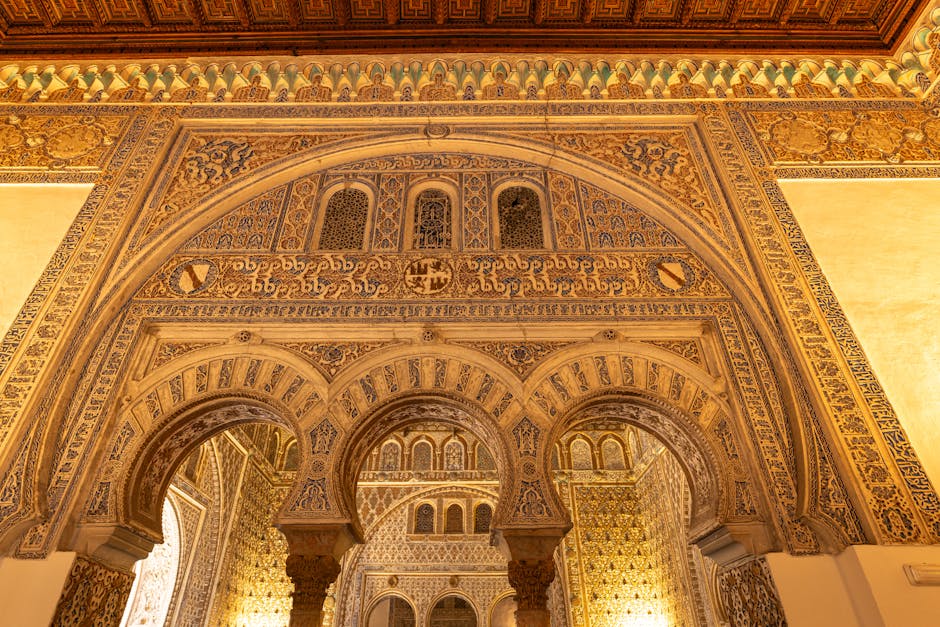
Explore Seville's artistic soul in Macarena, featuring ancient walls, vibrant markets, and bohemian workshops on this independent audio walk.
 Easy
EasySeville, Spain
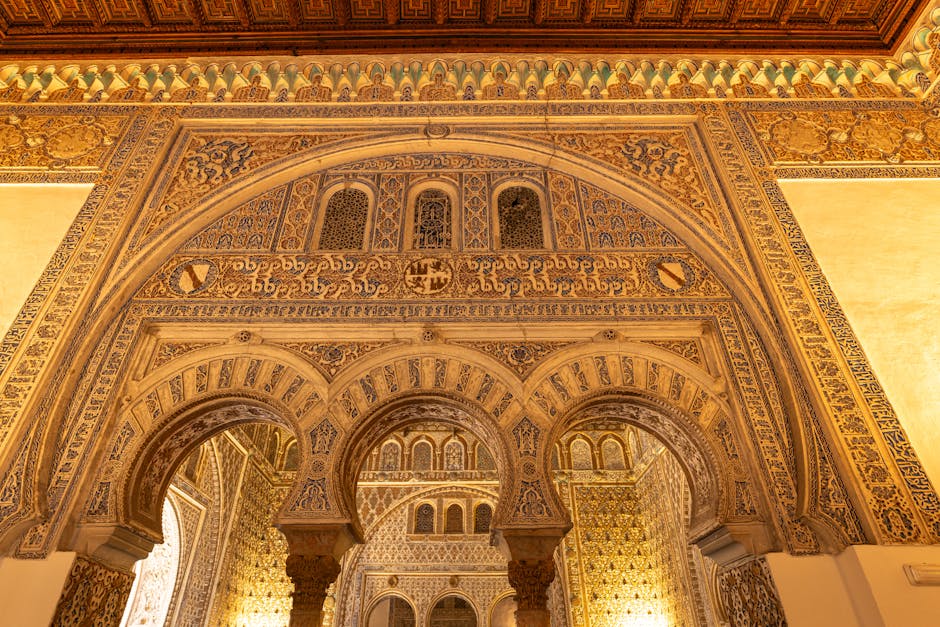
Discover the independent spirit of Triana on this self-guided walk through flamenco history, ceramic traditions, and riverside charm.
 Easy
EasySeville, Spain
Discover Seville's modern side! Explore the iconic Setas, Roman ruins, and trendy boutiques on this self-guided walking route through the city center.
 Moderate
Nairobi, Kenya
Discover Nairobi's lush side on this self-guided walk through botanical gardens, historic memorials, and vibrant local markets.
 Moderate
Gdansk, Poland
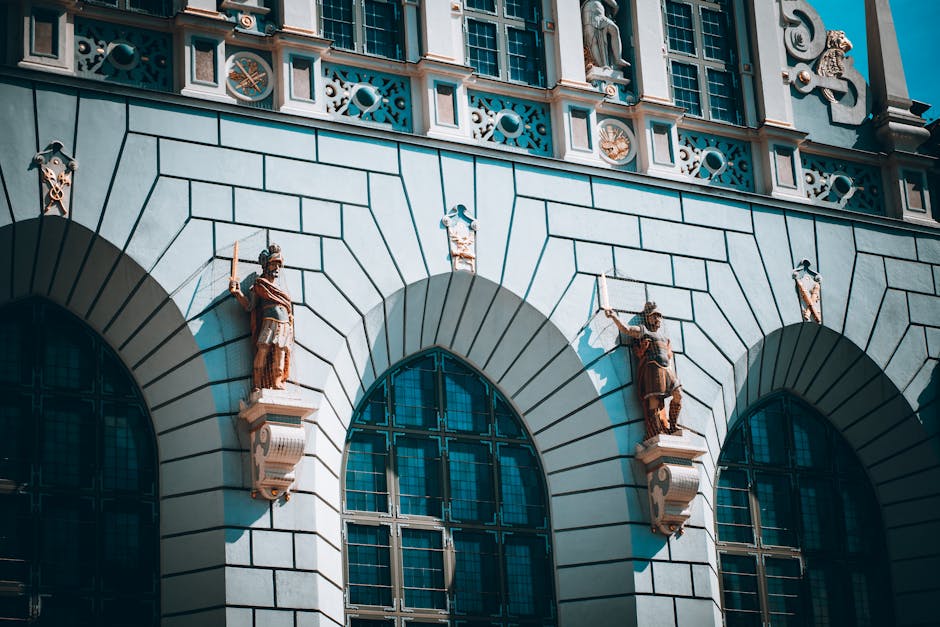
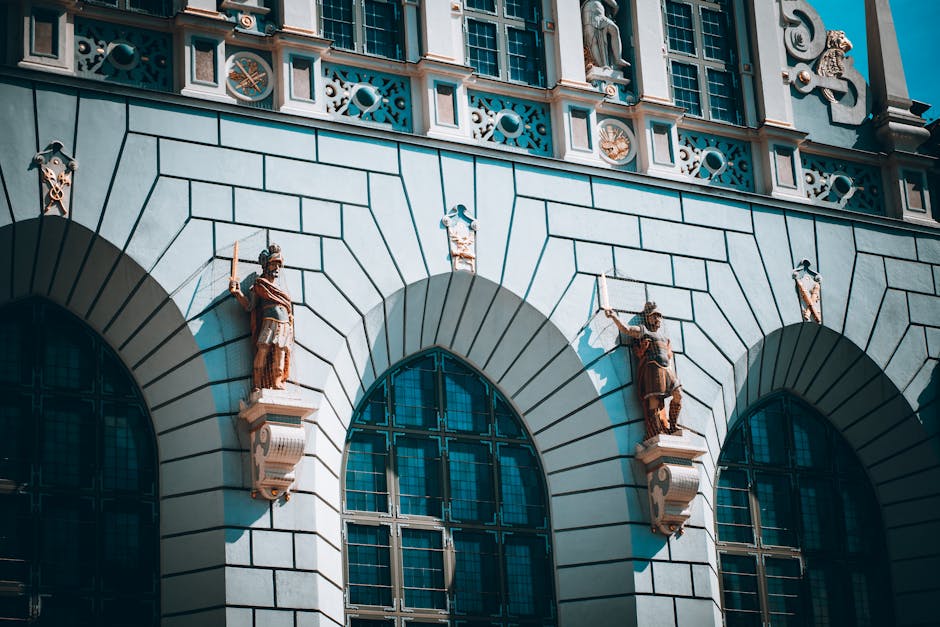
Discover the origins of WWII in Gdansk on this self-guided walk through heroic last stands, massive museums, and strategic hilltop fortifications.
 Moderate
Gdansk, Poland
Discover Zaspa, a massive open-air gallery where grey housing blocks are transformed by over 60 monumental murals. Explore at your own pace.
 Moderate
Nairobi, Kenya
Taste your way through Nairobi's Westlands on this self-guided walk featuring street snacks, cultural landmarks, and hidden foodie gems.
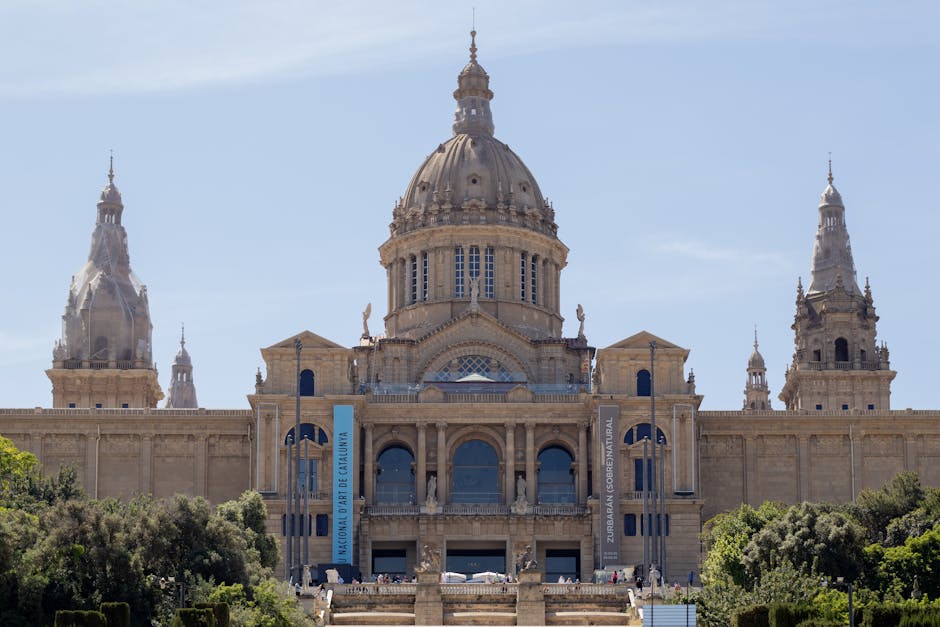 Moderate
Barcelona, Spain
Explore the elegant 'village' of Sarrià, where Gothic monasteries and Gaudí's hidden gems meet charming local markets and narrow streets.
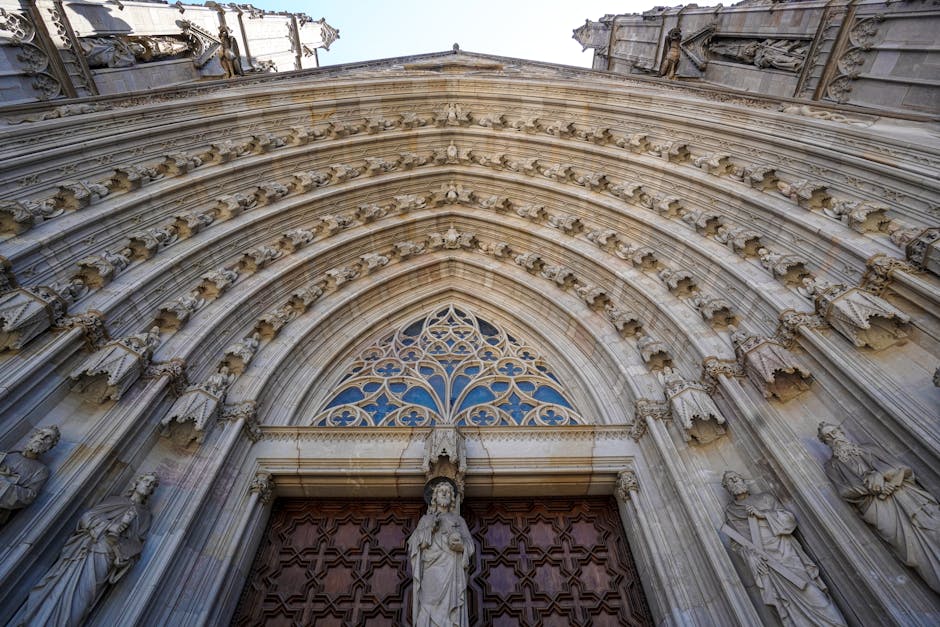 Moderate
Barcelona, Spain
Discover the revolutionary history and haunting scars of the Spanish Civil War on this self-guided walk through Barcelona's historic streets.
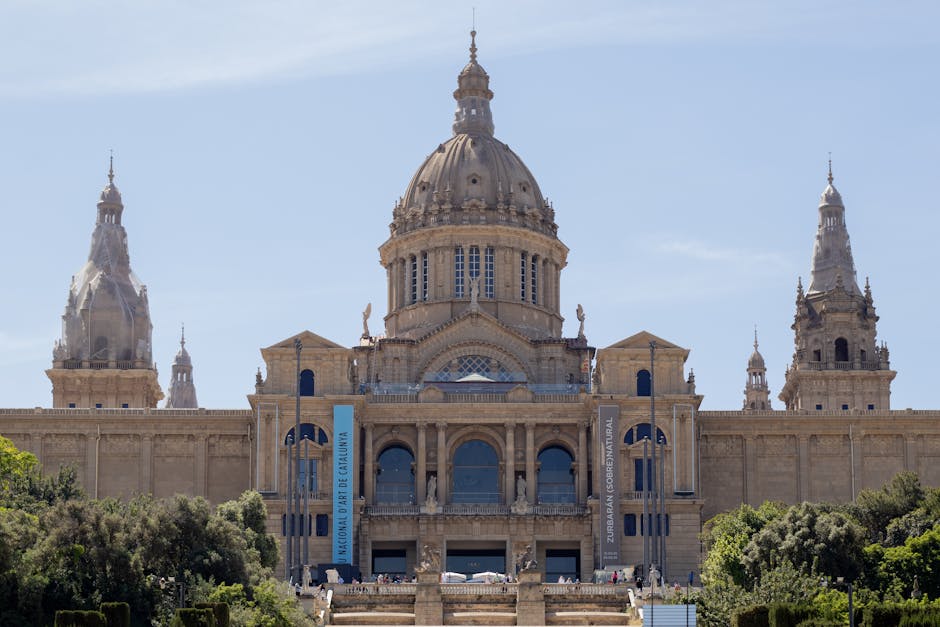 Easy
EasyBarcelona, Spain
Discover the architectural wonders of Barcelona's Golden Square on this self-guided stroll through Eixample's most luxurious Modernista streets.
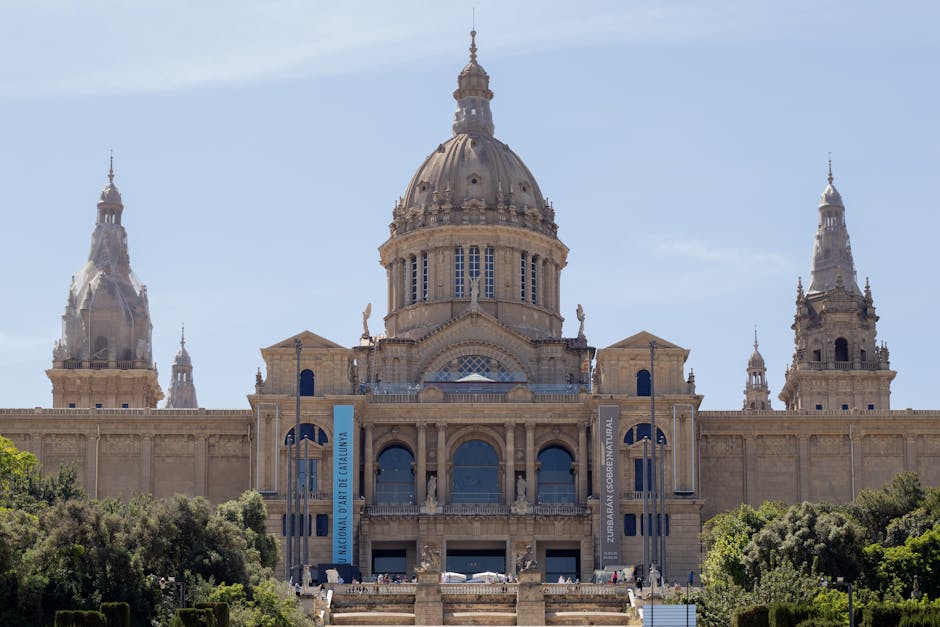 Challenging
Barcelona, Spain
Explore Montjuïc’s lush gardens, historic fortress, and iconic Olympic venues on this scenic self-guided walk with panoramic Mediterranean views.