Self-guided audio tour in Fes
Start Free on iPhone
Start free on iPhone to unlock this self-guided walking tour in Fes. Hear all the stories that make it amazing, walk at your own pace, and begin whenever you want.
Your Private Tour Guide
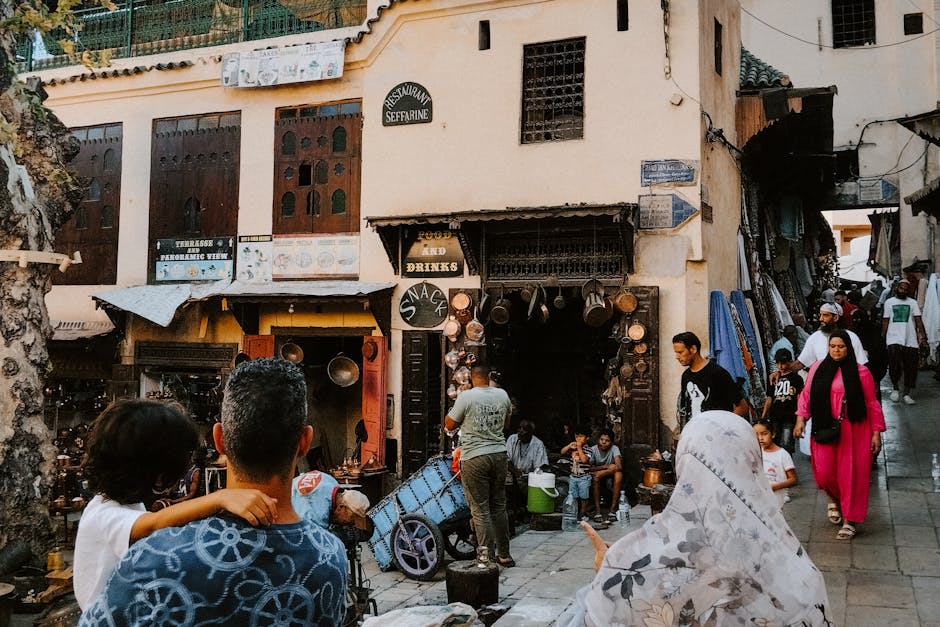
Step away from the bustling crowds of the Kairaouine and cross the Oued Fes to discover a side of the medina that many travelers overlook. The Andalusian Quarter, or 'Adwat al-Andalus', offers a more serene and authentic glimpse into the layers of Moroccan history. This neighborhood stroll traces the arrival of thousands of families exiled from Cordoba in the 9th century, a migration that forever shaped the intellectual and architectural landscape of Fes. As you explore independently with this audio walk, you will find that the 'other side' of the river maintains a distinct character, where the pace is slower and the history feels more intimate. Your walking route begins at the vibrant Place Rcif, the gateway to the deep medina, before diving into the narrow arteries of the eastern bank. You will encounter the stunning Sahrij Madrasa, a 14th-century masterpiece of Marinid craftsmanship known for its reflective pool and intricate woodwork. Nearby stands the majestic Andalusian Mosque, founded by Maryam al-Fihri, whose sister established the famous Kairaouine. While the latter often takes the spotlight, the Andalusian Mosque is a testament to the shared legacy of the Fihri family and the refined aesthetics of the Almohad and Marinid dynasties. Continuing through the district, you will reach the historic Bab Ftouh, one of the medina's primary gates that connects the living city to the vast cemeteries and the hills beyond. The route also introduces you to the spiritual legacy of the region at the Mausoleum of Sidi Ahmed al-Tijani, a site of immense significance for the Tijaniyya Sufi order. To conclude this self-guided adventure, you will venture toward the pottery district to witness the creation of the world-famous Fes blue ceramics. This neighborhood journey provides a comprehensive look at the religious, educational, and artisan roots that make Fes a UNESCO World Heritage treasure. This walking tour Fes allows you to bypass the typical tourist traps and engage with the living heritage of the Andalusian refugees who helped build this empire.
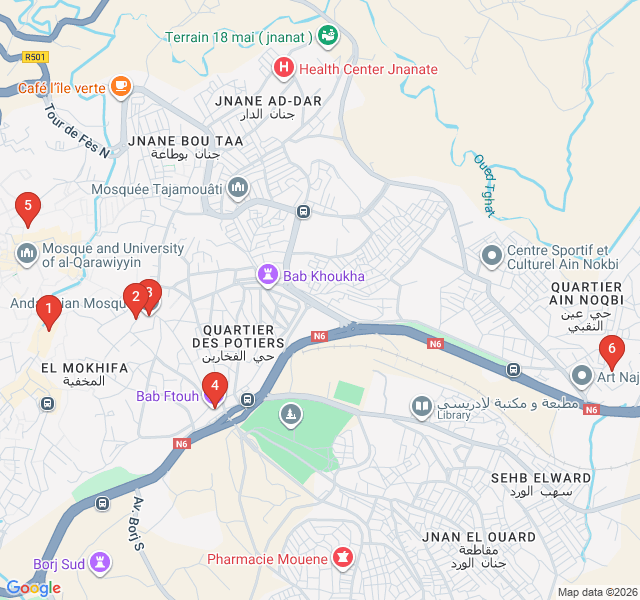
Numbers indicate the order of stops on the tour.
Welcome to Place Rcif, the beating heart of the Fes medina. While many visitors enter through the famous Blue Gate, Rcif offers a more local, unfiltered perspective. This wide plaza serves as a vital transit point where the modern city meets the medieval labyrinth. Look around and you'll see the Rcif Mosque with its soaring minaret, and the surrounding market stalls spilling over with seasonal produce, spices, and household goods. This area was historically the center of the city's commerce due to its proximity to the river. As you begin your self-guided walk, take a moment to observe the flow of life here—donkeys carrying goods, craftsmen heading to their workshops, and the vibrant calls of vendors. You are standing at the threshold of the Andalusian Quarter.
You are now at the Sahrij Madrasa, a jewel of Marinid architecture commissioned in the 14th century by Sultan Abu al-Hasan. Its name, 'Sahrij', refers to the large rectangular pool in the courtyard, designed to reflect the exquisite craftsmanship of the surrounding walls. Notice the 'zellige' tilework, the intricately carved cedar wood, and the delicate stucco calligraphy. This wasn't just a beautiful building; it was a dormitory and college for students studying at the nearby Andalusian Mosque. The atmosphere here is notably more peaceful than the larger madrasas across the river, allowing you to appreciate the mathematical precision and spiritual symbolism inherent in Islamic geometry without the usual crowds.
Towering above you is the Mosque of the Andalusians. While the Kairaouine Mosque is often cited as the world's oldest university, this mosque has an equally prestigious origin. It was founded in 859-860 by Maryam al-Fihri, the sister of Fatima al-Fihri. It was built to serve the refugees fleeing the Umayyad Caliphate in Cordoba, who settled on this bank of the river. Over the centuries, various dynasties, including the Almohads and Marinids, added their own flourishes, such as the monumental northern gate you see today. Though non-Muslims cannot enter the prayer hall, the exterior architecture and the massive green-tiled roof offer a glimpse into the architectural dialogue between Spain and Morocco.
As you reach Bab Ftouh, you are standing at one of the most significant gates of the Fes city walls. Named after a 12th-century emir, this gate has historically been the starting point for caravans heading east toward Taza and Algeria. Beyond the gate lies the vast Bab Ftouh cemetery, where many of the city's scholars and saints are buried. The gate itself is a sturdy example of military architecture, designed to protect the Andalusian Quarter from invaders. In the past, the area around this gate was a bustling hub for travelers and traders seeking lodging and supplies before a long journey. Today, it remains a busy crossroads where the ancient walls meet the expanding modern city.
This sacred site is the final resting place of Sidi Ahmed al-Tijani, the founder of the Tijaniyya Sufi order. Established in the late 18th century, this order spread rapidly across West Africa, and today, pilgrims travel from thousands of miles away—particularly from Senegal and Mali—to pay their respects here. The mausoleum is recognizable by its ornate facade and the spiritual energy that permeates the street. While the interior is reserved for practitioners, the building serves as a reminder of Fes's role as a global center for Islamic mysticism. The Tijaniyya philosophy emphasizes social justice and education, values that continue to resonate through the community living in these historic streets.
To finish your journey, you have arrived at the center of the Fes pottery tradition. Art D'ARGILE is one of the premier workshops where the famous 'Fes Blue' ceramics and intricate zellige tiles are created. The process has remained largely unchanged for centuries: clay is harvested locally, shaped on manual wheels, painted with natural minerals like cobalt, and fired in traditional kilns fueled by olive pits. You can see artisans painstakingly chipping small pieces of tile to create the complex mosaics that decorate Moroccan palaces. This craft is the soul of the city’s aesthetic, and witnessing the transformation from raw earth to a polished work of art is the perfect conclusion to your exploration of the Andalusian Quarter.
Start Free on iPhone
Explore “The Hidden Andalusian Quarter” with your very own Private Tour Guide with Zigway. Start free on iPhone, skip the large group and the fixed routes, and hear the city come alive as you go.
Your Private Tour Guide
Don't miss the good stuff
Explore Freely
 Moderate
Fes, Morocco
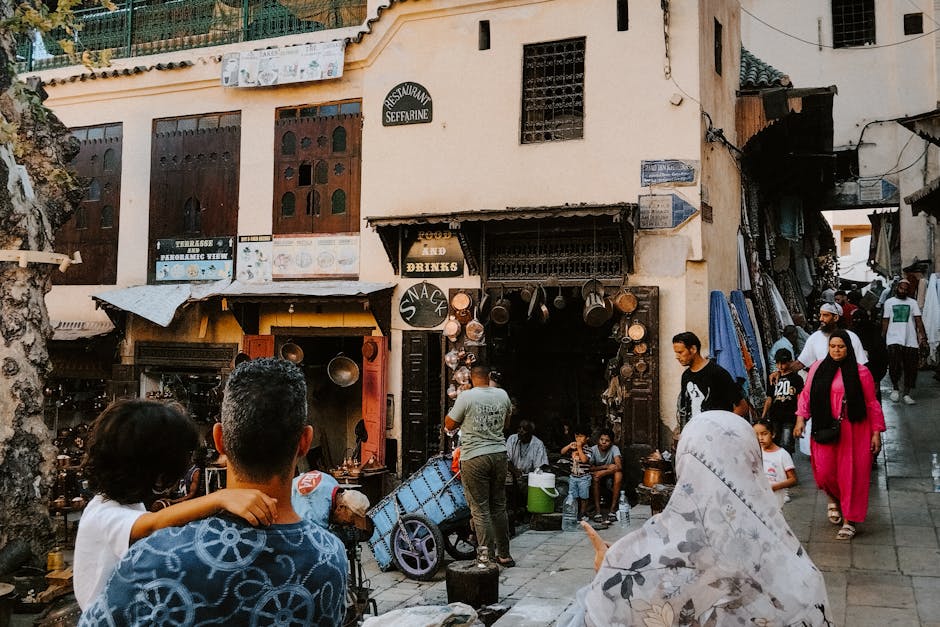
Taste your way through the medieval medina of Fes. Discover ancient spice markets, hidden street eats, and the evolution of Moroccan flavors.
 Easy
EasyFes, Morocco
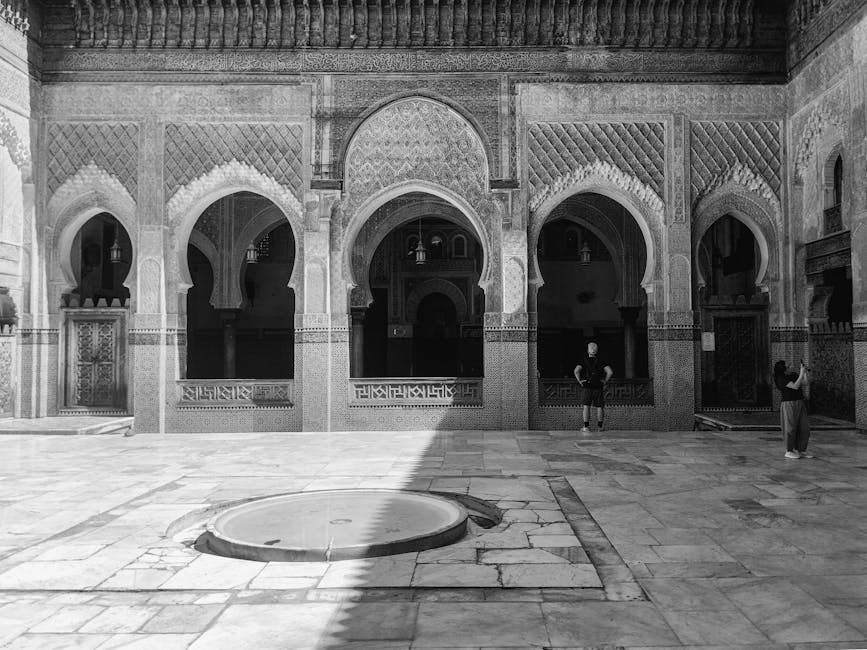
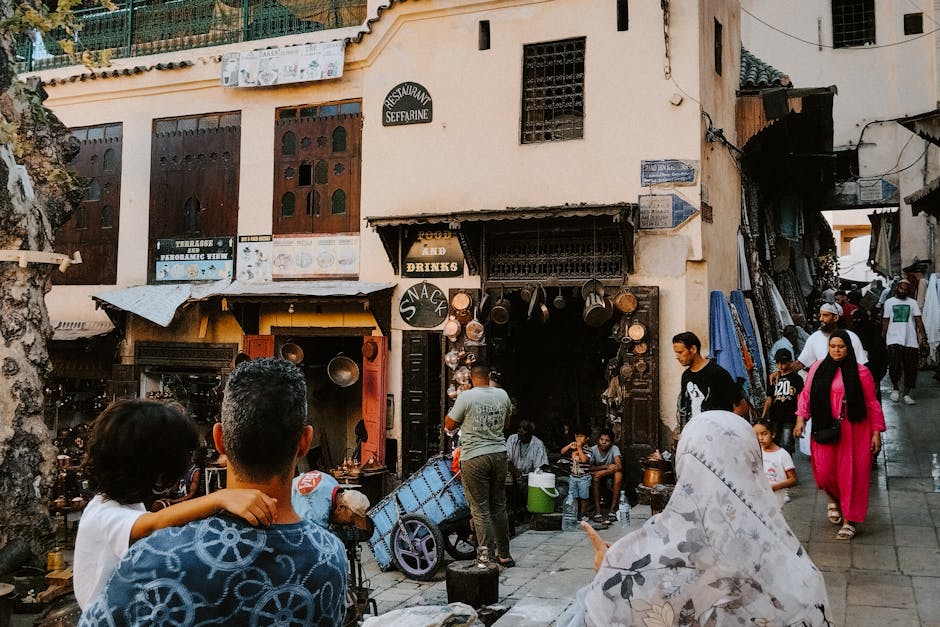
Explore the French-era boulevards and Art Deco gems of Fes on this self-guided walk through the vibrant Ville Nouvelle neighborhood.
 Challenging
Fes, Morocco
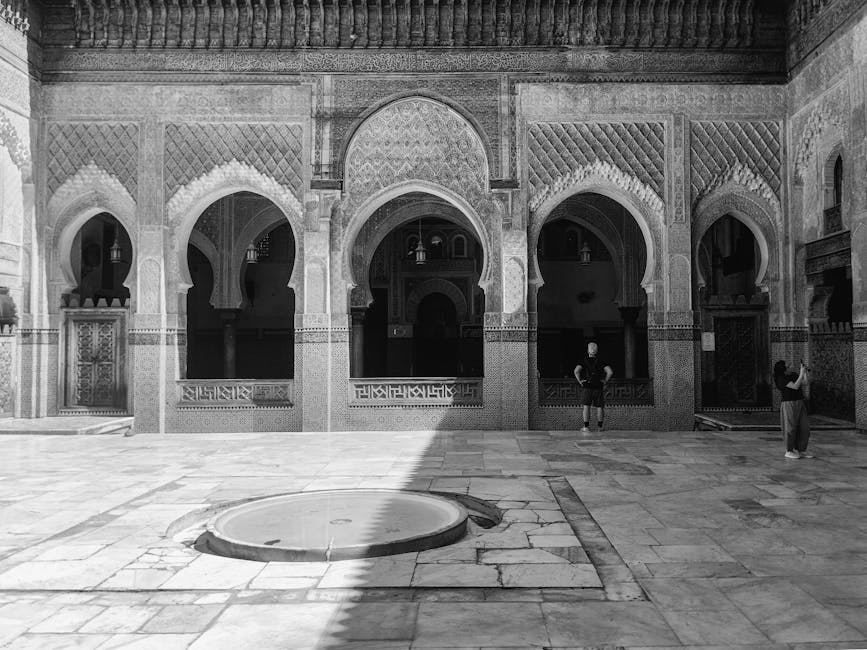
Ascend the northern hills of Fes for a breathtaking sunset walk overlooking the world's largest car-free urban space and ancient royal ruins.
 Easy
EasyFes, Morocco
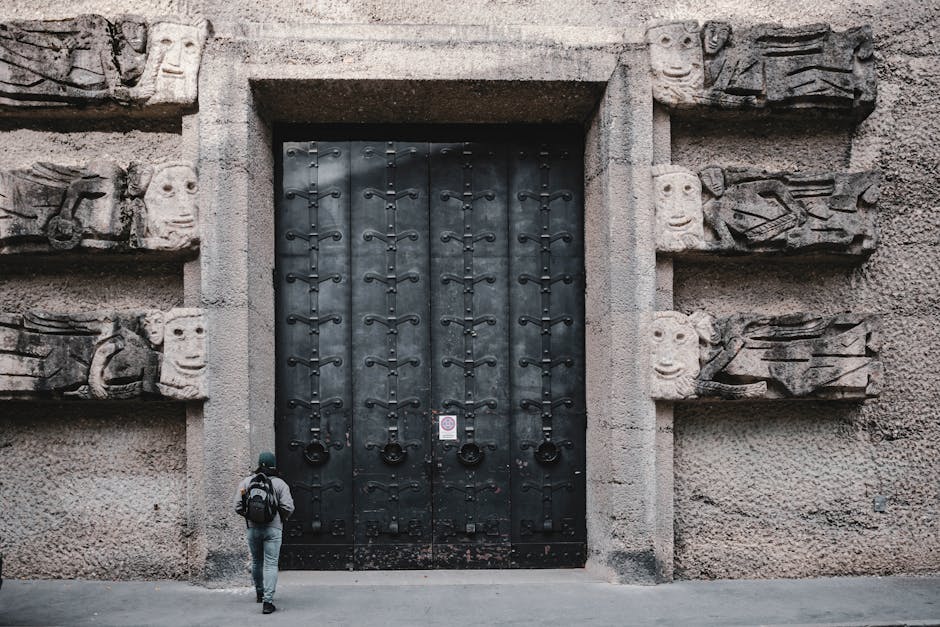
Discover the architectural wonders of Fes. Explore medieval madrasas and sacred sites on this self-guided walk through the ancient medina.
 Easy
EasySalzburg, Austria
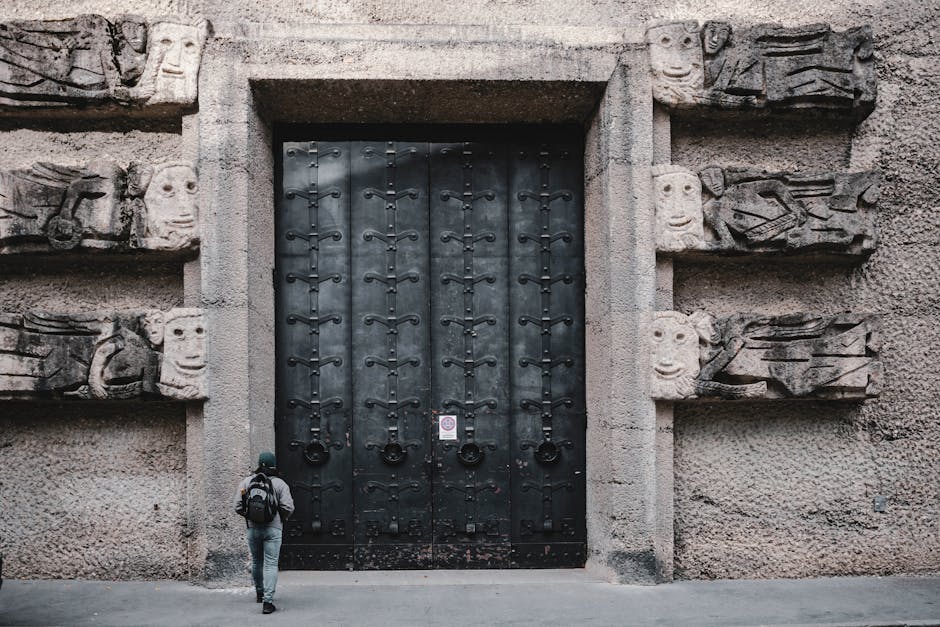
Discover Salzburg's oldest medieval alley, the birthplace of the 'Silent Night' author, and breathtaking views on this quiet self-guided walk.
 Easy
EasyKrakow, Poland
Explore the prestigious Jagiellonian University district, featuring Neo-Gothic architecture, Baroque churches, and Krakow's hidden scholarly gems.
 Easy
EasyKrakow, Poland
Explore the historic heart of Kazimierz on this self-guided walk through synagogues, ancient cemeteries, and vibrant squares.
 Easy
EasySalzburg, Austria
Discover the 'Rome of the North' on this self-guided walk through the Baroque squares and monumental legacy of Salzburg’s Prince-Archbishops.
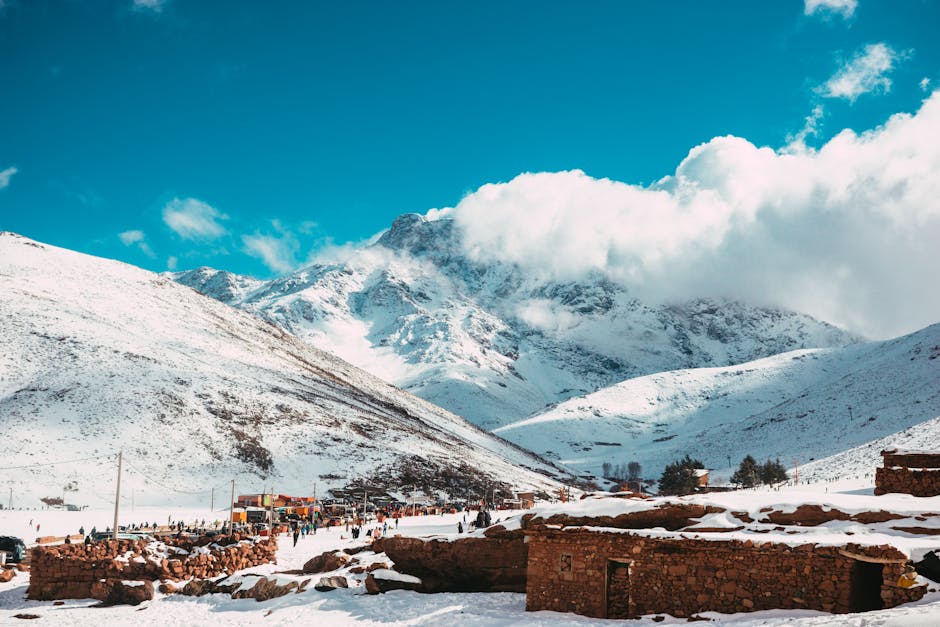 Challenging
Marrakech, Morocco
Discover the 'Sabatu Rijal' on this self-guided spiritual walk through the Medina's historic shrines and hidden Sufi landmarks.
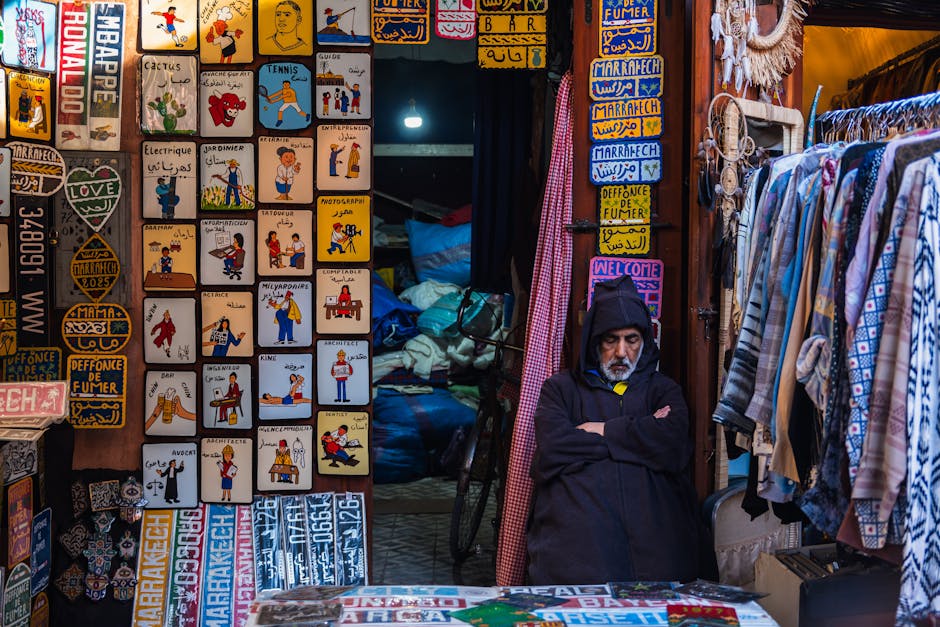 Easy
EasyMarrakech, Morocco
Follow the footsteps of Yves Saint Laurent through Marrakech's iconic gardens and colonial landmarks on this elegant self-guided fashion walk.
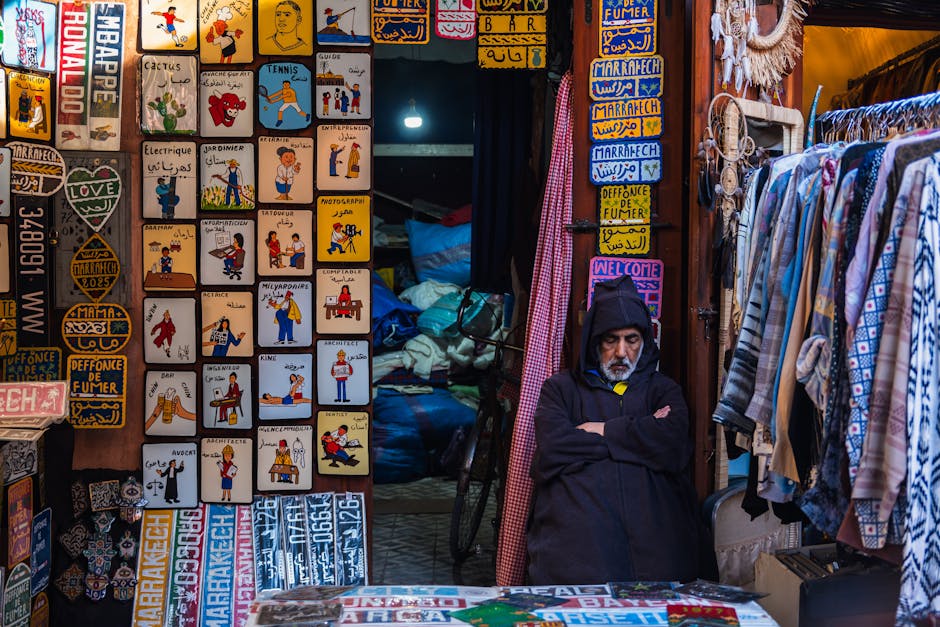 Easy
EasyMarrakech, Morocco
Discover the stylish side of the Red City on this self-guided walk through Marrakech's premier design concept stores and contemporary art galleries.
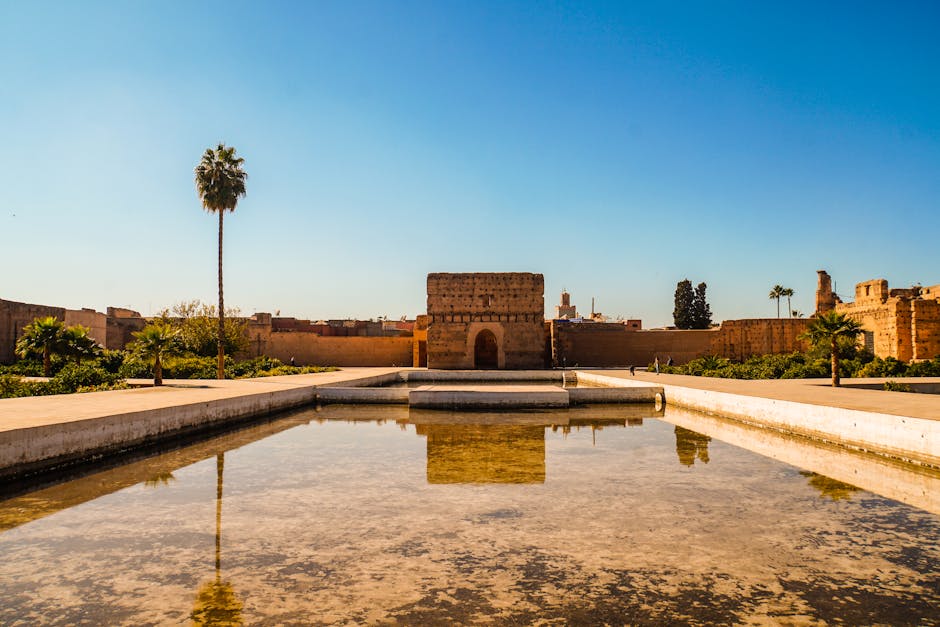 Easy
EasyMarrakech, Morocco
Discover the intricate art and hidden history of Marrakech's historic doors and riads on this self-guided architectural walk through Mouassine.