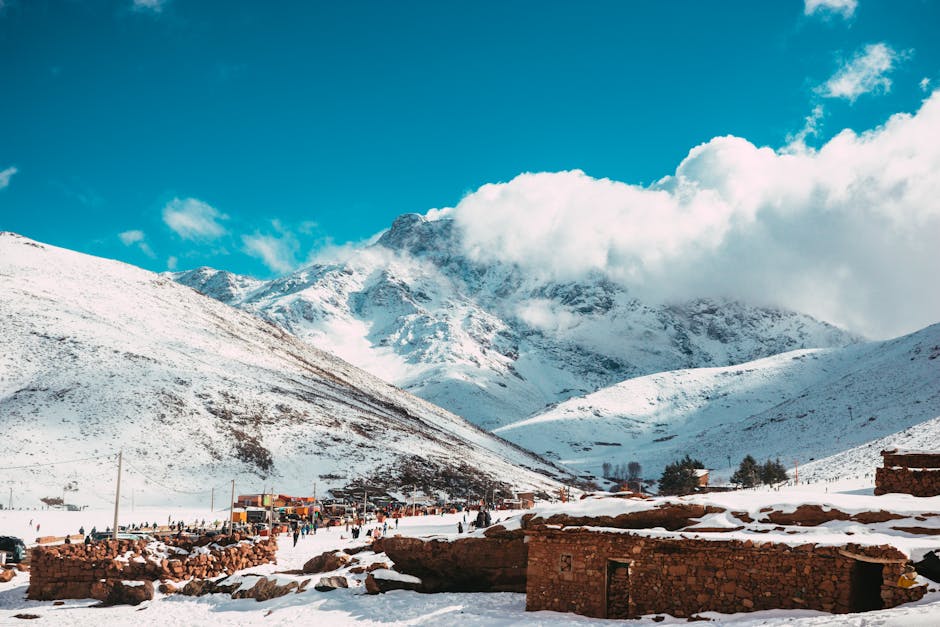
Self-guided audio tour in Marrakech
Start Free on iPhone
Start free on iPhone to unlock this self-guided walking tour in Marrakech. Hear all the stories that make it amazing, walk at your own pace, and begin whenever you want.
Your Private Tour Guide
Step away from the frantic energy of Jemaa el-Fnaa and into the regal, refined atmosphere of the Kasbah. This self-guided walk through the historic royal citadel of Marrakech offers a deeper look at the city’s imperial past and its vibrant local present. Unlike the labyrinthine heart of the northern medina, the Kasbah features wider streets and a distinct architectural grandeur that reflects its history as the residence of sultans and their court. This neighborhood stroll allows you to discover the layers of Moroccan history at your own pace, from the monumental gates of the 12th-century Almohad Caliphate to the opulent burial grounds of the Saadian dynasty. Your independent journey begins at the majestic Moulay al-Yazid Mosque, one of the most significant religious landmarks in the city. From here, you will uncover the story of the Saadian Tombs, a site so precious it was hidden behind high walls for centuries before being rediscovered by modern eyes. As you continue your walking route, you will encounter the intricate stone carvings of Bab Agnaou, the most famous of Marrakech’s historic gates, which once served as the formal entrance to the royal palace complex. This route is more than just a historical survey; it is a sensory experience. You will wander down Rue de La Kasbah, where the scent of traditional wood-fired bakeries and spice shops mingles with the daily rhythms of local residents. This self-guided adventure concludes at the quieter, southern edge of the district near Bab Ksiba, a peaceful area often overlooked by travelers. Along the way, you will see the famous white storks that nest atop the ancient ramparts, a symbol of good luck in Moroccan culture. Whether you are a history enthusiast or a photography lover, this walking route Marrakech provides the perfect balance of iconic landmarks and hidden neighborhood gems, allowing you to explore the soul of the city without the pressure of a group schedule. Experience the 'Red City' through its most prestigious quarter on this curated audio walk.
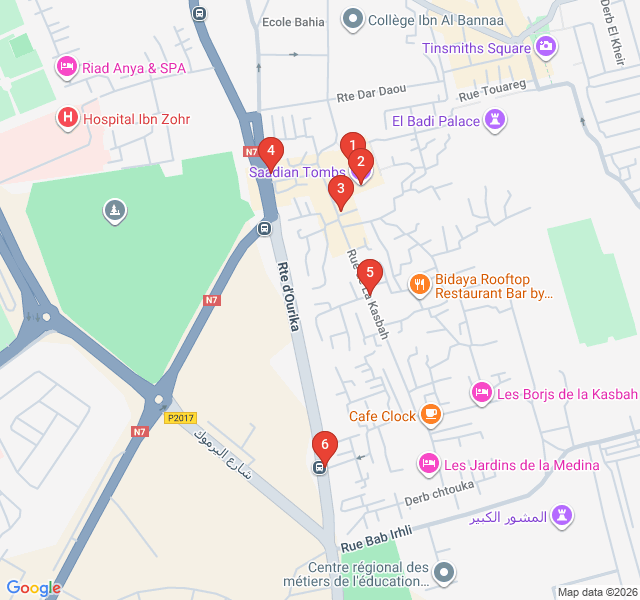
Numbers indicate the order of stops on the tour.
Welcome to the heart of the Kasbah. This mosque, also known as the Kasbah Mosque, was built by the Almohad Caliph Yaqub al-Mansur in the late 12th century. While non-Muslims cannot enter the prayer hall, the exterior is a masterpiece of Moorish architecture. Notice the minaret; its intricate turquoise tiling and 'sebka' or diamond-shaped patterns served as a blueprint for many other mosques across North Africa. For centuries, this was the primary place of worship for the Sultan’s court. The mosque has survived fires and reconstructions, but it remains a symbol of the neighborhood’s spiritual and political importance. Stand for a moment and listen to the call to prayer if the timing is right; it is a powerful reminder of the living history within these walls.
Just around the corner from the mosque lies one of Marrakech’s most breathtaking sites. The Saadian Tombs date back to the time of Sultan Ahmad al-Mansur in the late 16th century. However, after the fall of the Saadian dynasty, the rival Alaouite Sultan Moulay Ismail didn't want to destroy the tombs out of respect for the dead, so he simply sealed them off with high walls. They remained a secret, forgotten by the outside world, until they were rediscovered via aerial photography in 1917. As you explore, look for the Chamber of the Twelve Columns. It features Italian Carrara marble and intricate muqarnas—honeycomb-like stucco carvings. This is the final resting place of royalty, preserved in a time capsule of gold and cedar wood.
As you walk toward the great gate, you pass by La Sultana. This isn't just a luxury hotel; it is a collection of five historic riads joined together, showcasing the pinnacle of Moroccan craftsmanship. In the Kasbah, architecture is often 'introverted,' meaning the beauty is hidden behind plain exterior walls to protect the privacy of the home. La Sultana represents the revival of the neighborhood in recent decades, where historic structures are being meticulously restored using traditional techniques like tadelakt plastering and hand-cut zellij tiles. It serves as a bridge between the medieval history of the district and the modern global appeal of Marrakech as a center of design and hospitality.
Behold Bab Agnaou, the 'Gate of the Gnaoua.' Built in the 12th century, this was the formal entrance to the royal palace complex. Unlike the red mud-brick gates seen elsewhere in the city, this one is made of blue-grey sandstone that has weathered into a reddish-purple hue over time. The design is a series of concentric semi-circular arches, decorated with floral motifs and Quranic inscriptions in Kufic script. If you look closely at the top corners, you might see large nests. These belong to the white storks that are permanent residents of Marrakech. Legend says that the storks are actually transformed humans, and harming them is considered very bad luck, which is why they are allowed to rule the ramparts undisturbed.
Now, turn into the main artery of the neighborhood. Rue de La Kasbah is where the 'real' Marrakech happens. This street is lined with local butchers, vegetable stalls, and community ovens known as 'ferrans.' In Morocco, it is traditional for families to prepare their own bread dough at home and bring it to the neighborhood ferran to be baked in a wood-fired oven. You can often smell the fresh anise-scented 'khobz' baking. This street offers a wonderful opportunity to observe the daily interactions of the residents. It is less about souvenir shopping and more about the essentials of life. Keep an eye out for small workshops where artisans might be carving wood or sewing traditional djellabas.
Your walk concludes at Bab Ksiba, the 'Gate of the Little Citadel.' This is one of the smallest and most charming gates in the city wall. It leads into a quieter part of the Kasbah that feels almost like a village within the city. The area around Bab Ksiba is known for its large, shady trees and a more relaxed pace of life. From here, the royal palace walls continue to stretch out, hiding the vast gardens and residences of the current monarchy. It’s a perfect place to find a local cafe, grab a glass of fresh orange juice or mint tea, and reflect on the transition from the monumental royal gates to the humble, lived-in streets you’ve just traversed.
Start Free on iPhone
Explore “Secrets of the Kasbah: Beyond the Royal Walls” with your very own Private Tour Guide with Zigway. Start free on iPhone, skip the large group and the fixed routes, and hear the city come alive as you go.
Your Private Tour Guide
Don't miss the good stuff
Explore Freely
 Challenging
Marrakech, Morocco
Discover the 'Sabatu Rijal' on this self-guided spiritual walk through the Medina's historic shrines and hidden Sufi landmarks.
 Easy
EasyMarrakech, Morocco
Follow the footsteps of Yves Saint Laurent through Marrakech's iconic gardens and colonial landmarks on this elegant self-guided fashion walk.
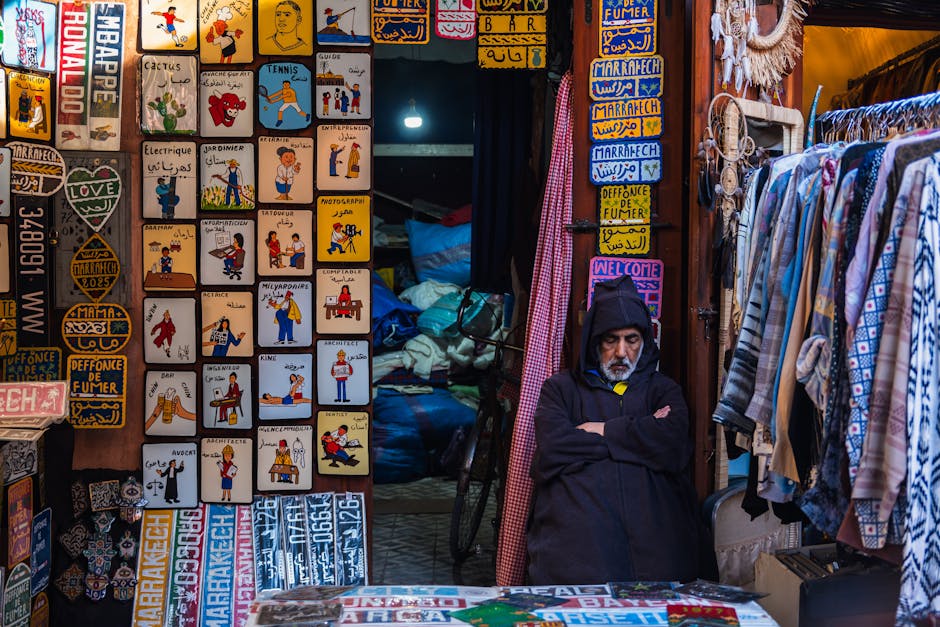 Easy
EasyMarrakech, Morocco
Discover the stylish side of the Red City on this self-guided walk through Marrakech's premier design concept stores and contemporary art galleries.
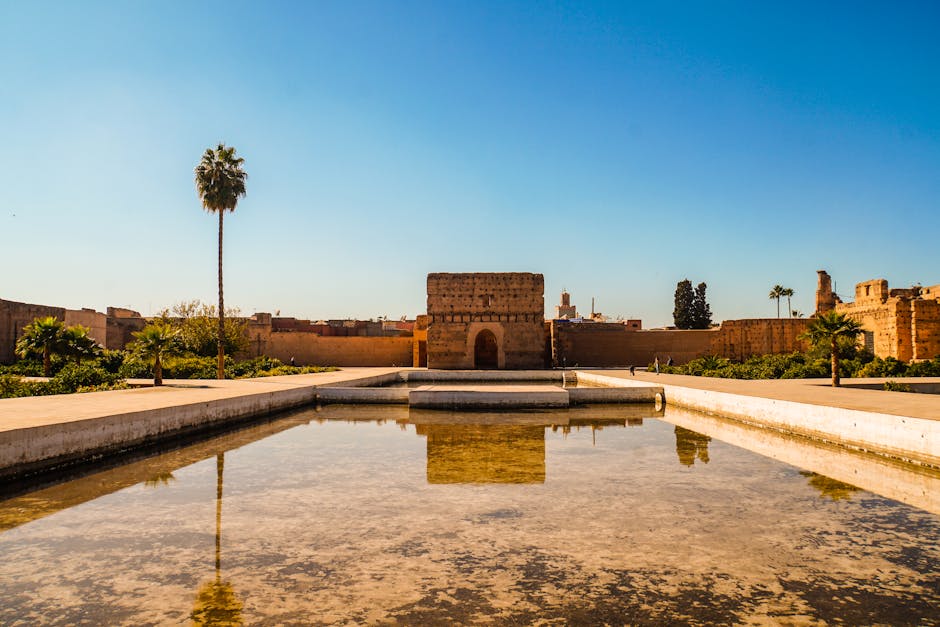 Easy
EasyMarrakech, Morocco
Discover the intricate art and hidden history of Marrakech's historic doors and riads on this self-guided architectural walk through Mouassine.
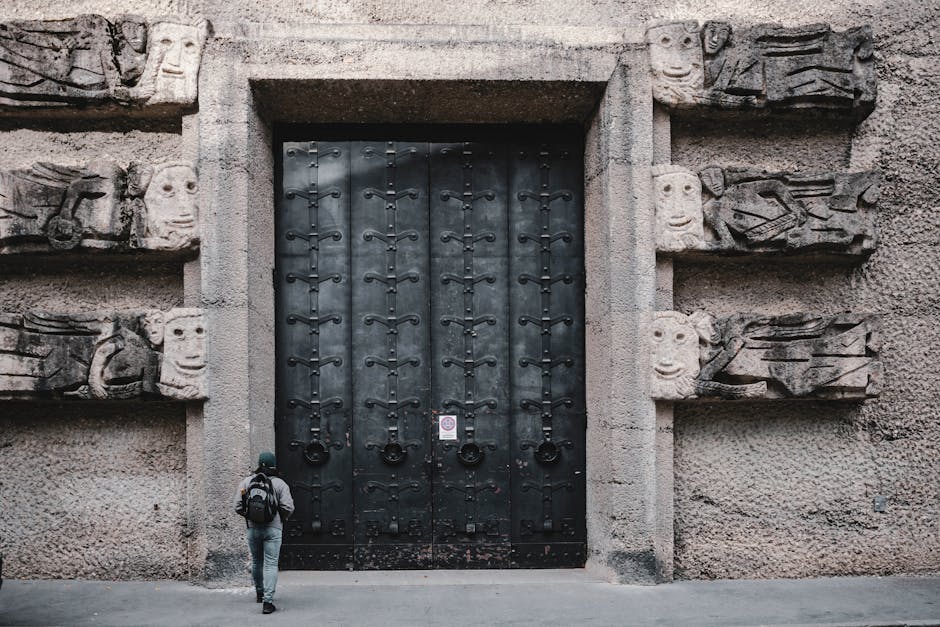 Easy
EasySalzburg, Austria
Discover the 'Rome of the North' on this self-guided walk through the Baroque squares and monumental legacy of Salzburg’s Prince-Archbishops.
 Easy
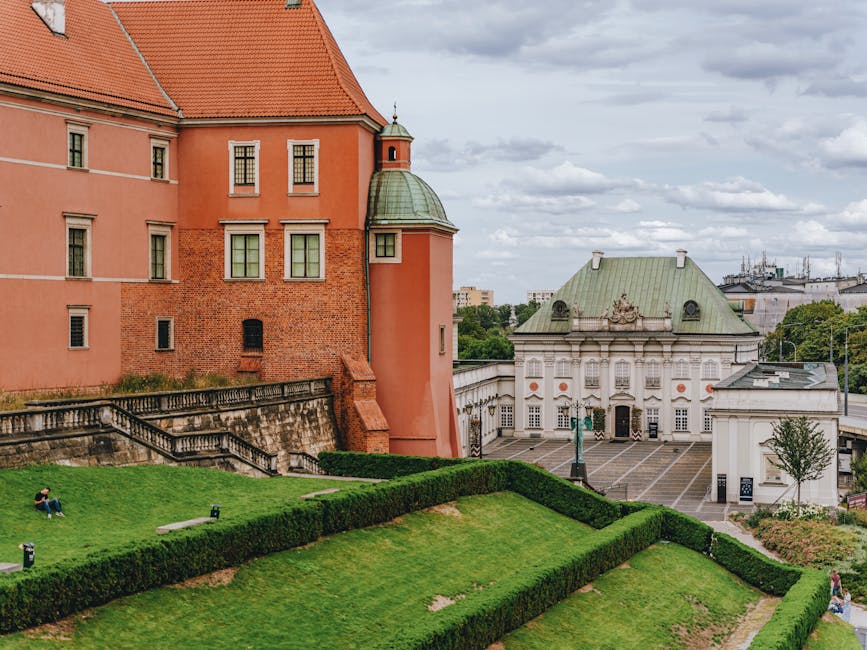
EasyWarsaw, Poland
Explore the miracle of Warsaw's reconstructed Old Town on this self-guided walk through royal squares, medieval walls, and heroic monuments.
 Easy
EasyNairobi, Kenya
Discover Nairobi's iconic skyline on this self-guided architecture walk through the CBD’s most famous modernist and Brutalist landmarks.
 Easy
EasyGdansk, Poland
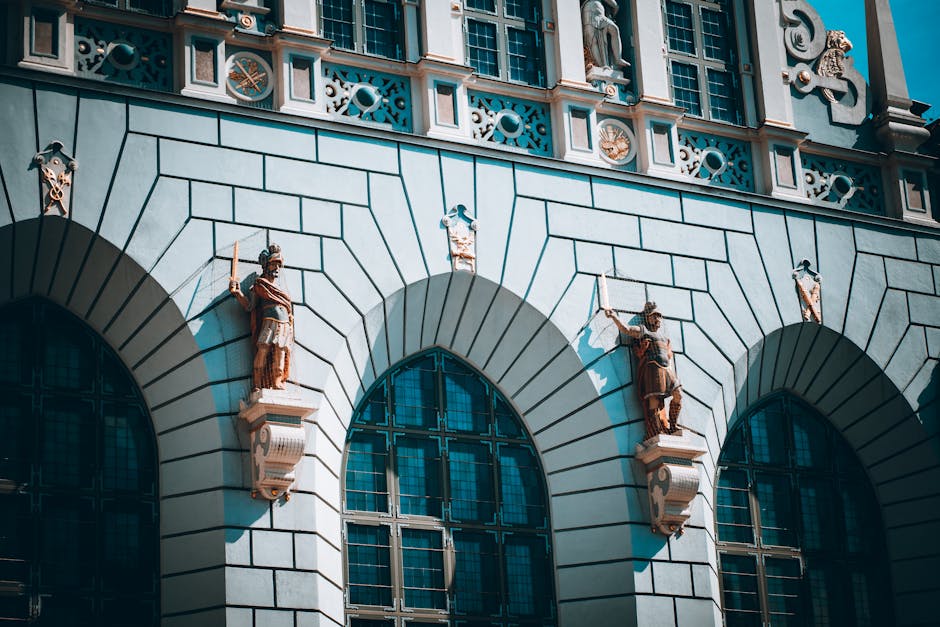
Discover the opulent Royal Way of Gdansk at your own pace. Explore Hanseatic history, gilded architecture, and the iconic Neptune's Fountain.
 Moderate
Fes, Morocco
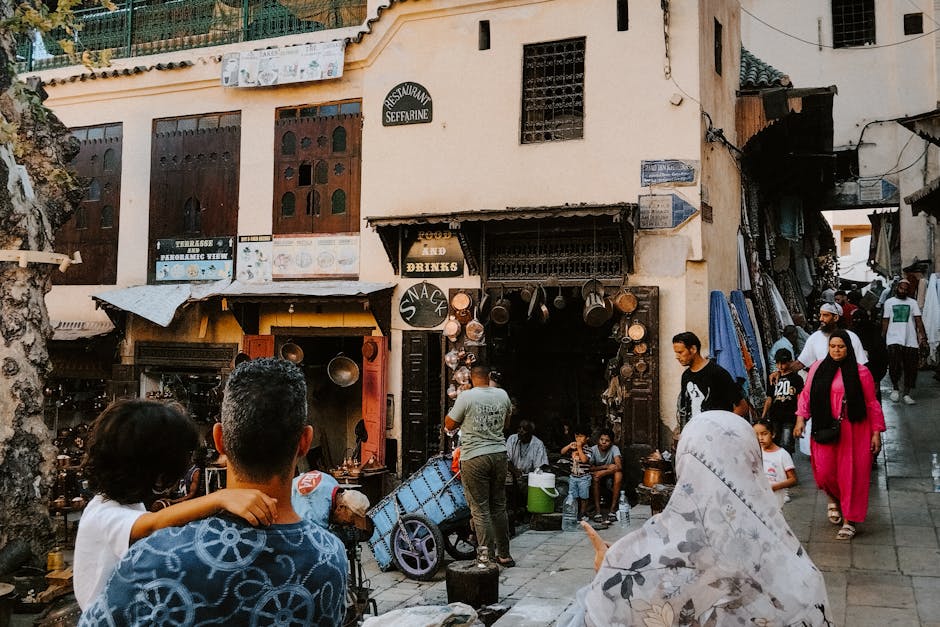
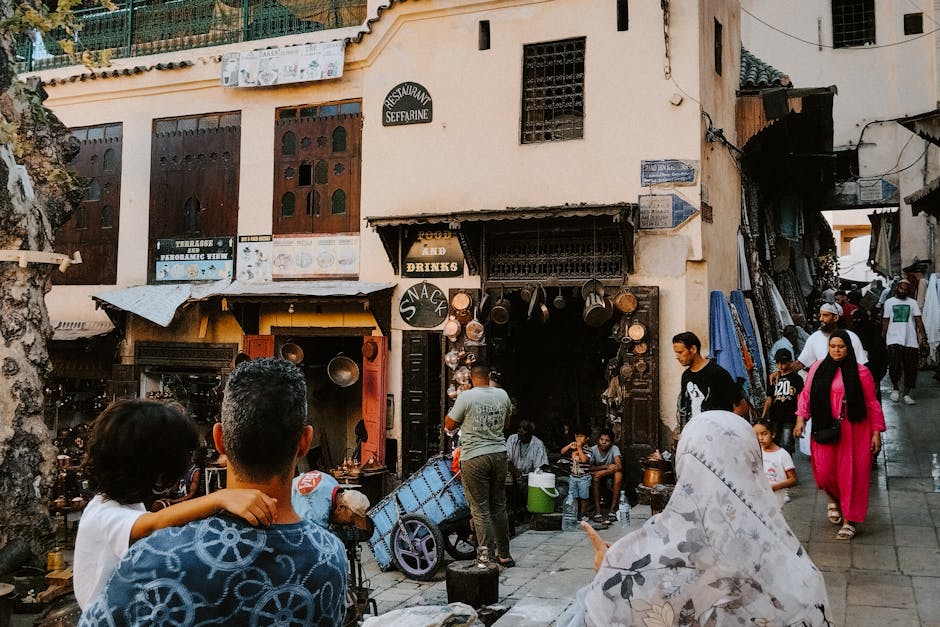
Taste your way through the medieval medina of Fes. Discover ancient spice markets, hidden street eats, and the evolution of Moroccan flavors.
 Easy
EasyFes, Morocco
Explore the French-era boulevards and Art Deco gems of Fes on this self-guided walk through the vibrant Ville Nouvelle neighborhood.
 Challenging
Fes, Morocco
Ascend the northern hills of Fes for a breathtaking sunset walk overlooking the world's largest car-free urban space and ancient royal ruins.
 Easy
EasyFes, Morocco
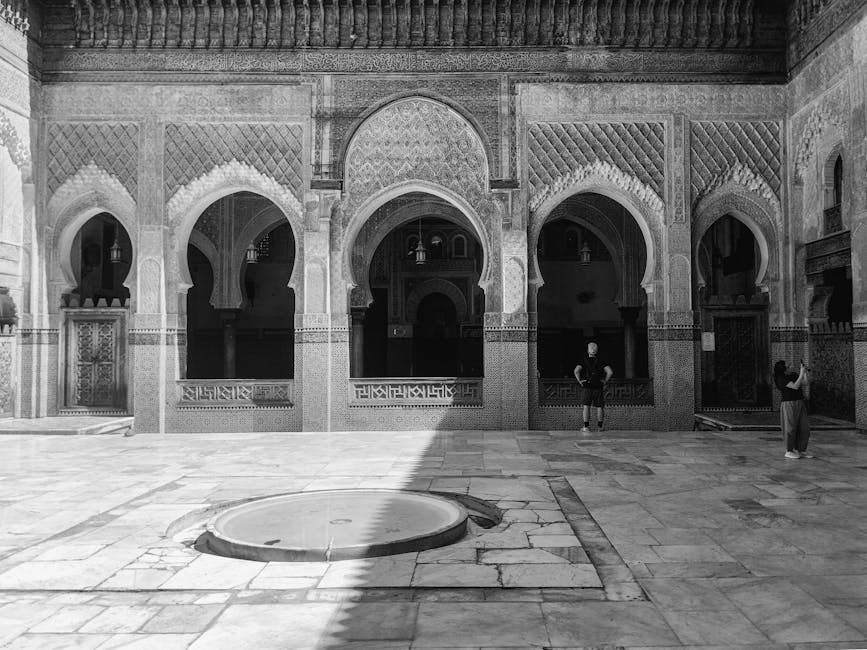
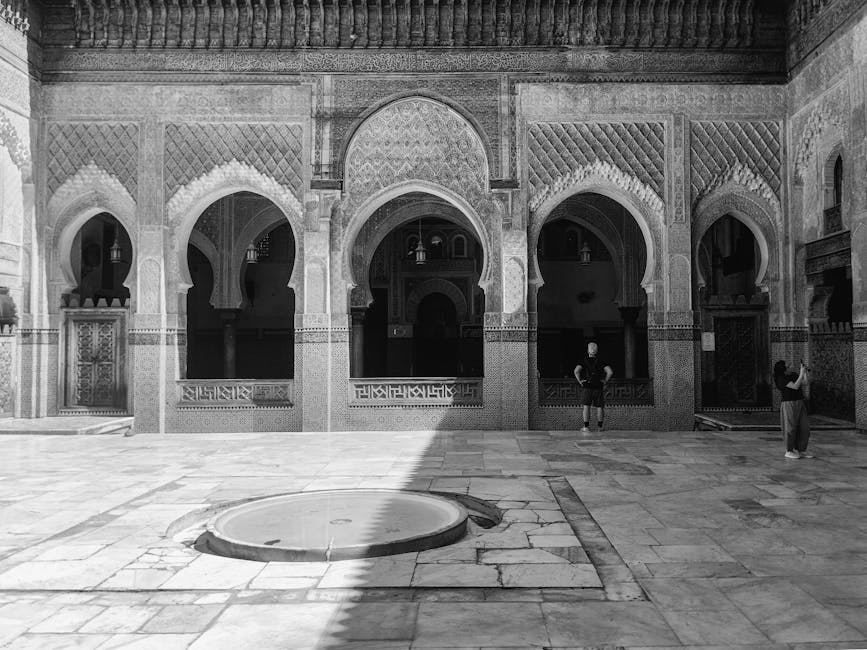
Discover the architectural wonders of Fes. Explore medieval madrasas and sacred sites on this self-guided walk through the ancient medina.