Self-guided audio tour in Utrecht
Start Free on iPhone
Start free on iPhone to unlock this self-guided walking tour in Utrecht. Hear all the stories that make it amazing, walk at your own pace, and begin whenever you want.
Your Private Tour Guide
Beyond the iconic canal wharfs and the shadow of the Dom Tower lies a quieter, more intimate side of Utrecht. This neighborhood stroll invites you to step through unassuming gates and down narrow alleys to discover the 'hofjes'—historic almshouses and hidden gardens that have served as sanctuaries for centuries. Historically, these courtyards were founded by wealthy citizens or religious institutions to provide housing for the poor, the elderly, or the widowed. Today, they remain inhabited, offering a rare glimpse into a tradition of communal living and urban greenery that dates back to the Middle Ages. On this walking route, you will wander through the Museumkwartier, a district where the pace of life slows down significantly. You will explore the Pandhof van de Dom, arguably the most beautiful monastery garden in the Netherlands, and discover how 17th-century charity created the elegant Bruntenhof. The journey also takes you into the Zeven Steegjes, or 'Seven Alleys,' a rare surviving example of a 19th-century working-class neighborhood that maintains a fierce sense of community. This is not your typical walking tour Utrecht experience; it is a self-guided exploration designed for those who prefer the sound of birdsong and the rustle of leaves over the bustle of the main shopping streets. As you explore independently, you will learn the stories of the people who built these walls and the residents who carefully tend to these secret gardens today. Whether you are a fan of Dutch history, a photography enthusiast, or simply looking for a peaceful escape, these hidden gems provide a unique perspective on Utrecht's social fabric. Unlike a standard guided tour Utrecht might offer, this audio walk allows you to linger as long as you like in a sun-drenched courtyard or skip ahead to the next architectural marvel at your own pace.
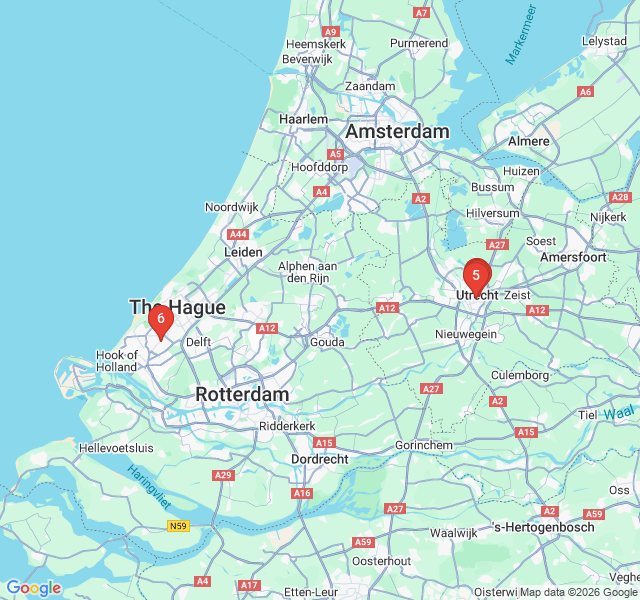
Numbers indicate the order of stops on the tour.
Start exploring with Zigway at Flora's garden, a lush oasis located within the grounds of the Grand Hotel Karel V. This site has a storied past, originally serving as a monastery for the Knights of the Teutonic Order in the 14th century. Later, it became a military hospital where Emperor Charles V himself once stayed. As you walk through the greenery, notice the blend of formal landscaping and historic architecture. The garden is named after Flora, the Roman goddess of flowers, and it perfectly sets the tone for a route focused on peace and history. It is a reminder that even in the heart of a modern city, fragments of medieval tranquility remain perfectly preserved.
Step into the Pandhof van de Dom, one of the most enchanting spots in the Netherlands. This is the monastery garden of the Dom Church, tucked between the cathedral and the university. Enclosed by a 15th-century Gothic cloister, the garden features a variety of medicinal herbs and flowers, many of which were used by monks in centuries past. In the center, you will see a bronze fountain depicting Hugo Wstinc, a 14th-century canon. Listen to the silence here; it is a profound contrast to the busy Domplein just a few meters away. The intricate stone carvings on the surrounding arches tell silent stories of religious devotion and craftsmanship.
Tucked away behind the Springweg, the Abraham Dolehof is a hidden sanctuary that many locals don't even know exists. It stands on the site of the former St. Ursula monastery, founded in 1412 by a wealthy citizen named Abraham Dole. While the monastery is long gone, the courtyard remains a testament to the city's medieval religious layout. The atmosphere here is exceptionally still, often filled with the scent of climbing roses in the summer. It represents the 'hofje' tradition at its most intimate—a place where the city's noise simply vanishes behind the surrounding brick walls and historic residential facades.
Continue your walking route to the Bruntenhof, an exquisite example of 17th-century social care. Founded in 1621 by lawyer Frederik Brunt, these fifteen 'vrijwoningen' or free houses were built to provide shelter for the poor and elderly. Look at the gable stones and the classic Dutch architecture of the small houses. The garden here is beautifully maintained, offering a glimpse into how charity and aesthetics were intertwined in the Dutch Golden Age. It is a living piece of history, as these houses are still occupied today. Respect the privacy of the residents as you admire the heritage of Frederik Brunt's legacy.
Transition from the elite almshouses to the Zeven Steegjes, or Seven Alleys. This is a rare survivor: a 19th-century working-class neighborhood built by a local brewery owner to house his employees. Unlike the religious courtyards, these narrow streets were born of the Industrial Revolution. Each alley has its own character, often decorated with potted plants and outdoor seating by the residents. There is a strong sense of community here that has lasted for generations. Notice the small-scale brick houses and the lack of cars, making it a perfect place for a neighborhood stroll that feels like stepping back 150 years into Utrecht's social history.
Finish your adventure at the Andreashof. This location occupies the space of a former Roman Catholic elementary school and monastery complex. In recent years, it has been transformed into a modern residential court that respects the historic 'hofje' layout. It serves as a perfect bookend to your walk, showing how Utrecht continues to adapt its historic spaces for modern living while maintaining the tradition of the enclosed, green sanctuary. The surrounding area of Springweg is full of small cafes where you can reflect on the secret sanctuaries you have discovered today. Your exploration of Utrecht's hidden side concludes here, in a space where old and new coexist in quiet harmony.
Start Free on iPhone
Explore “Hidden Hofjes and Secret Sanctuaries” with your very own Private Tour Guide with Zigway. Start free on iPhone, skip the large group and the fixed routes, and hear the city come alive as you go.
Your Private Tour Guide
Don't miss the good stuff
Explore Freely
 Easy
EasyUtrecht, Netherlands
Explore Utrecht's 2,000-year history from Roman fortresses to medieval cathedrals on this self-guided audio walk through the city center.
 Easy
EasyUtrecht, Netherlands
Explore Utrecht's industrial evolution on this self-guided walk from the medieval Dom Tower to the creative warehouses and design hubs of Rotsoord.
 Easy
EasyUtrecht, Netherlands
Explore Utrecht’s liquid history on this self-guided walk from historic canal-side cafes to modern craft breweries.
 Easy
EasyUtrecht, Netherlands
Discover the dramatic world of the Utrecht Caravaggisti on this self-guided walk through the historic Museumkwartier and its artistic landmarks.
 Easy
EasyGdansk, Poland
Discover the monastic heritage, world-famous organs, and lush botanical gardens of Oliwa on this peaceful self-guided neighborhood stroll.
 Easy
EasyWarsaw, Poland
Discover the hidden courtyards and grand pre-war architecture of Warsaw's most atmospheric neighborhood on this self-guided stroll.
 Easy
EasySalzburg, Austria
Discover Salzburg's oldest medieval alley, the birthplace of the 'Silent Night' author, and breathtaking views on this quiet self-guided walk.
 Easy
EasyHelsinki, Finland
Discover Helsinki's oldest neighborhood on this self-guided audio walk through Kruununhaka’s historic streets, hidden courtyards, and scenic shores.
 Easy
EasyAmsterdam, Netherlands
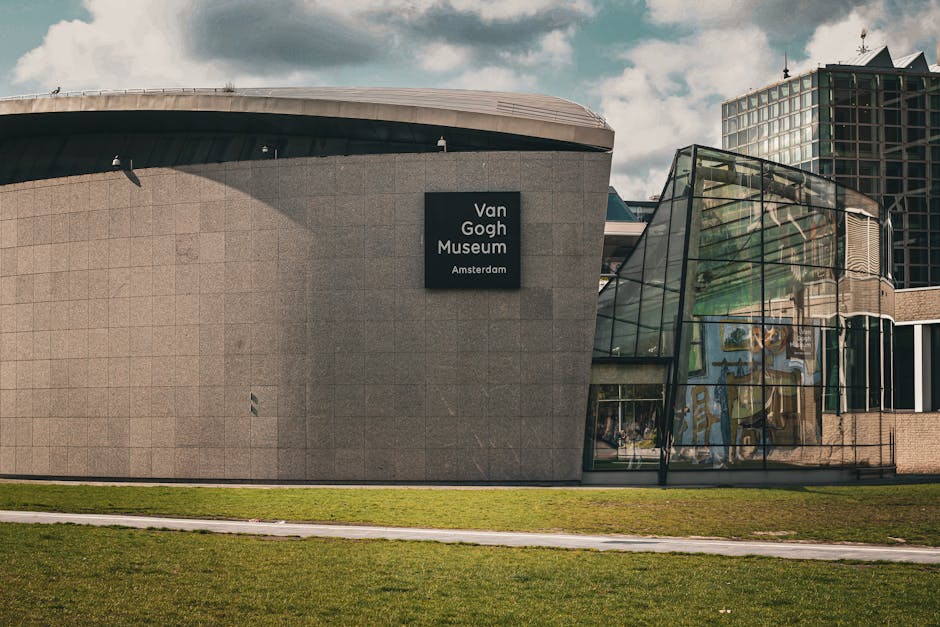
Discover Amsterdam's cultural heart on this self-guided walk from the iconic Museumplein to the serene blooming gardens of Vondelpark.
 Easy
EasyAmsterdam, Netherlands
Discover Amsterdam's literary heart on this self-guided walk through historic bookshops, writers' haunts, and the homes of revolutionary thinkers.
 Easy
EasyAmsterdam, Netherlands
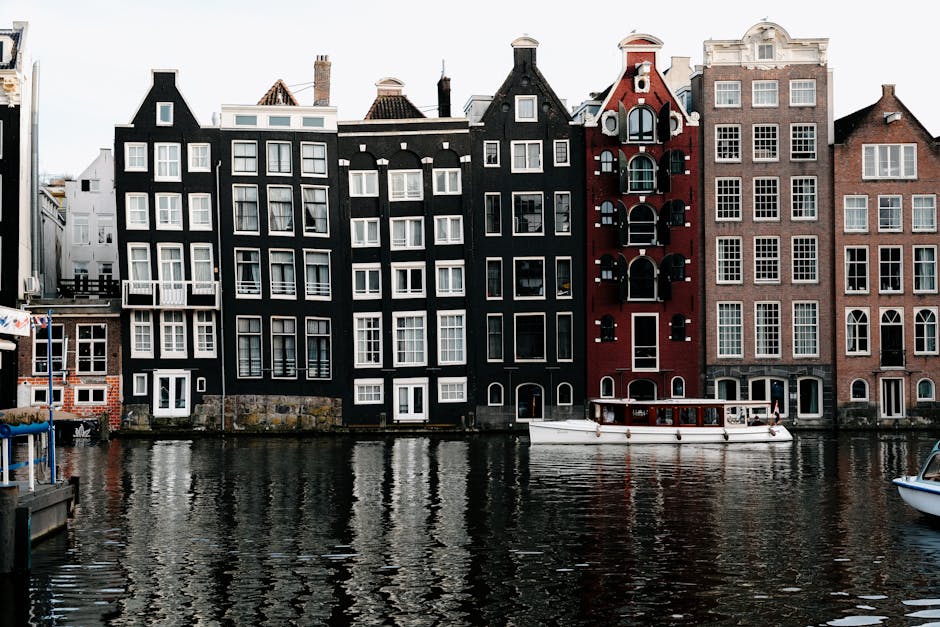
Capture the magic of Amsterdam with this self-guided photography walk across the iconic bridges and scenic banks of the Amstel River.
 Easy
EasyAmsterdam, Netherlands
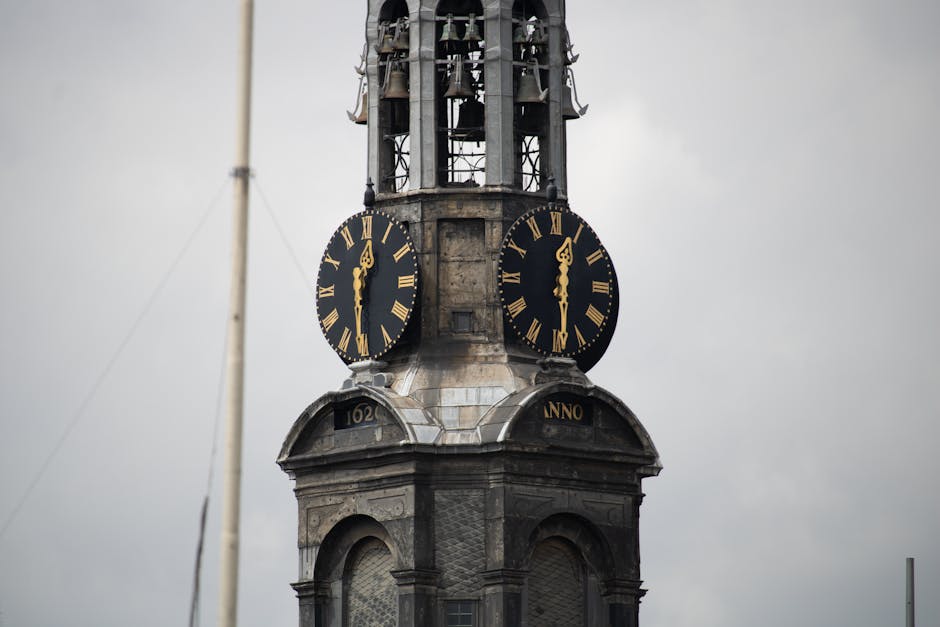
Discover the opulent 17th-century mansions and rich history of Amsterdam's famous Canal Belt on this self-guided architectural walking route.