Self-guided audio tour in Utrecht
Start Free on iPhone
Start free on iPhone to unlock this self-guided walking tour in Utrecht. Hear all the stories that make it amazing, walk at your own pace, and begin whenever you want.
Your Private Tour Guide
Step away from the postcard-perfect canals of the medieval center and discover Utrecht’s gritty, creative soul. This self-guided walk, 'Industrial Revival at Rotsoord,' bridges the gap between the city’s ancient ecclesiastical roots and its modern identity as a hub of design and innovation. You will begin at the towering Domkerk, the spiritual heart of the city, before heading south toward the Vaartsche Rijn. This area was once the industrial engine of Utrecht, filled with factories, shipyards, and warehouses that have since been transformed into some of the city's most vibrant cultural spaces. As you explore independently, you’ll witness the remarkable adaptive reuse of industrial architecture. Highlights include a former shipyard turned music venue, a creative terrace inspired by the underground scenes of Berlin, and a massive water tower that now hosts high-end dining with panoramic views. The journey continues into the heart of the Rotsoord district, where the iconic Pastoe Fabriek stands as a testament to Dutch furniture design. For those following the full route, the path leads further out to the Utrecht Science Park and the historic New Dutch Waterline, showcasing how the city balances its defensive history with cutting-edge academic architecture. This walking route is perfect for travelers who love seeing how old structures find new life. Whether you are interested in the sleek lines of the Educatorium or the rugged charm of repurposed brickwork, this neighborhood stroll offers a perspective on Utrecht that most visitors miss. Along the way, you'll find plenty of local favorites for coffee, craft beer, and innovative cuisine, making it as much a culinary journey as an architectural one. Experience the city at your own pace, soaking in the atmosphere of a neighborhood that is constantly evolving. **Note:** This area is known for its ever-changing character. Street art, pop-up venues, and temporary exhibitions may differ from what's described. That's part of the adventure - you might discover something entirely new!
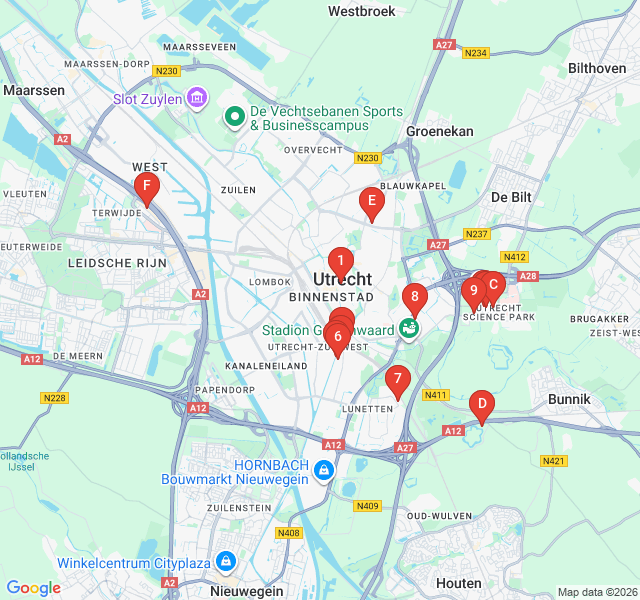
Numbers indicate the order of stops on the tour.
Start your self-guided adventure at the Domkerk, the 14th-century Gothic cathedral that defines Utrecht's skyline. While the cathedral itself is a masterpiece of medieval architecture, notice the open space of the Domplein. This square was created by a massive tornado in 1674 that collapsed the cathedral's nave, permanently separating the church from its tower. This spot represents the 'Old Utrecht'—ecclesiastical and traditional. From here, we will move away from the ancient center toward the industrial south, tracing the city's growth from a religious stronghold to a modern manufacturing hub.
Arriving at the Vaartsche Rijn station, you are standing at the gateway to the industrial south. This modern, elevated station was built to serve the growing creative district. Below you flows the Vaartsche Rijn, one of the oldest canals in the Netherlands, dug in the 12th century to connect Utrecht to the Lek River. It was this waterway that fueled the neighborhood's industrial boom. Notice the contrast between the sleek, modern concrete of the station and the historic brick warehouses lining the water. This is the starting point for the city's most exciting urban transformations.
Look toward De Helling, a building that perfectly encapsulates the neighborhood's revival. Originally part of a shipyard where vessels were built and repaired, it has been repurposed into one of Utrecht’s premier music venues. The name 'Helling' refers to the slipway used to launch ships into the water. Today, instead of the sound of hammers on steel, this space echoes with live music and club nights. It remains a cornerstone of the local cultural scene, preserving its rugged, industrial exterior while fostering a new generation of creative energy.
Welcome to Little Berlin, a creative hotspot that brings a slice of German underground culture to Utrecht. This is a multi-functional space—a bar, a terrace, and a stage for music and poetry. The aesthetic here is deliberately raw and unpolished, utilizing shipping containers and eclectic furniture to create a 'Berlinesque' vibe. It’s a favorite local hangout for a craft beer by the canal. Keep in mind that venues like this often host temporary art installations or pop-up events, so the visual landscape here is always changing and evolving with the seasons.
Rising 37 meters above the neighborhood, this former water tower is a landmark of industrial utility. Built in 1907 to provide water pressure for the city, it fell into disuse as technology advanced. In a brilliant feat of adaptive reuse, it was transformed into WT Urban Kitchen. The upper floors now house a restaurant where diners can look out through the original brickwork and massive windows at the city below. It is a prime example of how Utrecht preserves its industrial 'monuments' by giving them a prestigious new purpose rather than tearing them down.
This sprawling complex was once the home of the Pastoe furniture factory, a name synonymous with minimalist Dutch design for over a century. The factory produced iconic pieces that are now found in museums and design-conscious homes worldwide. While the manufacturing has moved, the building remains a hub for the arts, housing the Utrecht School of the Arts (HKU) and various galleries. Walk around the courtyard to see the blend of sawtooth roofs and large windows designed to let in natural light for the craftsmen who once worked here.
As we move further south toward Lunetten, we enter a different phase of Utrecht's expansion. This area represents the post-war development of the city, focusing on functionalism and connectivity. The Aristo center sits near the intersection of major rail and road networks, highlighting Utrecht's role as the central logistical heart of the Netherlands. While less 'gritty' than Rotsoord, this area shows how the city integrated commercial and meeting spaces into the residential fabric of the southern suburbs during the late 20th century.
You are now on the grounds of the former Kromhout Kazerne, a military barracks that has been converted into an international honors college. This is another form of revival—the transition from military use to educational excellence. The campus retains its stately, disciplined layout with red-brick buildings and lush green lawns, but the atmosphere is now one of academic inquiry. It serves as a bridge between the historic city and the modern Science Park, demonstrating Utrecht's commitment to repurposing large-scale historic sites for the knowledge economy.
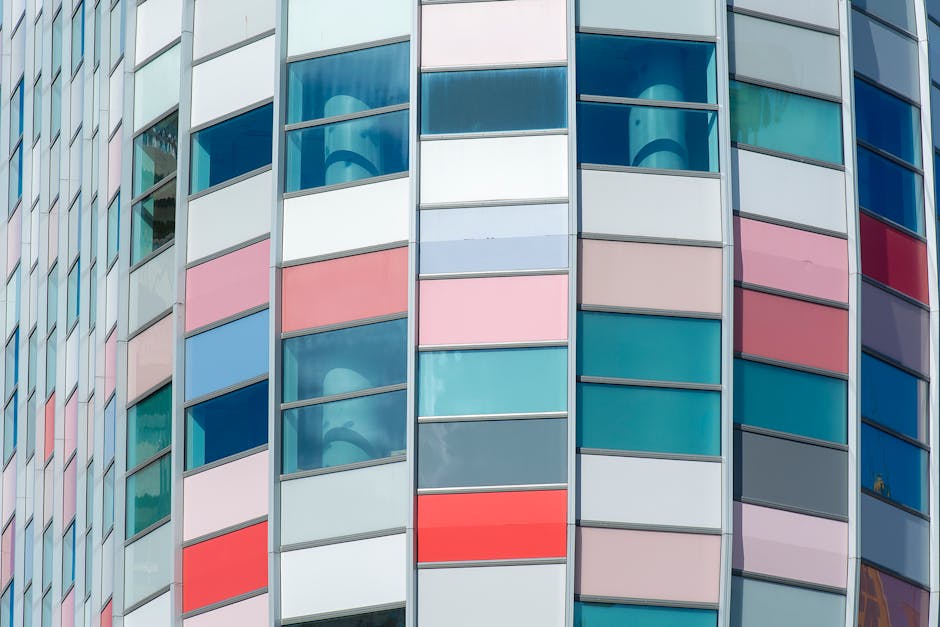
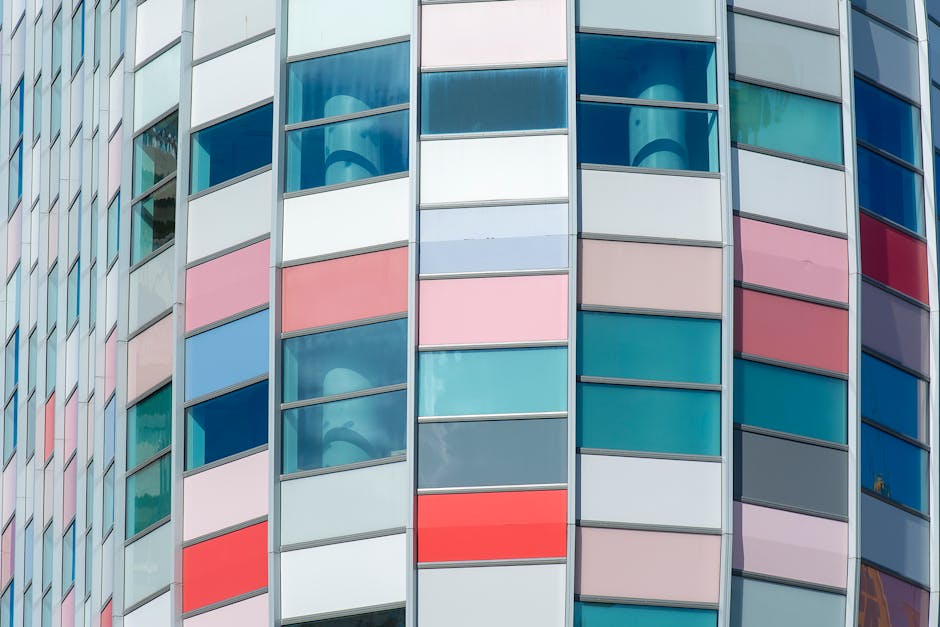
Entering the Utrecht Science Park, the architecture shifts dramatically. This building, Padualaan 97, is part of the Hogeschool Utrecht. Notice the bold use of color and the interplay of glass and steel. The Science Park is a laboratory for modern Dutch architecture, where functionality meets avant-garde design. This area was once open farmland but has been transformed into a dense 'city of the future' where thousands of students and researchers work daily. It is the modern-day equivalent of the industrial hubs we saw earlier in Rotsoord.
The Faculty of Veterinary Medicine is one of the oldest and most prestigious in Europe. The buildings here are designed with specific technical needs in mind, yet they maintain the high architectural standards seen throughout the campus. As you walk past, consider the scale of this institution; it reflects the city's evolution from a regional market town into a global leader in life sciences and research. The architecture here is often characterized by its 'brutalist' roots, using raw concrete to create structures that feel both permanent and experimental.
The Educatorium is a masterpiece by world-renowned architect Rem Koolhaas and his firm, OMA. Completed in 1997, it was designed to be a crossroads for the university. Its most striking feature is the 'folding' floor plate—a continuous surface that wraps around to become the ceiling, creating a fluid sense of space. The use of translucent materials and exposed structural elements was revolutionary at the time. It remains a pilgrimage site for architecture students and fans of contemporary design, signaling Utrecht's place on the world stage of modern urbanism.
Nearby stands the Marinus Ruppertgebouw, one of the first buildings constructed when the university began moving to this site in the 1960s. It represents the 'pioneer' era of the Science Park. Its design is more traditional than the Educatorium, but it set the stage for the massive expansion that followed. These buildings together tell the story of a city that isn't afraid to grow and reinvent itself, moving from the medieval center to the industrial fringe, and finally to this high-tech academic landscape.
We now transition from the future back to the past. Fort bij Vechten is one of the largest and most important forts of the New Dutch Waterline, a 19th-century defense system that used controlled flooding to protect the country. Recently restored, the fort now houses the Waterline Museum. The revival here is focused on heritage and nature; the massive earthworks and brick bunkers are being reclaimed by greenery, creating a hauntingly beautiful landscape. It’s a reminder that even the most functional military structures can find a second life as spaces for education and recreation.
Located back toward the northern edge of the city, the Marnix Academie is a teacher training college. While perhaps less architecturally famous than the Educatorium, it represents the social backbone of the city: education. The building serves as a reminder that the 'revival' of neighborhoods isn't just about bricks and mortar, but about the people who live and learn within them. As you pass by, you are moving back toward the more residential and traditional parts of Utrecht, completing the loop from the industrial south.
Our journey concludes at FoodExplore, located in 'The Wall'—a massive, futuristic building that serves as both a noise barrier for the highway and a retail center. FoodExplore is a modern culinary concept that reflects the diverse, international flavor of 21st-century Utrecht. It’s a far cry from the small-scale factories of Rotsoord, showing how the scale of Dutch development has grown. Here, you can find dozens of different cuisines under one roof, marking a delicious end to your exploration of a city that is always building, repurposing, and moving forward.
Start Free on iPhone
Explore “Industrial Revival at Rotsoord” with your very own Private Tour Guide with Zigway. Start free on iPhone, skip the large group and the fixed routes, and hear the city come alive as you go.
Your Private Tour Guide
Don't miss the good stuff
Explore Freely
 Easy
EasyUtrecht, Netherlands
Explore Utrecht's 2,000-year history from Roman fortresses to medieval cathedrals on this self-guided audio walk through the city center.
 Easy
EasyUtrecht, Netherlands
Explore Utrecht’s liquid history on this self-guided walk from historic canal-side cafes to modern craft breweries.
 Easy
EasyUtrecht, Netherlands
Discover the dramatic world of the Utrecht Caravaggisti on this self-guided walk through the historic Museumkwartier and its artistic landmarks.
 Moderate
Utrecht, Netherlands
Explore Utrecht's longest street on this self-guided walk featuring giant murals, industrial heritage, and the famous 'Boekenkast' street art.
 Easy
EasyKrakow, Poland
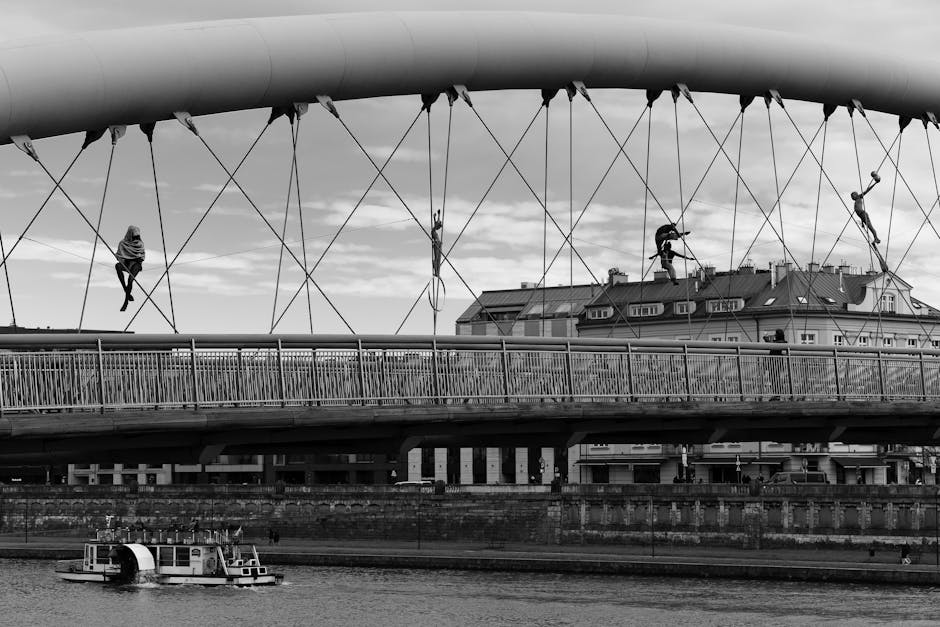
Discover Krakow’s creative soul in Zabłocie, exploring industrial heritage, contemporary art museums, and avant-garde architecture at your own pace.
 Easy
EasyHelsinki, Finland
Discover Helsinki's oldest neighborhood on this self-guided audio walk through Kruununhaka’s historic streets, hidden courtyards, and scenic shores.
 Easy
EasyGothenburg, Sweden
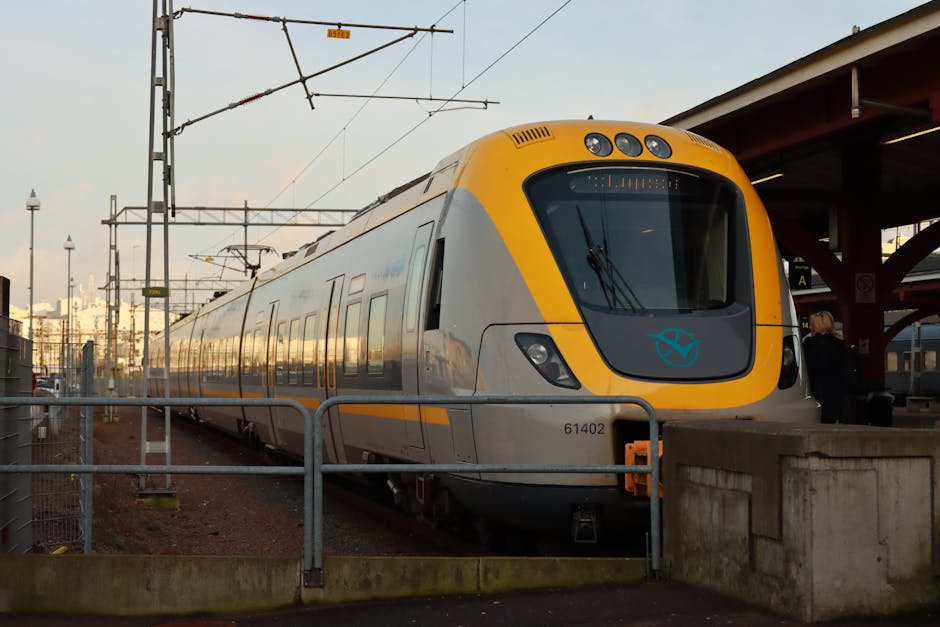
Explore Gothenburg's maritime soul on this self-guided walk from historic shipyards to sleek modern piers and iconic industrial landmarks.
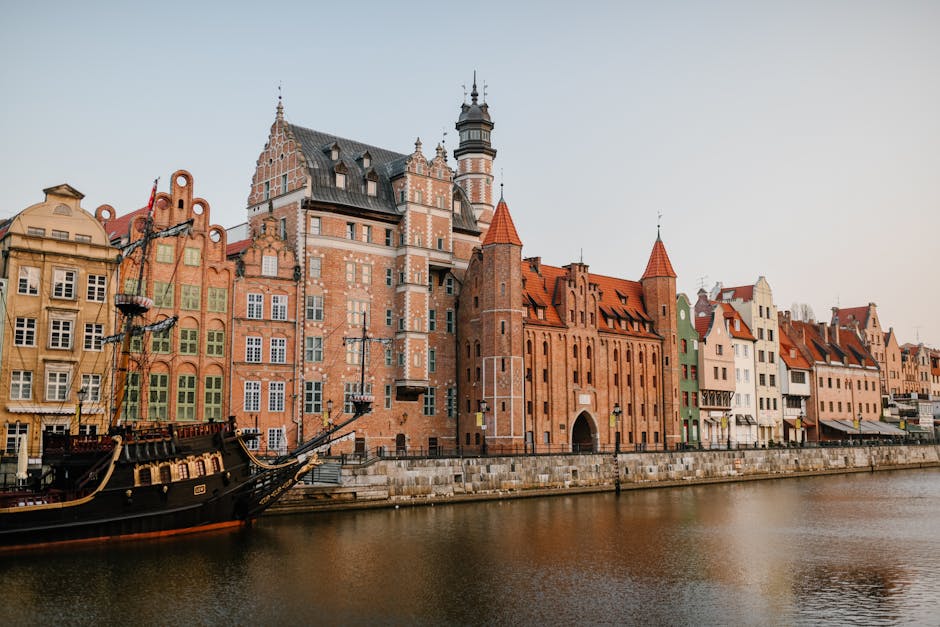 Moderate
Gdansk, Poland
Discover the raw beauty of Gdansk’s Lower Town. Explore industrial ruins, hidden sluices, and riverside bastions on this self-guided walk.
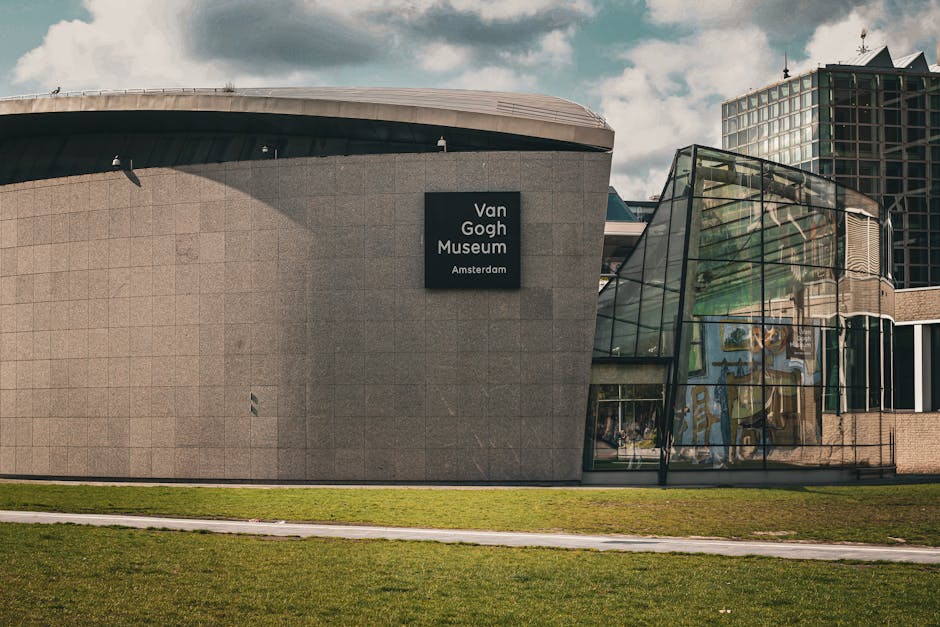 Easy
EasyAmsterdam, Netherlands
Discover Amsterdam's cultural heart on this self-guided walk from the iconic Museumplein to the serene blooming gardens of Vondelpark.
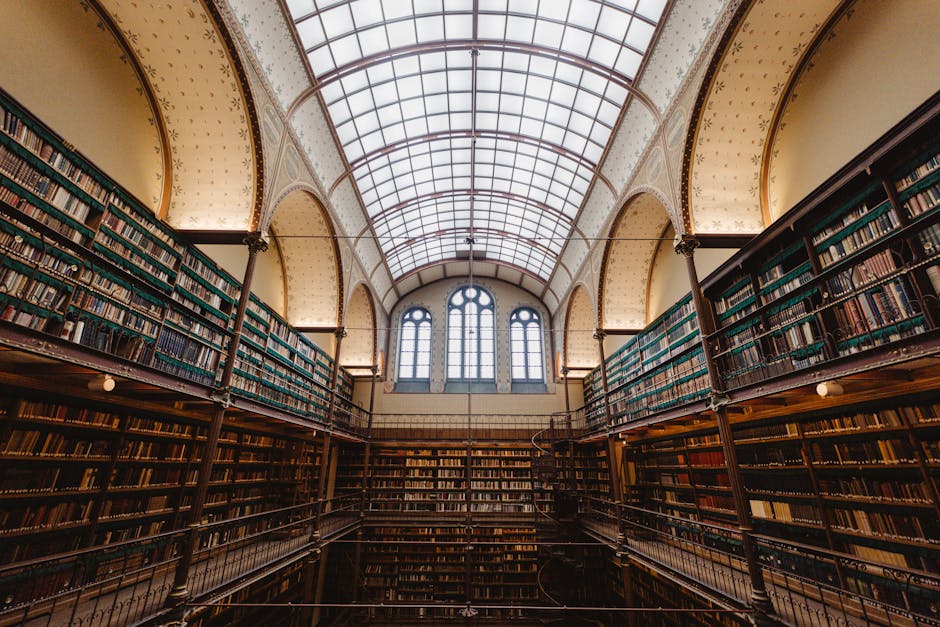 Easy
EasyAmsterdam, Netherlands
Discover Amsterdam's literary heart on this self-guided walk through historic bookshops, writers' haunts, and the homes of revolutionary thinkers.
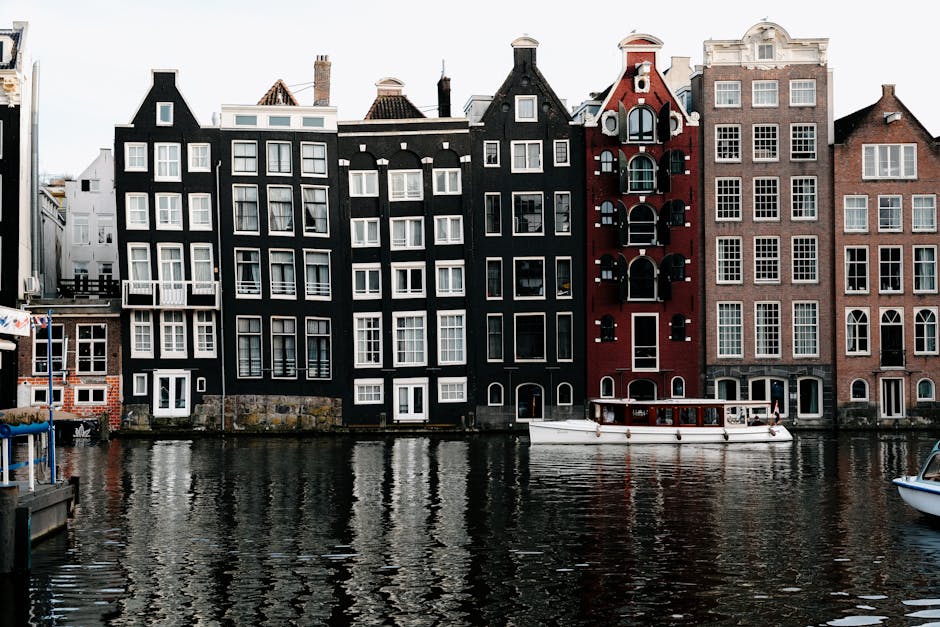 Easy
EasyAmsterdam, Netherlands
Capture the magic of Amsterdam with this self-guided photography walk across the iconic bridges and scenic banks of the Amstel River.
 Easy
EasyAmsterdam, Netherlands
Discover the opulent 17th-century mansions and rich history of Amsterdam's famous Canal Belt on this self-guided architectural walking route.