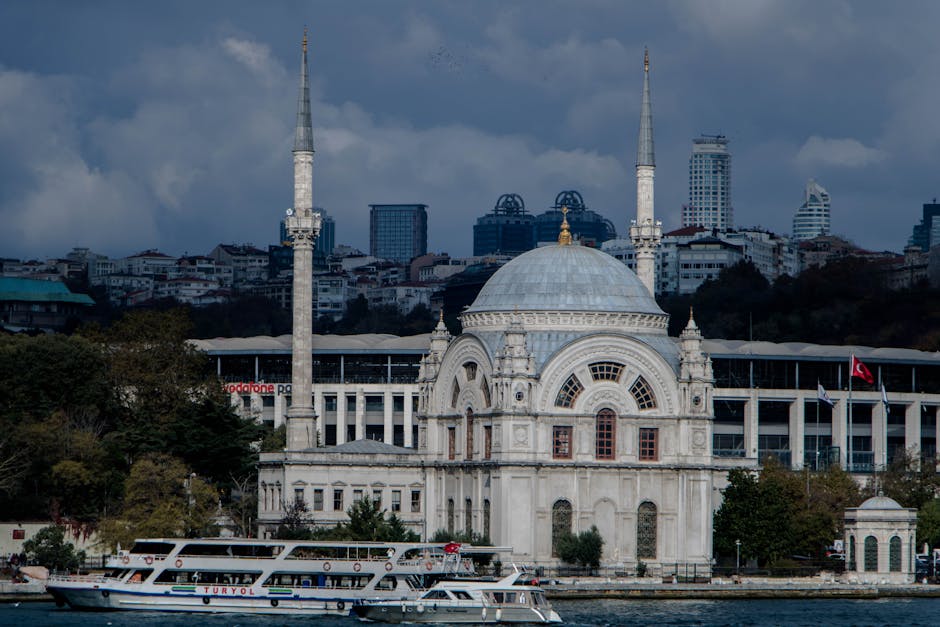
Self-guided audio tour in Istanbul
Start Free on iPhone
Start free on iPhone to unlock this self-guided walking tour in Istanbul. Hear all the stories that make it amazing, walk at your own pace, and begin whenever you want.
Your Private Tour Guide
Step into the epicenter of two of history's greatest empires with this immersive self-guided walk through Sultanahmet. Once the site of the Hippodrome of Constantinople, this neighborhood served as the political and social heart of the Byzantine and Ottoman worlds for over 1,500 years. On this walking route, you will discover how Roman engineering, Byzantine spirituality, and Ottoman grandeur converged to create a skyline unlike any other on earth. This neighborhood stroll allows you to experience the transition from the ancient Roman arena to the spiritual heights of the world's most famous mosques at your own pace. Starting in the vast expanse of Sultanahmet Square, you will walk the same path as ancient chariot racers and powerful emperors. The route highlights the architectural evolution of the city, from the Egyptian Obelisk brought here by Theodosius to the intricate blue tiles of Sultan Ahmed I’s masterpiece. You will explore the legacy of the Nika Riots, the diplomatic gifts of the German Kaiser, and the subterranean wonders that once kept the city’s thirst quenched. The highlight of this independent exploration is the dual presence of the Blue Mosque and the Hagia Sophia, two architectural titans that have faced each other for centuries, representing the shifting tides of faith and power in Istanbul. Whether you are a history enthusiast or an architecture lover, this walking tour Istanbul provides the context needed to understand why this small patch of land was the most coveted real estate in the medieval world. By following this self-guided adventure, you avoid the rigid schedules of a traditional guided tour Istanbul and instead find the freedom to linger under the golden mosaics of the Hagia Sophia or sit by the fountains of the Hippodrome. Prepare to see the layers of the past peel away as you navigate the cobbles of the imperial heart of Byzantium and Rome, discovering hidden stories etched into every stone and spire.
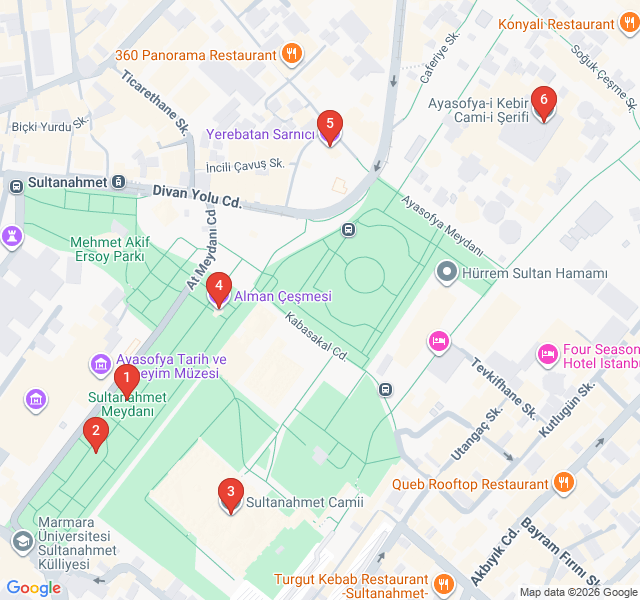
Numbers indicate the order of stops on the tour.
Welcome to the historic heart of Constantinople. Today, this peaceful park hides a chaotic past. In the 4th century, this was the Hippodrome, a massive U-shaped stadium that could hold up to 100,000 spectators. It wasn't just for chariot races; it was the city's social and political nerve center. Here, the 'Blues' and 'Greens'—rival fan factions—would scream for their teams, but also protest against the Emperor. In 532 AD, these protests escalated into the Nika Riots, nearly toppling Emperor Justinian. As you stand here, imagine the roar of the crowd and the thundering hooves of horses circling the central barrier, known as the spina.
Look up at the oldest monument in Istanbul. This Egyptian obelisk was originally carved around 1450 BC for Pharaoh Thutmose III and stood at the Temple of Karnak in Luxor. Emperor Theodosius I brought it here in 390 AD to decorate the spina of the Hippodrome. To transport it, the Romans had to cut it into three pieces, and only the top section survived. Notice the white marble base; it depicts the Emperor and his court watching the games. It is a remarkable testament to ancient engineering that this 3,500-year-old stone has survived earthquakes and wars while remaining perfectly upright.
Dominating the skyline with its unique six minarets is the Sultan Ahmed Mosque, better known as the Blue Mosque. Completed in 1616, it was designed to rival the nearby Hagia Sophia. Sultan Ahmed I was so eager to see it finished that he reportedly worked on the construction himself. The 'blue' nickname comes from the 20,000 handmade Iznik ceramic tiles that decorate the interior, featuring over 50 different tulip designs. Remember that this is an active place of worship; the architecture is designed to draw the eye upward toward the cascading domes, symbolizing the infinite nature of the divine.
At the northern end of the square sits an octagonal domed structure that looks distinctly different from the surrounding Ottoman architecture. This is the German Fountain, a gift from Kaiser Wilhelm II to Sultan Abdulhamid II to commemorate his second visit to the city in 1898. Built in Germany and shipped piece by piece to Istanbul, its style is Neo-Byzantine. Peek inside the dome to see the golden mosaics, which feature the monograms of the Sultan and the Kaiser side-by-side, symbolizing the strategic alliance between the German and Ottoman Empires leading into the early 20th century.
Descend beneath the city streets into the 'Sunken Palace.' This subterranean reservoir was built by Emperor Justinian in 532 AD to provide water for the Great Palace of Constantinople. It can hold 80,000 cubic meters of water, supported by a forest of 336 marble columns. Many of these columns were recycled from older Roman temples, which explains why they don't all match. The most famous features are the two Medusa head bases at the far corner, one turned sideways and one upside down. Their origin remains a mystery, though historians believe they were placed this way to neutralize the Gorgon's petrifying gaze.
You are standing before one of the most significant buildings in human history. For nearly a thousand years, the Hagia Sophia was the largest cathedral in the world. Built in just six years by Emperor Justinian, its massive dome was considered an architectural miracle that seemed to hang from the heavens. After the Ottoman conquest in 1453, it was converted into a mosque, with minarets and Islamic calligraphy added to its Byzantine mosaics. Having served as a museum for much of the 20th century, it is now a mosque again. It remains a powerful symbol of the layers of faith and history that define Istanbul.
Start Free on iPhone
Explore “Sultanahmet: The Imperial Heart of Byzantium and Rome” with your very own Private Tour Guide with Zigway. Start free on iPhone, skip the large group and the fixed routes, and hear the city come alive as you go.
Your Private Tour Guide
Don't miss the good stuff
Explore Freely
 Easy
EasyIstanbul, Turkey
Explore the Bosphorus waterfront from Beşiktaş to Ortaköy. Discover imperial palaces, vibrant markets, and iconic mosques at your own pace.
 Moderate
Istanbul, Turkey
Explore the vibrant colors and deep history of Fener and Balat on this self-guided audio walk through Istanbul's most photogenic neighborhoods.
 Easy
EasyIstanbul, Turkey
Discover the flavors of Istanbul's Asian side on this self-guided walk through the vibrant markets and historic eateries of Kadıköy.
 Moderate
Istanbul, Turkey
Discover hidden courtyards, artisan workshops, and the sensory magic of Istanbul's historic markets on this immersive self-guided walking route.
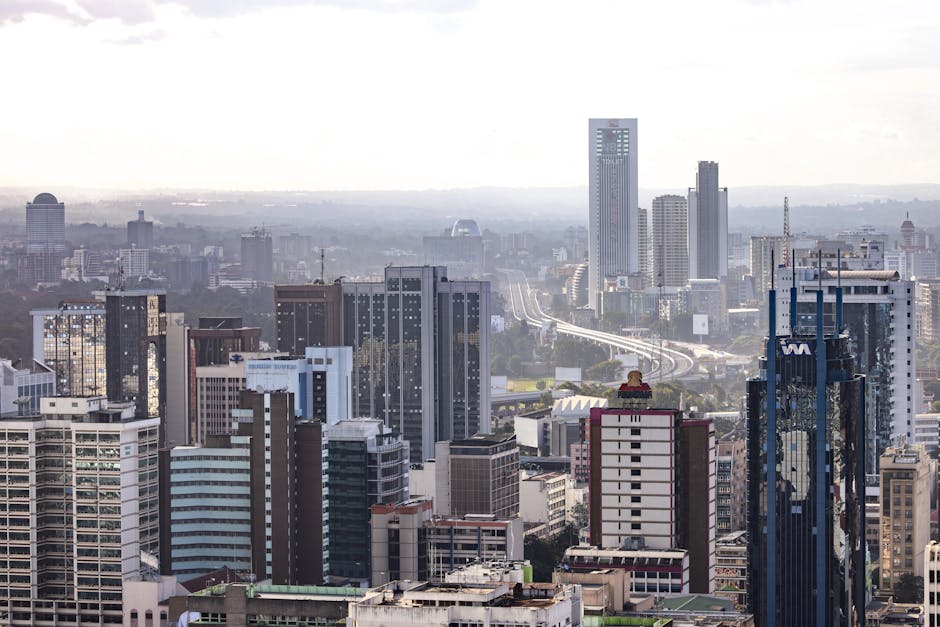 Easy
EasyNairobi, Kenya
Explore Nairobi's architectural evolution from colonial-era landmarks to iconic Brutalist skyscrapers on this historic self-guided walking route.
 Easy
EasyNairobi, Kenya
Discover Nairobi's iconic skyline on this self-guided architecture walk through the CBD’s most famous modernist and Brutalist landmarks.
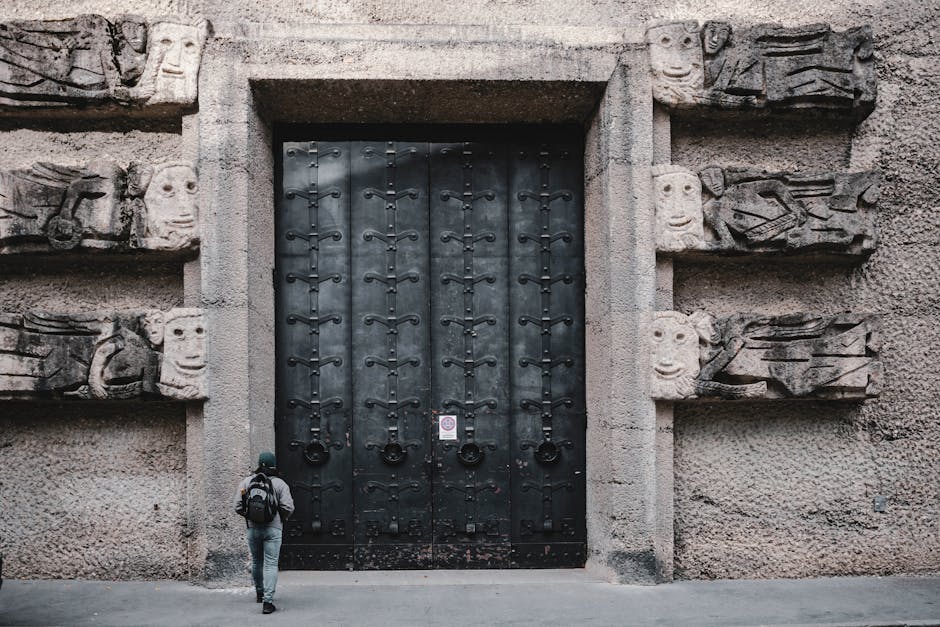 Easy
EasySalzburg, Austria
Discover the 'Rome of the North' on this self-guided walk through the Baroque squares and monumental legacy of Salzburg’s Prince-Archbishops.
 Easy
EasyKrakow, Poland
Explore the historic heart of Kazimierz on this self-guided walk through synagogues, ancient cemeteries, and vibrant squares.
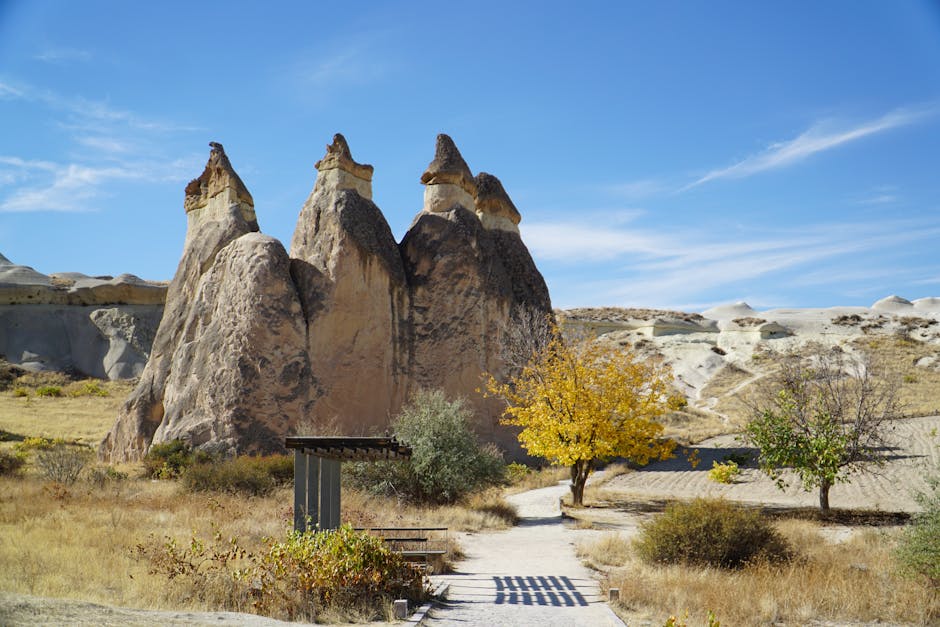 Moderate
Cappadocia, Turkey
Explore the surreal landscapes and ancient dovecotes of Pigeon Valley on this scenic self-guided walk between Göreme and Uçhisar.
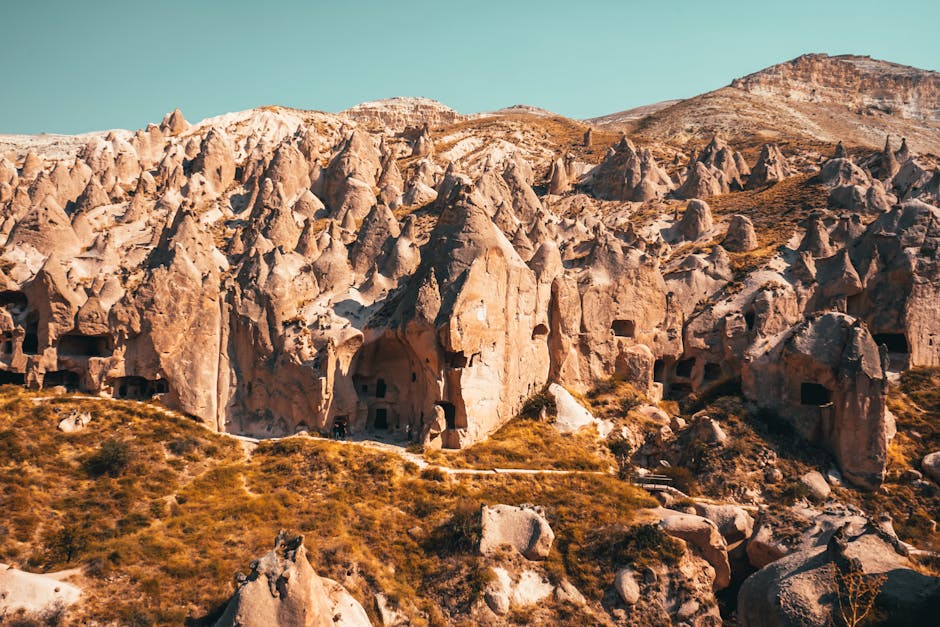 Moderate
Cappadocia, Turkey
Explore Ortahisar’s towering rock castle, ancient cave monasteries, and authentic village life on this self-guided walk through Cappadocia.
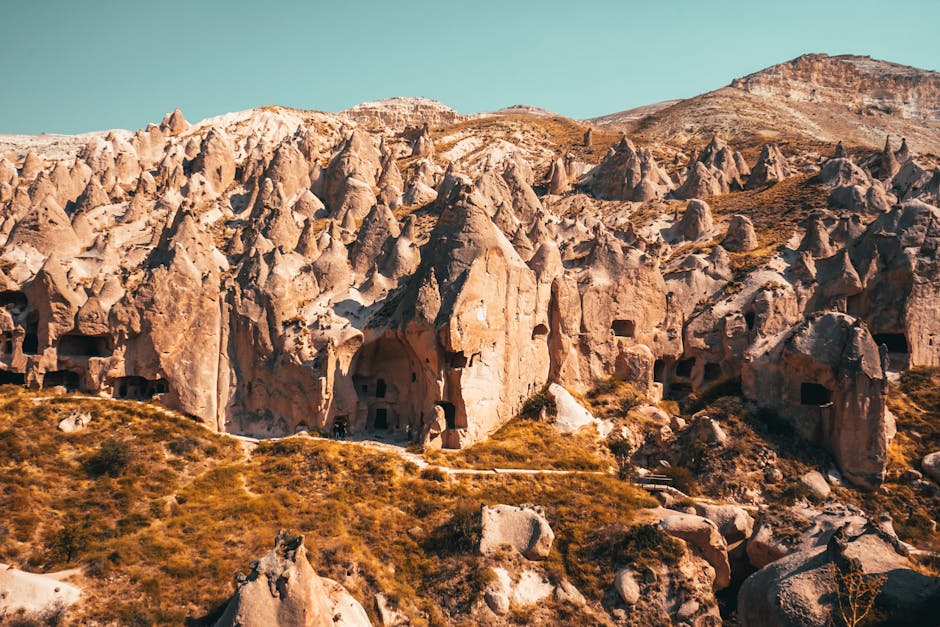 Easy
EasyCappadocia, Turkey
Explore Ürgüp’s elegant stone mansions, famous fairy chimneys, and rich wine heritage on this self-guided neighborhood stroll through Cappadocia.
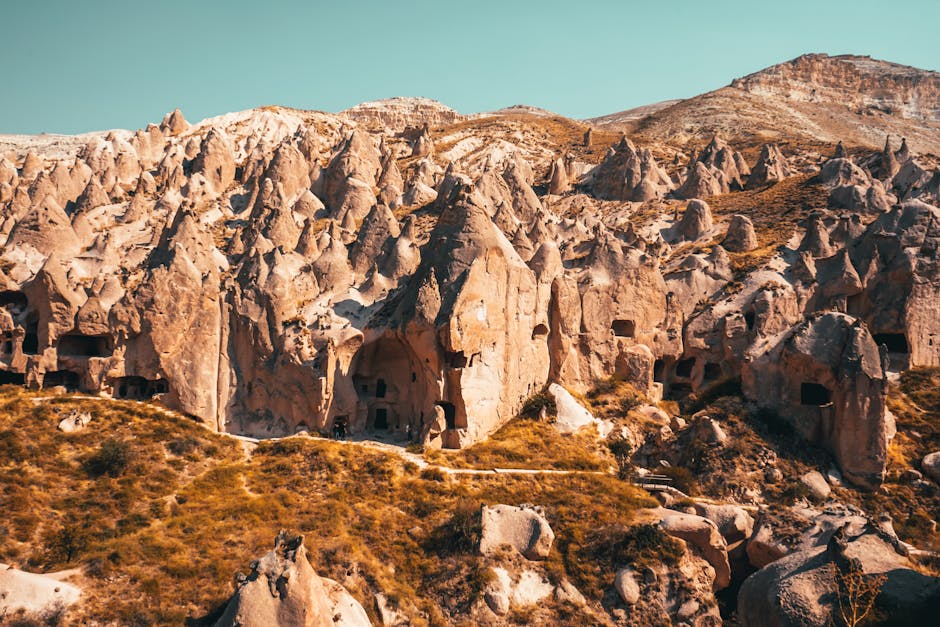 Moderate
Cappadocia, Turkey
Explore abandoned rock-cut homes and ancient Byzantine churches in Cappadocia’s haunting ghost village on this self-guided audio walk.