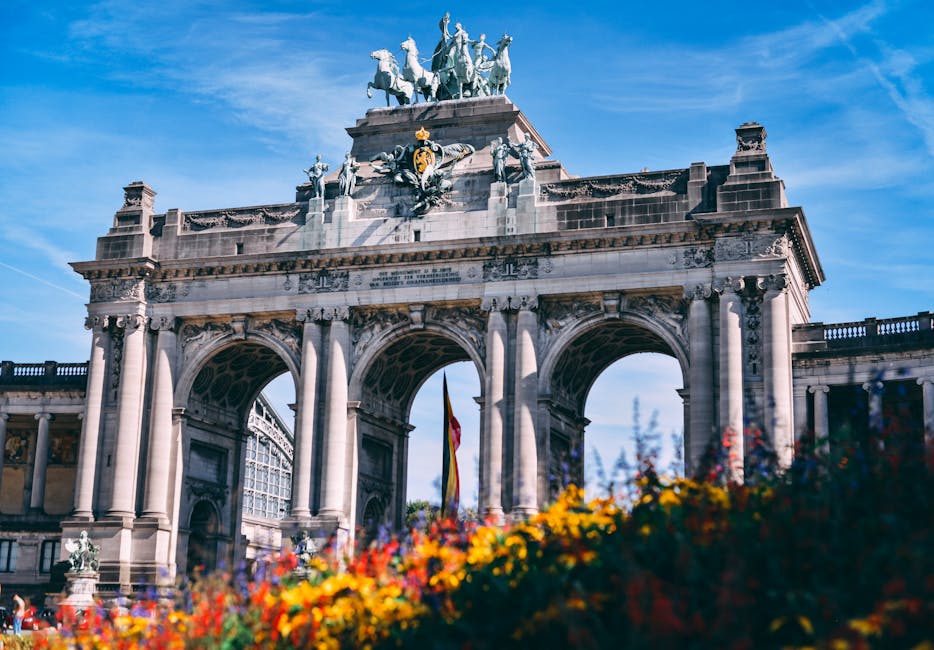
Self-guided audio tour in Brussels
Start Free on iPhone
Start free on iPhone to unlock this self-guided walking tour in Brussels. Hear all the stories that make it amazing, walk at your own pace, and begin whenever you want.
Your Private Tour Guide
Perched on the Koudenberg hill, the Royal Quarter of Brussels offers a majestic journey through the city's aristocratic past and its vibrant cultural present. This self-guided walk invites you to explore the 'Upper Town,' a district defined by neoclassical elegance, sprawling parklands, and some of the most impressive panoramic views in Europe. Unlike the medieval labyrinth of the Grand Place below, this neighborhood stroll reveals the grand ambitions of the Belgian monarchy and the Enlightenment-era architects who reshaped the city. Your walking route begins at the stunning Old England building, an Art Nouveau masterpiece that houses the Musical Instruments Museum, before leading you through the symmetrical perfection of the Place Royale. This area serves as a living museum of Belgian history, where you can stand above the hidden ruins of the ancient Coudenberg Palace, once the seat of power for emperors like Charles V. As you follow this independent walking route, you will encounter the official administrative residence of the Belgian King at the Royal Palace. The scale of the architecture here reflects the wealth of the 19th-century Belgian state. Beyond the stone facades, the journey takes you to the Mont des Arts, or 'Hill of the Arts.' This urban garden provides a transition between the upper and lower cities, offering a world-famous view of the Town Hall spire framed by manicured hedges. This photography-focused experience is perfect for those who want to capture the essence of Brussels without the constraints of a group schedule. The walk concludes in the serene Parc de Bruxelles, a former royal hunting ground that now serves as the city's green lung. Throughout this travel experience, you will discover how Brussels evolved from a fortified medieval stronghold into a modern European capital, all while enjoying the freedom of a self-guided adventure at your own pace.
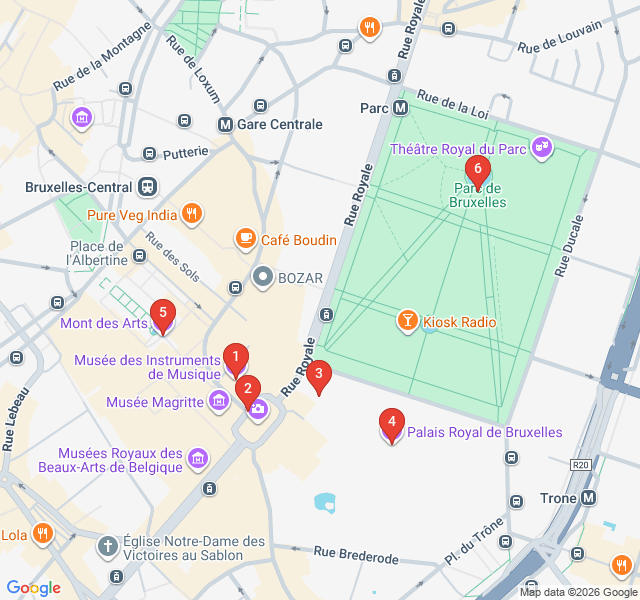
Numbers indicate the order of stops on the tour.
Start your journey at one of the most beautiful buildings in Brussels: the Old England. Originally a department store built in 1899, this structure is a premier example of Art Nouveau architecture, featuring intricate wrought iron and sweeping glass windows designed by Paul Saintenoy. Today, it houses the Musical Instruments Museum, or MIM. While the collection inside is world-class, the building itself tells the story of 'Brussels 1900,' a time when the city was a global center for avant-garde design. Look up at the turret and notice how the industrial materials of iron and steel were used to create organic, floral shapes. This site marks the transition from the old medieval city to the modern, artistic capital.
Step into the center of the Place Royale, a square that exudes Enlightenment-era order. Built between 1775 and 1782, this neoclassical square was designed to be perfectly symmetrical, replacing the ruins of the old palace that burned down decades earlier. In the center stands the statue of Godfrey of Bouillon, the leader of the First Crusade, perched heroically on his horse. The uniform white facades surrounding you house important institutions like the Magritte Museum and the Church of Saint Jacques-sur-Coudenberg. This square was modeled after the royal squares of Paris, signaling Brussels' desire to be seen as a major European power during the Austrian Habsburg rule.
Beneath the modern pavement of the Place Royale lies a hidden world. The Coudenberg Palace was once one of the most beautiful residences in Europe, the seat of the Dukes of Burgundy and later Emperor Charles V. In 1731, a devastating fire destroyed much of the complex, and rather than rebuilding it, the ruins were leveled and buried to create the square you see today. It wasn't until the late 20th century that excavations revealed the vaulted cellars and the Rue Isabeau, a medieval street that now sits underground. This site serves as a reminder that the royal history of Brussels is layered, with centuries of power buried right beneath your feet.
Facing the Parc de Bruxelles stands the Royal Palace, the official administrative residence of the King of the Belgians. While the King actually lives in the Royal Domain of Laeken, this palace is where he exercises his duties as Head of State. The facade you see today is actually newer than it looks; it was significantly lengthened and redesigned during the reign of King Leopold II at the turn of the 20th century to give it a more 'imperial' scale. If the Belgian flag is flying from the roof, it means the King is currently in the country. The palace represents the Belgian monarchy's role in a modern democracy, standing directly opposite the Parliament building at the other end of the park.
Walk toward the Mont des Arts, or 'Hill of the Arts,' for the most iconic view in Brussels. This site was once a densely populated neighborhood, but King Leopold II ordered its demolition to create a cultural district. The current garden was designed in the 1950s for the World Expo. From the elevated terrace, you can see the spire of the Town Hall in the Grand Place, and on a clear day, the Atomium far in the distance. Listen for the carillon in the clock tower nearby, which plays traditional Belgian folk tunes. This spot perfectly captures the 'dual-level' nature of Brussels, bridging the gap between the royal upper town and the commercial lower town.
Conclude your walk in the Parc de Bruxelles, also known as the Warandepark. This was originally the hunting grounds for the Dukes of Brabant. Today, it is a masterclass in urban landscape design, featuring a layout that some claim is filled with Masonic symbolism, with paths forming the shape of a compass. The park is flanked by the Royal Palace on one side and the Belgian Parliament on the other, symbolizing the balance of power. As you walk through the shaded avenues, notice the many statues and the central fountain, which provides a peaceful escape from the city's bustle. It is the perfect place to reflect on the royal history you have explored.
Start Free on iPhone
Explore “Royal Brussels and Mont des Arts Views” with your very own Private Tour Guide with Zigway. Start free on iPhone, skip the large group and the fixed routes, and hear the city come alive as you go.
Your Private Tour Guide
Don't miss the good stuff
Explore Freely
 Easy
EasyBrussels, Belgium
Discover the colorful world of Belgian comics on this independent walking route through the creative streets and murals of central Brussels.
 Moderate
Brussels, Belgium
Explore Brussels' industrial heart and artistic rebirth on this self-guided walk through Molenbeek and the Canal district's iconic landmarks.
 Moderate
Brussels, Belgium
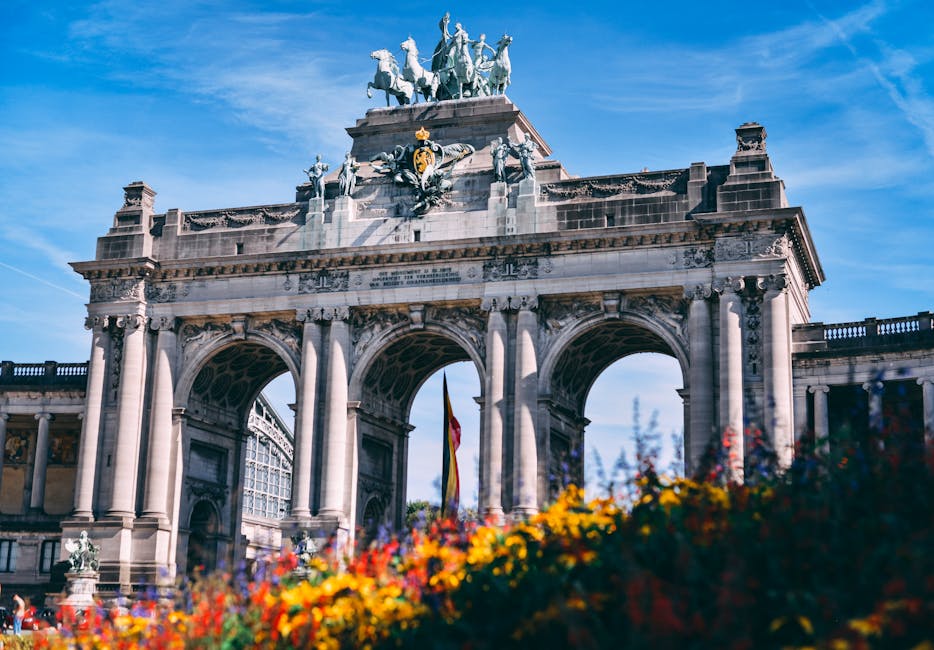
Discover Brussels' Art Nouveau masterpieces at your own pace, from Victor Horta's UNESCO sites to the flamboyant Maison Saint-Cyr.
 Easy
EasyBrussels, Belgium
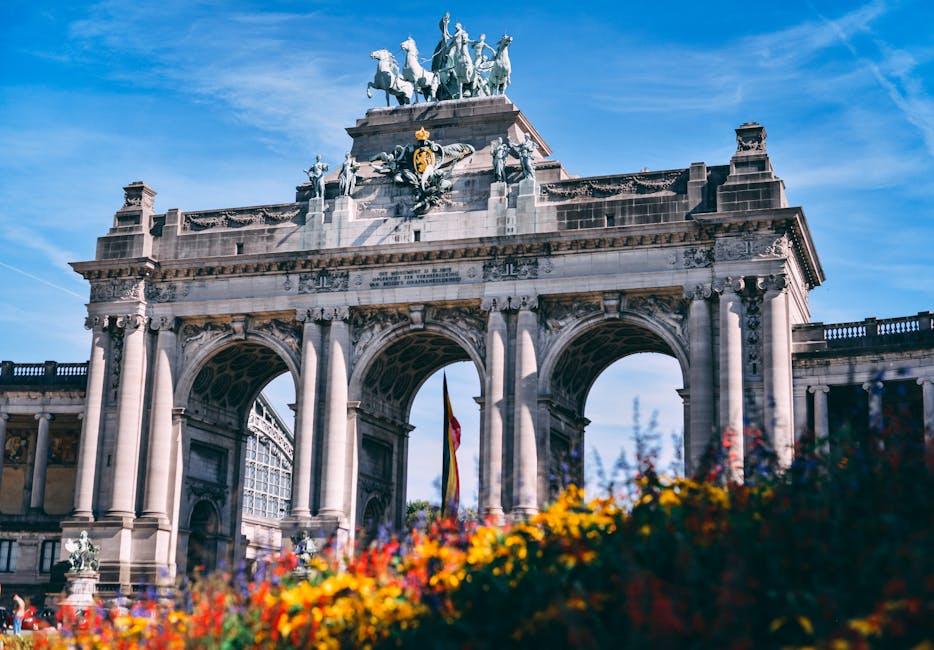
Discover Brussels' maritime history and culinary gems on this self-guided walk from the historic Bourse to the trendy quays of Sainte-Catherine.
 Easy
EasyGdansk, Poland
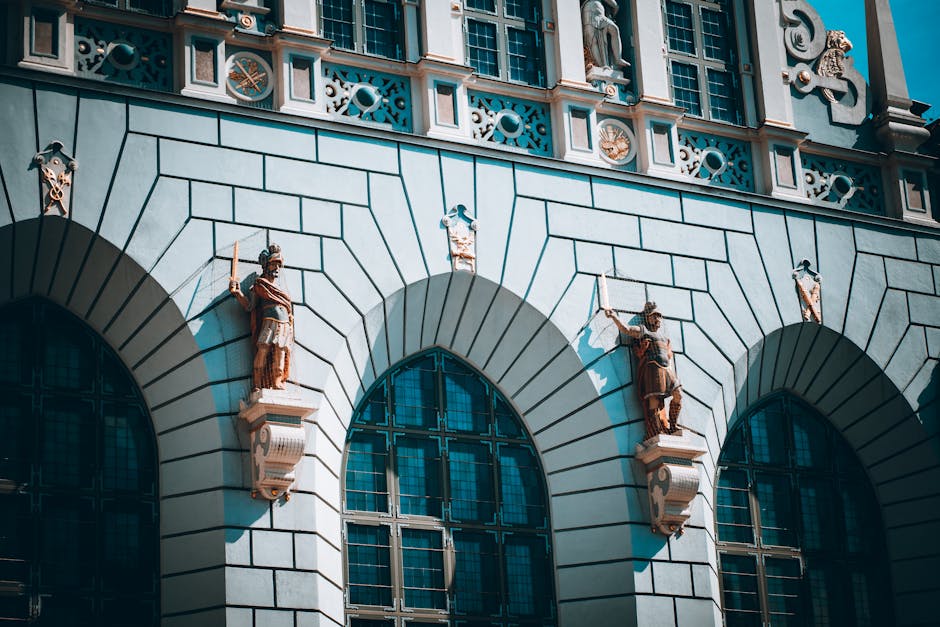
Discover the opulent Royal Way of Gdansk at your own pace. Explore Hanseatic history, gilded architecture, and the iconic Neptune's Fountain.
 Easy
EasyWarsaw, Poland
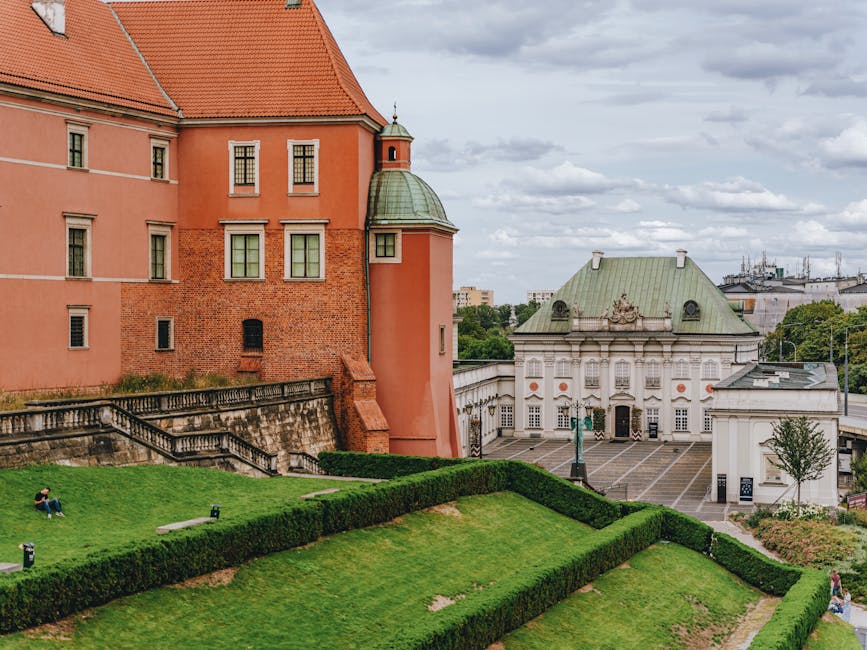
Explore the miracle of Warsaw's reconstructed Old Town on this self-guided walk through royal squares, medieval walls, and heroic monuments.
 Easy
EasyNairobi, Kenya
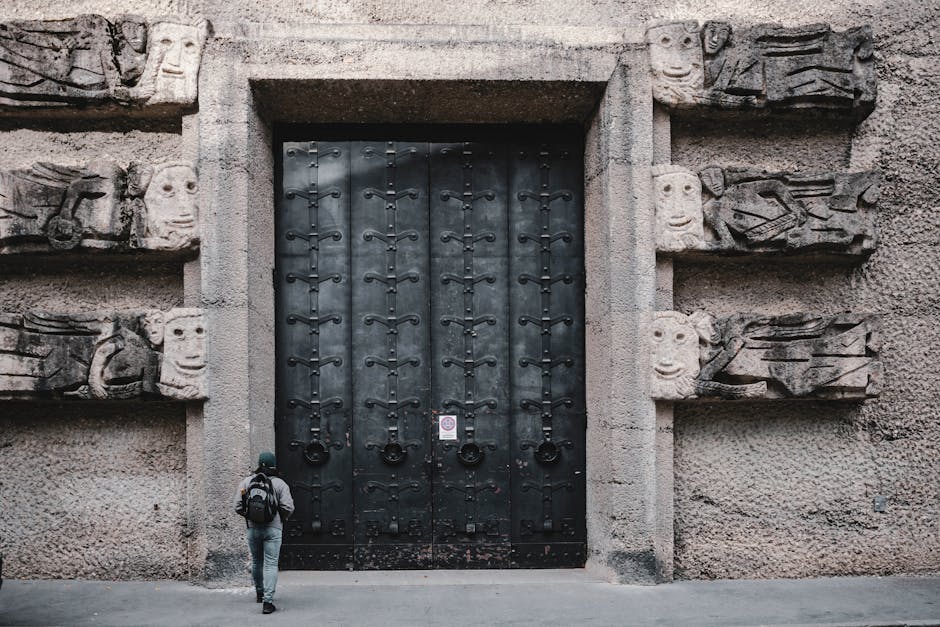
Discover Nairobi's iconic skyline on this self-guided architecture walk through the CBD’s most famous modernist and Brutalist landmarks.
 Easy
EasySalzburg, Austria
Discover the 'Rome of the North' on this self-guided walk through the Baroque squares and monumental legacy of Salzburg’s Prince-Archbishops.
 Easy
EasyBruges, Belgium
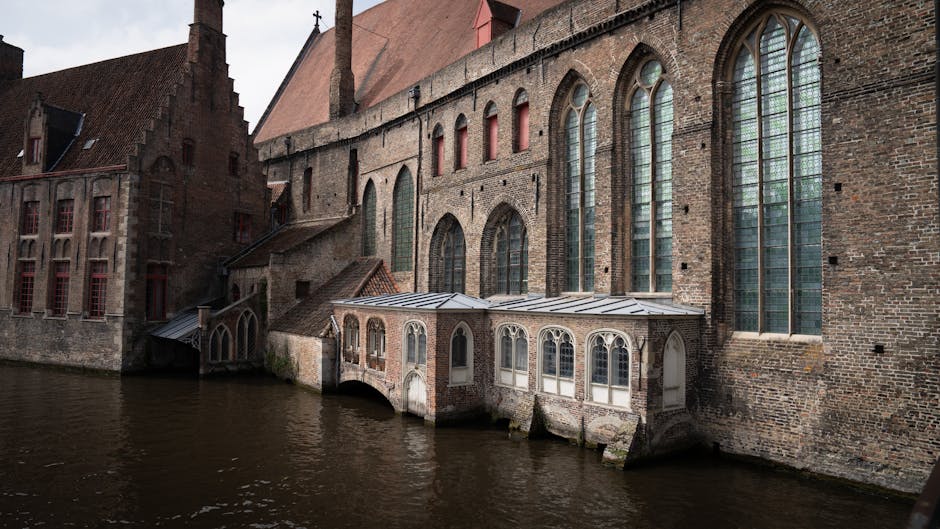
Discover the most iconic canal views in Bruges on this scenic self-guided audio walk through the historic "Venice of the North".
 Easy
EasyBruges, Belgium
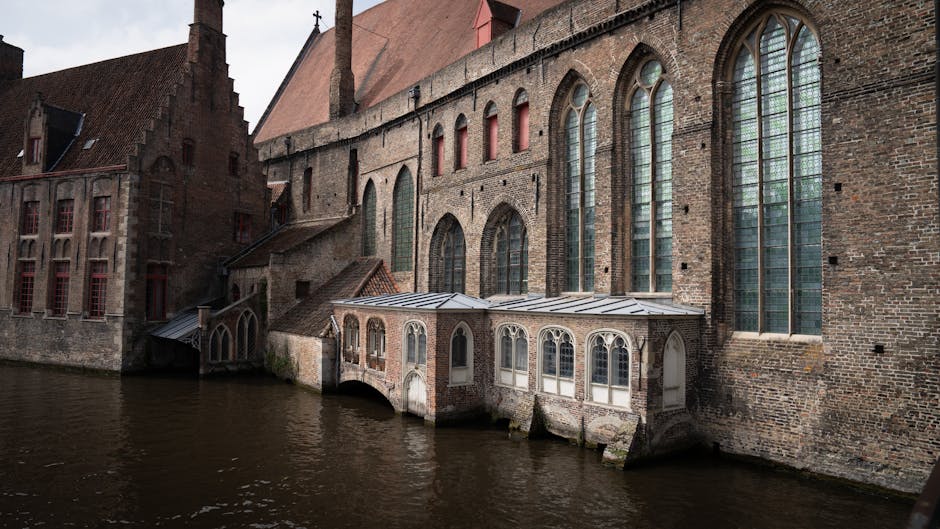
Discover the tranquil almshouses and hidden courtyards of Bruges on this peaceful self-guided audio walk through the historic St. Anna district.
 Moderate
Bruges, Belgium
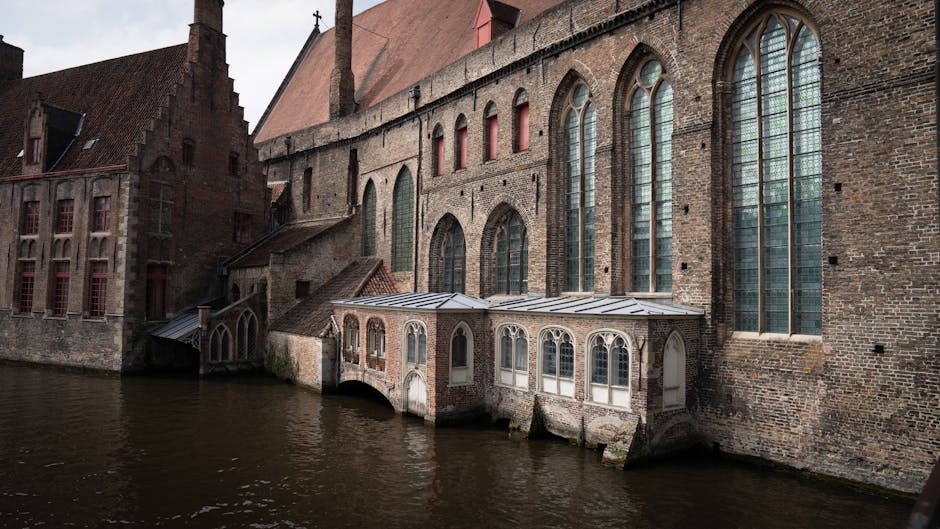
Discover the artistic soul of Bruges, from world-class Flemish Primitive paintings to the delicate traditions of handmade lace in the St. Anna district.
 Easy
EasyBruges, Belgium
Discover the artisanal secrets of Bruges' world-class chocolatiers on this delicious self-guided walking route through the medieval center.