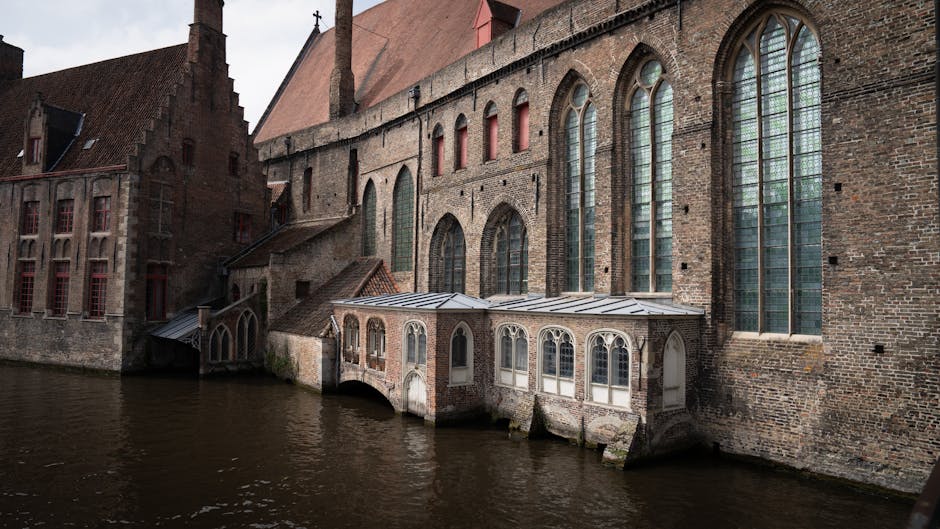
Self-guided audio tour in Bruges
Start Free on iPhone
Start free on iPhone to unlock this self-guided walking tour in Bruges. Hear all the stories that make it amazing, walk at your own pace, and begin whenever you want.
Your Private Tour Guide
Step away from the bustling chocolate shops and crowded market squares of Bruges to discover a world of profound stillness. This self-guided walk invites you into the 'Godshuizen'—the historic almshouses that remain some of the city's most cherished secrets. These whitewashed cottages and emerald-green courtyards offer a glimpse into a medieval social security system fueled by faith and philanthropy. As you navigate the cobblestone lanes of the St. Anna district and beyond, you will find yourself in spaces where time seems to have slowed to a crawl. This neighborhood stroll is designed for those who seek the 'Silent Bruges,' away from the typical tourist trail. You will explore the architectural charm of the 17th-century Godshuis De Pelikaan, where the symbol of the pelican tells a story of ultimate sacrifice. Moving through the city, the route leads you to the clustered almshouses near the Boeveriestraat, including the venerable De Vos and De Meulenaere. Each courtyard has its own character, often centered around a small chapel where residents once prayed for the souls of their benefactors. The journey culminates at the UNESCO-listed Beguinage 'Ten Wijngaerde.' Founded in the 13th century, this 'city within a city' was once home to the Beguines—lay religious women who lived lives of service and contemplation. Today, the white-fronted houses and tall poplar trees create an atmosphere of ethereal peace. Finally, you will reach the Minnewater, or the 'Lake of Love,' a place of romantic legends and scenic vistas that provides a perfect conclusion to your independent exploration. This route is not just about seeing old buildings; it is about experiencing the quiet pulse of a city that has preserved its medieval soul. Whether you are a solo traveler looking for reflection or a couple seeking a romantic escape, this walking route offers a unique perspective on the heritage of Flanders. Unlike a standard walking tour Bruges offers, this experience allows you to linger in the silence of the courtyards as long as you wish, absorbing the history at your own pace.
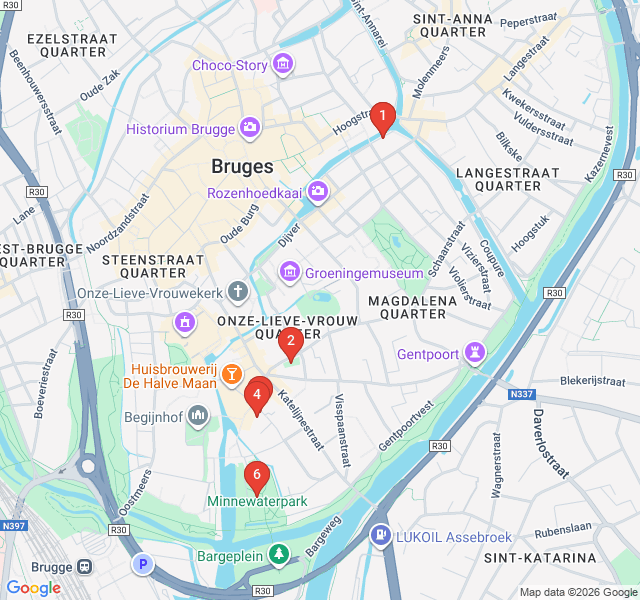
Numbers indicate the order of stops on the tour.
Founded in 1708 by the widow of a merchant, this almshouse is a quintessential example of Bruges' charitable heritage. The name 'De Pelikaan' refers to the stone relief above the entrance depicting a pelican feeding its young with its own blood—a powerful Christian symbol of sacrifice and charity. As you enter the small, rectangular courtyard, you will notice the uniform white-painted houses that once provided shelter for seven elderly women. The atmosphere here is one of deep tranquility, preserved by the residents who still live in these historic homes today. It is important to maintain silence to respect their privacy while admiring the well-tended garden and the small chapel that stands as a testament to the religious devotion of the founders.
Tucked away on Nieuwestraat, Godshuis De Meulenaere dates back to 1613. It was established by the De Meulenaere family to house 24 elderly women, making it one of the larger complexes of its kind. The architecture reflects the traditional Flemish style, with stepped gables and a central courtyard that serves as a communal green space. This particular godshuis is known for its beautiful inner garden, which often bursts with color in the spring and summer. Walking through the arched entrance feels like stepping back four centuries. The residents here were historically expected to pray for the souls of the benefactors in the onsite chapel, a common arrangement that ensured the wealthy donors a place in heaven while providing social care for the poor.
Founded in 1480 by Christiaan de Vos, this is one of the oldest almshouses in Bruges. Located on the Noordstraat, it originally offered housing to poor people from the cloth-making industry. The layout is typical of the medieval era, with small, low-slung dwellings surrounding a central courtyard. Unlike the more uniform 17th-century designs, De Vos has an organic, aged feel to its masonry and rooflines. The sense of history here is palpable; for over five hundred years, this space has served as a sanctuary. It highlights the long-standing tradition of private philanthropy in Bruges, which predated modern social welfare by centuries. The garden remains a quiet oasis, often overlooked by those sticking to the main thoroughfares.
Located immediately adjacent to De Vos, Godshuis Van Volden was established in 1614. It was intended for elderly men, a distinction from many other houses that were reserved for widows or single women. The complex features a more structured, Renaissance-influenced design compared to its older neighbor. The houses are arranged around a large, rectangular garden that feels remarkably spacious for being in the heart of the city. The uniformity of the facades and the presence of the 17th-century chapel create a sense of order and peace. This site illustrates how different charitable foundations often clustered together, creating entire blocks dedicated to the care of the elderly and the preservation of the donors' legacies.
The Beguinage 'Ten Wijngaerde' is perhaps the most iconic site of silence in Bruges. Founded in 1245 by Margaret of Constantinople, Countess of Flanders, it was home to the Beguines—women who led lives of religious devotion without taking perpetual vows. The current architecture, with its striking white-painted facades and high-pitched roofs, dates mostly from the 17th and 18th centuries. As you walk through the monumental gateway, the noise of the city fades instantly. The central green space, shaded by soaring poplar trees that lean with the wind, is particularly stunning in spring when it is carpeted with wild daffodils. Today, the Beguinage is occupied by sisters of the Order of St. Benedict, maintaining the site's centuries-old tradition of quiet contemplation.
Your journey concludes at Minnewater Park, home to the famous 'Lake of Love.' This scenic area was once a busy harbor where ships docked to unload goods for the city's thriving markets. Today, it is a place of legend and romance. According to local folklore, the lake is named after Minna, a young woman who died in the arms of her lover, Stromberg, after escaping an arranged marriage. The lake's calm waters, the elegant bridge, and the surrounding parkland offer some of the most photographed views in Bruges. It is a perfect spot to sit and reflect on the hidden layers of history you have uncovered. The nearby 'Poertoren' or gunpowder tower serves as a reminder of the city's medieval defenses.
Start Free on iPhone
Explore “Silent Bruges: Secret Courtyards and Almshouses” with your very own Private Tour Guide with Zigway. Start free on iPhone, skip the large group and the fixed routes, and hear the city come alive as you go.
Your Private Tour Guide
Don't miss the good stuff
Explore Freely
 Easy
EasyBruges, Belgium
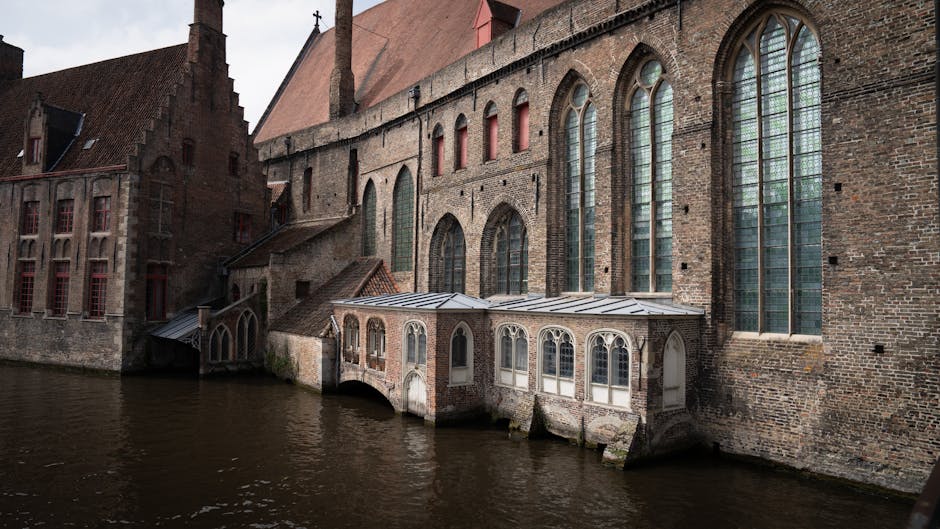
Discover the most iconic canal views in Bruges on this scenic self-guided audio walk through the historic "Venice of the North".
 Moderate
Bruges, Belgium
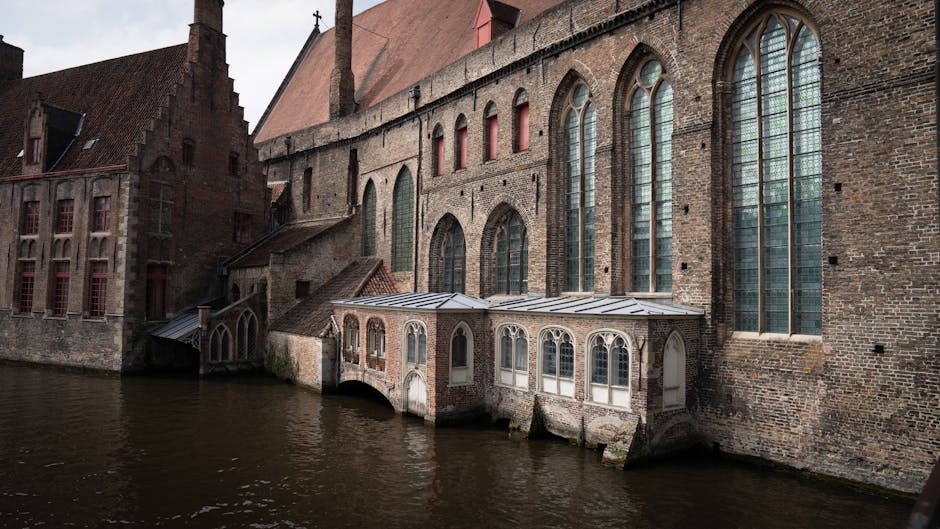
Discover the artistic soul of Bruges, from world-class Flemish Primitive paintings to the delicate traditions of handmade lace in the St. Anna district.
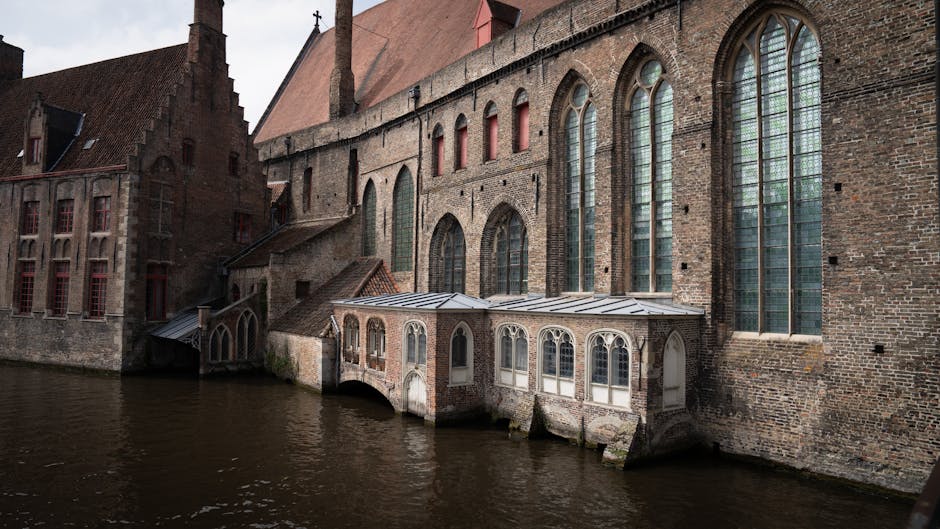 Easy
EasyBruges, Belgium
Discover the artisanal secrets of Bruges' world-class chocolatiers on this delicious self-guided walking route through the medieval center.
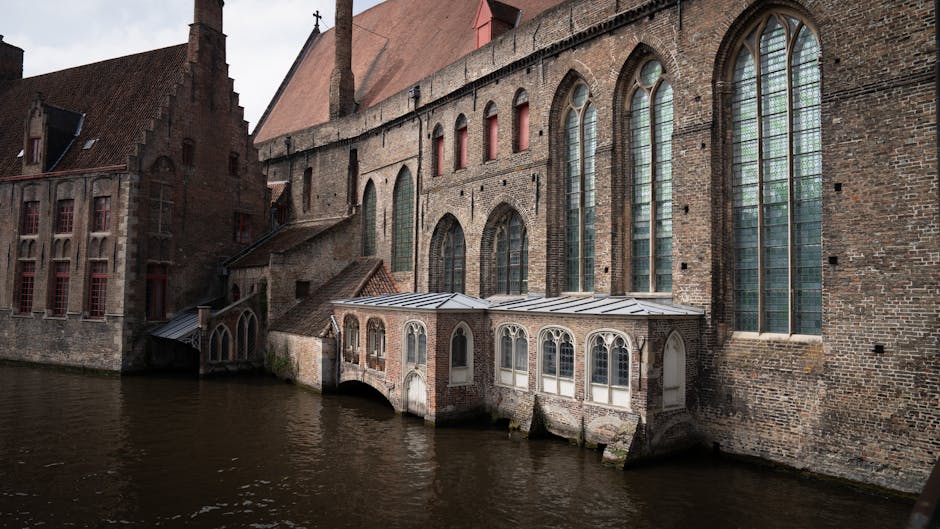 Moderate
Bruges, Belgium
Discover the medieval gates and historic windmills of Bruges on this peaceful self-guided walk along the city's lush green ramparts.
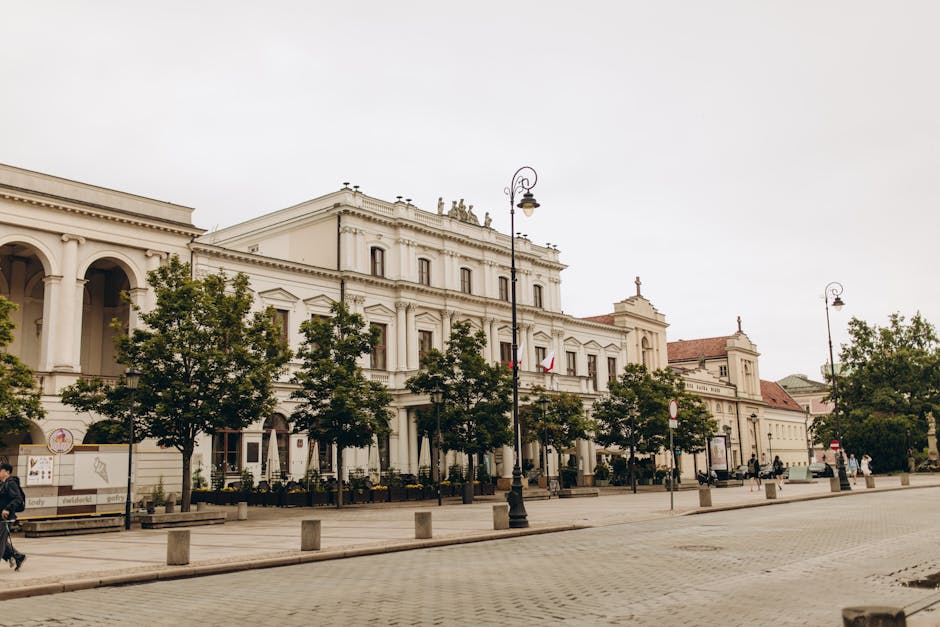 Easy
EasyWarsaw, Poland
Discover Warsaw's intellectual heart through historic campuses, peaceful parks, and the stunning rooftop gardens of the University Library.
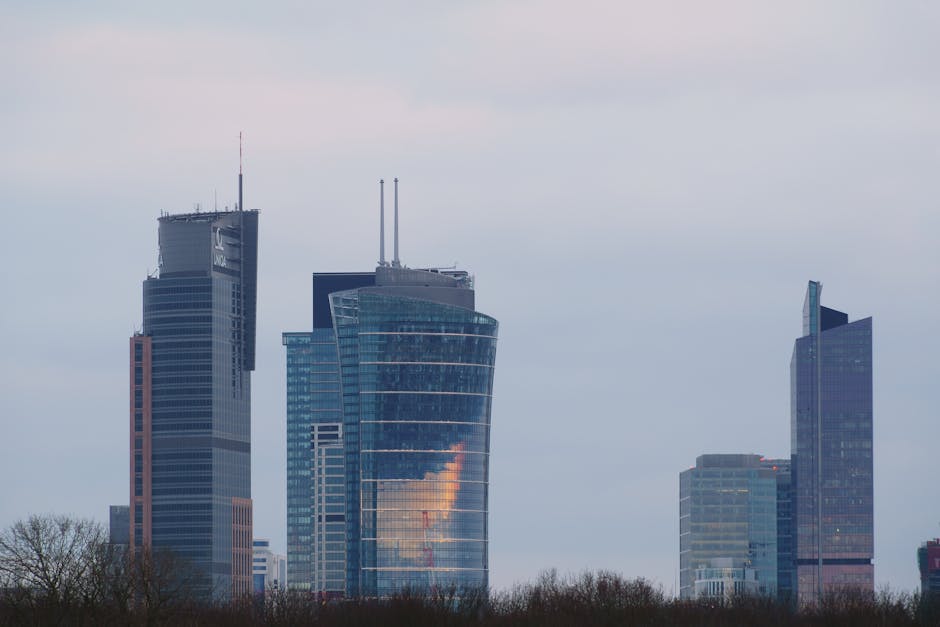 Easy
EasyWarsaw, Poland
Discover the hidden courtyards and grand pre-war architecture of Warsaw's most atmospheric neighborhood on this self-guided stroll.
 Easy
EasySalzburg, Austria
Discover Salzburg's oldest medieval alley, the birthplace of the 'Silent Night' author, and breathtaking views on this quiet self-guided walk.
 Easy
EasyNairobi, Kenya
Explore Nairobi's architectural evolution from colonial-era landmarks to iconic Brutalist skyscrapers on this historic self-guided walking route.
 Easy
EasyBrussels, Belgium
Discover the colorful world of Belgian comics on this independent walking route through the creative streets and murals of central Brussels.
 Moderate
Brussels, Belgium
Explore the majestic Royal Quarter, from Art Nouveau gems to the King's Palace and the iconic views of Mont des Arts on this self-guided walk.
 Moderate
Brussels, Belgium
Explore Brussels' industrial heart and artistic rebirth on this self-guided walk through Molenbeek and the Canal district's iconic landmarks.
 Moderate
Brussels, Belgium
Discover Brussels' Art Nouveau masterpieces at your own pace, from Victor Horta's UNESCO sites to the flamboyant Maison Saint-Cyr.