Self-guided audio tour in Paris
Start Free on iPhone
Start free on iPhone to unlock this self-guided walking tour in Paris. Hear all the stories that make it amazing, walk at your own pace, and begin whenever you want.
Your Private Tour Guide
Step away from the bustling modern boulevards and into the refined elegance of the 19th century with this self-guided walk through the hidden passages of Paris. Long before the advent of the modern shopping mall, these glass-roofed arcades provided a sanctuary for the city's elite, offering a clean, dry, and luxurious space to shop and socialize away from the muddy, horse-drawn traffic of the unpaved streets. This walking route invites you to discover the architectural elegance and secret history of the Grands Boulevards neighborhood at your own pace, moving through some of the city's most beautifully preserved secrets. Beginning at the serene Jardin du Palais Royal, a former royal residence with a scandalous past, you will explore a series of interconnected corridors that showcase the evolution of Parisian architecture. From the opulent neoclassical mosaics of Galerie Vivienne to the industrial iron-and-glass innovations of Passage Jouffroy, each stop tells a story of a city in transition during the Industrial Revolution. These 'passages couverts' are more than just shortcuts; they are time capsules filled with old-world bookstores, boutique shops, and charming bistros that feel miles away from the nearby Louvre. As you follow this neighborhood stroll, you will see how these passages paved the way for the grand department stores of today. Highlights include the Passage des Panoramas, the oldest of its kind and a pioneer in gas lighting, and the literary history hidden within the walls of Passage Choiseul, once home to famed French writers. Whether you are an architecture enthusiast, a history buff, or a photographer looking for the perfect shot of filtered light through vintage glass ceilings, this experience offers a unique perspective on the capital. Discover the charm of old Paris and uncover the stories behind these historic glass arcades. This self-guided adventure is perfect for a rainy afternoon or for anyone looking to find the city's quieter, more mysterious side. This walking tour Paris provides a glimpse into a forgotten era of luxury and innovation.
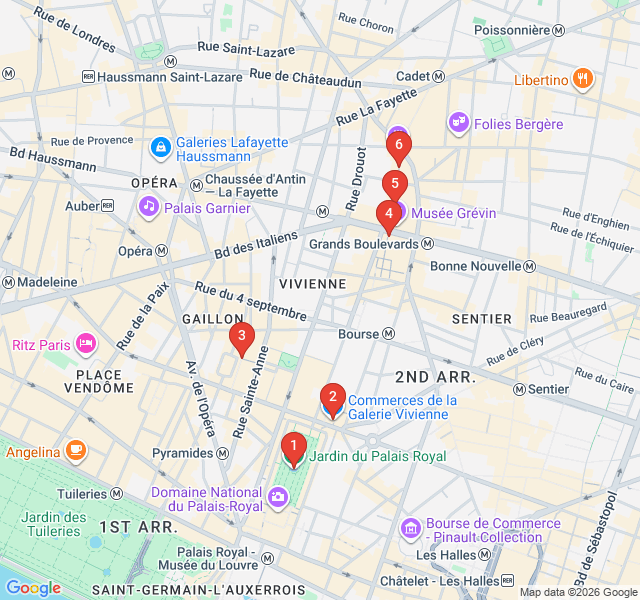
Numbers indicate the order of stops on the tour.
Begin your self-guided adventure at the Jardin du Palais Royal. Originally built for Cardinal Richelieu in the 1630s, this palace later became a royal residence. In the late 18th century, it was transformed into a bustling center of entertainment, shopping, and even revolution. As you walk through the courtyard, notice the striking 'Les Deux Plateaux,' or the Buren columns—260 black and white striped columns of varying heights installed in 1986. This site represents the perfect blend of 17th-century classical architecture and bold modern art. The surrounding arcades were the precursors to the covered passages you will explore next, housing cafes and boutiques that were once the heart of Parisian social life.
Step into Galerie Vivienne, arguably the most beautiful of all Parisian passages. Built in 1823 in the neoclassical Pompeian style, it features an exquisite mosaic floor designed by Giandomenico Facchina and a magnificent glass canopy that floods the space with natural light. Look for the decorative elements like laurel wreaths and lyres that signify the luxury of the era. This passage was designed to attract high-end shoppers, and today it remains home to elegant boutiques and a famous old bookstore. It is a masterpiece of early 19th-century urban design, intended to provide a clean, secure environment for the wealthy to see and be seen.
A short walk away is Passage Choiseul, the longest covered passage in Paris. At 190 meters long, it has a more utilitarian and bustling feel compared to the opulence of Vivienne. It was built between 1826 and 1827 and has a strong literary connection; the famous French writer Louis-Ferdinand Céline lived here as a child, and the passage features prominently in his novel 'Death on the Installment Plan.' Notice the glass roof, which was recently restored to its former glory. Today, the passage is a lively corridor filled with small eateries, art supply stores, and boutiques, serving as a vital shortcut for locals working in the neighboring theater district.
Crossing over toward the Grands Boulevards, you enter Passage des Panoramas. Opened in 1799, it is the oldest of the covered passages in Paris. It was named after the two large panoramic paintings of world cities that once stood at its entrance. This passage was a pioneer of innovation, being the first public space in Paris to install gas lighting in 1817. As you walk through, you'll notice it has a distinct, vintage atmosphere. It is a haven for collectors, particularly those interested in old stamps, coins, and postcards. Don't miss the historic facade of the Stern engraving shop, a protected monument that has occupied this space since 1834.
Directly across the street from the Panoramas is Passage Jouffroy, built in 1845. This passage represents a major leap in architectural technology, as it was the first in Paris built entirely of iron and glass, with only the decorative elements made of wood. It was also the first to feature underfloor heating. The passage has a unique 'L' shape and a charming black-and-white tiled floor. It is home to the Musée Grévin wax museum's exit and the Hotel des Vosges. Spend some time browsing the specialized shops here, which range from miniature dollhouse accessories to vintage books and walking sticks, capturing the whimsical spirit of the mid-19th century.
Your walking route concludes at Passage Verdeau, the northern extension of the Jouffroy and Panoramas axis. Built in 1847, this passage is often quieter and more nostalgic than its neighbors. It is famous for its high concentration of antique dealers, old bookshops, and vendors of vintage photography and engravings. The high, peaked glass roof creates a bright, airy atmosphere that highlights the treasures found in the shop windows. It is the perfect place to find a unique souvenir of old Paris. The atmosphere here has changed very little in over 150 years, offering a peaceful end to your exploration of the city's secret glass-roofed arteries.
Start Free on iPhone
Explore “Secret Passages and Glass Arcades” with your very own Private Tour Guide with Zigway. Start free on iPhone, skip the large group and the fixed routes, and hear the city come alive as you go.
Your Private Tour Guide
Don't miss the good stuff
Explore Freely
 Challenging
Paris, France
Explore the secret vineyards, legendary artist studios, and hidden squares of Paris's iconic hilltop on this self-guided bohemian walking route.
 Easy
EasyParis, France
Explore the evolution of Parisian design from Art Nouveau whimsy to Le Corbusier's Modernist masterpieces on this self-guided architectural walk.
 Easy
EasyParis, France
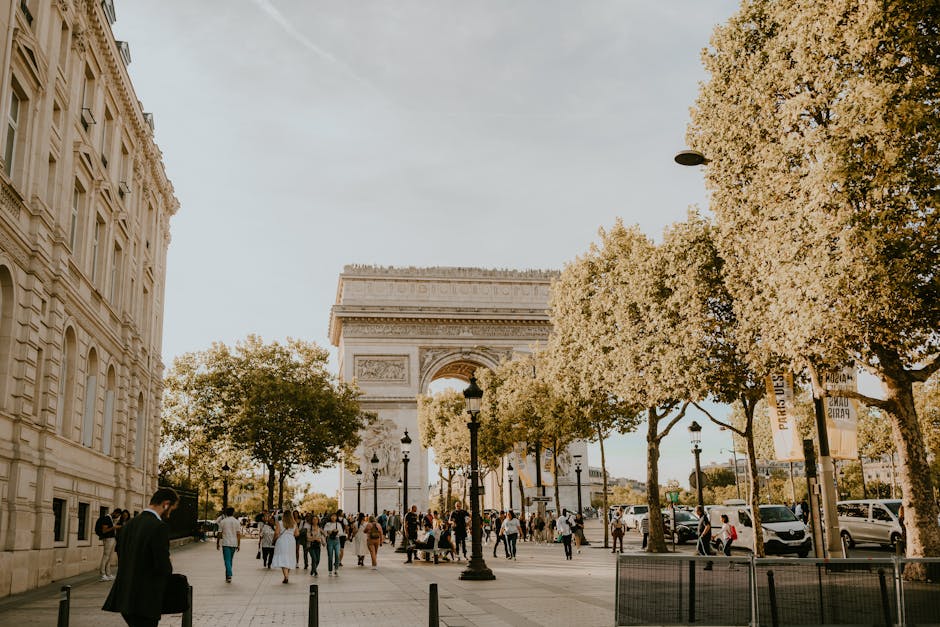
Explore the flavors and history of Bastille on this self-guided walk through the legendary Aligre Market and the scenic Coulée Verte.
 Easy
EasyParis, France
Discover aristocratic mansions, secret medieval courtyards, and royal history on this self-guided walk through the enchanting Marais district.
 Easy
EasyGdansk, Poland
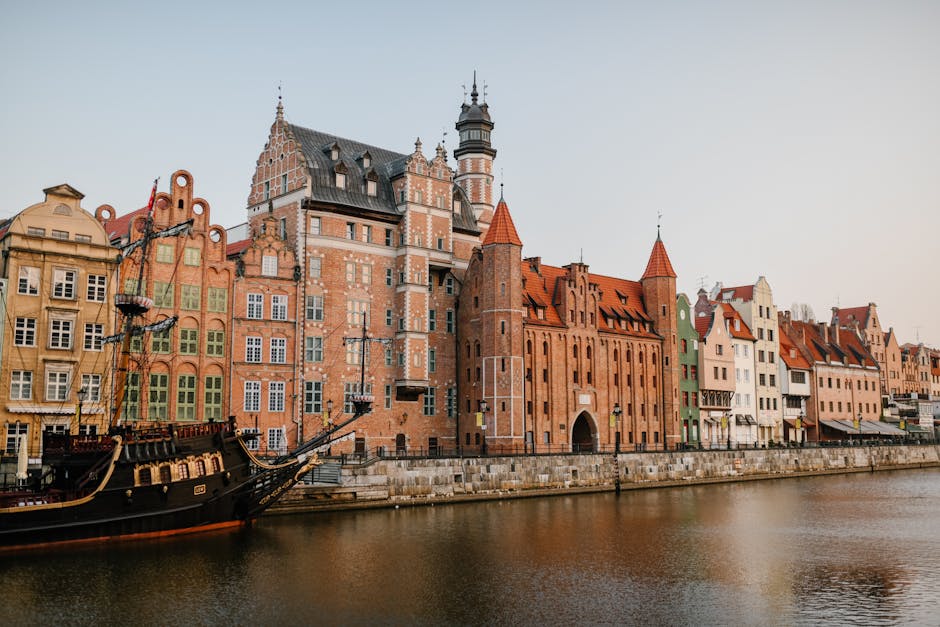
Discover the 'Baltic Gold' on this self-guided walk through Gdansk's historic mills, massive cathedrals, and the magical Mariacka Street.
 Easy
EasyWarsaw, Poland
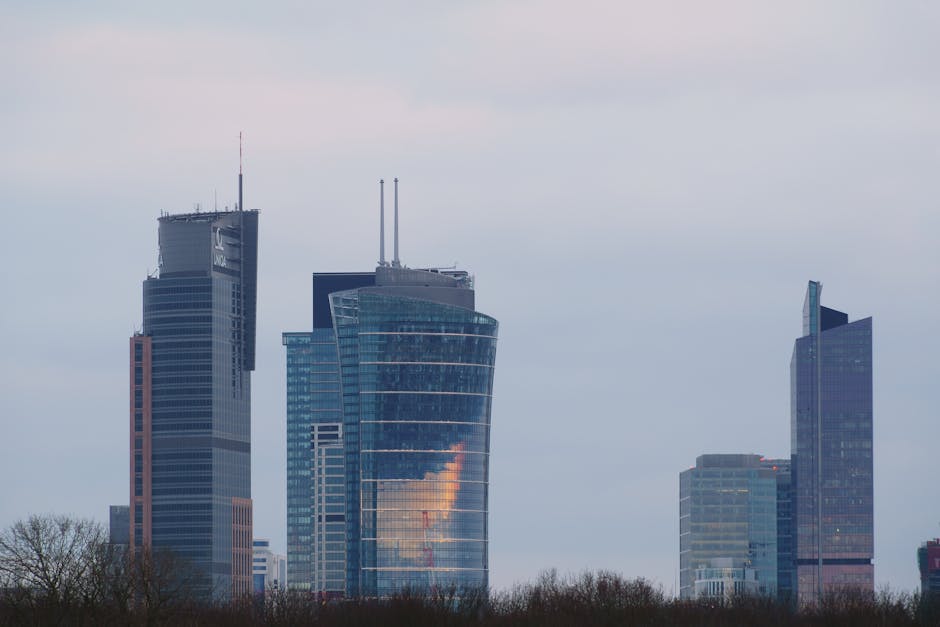
Discover the hidden courtyards and grand pre-war architecture of Warsaw's most atmospheric neighborhood on this self-guided stroll.
 Easy
EasySalzburg, Austria
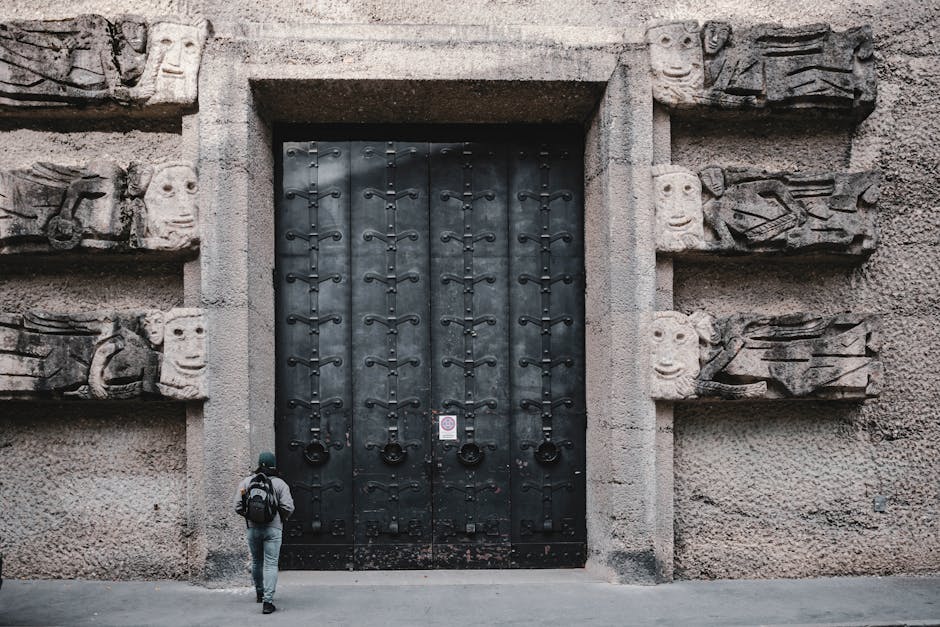
Discover Salzburg's oldest medieval alley, the birthplace of the 'Silent Night' author, and breathtaking views on this quiet self-guided walk.
 Easy
EasyNairobi, Kenya
Discover Nairobi's iconic skyline on this self-guided architecture walk through the CBD’s most famous modernist and Brutalist landmarks.
 Easy
EasyLyon, France
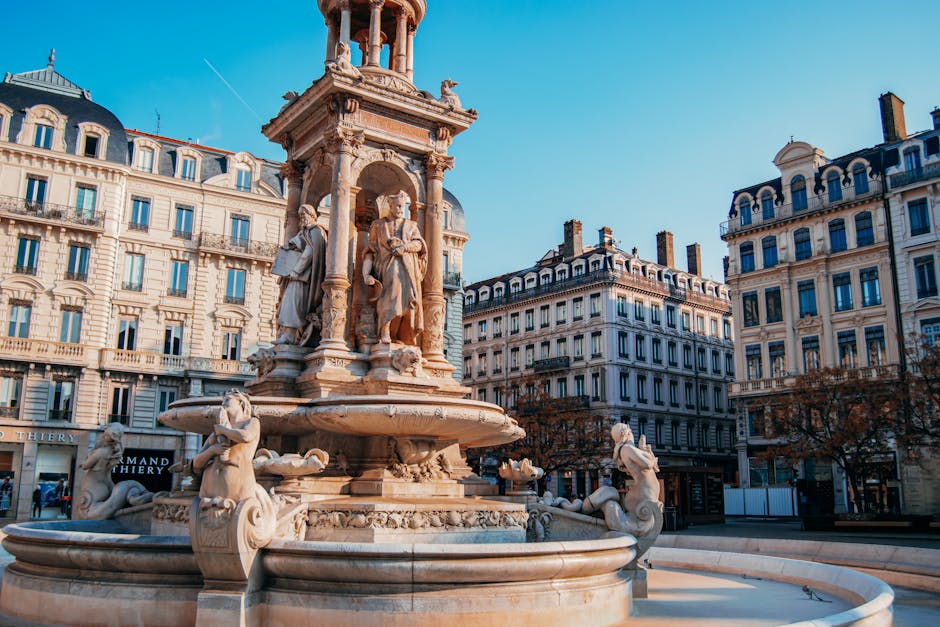
Discover Lyon's culinary soul on this self-guided walk from historic Presqu'île to the legendary Halles Paul Bocuse food market.
 Easy
EasyLyon, France
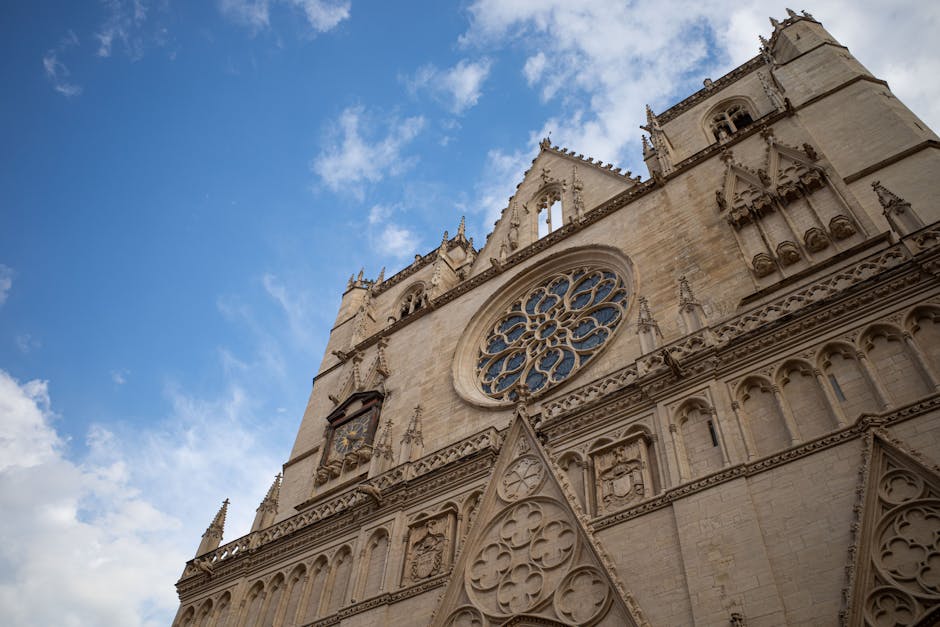
Explore Lyon’s futuristic waterfront! A self-guided walk through Confluence’s bold architecture and reclaimed industrial docks.
 Easy
EasyLyon, France
Discover the multicultural soul and industrial heritage of Lyon's 7th arrondissement on this vibrant self-guided walking route.
 Moderate
Lyon, France
Ascend the 'Hill that Prays' to explore Roman ruins, a shimmering basilica, and secret panoramic gardens on this historic self-guided walk in Lyon.