Self-guided audio tour in Warsaw
Start Free on iPhone
Start free on iPhone to unlock this self-guided walking tour in Warsaw. Hear all the stories that make it amazing, walk at your own pace, and begin whenever you want.
Your Private Tour Guide
Embark on a self-guided walk through the heart of Warsaw, where the city's complex history is told through its diverse culinary landscape. This walking route invites you to explore the evolution of Polish flavors, from the humble socialist-era milk bars to the sophisticated, industrial-chic food halls of the 21st century. You will begin in the bustling center, discovering how Warsaw’s residents turned simple ingredients into iconic street food during times of scarcity, and finish amidst the vibrant stalls of a historic market that has survived the city's most turbulent eras. As you navigate this neighborhood stroll, you will encounter the stark architectural contrasts that define Warsaw. You'll see the sleek, restored ironwork of Hala Koszyki, a testament to the city's modern revival, and the weathered bricks of Hala Mirowska, where local life continues much as it has for decades. Along the way, the route leads you into hidden courtyards tucked behind grand boulevards, revealing a bohemian side of the city often missed by those sticking to the main tourist paths. This food-focused exploration is more than just a tasting journey; it is a cultural immersion. You’ll learn about the 'Bar Mleczny' (Milk Bar) tradition, a unique remnant of the Communist period that still provides affordable, home-cooked meals to students and seniors alike. You'll also see how contemporary chefs are reinventing Polish classics, turning simple pierogi and zapiekanka into gourmet experiences. Whether you are a dedicated foodie or a history enthusiast, this walking route Warsaw offers a unique perspective on the city's resilience and its passion for communal dining. Explore independently and at your own pace, soaking in the sights, smells, and sounds of Poland's dynamic capital. **Note:** This area is known for its ever-changing character. Street art, pop-up venues, and temporary exhibitions may differ from what's described. That's part of the adventure - you might discover something entirely new!
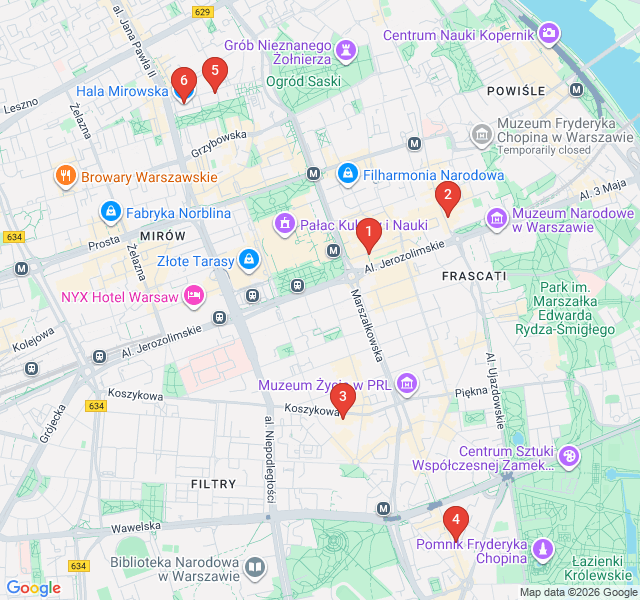
Numbers indicate the order of stops on the tour.
Start your self-guided adventure with a quintessential Polish snack: the zapiekanka. Often called 'Polish pizza,' this open-faced baguette topped with sautéed mushrooms and melted cheese became a staple during the 1970s. At this specific spot, you can see how this humble street food has been elevated with high-quality ingredients. The location itself, tucked just off the busy Marszałkowska street, represents the small-scale entrepreneurship that flourished as Poland transitioned to a market economy. It is a perfect introduction to the city's ability to turn simple ingredients into a beloved cultural icon. Grab a slice and notice the blend of locals and travelers fueling up for their day.
Tucked away behind the grand facades of Nowy Świat, one of Warsaw's most famous boulevards, lies a hidden world of social life. These 'pavilions' were originally small craft workshops during the socialist era, but today they house dozens of tiny, eclectic bars and eateries. This area captures the bohemian spirit of Warsaw’s youth and creative community. Each pavilion has its own unique character, ranging from dive bars to specialized cocktail spots. As you wander the narrow alleys of this courtyard, you’re seeing a space that has evolved organically into one of the city's most vibrant nightlife and social hubs, hidden in plain sight from the main street's luxury boutiques.
Next, head to the crown jewel of Warsaw’s modern culinary scene. Originally built in 1906, Hala Koszyki was a bustling market hall that fell into disrepair over the decades. Its restoration is a masterpiece of industrial architecture, blending original Art Nouveau elements with sleek glass and steel. Today, it serves as a social meeting point filled with global food stalls and bars. As you explore, look for the original wall tiles and the restored ironwork. This space represents the new, cosmopolitan Warsaw—a city that honors its past while embracing international trends and a sophisticated, communal dining culture. It’s a sharp, fascinating contrast to the traditional markets you will encounter later.
To understand the soul of Polish dining, you must visit a 'Bar Mleczny' or Milk Bar. Bar Prasowy, established in 1954, is one of the most iconic examples. These government-subsidized cafeterias were designed to provide cheap, dairy-based meals to workers during the Communist era. While many closed after 1989, Prasowy survived thanks to local community protests. Inside, you’ll find a democratic cross-section of Warsaw society—students, businessmen, and seniors—all eating the same affordable pierogi and tomato soup. The interior has been modernized, but the spirit remains the same: simple, honest food served without pretension. It is a living piece of social history that continues to thrive in the modern city.
As you move toward the historic market district, you’ll find Hala Gwardii. This building has a storied past; after WWII, it became a legendary boxing arena where the Polish national team trained. You might even see boxing memorabilia or occasional matches held here today. In recent years, it has been transformed into a weekend food market and social space. Unlike the more polished Hala Koszyki, Gwardii retains a raw, industrial feel. It’s a place where local artisanal producers sell honey, cheese, and bread alongside pop-up kitchens. Please note that Gwardii is primarily active on Fridays, Saturdays, and Sundays, offering a lively, community-focused vibe that changes frequently with new vendors and events.
End your walking route at Hala Mirowska, the architectural twin to Hala Gwardii. While its brother has become a trendy food hall, Mirowska remains a traditional, working market. This is where Varsovians have come for generations to buy the freshest produce, flowers, and regional delicacies. The bullet holes still visible on its exterior walls serve as a somber reminder of the city's history during the 1944 Warsaw Uprising. Walking through the outdoor stalls and the indoor hall offers an authentic glimpse into daily life. From fermented pickles to wild mushrooms, the variety of goods here reflects the seasonal rhythms of Polish cuisine. It is a place of continuity in a city that has seen so much change.
Start Free on iPhone
Explore “Pierogi and Pavilions: A Warsaw Food Crawl” with your very own Private Tour Guide with Zigway. Start free on iPhone, skip the large group and the fixed routes, and hear the city come alive as you go.
Your Private Tour Guide
Don't miss the good stuff
Explore Freely
 Easy
EasyWarsaw, Poland
Discover the hidden courtyards and grand pre-war architecture of Warsaw's most atmospheric neighborhood on this self-guided stroll.
 Easy
EasyWarsaw, Poland
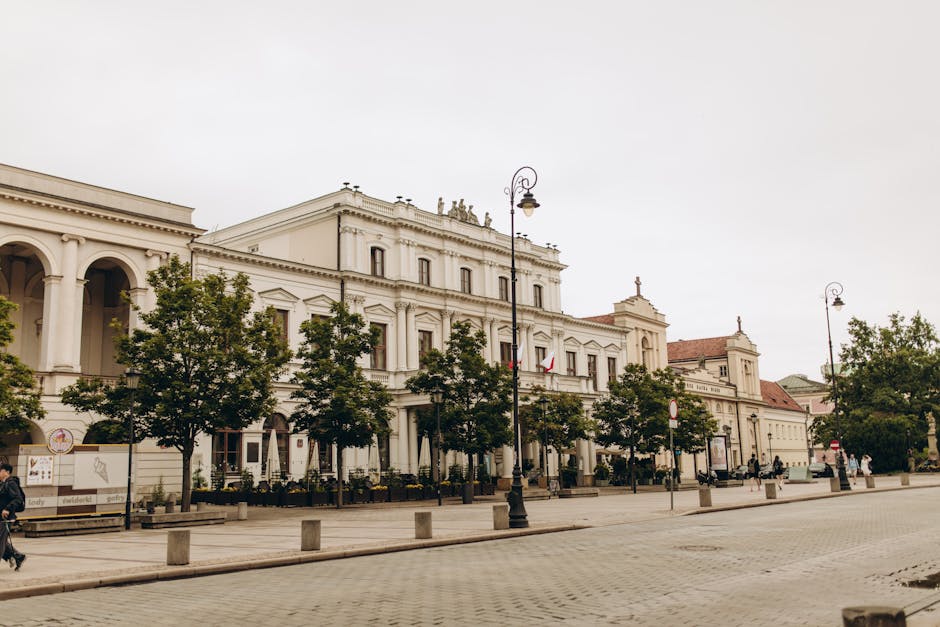
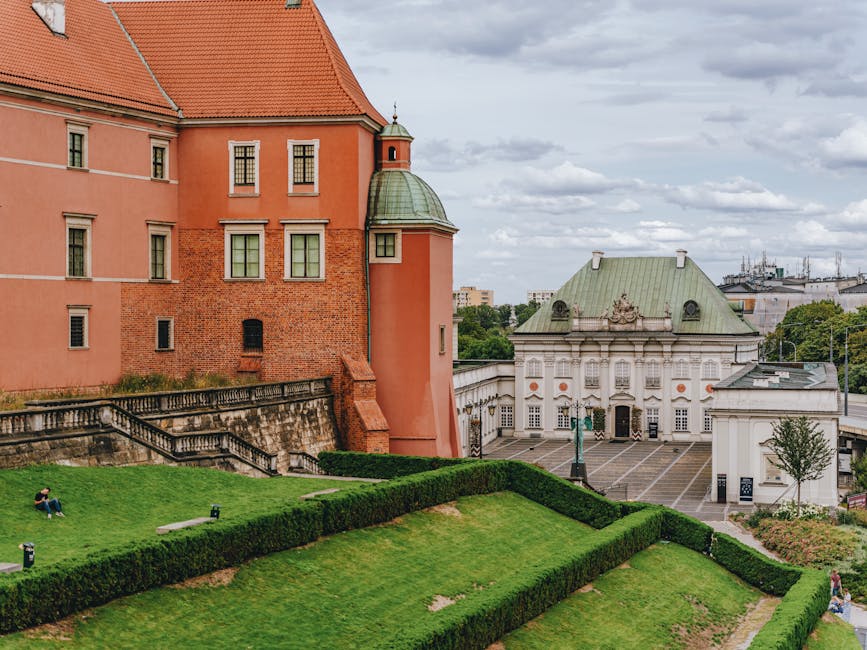
Explore the 'Polish Versailles' at your own pace. Discover Baroque architecture, royal history, and stunning gardens on this self-guided walk.
 Moderate
Warsaw, Poland
Explore the resilient spirit of Warsaw's Muranów district on this self-guided walk through the history and landmarks of the former Jewish Ghetto.
 Moderate
Warsaw, Poland
A powerful self-guided walk through Warsaw's WWII history, tracking the 1944 Uprising from ruined skyscrapers to solemn memorials.
 Easy
EasyKrakow, Poland
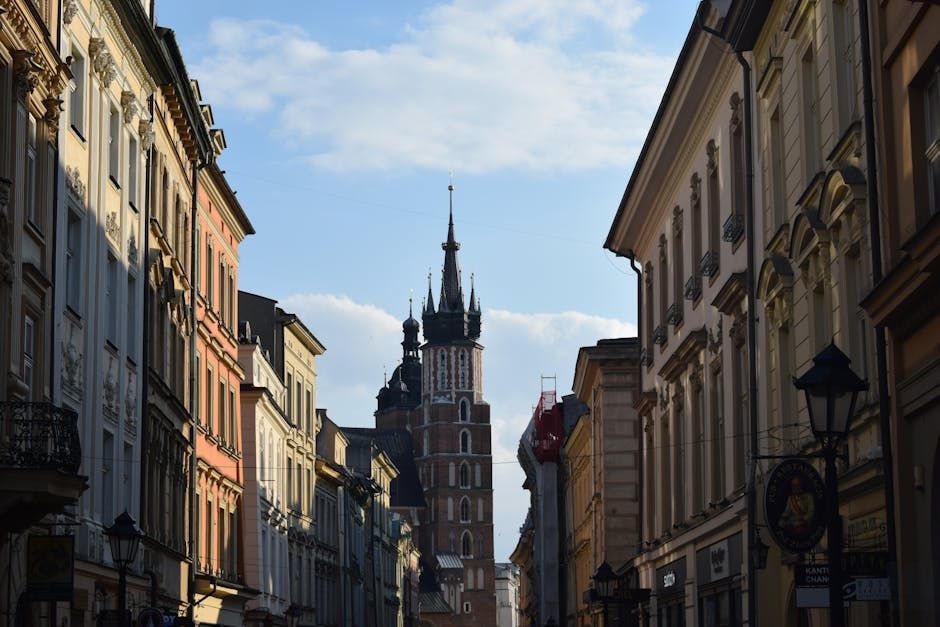
Savor the soul of Krakow on this self-guided walk through historic markets, bohemian cafes, and the city's best pierogi spots.
 Easy
EasyGdansk, Poland
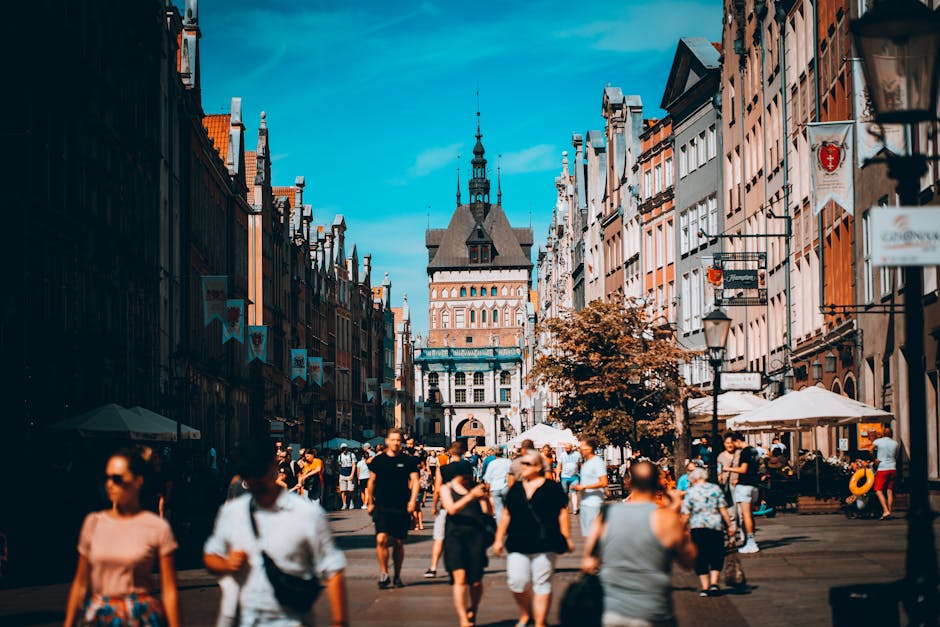
Taste the history of the Baltic. Explore Gdansk's culinary heritage from medieval markets to gold-flecked liqueurs on this self-guided walk.
 Moderate
Nairobi, Kenya
Taste your way through Nairobi's Westlands on this self-guided walk featuring street snacks, cultural landmarks, and hidden foodie gems.
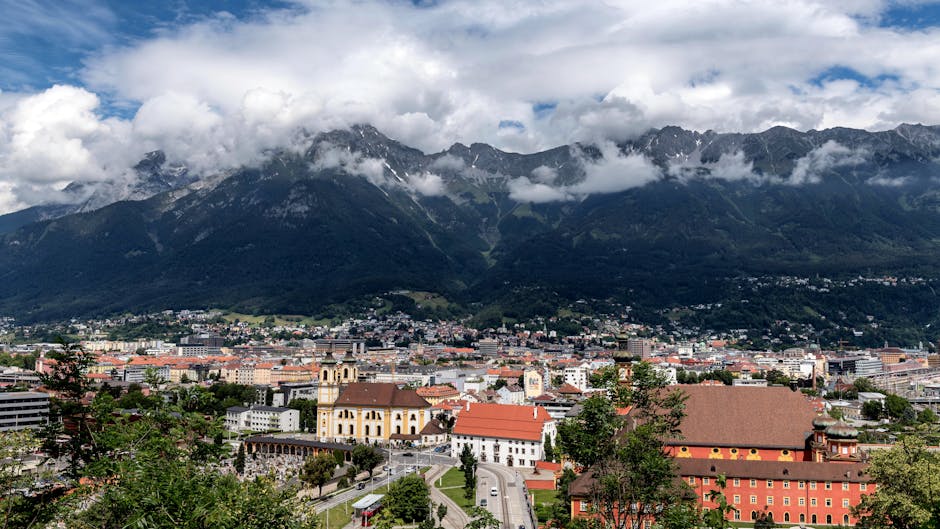 Easy
EasyInnsbruck, Austria
Discover the flavors of Tyrol on this self-guided stroll through Innsbruck’s historic Old Town and vibrant market hall.
 Easy
EasyKrakow, Poland
Explore the prestigious Jagiellonian University district, featuring Neo-Gothic architecture, Baroque churches, and Krakow's hidden scholarly gems.
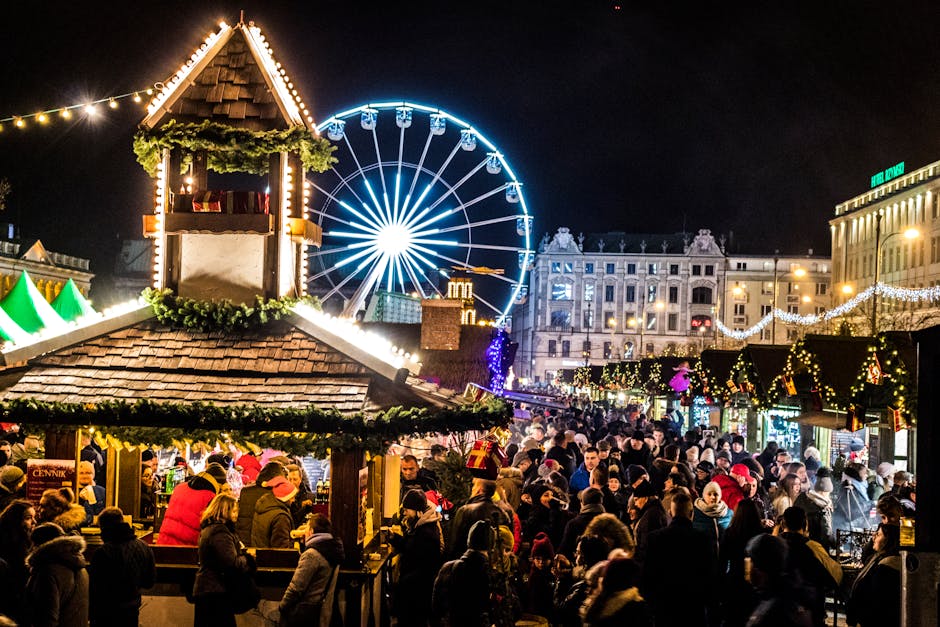 Easy
EasyKrakow, Poland
Explore Krakow's hidden nightlife with this self-guided walk through medieval cellars, jazz clubs, and bohemian bars in the Old Town and Kazimierz.
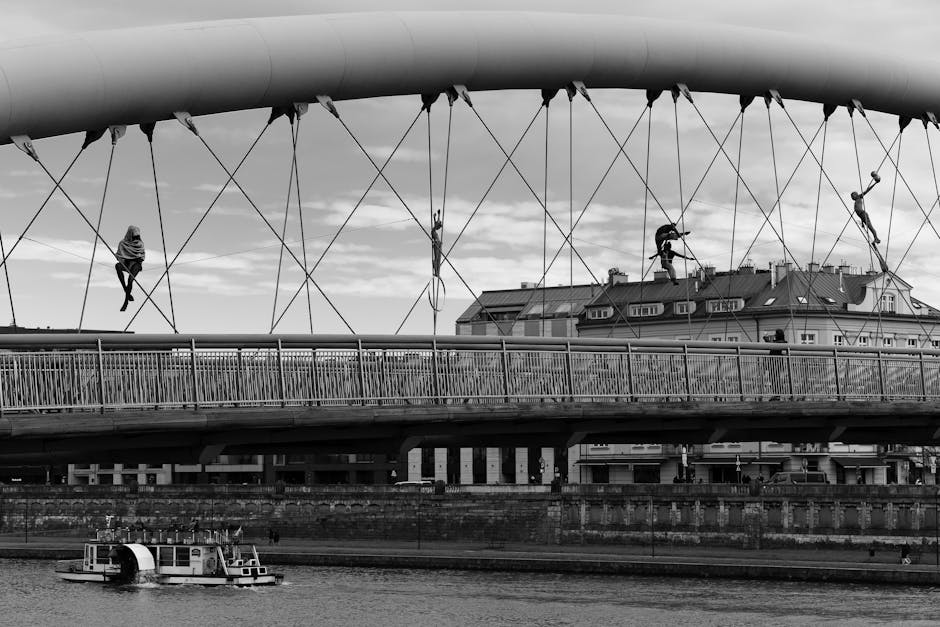 Easy
EasyKrakow, Poland
Discover Krakow’s creative soul in Zabłocie, exploring industrial heritage, contemporary art museums, and avant-garde architecture at your own pace.
 Easy
EasyKrakow, Poland
Explore the historic heart of Kazimierz on this self-guided walk through synagogues, ancient cemeteries, and vibrant squares.