Self-guided audio tour in Warsaw
Start Free on iPhone
Start free on iPhone to unlock this self-guided walking tour in Warsaw. Hear all the stories that make it amazing, walk at your own pace, and begin whenever you want.
Your Private Tour Guide
Warsaw’s skyline is famously dominated by a controversial "gift" from the East, but the city’s Communist history is etched into far more than just one skyscraper. This self-guided walk invites you to explore the monumental architecture and the complex socialist dreams of the Polish People’s Republic (PRL). As you navigate the wide boulevards of the City Center, you will encounter the grand visions of Socialist Realism—an architectural style intended to be "socialist in content and national in form." This walking route begins at the heart of the Marszałkowska Housing District (MDM), a massive post-war project designed to house the working class in "palaces" of their own. From the giant candelabras of Constitution Square to the former Communist Party Headquarters, the path reveals how ideology shaped the very bricks and mortar of the city. You will discover how a neighborhood stroll can transform into a journey through time, uncovering the paradoxes of a regime that built grand ministries while its citizens often queued for basic goods. The experience highlights the Palace of Culture and Science, a building that remains a polarizing symbol of Warsaw’s identity. Along the way, this audio walk provides context for the massive parade grounds and the structures that replaced the ruins of the pre-war city. Whether you are interested in Cold War history, urban planning, or the resilient spirit of the Polish people, this independent exploration offers a deep dive into a world of socialist dreams and the reality of life behind the Iron Curtain. This is a chance to see Warsaw through a different lens, understanding how the monuments of the 20th century continue to define the modern metropolis. By choosing this self-guided adventure, you can explore at your own pace, stopping to take photos of the unique reliefs or ducking into a milk bar for a taste of the past. It is an essential walking tour Warsaw history enthusiasts should not miss.
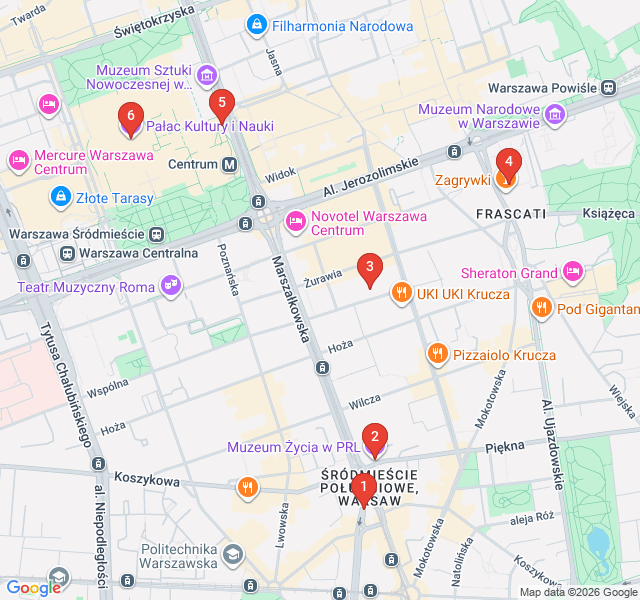
Numbers indicate the order of stops on the tour.
Welcome to the heart of the Marszałkowska Housing District, known as MDM. Built between 1950 and 1952, this square was designed as the flagship of Socialist Realist urban planning in Warsaw. Look up at the massive candelabras; they are iconic symbols of the era's grandiosity. The architecture here was meant to impress and provide high-standard housing for the 'leading' members of the working class. If you look closely at the facades, you will see monumental sculptures and reliefs depicting workers, mothers, and peasants—the heroes of the socialist state. This square was the site of many official parades, designed to be a 'parade-ground' for the people.
Just off the main square, this museum offers a poignant and often humorous look at daily life in the Polish People's Republic. While the architecture outside is grand, life inside was often defined by shortages, clever substitutions, and the unique aesthetics of the 1960s and 70s. This stop provides the 'human' side of the communist era, showcasing everything from typical apartment interiors to the iconic 'Maluch' (Fiat 126p) car. It serves as a reminder that behind the cold stone of the monuments were millions of people trying to live normal lives in an abnormal system.
This building is one of the most striking examples of Socialist Realist architecture in Warsaw. Notice the massive colonnade and the sheer scale of the structure. It was designed to look like a temple of labor, emphasizing the importance of the rural worker in the new socialist hierarchy. The architects drew inspiration from classical forms but adapted them to project power and stability. It remains a functioning government building today, standing as a silent witness to the era when the state controlled every aspect of production and land.
You are standing before the former headquarters of the Polish United Workers' Party, once known as the 'White House' of Warsaw. This was the nerve center of communist power in Poland. In a delicious twist of historical irony, this building—the former heart of anti-capitalist sentiment—is now a financial and banking center. The architecture is more restrained than other socialist landmarks, leaning towards a modernist style that was popular in the late 1940s. It was here that many of the most critical decisions of the Cold War era in Poland were made, far from the eyes of the public.
Step into the vastness of Plac Defilad. Once the largest parade ground in Europe, this space was created specifically for mass demonstrations and military displays. Imagine the thousands of soldiers and citizens who marched here under the watchful eyes of party leaders standing on the stone tribune. Today, the square feels somewhat empty and fragmented, reflecting the city's ongoing struggle to decide what to do with such a politically charged space. It serves as the massive pedestal for the Palace of Culture, emphasizing the building's dominance over the city landscape.
Finally, we reach the most famous landmark in Poland: the Palace of Culture and Science. Completed in 1955 as a 'gift from the Soviet people to the Polish nation,' it was modeled after the 'Seven Sisters' in Moscow. For decades, it was the tallest building in Poland and a constant reminder of Soviet influence. While many once called for its demolition, it is now a protected monument housing theaters, cinemas, and museums. Its intricate stonework features motifs from Polish architecture, blended with Soviet symbolism. Whether you see it as a symbol of oppression or a masterpiece of architecture, its presence in the Warsaw skyline is undeniable.
Start Free on iPhone
Explore “Stalin’s Gift and Socialist Dreams: Communist Warsaw” with your very own Private Tour Guide with Zigway. Start free on iPhone, skip the large group and the fixed routes, and hear the city come alive as you go.
Your Private Tour Guide
Don't miss the good stuff
Explore Freely
 Easy
EasyWarsaw, Poland
Discover the hidden courtyards and grand pre-war architecture of Warsaw's most atmospheric neighborhood on this self-guided stroll.
 Easy
EasyWarsaw, Poland
Explore the 'Polish Versailles' at your own pace. Discover Baroque architecture, royal history, and stunning gardens on this self-guided walk.
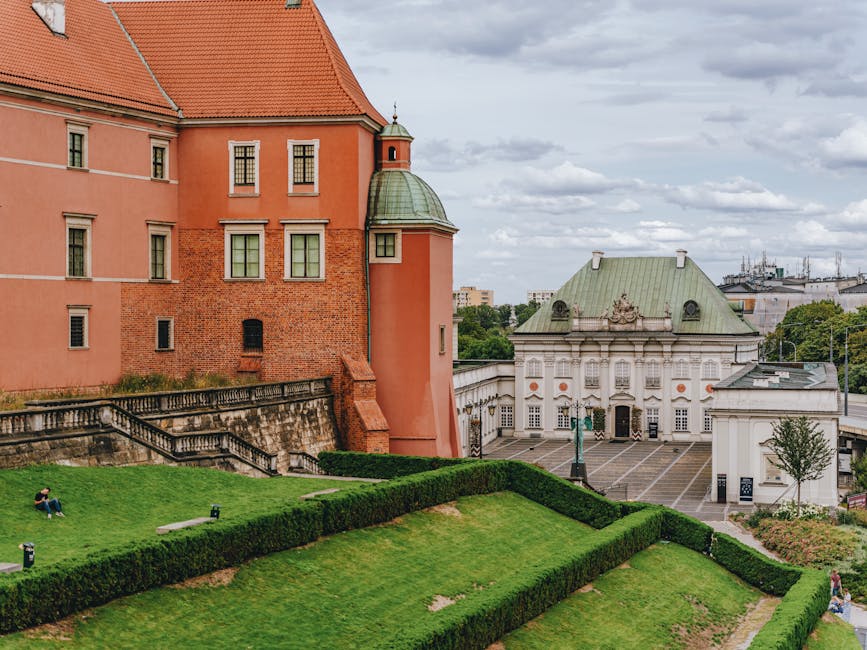 Moderate
Warsaw, Poland
Explore the resilient spirit of Warsaw's Muranów district on this self-guided walk through the history and landmarks of the former Jewish Ghetto.
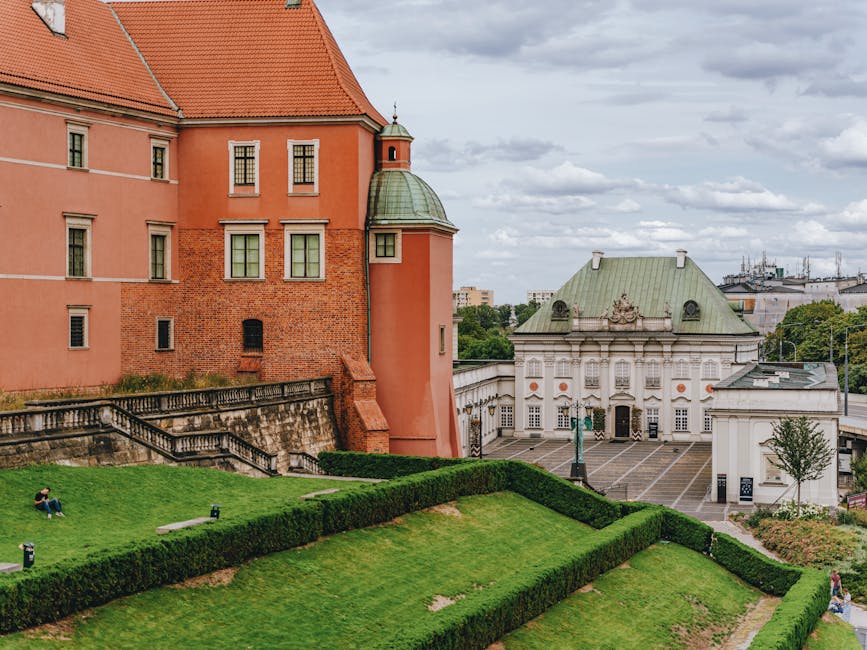 Moderate
Warsaw, Poland
A powerful self-guided walk through Warsaw's WWII history, tracking the 1944 Uprising from ruined skyscrapers to solemn memorials.
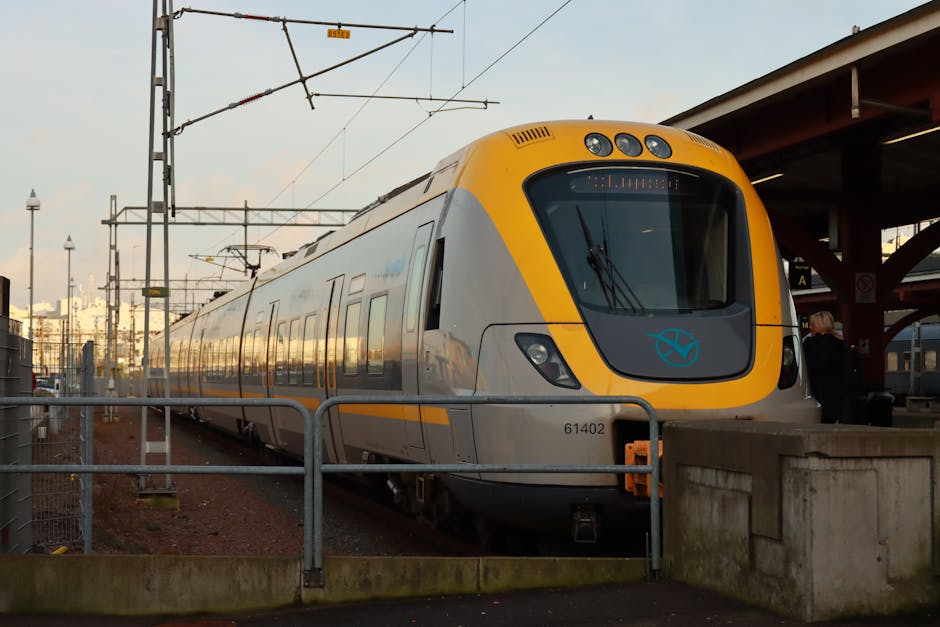 Easy
EasyGothenburg, Sweden
Discover Gothenburg’s 17th-century Dutch foundations, historic canals, and military fortifications on this self-guided architectural walk.
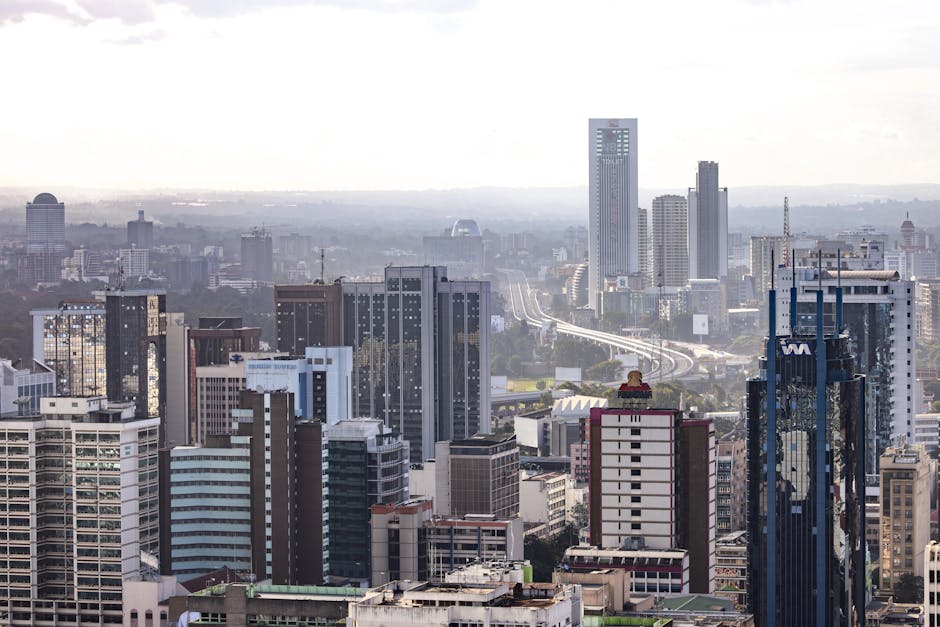 Easy
EasyNairobi, Kenya
Explore Nairobi's architectural evolution from colonial-era landmarks to iconic Brutalist skyscrapers on this historic self-guided walking route.
 Easy
EasyNairobi, Kenya
Discover Nairobi's iconic skyline on this self-guided architecture walk through the CBD’s most famous modernist and Brutalist landmarks.
 Easy
EasyKrakow, Poland
Explore the historic heart of Kazimierz on this self-guided walk through synagogues, ancient cemeteries, and vibrant squares.
 Easy
EasyKrakow, Poland
Explore the prestigious Jagiellonian University district, featuring Neo-Gothic architecture, Baroque churches, and Krakow's hidden scholarly gems.
 Easy
EasyKrakow, Poland
Explore Krakow's hidden nightlife with this self-guided walk through medieval cellars, jazz clubs, and bohemian bars in the Old Town and Kazimierz.
 Easy
EasyKrakow, Poland
Discover Krakow’s creative soul in Zabłocie, exploring industrial heritage, contemporary art museums, and avant-garde architecture at your own pace.
EasyKrakow, Poland
Explore the historic heart of Kazimierz on this self-guided walk through synagogues, ancient cemeteries, and vibrant squares.